In recent years, churches around the world have increasingly embraced modern technology to enhance worship experiences and community engagement. One of the most transformative tools in this digital evolution is the LED display. From vibrant sermon visuals to dynamic announcements and multimedia presentations, LED displays have become an indispensable asset for many congregations.
This article explores the role of LED displays in church settings, explaining their technology, benefits, and practical considerations to help church leaders and tech teams make informed decisions.
Understanding LED Display Technology
What Is an LED Display?
LED stands for Light Emitting Diode, a semiconductor device that emits light when an electric current passes through it. An LED display is a flat panel that uses an array of these tiny diodes to produce images, videos, and text. Unlike traditional LCD or projection systems, LED displays generate their own light, resulting in brighter and more vivid visuals. This self-illuminating feature allows for better performance in various lighting conditions, making LED displays a popular choice for venues that require high visibility.
In church environments, LED displays come in various sizes and configurations, from small indoor panels to large outdoor screens. They can be customized to fit walls, stages, or even portable setups, offering flexibility in how content is presented. The ability to display dynamic content, such as live streaming sermons, announcements, or worship lyrics, enhances the overall worship experience. Additionally, LED displays can be integrated with advanced software solutions that allow for real-time updates and interactive features, engaging congregants in new and exciting ways.
Types of LED Displays Suitable for Churches
There are primarily two types of LED displays used in church settings:
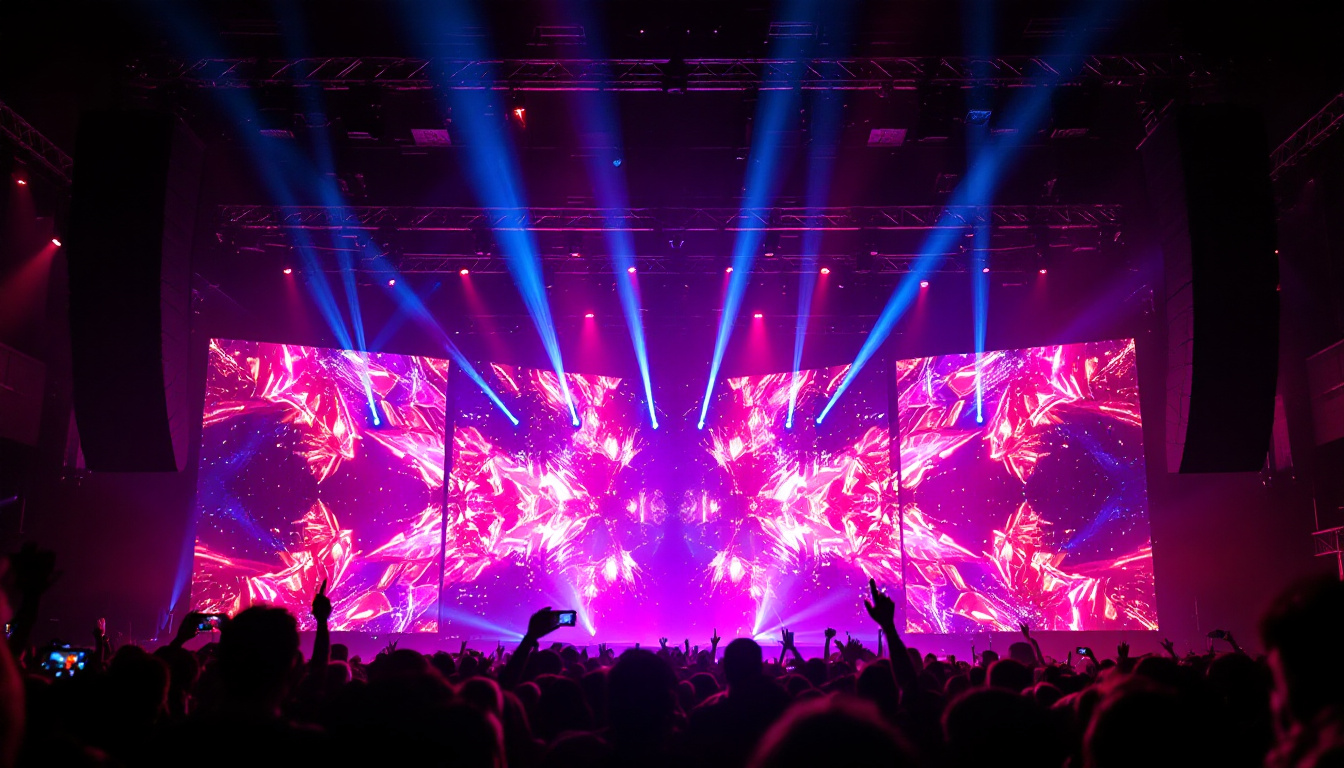
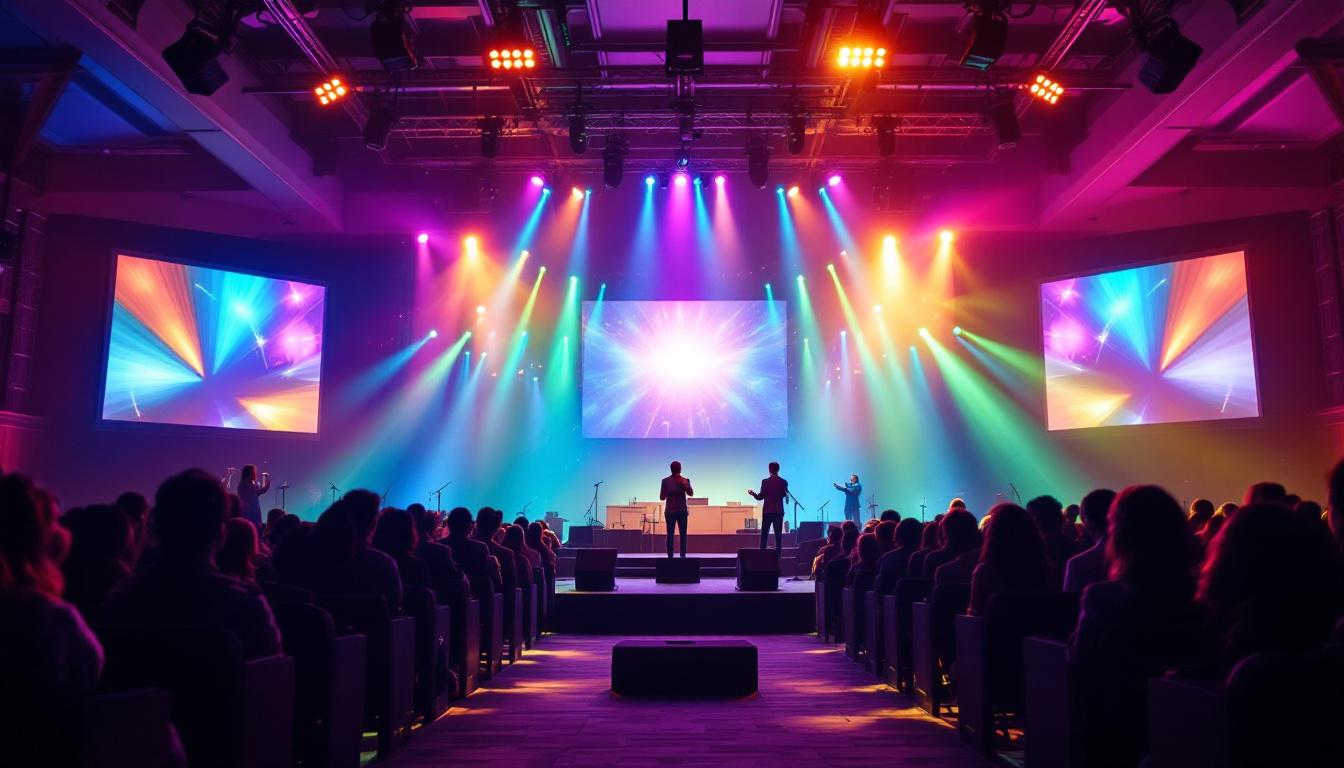
- Indoor LED Displays: Designed for controlled lighting environments, these displays offer high resolution and fine pixel pitch, making them ideal for close viewing distances. They are perfect for sanctuary walls, worship stages, or fellowship halls. The clarity and detail provided by indoor LED displays enhance the visual impact of presentations, making it easier for congregants to connect with the message being conveyed.
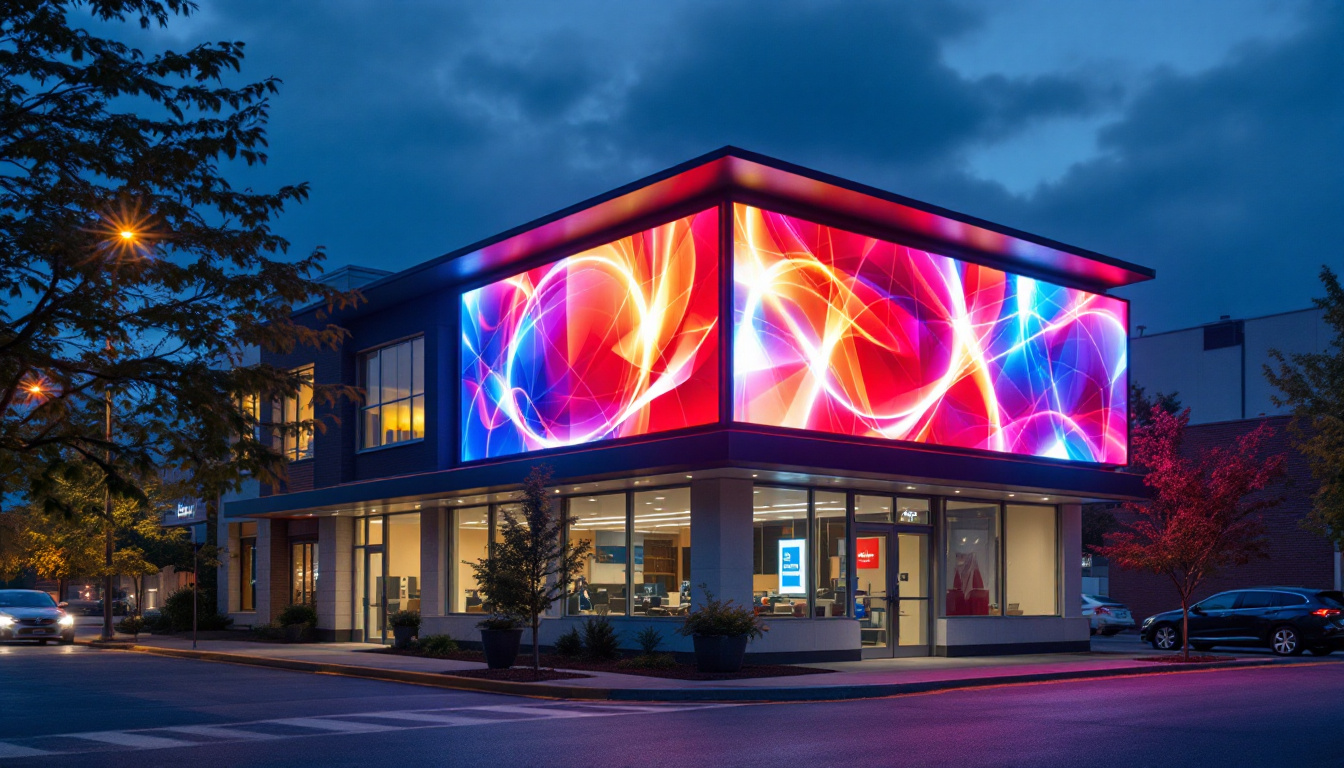
- Outdoor LED Displays: Built to withstand weather conditions, these displays are brighter and more durable. Churches often use them for outdoor events, drive-in services, or community outreach programs. The ability to display content in direct sunlight without losing visibility is a significant advantage, allowing churches to reach a broader audience and engage with the community effectively.
Choosing the right type depends on the church’s specific needs, budget, and installation environment. Factors such as pixel density, brightness levels, and viewing angles play crucial roles in determining the best fit. Furthermore, churches may also consider the maintenance and operational costs associated with each type of display, as well as the potential for future upgrades or expansions. With the rapid advancements in LED technology, options such as modular displays are becoming increasingly popular, allowing for easy reconfiguration and scalability as the church’s needs evolve over time.
Why Churches Are Adopting LED Displays
Enhancing Worship Experience
Modern worship often incorporates multimedia elements such as song lyrics, scripture verses, sermon notes, and video clips. LED displays provide a seamless way to present this content clearly and attractively. Their brightness and color accuracy ensure that visuals are easily readable from any seat in the sanctuary, fostering greater participation and engagement.
Research indicates that visual aids can improve information retention by up to 65%, making LED displays a powerful tool for reinforcing messages during sermons and teachings. Furthermore, the ability to integrate live feeds or social media updates can create a more interactive atmosphere, allowing congregants to feel more connected to the service and each other. This blend of technology and worship not only enhances the spiritual experience but also encourages a more vibrant community dynamic.
Improving Accessibility and Inclusivity
LED displays can significantly enhance accessibility for congregants with hearing impairments or those seated far from the stage. By displaying captions, sign language videos, or real-time translations, churches can create a more inclusive environment. Additionally, larger, clearer text and visuals help elderly attendees follow along without strain. The use of contrasting colors and adjustable brightness settings can further accommodate individuals with visual impairments, ensuring that everyone can engage fully in the worship experience.
Moreover, many churches are now exploring the potential of LED technology to provide multilingual support, catering to diverse congregations. By offering translations in multiple languages, churches can embrace cultural diversity and ensure that all members feel welcomed and valued. This commitment to inclusivity not only enriches the worship experience but also strengthens community ties.
Facilitating Communication and Community Building
Beyond worship, LED displays serve as dynamic bulletin boards for announcements, event promotions, and community messages. This real-time communication keeps congregants informed and connected. For example, displaying upcoming volunteer opportunities or prayer requests encourages active participation and fosters a sense of belonging. Additionally, churches can utilize these displays to highlight member achievements, share testimonials, or celebrate milestones, which helps to build a stronger community spirit.
Incorporating interactive elements, such as QR codes that link to event registrations or donation pages, can further enhance engagement. This tech-savvy approach not only streamlines communication but also encourages congregants to take action, whether it’s signing up for a church event or contributing to a charitable cause. As churches continue to evolve in their use of technology, LED displays are proving to be an essential tool for fostering connection and community within the congregation.
Key Benefits of LED Displays in Churches
Superior Visual Quality
LED displays offer exceptional brightness levels, often exceeding 1,000 nits for indoor models and up to 5,000 nits or more for outdoor units. This ensures clear visibility even in brightly lit rooms or daylight conditions. The high contrast ratio and wide color gamut deliver vibrant images that captivate audiences.
Energy Efficiency and Longevity
Compared to traditional projection systems, LED displays consume less power and generate less heat, reducing operational costs and environmental impact. LEDs have an average lifespan of 50,000 to 100,000 hours, translating to years of reliable use with minimal maintenance.
Flexibility and Customization
LED technology allows for a range of sizes and shapes, including curved or irregular panels that can conform to architectural features. Content can be easily updated or changed remotely via software, enabling churches to tailor messages for different services or events without additional hardware.
Durability and Low Maintenance
LED displays are robust and resistant to shock, vibration, and temperature fluctuations. This makes them suitable for busy church environments where equipment must withstand frequent use. Maintenance typically involves simple cleaning and occasional software updates, minimizing downtime.
Practical Considerations for Installing LED Displays in Churches
Assessing the Space and Viewing Distance
Before selecting an LED display, it’s crucial to evaluate the physical space where it will be installed. Factors such as room size, seating arrangement, ambient lighting, and viewing distance influence the optimal screen size and pixel pitch (the distance between LED diodes).
A general guideline is that the minimum viewing distance should be at least 1.5 to 2 times the screen height. For example, a 6-foot tall display is best viewed from 9 to 12 feet away or more. Choosing the right pixel pitch ensures that images appear sharp and text remains legible.
Content Management and Software
LED displays require compatible content management systems (CMS) to schedule and control what appears on the screen. Many modern LED solutions include user-friendly software that supports various media formats, live video feeds, and integration with church presentation tools like ProPresenter or EasyWorship.
Training staff or volunteers on the CMS is essential to maximize the display’s potential and ensure smooth operation during services.
Budgeting and Cost Factors
While LED displays have become more affordable, they still represent a significant investment. Costs vary based on size, resolution, type (indoor vs. outdoor), and installation complexity. Additional expenses may include mounting hardware, control systems, and ongoing maintenance.
Churches should consider total cost of ownership, including energy savings and reduced maintenance, when evaluating options. Leasing or financing plans may also be available to spread out upfront costs.
Installation and Technical Support
Professional installation is recommended to ensure the display is securely mounted, properly calibrated, and integrated with existing AV systems. Many LED providers offer comprehensive support packages, including warranty, technical assistance, and training.
Partnering with experienced installers familiar with church environments can help avoid common pitfalls and optimize the display’s performance.
Case Studies: Churches Successfully Using LED Displays
Large Urban Church Enhances Worship with a Massive LED Wall
A prominent urban church installed a 20-foot by 10-foot indoor LED wall behind the stage. This display allows for immersive sermon visuals, live video feeds, and interactive worship experiences. Attendance increased by 15% within six months, attributed in part to the enhanced atmosphere and engagement.
Small Community Church Uses LED Displays for Outreach
A small rural church invested in an outdoor LED sign to promote weekly services and community events. The bright, eye-catching display has attracted new visitors and improved communication with locals. The church reports a 25% growth in attendance since installation.
Multi-Campus Church Coordinates Messaging Across Locations
A multi-campus church utilizes LED displays at each site, synchronized through a central content management system. This ensures consistent messaging and branding while allowing location-specific announcements. The technology has streamlined communication and strengthened the church’s unified identity.
Future Trends in Church LED Displays
Integration with Augmented Reality and Interactive Technologies
Emerging technologies like augmented reality (AR) and interactive touchscreens are beginning to complement LED displays in worship settings. These innovations offer new ways to engage congregants, such as interactive Bible studies or immersive worship environments.
Advancements in Energy Efficiency and Sustainability
As LED technology evolves, displays are becoming even more energy-efficient and environmentally friendly. Churches committed to sustainability can benefit from lower carbon footprints and reduced utility costs.
Cloud-Based Content Management and Remote Control
Cloud-based platforms enable churches to manage LED display content remotely from anywhere, facilitating real-time updates and multi-location coordination. This flexibility is especially valuable for churches with multiple campuses or those hosting virtual and hybrid services.
Conclusion
LED displays represent a powerful tool for churches seeking to modernize their worship spaces and enhance community engagement. Their superior visual quality, flexibility, and durability make them well-suited to a variety of church environments and applications. By carefully considering space, budget, and technical needs, churches can successfully integrate LED technology to support their mission and foster deeper connections within their congregations.
As technology continues to advance, the potential for LED displays to transform worship experiences will only grow, offering exciting opportunities for churches to inspire and connect in new and meaningful ways.
Discover LumenMatrix LED Display Solutions for Your Church
Ready to elevate your church’s worship experience and community engagement? Explore LumenMatrix’s innovative LED display solutions tailored for sacred spaces. From vibrant Indoor LED Walls to robust Outdoor Displays and beyond, LumenMatrix offers a spectrum of state-of-the-art options to fit your church’s unique needs. Embrace the future of visual communication and create a lasting impact with displays that captivate and inspire. Check out LumenMatrix LED Display Solutions today and witness the transformation in your congregation’s engagement.