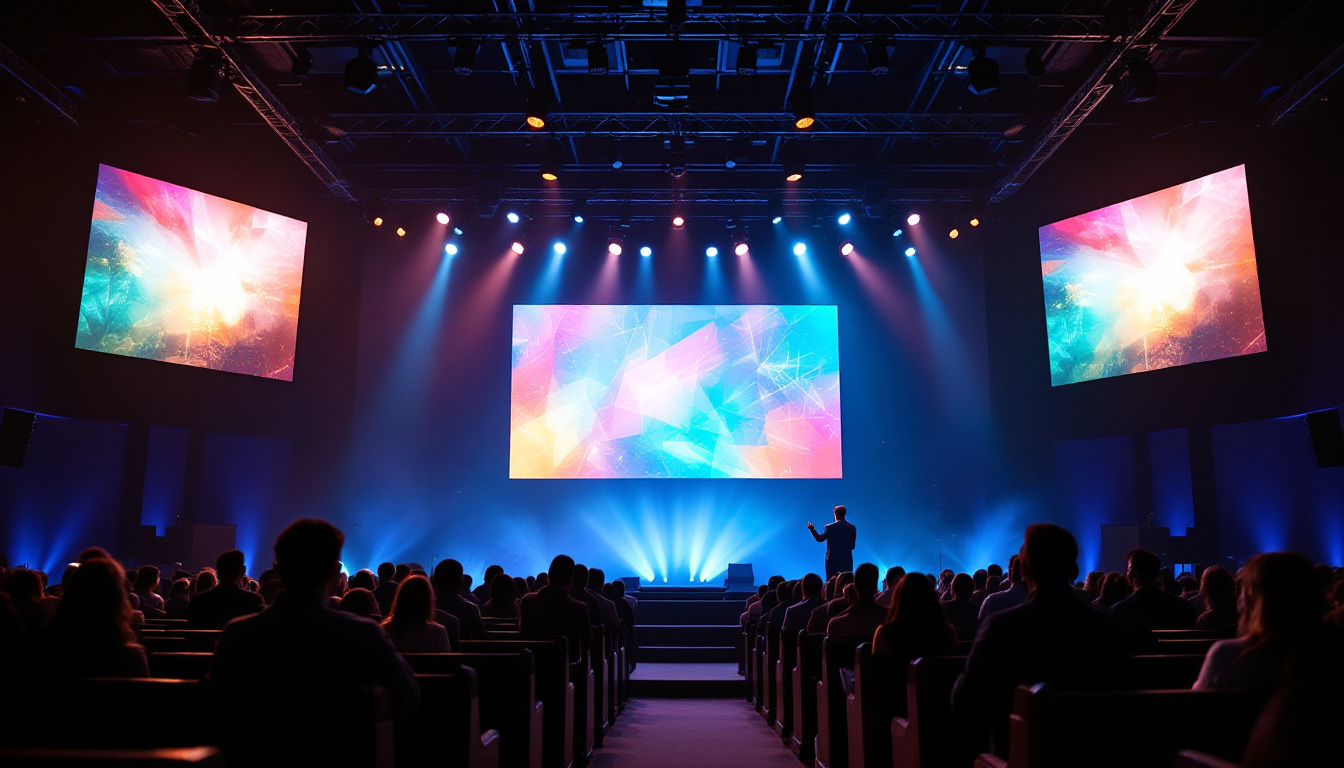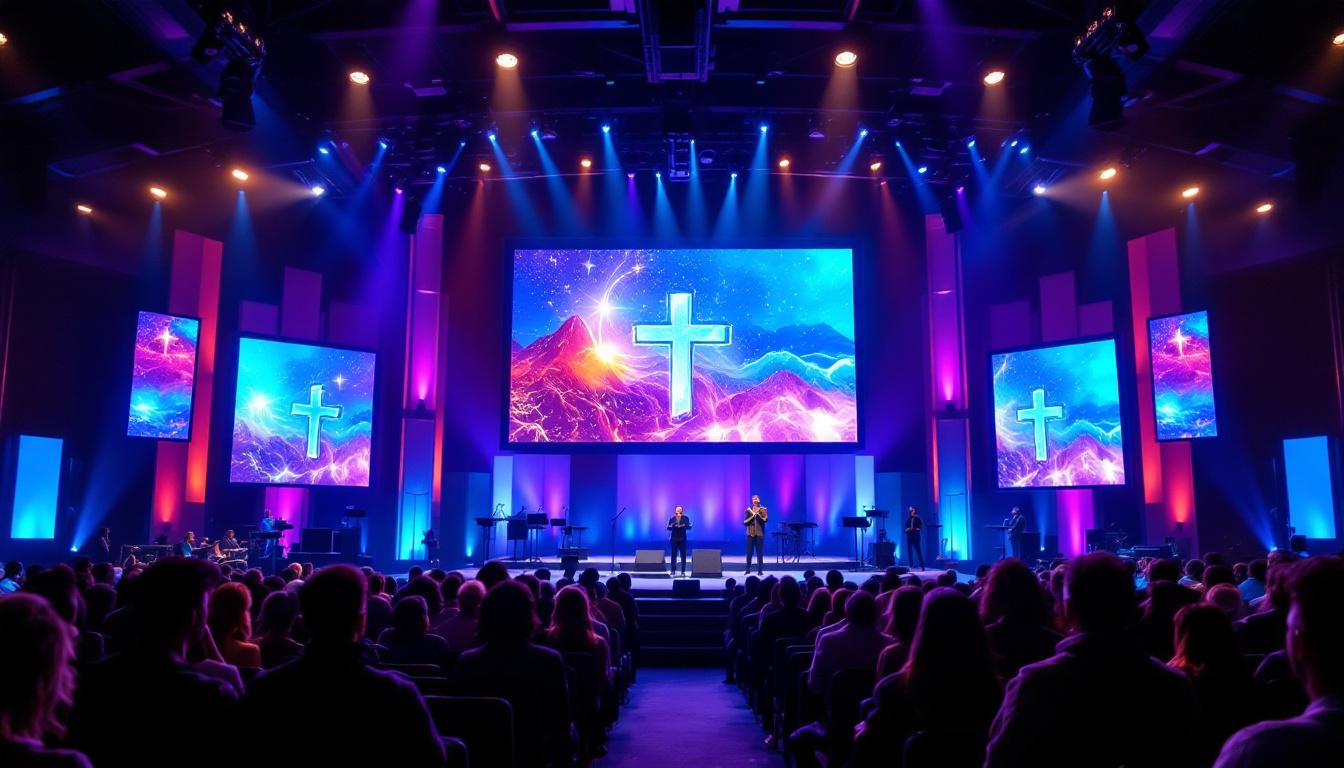
In recent years, the integration of technology into places of worship has transformed the way congregations engage with services. Among the most impactful advancements is the use of LED display screens in churches. These vibrant, dynamic screens have become a central feature in many modern sanctuaries, enhancing worship experiences and facilitating communication. This article explores the role of LED displays in churches, explaining their benefits, technical aspects, and best practices for implementation.
Understanding LED Displays in Church Settings
LED (Light Emitting Diode) technology has revolutionized digital displays across various industries, and churches are no exception. Unlike traditional projection systems or LCD screens, LED displays offer superior brightness, clarity, and durability, making them ideal for environments with varying lighting conditions.
Church LED screens come in various forms, from large video walls to smaller, strategically placed panels. Their modular design allows for flexible configurations, accommodating different sanctuary sizes and architectural styles. This adaptability means that whether a church has a small chapel or a large auditorium, LED displays can be tailored to fit the space and meet specific needs.
One of the key advantages of LED technology is its ability to deliver vivid, high-contrast images that remain visible even in brightly lit rooms. This feature is particularly important in churches where natural light or stage lighting can interfere with visibility. Additionally, LED screens boast longer lifespans and lower maintenance requirements compared to older display technologies, making them a cost-effective investment over time.
Moreover, LED displays can enhance the overall worship experience by integrating multimedia elements seamlessly into services. For instance, churches can display live feeds of worship services, allowing congregants to feel more connected, especially in larger spaces where visibility may be an issue. This capability becomes particularly valuable during significant events such as baptisms, weddings, or holiday services, where visual engagement can elevate the emotional impact of the occasion.
Furthermore, the versatility of LED displays extends beyond mere visuals; they can also be programmed to showcase dynamic content, such as scripture verses, song lyrics, and announcements. This not only aids in participation but also fosters a more immersive environment where congregants can engage with the message being conveyed. As churches increasingly embrace technology, the integration of LED displays represents a forward-thinking approach to worship, bridging the gap between tradition and modernity while enhancing community interaction and spiritual connection.
Benefits of LED Screens for Churches
Enhancing Worship Engagement
Church services often involve a variety of multimedia elements such as song lyrics, sermon notes, videos, and live feeds. LED screens provide a dynamic platform to display this content clearly and attractively. By projecting lyrics and scripture verses, congregants can participate more fully in worship without the distraction of flipping through hymnals or bulletins.
Moreover, LED displays enable creative visual storytelling. Pastors and worship leaders can incorporate multimedia presentations that complement sermons, making messages more relatable and impactful. This visual engagement helps maintain attention and fosters a deeper connection to the spiritual content.
Improved Accessibility and Inclusivity
LED screens can also enhance accessibility for congregants with hearing or visual impairments. For example, displaying sign language interpreters or captions on large LED screens ensures that everyone can follow along with the service. Additionally, the ability to enlarge text and use high-contrast colors benefits those with limited vision.
By addressing diverse needs, churches create a more inclusive environment that welcomes all attendees. This inclusivity aligns with many churches’ missions to serve their communities compassionately and effectively.
Facilitating Communication and Announcements
Beyond worship, LED screens serve as valuable communication tools. Churches can use them to share announcements, event schedules, prayer requests, and community news in real time. This immediacy helps keep congregants informed and engaged throughout the week, not just during services.
Digital signage also allows for quick updates without the need for printed materials, reducing waste and administrative overhead. For larger churches with multiple ministries, LED displays can help coordinate activities by broadcasting relevant information to different groups.
Technical Considerations for Church LED Screens
Resolution and Pixel Pitch
When selecting an LED screen, resolution and pixel pitch are critical factors. Pixel pitch refers to the distance between individual LED pixels, measured in millimeters. A smaller pixel pitch means higher resolution and sharper images, which is essential for close viewing distances common in many churches.
For example, a pixel pitch of 2.5mm to 4mm is typically suitable for indoor church screens, balancing clarity and cost. Larger pixel pitches may be acceptable for bigger venues where viewers are seated farther away, but image quality can suffer if the pitch is too large for the viewing distance.
Brightness and Viewing Angles
Brightness is measured in nits, and indoor LED screens generally range from 800 to 1,500 nits. Churches with significant ambient light, such as those with large windows or skylights, may require higher brightness levels to ensure visibility throughout the day.
Viewing angle is another important consideration. LED screens should provide consistent image quality across wide angles so that congregants seated off-center can still see content clearly. Modern LED panels typically offer viewing angles of 140 degrees or more horizontally and vertically, accommodating diverse seating arrangements.
Screen Size and Placement
The size of the LED screen depends on the size of the sanctuary and the typical distance between the screen and the congregation. A general rule is that the screen height should be approximately one-sixth to one-eighth of the distance to the farthest viewer. For example, if the farthest seat is 60 feet away, the screen height should be around 7.5 to 10 feet.
Placement is equally important. Screens should be positioned to minimize glare and obstructions, often mounted above the altar or on side walls. Some churches opt for multiple smaller screens to ensure visibility from all angles, while others prefer a single large central display to create a focal point.
Integration with Audio and Video Systems
LED screens are most effective when integrated seamlessly with church audio and video systems. High-quality sound reinforcement and video switching equipment ensure synchronized multimedia presentations and live feeds. Many churches use video cameras to capture services and project live images onto LED screens, enhancing the sense of connection, especially in large auditoriums.
Additionally, control systems allow operators to manage content easily, switching between song lyrics, sermon slides, videos, and announcements without delay. User-friendly interfaces and automation options help reduce the technical burden on church volunteers or staff.
Installation and Maintenance Best Practices
Professional Installation
Installing an LED display in a church requires careful planning and expertise. Professional installers assess the venue’s structural capabilities, electrical requirements, and acoustics to ensure optimal performance and safety. Proper mounting hardware and cable management prevent damage and maintain a clean aesthetic.
Additionally, installation teams calibrate the screen’s color and brightness settings to match the sanctuary’s lighting conditions. This calibration is crucial for delivering vibrant, true-to-life images that enhance the worship experience.
Routine Maintenance and Troubleshooting
While LED screens are durable, routine maintenance helps preserve their longevity and performance. Regular cleaning of the screen surface removes dust and debris that can affect image quality. Inspecting connections and power supplies prevents unexpected outages during services.
Many LED systems include diagnostic tools that alert technicians to potential issues such as dead pixels or power fluctuations. Prompt troubleshooting minimizes downtime and ensures the screen remains a reliable part of worship services.
Training and Support
Equipping church staff and volunteers with training on operating the LED system is essential. Understanding how to manage content, adjust settings, and perform basic troubleshooting empowers the team to use the technology confidently and creatively.
Many LED manufacturers and installers offer ongoing support and training resources, including manuals, video tutorials, and remote assistance. Churches should establish a relationship with their technology providers to access timely help when needed.
Case Studies: LED Screen Success in Churches
Large Urban Church Enhances Worship Experience
A prominent urban church recently installed a 20-foot-wide LED video wall behind the altar, replacing traditional projection screens. The new display improved visibility for a congregation of over 1,000 attendees, even under bright stage lighting. The church reported increased engagement during worship songs and sermons, attributing this to the clear, vibrant visuals that helped congregants follow along more easily.
Small Community Church Boosts Accessibility
A small rural church integrated a modest LED screen to display hymn lyrics and live sign language interpretation. This addition made services more accessible to deaf and hard-of-hearing members, fostering a more inclusive atmosphere. The church also used the screen to share community announcements, enhancing communication among members.
Multi-Site Church Streamlines Communication
A multi-site church network deployed LED screens in each campus to broadcast centralized messages and live sermons. This strategy unified the worship experience across locations and facilitated real-time updates on events and ministries. The digital signage reduced reliance on printed materials, saving costs and improving environmental sustainability.
Future Trends in Church LED Displays
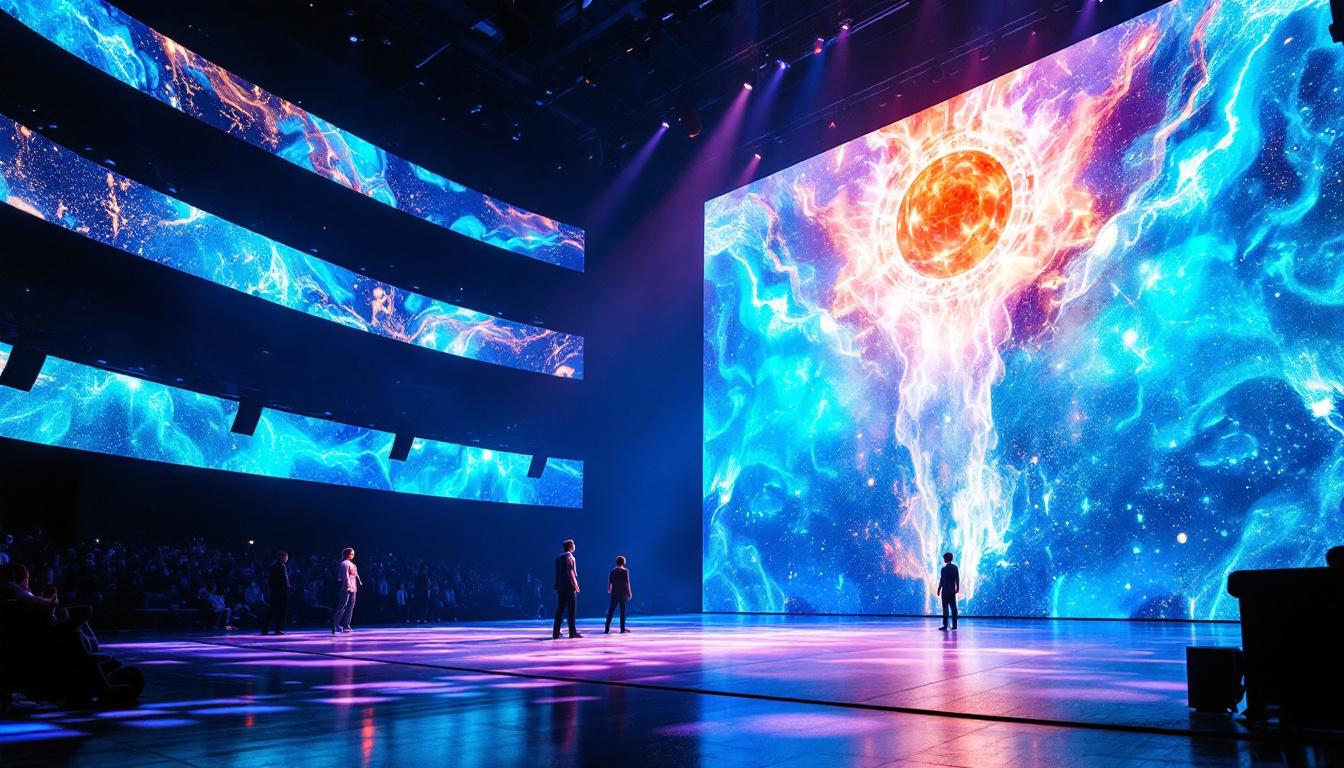
As LED technology continues to evolve, churches can expect even more innovative applications. Advances in ultra-high-definition (UHD) resolution and flexible LED panels will allow for creative screen shapes and immersive visual environments. Interactive LED displays may enable congregants to engage with content through touch or mobile devices, deepening participation.
Moreover, integration with cloud-based content management systems will simplify remote control and scheduling of multimedia presentations. This capability is especially valuable for churches with multiple campuses or those streaming services online.
Energy-efficient LED technologies will also reduce operational costs and environmental impact, aligning with many churches’ commitments to stewardship and sustainability.
Conclusion
LED display screens have become a transformative tool in modern churches, enhancing worship, communication, and accessibility. Their superior brightness, flexibility, and durability make them well-suited to the diverse needs of congregations. By carefully considering technical specifications, installation, and maintenance, churches can maximize the benefits of LED technology to create engaging and inclusive worship environments.
As technology advances, LED screens will continue to offer new possibilities for enriching the spiritual experience and fostering community connection. Investing in high-quality LED displays is a forward-thinking step for churches seeking to embrace innovation while honoring tradition.
Discover LumenMatrix LED Solutions for Your Church
Ready to elevate your worship experience with cutting-edge LED technology? LumenMatrix specializes in a wide array of LED display solutions tailored to meet the unique needs of places of worship. From vibrant Indoor LED Walls that bring sermons to life to Outdoor LED Displays that welcome your congregation, our mission is to transform your church’s visual communication. Embrace innovation and enhance your spiritual gatherings with LumenMatrix’s captivating and high-quality LED displays. Check out LumenMatrix LED Display Solutions today and take the first step towards a more engaging and inclusive worship environment.