In recent years, the integration of technology into worship environments has transformed the way congregations experience church services. One of the most impactful innovations has been the use of LED displays as stage backgrounds. These dynamic screens offer churches unprecedented flexibility and creativity in crafting immersive worship experiences. This article explores the essentials of LED display technology, its benefits for church stage design, and practical considerations for implementation.
Understanding LED Displays in Church Settings
LED (Light Emitting Diode) displays have rapidly evolved from simple digital signage to sophisticated visual canvases capable of producing vibrant, high-resolution images and videos. In church environments, LED screens serve as the backdrop for sermons, worship music, announcements, and multimedia presentations, enhancing both the aesthetic and functional aspects of the stage.
What Is an LED Display?
An LED display is a flat panel composed of numerous tiny light-emitting diodes arranged in a grid. These diodes emit light in various colors, which combine to form images or videos viewable from a distance. Unlike traditional projection systems, LED displays are self-illuminating, meaning they do not require external light sources and can maintain brightness in well-lit environments such as large sanctuaries.
Modern LED panels are modular, allowing churches to customize screen size and shape to fit their unique stage dimensions. This adaptability makes LED technology particularly attractive for worship spaces seeking to create visually engaging environments without extensive architectural modifications. Furthermore, the flexibility of LED displays enables churches to easily reconfigure their setups for different events, whether it’s a Sunday service, a special holiday celebration, or a community outreach program.
Types of LED Displays Commonly Used in Churches
Churches typically choose between two main types of LED displays: indoor and outdoor panels. Indoor LED displays are designed for controlled lighting conditions and offer finer pixel pitches, resulting in sharper images. Outdoor LED displays, while more robust and weather-resistant, are generally less common inside sanctuaries but may be used for exterior signage or outdoor worship events. These outdoor panels are engineered to withstand various weather conditions, ensuring that messages remain visible and impactful regardless of rain, wind, or sunlight.
Pixel pitch—the distance between each LED diode—is a critical factor influencing image clarity. For church stage backgrounds viewed from several meters away, pixel pitches ranging from 2.5mm to 4mm are common, balancing cost and visual quality effectively. Additionally, as technology advances, some churches are beginning to explore ultra-fine pixel pitch options, which can create stunningly detailed visuals even in large venues. This level of clarity is particularly beneficial for displaying intricate graphics, lyrics during worship, or live-streaming events where every detail matters to the congregation.
Benefits of Using LED Displays for Church Stage Backgrounds
Incorporating LED displays into church stage design offers numerous advantages that extend beyond mere aesthetics. These benefits contribute to enhanced worship experiences and operational efficiencies.
Enhanced Visual Engagement
LED displays enable vibrant, high-contrast visuals that captivate congregations. Whether displaying scripture verses, sermon points, or worship lyrics, the clarity and brightness of LED screens ensure that content is easily readable from all seating areas. This inclusivity helps maintain focus and encourages active participation.
Moreover, LED backgrounds can dynamically change throughout the service, supporting thematic elements and transitions. For example, during a Christmas service, the screen might display softly falling snow or nativity scenes, while Easter services could feature sunrise imagery or symbolic visuals. This versatility enriches the storytelling aspect of worship. The ability to incorporate video clips, animations, or even live feeds from the congregation can create a more interactive environment, allowing members to feel more connected to the service and each other.
Flexibility and Customization
Unlike static backdrops or painted sets, LED displays offer unparalleled flexibility. Churches can upload new content daily, tailoring visuals to sermon topics, special events, or seasonal themes. This adaptability reduces the need for physical set changes and associated labor costs.
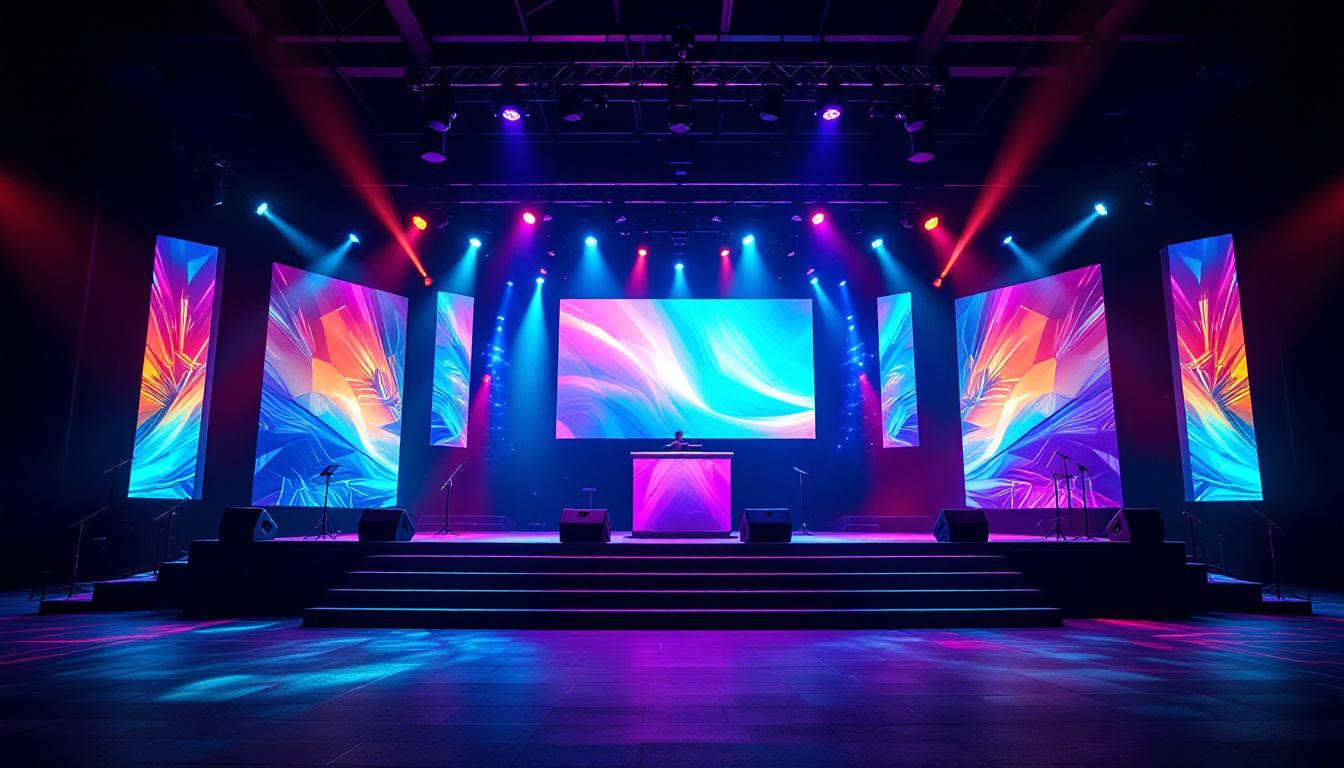
Additionally, LED screens can integrate with lighting and sound systems, creating synchronized multimedia presentations. This holistic approach to stage design elevates the overall atmosphere, making services more immersive and memorable. The ability to create a cohesive visual narrative not only enhances the worship experience but also allows for creative expression, enabling churches to reflect their unique identity and mission through stunning visual storytelling.
Improved Accessibility and Communication
LED displays assist in making services more accessible to diverse congregations. Large, clear text and high-contrast visuals aid individuals with visual impairments. Furthermore, screens can display multiple languages or sign language interpreters via video feeds, broadening outreach and inclusivity.
Beyond worship, LED backgrounds serve as effective communication tools for announcements, event promotions, and community messages, keeping congregants informed and engaged. They can also be used to highlight community outreach initiatives, showcase testimonials, or celebrate milestones within the congregation, fostering a sense of belonging and shared purpose. By creating a visually appealing and informative environment, churches can strengthen their connection with members and encourage greater participation in church activities and community service projects.
Key Considerations for Implementing LED Displays in Churches
While LED technology offers exciting possibilities, successful implementation requires careful planning and consideration of several factors.
Budget and Cost Factors
LED displays represent a significant investment. Costs vary widely based on screen size, resolution, and additional features such as control systems and installation. For example, a mid-sized indoor LED wall with a 3mm pixel pitch can range from $50,000 to over $150,000, including installation and content management software.
Churches should weigh these costs against potential benefits, considering long-term value and opportunities for multi-purpose use. Leasing options or phased installations can also make the technology more accessible. Additionally, churches might explore grants or donations specifically aimed at enhancing technology in worship settings, which can alleviate some financial burdens. By presenting a clear vision of how the LED display will enhance community engagement and outreach, churches can attract support from congregants and local businesses alike.
Screen Size and Placement
Determining the appropriate screen size is crucial. The display should be large enough to be visible from the back rows without overwhelming the stage or distracting from live elements. A common guideline is that the screen height should be approximately one-third to one-half the height of the stage backdrop.
Placement must also account for sightlines, lighting conditions, and integration with existing stage elements. Consulting with audiovisual professionals experienced in worship environments can help optimize these factors. Furthermore, considering the acoustics of the space is essential, as sound and visuals must work in harmony to create an immersive experience. The positioning of the LED display should complement the natural flow of the service, enhancing rather than detracting from the worship atmosphere.
Content Creation and Management
Effective use of LED displays depends on high-quality content tailored to the church’s vision and audience. This requires access to content creation tools and personnel skilled in graphic design, video production, and worship media.
Many churches adopt specialized software platforms that simplify content scheduling and playback, allowing volunteers or staff to update visuals easily. Establishing a content strategy aligned with worship themes and communication goals ensures the technology supports, rather than distracts from, the service. Additionally, churches can benefit from creating a library of reusable content, including sermon graphics, scripture verses, and event promotions, which can be easily adapted for different services or occasions. Engaging the congregation in content creation, such as featuring testimonies or artwork from church members, can also foster a sense of community and ownership over the display’s content.
Technical Support and Maintenance
LED displays require ongoing maintenance to ensure optimal performance. This includes regular cleaning, firmware updates, and troubleshooting potential hardware issues. Churches should plan for technical support, either through in-house expertise or service contracts with vendors.
Training staff and volunteers on basic operation and emergency procedures can minimize downtime and maintain a smooth worship experience. Moreover, establishing a routine maintenance schedule can help identify potential issues before they escalate, ensuring that the display remains a reliable tool for enhancing worship. It may also be beneficial to create a troubleshooting guide or quick-reference materials for volunteers, empowering them to address minor issues independently and allowing the technical team to focus on more complex challenges.
Case Studies: LED Displays Transforming Worship Spaces
Several churches have successfully integrated LED displays, illustrating the transformative potential of this technology.
Grace Community Church: Creating Immersive Worship
Grace Community Church installed a 20-foot by 10-foot LED video wall with a 2.9mm pixel pitch as their stage backdrop. The church uses the screen to display high-definition worship visuals, sermon graphics, and live video feeds of the worship team. This setup has enhanced congregational engagement, with attendees reporting a stronger connection to the worship atmosphere.
New Hope Fellowship: Enhancing Accessibility
New Hope Fellowship incorporated LED displays to improve accessibility. Their screens display large, clear lyrics and sermon notes, and during bilingual services, they alternate between English and Spanish content. The church also streams sign language interpreters on the LED backdrop, ensuring inclusivity for hearing-impaired members.
City Lights Church: Multi-Use Stage Design
City Lights Church leverages LED displays for both worship and community events. The modular screen design allows for reconfiguration, enabling the church to host concerts, conferences, and outreach programs with customized visual themes. This versatility maximizes the investment’s value and strengthens community engagement.
Future Trends in Church Stage Background Design
As LED technology continues to advance, churches can expect even more innovative applications in stage design.
Higher Resolution and Curved Displays
Emerging LED panels offer ultra-fine pixel pitches below 1.5mm, delivering near-retina quality visuals. Curved and flexible LED screens are also becoming more affordable, allowing for immersive, wrap-around stage environments that envelop congregants in worship imagery.
Interactive and Augmented Reality Integration
Future stage designs may incorporate interactive LED surfaces responsive to movement or touch, enabling dynamic participation during services. Augmented reality (AR) overlays combined with LED backgrounds could create layered worship experiences, blending physical and digital elements seamlessly.
Energy Efficiency and Sustainability
Advancements in LED technology continue to improve energy efficiency, reducing operational costs and environmental impact. Churches prioritizing sustainability will benefit from lower power consumption and longer-lasting components, aligning technological upgrades with stewardship values.
Conclusion
LED displays have revolutionized church stage background design, offering vibrant, flexible, and engaging visual platforms that enhance worship and communication. While the initial investment and technical considerations require careful planning, the benefits in congregational engagement, accessibility, and creative expression are substantial.
By understanding the technology, evaluating needs, and adopting best practices, churches can harness LED displays to create inspiring worship environments that resonate with today’s diverse and dynamic congregations.
Discover LumenMatrix LED Display Solutions for Your Church
Ready to elevate your worship experience with cutting-edge LED display technology? LumenMatrix specializes in a wide array of LED solutions tailored to create immersive and engaging environments for congregations of all sizes. From indoor and outdoor LED walls to custom configurations that fit your unique space, our mission is to bring your church’s vision to life with clarity and vibrancy. Check out LumenMatrix LED Display Solutions today and transform your church stage background into a dynamic canvas for worship and community connection.