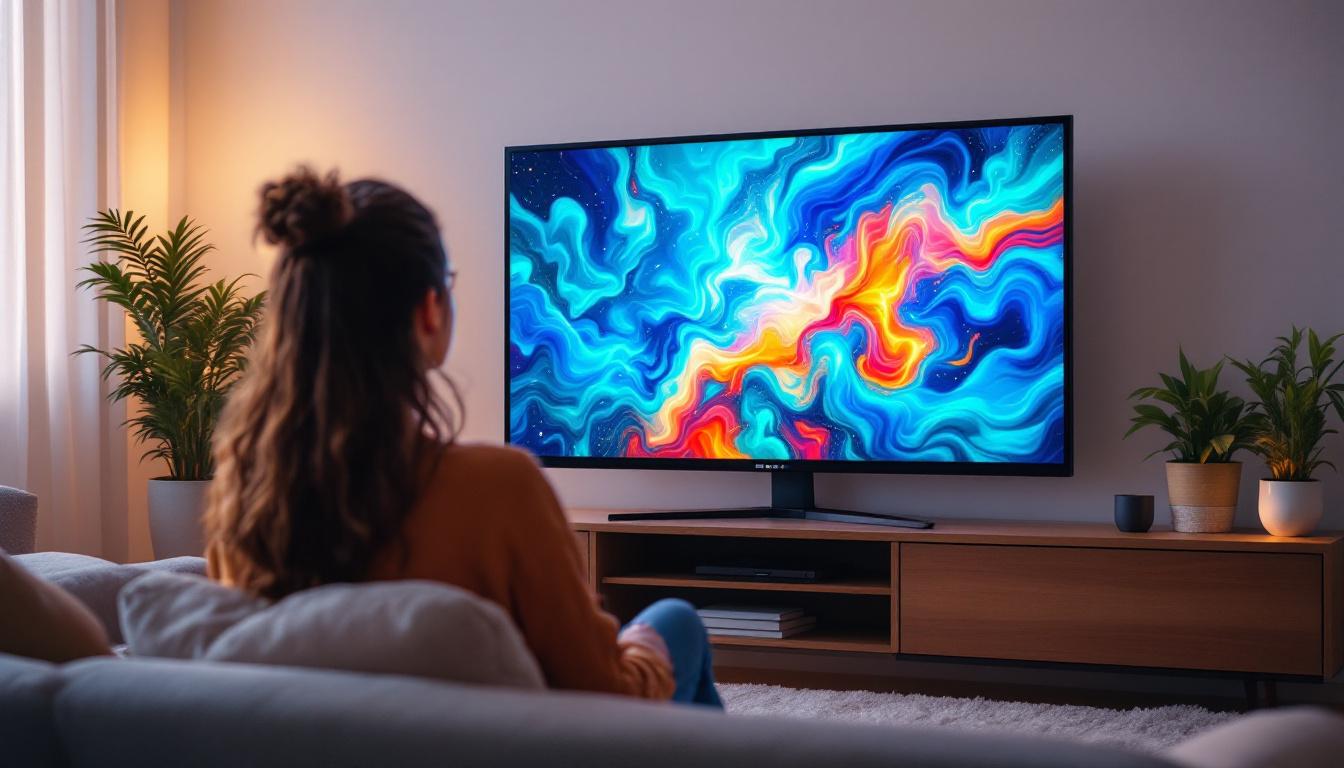
Creating the ultimate home theater experience goes beyond just selecting the right sound system or comfortable seating. One of the most transformative elements in modern home theaters is the display technology, and LED displays have rapidly become a popular choice for immersive viewing. This article delves into the world of LED displays for home theater walls, explaining their technology, benefits, installation considerations, and how they compare to other display options.
Understanding LED Display Technology
What is an LED Display?
LED stands for Light Emitting Diode, a semiconductor device that emits light when an electric current passes through it. LED displays are composed of thousands to millions of these tiny diodes arranged in a matrix to form images and videos. Unlike traditional LCD screens that use backlighting, LED displays produce their own light, which allows for brighter images and deeper contrasts. This self-illuminating capability not only enhances the visual experience but also contributes to energy efficiency, making LED displays a more sustainable option in the long run.
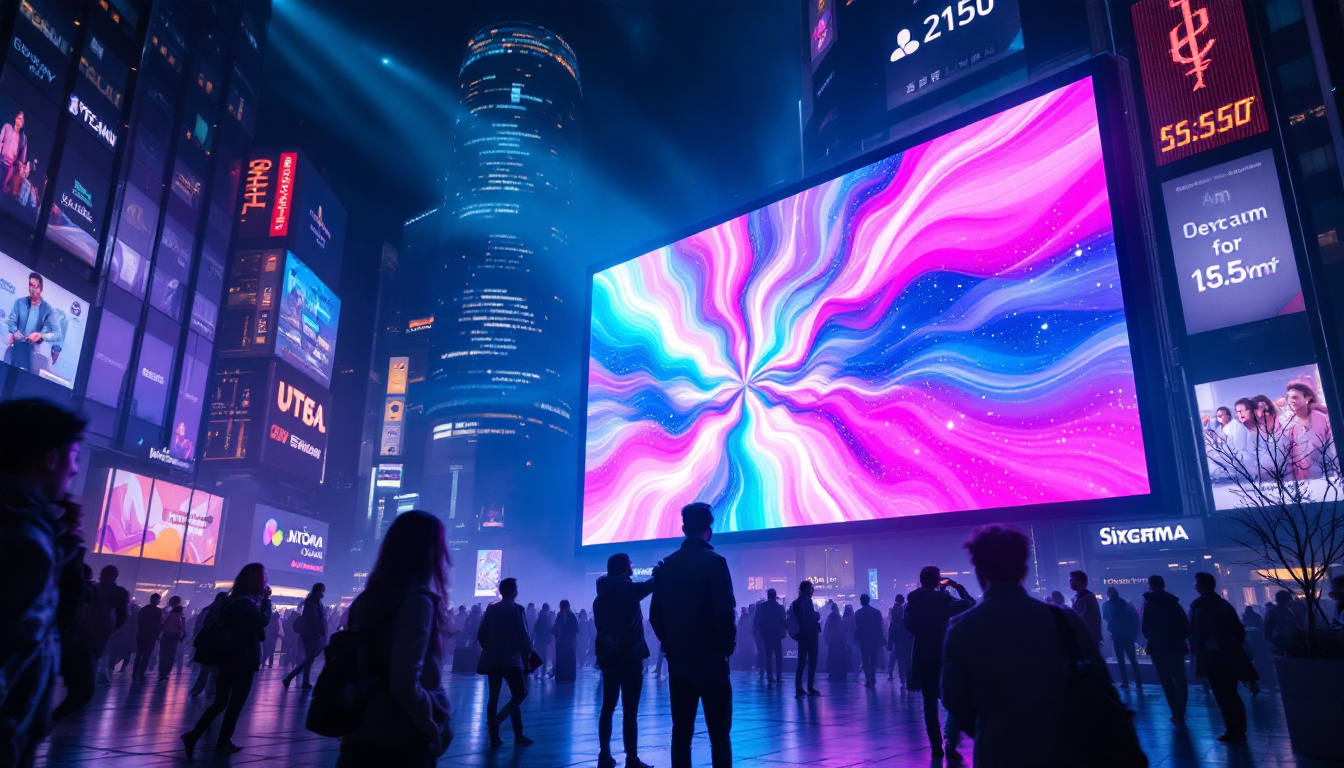
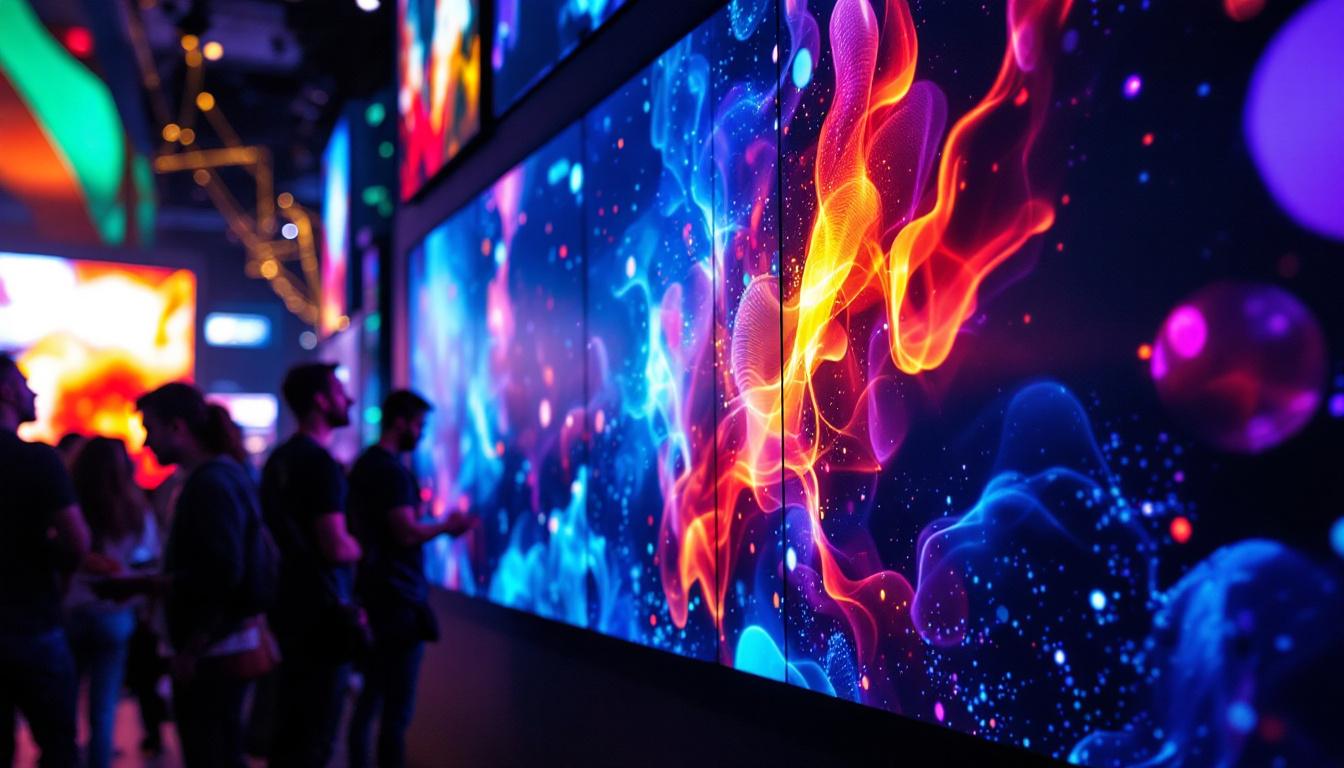
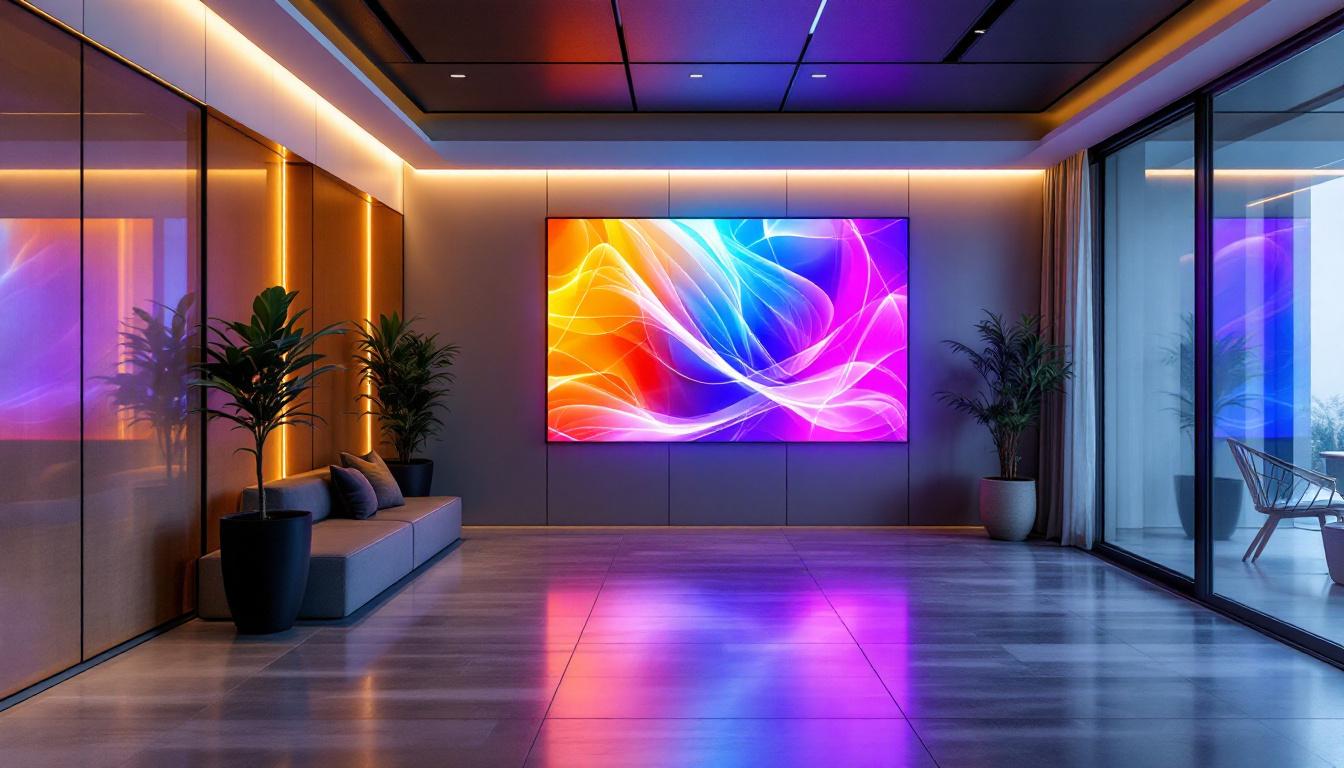
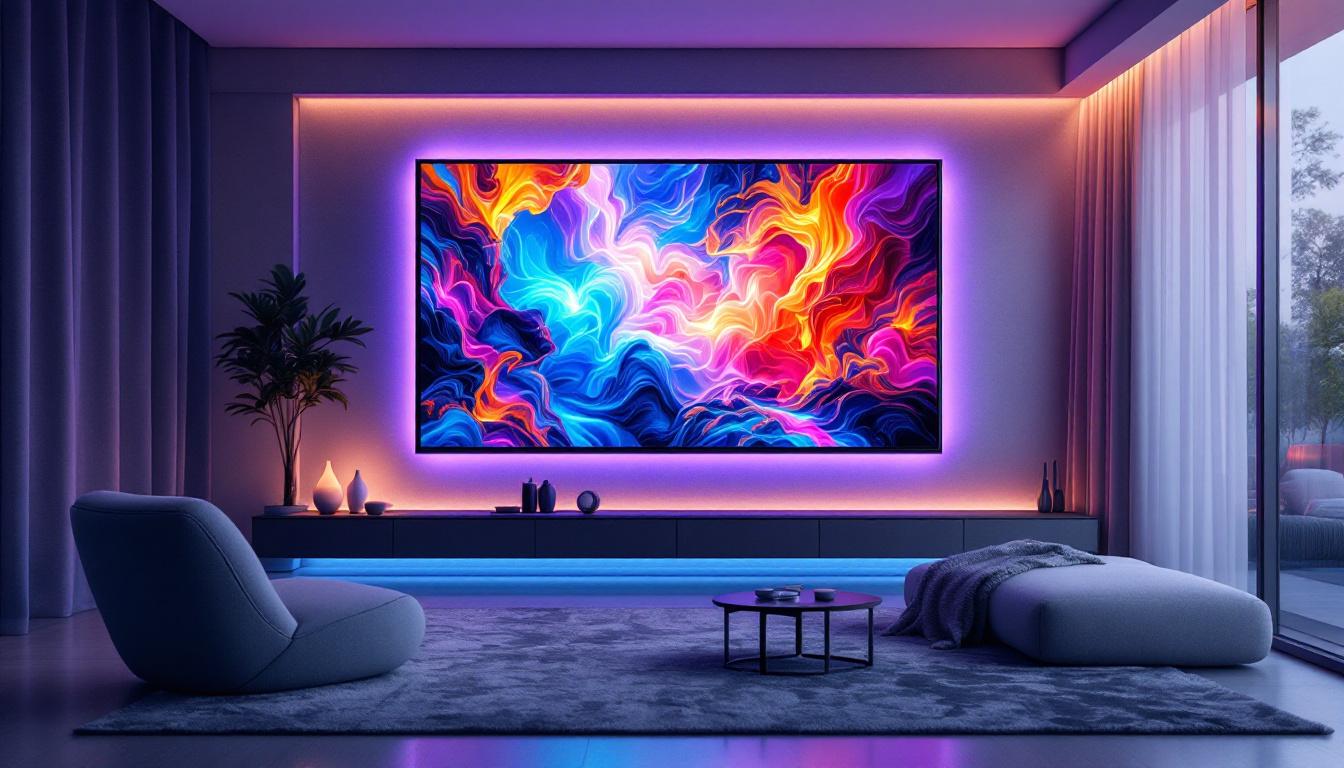
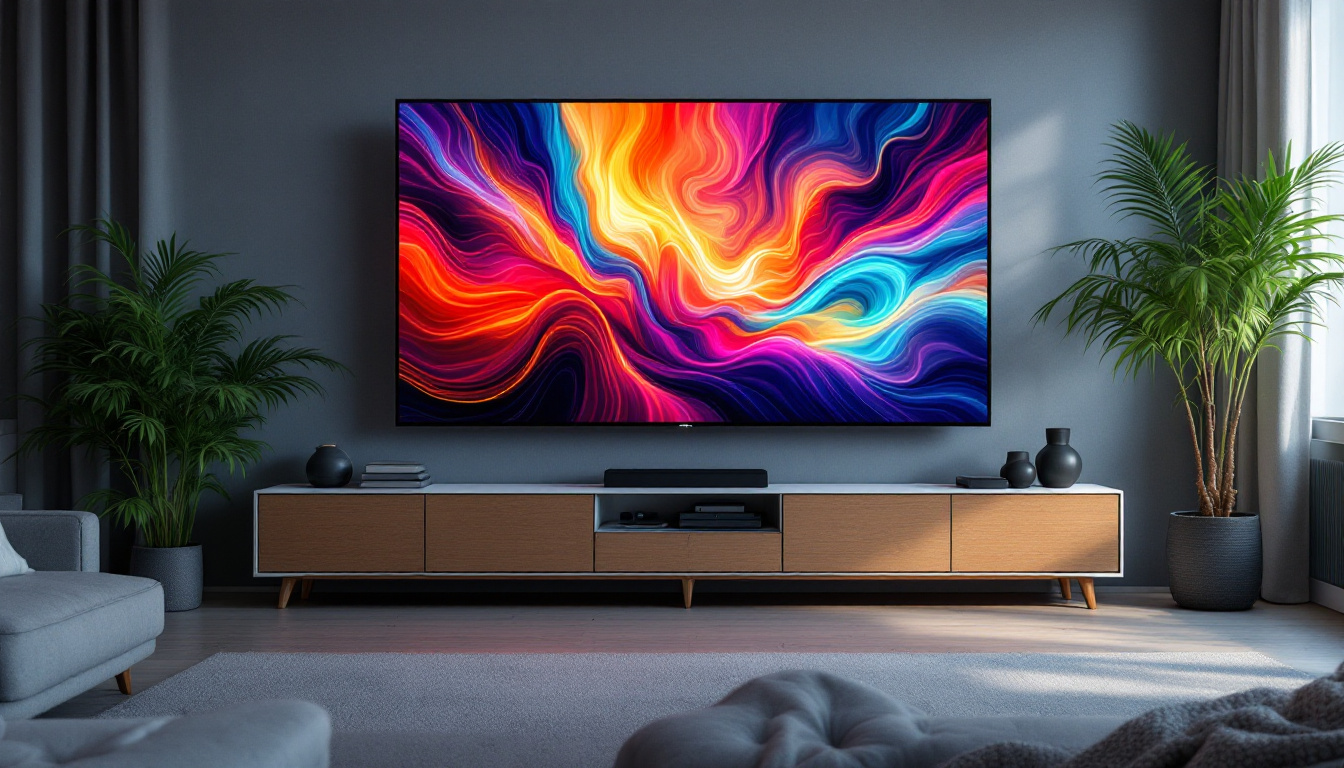
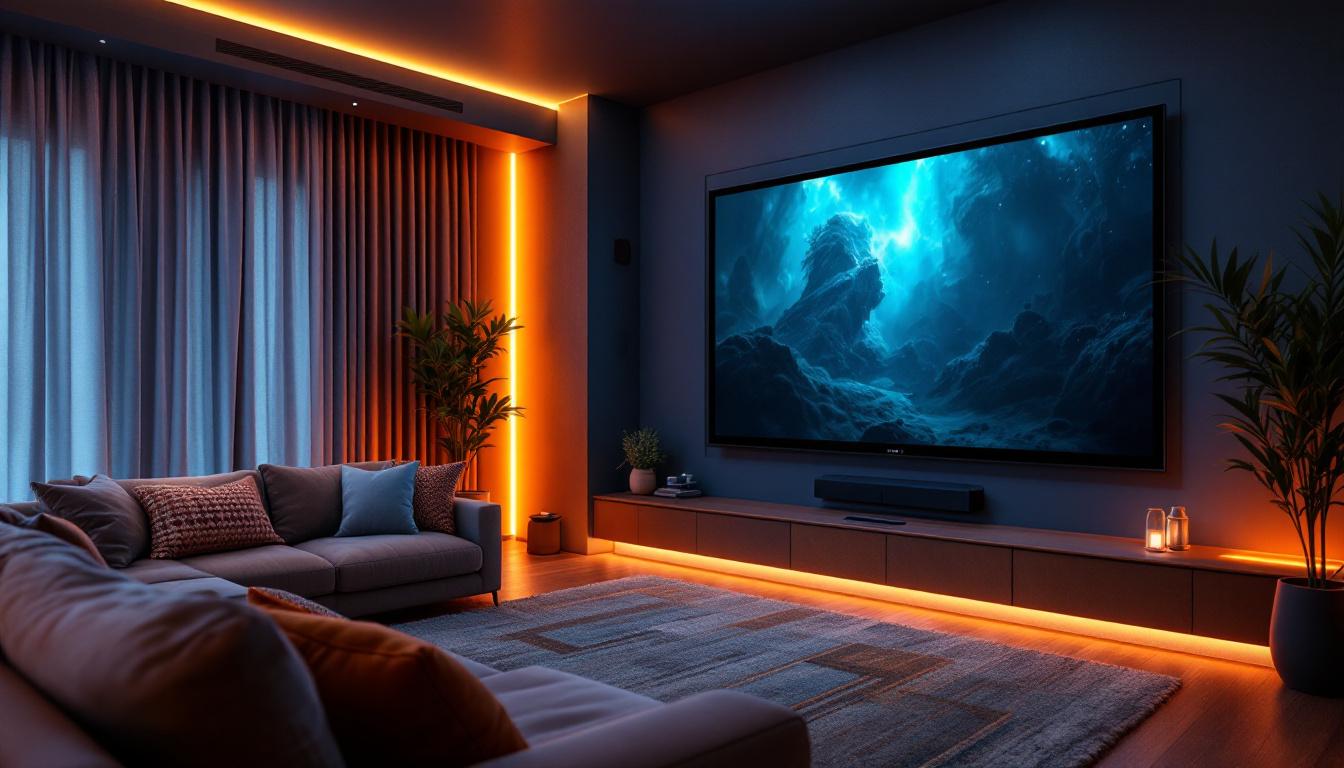
In the context of home theaters, LED displays often refer to large-scale video walls made up of modular LED panels. These panels can be seamlessly combined to create a continuous, expansive screen that covers an entire wall, offering a cinematic experience that rivals commercial theaters. The flexibility of these modular systems means that homeowners can customize their setups to fit any space, whether it’s a cozy den or a sprawling media room. Additionally, advancements in technology have led to thinner and lighter panels, making installation easier than ever before.
Types of LED Displays for Home Theaters
There are primarily two types of LED displays used in home theater walls: Direct View LED (DVLED) and LED-backlit LCDs.
- Direct View LED (DVLED): This technology uses LEDs as the actual pixels, creating vibrant, bright images with excellent contrast and color accuracy. DVLED displays are modular, allowing for custom sizes and aspect ratios, which makes them ideal for home theater walls. The ability to create large, immersive screens without bezels enhances the viewing experience, making it feel as though the viewer is part of the action.
- LED-backlit LCD: These are traditional LCD screens that use LED backlighting instead of fluorescent lights. While they offer good brightness and color, they do not match the contrast or viewing angles of DVLED displays. However, they can still be a viable option for smaller setups or budget-conscious consumers, providing decent performance for everyday viewing needs.
For home theater walls, DVLED is the preferred choice due to its scalability, superior image quality, and ability to deliver true black levels. The technology also supports high refresh rates, making it ideal for fast-paced action scenes in movies and video games, where motion clarity is crucial. Furthermore, many DVLED displays come equipped with advanced features such as HDR (High Dynamic Range) support, which enhances the range of colors and brightness levels, resulting in a more lifelike viewing experience. As the demand for high-quality home entertainment continues to rise, the versatility and performance of LED displays are likely to keep them at the forefront of home theater technology.
Advantages of LED Displays in Home Theaters
Superior Image Quality and Brightness
One of the most significant advantages of LED displays is their unmatched image quality. Direct View LED screens provide high brightness levels, often exceeding 1,000 nits, which means they can perform well even in rooms with some ambient light. This brightness ensures vibrant colors and sharp images, enhancing the viewing experience.
Additionally, LED displays offer exceptional contrast ratios. Because each pixel emits its own light, LEDs can turn off individual pixels completely to achieve true blacks, unlike LCDs which rely on backlighting and often suffer from light bleed. This capability results in richer images and more immersive visuals, especially in dark scenes.
Customizable Size and Aspect Ratios
Unlike traditional TVs or projectors, LED video walls are highly customizable. Homeowners can design a display that perfectly fits their room’s dimensions, whether it’s a modest 100-inch diagonal or a sprawling wall-sized screen exceeding 200 inches. This flexibility allows for unique aspect ratios and configurations, such as ultra-wide or curved screens, tailored to the viewer’s preferences and room layout.
Modular LED panels can be assembled seamlessly, minimizing bezels and creating a continuous image that enhances immersion. This adaptability is particularly valuable in dedicated home theaters where wall space and viewing distance vary widely.
Longevity and Energy Efficiency
LED technology is known for its durability and long lifespan. High-quality LED panels can last upwards of 100,000 hours, which translates to over 11 years of continuous use. This longevity reduces the need for frequent replacements, making LED displays a cost-effective investment over time.
Moreover, LEDs consume less power compared to traditional projection systems or older display technologies. Their energy efficiency not only lowers electricity bills but also contributes to a more environmentally friendly home theater setup.
Installation and Design Considerations
Room Size and Viewing Distance
When planning an LED display wall for a home theater, it’s essential to consider the room’s size and the typical viewing distance. Unlike projectors, which can create very large images from a distance, LED walls are fixed in size and require viewers to be positioned optimally to appreciate the resolution and image quality.
For example, a 120-inch LED wall in a room where viewers sit 10 feet away will provide a different experience than the same screen viewed from 15 feet. The pixel pitch—the distance between individual LEDs—also impacts image sharpness at various distances. Smaller pixel pitches (e.g., 0.9mm to 1.5mm) are ideal for close viewing, ensuring crisp images without visible pixelation.
Ambient Lighting and Room Acoustics
LED displays perform well in rooms with ambient light, but controlling lighting is still crucial for the best experience. Dimmable lights, blackout curtains, and wall colors that reduce reflections can enhance image clarity and contrast. Additionally, strategic placement of the LED wall can help minimize glare and hotspots.
Acoustic treatment is equally important in home theaters. While LED displays do not emit sound, integrating sound-absorbing panels and optimizing speaker placement ensures that the audio quality matches the visual excellence of the LED wall.
Installation Complexity and Professional Support
Installing an LED display wall is a more complex process than mounting a traditional TV. It involves assembling modular panels, aligning them precisely, and calibrating the display for color accuracy and uniform brightness. Power and data cabling must be carefully managed to maintain a clean aesthetic and reliable performance.
Due to these complexities, professional installation is highly recommended. Experienced installers can ensure that the LED wall is mounted securely, calibrated correctly, and integrated seamlessly with the home theater’s audio and control systems.
Comparing LED Walls to Other Home Theater Display Options
LED Walls vs. Projectors
Projectors have long been a staple in home theaters due to their ability to produce very large images at relatively low cost. However, LED walls offer several advantages:
- Brightness and Contrast: LED walls maintain high brightness and true blacks regardless of ambient light, whereas projectors often require darkened rooms and can struggle with contrast.
- Maintenance: Projectors require bulb replacements and regular cleaning, while LED walls have longer lifespans and minimal upkeep.
- Installation: Projectors need precise alignment and throw distance calculations, whereas LED walls are fixed installations with no shadows or image distortion.
That said, projectors can still be more cost-effective for very large screen sizes and are easier to relocate or upgrade.
LED Walls vs. OLED and QLED TVs
OLED and QLED TVs are popular for their excellent color reproduction and contrast, often used in smaller home theaters or media rooms. Compared to these technologies, LED walls offer:
- Scalability: LED walls can be built to virtually any size, far exceeding the maximum size of consumer TVs.
- Brightness: LED walls typically achieve higher peak brightness levels, beneficial in rooms with ambient light.
- Customization: Modular design allows for unique shapes and aspect ratios.
However, OLED TVs still lead in pixel-level contrast and black levels for smaller screens, and QLED TVs offer excellent color volume at competitive prices. The choice depends largely on room size, budget, and viewing preferences.
Cost and Budgeting for LED Home Theater Walls
Initial Investment
LED video walls are generally more expensive upfront than traditional TVs or projectors. Prices vary based on pixel pitch, panel size, and manufacturer, but a high-quality DVLED wall suitable for home theaters can range from $50,000 to over $150,000 for large installations.
These costs include the panels, control systems, installation, and calibration. While this might seem steep, the investment is justified by the unparalleled image quality, durability, and customization options.
Long-term Value and Maintenance
Despite the high initial cost, LED walls offer long-term value through minimal maintenance and energy savings. Unlike projectors that require bulb replacements every few thousand hours, LED panels can operate for decades with little degradation.
Additionally, the modular nature of LED walls means individual panels can be replaced if damaged, reducing repair costs compared to replacing an entire screen.
Future Trends in Home Theater LED Displays
MicroLED and MiniLED Innovations
Emerging technologies like MicroLED and MiniLED are pushing the boundaries of home theater displays. MicroLED uses microscopic LEDs to create displays with even better brightness, contrast, and color accuracy, while MiniLED enhances traditional LCDs with smaller, more numerous LEDs for improved backlighting.
These innovations promise thinner, more efficient, and higher-performing screens suitable for home use, potentially lowering costs and expanding accessibility in the coming years.
Integration with Smart Home Systems
Modern LED walls are increasingly integrated with smart home ecosystems, allowing users to control display settings, lighting, and audio through voice commands or mobile apps. This integration enhances convenience and allows for personalized viewing experiences tailored to different types of content.
Conclusion
LED display walls represent a revolutionary advancement in home theater technology, offering unparalleled image quality, customization, and durability. While the initial investment is significant, the immersive viewing experience and long-term benefits make LED walls an attractive option for serious home theater enthusiasts.
Understanding the technology, installation requirements, and how LED walls compare to other display options is essential for making an informed decision. As LED technology continues to evolve, it is poised to redefine the home cinema experience for years to come.
Discover the Future of Home Theater with LumenMatrix
Ready to elevate your home cinema experience with the latest in LED display technology? LumenMatrix is at the forefront of innovation, offering a diverse range of LED display solutions tailored to your unique needs. From immersive Indoor LED Wall Displays that bring your favorite movies to life to Custom LED Displays designed to fit any space, our mission is to transform your visual storytelling. Don’t just dream about the ultimate home theater—make it a reality. Check out LumenMatrix LED Display Solutions today and step into the future of entertainment.