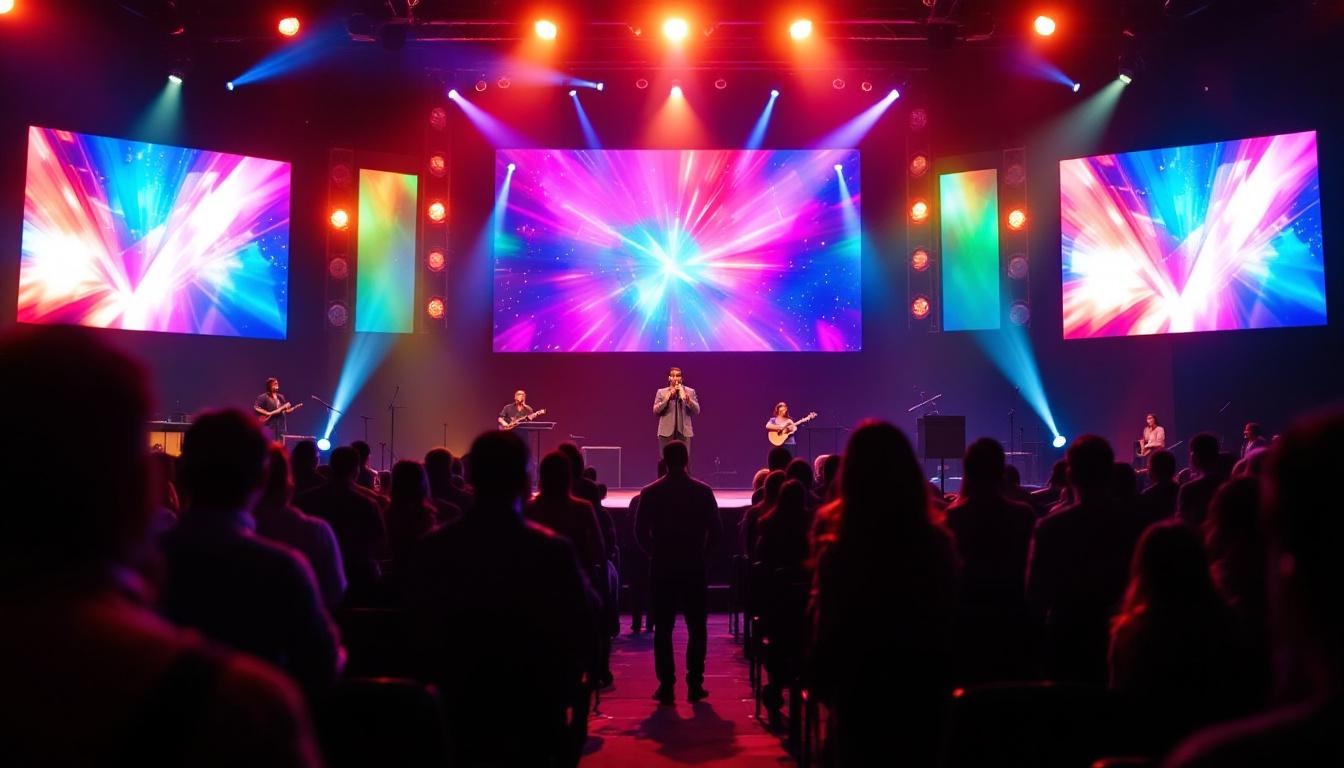
In recent years, churches of all sizes have increasingly embraced technology to enhance worship experiences and community engagement. One of the most transformative tools in modern church stage setups is the LED display. From vibrant visuals to live video feeds, LED displays have revolutionized how congregations connect with sermons, music, and multimedia presentations. This article explores the essential aspects of LED displays in church environments, helping church leaders and technical teams understand their benefits, types, installation considerations, and best practices for maximizing impact.
Why LED Displays Are Becoming Essential in Churches
Churches today face the challenge of communicating effectively with diverse congregations, often spanning multiple generations and cultural backgrounds. Traditional static backdrops or projector screens, while still useful, can limit the dynamic potential of worship services. LED displays offer a compelling alternative by providing bright, clear, and adaptable visuals that engage attendees in new ways.
According to a 2023 survey by the National Association of Church Technology, over 60% of medium to large churches have integrated LED video walls or displays into their stage setups. This trend reflects a growing recognition that visual elements can significantly enhance message retention and emotional connection during services.
Moreover, LED displays are not just for large megachurches. Advances in technology have made LED panels more affordable and scalable, allowing smaller churches to benefit from high-quality visuals without exorbitant costs. As a result, LED displays are becoming a standard feature in modern worship environments.
Enhancing Worship and Engagement
One of the primary reasons churches invest in LED displays is to create a more immersive worship experience. Bright, high-resolution screens can display song lyrics, scripture verses, sermon notes, and multimedia content seamlessly. This reduces the need for printed materials and helps congregants focus on the message.
Additionally, LED displays can support live video feeds of the pastor, musicians, or guest speakers, making it easier for everyone in the sanctuary to see and feel connected, regardless of seating location. This is particularly important in larger venues where sightlines can be challenging. The ability to project real-time content not only enhances engagement but also fosters a sense of community among attendees, as they can share in the experience together, even if they are physically distanced.
Furthermore, the integration of LED displays allows for interactive elements during services. For example, churches can incorporate social media feeds, live polls, or prayer requests displayed on the screens, inviting congregants to participate actively in the service. This interactive approach can significantly enrich the worship experience, making it more relatable and engaging for all ages.
Flexibility and Creativity in Stage Design
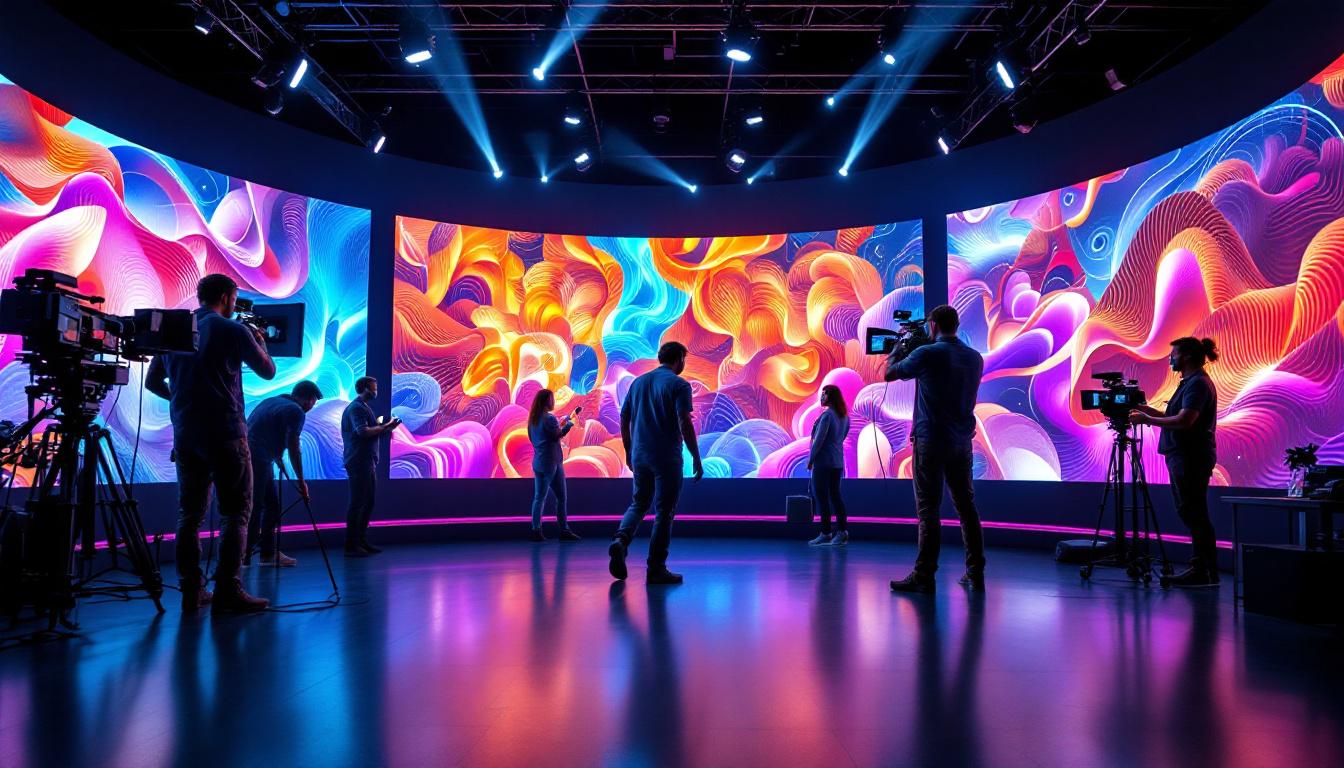
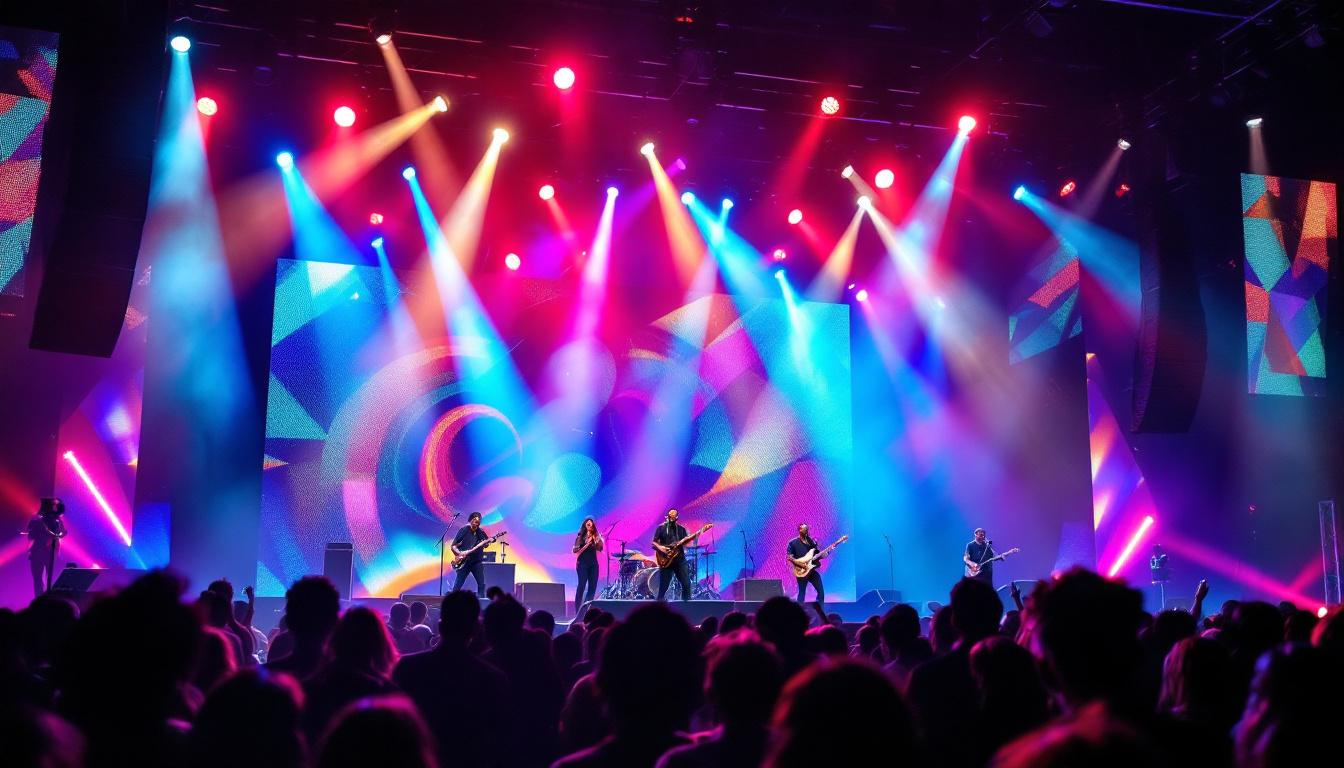
LED displays offer unparalleled flexibility compared to traditional stage backdrops. They can be arranged in various shapes and sizes, from a single large screen to multiple smaller panels forming dynamic video walls. This adaptability allows churches to customize their stage aesthetics for different events, from Sunday services to special performances and conferences.
Creative use of LED technology can also support branding and thematic elements, reinforcing the church’s identity and enhancing the overall atmosphere. The ability to quickly change visuals means that churches can keep their stage design fresh and relevant without costly physical alterations. For instance, during the Advent season, a church might opt for serene winter landscapes, while in the spring, vibrant floral designs could be showcased, reflecting the themes of renewal and growth.
Moreover, LED displays can be programmed to create stunning visual effects that complement the worship experience. From gentle transitions between scenes to dynamic animations that underscore key messages, these displays can transform the atmosphere of a service, making it not just a gathering but a multi-sensory experience. This level of creativity empowers churches to communicate their messages in innovative ways, ensuring that they resonate deeply with their congregations.
Types of LED Displays for Church Stages
Understanding the different types of LED displays is crucial for selecting the right solution for a church’s unique needs. LED technology comes in various forms, each with specific advantages and considerations.
Indoor vs. Outdoor LED Displays
Indoor LED displays are designed for controlled environments like church sanctuaries. They typically have higher pixel density, resulting in sharper images and text clarity at close viewing distances. These displays are optimized for lower brightness levels suitable for indoor lighting conditions.
Outdoor LED displays, on the other hand, are built to withstand weather elements and offer much higher brightness to combat sunlight glare. While less common in traditional church sanctuaries, outdoor LED screens are often used for drive-in services, outdoor events, or signage.
Fixed vs. Rental LED Displays
Fixed LED displays are permanently installed on or behind the stage. They offer a clean, integrated look and are ideal for churches that want a long-term solution. These setups often require professional installation and can be customized to fit specific stage dimensions.
Rental LED displays provide flexibility for churches that host multiple events or need temporary setups. While generally more expensive over time, rentals can be a practical choice for seasonal events, conferences, or when testing LED technology before committing to a purchase.
Pixel Pitch and Resolution
Pixel pitch refers to the distance between individual LED pixels, measured in millimeters. A smaller pixel pitch means higher resolution and sharper images, which is essential for close viewing environments like church sanctuaries.
For most indoor church applications, pixel pitches between 1.5mm and 3mm are common, balancing image clarity and cost. Larger pixel pitches may be suitable for bigger venues where the audience is farther from the screen.
Key Considerations for Installing LED Displays in Churches
Choosing and installing an LED display involves more than just selecting the right screen. Several technical and practical factors must be considered to ensure optimal performance and longevity.
Stage Size and Viewing Distance
The size of the LED display should be proportional to the stage and the sanctuary’s seating layout. A screen that is too small may be difficult for attendees at the back to see, while an overly large screen can overwhelm the stage and distract from the worship experience.
Viewing distance is a critical factor in determining the appropriate pixel pitch and screen size. For example, if the farthest viewer is 50 feet away, a larger pixel pitch can be acceptable. However, for congregants sitting within 15 feet, a finer pixel pitch is necessary to maintain image clarity.
Brightness and Ambient Lighting
Church sanctuaries often feature varied lighting conditions, from dimmed worship lighting to bright daylight streaming through windows. LED displays must be bright enough to remain visible without causing glare or eye strain.
Most indoor LED displays offer brightness levels between 800 and 1500 nits, which is sufficient for typical church environments. Adjustable brightness controls are essential to adapt to different lighting scenarios during services and events.
Content Management and Integration
Effective use of LED displays requires reliable content management systems (CMS) that allow church staff to easily schedule, update, and control visuals. Integration with worship presentation software, video switchers, and live streaming platforms can streamline operations and enhance the overall production quality.
Many modern LED systems support remote control and cloud-based content management, enabling teams to prepare presentations in advance and make real-time adjustments during services.
Sound and Acoustics
While LED displays primarily focus on visuals, it’s important to consider how the screen placement affects sound distribution. LED panels can reflect sound differently than traditional backdrops, potentially impacting acoustics. Collaborating with audio engineers during installation ensures that sound quality remains clear and balanced.
Best Practices for Maximizing LED Display Impact in Churches
To get the most out of LED displays, churches should adopt best practices that enhance both technical performance and congregational engagement.
Content Design and Readability
Visual content should be designed with readability in mind. Using large, clear fonts for song lyrics and scripture verses helps congregants follow along easily. Avoid cluttered slides and excessive text, focusing instead on key points and impactful imagery.
Color contrast is also vital. High contrast between text and background improves visibility, especially for older attendees or those with visual impairments.
Training and Team Collaboration
Successful LED display operation depends on well-trained volunteers or staff members who understand both the technology and the flow of the service. Regular training sessions and rehearsals can prevent technical issues and ensure smooth transitions during worship.
Collaboration between pastors, worship leaders, and technical teams fosters cohesive messaging and creative use of visuals that support the overall worship experience.
Maintenance and Upkeep
LED displays require routine maintenance to maintain brightness, color accuracy, and functionality. Cleaning panels, checking connections, and updating firmware are essential tasks that prolong the lifespan of the equipment.
Establishing a maintenance schedule and partnering with reliable service providers can minimize downtime and costly repairs.
Case Studies: LED Displays Transforming Church Worship
Several churches have successfully implemented LED displays to elevate their worship environments, providing valuable examples for others considering similar upgrades.
Grace Community Church: Enhancing Engagement with a Video Wall
Grace Community Church, a mid-sized congregation in Texas, installed a 12-foot by 20-foot indoor LED video wall with a 2.5mm pixel pitch. The display is used to show live video feeds, song lyrics, and sermon graphics. Since installation, the church reported a 30% increase in congregational participation during worship, attributed to improved visibility and engagement.
New Hope Fellowship: Outdoor LED Screen for Drive-In Services
During the COVID-19 pandemic, New Hope Fellowship in California utilized a 15-foot by 25-foot outdoor LED screen to host drive-in worship services. The high-brightness display ensured clear visibility even in daylight, allowing the church to maintain community connection while adhering to social distancing guidelines.
FaithPoint Church: Flexible Stage Design with Modular LED Panels
FaithPoint Church in Illinois opted for modular LED panels that can be rearranged to suit different events. This flexibility has enabled the church to host concerts, conferences, and traditional services without additional stage construction, maximizing the investment in LED technology.
Conclusion: Embracing LED Displays for Future-Ready Worship
LED displays represent a powerful tool for churches seeking to modernize their stage setups and deepen congregational engagement. By understanding the types of LED technology available, considering key installation factors, and adopting best practices for content and maintenance, churches can create vibrant, flexible worship environments that resonate with today’s diverse audiences.
As technology continues to evolve, LED displays will likely become even more integral to church production, offering new possibilities for creativity and connection. Investing in the right LED solution today can position a church to thrive in the digital age of worship.
Discover LumenMatrix LED Solutions for Your Church
Ready to transform your worship services and engage your congregation like never before? LumenMatrix offers a wide array of cutting-edge LED display solutions tailored to the unique needs of your church. From Indoor and Outdoor LED Wall Displays to Custom and All-in-One LED solutions, our technology is designed to captivate and inspire. Elevate your church stage setup and create immersive visual experiences that resonate with every attendee. Check out LumenMatrix LED Display Solutions and step into the future of dynamic worship today.