In recent years, technology has become an indispensable part of modern worship experiences. Among the many innovations, LED displays have emerged as a powerful tool for churches looking to enhance communication, engagement, and atmosphere during services and events. This article explores the role of LED displays in church settings, breaking down how they work, their benefits, and practical considerations for implementation.
Understanding LED Displays: The Basics
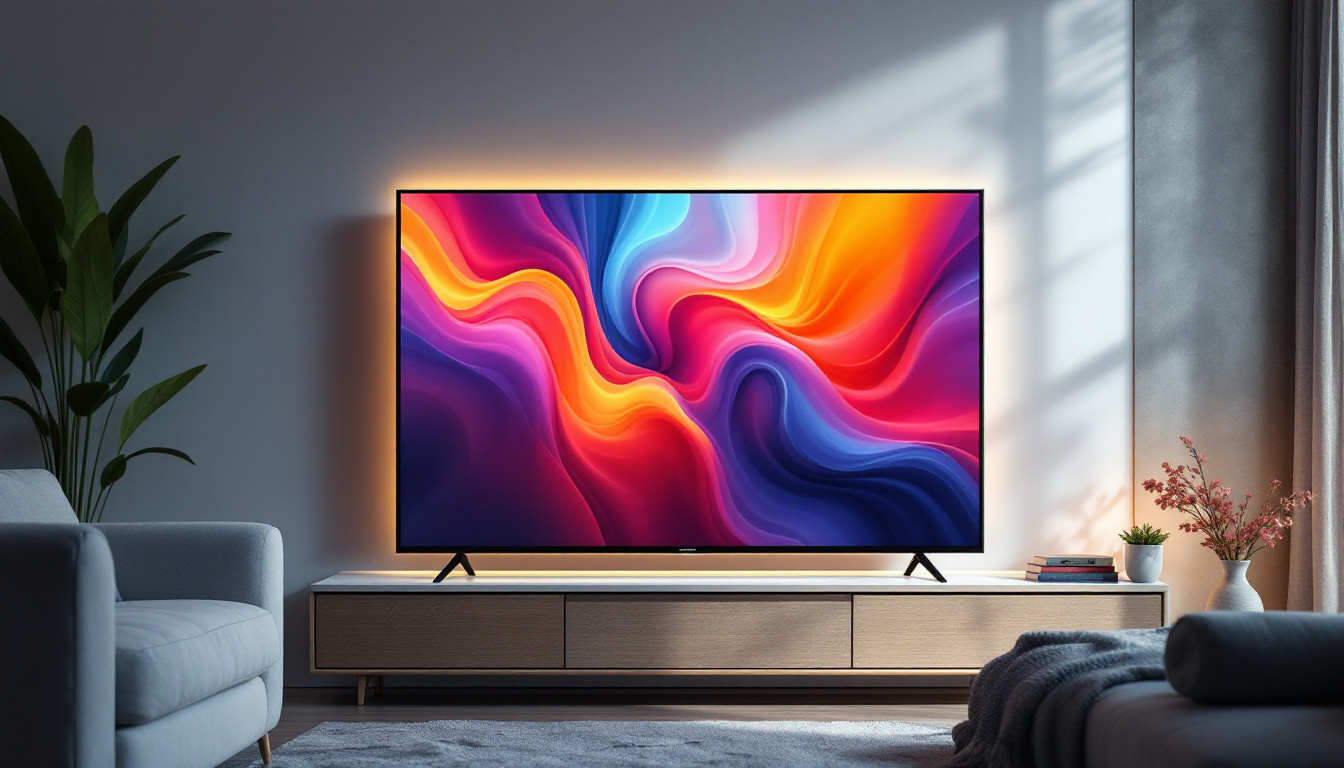
LED, or Light Emitting Diode, displays are screens made up of tiny light sources that emit bright, vibrant colors. Unlike traditional projection systems or LCD screens, LED displays use an array of individual diodes to produce images, text, and video with remarkable clarity and brightness.
One of the key advantages of LED technology is its ability to deliver high visibility even in well-lit environments, which is especially important in churches where natural light or stage lighting can vary widely. LED displays come in various configurations, including indoor and outdoor models, fixed installations, and portable setups, making them versatile for different church sizes and needs.
How LED Displays Work
At the heart of an LED display is a matrix of pixels, each consisting of red, green, and blue diodes. By adjusting the intensity of each diode, the display can produce a full spectrum of colors. These pixels are arranged closely together, and the density of pixels—measured in pixels per inch or pixel pitch—determines the resolution and sharpness of the image.
Modern LED displays often feature advanced control systems that allow for dynamic content management, including live video feeds, song lyrics, sermon notes, and multimedia presentations. This flexibility is crucial for churches aiming to create immersive and interactive worship experiences.
Moreover, LED displays are known for their energy efficiency and longevity. They consume significantly less power compared to traditional lighting systems, which can lead to substantial cost savings over time. Many churches are now opting for LED displays not only for their visual impact but also for their sustainability benefits. The long lifespan of LED technology means that replacements are infrequent, reducing waste and maintenance efforts. This makes LED displays an environmentally friendly option for houses of worship that are conscious of their ecological footprint.
In addition to their practical benefits, LED displays also enhance the aesthetic appeal of a church’s interior or exterior. With the ability to display vibrant graphics and animations, these screens can transform the worship space into a dynamic environment that engages congregants. Churches can use LED displays to showcase artistic visuals during services, highlight community events, or even broadcast messages to the surrounding neighborhood, fostering a sense of connection and outreach. As technology continues to evolve, the potential applications for LED displays in religious settings are expanding, paving the way for innovative worship experiences that resonate with modern congregations.
The Benefits of LED Displays in Churches
Incorporating LED displays into church services offers a range of benefits that go beyond mere aesthetics. From improving congregational participation to enhancing accessibility, LED technology can transform how churches communicate their message.
Enhanced Visibility and Engagement
One of the most significant advantages of LED displays is their superior brightness and clarity. Traditional projection screens can struggle with visibility when ambient light levels are high, but LED displays maintain vivid imagery regardless of lighting conditions. This ensures that every member of the congregation, regardless of seating location, can clearly see song lyrics, scripture passages, announcements, and sermon visuals.
Clear, readable content encourages congregational participation, especially during worship songs and responsive readings. When attendees can easily follow along, the overall engagement and energy of the service often increase. Furthermore, the dynamic capabilities of LED displays allow for the integration of multimedia elements such as videos or animations, which can further captivate the audience and enhance the overall worship experience. By using visually stimulating content, churches can create an atmosphere that not only informs but also inspires and uplifts the congregation.
Improved Accessibility
LED displays can also support accessibility initiatives within the church community. For individuals with hearing impairments, displaying sermon notes or sign language interpreters on large screens can provide vital support. Additionally, LED displays can be used to show translations in multilingual congregations, making services more inclusive. This is particularly important in diverse communities where language barriers may exist, allowing all members to feel welcome and engaged in the service.
Moreover, the use of LED technology can extend to providing information about upcoming events, community services, or even emergency announcements, ensuring that everyone is informed and connected. By prioritizing accessibility, churches can foster a more inclusive environment where all congregants feel valued and heard, reinforcing the church’s mission of community and support.
Versatility and Customization
LED displays are highly customizable, allowing churches to tailor content to specific events or themes. Whether it’s a Christmas service, youth event, or community outreach program, content can be quickly changed to suit the occasion. This adaptability makes LED displays a valuable investment that can serve multiple purposes beyond regular worship services. For instance, during holiday seasons, churches can showcase themed graphics or messages that resonate with the congregation, enhancing the festive atmosphere.
Additionally, the ability to integrate social media feeds or live updates can keep the congregation informed about real-time developments, such as prayer requests or community news. This level of engagement not only keeps the church community connected but also encourages active participation in church life, making the LED display an essential tool for modern ministry.
Durability and Energy Efficiency
LED technology is known for its long lifespan and low energy consumption compared to traditional lighting and projection systems. This durability reduces maintenance costs and downtime, ensuring that the display remains a reliable asset for years to come. Many churches report that the energy savings alone justify the initial investment over time. Furthermore, the robust nature of LED displays means they can withstand various environmental conditions, making them suitable for both indoor and outdoor use.
In addition to cost savings, the environmental benefits of using energy-efficient LED technology align with many churches’ values of stewardship and care for creation. By choosing LED displays, churches not only reduce their carbon footprint but also set an example for their congregations, promoting sustainability and responsible resource management. This commitment to eco-friendly practices can resonate deeply with community members, fostering a culture of awareness and action within the church.
Practical Considerations for Implementing LED Displays
While the benefits are clear, selecting and installing an LED display requires careful planning. Churches must consider factors such as size, resolution, placement, and budget to maximize the effectiveness of their investment.
Determining the Right Size and Resolution
The size of the LED display should correspond to the size of the sanctuary and the distance of the farthest viewer. A display that is too small will be difficult to read, while an excessively large screen can overwhelm the space and create unnecessary costs.
Resolution is equally important. Higher resolution displays provide sharper images but come at a higher price point. For most church applications, a pixel pitch between 3mm and 6mm strikes a good balance between clarity and cost. For larger venues or outdoor installations, a larger pixel pitch may be acceptable.
Indoor vs. Outdoor Displays
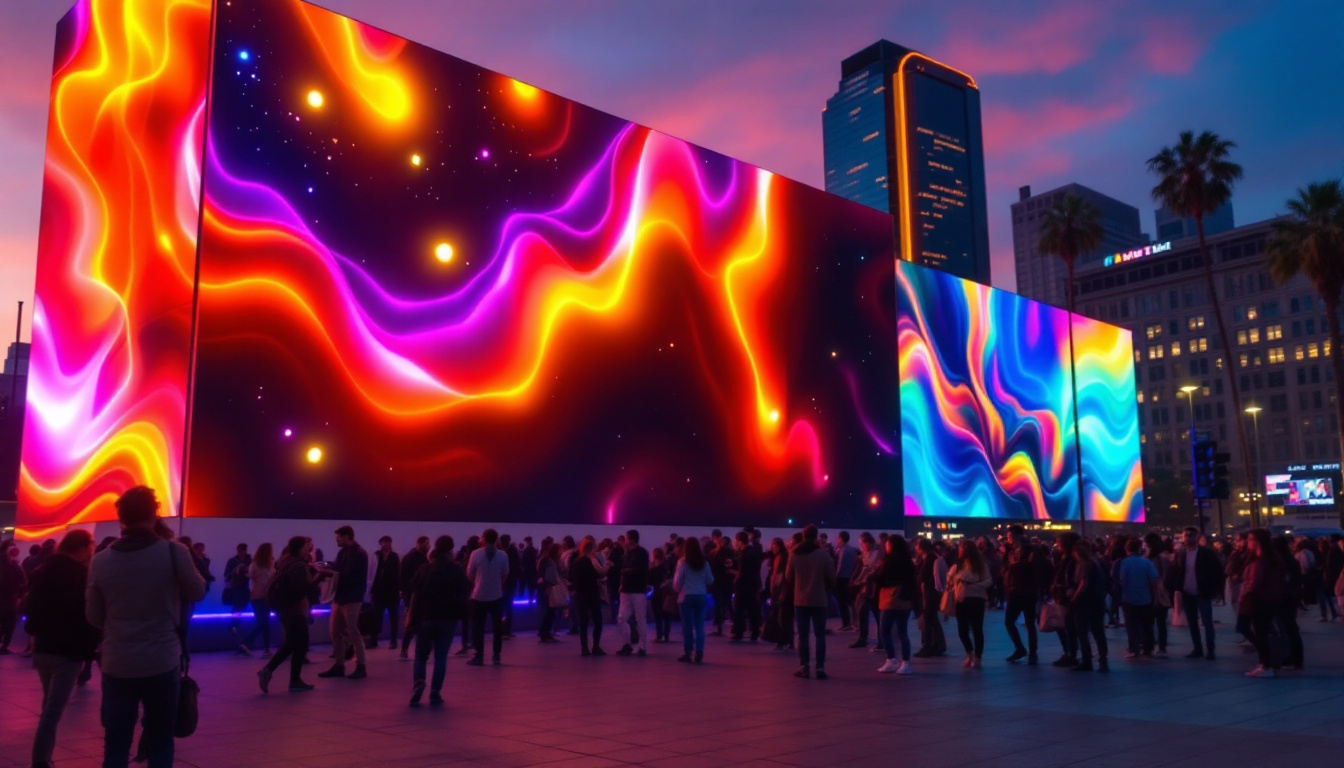
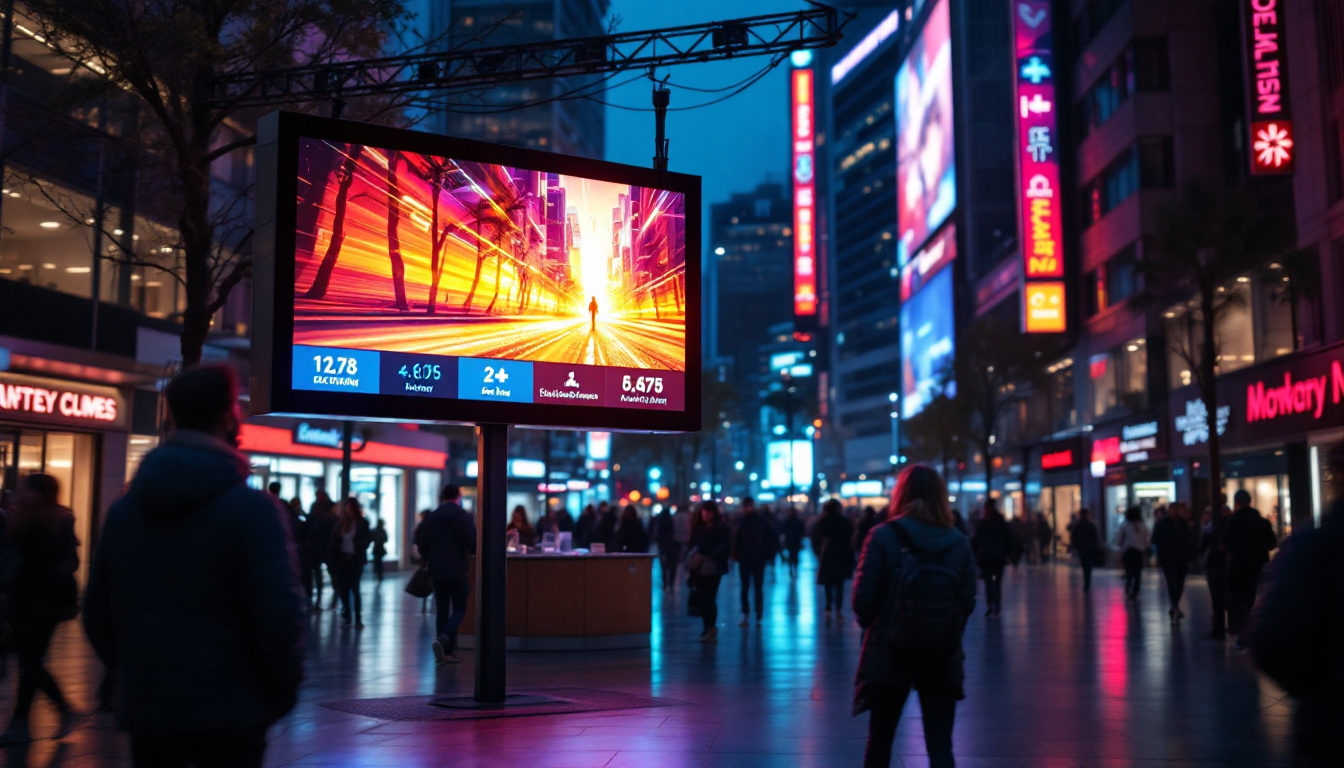
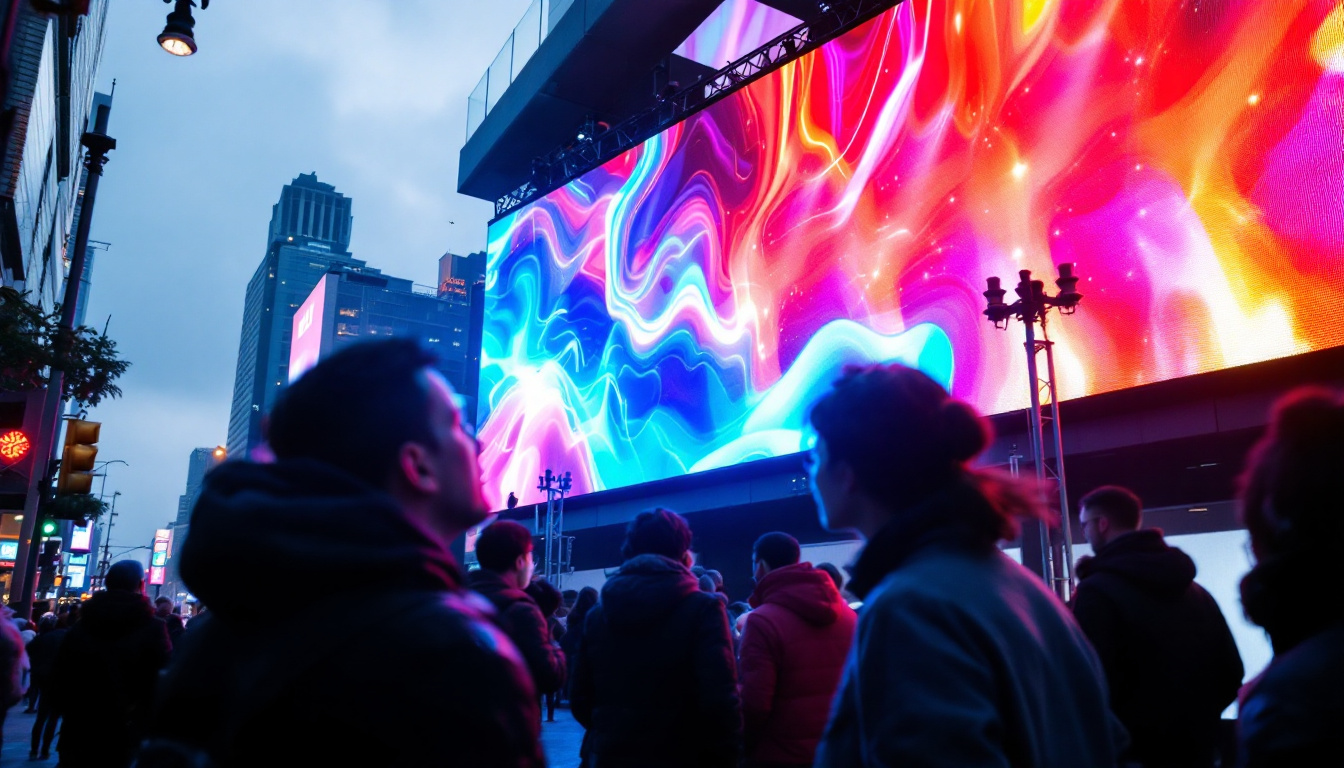
Churches with outdoor worship spaces or those hosting community events may benefit from outdoor-rated LED displays. These models are designed to withstand weather conditions and often feature higher brightness levels to combat sunlight glare. Indoor displays, on the other hand, prioritize color accuracy and viewing angles suitable for controlled lighting environments.
Content Management and Integration
Choosing an LED display is only part of the equation; managing the content effectively is crucial. Many LED systems come with proprietary software that allows staff or volunteers to schedule and control what appears on the screen. Integration with church presentation software, such as ProPresenter or EasyWorship, can streamline the process of displaying lyrics, sermon slides, and videos.
Training for volunteers and staff is essential to ensure smooth operation during services. Some churches also opt for professional installation and ongoing support to minimize technical issues.
Budgeting and Financing Options
LED displays represent a significant investment, with costs varying widely based on size, resolution, and features. Smaller indoor displays might start around a few thousand dollars, while large-scale installations can exceed tens of thousands.
Many churches explore financing options, grants, or fundraising campaigns to support the purchase. It’s important to consider not only the upfront cost but also installation, maintenance, and potential upgrades in the long term.
Real-World Examples of LED Displays in Churches
Across the globe, churches of all sizes have embraced LED technology to enhance their worship environments. Examining these real-world examples can provide valuable insights into best practices and innovative uses.
Large Megachurches and LED Walls
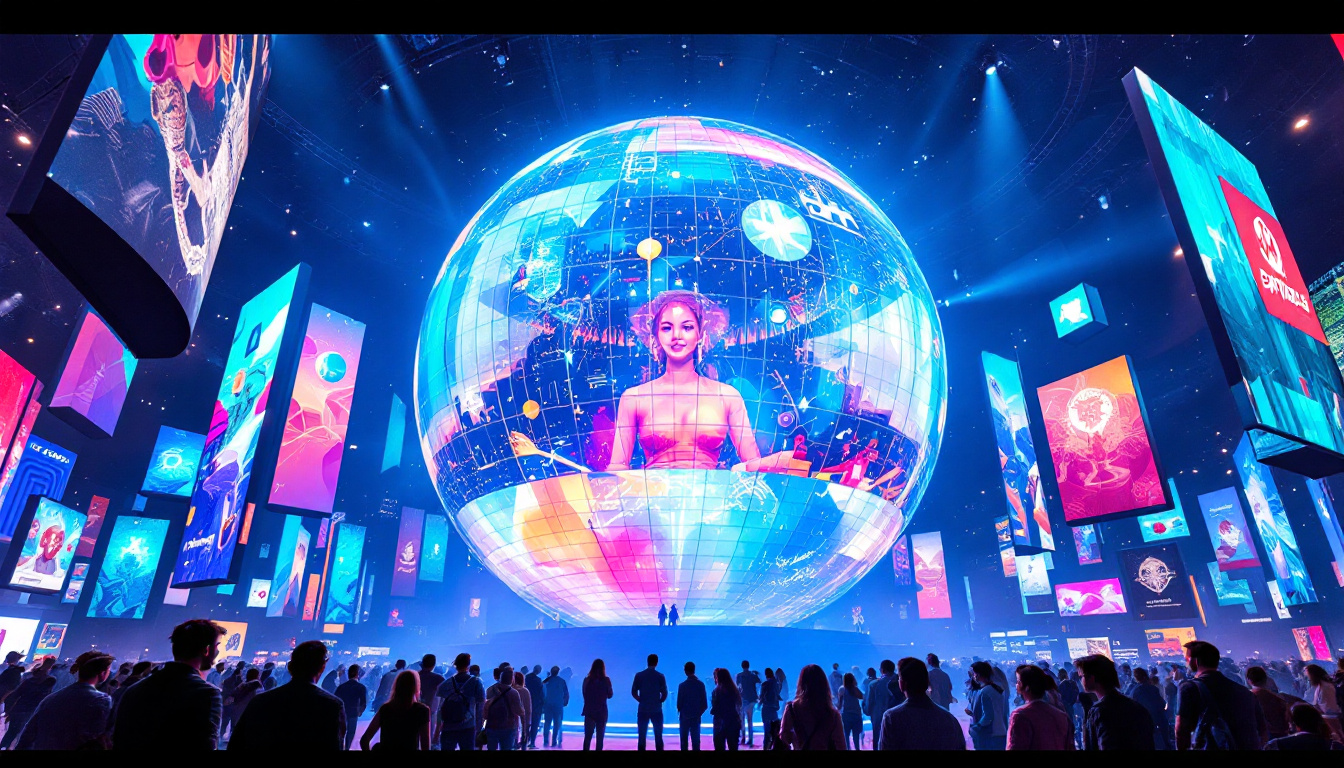
Megachurches often utilize massive LED walls as central visual elements in their sanctuaries. For instance, some churches feature curved LED displays that wrap around the stage, creating an immersive backdrop for sermons and worship performances. These installations often include multi-camera live feeds, dynamic graphics, and interactive elements that engage thousands of attendees both in-person and online.
Mid-Sized Churches and Portable LED Solutions
For mid-sized churches, portable LED panels offer flexibility. These can be assembled and disassembled for different events, such as youth gatherings, outreach programs, or special holiday services. Portable displays also allow churches without permanent installations to experiment with LED technology before committing to a fixed setup.
Small Churches and Budget-Friendly Options
Smaller congregations may find smaller, modular LED displays or hybrid solutions combining LED with projection to be cost-effective. Even a modest LED display can significantly improve visibility and engagement compared to traditional methods, especially when paired with quality sound systems and lighting.
Future Trends in Church LED Display Technology
As technology evolves, LED displays continue to advance, offering new possibilities for churches aiming to create meaningful worship experiences.
Higher Resolutions and Flexible Displays
Emerging LED technologies include ultra-high-definition displays with pixel pitches below 1mm, delivering near-retina quality images. Flexible and transparent LED panels are also gaining traction, allowing for creative stage designs and seamless integration into architectural features.
Integration with Augmented Reality and Interactive Media
Some churches are experimenting with augmented reality (AR) and interactive media that integrate with LED displays. This can include real-time audience interaction, virtual backgrounds, and immersive storytelling that deepen the connection between the message and the congregation.
Energy Efficiency and Sustainability
With growing emphasis on sustainability, LED manufacturers are focusing on reducing power consumption and using eco-friendly materials. Churches committed to environmental stewardship can benefit from these innovations while reducing operational costs.
Conclusion
LED displays have become a transformative tool for churches seeking to enhance their worship services and community engagement. Their brightness, versatility, and durability make them well-suited for a variety of church environments, from intimate chapels to sprawling megachurches. By carefully considering factors such as size, resolution, and content management, churches can effectively integrate LED technology to create vibrant, accessible, and inspiring worship experiences.
As technology continues to advance, LED displays will likely play an even more central role in how churches communicate and connect with their congregations, making them a worthwhile investment for the future of worship.
Explore Cutting-Edge LED Display Solutions for Your Church
Ready to elevate your worship experience with the latest in LED display technology? LumenMatrix offers a wide range of innovative LED display solutions tailored to meet the needs of any church environment. From vibrant Indoor LED Wall Displays to weather-resistant Outdoor LED Wall Displays, and from engaging LED Sports Displays to customizable Floor LED Displays, our products are designed to captivate your congregation and enhance your ministry’s visual communication. Discover how LumenMatrix can transform your worship services and engage your community like never before. Check out LumenMatrix LED Display Solutions today and take the first step towards a brighter, more connected worship experience.