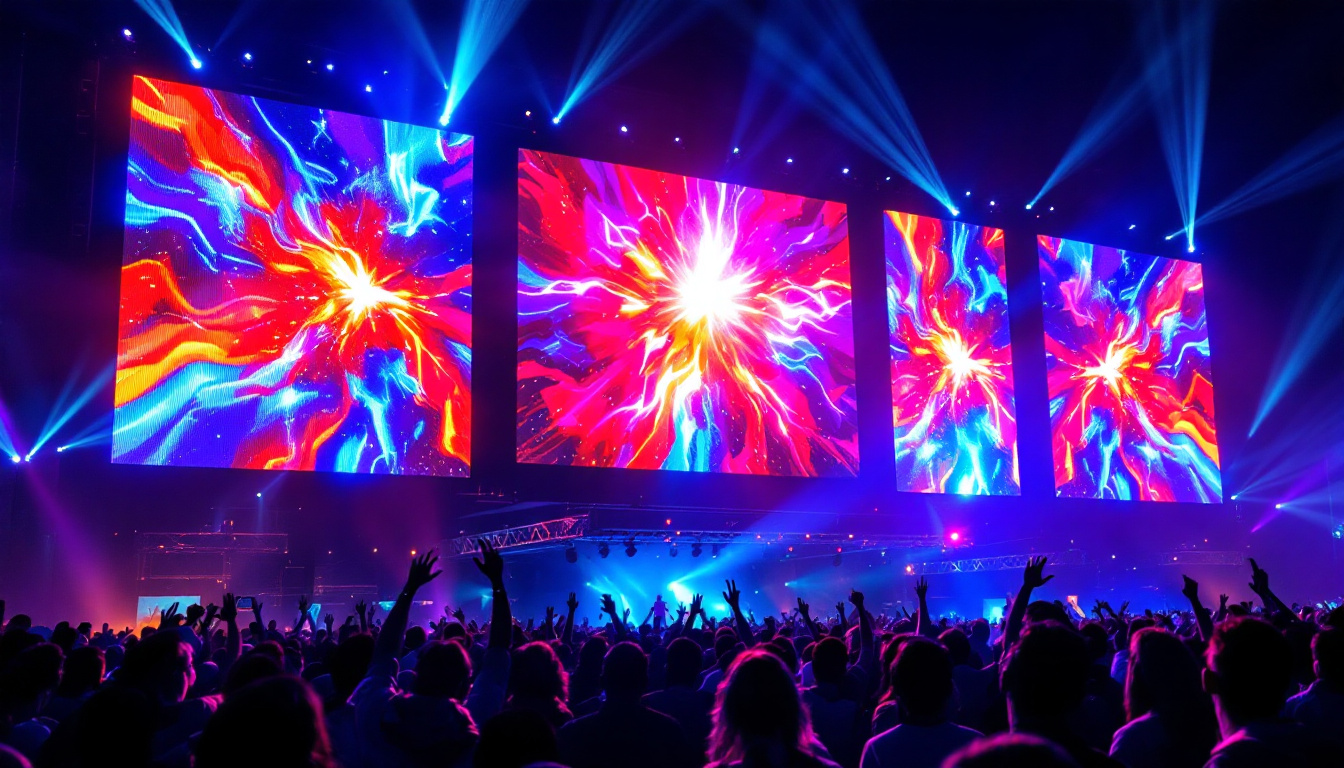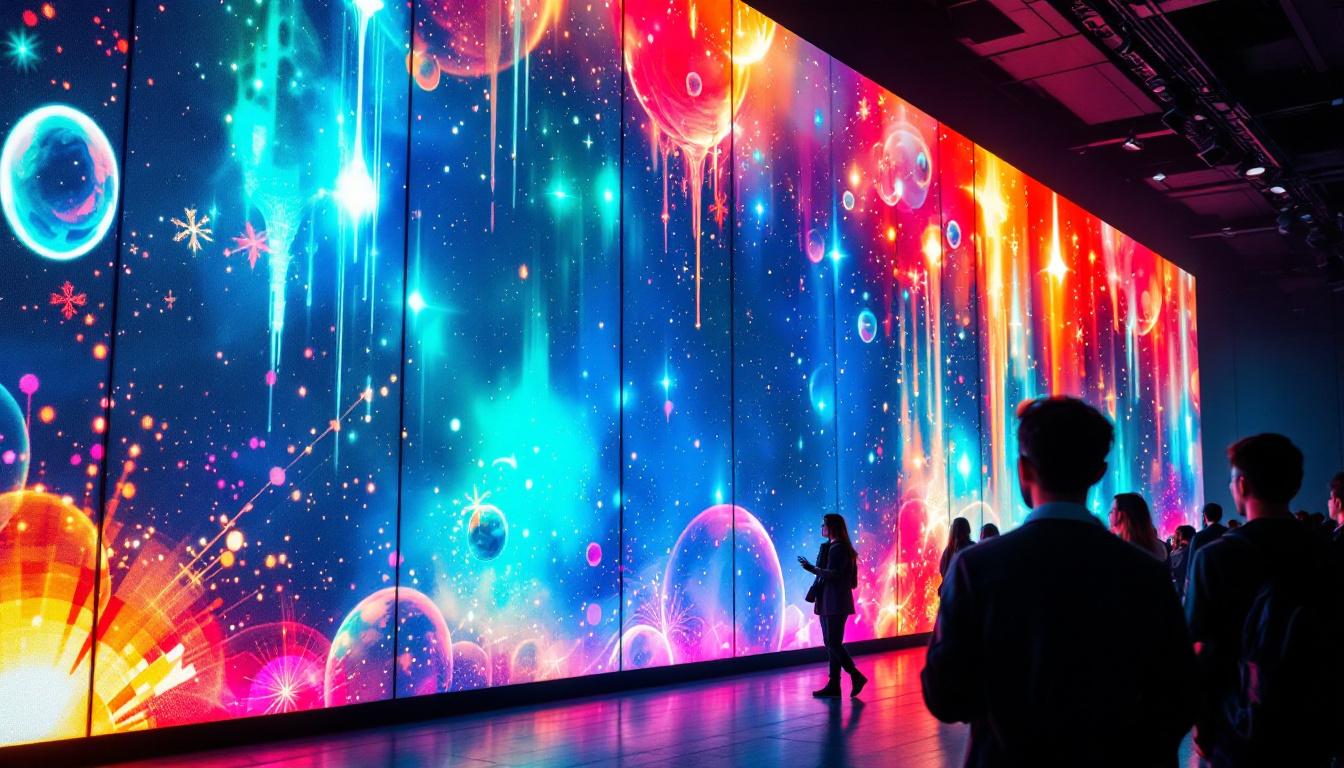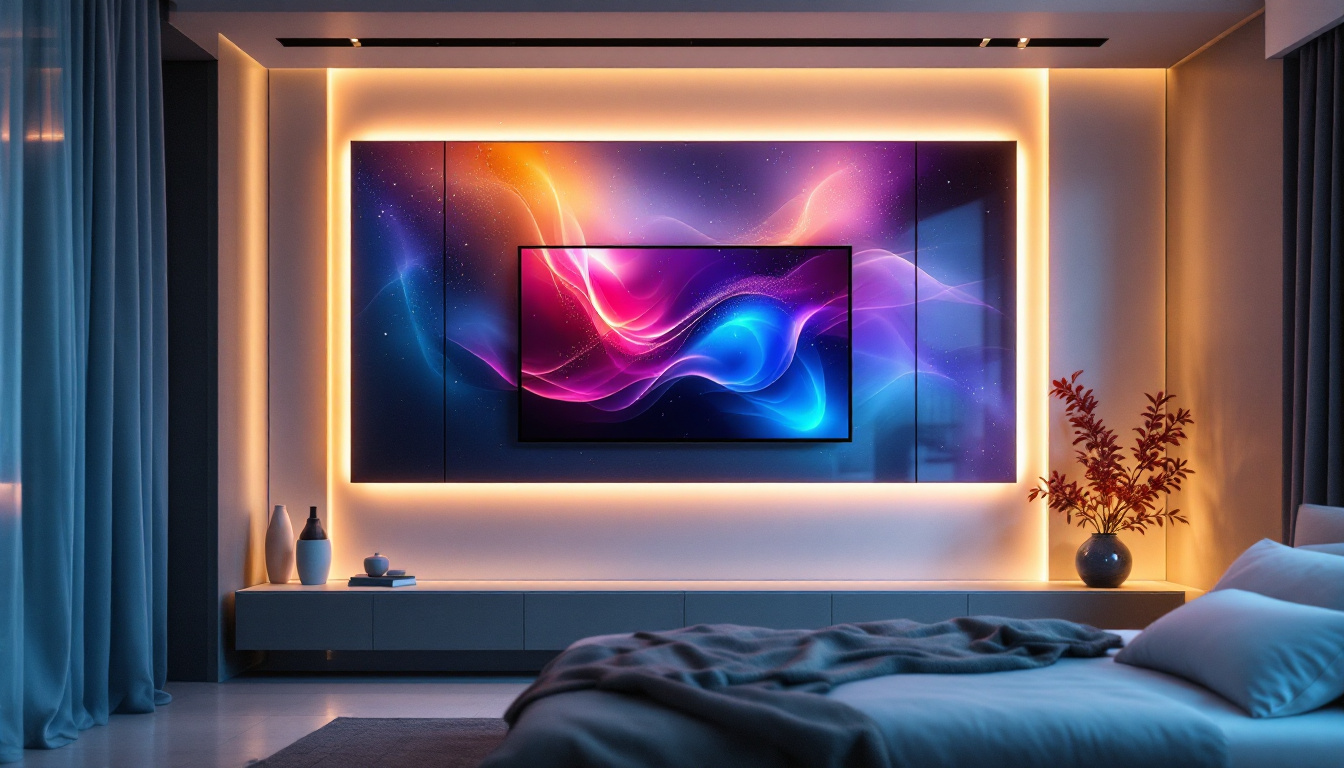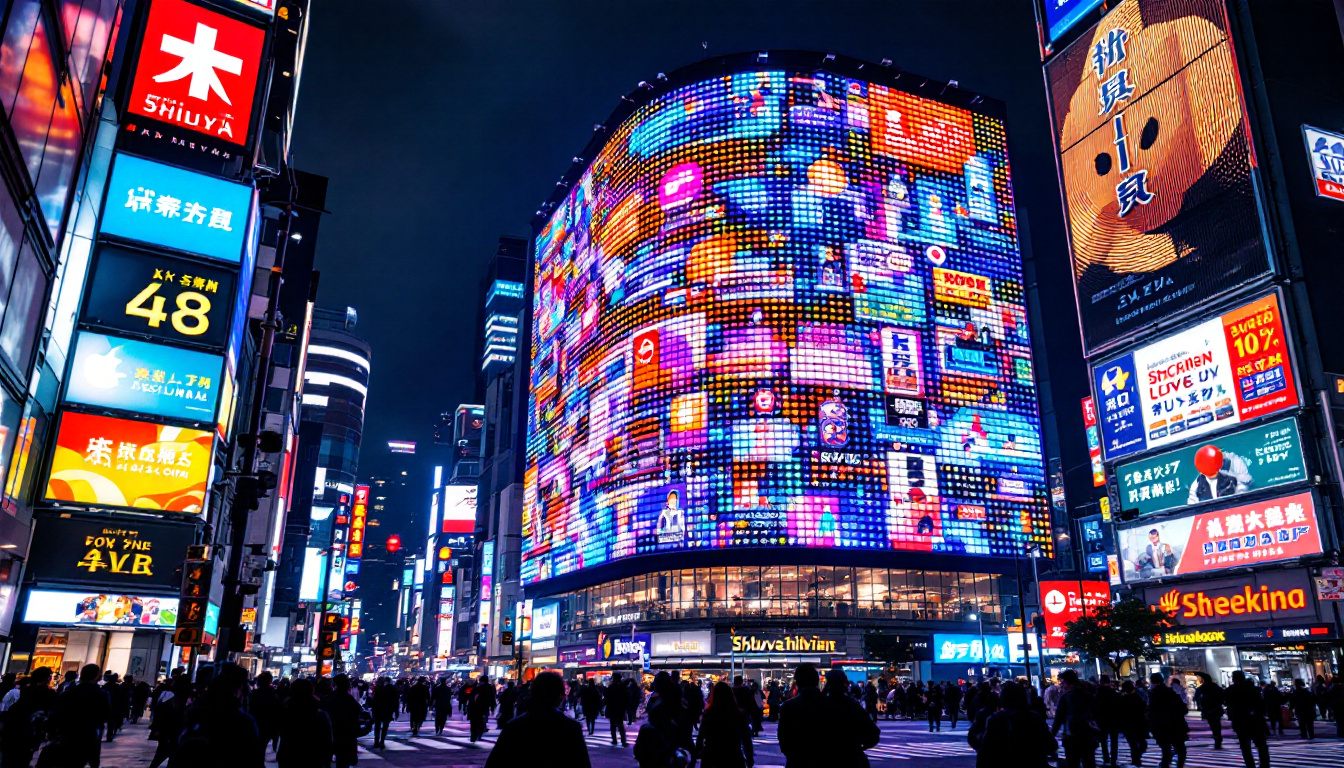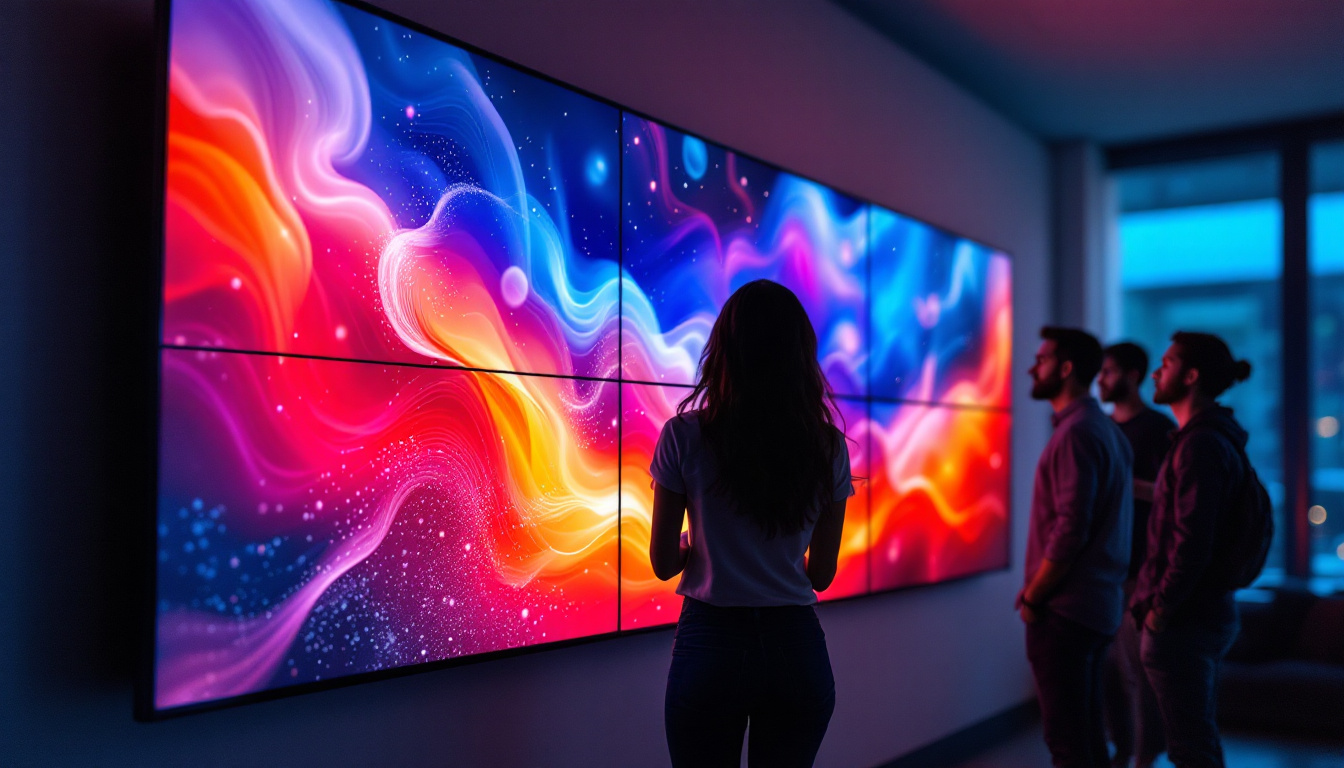
The cinema industry has witnessed remarkable technological advancements over the past few decades, transforming the movie-going experience for audiences worldwide. Among the most significant innovations is the introduction of LED display technology in cinema screens. This article explores the fundamentals of LED displays, their advantages over traditional projection systems, and how they are reshaping the future of cinema presentation.
Understanding LED Display Technology
What is an LED Display?
LED stands for Light Emitting Diode, a semiconductor device that emits light when an electric current passes through it. LED displays are composed of thousands to millions of these tiny diodes arranged in a grid to form a screen. Each diode acts as a pixel, producing its own light and color, which collectively create the images seen on the display.
Unlike traditional projection systems that rely on external light sources and reflective screens, LED displays are self-illuminating. This means the screen itself generates the image, resulting in higher brightness, contrast, and color accuracy. The ability of LED displays to produce vibrant colors and deep blacks makes them particularly appealing for various applications, from home theaters to large outdoor billboards.
Moreover, the longevity of LED technology is noteworthy, with many displays boasting lifespans of over 100,000 hours. This durability not only reduces maintenance costs but also minimizes the environmental impact associated with frequent replacements of traditional lighting systems.
Types of LED Displays in Cinema
In cinema applications, LED displays are typically categorized into two types: Direct View LED (DVLED) and MicroLED. DVLED screens use larger diodes suitable for large-format displays, while MicroLED technology employs microscopic LEDs to achieve higher resolution and finer image quality.
MicroLED is gaining traction as a future standard for cinema due to its superior brightness and energy efficiency, although it remains more expensive and complex to manufacture compared to DVLED. This complexity arises from the intricate process of assembling millions of tiny LEDs into a coherent display, which requires precision engineering and advanced manufacturing techniques.
Additionally, the flexibility of MicroLED technology allows for innovative display designs, including curved and modular screens that can be tailored to fit unique cinema environments. This adaptability opens up new possibilities for immersive viewing experiences, where the screen can seamlessly blend into the architecture of the theater, enhancing the overall aesthetic and engagement of the audience. As the technology continues to evolve, we can expect to see even more groundbreaking applications in the cinematic landscape, pushing the boundaries of visual storytelling.
Advantages of LED Displays Over Traditional Projection
Superior Image Quality
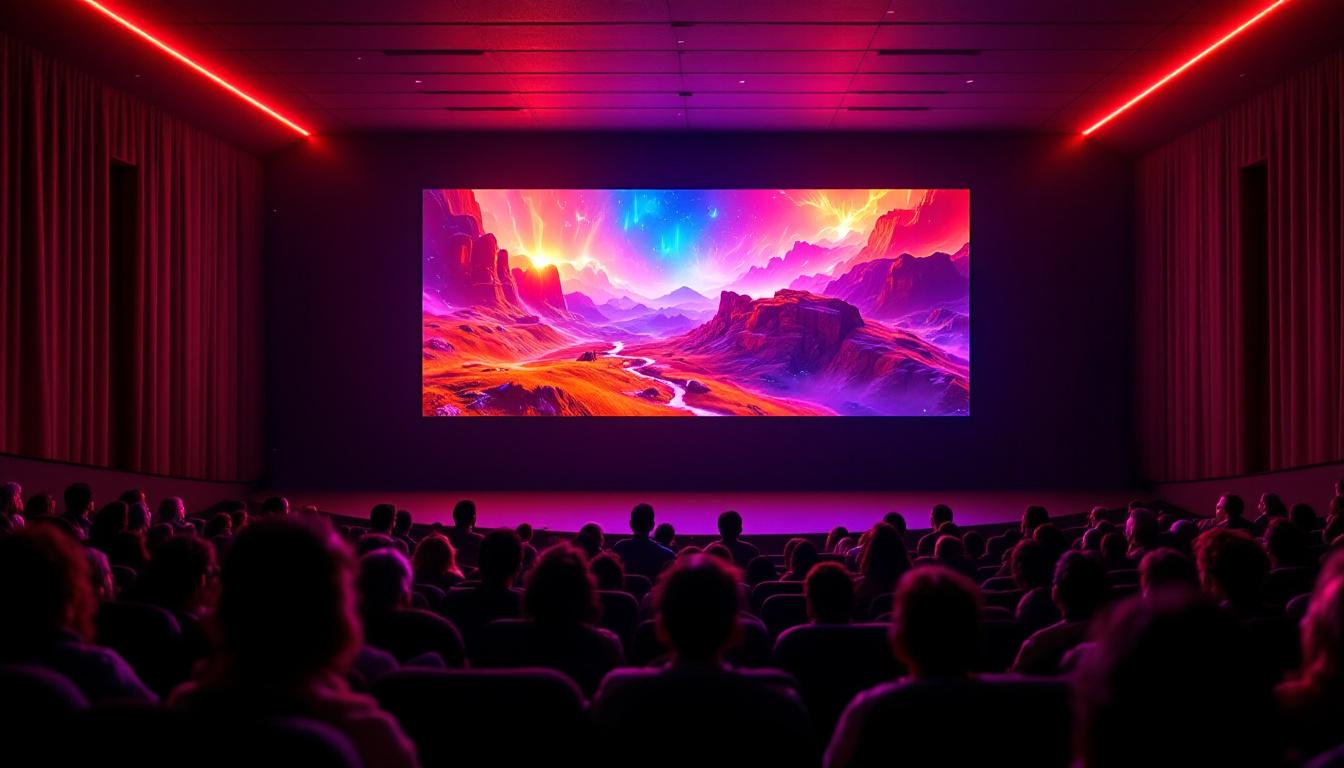
One of the most compelling reasons cinemas are adopting LED displays is the dramatic improvement in image quality. LED screens deliver unparalleled brightness levels, often exceeding 1,000 nits, compared to the 14-16 foot-lamberts typical of digital projectors. This increased brightness enhances visibility even in rooms with ambient light, reducing the need for complete darkness.
Additionally, LED displays offer exceptional contrast ratios, often surpassing 1,000,000:1, which means deeper blacks and more vibrant colors. This capability allows filmmakers to present their work as intended, with rich detail in both shadows and highlights. The color accuracy of LED displays is also noteworthy; they can reproduce a wider color gamut, making it possible for audiences to experience films with a level of detail and vibrancy that traditional projectors simply cannot match. This is particularly significant for genres that rely heavily on visual storytelling, such as animation and fantasy films, where color plays a crucial role in immersing viewers in the narrative.
Consistent Performance and Reliability
Traditional projection systems rely on bulbs or lasers that degrade over time, leading to diminished brightness and color shifts. In contrast, LED displays maintain consistent brightness and color fidelity throughout their lifespan, which can exceed 100,000 hours. This longevity reduces maintenance costs and ensures a reliable viewing experience for audiences.
Furthermore, LED displays are less susceptible to issues such as dust accumulation or mechanical failures common in projectors, enhancing operational uptime for cinemas. This reliability is particularly beneficial for busy theaters that host multiple screenings daily, as it minimizes the risk of technical difficulties that could disrupt showtimes. Additionally, the lack of moving parts in LED technology means that the risk of mechanical breakdown is significantly lower, allowing cinema operators to focus on providing an exceptional viewing experience rather than worrying about equipment malfunctions.
Energy Efficiency and Environmental Impact
LED technology is inherently more energy-efficient than traditional projection systems. Cinemas equipped with LED screens can reduce electricity consumption significantly, contributing to lower operational costs and a smaller carbon footprint. This efficiency aligns with the growing emphasis on sustainability within the entertainment industry.
Moreover, the reduced energy consumption of LED displays not only benefits cinema operators financially but also contributes to a broader environmental initiative. As audiences become increasingly aware of the ecological impact of their entertainment choices, cinemas that adopt LED technology can position themselves as leaders in sustainable practices. This shift towards greener technology can enhance a cinema’s brand image, attracting environmentally conscious viewers who prioritize businesses that demonstrate a commitment to reducing their environmental impact. Additionally, the longer lifespan of LED displays means fewer electronic waste products, further supporting eco-friendly initiatives within the industry.
Implementation Challenges and Considerations
Initial Investment and Installation
Despite the numerous benefits, the transition to LED cinema screens involves considerable upfront costs. High-quality LED panels designed for large-format cinema use are expensive, and installation requires specialized expertise to ensure seamless image quality across the entire screen surface.
Cinemas must also consider the architectural implications, as LED screens are often heavier and may require reinforced mounting structures. Additionally, the room’s acoustics and lighting conditions may need adjustment to optimize the viewing environment. This can include the installation of sound-absorbing materials or the redesign of lighting systems to minimize glare and reflections, which can detract from the viewing experience. Furthermore, the integration of LED technology may necessitate upgrades to existing electrical systems to handle the increased power requirements, adding another layer of complexity and cost to the implementation process.
Content Compatibility and Standards
Another critical consideration is content compatibility. Films are traditionally mastered for projection systems with specific brightness and color profiles. To fully leverage LED display capabilities, content creators and distributors must adapt their workflows to accommodate the wider color gamut and higher dynamic range offered by LED screens.
Industry standards such as HDR10 and Dolby Vision are increasingly being integrated with LED cinema displays, but widespread adoption requires collaboration between studios, post-production houses, and exhibitors. This collaboration is crucial not only for ensuring that films are optimized for LED technology but also for educating filmmakers about the unique characteristics of LED displays. As these standards evolve, there is a growing need for training programs and workshops that can help industry professionals understand how to best utilize the capabilities of LED technology, ensuring that the artistic vision of filmmakers is preserved while taking full advantage of the enhanced visual experience that LED screens provide.
Real-World Applications and Case Studies
Samsung’s Onyx Cinema LED
One of the pioneering implementations of LED cinema technology is Samsung’s Onyx Cinema LED screen, introduced in 2018. This 10.3-meter-wide LED display offers 4K resolution with peak brightness levels of up to 146 fL (foot-lamberts), significantly higher than traditional projection systems.
Major cinema chains worldwide have installed Onyx screens, reporting enhanced audience satisfaction and improved image quality. The system supports HDR content and immersive sound integration, creating a holistic upgrade to the cinematic experience.
MicroLED Screens in Premium Cinemas
Some premium cinema venues have begun experimenting with MicroLED technology to push image quality boundaries further. These installations showcase ultra-high brightness, perfect black levels, and wide color gamuts, delivering a viewing experience closer to real life than ever before.
While still in the early adoption phase, MicroLED cinemas are attracting cinephiles and industry attention, signaling a potential shift in how films are presented in the coming years.
The Future of Cinema with LED Displays
Integration with Immersive Technologies
As LED display technology advances, it is increasingly being integrated with immersive audio and augmented reality (AR) elements to create multi-sensory cinema experiences. LED walls can serve as dynamic backdrops that interact with on-screen content, enhancing storytelling and audience engagement.
For example, some studios are exploring virtual production techniques, where LED screens display real-time backgrounds during filming, reducing the need for post-production visual effects. This innovation could also translate into cinema exhibition, offering audiences more immersive environments.
Wider Adoption and Market Growth
The global LED cinema display market is projected to grow significantly over the next decade. According to industry analysts, the market could reach several billion dollars by 2030, driven by increasing demand for premium cinema experiences and technological advancements reducing costs.
As LED display prices decrease and content standards evolve, more cinemas—ranging from multiplexes to boutique theaters—are expected to adopt this technology, making high-quality visual experiences accessible to a broader audience.
Conclusion
LED display technology represents a transformative leap in cinema presentation, offering superior image quality, reliability, and energy efficiency compared to traditional projection systems. While the initial investment and content adaptation pose challenges, the benefits for both exhibitors and audiences are compelling.
As the cinema industry continues to embrace LED displays and related innovations, moviegoers can look forward to increasingly immersive, vibrant, and engaging experiences that honor the artistic intent of filmmakers and elevate the magic of the big screen.
Discover the Future of Visual Experience with LumenMatrix
Ready to elevate your cinematic experience with the latest in LED display technology? LumenMatrix is at the forefront of innovation, offering a diverse range of LED display solutions that bring stories to life with unparalleled brightness, contrast, and color fidelity. From Indoor and Outdoor LED Walls to Custom and All-in-One LED Displays, our products are designed to captivate audiences and transform any space into a dynamic visual spectacle. Embrace the future of cinema and visual communication today. Check out LumenMatrix LED Display Solutions and see how we can enhance your brand visibility and audience engagement.