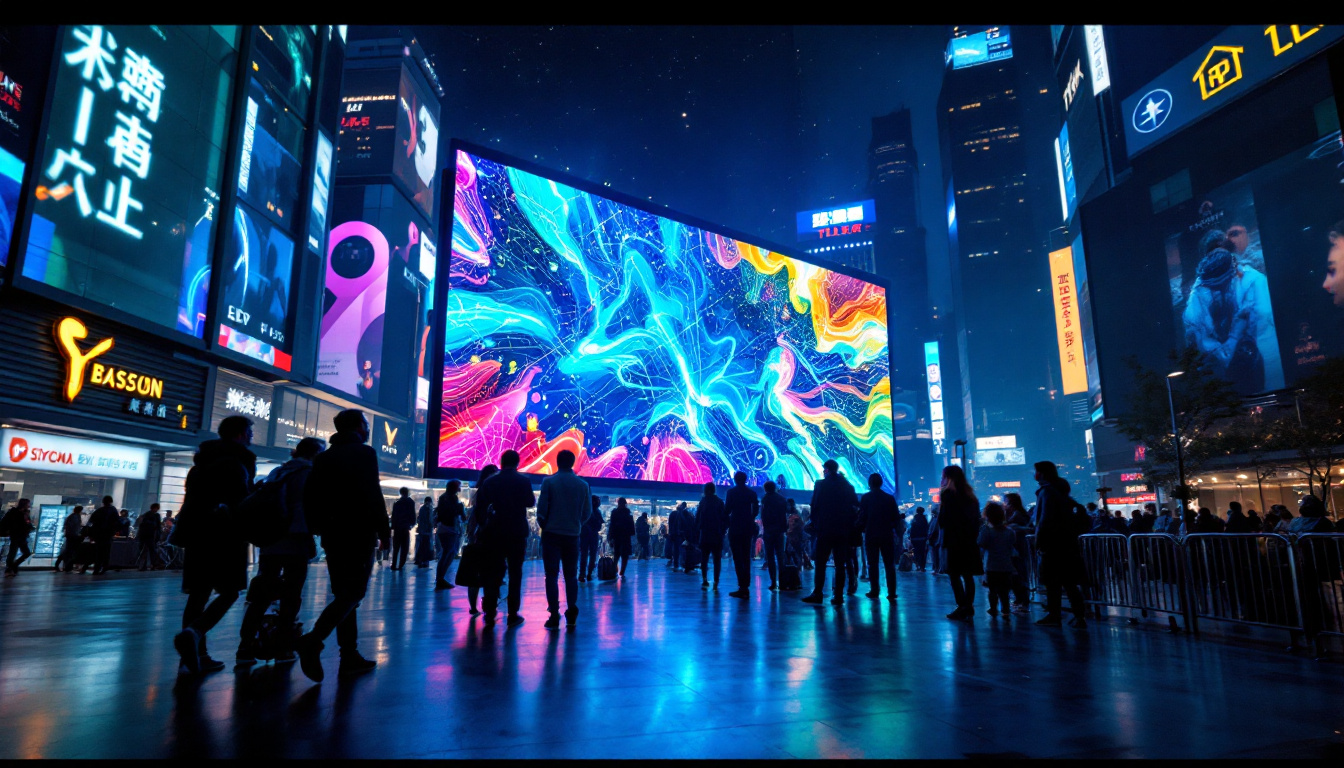
In the rapidly evolving world of digital signage and lighting technology, circle LED lights have emerged as a popular and versatile choice for designers, advertisers, and event planners. These circular LED displays offer a unique blend of aesthetic appeal and functional performance, making them ideal for a wide range of applications—from retail signage to architectural lighting and interactive installations.
This article delves into the technology behind circle LED lights, exploring how they work, their advantages, and the various ways they can be utilized. Whether you are a business owner considering digital signage options or a technology enthusiast curious about LED innovations, this comprehensive guide will illuminate the key aspects of circle LED displays.
Understanding Circle LED Lights: Technology and Design
What Are Circle LED Lights?
Circle LED lights are LED displays arranged in a circular configuration rather than the traditional rectangular or square panels. These displays use light-emitting diodes (LEDs) as their primary light source, which are known for their energy efficiency, brightness, and longevity. The circular arrangement allows for creative and eye-catching designs that stand out in crowded visual environments.
Unlike conventional LED screens, circle LED lights can be customized in size and pixel pitch to fit specific design requirements. This flexibility makes them suitable for both small-scale decorative lighting and large-scale advertising displays. Their unique shape can draw attention from various angles, making them ideal for use in public spaces, events, and retail environments where visibility is key. Additionally, the circular design can create immersive experiences, particularly when used in installations that encourage viewer interaction or engagement.
How Do Circle LED Displays Work?
At the core of circle LED lights is the LED technology itself. Each LED is a semiconductor device that emits light when an electric current passes through it. In a circle LED display, multiple LEDs are arranged in a circular matrix, controlled by a driver circuit that manages the brightness, color, and timing of each diode.
The control system receives input from a video processor or controller, which converts digital images or video signals into commands that light up the LEDs in specific patterns. This process enables the display to show dynamic content such as animations, videos, or static images with vibrant colors and sharp clarity. The ability to program these displays with various content types allows businesses and artists to convey messages, showcase products, or create stunning visual art that captivates audiences. Furthermore, the integration of smart technology can enable real-time updates and interactivity, enhancing the overall user experience.
Types of LEDs Used in Circular Displays
Circle LED lights typically use either surface-mount device (SMD) LEDs or through-hole LEDs. SMD LEDs are compact and capable of producing a wide range of colors, including full RGB (red, green, blue) spectrum, making them ideal for high-resolution displays. Through-hole LEDs, while larger, are often used for simpler displays or decorative lighting due to their durability and brightness.
Advancements in LED technology have also introduced mini-LEDs and micro-LEDs, which offer even finer pixel control and higher brightness levels. These newer technologies are gradually being incorporated into circular LED displays, enhancing their visual performance and energy efficiency. The mini and micro variations allow for more intricate designs and can be utilized in applications ranging from wearable tech to large-scale installations. As these technologies continue to evolve, we can expect to see even more innovative uses for circle LED lights, including their integration into architectural features and interactive installations that respond to viewer movements or environmental changes.
Advantages of Circle LED Lights Over Traditional Displays
Enhanced Visual Appeal and Versatility
The circular shape of these LED displays inherently attracts attention due to its uncommon form factor. In marketing and design, breaking away from traditional rectangular screens can significantly increase viewer engagement. Circle LED lights are often used in logos, clocks, and artistic installations where the round shape complements the overall design concept.
Moreover, the ability to create seamless circular displays enables designers to integrate lighting and digital content in innovative ways, such as wrapping displays around columns or creating interactive kiosks with curved surfaces.
Energy Efficiency and Longevity
LED technology is renowned for its low power consumption compared to incandescent or fluorescent lighting. Circle LED lights benefit from these efficiencies, making them cost-effective over their operational lifespan. On average, LED displays consume up to 75% less energy than traditional lighting solutions, which can translate into substantial savings, especially for large-scale installations.
Additionally, LEDs have a longer lifespan, often exceeding 50,000 hours of operation. This reduces maintenance costs and downtime, which is particularly advantageous for commercial applications that require continuous operation.
Improved Brightness and Visibility
Circle LED displays offer high brightness levels, making them visible even in direct sunlight or brightly lit environments. This attribute is crucial for outdoor advertising and public information displays, where visibility can directly impact effectiveness.
Furthermore, the LEDs used in these displays provide excellent color saturation and contrast ratios, enhancing image quality and viewer experience. The circular layout also allows for uniform light distribution, minimizing glare and hotspots.
Applications of Circle LED Lights in Various Industries
Retail and Advertising
Retailers leverage circle LED lights to create captivating storefront displays and promotional signage. The unique shape helps brands differentiate themselves in competitive markets by offering visually striking advertisements that draw in customers.
For example, fashion retailers might use circular LED logos or animated rings to highlight new collections, while restaurants could employ circular menu boards that dynamically update specials or events.
Entertainment and Events
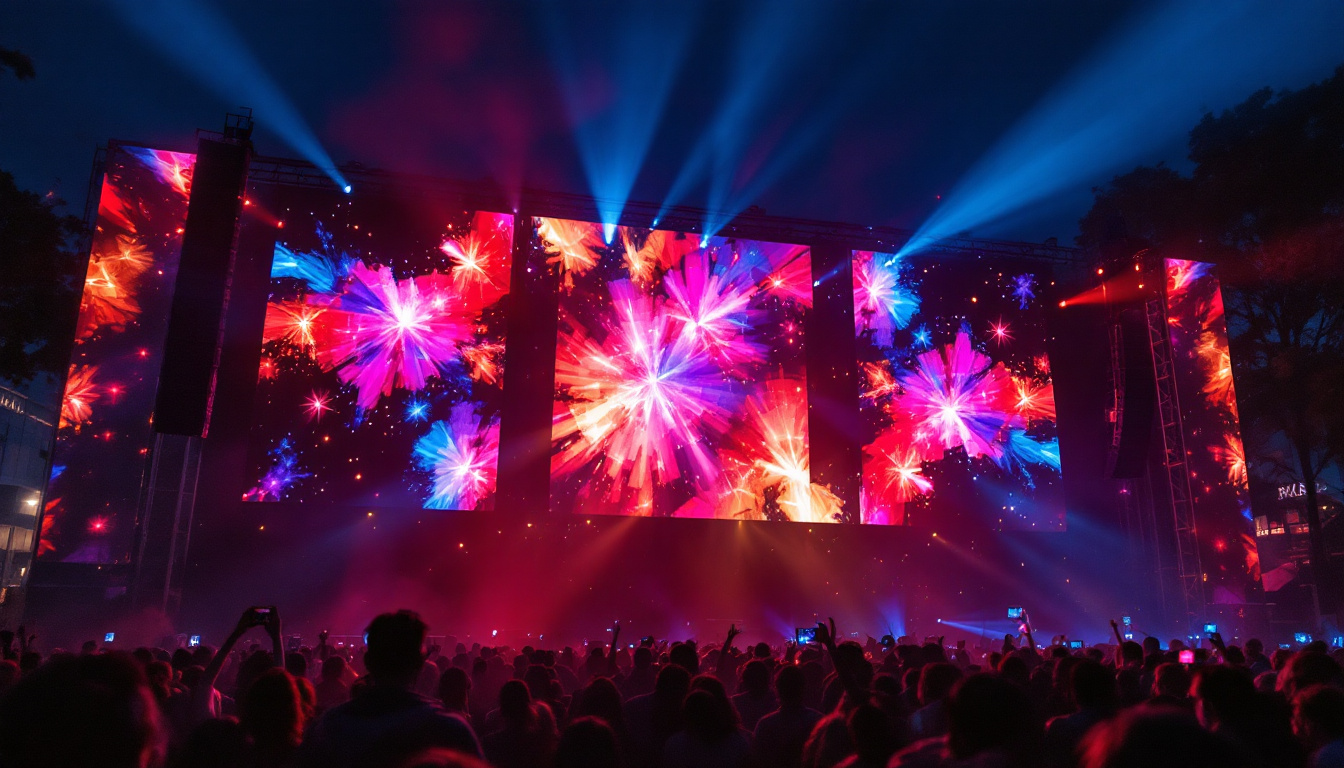
In the entertainment industry, circle LED displays are frequently used in concert stages, nightclubs, and event venues. Their ability to display vibrant moving images and synchronize with music makes them ideal for creating immersive environments.
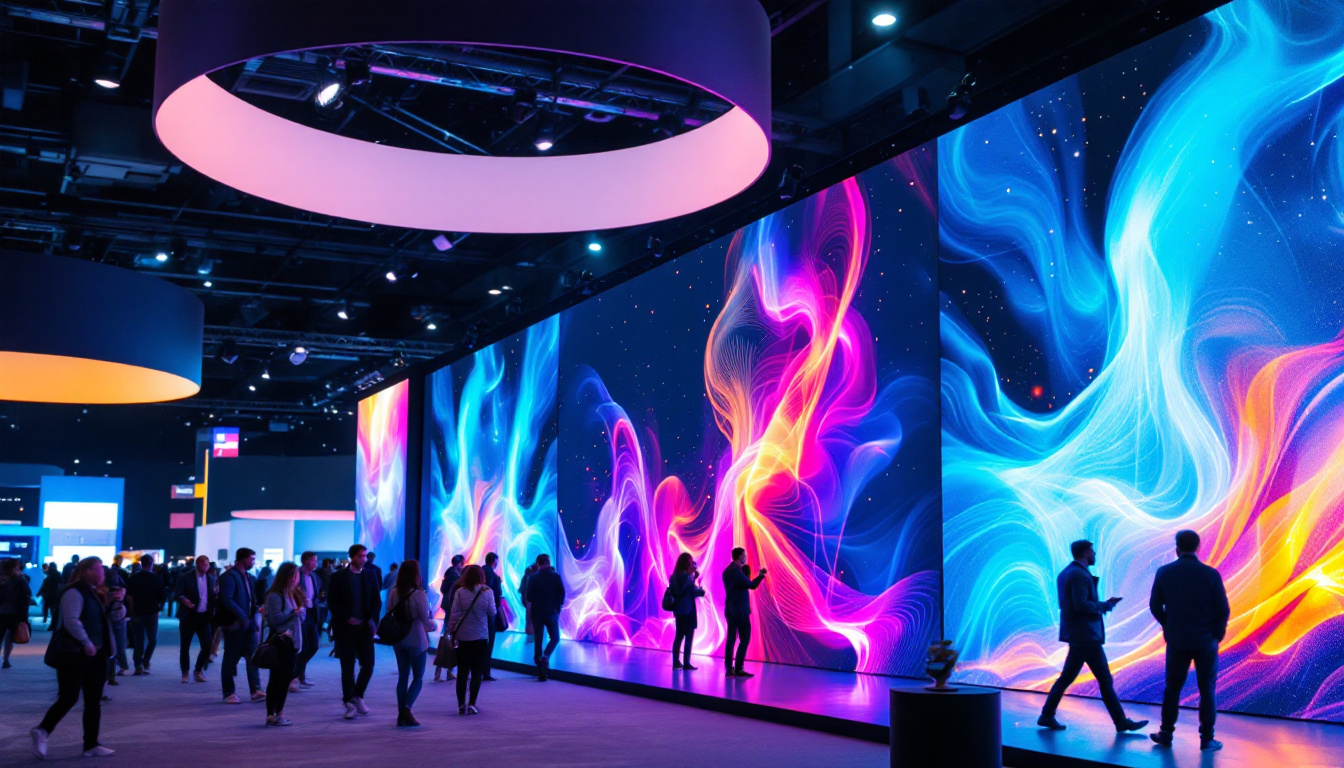
Event organizers also use circular LED installations for branding, wayfinding, and interactive experiences, enhancing attendee engagement and memorability.
Architectural and Interior Design
Architects and interior designers incorporate circle LED lights to add modern flair and functional lighting to buildings and spaces. Circular LED panels can be embedded in ceilings, walls, or floors to provide ambient lighting, dynamic art pieces, or informational displays.
Such installations not only improve aesthetics but can also contribute to energy savings and smart building initiatives when integrated with automated control systems.
Transportation and Public Spaces
Circle LED displays are increasingly used in transportation hubs such as airports, train stations, and bus terminals. Their visibility and adaptability make them suitable for displaying schedules, alerts, and advertisements in high-traffic areas.
Public spaces like parks and plazas also benefit from circular LED lighting for decorative and safety purposes, combining functionality with artistic expression.
Choosing the Right Circle LED Display: Key Considerations
Resolution and Pixel Pitch
The resolution of a circle LED display is determined by the number of LEDs per unit area, often referred to as pixel pitch—the distance between the centers of adjacent LEDs. A smaller pixel pitch means higher resolution and sharper images, which is essential for close viewing distances.
For applications like retail signage or indoor displays, a pixel pitch of 1.5mm to 3mm is common, whereas outdoor displays may use larger pitches of 6mm or more to balance visibility and cost.
Brightness and Viewing Angle
Brightness is measured in nits (candelas per square meter) and should be selected based on the installation environment. Outdoor circle LED lights typically require brightness levels above 5,000 nits to combat sunlight, while indoor displays can function well with 800 to 1,500 nits.
The viewing angle is another critical factor, especially for circular displays that may be viewed from multiple directions. Wide viewing angles ensure consistent image quality regardless of the viewer’s position.
Durability and Weather Resistance
For outdoor applications, circle LED lights must be rugged and weatherproof. Look for displays with an IP65 or higher rating, indicating protection against dust and water ingress. Additionally, UV-resistant materials help prevent color fading and material degradation over time.
Indoor displays may prioritize aesthetics and slim profiles but should still offer protection against dust and accidental impacts.
Control Systems and Software Compatibility
The ease of content management and integration with existing systems is vital. Modern circle LED displays come with sophisticated control software that supports various media formats, remote updates, and real-time monitoring.
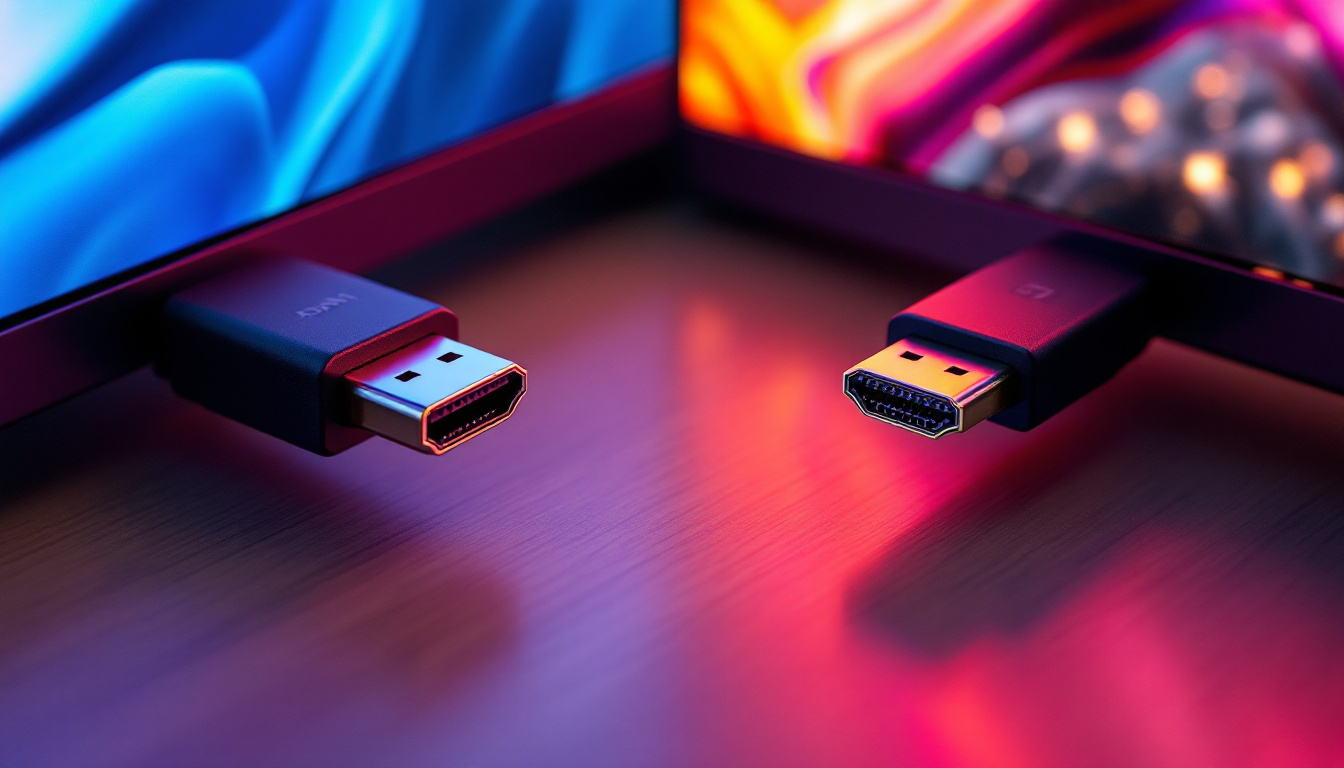
Compatibility with standard video inputs (HDMI, DVI, DisplayPort) and network protocols ensures seamless operation and scalability.
Future Trends in Circle LED Display Technology
Integration of Smart and Interactive Features
Emerging circle LED displays are incorporating sensors and interactive technologies such as touch sensitivity, motion detection, and augmented reality. These features enable personalized and engaging user experiences, transforming passive displays into dynamic communication tools.
For example, retail environments may use interactive circular displays to provide product information or virtual try-on experiences, enhancing customer engagement and satisfaction.
Advancements in Micro-LED Technology
Micro-LEDs represent the next generation of LED technology, offering superior brightness, contrast, and energy efficiency in even smaller form factors. As micro-LED manufacturing scales up, circular displays will benefit from higher resolution and more flexible designs.
This advancement will open new possibilities for wearable displays, flexible signage, and ultra-high-definition circular screens.
Sustainability and Energy Efficiency
As environmental concerns grow, manufacturers are focusing on sustainable materials, recyclable components, and energy-saving features in circle LED displays. Innovations such as adaptive brightness control and low-power standby modes contribute to greener operations.
Choosing eco-friendly LED solutions not only reduces operational costs but also aligns with corporate social responsibility goals and regulatory requirements.
Conclusion
Circle LED lights represent a compelling fusion of technology, design, and functionality. Their distinctive shape and advanced LED technology provide unmatched opportunities for creative expression and effective communication across various industries. From retail and entertainment to architecture and public spaces, circular LED displays are transforming how information and art are presented.
Understanding the technical aspects, benefits, and application possibilities of circle LED lights empowers businesses and designers to make informed decisions that maximize impact and return on investment. As LED technology continues to advance, the future of circle LED displays promises even greater innovation, interactivity, and sustainability.
Illuminate Your Space with LumenMatrix
Ready to elevate your visual presence and captivate your audience with the latest in LED display technology? LumenMatrix is at the forefront of innovation, offering a diverse range of LED solutions tailored to your needs. From mesmerizing Indoor LED Walls to dynamic Outdoor Displays, and from sleek LED Posters to interactive Floor Displays, our mission is to transform your visual communication. Discover how LumenMatrix can amplify your message and create unforgettable experiences. Check out LumenMatrix LED Display Solutions today and light up your world with creativity and impact.