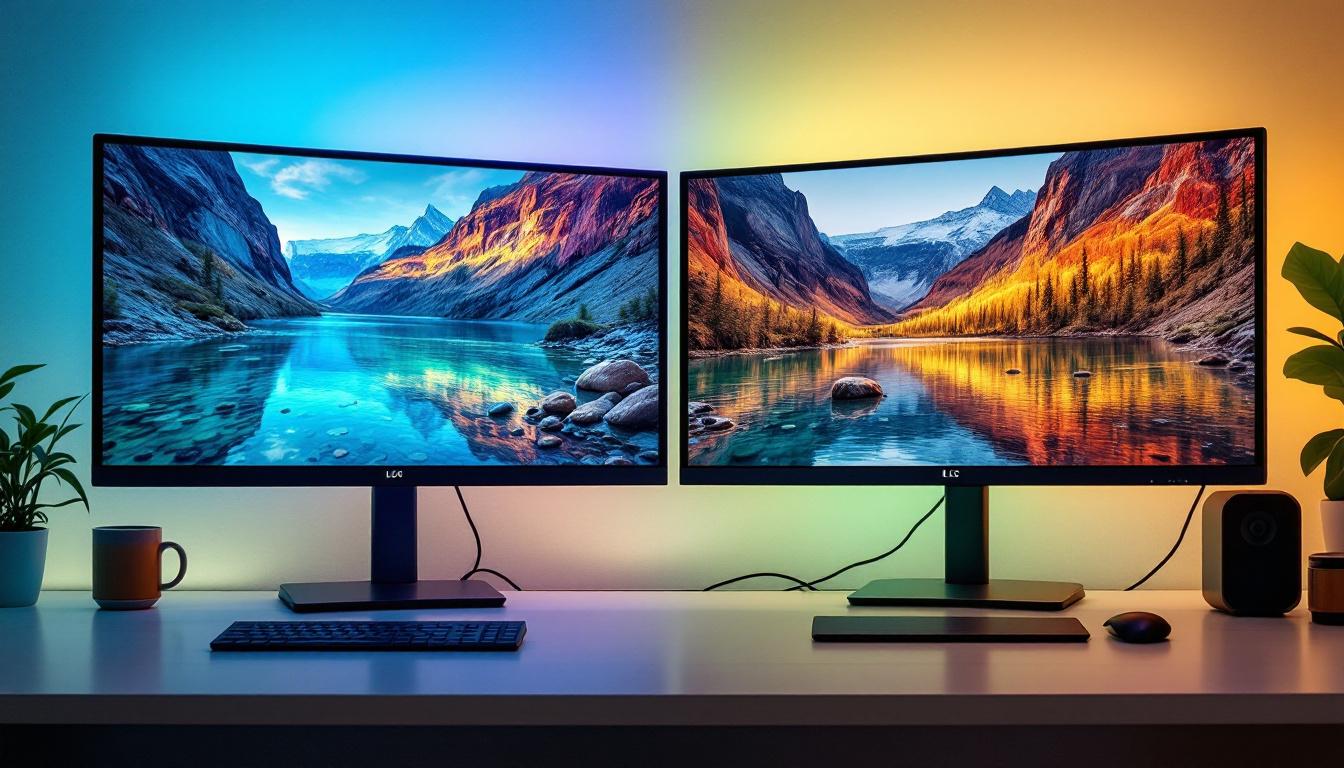
In today’s digital age, LED displays have become an essential component in various industries, from advertising and entertainment to corporate communications and public information systems. Their vibrant colors, high brightness, and flexibility make them the preferred choice for large-scale visual presentations. This article delves into the fundamentals of LED displays, exploring how they work, their advantages, different types, and the latest technological advancements shaping their future.
Understanding the Basics of LED Displays
LED stands for Light Emitting Diode, a semiconductor device that emits light when an electric current passes through it. LED displays use thousands to millions of these tiny diodes arranged in a matrix to create images and videos. Unlike traditional display technologies such as LCD or plasma, LEDs produce their own light, which results in higher brightness and better contrast. This self-illuminating property not only enhances visibility in various lighting conditions but also contributes to energy efficiency, making LED displays a popular choice for both indoor and outdoor applications.
How LED Displays Work
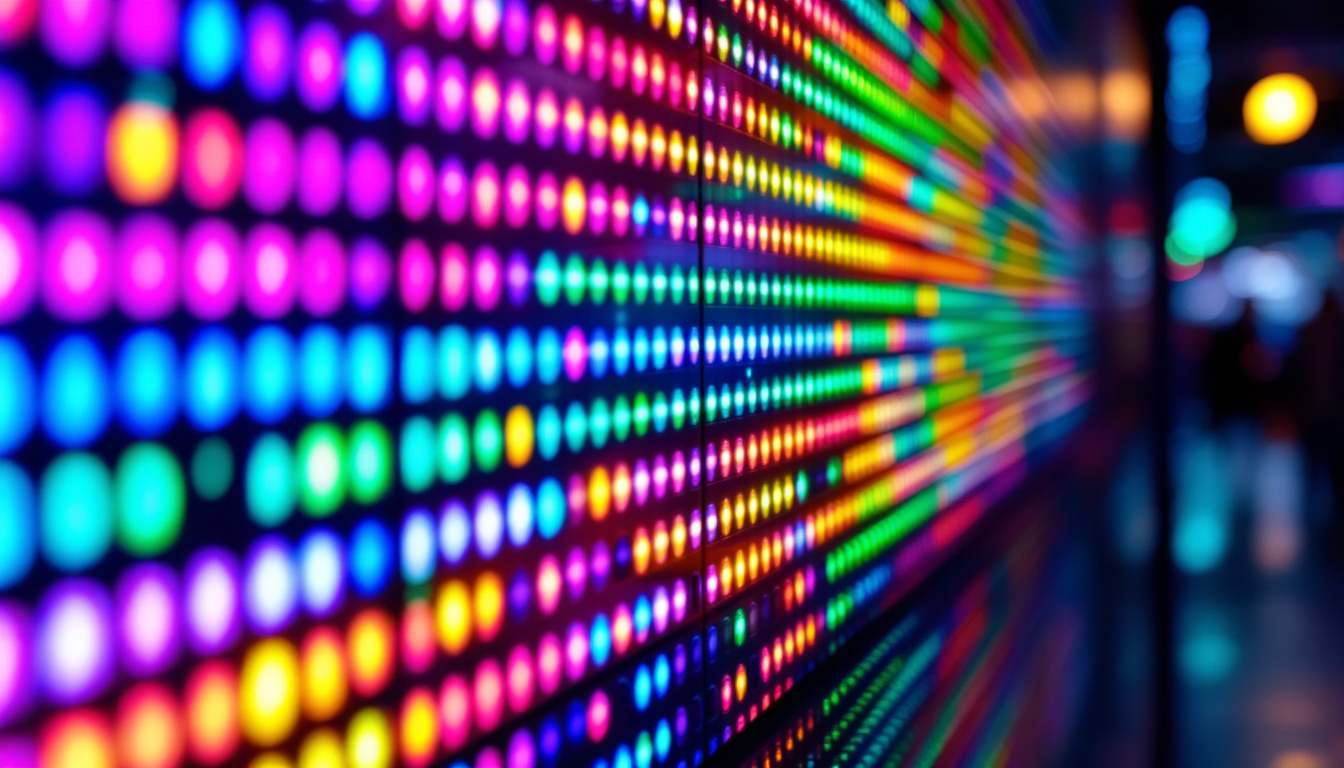
At the core of an LED display is a grid of pixels, each composed of red, green, and blue LEDs. By varying the intensity of each color, the display can produce a full spectrum of colors. This process, known as additive color mixing, allows for vivid and accurate image reproduction. The ability to blend these primary colors seamlessly is what gives LED displays their remarkable color depth and clarity, making them ideal for everything from digital signage to high-definition televisions.
Each pixel is controlled by an integrated circuit that manages the electrical current flowing through the LEDs. The display receives video signals from a controller, which translates the image data into electrical signals to illuminate the appropriate LEDs at the right brightness levels. This precise control enables dynamic content to be shown with smooth motion and sharp detail. Furthermore, advancements in technology have led to the development of smart LED displays that can adjust their brightness automatically based on ambient light conditions, ensuring optimal viewing experiences at all times.
Key Components of an LED Display
Several components work in unison to deliver the final visual output:
- LED Modules: These are the building blocks of the display, containing clusters of LEDs arranged in pixels.
- Driver ICs: Integrated circuits that regulate the power and control signals for each LED.
- Power Supply: Provides the necessary electrical energy to power the entire display system.
- Control System: Hardware and software that process incoming video signals and manage pixel illumination.
- Cabinet/Frame: The physical structure that houses the modules and protects them from environmental factors.
In addition to these core components, LED displays often incorporate advanced features such as heat dissipation systems to manage temperature and prolong the lifespan of the diodes. Some displays also include protective coatings to enhance durability against weather conditions, making them suitable for outdoor advertising and public displays. The modular design of LED displays allows for easy maintenance and scalability, enabling businesses to expand their visual systems as needed without complete overhauls. This flexibility is one of the reasons why LED technology has become the standard in modern display solutions.
The Advantages of LED Displays Over Other Technologies
LED displays have rapidly gained popularity due to their numerous benefits compared to traditional display methods such as LCD, projection, or printed billboards.
Superior Brightness and Visibility
One of the standout features of LED displays is their exceptional brightness. They can achieve luminance levels exceeding 5,000 nits, making them easily visible even in direct sunlight. This high brightness is crucial for outdoor advertising, sports arenas, and public spaces where ambient light conditions are challenging.
Energy Efficiency and Longevity
LEDs are known for their energy efficiency, consuming significantly less power than other light sources while delivering bright illumination. This efficiency translates to lower operating costs and a reduced environmental footprint. Additionally, LED displays boast a long lifespan, often exceeding 100,000 hours of operation, which minimizes maintenance and replacement expenses.
Flexibility in Design and Application
LED displays come in various sizes and resolutions, from small indoor panels to massive outdoor video walls. Their modular design allows for custom shapes and curved installations, enabling creative architectural integration. This versatility makes them suitable for a wide range of applications, including retail signage, concert backdrops, transportation hubs, and corporate lobbies.
High Refresh Rates and Color Accuracy
Modern LED displays support high refresh rates, often above 1,000 Hz, which eliminates flicker and provides smooth motion rendering. This feature is especially important for live broadcasts, sports events, and interactive installations. Furthermore, advanced calibration techniques ensure accurate color reproduction, enhancing the viewer’s experience.
Types of LED Displays and Their Applications
The LED display market offers several types tailored to different environments and use cases. Understanding these variations helps in selecting the right solution for specific needs.
Indoor LED Displays
Indoor LED displays are designed for controlled lighting environments such as conference rooms, retail stores, and museums. They typically feature a fine pixel pitch—ranging from 0.9 mm to 4 mm—which allows for high-resolution images at close viewing distances. Their lower brightness levels compared to outdoor models reduce eye strain and save energy.
Outdoor LED Displays
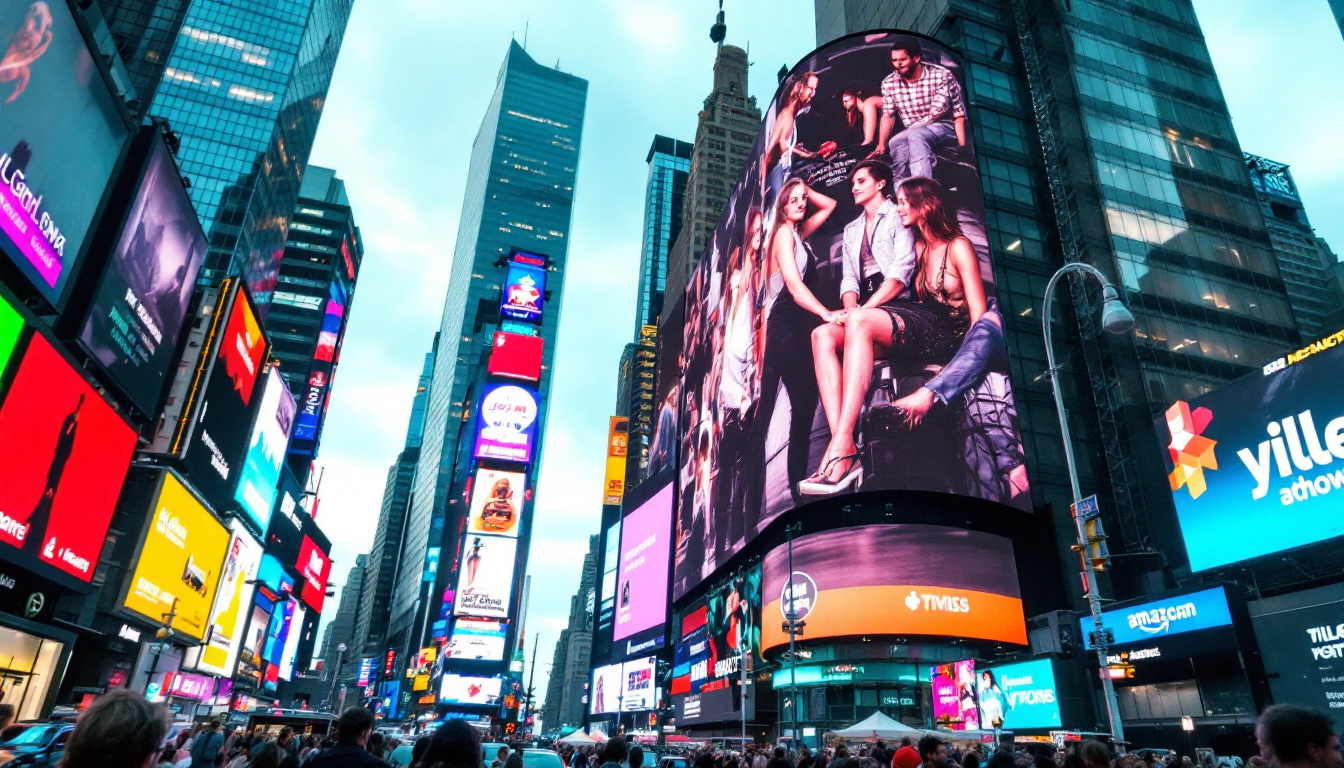
Built to withstand harsh weather conditions, outdoor LED displays have robust enclosures with waterproof and dustproof ratings. They offer higher brightness levels, often between 5,000 and 10,000 nits, to remain visible under direct sunlight. Common applications include billboards, stadium screens, and public transportation signage.
Transparent LED Displays
Transparent LED displays integrate LEDs into glass panels, enabling see-through visuals without obstructing natural light or views. These are popular in retail storefronts and architectural installations where maintaining visibility is essential while delivering dynamic content.
Flexible and Curved LED Displays
Flexible LED panels use bendable substrates that allow for curved or irregular shapes. This innovation opens new possibilities for creative designs in advertising, stage design, and immersive environments. The ability to wrap displays around columns or create spherical screens enhances audience engagement.
Technological Innovations Driving LED Display Evolution
The LED display industry continues to evolve rapidly, driven by advancements in materials, electronics, and software.
Mini-LED and Micro-LED Technologies
Mini-LED and Micro-LED represent the next generation of LED displays, featuring significantly smaller diodes that enable even higher resolution and contrast ratios. Micro-LEDs, in particular, offer self-emissive pixels with superior color accuracy and energy efficiency, rivaling OLED displays but with greater brightness and durability.
Artificial Intelligence and Content Management
AI-powered content management systems are becoming integral to LED display operations. These systems optimize content delivery based on audience demographics, time of day, and environmental conditions. For example, AI can adjust brightness automatically or select targeted advertisements, enhancing effectiveness and reducing manual intervention.
Improved Connectivity and Integration
Modern LED displays support a wide range of connectivity options, including 5G, Wi-Fi 6, and IoT protocols. This connectivity enables real-time updates, remote monitoring, and integration with other smart systems such as building automation and analytics platforms. Such capabilities are critical for large-scale deployments and interactive experiences.
Choosing the Right LED Display: Key Considerations
Selecting the appropriate LED display requires careful evaluation of several factors to ensure optimal performance and return on investment.
Resolution and Pixel Pitch
The pixel pitch, measured in millimeters, defines the distance between adjacent LEDs. Smaller pixel pitches yield higher resolution and finer image detail, suitable for close viewing distances. For example, a 1.2 mm pixel pitch is ideal for indoor environments where viewers are near the screen, whereas a 10 mm pitch may suffice for large outdoor billboards viewed from afar.
Brightness and Environmental Conditions
Assessing the ambient lighting conditions is crucial. Outdoor displays must have higher brightness to combat sunlight, while indoor displays require lower brightness to prevent glare. Additionally, factors such as humidity, temperature extremes, and exposure to dust influence the choice of enclosure and protective features.
Viewing Angle and Audience Placement
LED displays have varying viewing angles depending on the LED type and panel design. Wide viewing angles ensure consistent image quality for audiences spread across large areas, such as stadiums or shopping malls. Understanding the typical audience location helps in selecting displays that deliver optimal visibility.
Installation and Maintenance
Modular LED panels facilitate easier installation and maintenance. Front-access designs allow technicians to service the display without dismantling the entire structure, reducing downtime. Considering the ease of installation and long-term maintenance costs is essential for large or complex installations.
The Future of LED Displays
As LED technology continues to advance, the future promises even more immersive and interactive visual experiences.
Augmented Reality and LED Integration
Combining LED displays with augmented reality (AR) technologies will create dynamic environments where digital content seamlessly interacts with the physical world. Retailers and event organizers are already exploring AR-enhanced LED installations to captivate audiences and provide personalized experiences.
Energy Harvesting and Sustainability
Innovations in energy harvesting, such as integrating solar panels with LED displays, aim to make these systems more sustainable and self-sufficient. As environmental concerns grow, energy-efficient designs and recyclable materials will become standard in LED manufacturing.
Higher Resolutions and Smaller Pixel Pitches
Continued miniaturization of LEDs will enable ultra-high-definition displays for applications like control rooms, medical imaging, and virtual production studios. These advancements will push the boundaries of visual clarity and realism.
Conclusion
LED displays have revolutionized the way information and entertainment are presented in public and private spaces. Their unmatched brightness, energy efficiency, and versatility make them indispensable tools for communication in the 21st century. By understanding the underlying technology, types, and key considerations, businesses and organizations can make informed decisions to harness the full potential of LED displays. As innovations continue to emerge, LED technology will undoubtedly play a pivotal role in shaping the future of visual media.
Discover Cutting-Edge LED Solutions with LumenMatrix
Ready to elevate your visual communication and captivate your audience like never before? Explore LumenMatrix’s innovative range of LED display solutions, from the vibrant Indoor LED Wall Display to the robust Outdoor LED Wall Display, and the dynamic Vehicle LED Display to the sleek LED Poster Display. Whether you’re looking to engage fans with an LED Sports Display, create an interactive experience with a Floor LED Display, or customize your message with a Custom LED Display, LumenMatrix has the technology to bring your vision to life. Experience the future of digital signage with our All-in-One LED Display and LED Transparent Display options. Check out LumenMatrix LED Display Solutions today and transform the way you share your message with the world.