Digital Display LCD: LED Display Explained
In today’s technology-driven world, digital displays are everywhere—from smartphones and televisions to public information boards and wearable devices. Among the most prevalent types of digital displays are LCD (Liquid Crystal Display) and LED (Light Emitting Diode) displays. While these terms are often used interchangeably, they represent different technologies with unique characteristics, advantages, and applications.
This article aims to clarify the distinctions between LCD and LED displays, explore how each technology works, and discuss their respective benefits and limitations. Whether you’re a tech enthusiast, a consumer looking to buy a new screen, or a professional in the display industry, understanding these concepts is crucial for making informed decisions.
Understanding LCD Technology
What is an LCD?
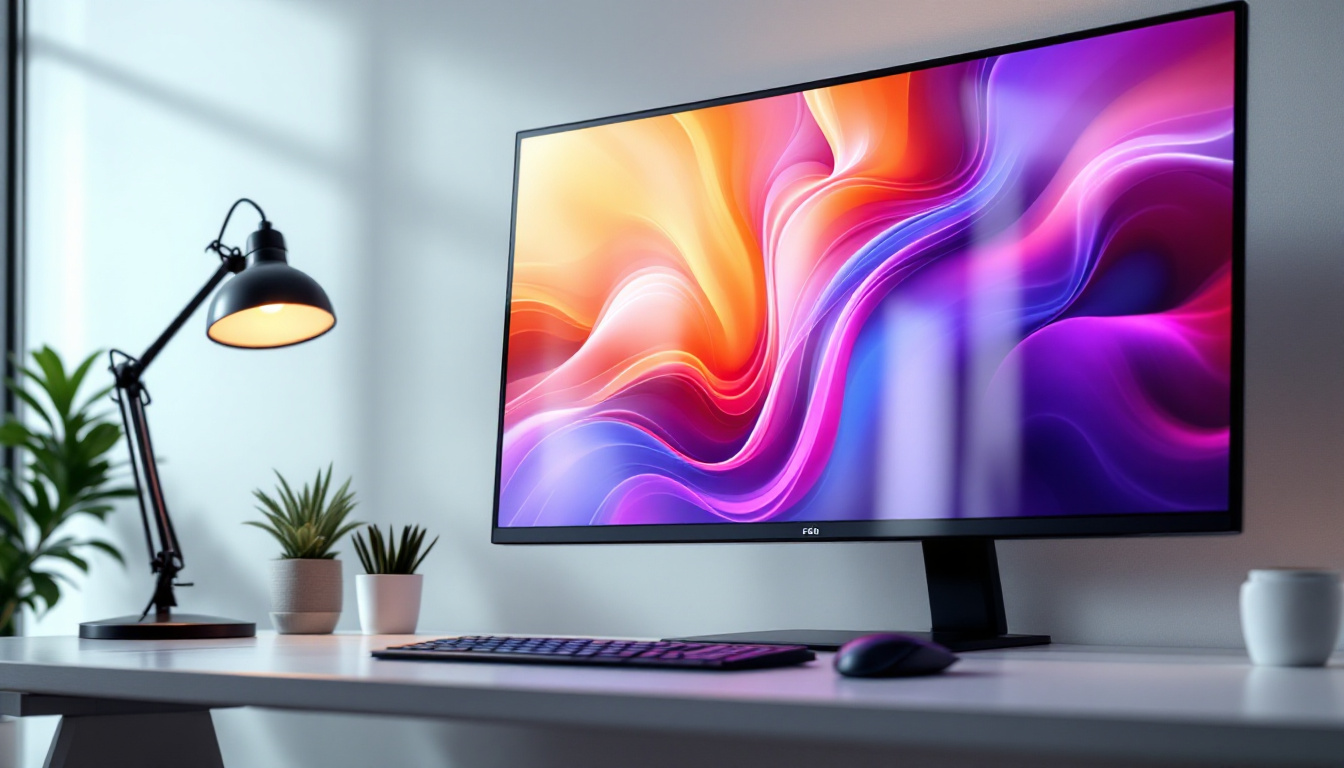
Liquid Crystal Display (LCD) technology has been a cornerstone of digital screens for decades. An LCD screen works by manipulating liquid crystals that do not emit light themselves but instead control the passage of light from a backlight to create images.
Essentially, an LCD panel consists of several layers: two polarized panels with liquid crystal solution sandwiched between them. When an electric current passes through the liquid crystals, they align in such a way that they either block or allow light to pass through, forming images pixel by pixel. This innovative design allows for thinner screens compared to older technologies like cathode ray tubes (CRTs), making LCDs a preferred choice for everything from televisions to computer monitors and mobile devices.
Furthermore, the versatility of LCD technology has led to its integration in various applications beyond traditional screens. For instance, LCDs are now commonly found in digital signage, automotive displays, and even in wearable technology, showcasing their adaptability in modern electronics.
How Does an LCD Work?
LCDs rely on a backlight to illuminate the screen. This backlight is typically made of fluorescent lamps or, more commonly today, LED lights. The liquid crystals act as shutters that open or close to control the amount of light passing through each pixel. By varying the voltage applied to the crystals, the display can produce different colors and shades.
Because the liquid crystals themselves do not emit light, the quality of the backlight and the precision of the crystal alignment significantly impact the display’s brightness, contrast, and color accuracy. In recent years, advancements in backlighting technology, such as the introduction of edge-lit and full-array local dimming, have further enhanced the performance of LCD screens, allowing for deeper blacks and more vibrant colors. This evolution has made LCDs more competitive with OLED displays, which are known for their exceptional color contrast and viewing angles.
Types of LCD Panels
There are several types of LCD panels, each with distinct characteristics:
- Twisted Nematic (TN): Known for fast response times and affordability but limited viewing angles and color reproduction.
- In-Plane Switching (IPS): Offers superior color accuracy and wide viewing angles, making it popular for professional monitors and smartphones.
- Vertical Alignment (VA): Provides better contrast ratios and deeper blacks but slower response times compared to TN and IPS.
In addition to these common types, there are also variations such as Advanced Fringe Field Switching (AFFS) and Plane-to-Line Switching (PLS), which aim to improve upon the limitations of standard technologies. These innovations focus on enhancing color consistency and viewing angles, making them suitable for high-end applications like graphic design and gaming. As the demand for high-quality displays continues to rise, manufacturers are constantly exploring new methods to refine LCD technology, ensuring it remains relevant in an ever-evolving market.
Demystifying LED Displays
What is an LED Display?
LED stands for Light Emitting Diode, a semiconductor device that emits light when an electric current passes through it. LED displays use these diodes as individual pixels or as backlighting sources for LCD panels.
It’s important to distinguish between two main categories of LED displays:
- LED-backlit LCDs: These are essentially LCD screens that use LEDs as their backlight instead of older fluorescent lamps.
- Direct-view LED displays: These use tiny LEDs as the actual pixels that emit light directly, commonly found in large outdoor screens and modern TVs.
How Do LED Displays Work?
In direct-view LED displays, each pixel is made up of one or more LEDs that emit light in red, green, and blue. By adjusting the brightness of these LEDs, the display can produce a full spectrum of colors. This direct emission of light results in vivid colors, high brightness, and excellent contrast ratios.
In LED-backlit LCDs, LEDs provide the light source behind the liquid crystal layer. The LEDs can be arranged either at the edges of the screen (edge-lit) or directly behind the panel (direct-lit or full-array). This method improves energy efficiency, brightness, and allows for thinner screen designs.
Types of LED Displays
Different LED display configurations serve various purposes:
- Edge-lit LED: LEDs are placed around the edges of the screen, allowing for slim designs but sometimes causing uneven brightness.
- Full-array LED: LEDs are placed evenly behind the entire screen, providing better uniformity and enabling local dimming for improved contrast.
- MicroLED: An emerging technology where microscopic LEDs form the pixels themselves, promising superior brightness, color accuracy, and energy efficiency.
Comparing LCD and LED Displays
Image Quality and Color Accuracy
Traditional LCDs with fluorescent backlights often suffer from lower brightness and contrast compared to LED-backlit displays. LED technology enables higher brightness levels and better color reproduction, particularly in full-array LED displays with local dimming.
IPS LCD panels are known for excellent color accuracy and wide viewing angles, which is why many professional-grade monitors still rely on them. However, direct-view LED displays, especially OLED and MicroLED variants, surpass LCDs in color vibrancy and contrast due to their ability to turn off individual pixels completely.
Energy Efficiency
LED-backlit LCDs are generally more energy-efficient than older CCFL-backlit LCDs. LEDs consume less power, generate less heat, and have longer lifespans. Direct-view LED displays, particularly MicroLEDs, promise even greater energy savings by eliminating the need for a backlight altogether.
Thickness and Design Flexibility
LED backlighting allows for thinner and lighter displays compared to fluorescent backlights. Edge-lit LED designs enable ultra-slim screens, which are popular in modern TVs and monitors. Direct-view LED displays can be made flexible and even transparent, expanding possibilities for innovative applications.
Cost Considerations
LCD panels with LED backlighting are widely available and affordable, making them the standard choice for most consumer electronics. Direct-view LED displays, especially large-scale or MicroLED models, tend to be more expensive due to complex manufacturing processes.
Applications and Trends in Digital Display Technology
Consumer Electronics
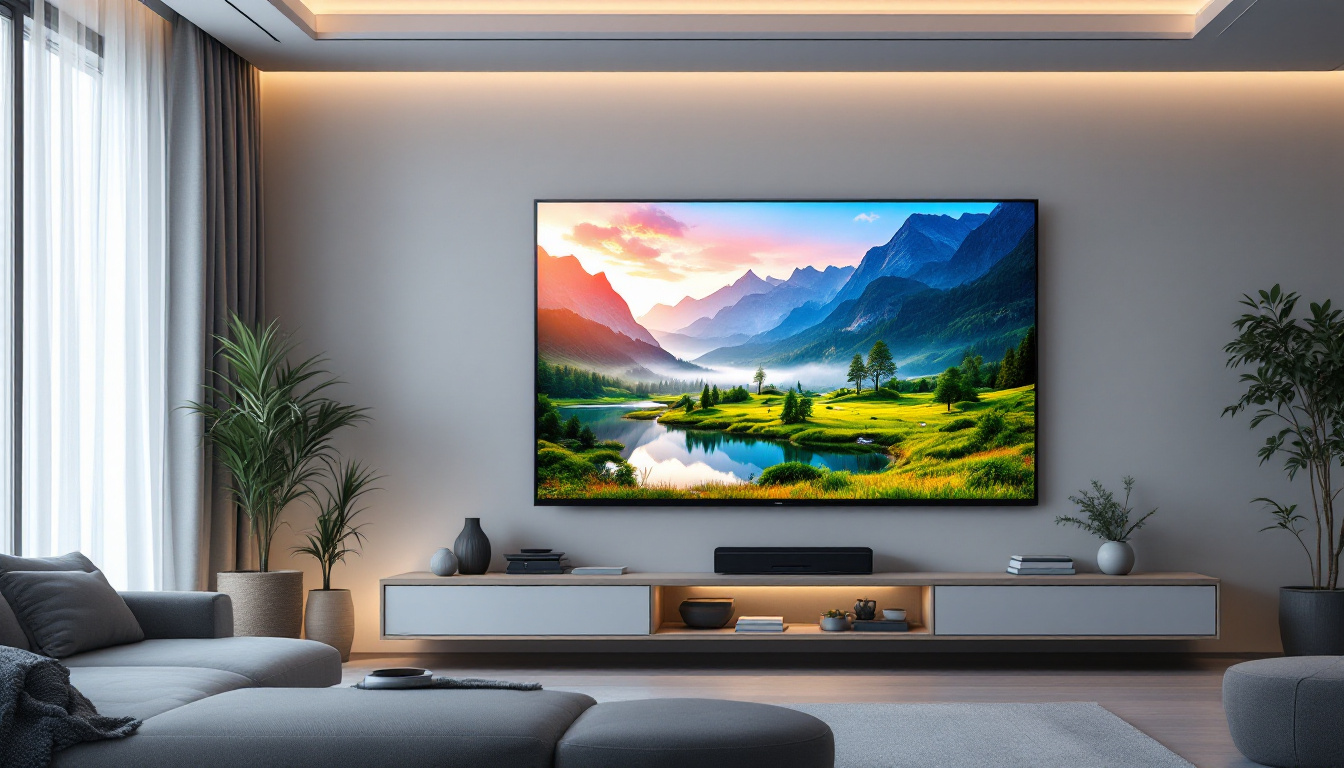
LCDs with LED backlighting dominate the consumer market, powering smartphones, laptops, televisions, and tablets. The balance of cost, image quality, and energy efficiency makes them ideal for everyday use.
Advancements such as Quantum Dot technology have further enhanced LCD displays by improving color accuracy and brightness, narrowing the gap with OLED and MicroLED technologies.
Commercial and Industrial Uses
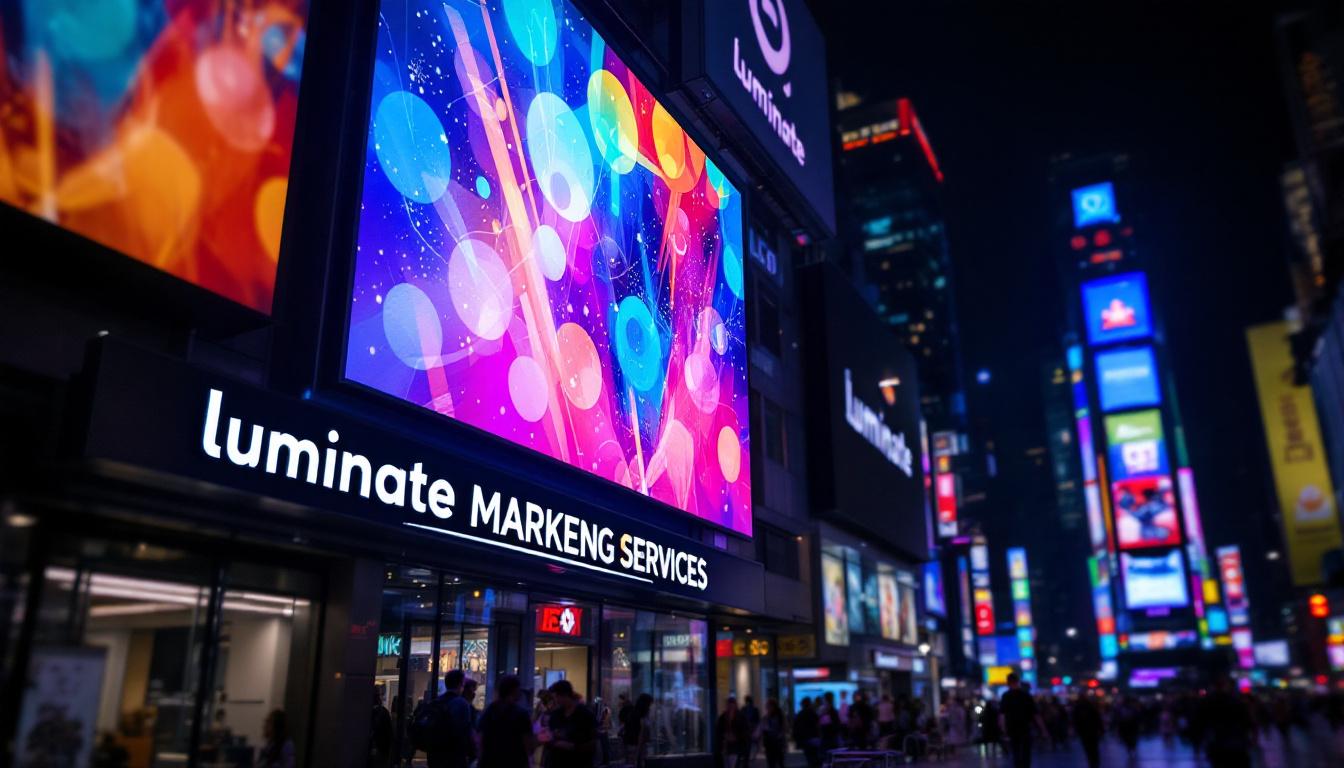
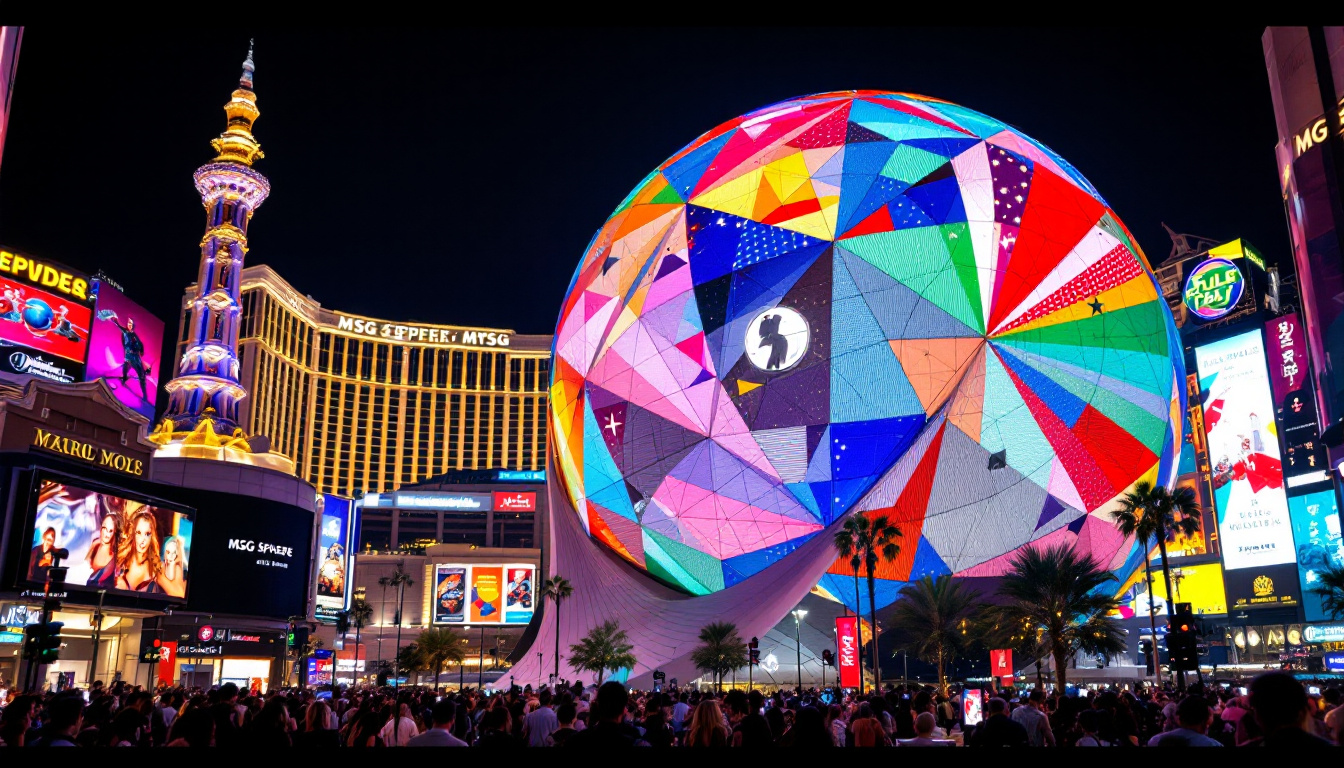
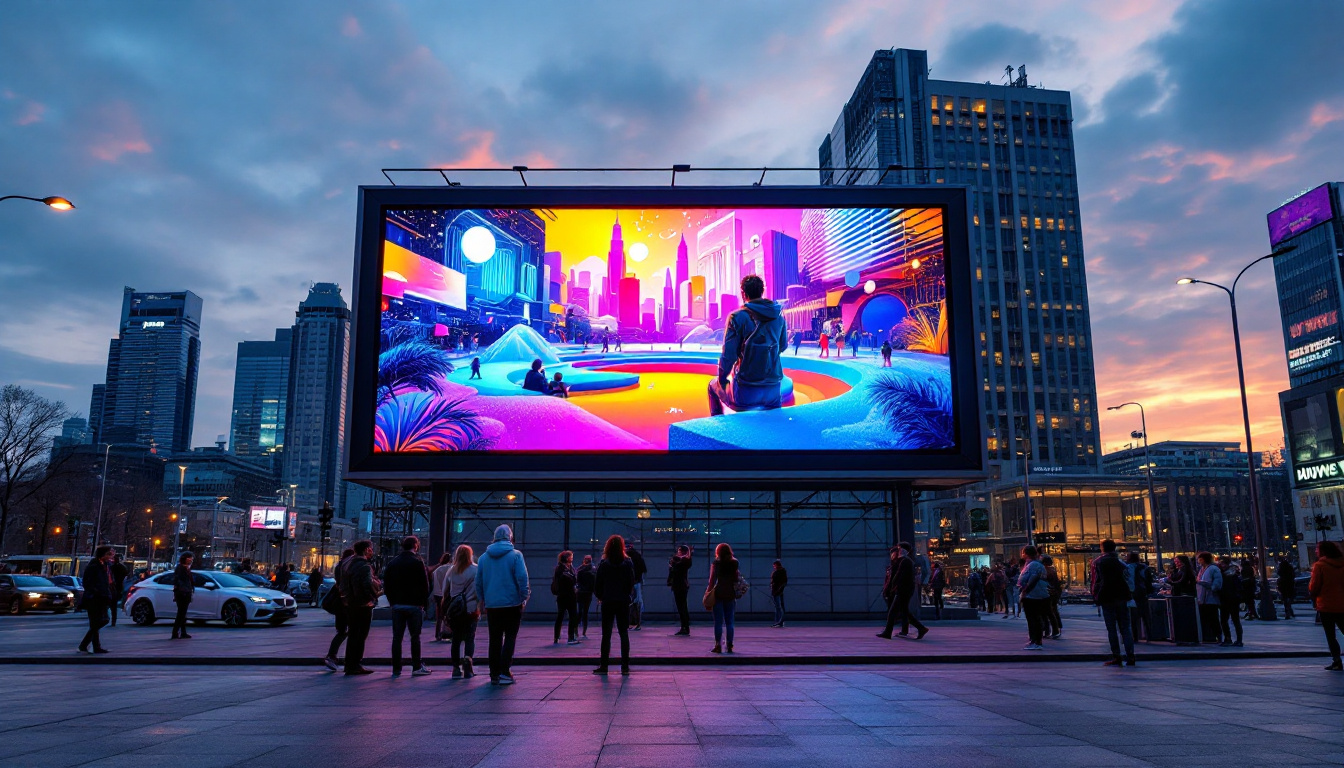
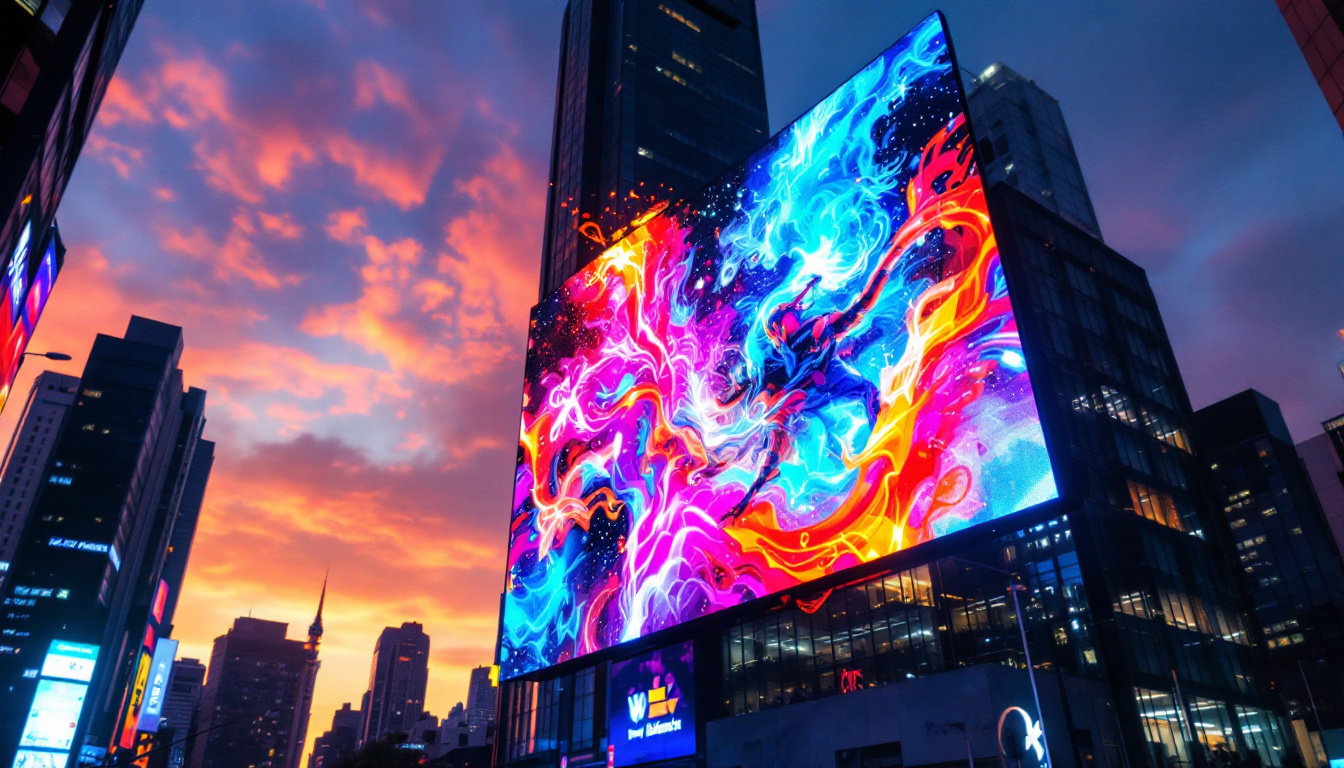
Direct-view LED displays are prevalent in outdoor advertising, stadium screens, and public information boards due to their high brightness and durability. These displays perform well under direct sunlight and in harsh weather conditions.
In industrial settings, LCDs with LED backlighting are used in control panels, medical devices, and instrumentation, where reliability and clarity are paramount.
Emerging Technologies and Future Outlook
MicroLED technology is gaining momentum as a potential successor to both LCD and OLED displays. It offers the advantages of self-emissive pixels with exceptional brightness, color accuracy, and energy efficiency, without the burn-in issues associated with OLEDs.
Flexible and transparent LED displays are also opening new frontiers in design, enabling applications in automotive dashboards, wearable devices, and augmented reality.
Choosing the Right Display for Your Needs
Factors to Consider
When selecting a digital display, consider the following factors:
- Usage Environment: Indoor or outdoor use will influence brightness and durability requirements.
- Image Quality: For professional photo or video editing, color accuracy and viewing angles are critical.
- Budget: Higher-end LED technologies offer superior performance but at a premium cost.
- Power Consumption: Energy efficiency is important for portable devices and large installations.
- Form Factor: Thickness, flexibility, and size constraints may dictate the choice of display technology.
Summary
LCD and LED displays each have their strengths and ideal use cases. LCDs with LED backlighting provide a cost-effective and versatile solution for most applications, while direct-view LED displays excel in brightness, contrast, and outdoor visibility.
Understanding the nuances of these technologies empowers consumers and professionals to make informed choices tailored to their specific needs. As display technology continues to evolve rapidly, staying informed about emerging trends like MicroLED and flexible displays will be essential for leveraging the best visual experiences in the future.
Conclusion
The world of digital displays is complex but fascinating. From the intricate dance of liquid crystals controlling light in LCDs to the vibrant glow of LEDs forming images pixel by pixel, each technology offers unique benefits. As LED technology advances and integrates with LCDs or stands alone in direct-view formats, the quality and versatility of digital displays will only improve.
For buyers, understanding these differences helps navigate the marketplace effectively. For industry professionals, keeping abreast of innovations ensures the delivery of cutting-edge solutions. Ultimately, whether it’s the screen on a smartphone, a giant billboard, or the monitor on a designer’s desk, the interplay between LCD and LED technologies shapes how we see and interact with the digital world.
Explore Cutting-Edge LED Displays with LumenMatrix
As you consider the vast landscape of digital display options, LumenMatrix stands at the forefront of LED technology innovation. Whether you’re seeking to amplify your brand’s presence, engage with your audience on a deeper level, or simply looking for the most impactful way to convey your message, LumenMatrix’s comprehensive suite of LED display solutions is designed to meet your needs. From Indoor and Outdoor LED Wall Displays to specialized options like Vehicle, Sports, and Floor LED Displays, our products are crafted to create unforgettable visual experiences. Embrace the future of visual communication with our Custom, All-in-One, and Transparent LED Displays. Check out LumenMatrix LED Display Solutions and discover how our commitment to excellence can illuminate your world.