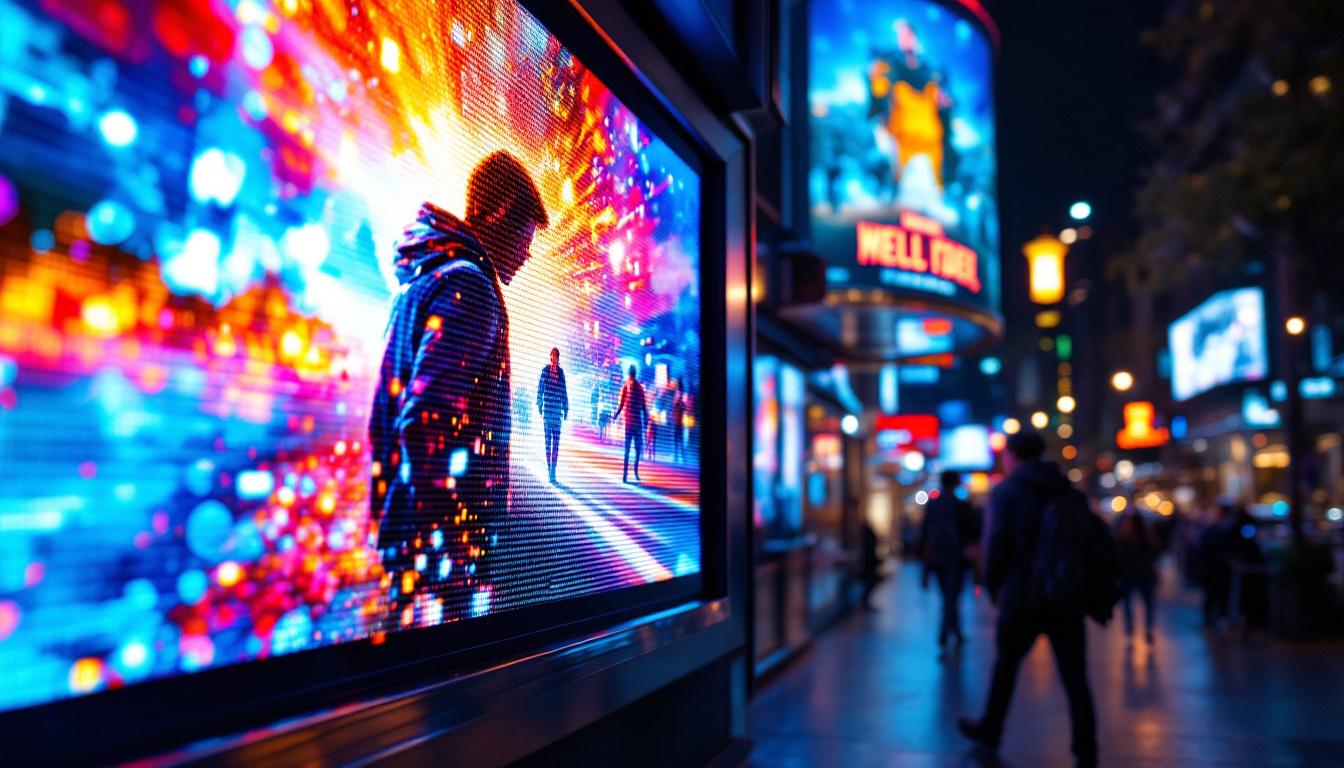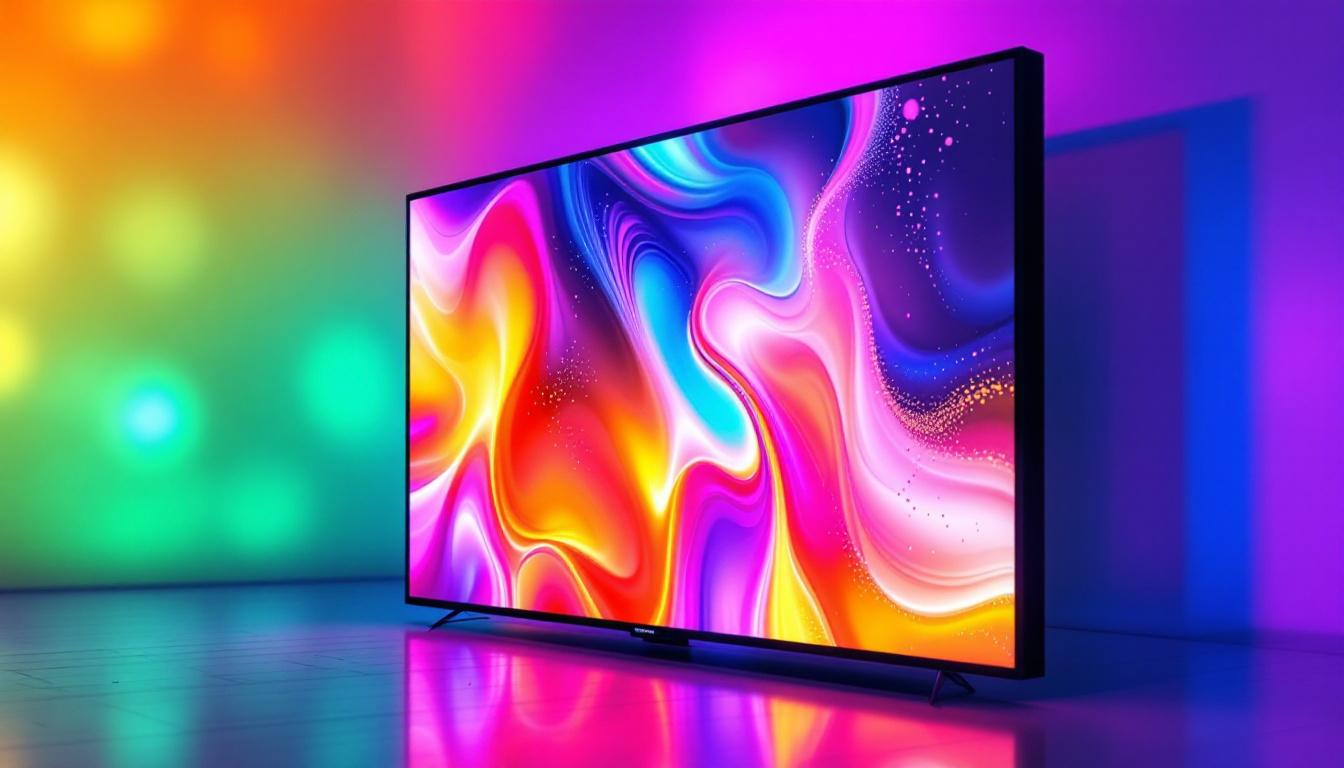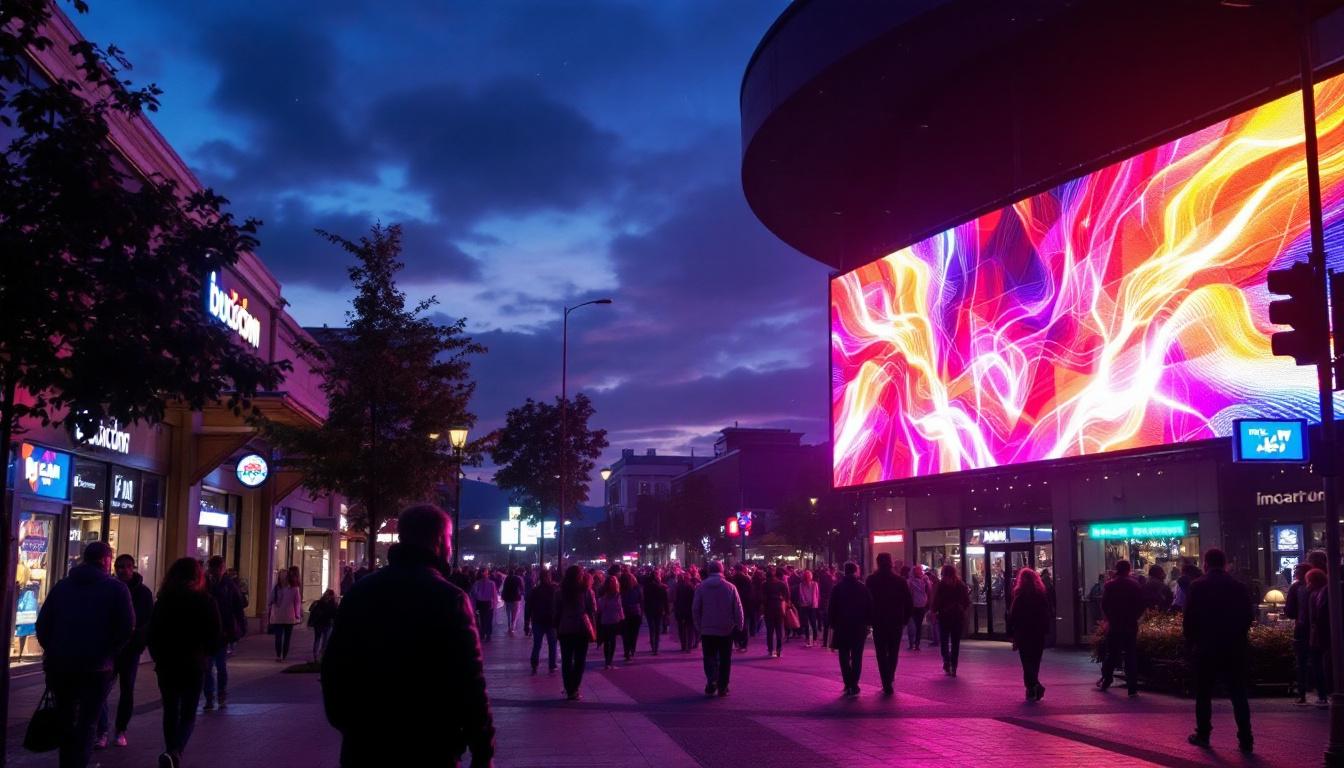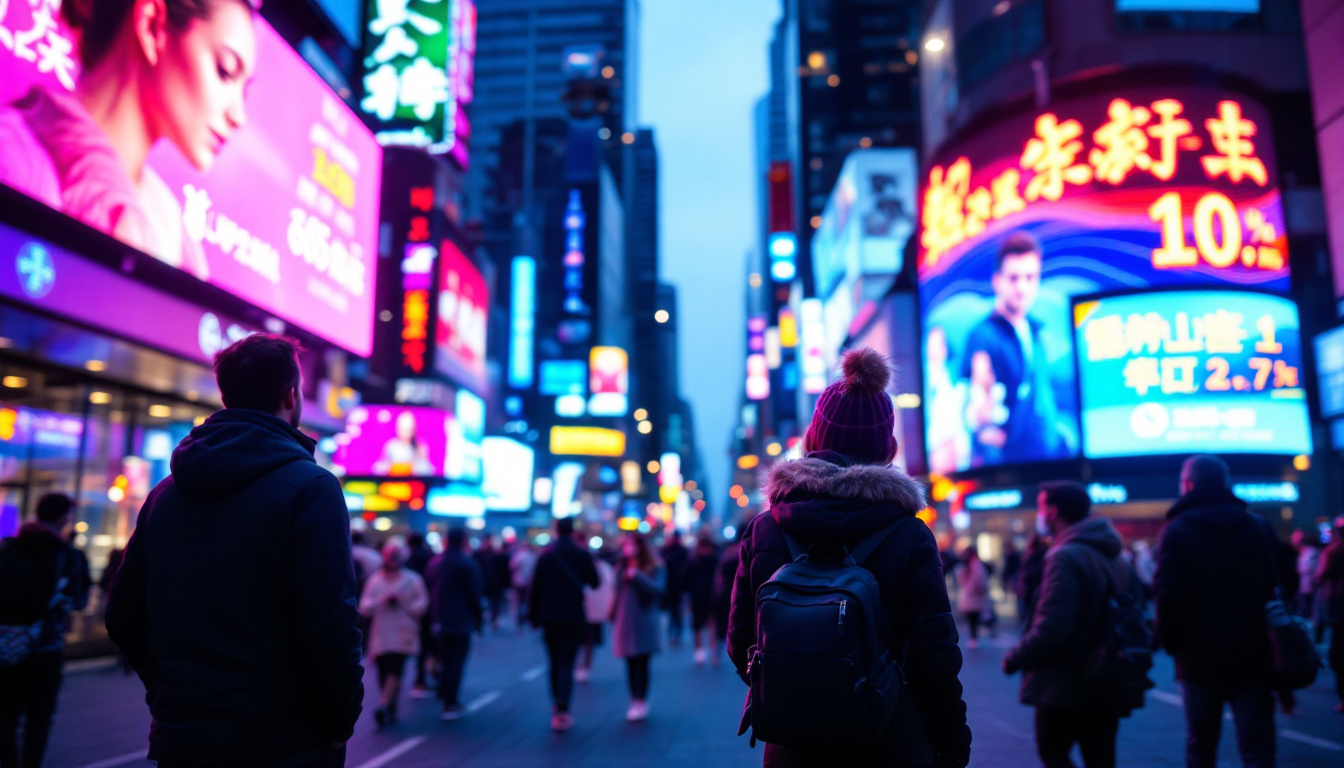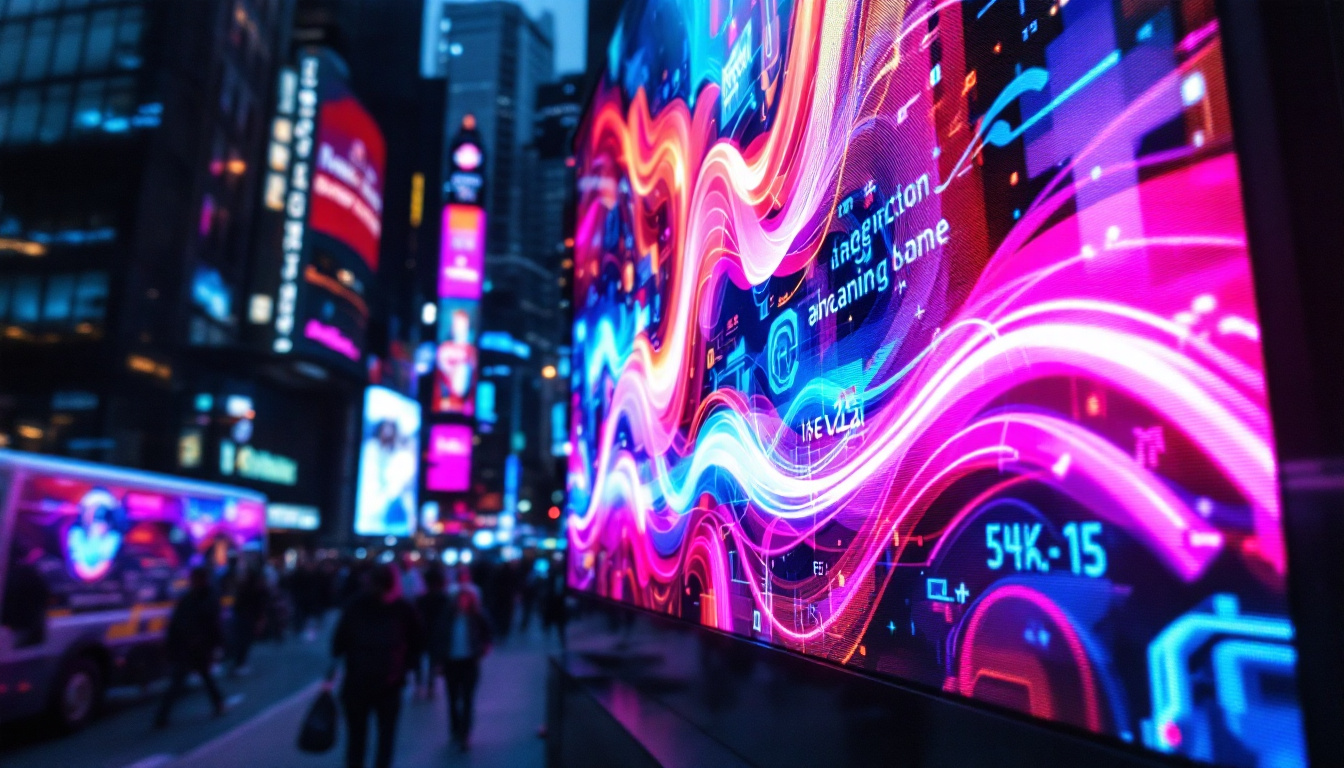
In today’s digital age, LED displays have become an integral part of our visual environment, from vibrant advertising billboards to high-definition television screens. The term “Clear LED” often surfaces in discussions about display technology, promising sharper images, better transparency, and enhanced viewing experiences. But what exactly is a Clear LED display, and how does it differ from traditional LED screens? This article explores the technology behind Clear LED displays, their applications, benefits, and what the future holds for this innovative visual solution.
Understanding LED Display Technology
LED stands for Light Emitting Diode, a semiconductor device that emits light when an electric current passes through it. LED displays use thousands or millions of these tiny diodes arranged in a matrix to create images and videos. Unlike older display technologies such as LCD or plasma, LEDs produce their own light, allowing for brighter images and better contrast ratios. This capability makes LED displays particularly popular in environments where visibility is crucial, such as in outdoor advertising or large-scale events, where they can be seen clearly even in direct sunlight.
Traditional LED displays are typically opaque panels that block light, making them ideal for indoor and outdoor signage where high brightness is necessary. However, these displays can sometimes feel bulky or intrusive, especially when integrated into architectural environments or glass facades. This is where Clear LED technology comes in, offering a new dimension of transparency and design flexibility. The aesthetic appeal of Clear LEDs not only enhances the visual experience but also allows for creative installations that blend seamlessly with their surroundings, making them a favorite choice among architects and designers.
How Clear LED Differs from Conventional LED Displays
Clear LED displays are designed to be semi-transparent, allowing light and objects to pass through the screen while still displaying vivid images. This transparency is achieved by spacing the LED diodes further apart and using a transparent substrate, such as glass or acrylic, instead of a solid panel. The result is a display that can be installed on windows, glass walls, or storefronts without completely obstructing the view behind it. This innovative approach not only enhances the aesthetic appeal of the display but also allows businesses to maintain visibility into their storefronts, creating an inviting atmosphere for potential customers.
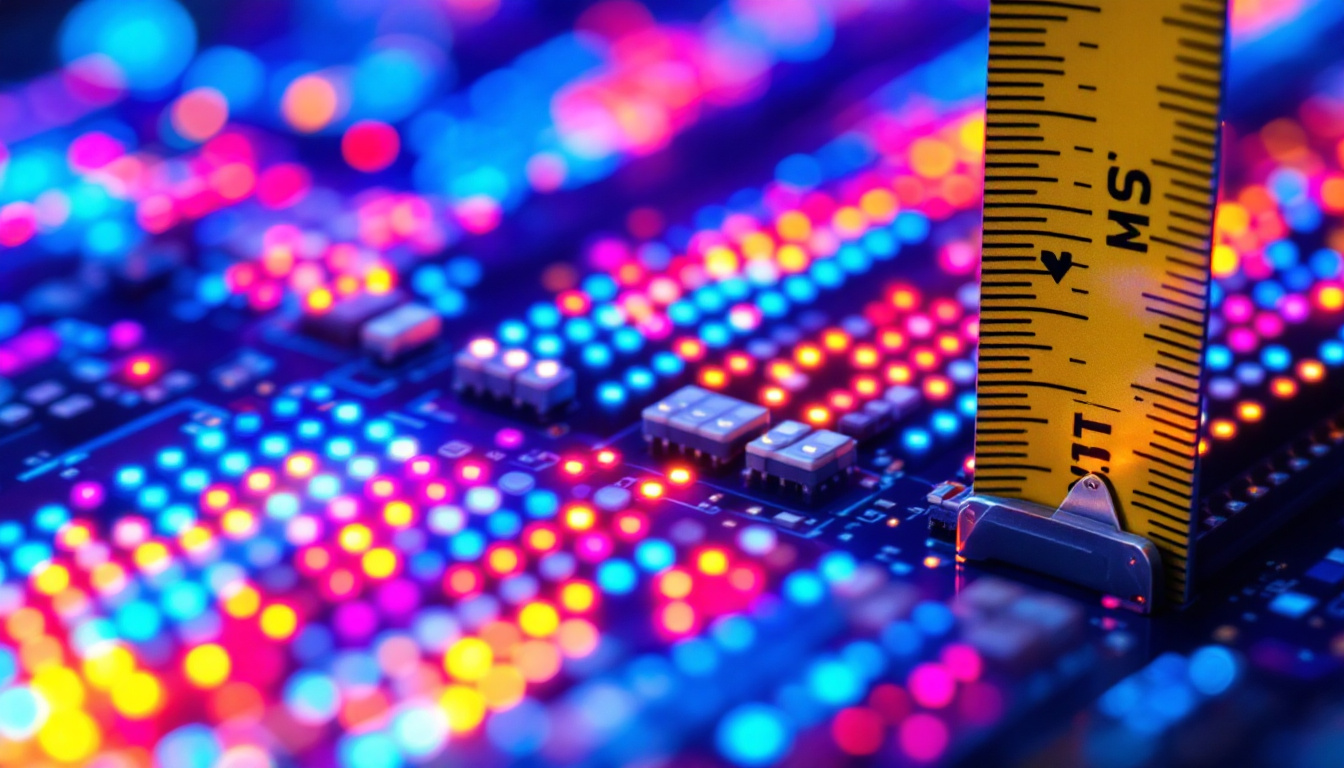
While traditional LED screens have pixel pitches (the distance between individual LEDs) ranging from 1mm to 10mm or more, Clear LED displays typically have larger pixel pitches, often between 10mm and 30mm, to maintain transparency. This means that while Clear LEDs may not deliver the same pixel density as indoor LED panels, they provide a unique balance of visibility and transparency that suits specific applications. Additionally, the larger pixel pitch can lead to cost savings and reduced energy consumption, making Clear LED displays an attractive option for businesses looking to enhance their marketing efforts while being mindful of their budget and environmental impact. As technology continues to evolve, we can expect to see even more advancements in LED display technology, further expanding the possibilities for creative and functional applications in various industries.
Key Features and Benefits of Clear LED Displays
Clear LED displays bring several advantages that make them attractive for commercial and architectural use. Understanding these features helps explain why many businesses and designers are turning to this technology.
Transparency and Aesthetic Integration
One of the most significant benefits of Clear LED displays is their ability to blend seamlessly into glass surfaces without compromising natural light or visibility. This makes them ideal for storefronts, shopping malls, airports, and corporate offices where maintaining an open, airy environment is essential. The transparency allows daylight to pass through, reducing the need for artificial lighting and enhancing energy efficiency. Furthermore, this aesthetic integration can elevate the overall design of a space, allowing businesses to create a modern and sophisticated ambiance that attracts customers and enhances brand perception.
High Brightness and Visibility
Despite their transparent nature, Clear LED displays are capable of delivering bright and vivid images, even under direct sunlight. Modern Clear LED modules can reach brightness levels of up to 5,000 nits, ensuring that content remains visible in various lighting conditions. This makes them particularly effective for outdoor advertising and information displays where visibility is paramount. Additionally, the high contrast ratios offered by these displays enhance the clarity of images and text, making them not only eye-catching but also easy to read from a distance, thus maximizing the impact of marketing messages.
Lightweight and Slim Design
Clear LED panels are generally lighter and thinner than traditional LED screens because they use fewer components and a transparent substrate. This slim profile simplifies installation on glass surfaces and reduces structural load, which is especially important for retrofitting existing buildings without extensive modifications. The lightweight nature also allows for innovative mounting options, such as hanging displays or integration into architectural features, providing designers with greater flexibility in how they utilize space.
Energy Efficiency
Since Clear LED displays use fewer LEDs per square meter due to their spacing, they typically consume less power than dense LED panels. Coupled with their ability to utilize natural light, this contributes to lower energy costs and a smaller environmental footprint. Additionally, many manufacturers are now incorporating advanced technologies such as adaptive brightness control, which adjusts the display’s brightness based on ambient light conditions, further enhancing energy savings and prolonging the lifespan of the display. This commitment to sustainability not only benefits businesses financially but also aligns with the growing consumer demand for eco-friendly practices.
Applications of Clear LED Displays
The unique combination of transparency, brightness, and design flexibility enables Clear LED displays to serve a wide range of applications across industries.
Retail and Advertising
Clear LED displays have revolutionized retail window advertising by allowing dynamic digital content to be displayed without blocking the view inside the store. Retailers can showcase promotions, branding, and interactive content while maintaining an inviting storefront. This approach has been adopted by major brands in flagship stores worldwide, enhancing customer engagement and driving foot traffic.
Architectural and Interior Design
Architects and interior designers use Clear LED displays to integrate digital media into building facades and interior glass walls. This creates stunning visual effects that can change dynamically, from artistic installations to real-time information displays. For example, corporate lobbies may feature transparent LED walls that display company news or welcome messages without sacrificing openness.
Transportation Hubs and Public Spaces
Airports, train stations, and other public venues benefit from Clear LED displays by providing real-time schedules, wayfinding information, and advertising while maintaining an unobstructed flow of natural light. The transparency ensures that these displays do not overwhelm the architectural aesthetics or create visual clutter.
Event and Exhibition Spaces
In trade shows and exhibitions, Clear LED displays offer a captivating way to present products and information. Their transparency allows for creative staging and immersive experiences, making booths and displays more attractive and interactive.
Technical Considerations and Challenges
While Clear LED displays offer many advantages, there are technical factors and limitations that should be considered before implementation.
Resolution and Pixel Pitch
The larger pixel pitch required for transparency means Clear LED displays generally have lower resolution compared to traditional indoor LED panels. This can limit their effectiveness for displaying detailed images or small text at close viewing distances. As a result, Clear LED is best suited for medium to large-format displays viewed from several meters away.
Cost Factors
Clear LED technology is relatively new and involves specialized manufacturing processes, which can make it more expensive than conventional LED screens. However, the cost is often justified by the unique aesthetic and functional benefits it provides. Additionally, prices are gradually decreasing as the technology matures and adoption increases.
Installation and Maintenance
Installing Clear LED displays requires careful planning to ensure proper mounting on glass surfaces and integration with building systems. Maintenance may also be more complex due to the delicate nature of transparent substrates and the need to preserve optical clarity. Working with experienced suppliers and installers is crucial to achieving optimal results.
The Future of Clear LED Technology
Clear LED displays are poised for significant growth as advancements in LED miniaturization, materials science, and control systems continue to evolve. Emerging trends include higher resolution transparent displays, improved energy efficiency, and integration with smart building technologies.
Research is underway to develop micro-LED and OLED-based transparent displays that could offer even better image quality and flexibility. These innovations may eventually enable fully transparent screens with pixel densities comparable to current smartphones and TVs, opening new possibilities for augmented reality and interactive environments.
Moreover, as sustainability becomes a priority, Clear LED’s ability to enhance natural lighting and reduce energy consumption aligns well with green building initiatives. This synergy is likely to drive wider adoption in commercial real estate and urban design projects.
Conclusion
Clear LED displays represent a fascinating intersection of technology, design, and functionality. By combining transparency with high brightness and dynamic content capabilities, they offer a compelling solution for businesses and architects seeking to create visually striking yet unobtrusive digital experiences. While there are technical and cost considerations to keep in mind, the benefits of Clear LED technology in enhancing engagement, aesthetics, and energy efficiency make it a valuable investment for the future of digital displays.
As the technology continues to advance, Clear LED displays are expected to become increasingly versatile and accessible, transforming the way we interact with digital media in public and private spaces alike.
Discover the Future of LED Displays with LumenMatrix
Ready to elevate your visual space with the latest in LED display technology? LumenMatrix is at the forefront of innovation, offering a wide array of LED solutions that bring your brand to life. From Indoor and Outdoor LED Walls to specialized displays for Vehicles, Sports, and even Custom configurations, our products are designed to captivate and engage. Embrace the future of digital signage with LumenMatrix’s Transparent LED Displays and more, ensuring your message resonates with clarity and impact. Check out LumenMatrix LED Display Solutions and transform your visual communication today.