In today’s fast-paced digital world, LED displays have become an integral part of how businesses communicate with their audiences. From vibrant billboards in Times Square to dynamic digital signage in retail stores, LED technology offers unparalleled brightness, flexibility, and visual impact. This article explores the fundamentals of LED displays, their applications, benefits, and how Clicker Media leverages this technology to create compelling visual experiences.
Understanding LED Display Technology
LED stands for Light Emitting Diode, a semiconductor device that emits light when an electric current passes through it. Unlike traditional display technologies such as LCD or plasma, LEDs produce their own light, which results in higher brightness and better contrast ratios. This inherent advantage makes LED displays ideal for both indoor and outdoor environments. The efficiency of LED technology also contributes to lower energy consumption, making it a more sustainable choice for large-scale installations. As a result, many businesses and organizations are transitioning to LED displays not only for their visual impact but also for their eco-friendly benefits.
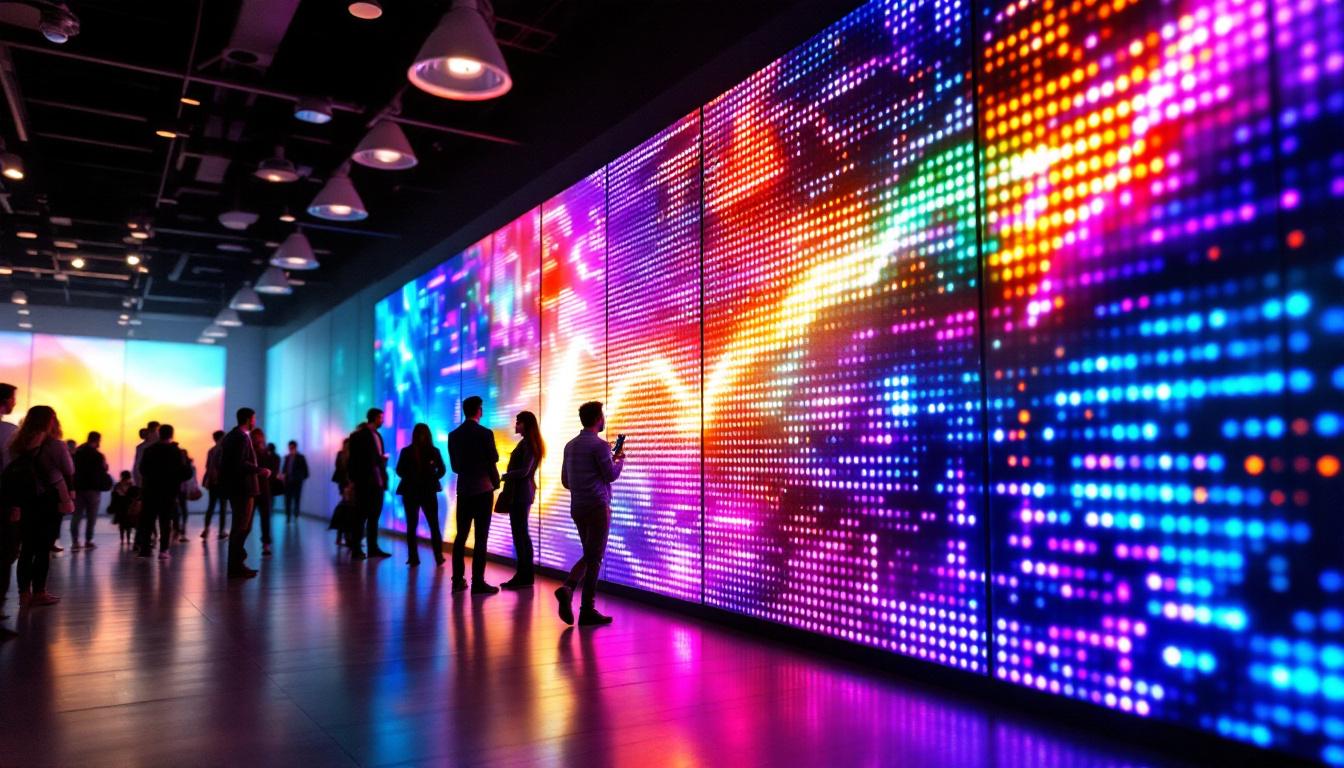
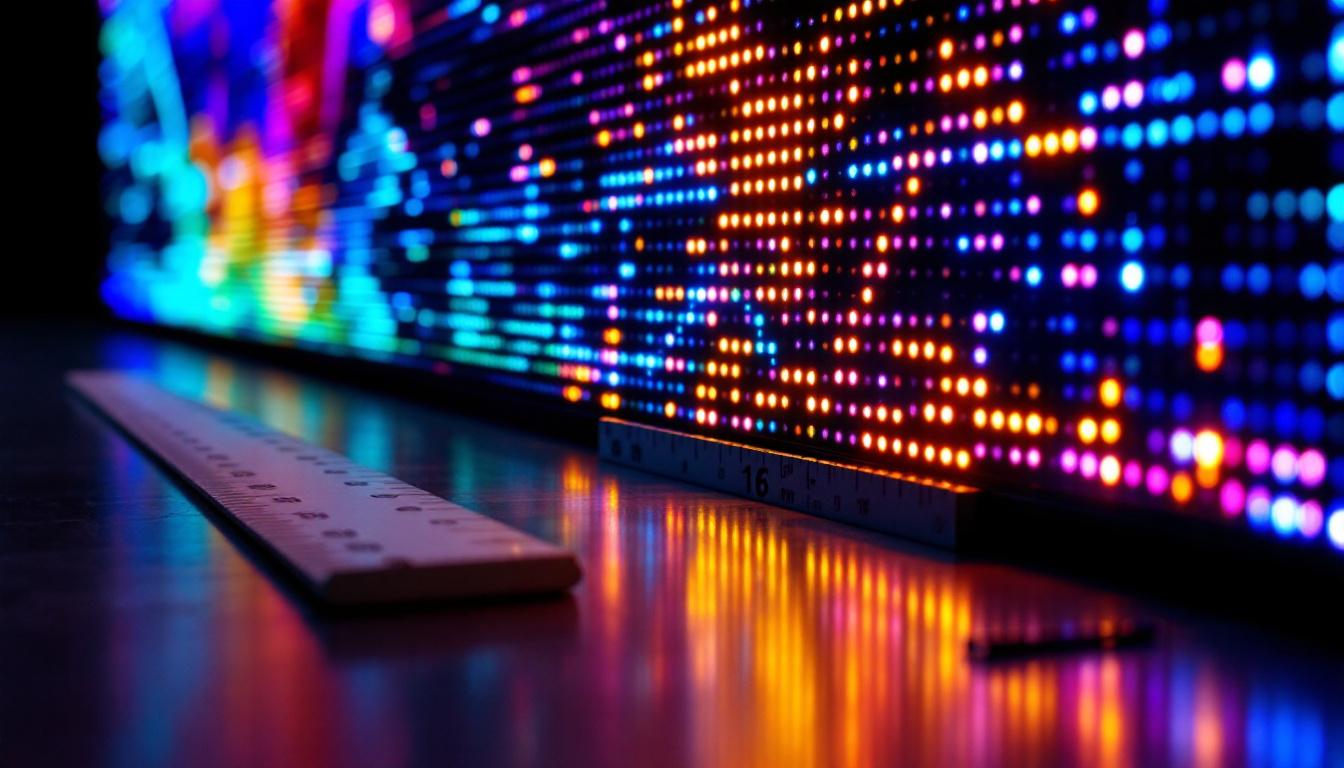
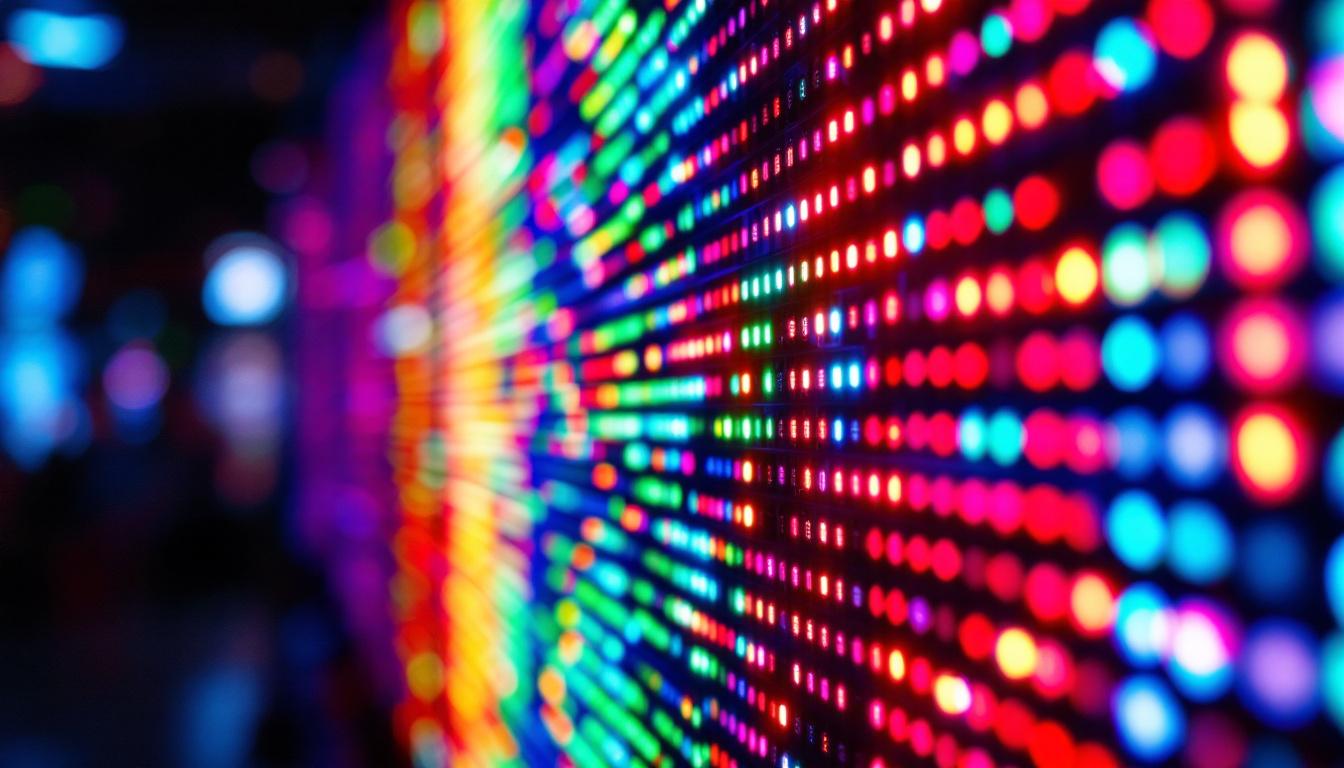
Modern LED displays are composed of thousands to millions of tiny LEDs arranged in a matrix. Each LED acts as a pixel, and by varying the intensity of red, green, and blue LEDs, the display can produce a full spectrum of colors. The resolution and clarity of the display depend on the pixel pitch—the distance between the centers of two adjacent LEDs. Smaller pixel pitches mean higher resolution and sharper images, which is particularly important for close-viewing applications. Additionally, advancements in technology have led to the development of high dynamic range (HDR) capabilities in LED displays, enhancing the viewing experience by providing deeper blacks and brighter whites. This technology is particularly beneficial in environments where visual detail is paramount, such as in art galleries or during live sports broadcasts.
Types of LED Displays
There are several types of LED displays, each suited for particular use cases:
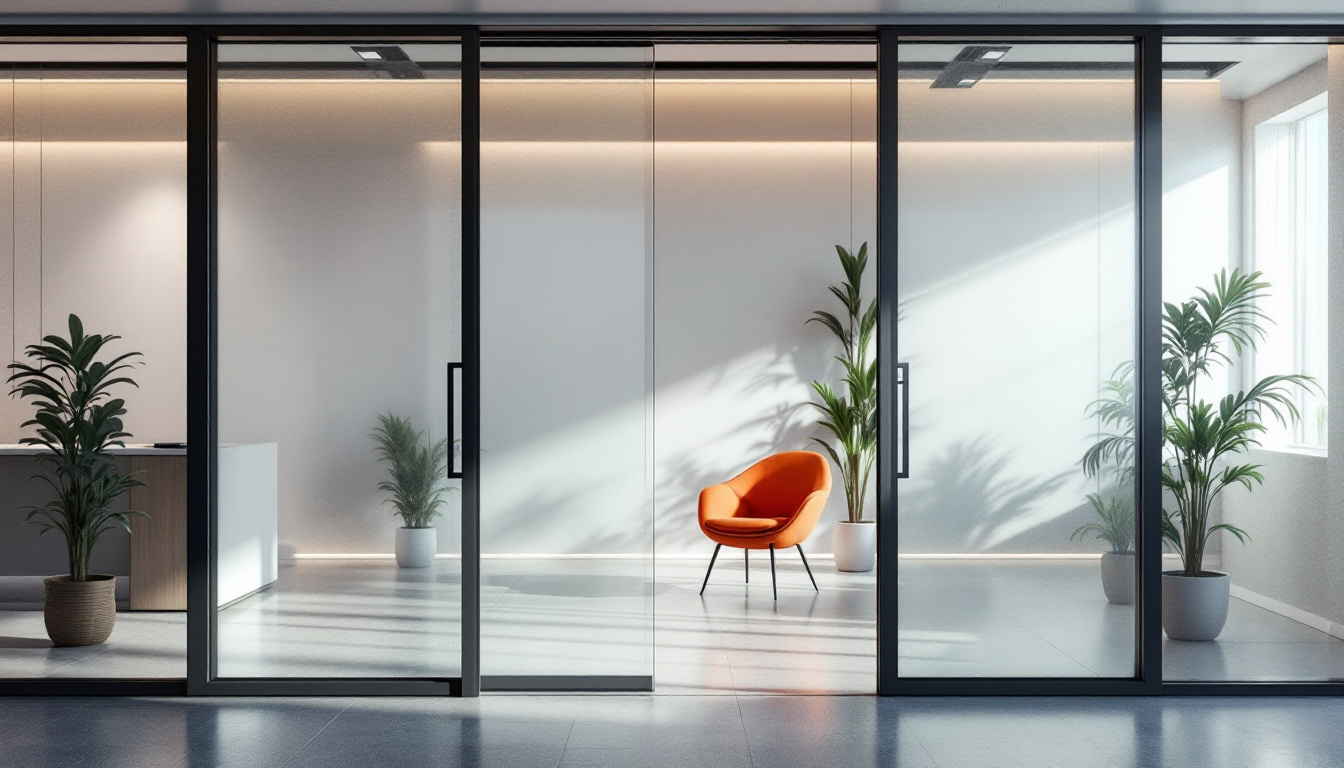
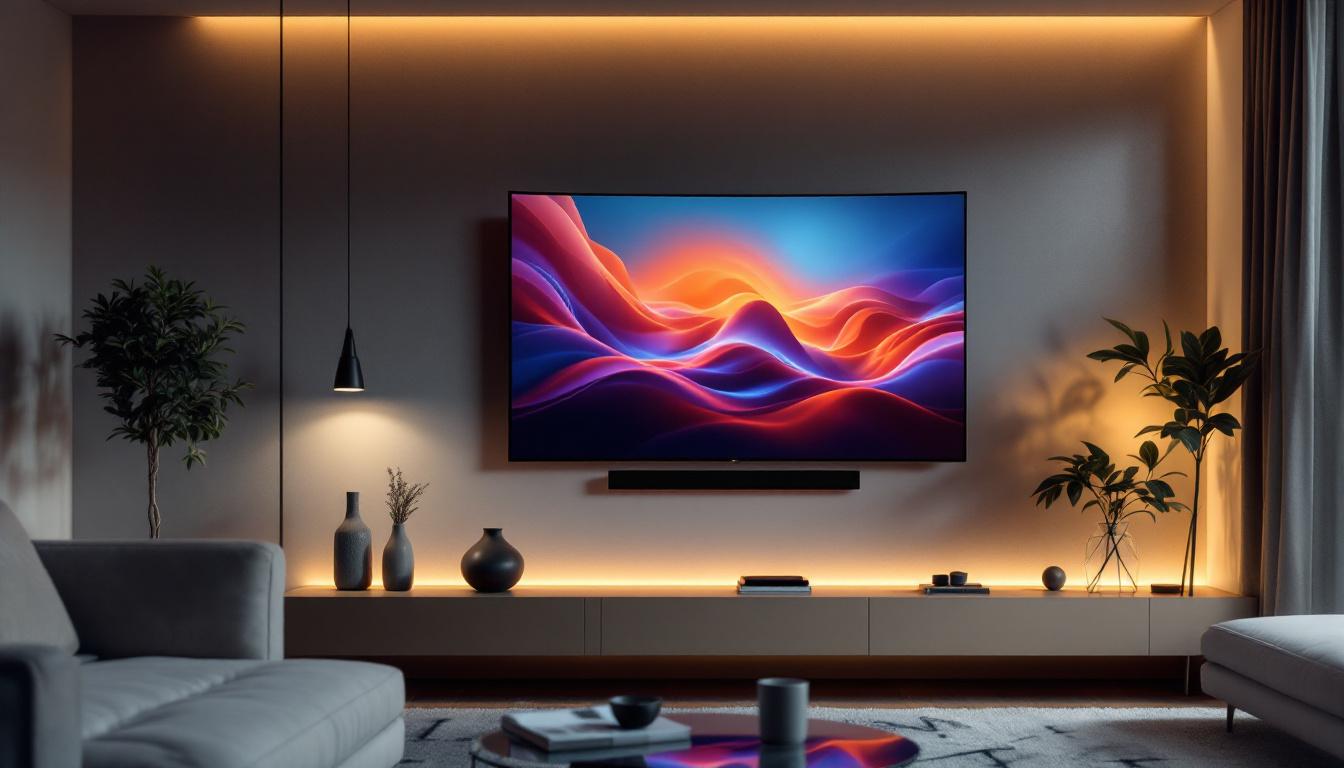
- Indoor LED Displays: Designed for controlled lighting environments, these displays have a smaller pixel pitch (often less than 2mm) to deliver crisp images and text. They are commonly used in conference rooms, retail stores, and event venues. The versatility of indoor LED displays allows for seamless integration into various settings, enhancing the ambiance and providing dynamic content that can be easily updated to reflect current promotions or messages.
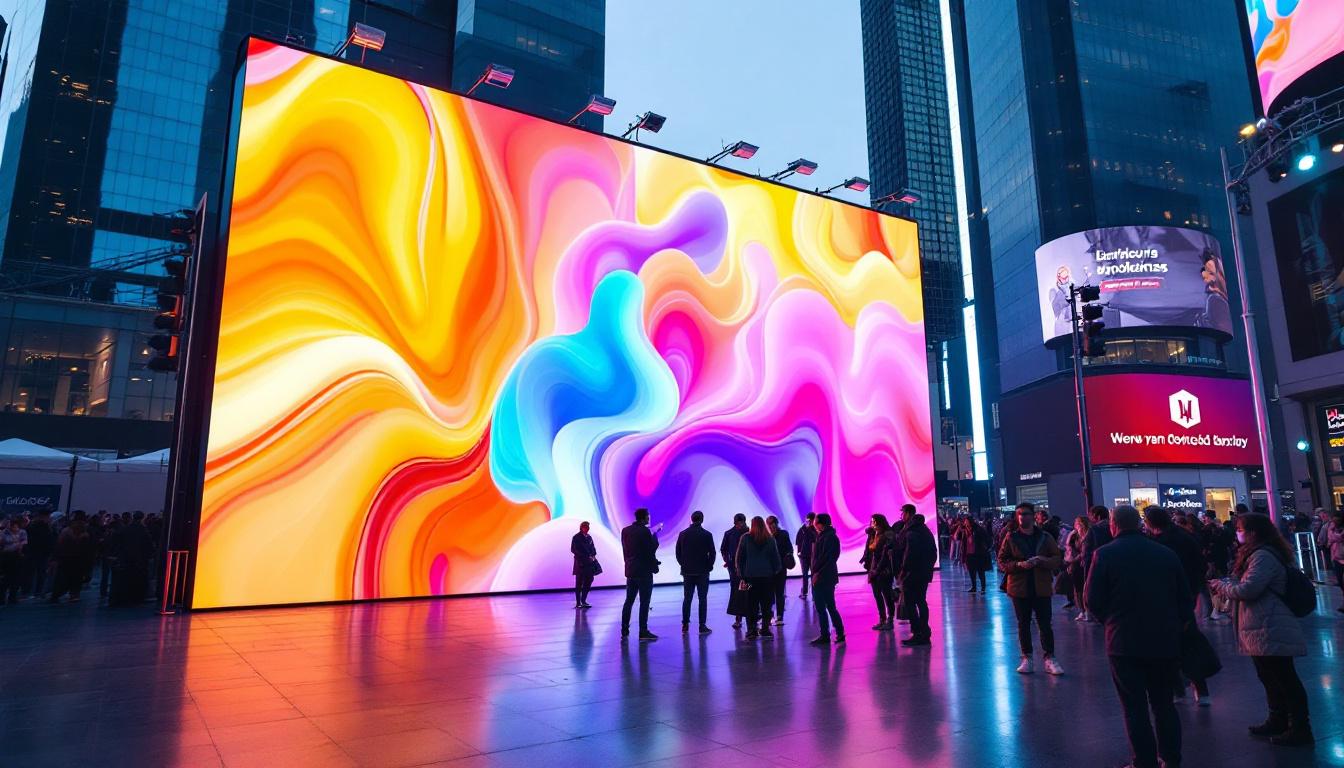
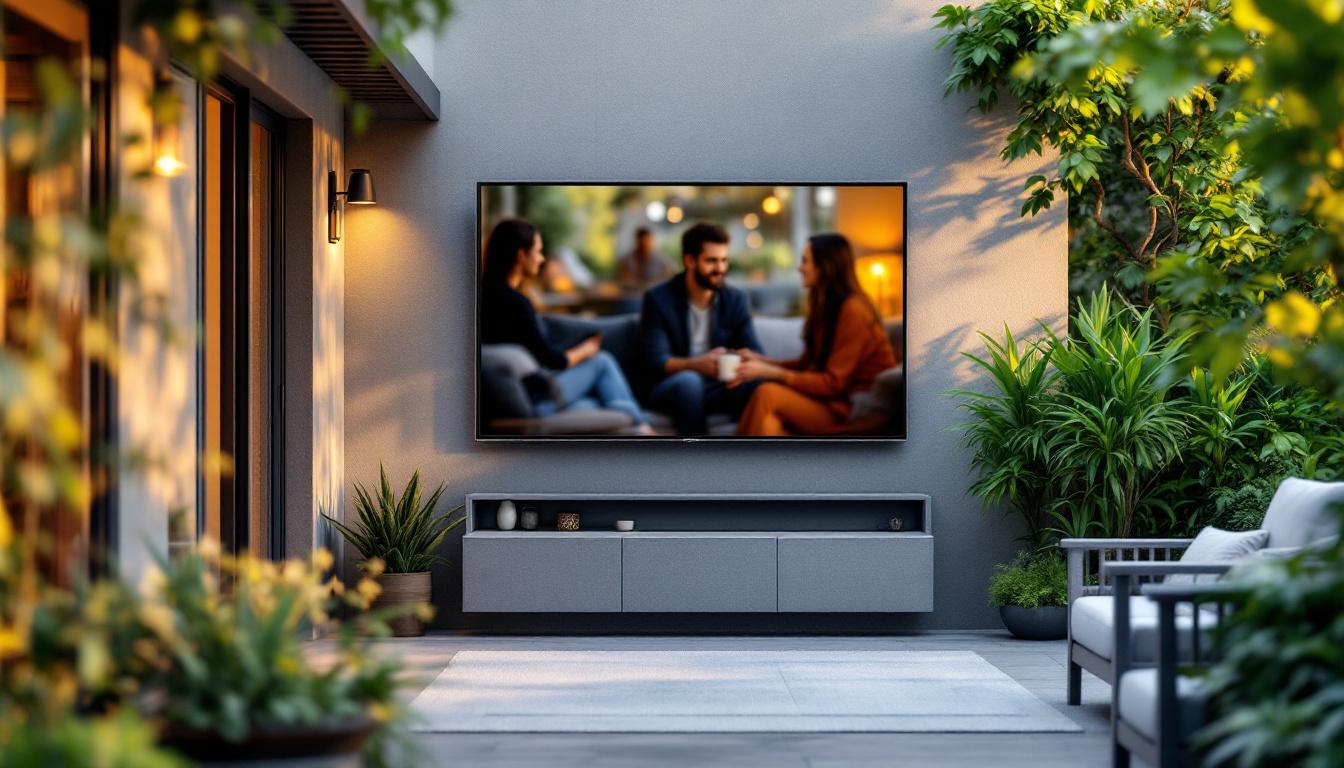
- Outdoor LED Displays: Built to withstand harsh weather conditions, these displays feature higher brightness levels (up to 7,000 nits or more) to remain visible even under direct sunlight. Their pixel pitch is generally larger, ranging from 4mm to 20mm, to accommodate longer viewing distances. Outdoor LED displays are often utilized for advertising billboards, sports arenas, and public transportation stations, where high visibility is crucial for capturing the attention of passersby.
- Flexible and Transparent LED Displays: Innovations in LED technology have led to flexible panels that can curve around surfaces and transparent displays that allow light to pass through, enabling creative architectural integrations. These displays open up new possibilities for designers and architects, allowing them to create eye-catching installations that blend technology with aesthetics. For instance, flexible LED screens can be used to wrap around columns or contours of buildings, while transparent displays can transform windows into interactive advertising spaces without obstructing the view.
Applications of LED Displays in Media and Advertising
LED displays have revolutionized the advertising landscape by providing dynamic, eye-catching content that can be updated in real-time. This flexibility allows marketers to tailor messages based on time of day, audience demographics, or specific campaigns. The immediacy of LED technology means that advertisers can react to current events or trends, ensuring that their content remains relevant and engaging. For instance, during major sporting events, brands can quickly change their advertisements to align with the ongoing action, capturing the attention of enthusiastic fans.
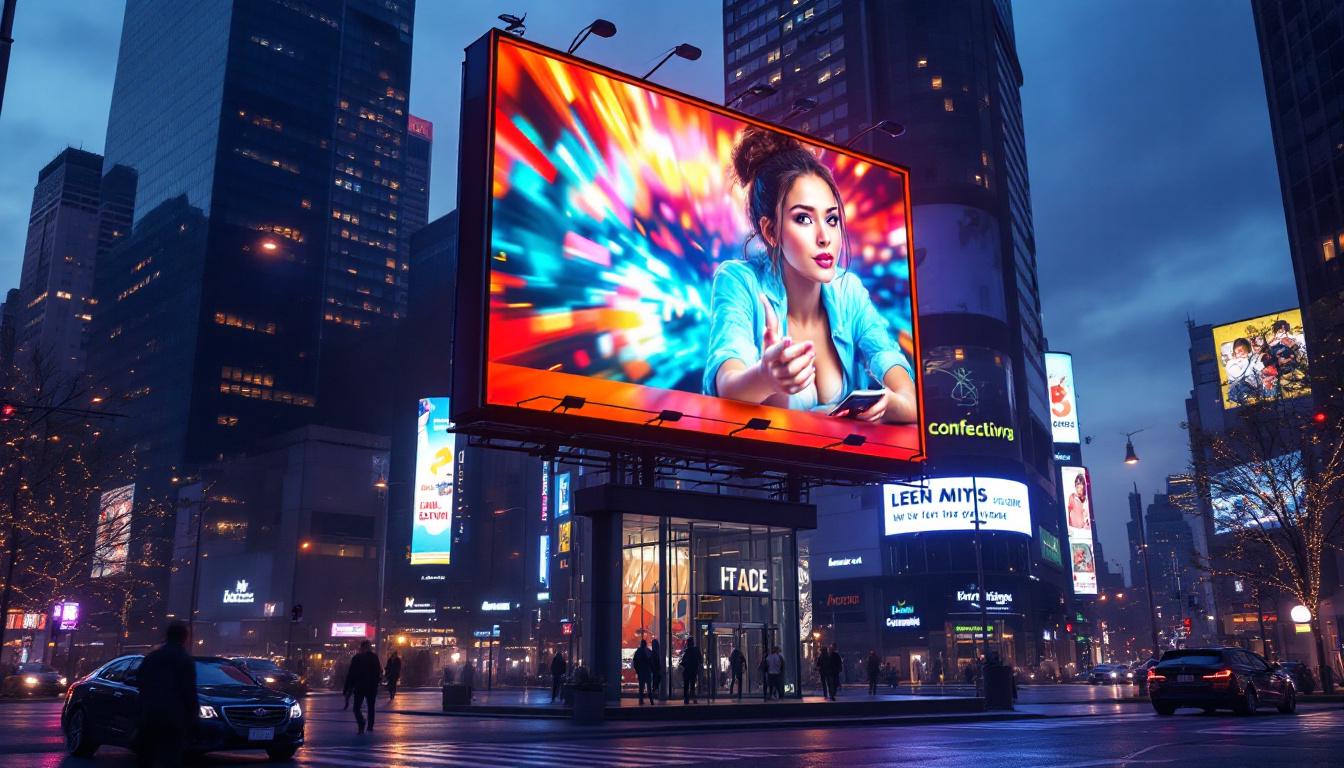
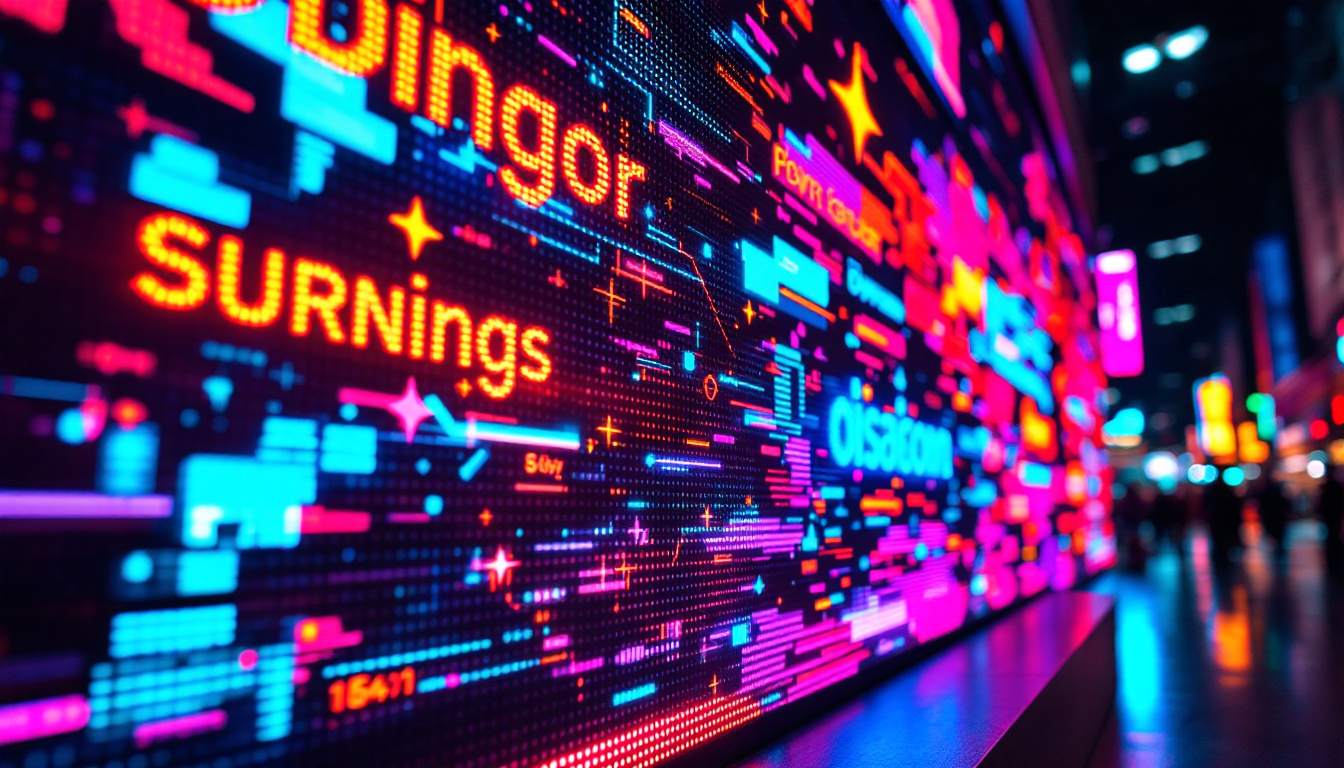
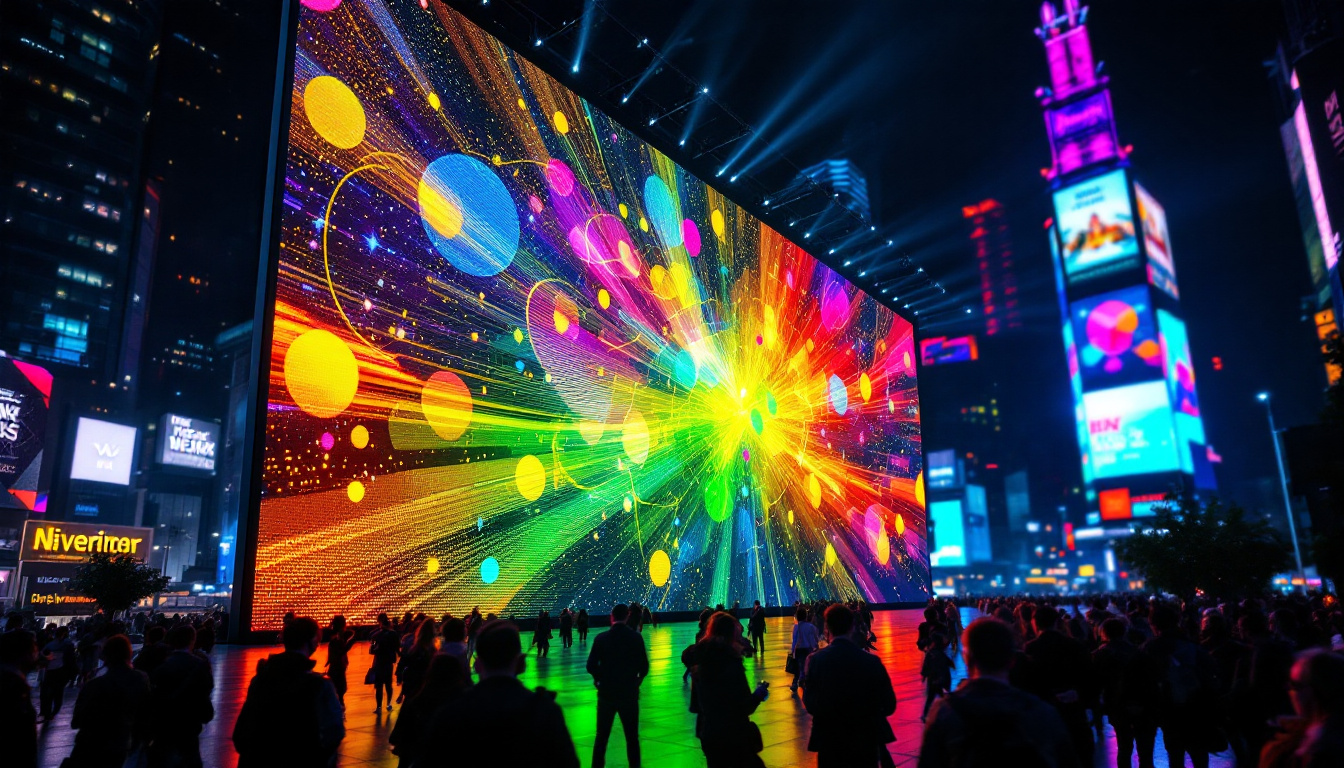
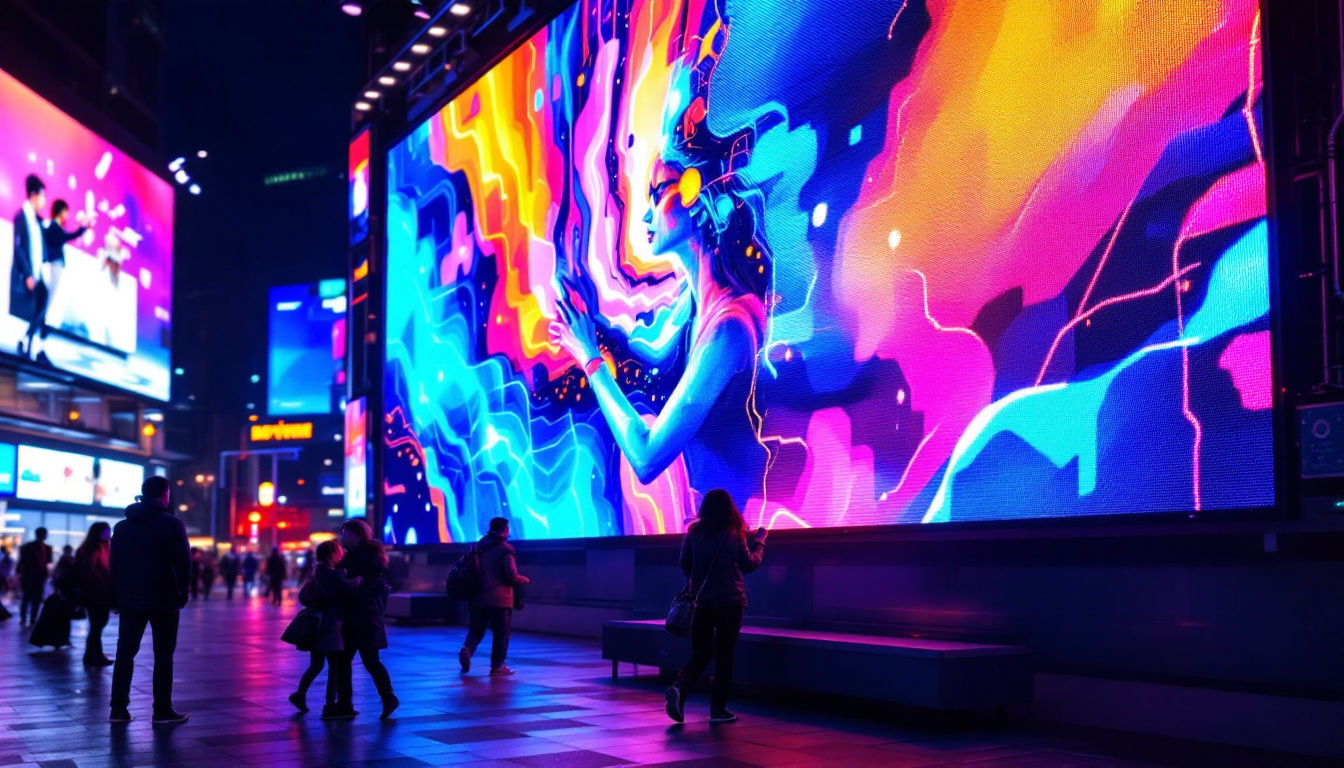
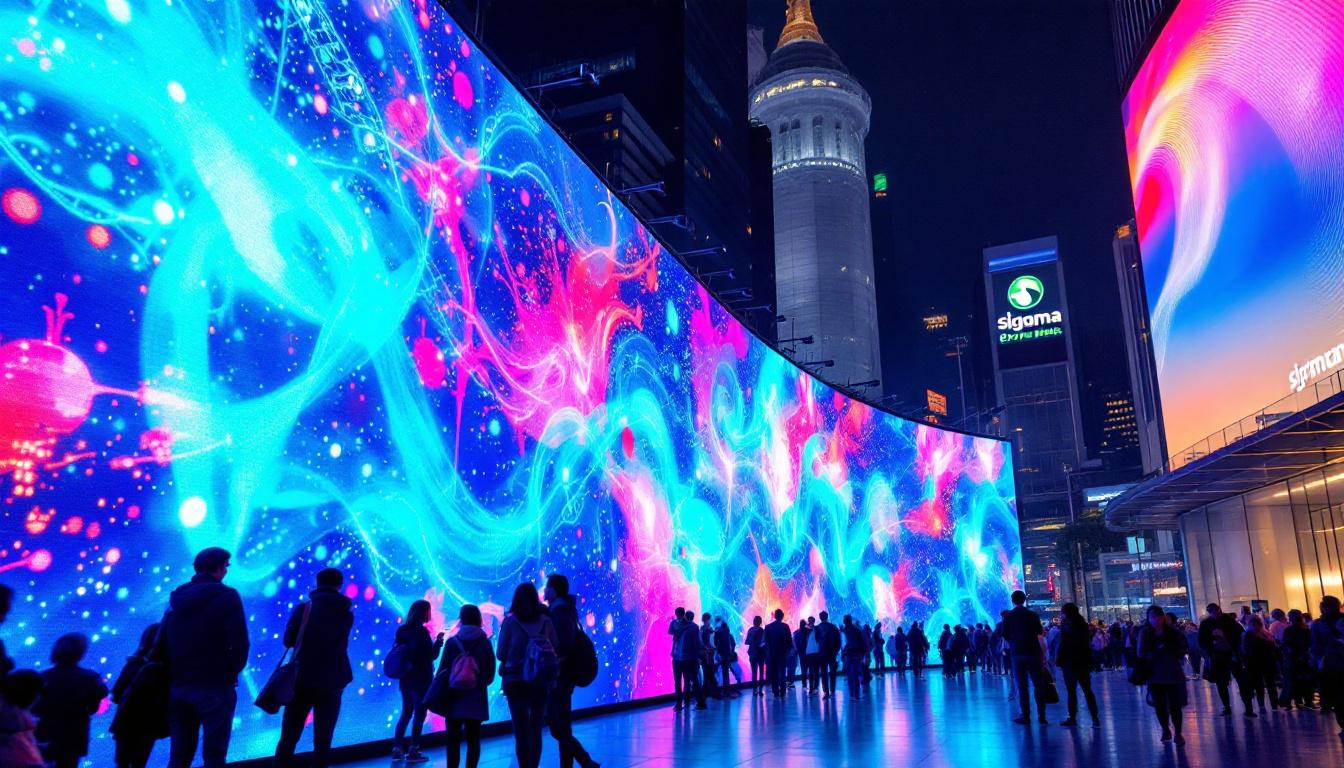
One of the most iconic examples is the use of LED billboards in major cities such as New York and London. These displays attract millions of viewers daily and generate significant advertising revenue. According to a 2023 report by the Digital Signage Federation, LED digital billboards have increased advertising engagement rates by up to 35% compared to static billboards. This surge in effectiveness is largely due to the ability to showcase vibrant visuals and animations that draw the eye, making them far more memorable than traditional advertising methods. Additionally, the integration of QR codes and interactive elements allows passersby to engage directly with the content, further enhancing the impact of the advertisement.
Retail and Indoor Signage
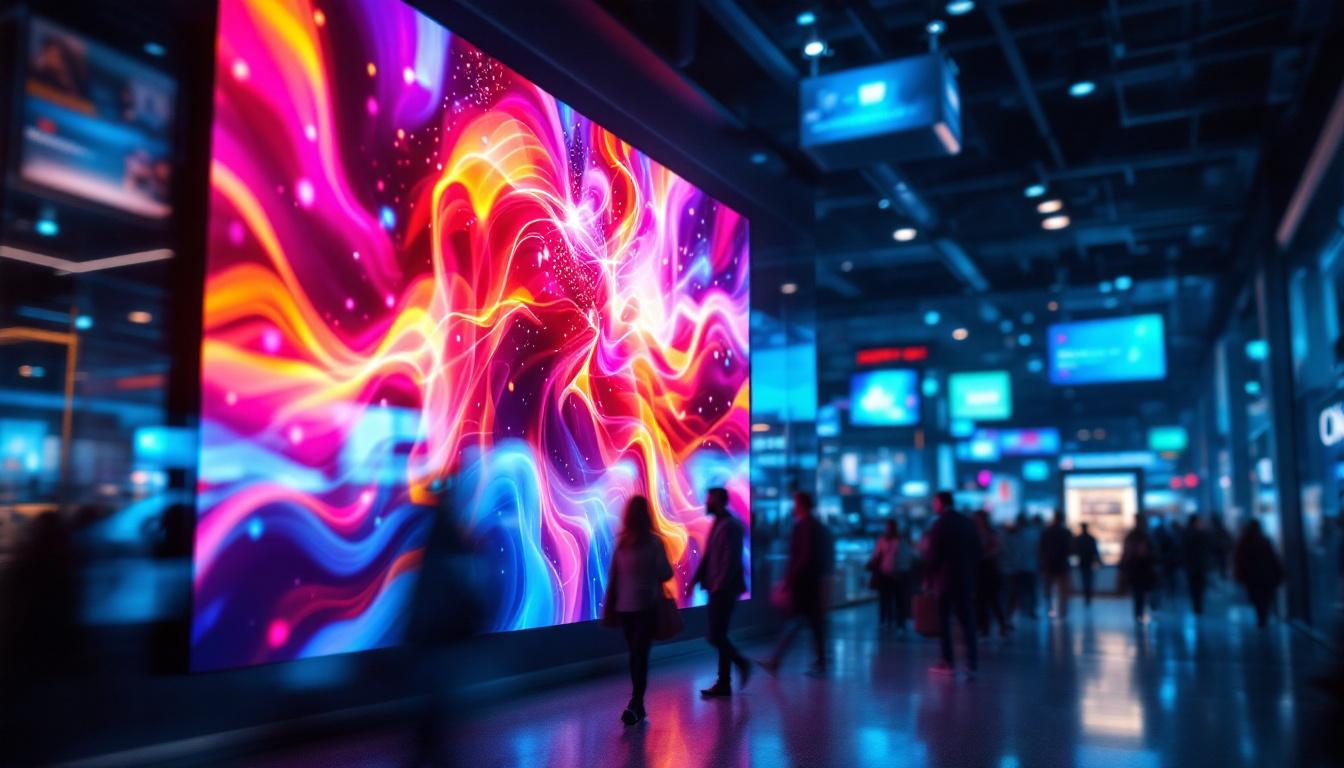
In retail environments, LED displays serve multiple purposes beyond advertising. They enhance the customer experience by providing interactive directories, promotional offers, and immersive brand storytelling. For instance, fashion retailers use high-resolution LED walls to showcase runway videos, seasonal collections, and live social media feeds, creating an engaging atmosphere that drives foot traffic and sales. Moreover, LED displays can be strategically placed near checkout areas to promote last-minute deals or highlight loyalty programs, effectively increasing average transaction values. The versatility of LED technology also allows for seamless integration with mobile apps, enabling personalized promotions based on customer preferences and shopping behavior.
Events and Entertainment
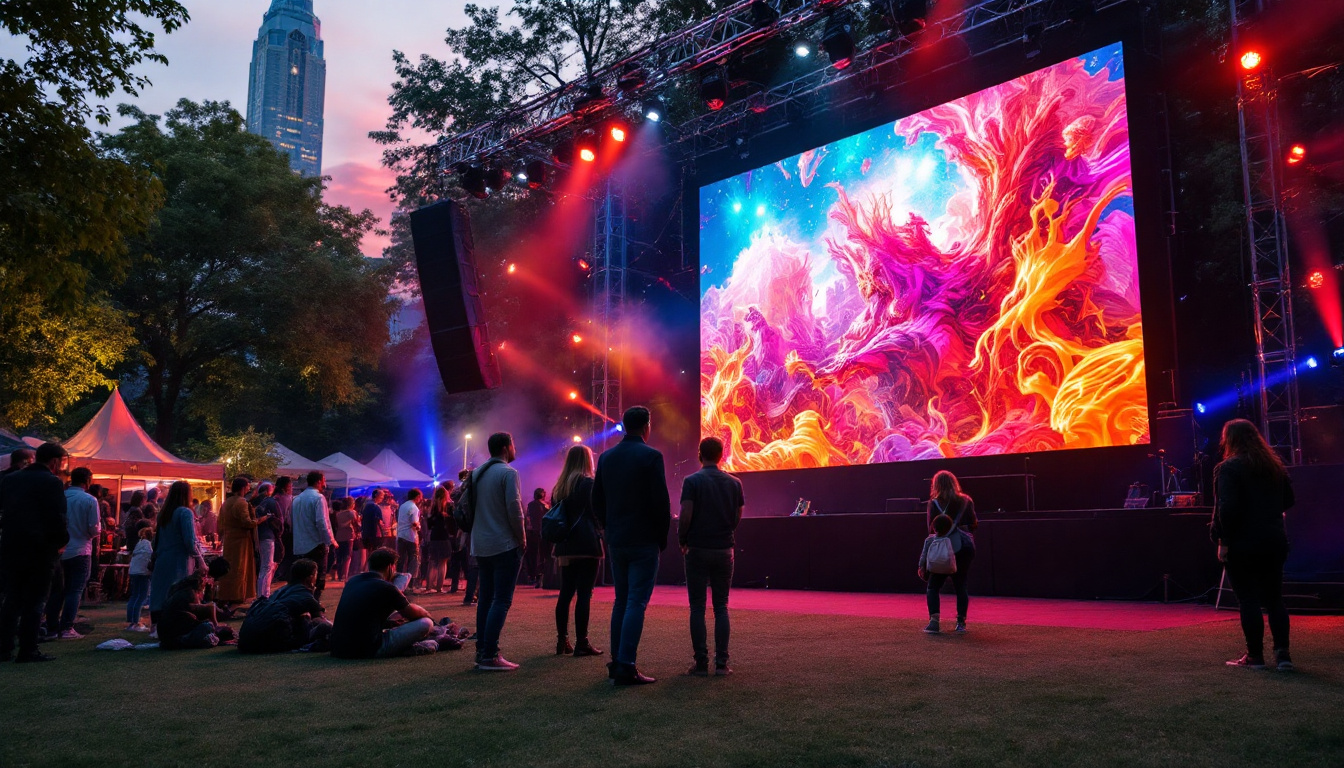
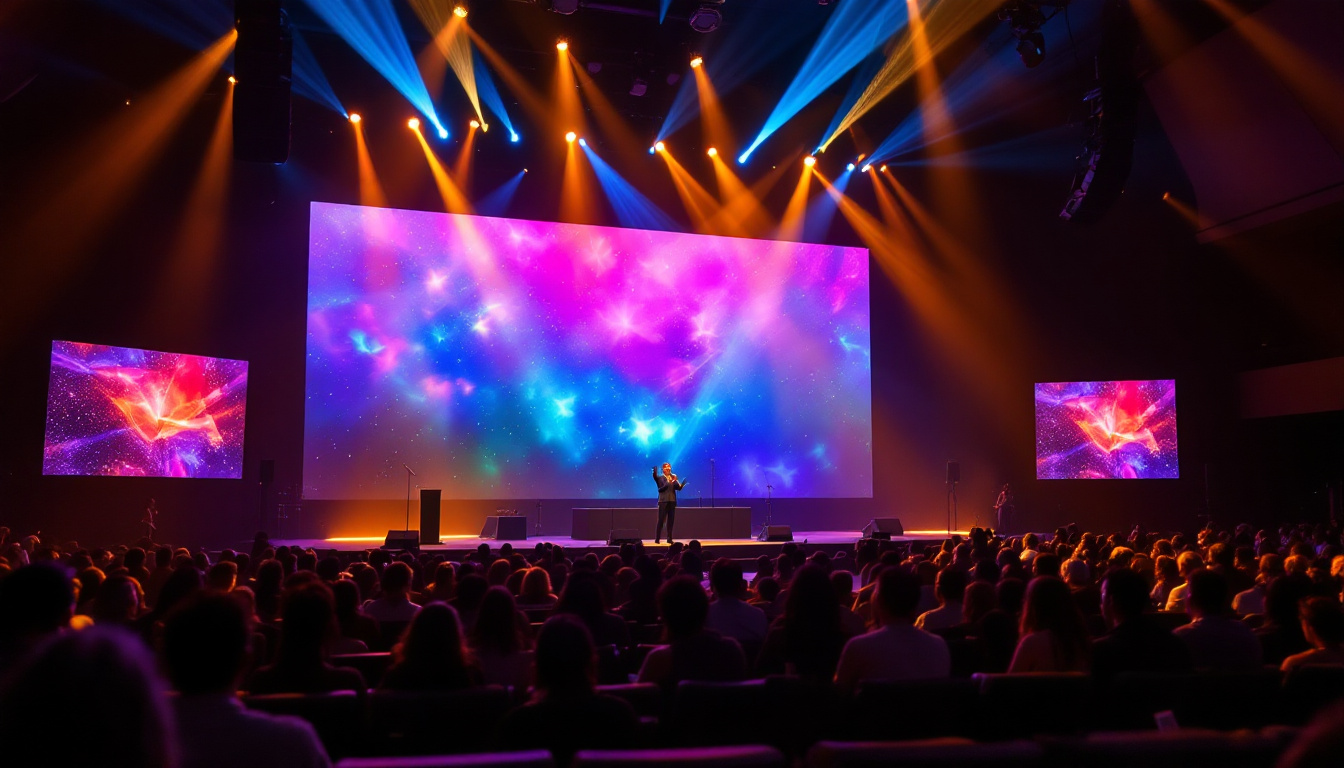
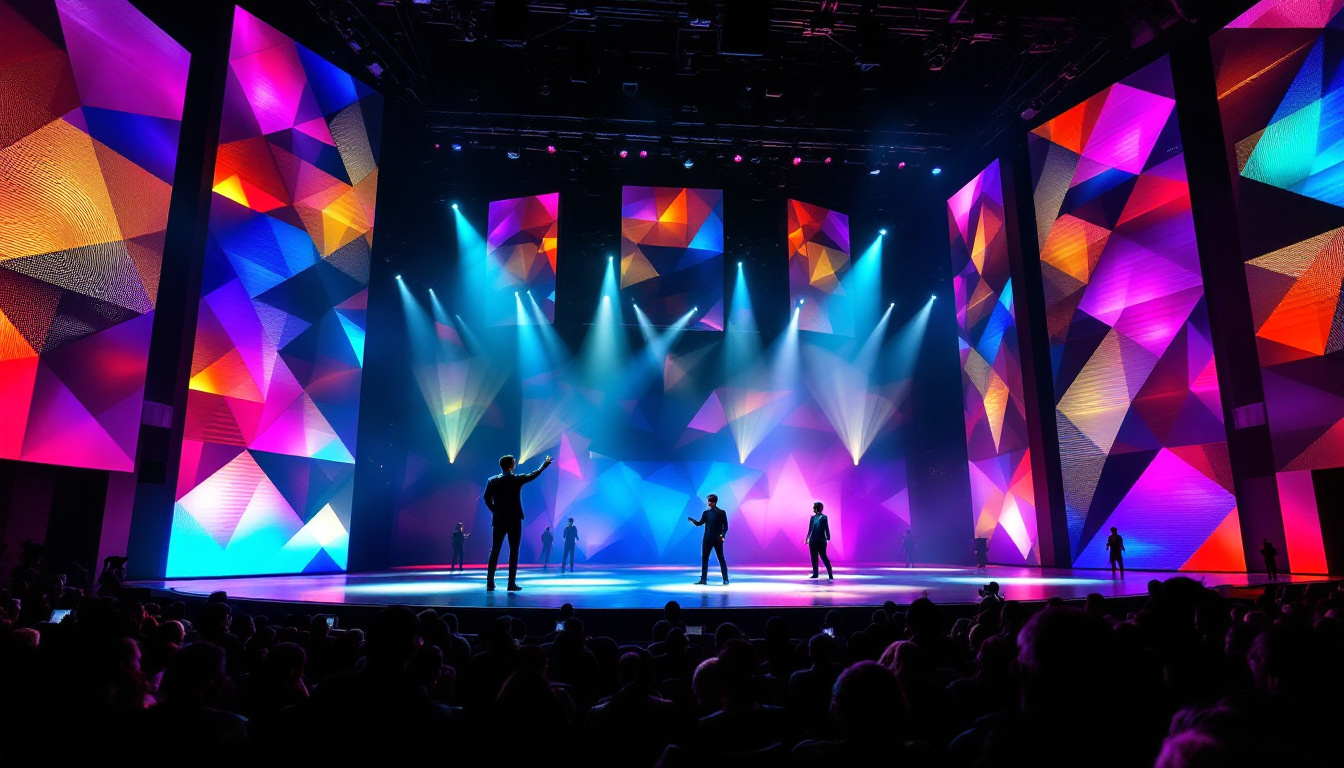
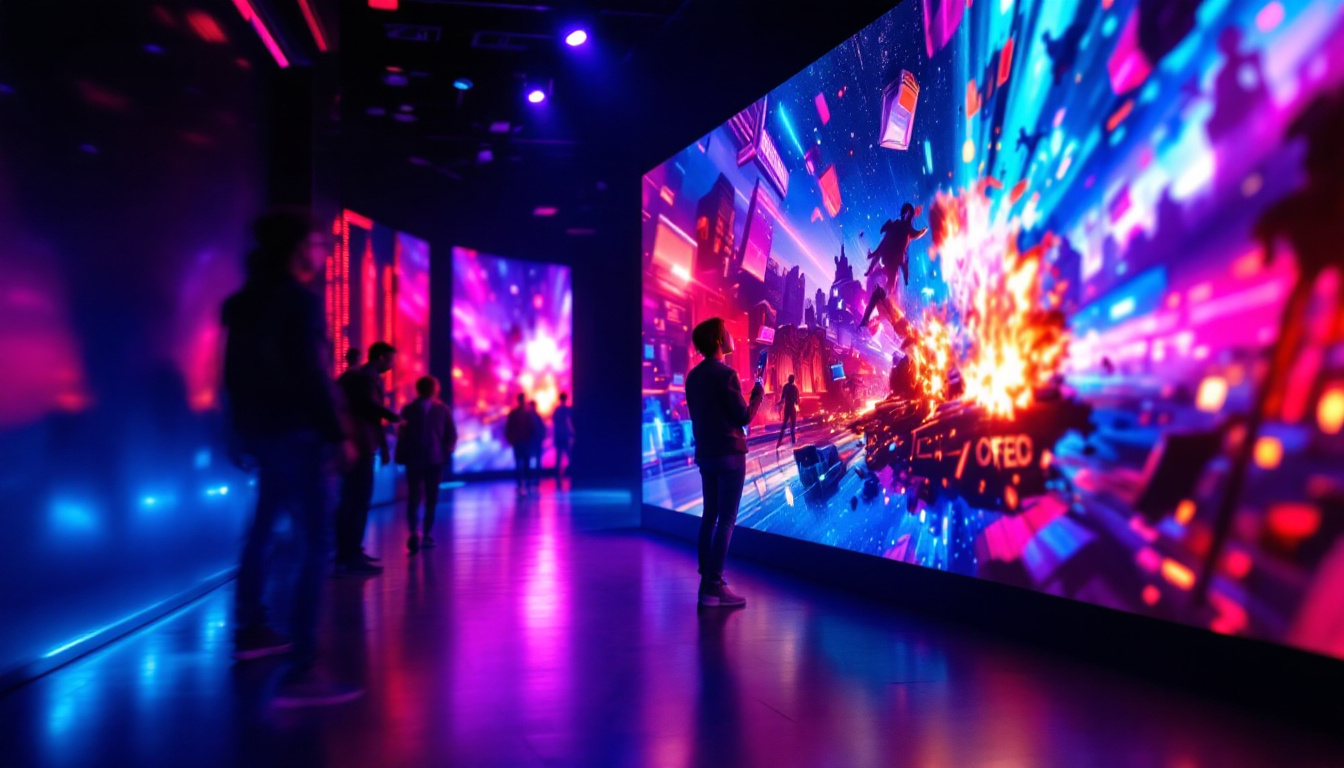
Concerts, sports arenas, and exhibitions rely heavily on LED displays for live video feeds, scoreboards, and immersive stage backdrops. The ability to produce vivid colors and high refresh rates ensures that content remains smooth and visually appealing even during fast-paced action. Clicker Media has partnered with event organizers to deploy LED solutions that transform venues into unforgettable experiences. These displays not only enhance the visual spectacle but also serve as a platform for real-time audience engagement through social media interactions and live polling. As technology advances, the potential for augmented reality (AR) integration with LED displays is becoming a reality, allowing for even more interactive and immersive experiences that captivate audiences and create lasting memories.
Benefits of LED Displays Over Traditional Technologies
LED displays offer numerous advantages that have contributed to their widespread adoption across industries:
Superior Brightness and Visibility
LEDs can achieve brightness levels far exceeding those of LCD or projection-based systems. This ensures clear visibility in various lighting conditions, including direct sunlight, which is critical for outdoor advertising and public information displays. The vibrant colors produced by LED technology also enhance the viewer’s experience, making content more engaging and attention-grabbing. Furthermore, the ability to adjust brightness dynamically allows for optimal viewing at different times of the day, ensuring that messages remain effective regardless of environmental changes.
Energy Efficiency and Longevity
Compared to older display technologies, LEDs consume less power and have longer lifespans, often exceeding 100,000 hours of operation. This reduces maintenance costs and environmental impact, aligning with growing sustainability goals in corporate and public sectors. The lower energy consumption not only translates to reduced electricity bills but also supports the global push towards greener technology solutions. Many organizations are now prioritizing LED displays in their operations as part of their corporate social responsibility initiatives, recognizing the importance of reducing their carbon footprint and promoting energy-efficient practices.
Flexibility and Customization
LED displays can be manufactured in virtually any size and shape, allowing for creative installations that blend seamlessly with architectural designs. Additionally, their modular construction simplifies repairs and upgrades, ensuring long-term adaptability. This flexibility extends to the types of content that can be displayed, from dynamic video presentations to static advertisements, enabling businesses to tailor their messaging to specific audiences and occasions. Moreover, advancements in technology have led to the development of transparent and curved LED displays, opening new avenues for innovative marketing strategies and immersive experiences in retail environments.
Clicker Media’s Approach to LED Display Solutions
Clicker Media specializes in designing and deploying LED display systems tailored to client needs, focusing on maximizing visual impact and operational efficiency. Their approach combines cutting-edge technology with strategic content management to deliver measurable results.
Consultation and Custom Design
Understanding that no two projects are alike, Clicker Media begins with a thorough consultation to assess the environment, audience, and objectives. This enables the selection of the optimal LED display type, pixel pitch, and size. For example, a retail client seeking to enhance window displays might benefit from a high-resolution indoor LED wall, while a transportation hub might require robust outdoor screens with high brightness.
Content Management and Integration
Beyond hardware, Clicker Media offers advanced content management systems that allow clients to schedule, update, and monitor content remotely. Integration with social media, live data feeds, and interactive elements ensures that displays remain relevant and engaging.
Installation and Support
Installation is handled by experienced technicians who ensure that displays are calibrated for optimal performance and durability. Post-installation support includes routine maintenance, troubleshooting, and software updates, guaranteeing continuous operation and client satisfaction.
Future Trends in LED Display Technology
The LED display industry continues to evolve rapidly, driven by advancements in materials, manufacturing, and software capabilities. Several trends are poised to shape the future landscape:
MicroLED and MiniLED Innovations
Emerging technologies like MicroLED and MiniLED promise even higher resolutions, improved color accuracy, and greater energy efficiency. MicroLEDs, for example, use microscopic LEDs to create displays with exceptional brightness and contrast, rivaling OLEDs while avoiding burn-in issues.
Interactive and AI-Driven Displays
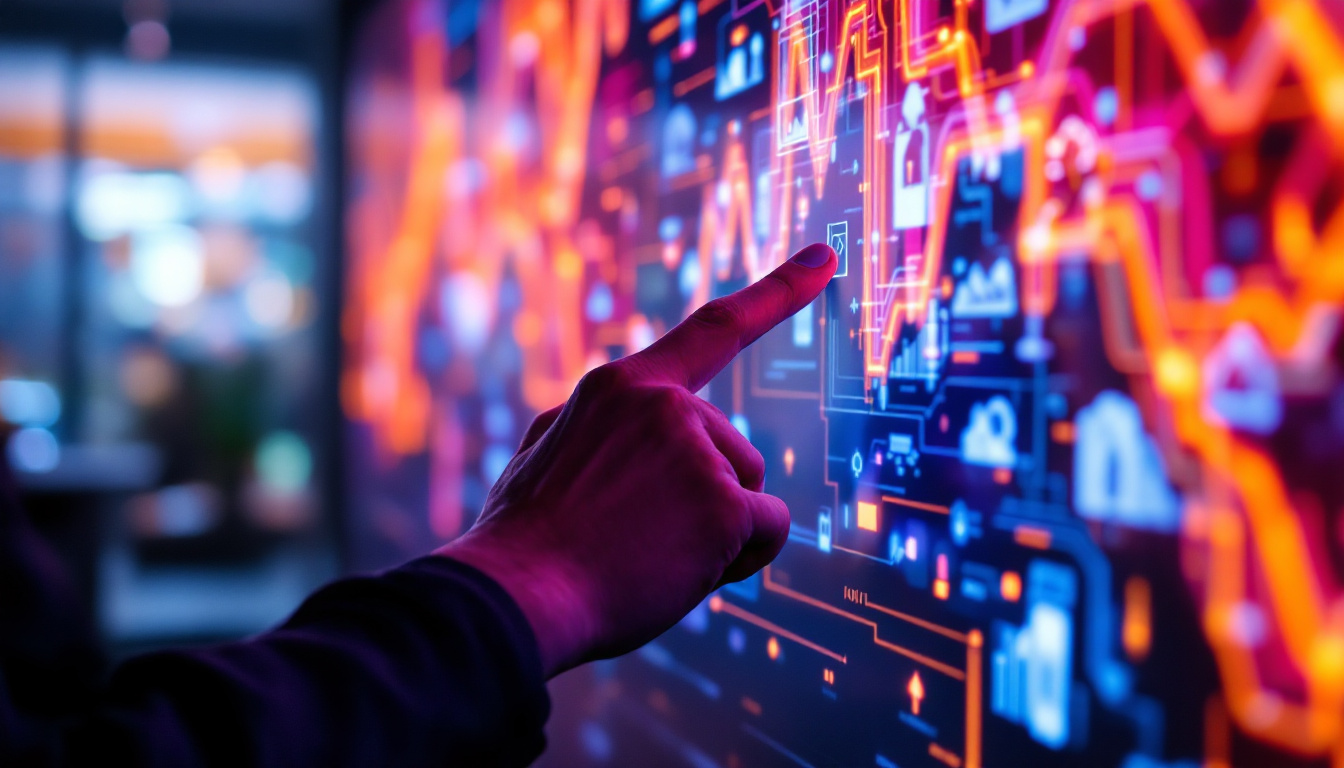
Integration of touch sensors, cameras, and artificial intelligence enables LED displays to become interactive platforms. These systems can recognize gestures, analyze viewer demographics, and adapt content dynamically to enhance engagement and personalization.
Sustainability and Smart Energy Management
As environmental concerns grow, manufacturers are focusing on eco-friendly materials and smart energy management systems that optimize power consumption based on ambient light and usage patterns. This not only reduces operational costs but also supports corporate social responsibility initiatives.
Conclusion
LED displays represent a powerful medium for communication, offering unmatched brightness, flexibility, and durability. Whether used for advertising, entertainment, or information dissemination, they enable brands and organizations to connect with audiences in visually compelling ways. Clicker Media’s expertise in LED technology ensures that clients receive customized solutions that maximize impact and return on investment.
As LED technology continues to advance, embracing these innovations will be essential for businesses aiming to stay ahead in an increasingly visual and digital marketplace. Understanding the capabilities and potential of LED displays is the first step toward harnessing their full power.
Discover LumenMatrix’s Innovative LED Solutions
Ready to elevate your visual communication with the latest in LED technology? Explore LumenMatrix’s comprehensive range of LED display modules, designed to bring your brand to life and captivate your audience. From the vibrant Indoor LED Wall Display to the robust Outdoor LED Wall Display, and from the dynamic Vehicle LED Display to the sleek LED Poster Display, LumenMatrix has a solution to meet every need. Embrace the future of digital signage with our LED Sports Display, Floor LED Display, Custom LED Display, All-in-One LED Display, and LED Transparent Display. Check out LumenMatrix LED Display Solutions today and start creating unforgettable visual experiences that resonate with viewers and leave a lasting impression.