In the ever-evolving world of display technology, choosing the right screen size and type for your projector setup can be a challenging task. Among the many options available, the 32 inch projector screen and LED displays have gained significant attention for their unique advantages and applications. This article delves into the details of 32 inch projector screens, explores how LED displays work, and explains why understanding these technologies is crucial for making an informed purchase decision.
The Basics of a 32 Inch Projector Screen
What Is a 32 Inch Projector Screen?
A 32 inch projector screen refers to a display surface with a diagonal measurement of 32 inches designed specifically for use with projectors. Unlike traditional monitors or TVs, projector screens are optimized to reflect projected light, enhancing image clarity and brightness. This size is considered compact, making it ideal for small rooms, personal use, or portable setups.
While 32 inches might seem small compared to typical home theater screens, it offers a balance between portability and viewing comfort. Many users prefer this size for office presentations, gaming, or as a secondary display in multimedia setups. The lightweight design and easy setup allow users to quickly transition from one location to another, making it a versatile option for various environments.
Why Choose a 32 Inch Screen?
Choosing a 32 inch screen is often driven by space constraints and intended usage. For instance, in a small apartment or office cubicle, a large projector screen would be impractical. A 32 inch screen fits comfortably on desks or small walls without overwhelming the space.
Moreover, smaller screens require less projector brightness to achieve a vivid image, which can extend the life of the projector lamp and reduce energy consumption. This size is also easier to transport, making it a favorite among educators and business professionals who need to move their equipment frequently. Additionally, the affordability of 32 inch projector screens makes them an attractive option for budget-conscious consumers who still want a quality viewing experience without breaking the bank.
In terms of versatility, a 32 inch projector screen can be used in a variety of settings. Whether for a casual movie night, a business meeting, or even outdoor presentations, this size adapts well to different environments. Many models come with features such as a portable stand or wall-mounting options, allowing users to customize their setup according to their needs. Furthermore, the screen’s aspect ratio can vary, accommodating different types of content, from widescreen movies to standard presentations, ensuring that users can enjoy a tailored viewing experience regardless of the medium.
Understanding LED Displays
What Is an LED Display?
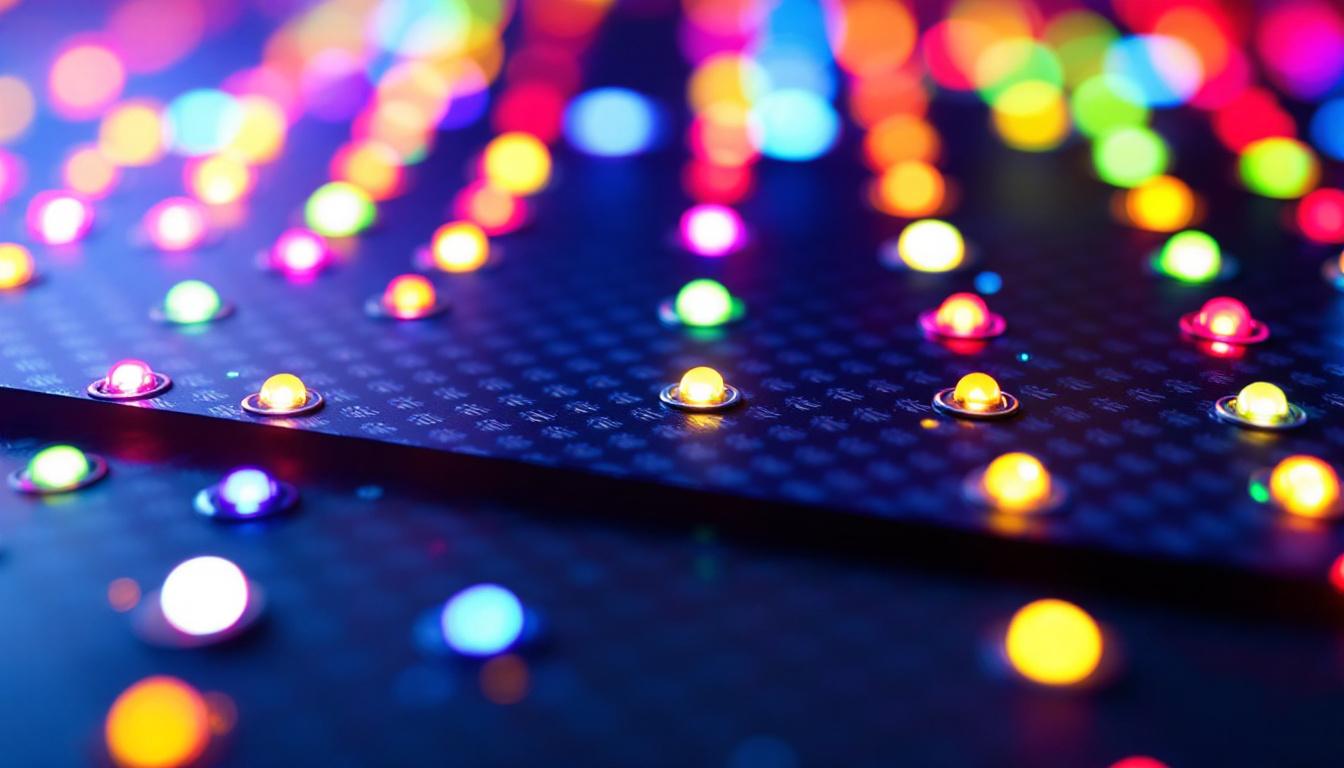
LED (Light Emitting Diode) displays are a type of flat-panel display technology that uses an array of light-emitting diodes as pixels to create images. Unlike projector screens, which rely on an external light source to project images onto a reflective surface, LED displays generate their own light, producing bright and vibrant visuals.
LED technology is widely used in televisions, monitors, digital signage, and increasingly in portable and compact displays. The self-illuminating nature of LEDs allows for deeper blacks, higher contrast ratios, and better energy efficiency compared to traditional LCDs with fluorescent backlighting. This efficiency not only reduces energy consumption but also contributes to a longer lifespan for the display, making LED technology a cost-effective choice in the long run. Additionally, advancements in LED technology have led to the development of OLED (Organic Light Emitting Diode) displays, which offer even greater color accuracy and flexibility in design, allowing for curved and flexible screens that can enhance the viewing experience.
How LED Displays Differ from Projector Screens
While both LED displays and projector screens serve the purpose of displaying images and videos, their operational principles are fundamentally different. Projector screens require a projector to cast images onto a surface, whereas LED displays combine the screen and light source in a single unit.
This distinction affects several factors including image quality, portability, viewing angles, and ambient light performance. For example, LED displays typically perform better in brightly lit environments because they emit their own light, while projector screens can struggle with washout unless used in controlled lighting conditions. Furthermore, the setup for projector systems can be cumbersome, requiring careful alignment and calibration, while LED displays are generally plug-and-play, making them more user-friendly for casual users. In addition, LED displays can be easily mounted on walls, making them ideal for both home entertainment systems and commercial applications, such as in retail environments where dynamic advertising is essential. As technology continues to evolve, the gap between these two display types is narrowing, but the unique advantages of LED displays remain significant in many scenarios.
Advantages of Using a 32 Inch Projector Screen
Enhanced Image Quality for Small Spaces
One of the primary advantages of a 32 inch projector screen is its ability to deliver sharp and clear images in confined spaces. Thanks to the smaller size, the projector doesn’t need to produce an excessively large image, which can sometimes lead to distortion or loss of detail.
Additionally, many 32 inch screens are designed with high gain materials that maximize light reflection, resulting in brighter and more vivid pictures. This makes them suitable for environments with moderate ambient light where larger screens might struggle.
Portability and Convenience
Portability is a significant benefit of 32 inch projector screens. Many models are lightweight, foldable, or come with carrying cases, making them easy to transport and set up. This is particularly advantageous for professionals who conduct presentations in multiple locations or educators who need mobile teaching aids.
The compact size also means quicker setup times and less space required for storage, which can be a decisive factor for users with limited room.
Cost-Effectiveness
Compared to larger projector screens or high-end LED displays, 32 inch projector screens are generally more affordable. This makes them accessible to a broader audience, including students, small business owners, and casual home users.
Furthermore, the reduced need for high-lumen projectors to illuminate smaller screens can lead to additional savings in equipment costs and maintenance.
When to Consider an LED Display Instead
Superior Brightness and Color Accuracy
LED displays excel in delivering bright, vibrant images with excellent color accuracy. If you require a display that performs well in well-lit rooms or outdoor environments, an LED display is often the better choice. The self-illuminating nature of LEDs ensures consistent brightness and contrast regardless of ambient light conditions.
For applications such as digital signage, gaming, or professional video editing, where color fidelity and brightness are paramount, LED displays provide a clear advantage.
Durability and Maintenance
LED displays typically have longer lifespans and require less maintenance compared to projector setups. Projectors rely on lamps that can degrade over time and may need replacement every few thousand hours, whereas LED panels can last tens of thousands of hours without significant performance loss.
This makes LED displays a more reliable option for continuous or heavy use scenarios, such as retail environments or control rooms.
Space Efficiency and Integration
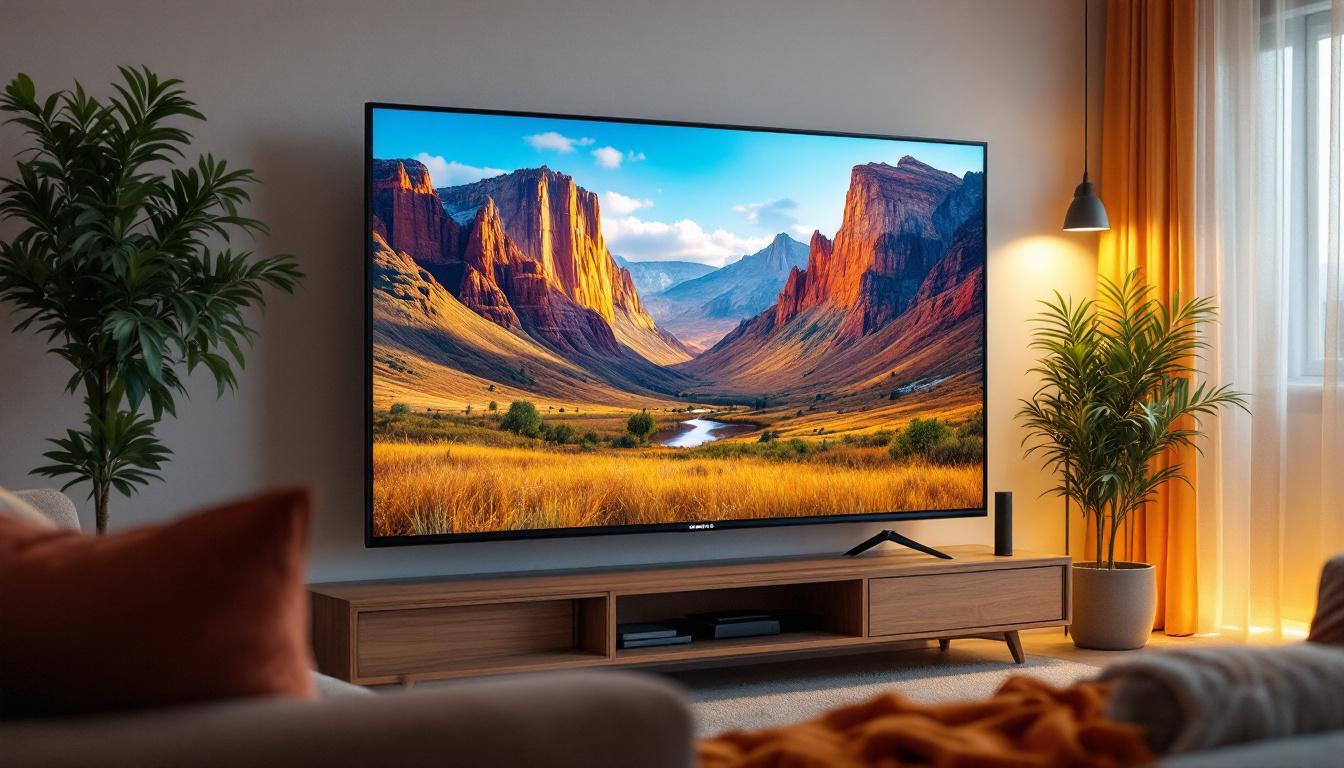
Because LED displays are all-in-one units, they eliminate the need for separate projectors, cables, and screens. This results in cleaner setups with fewer potential points of failure. In tight spaces where mounting a projector or screen is impractical, a 32 inch LED display can be a space-saving alternative.
Additionally, modern LED displays often come with smart features, connectivity options, and touch capabilities, expanding their functionality beyond simple image display.
Choosing the Right 32 Inch Display for Your Needs
Assessing Your Environment and Usage
Before deciding between a 32 inch projector screen and an LED display, it’s essential to evaluate the environment in which the display will be used. Consider factors such as ambient lighting, available space, and the nature of content to be displayed.
If the room is dark or can be darkened easily, and portability is a priority, a 32 inch projector screen paired with a suitable projector might be ideal. Conversely, for bright environments or where ease of use and minimal setup are important, a 32 inch LED display may be more appropriate.
Budget Considerations
Budget plays a crucial role in the decision-making process. While 32 inch projector screens are generally less expensive upfront, the total cost of ownership should include the projector, replacement lamps, and potential maintenance. LED displays may have a higher initial cost but often incur lower ongoing expenses.
Weighing these factors against your budget and long-term needs will help ensure a cost-effective investment.
Technical Specifications to Look For
When selecting a 32 inch projector screen, pay attention to the screen gain, aspect ratio, and material quality. A higher gain screen reflects more light but may reduce viewing angles. The aspect ratio should match your projector’s native resolution for optimal image quality.
For LED displays, focus on resolution (Full HD or higher is recommended), brightness (measured in nits), contrast ratio, and connectivity options. Features such as anti-glare coatings and viewing angle specifications can also impact the viewing experience.
Future Trends in Small-Format Displays
Advancements in Micro-LED Technology
Micro-LED technology, an emerging display innovation, promises to revolutionize small-format screens including 32 inch models. Micro-LEDs offer higher brightness, better energy efficiency, and longer lifespans compared to traditional LEDs, potentially bridging the gap between projector screens and LED displays.
As manufacturing costs decrease, micro-LED displays could become more accessible, offering unparalleled visual performance in compact sizes.
Integration with Smart Technologies
Smart integration is becoming a standard feature in modern displays. Expect 32 inch LED displays to increasingly incorporate AI-driven features, voice control, and seamless connectivity with smart home or office ecosystems.
Similarly, projector screens may evolve with embedded sensors or augmented reality capabilities, enhancing interactivity and user engagement.
Conclusion
The choice between a 32 inch projector screen and an LED display depends on multiple factors including environment, usage, budget, and desired image quality. While projector screens offer portability and cost-effectiveness for compact spaces, LED displays provide superior brightness, color accuracy, and ease of use.
Understanding the fundamental differences and advantages of each technology empowers consumers to select the best display solution tailored to their specific needs. As display technologies continue to advance, the options available for small-format screens like the 32 inch category will only become more versatile and sophisticated.
Explore Cutting-Edge LED Display Solutions with LumenMatrix
Ready to elevate your visual experience? LumenMatrix, a pioneer in LED display technology, offers an extensive range of innovative solutions tailored to your needs. From captivating Indoor and Outdoor LED Wall Displays to dynamic Vehicle and Sports LED Displays, our products are designed to make your brand stand out. Discover the versatility of our LED Poster Displays, the interactivity of Floor LED Displays, and the customization possibilities with our Custom LED Displays. Embrace the future of visual communication with our All-in-One and Transparent LED Displays. Don’t just share your message—make an unforgettable impact. Check out LumenMatrix LED Display Solutions today and transform the way you connect with your audience.