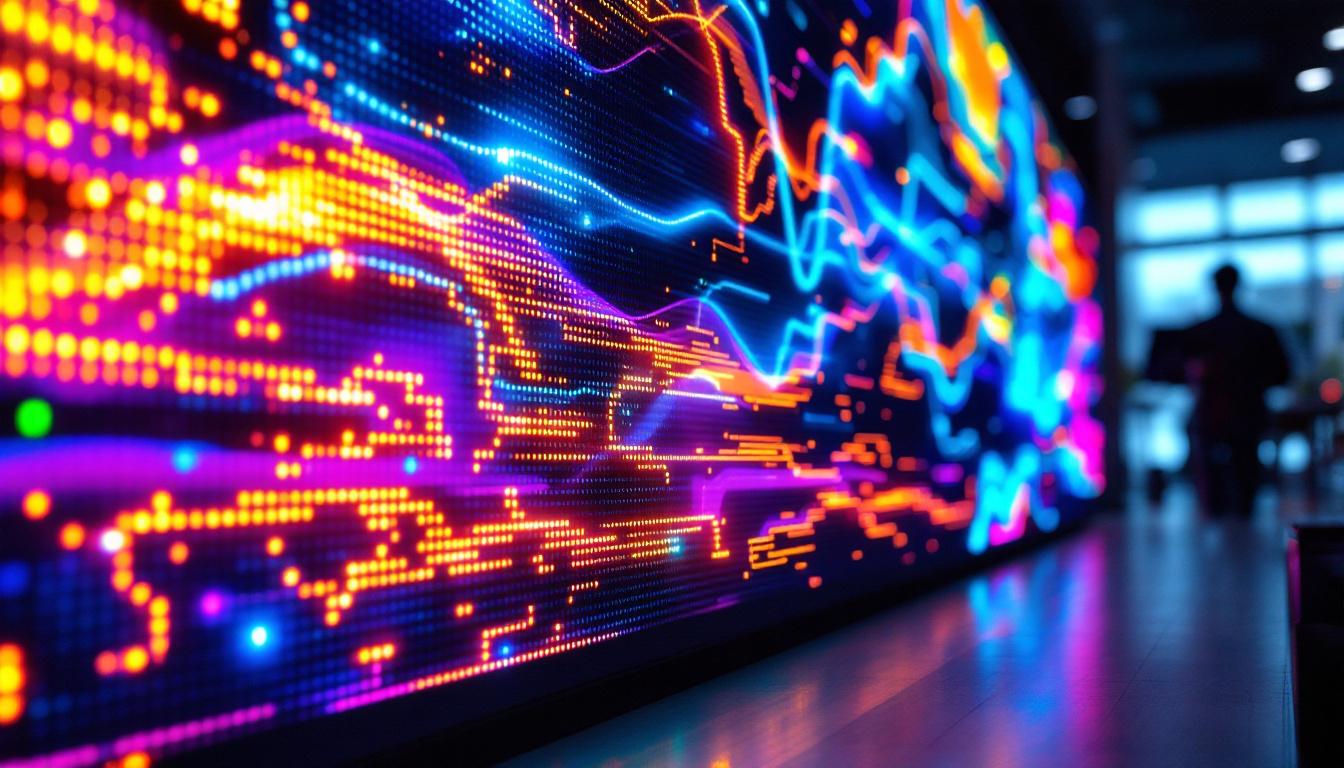
In today’s digital age, LED displays have become an integral part of how information is shared, advertisements are presented, and environments are enhanced visually. Among the latest innovations in this field is the concept of cloud LED lights, which combine the brilliance of LED technology with the flexibility and scalability of cloud computing. This article delves into what cloud LED lights are, how LED displays function, and why this technology is rapidly gaining traction across various industries.
Understanding LED Display Technology
What Are LED Displays?
LED stands for Light Emitting Diode, a semiconductor device that emits light when an electric current passes through it. LED displays use an array of these tiny diodes to create images, videos, and text. Unlike traditional display technologies such as LCD or plasma, LEDs offer superior brightness, energy efficiency, and longevity.
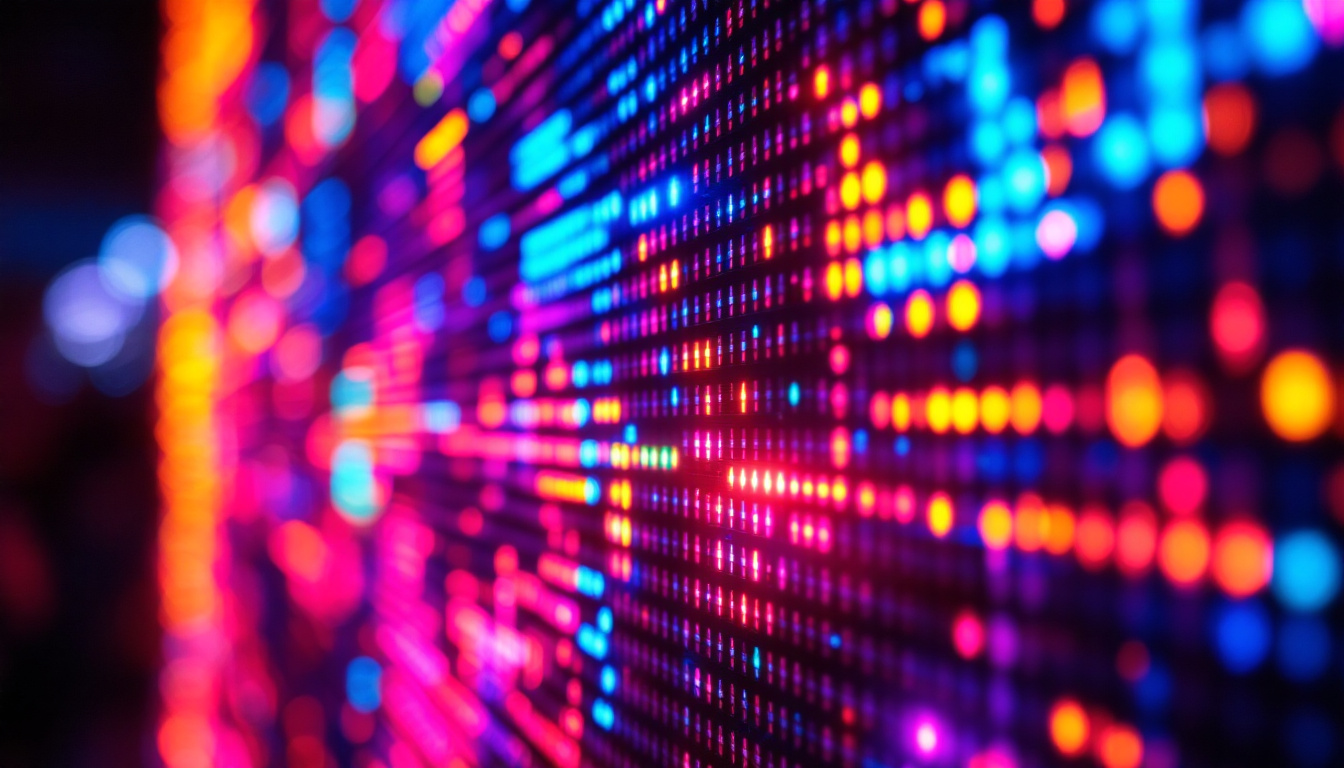
Modern LED displays are composed of thousands to millions of individual diodes arranged in a grid. Each diode can be controlled independently to emit different colors and intensities, allowing for high-resolution images and dynamic content. This technology is widely used in everything from smartphone screens and televisions to large-scale outdoor billboards and stadium displays. The versatility of LED technology has transformed the way we consume visual media, enabling more immersive experiences in both personal and public settings.
Types of LED Displays
LED displays come in several forms, each suited to different applications:
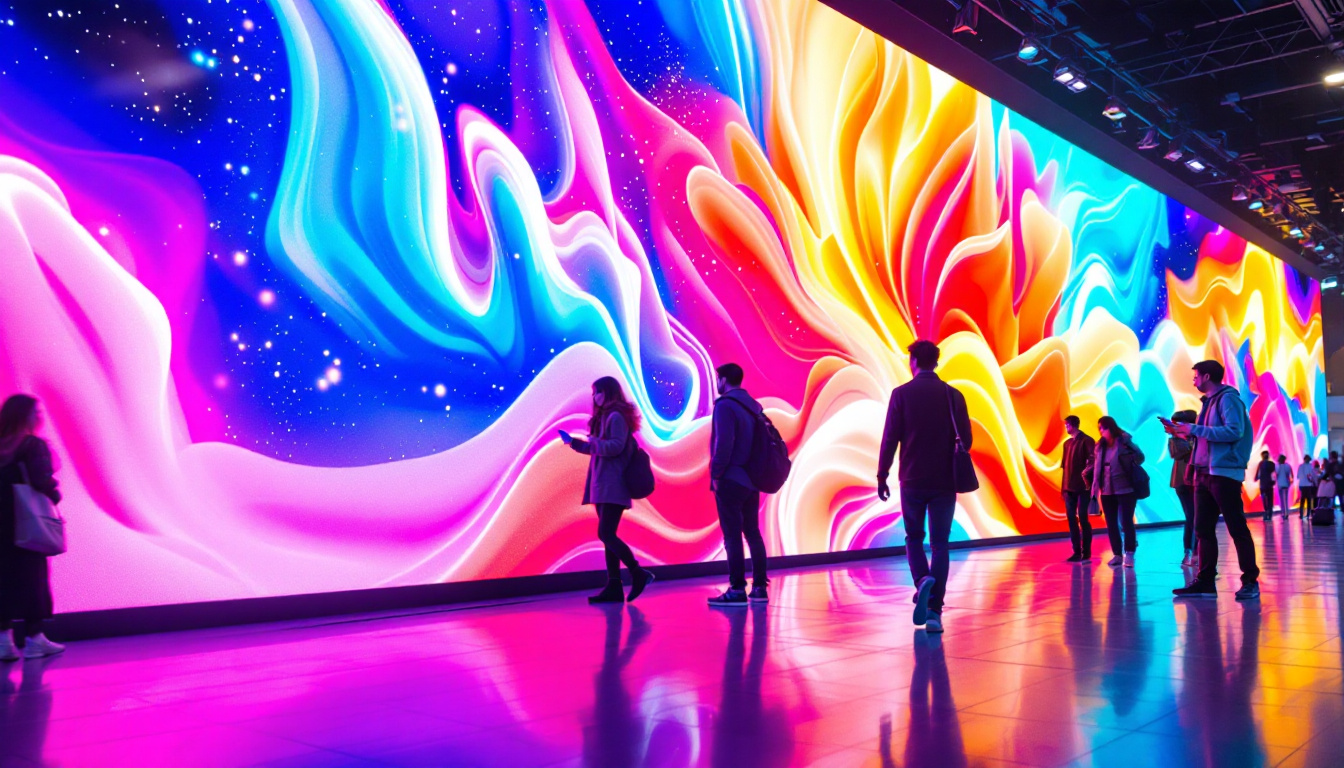
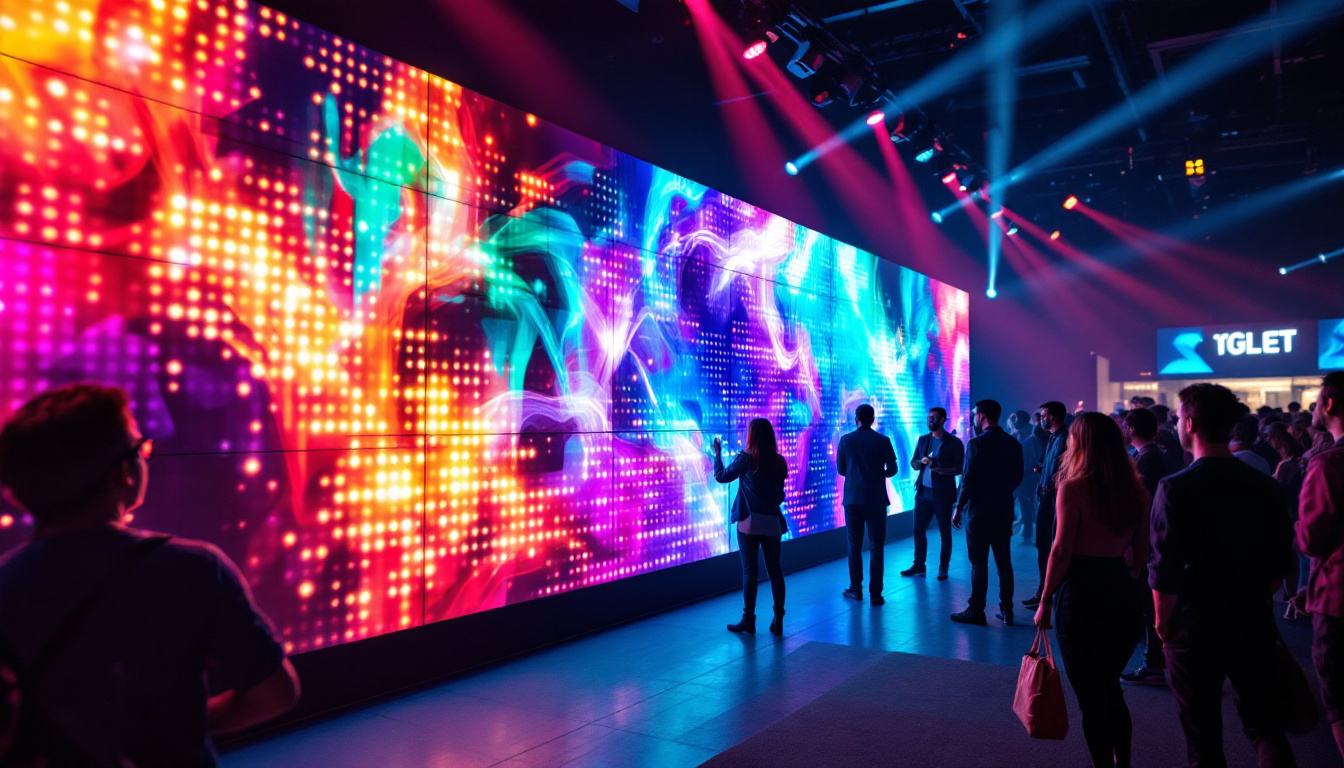
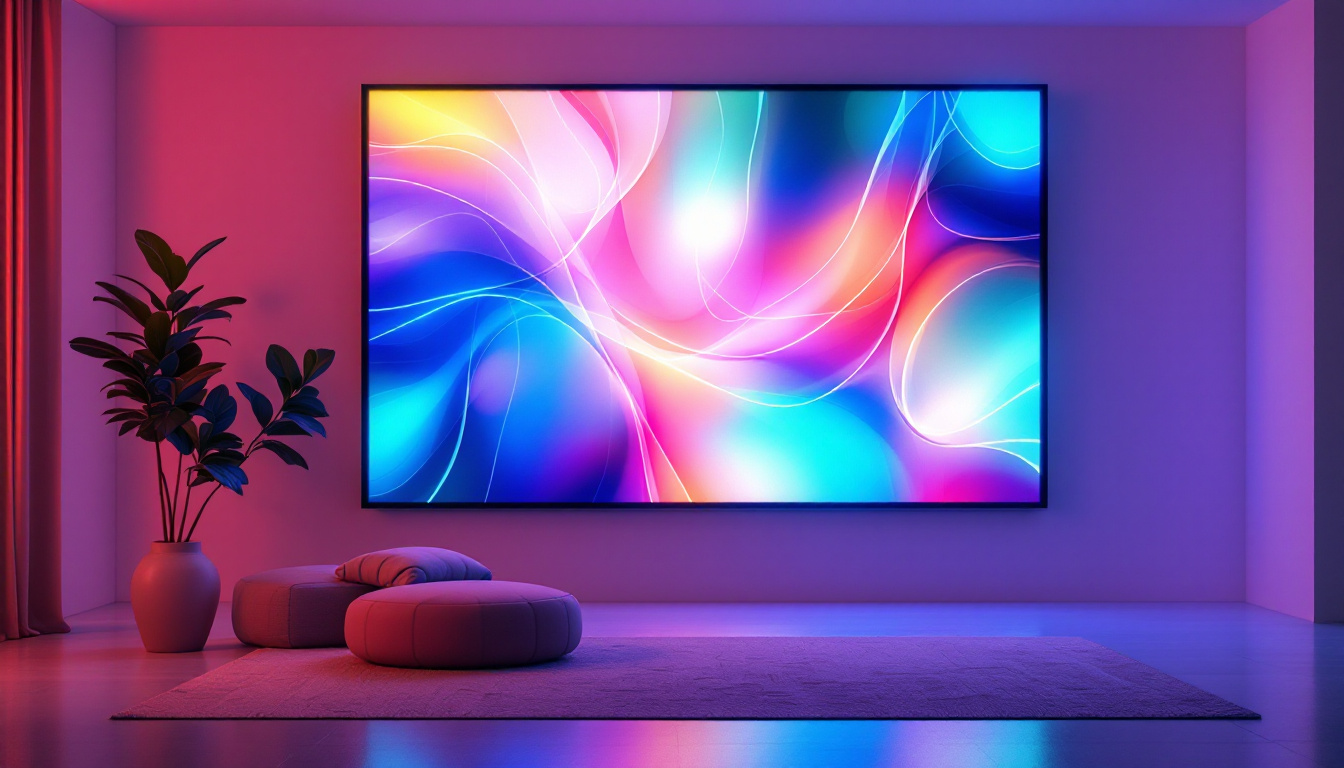
- Indoor LED Displays: Designed for environments with controlled lighting, these displays offer high pixel density for sharp images and are commonly used in retail stores, conference rooms, and indoor advertising. Their ability to display vibrant colors and crisp details makes them ideal for showcasing products and engaging audiences in presentations.
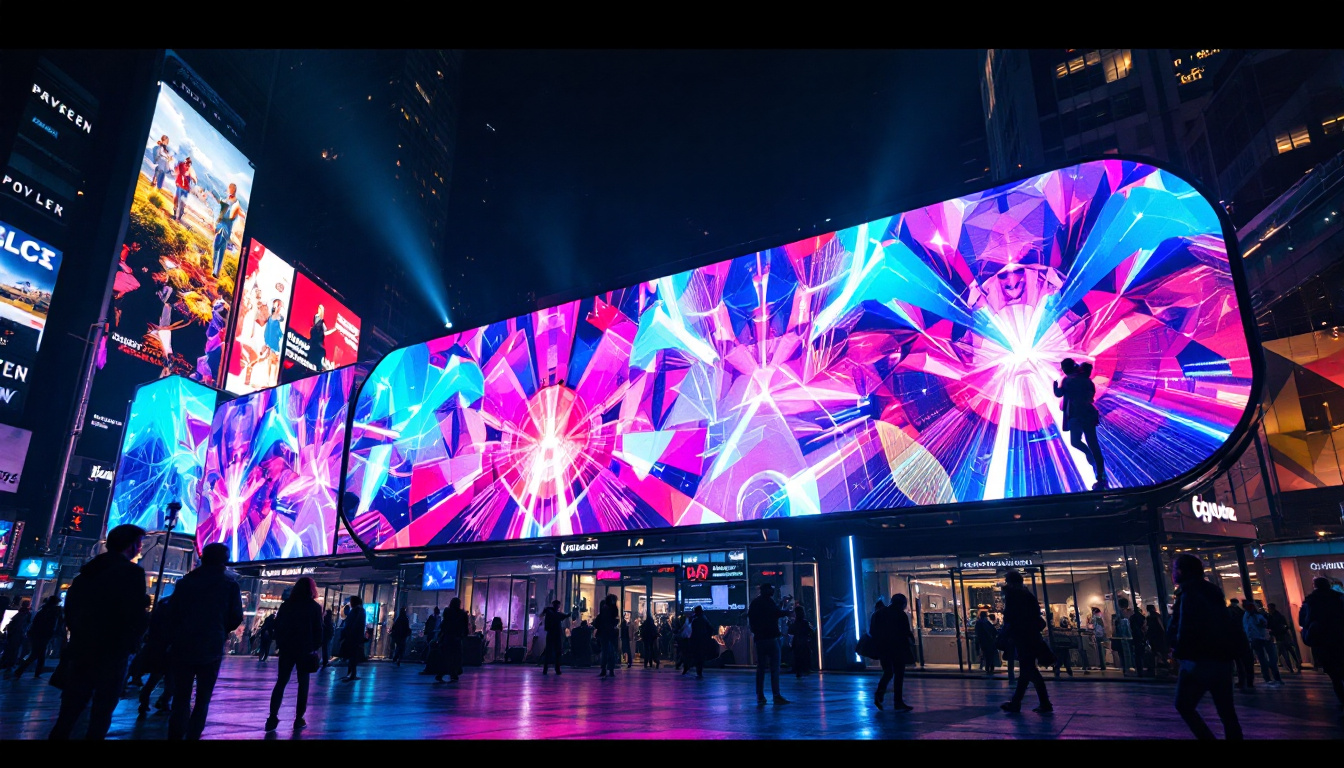
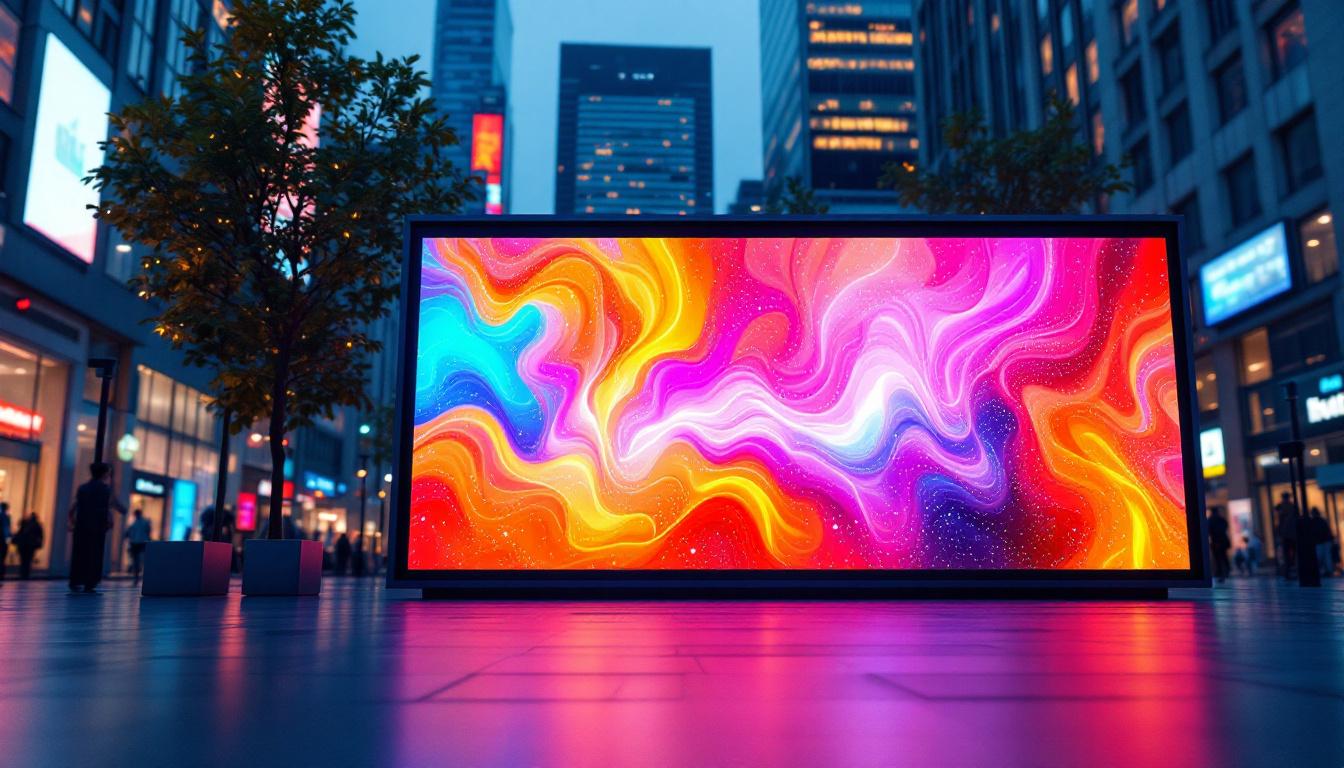
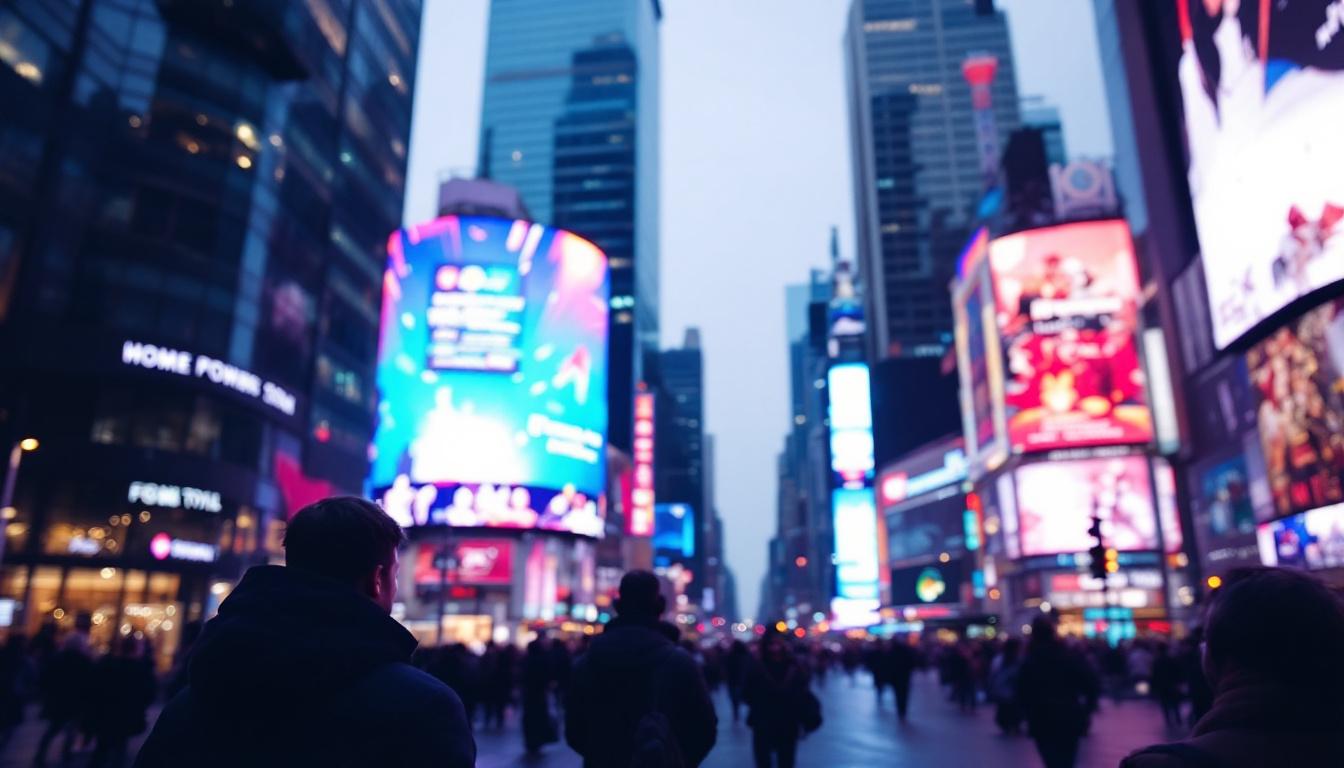
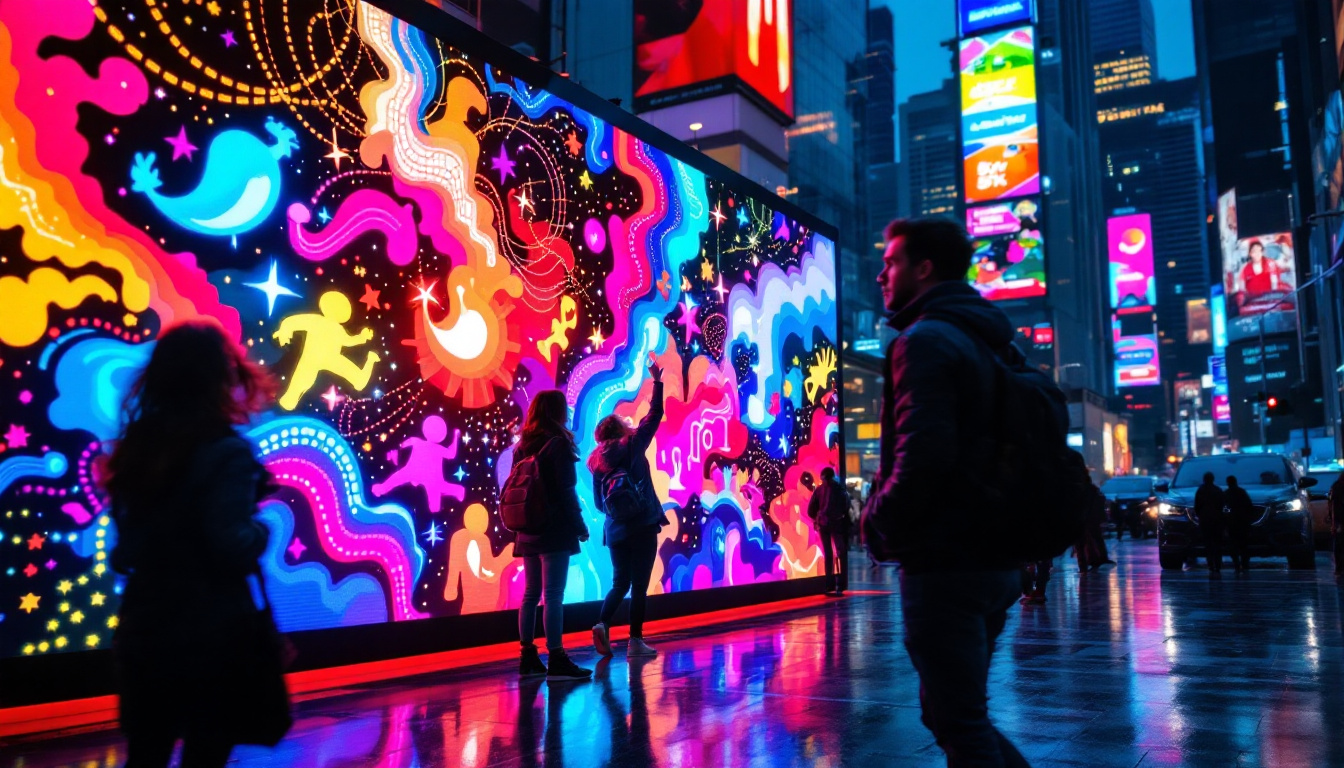
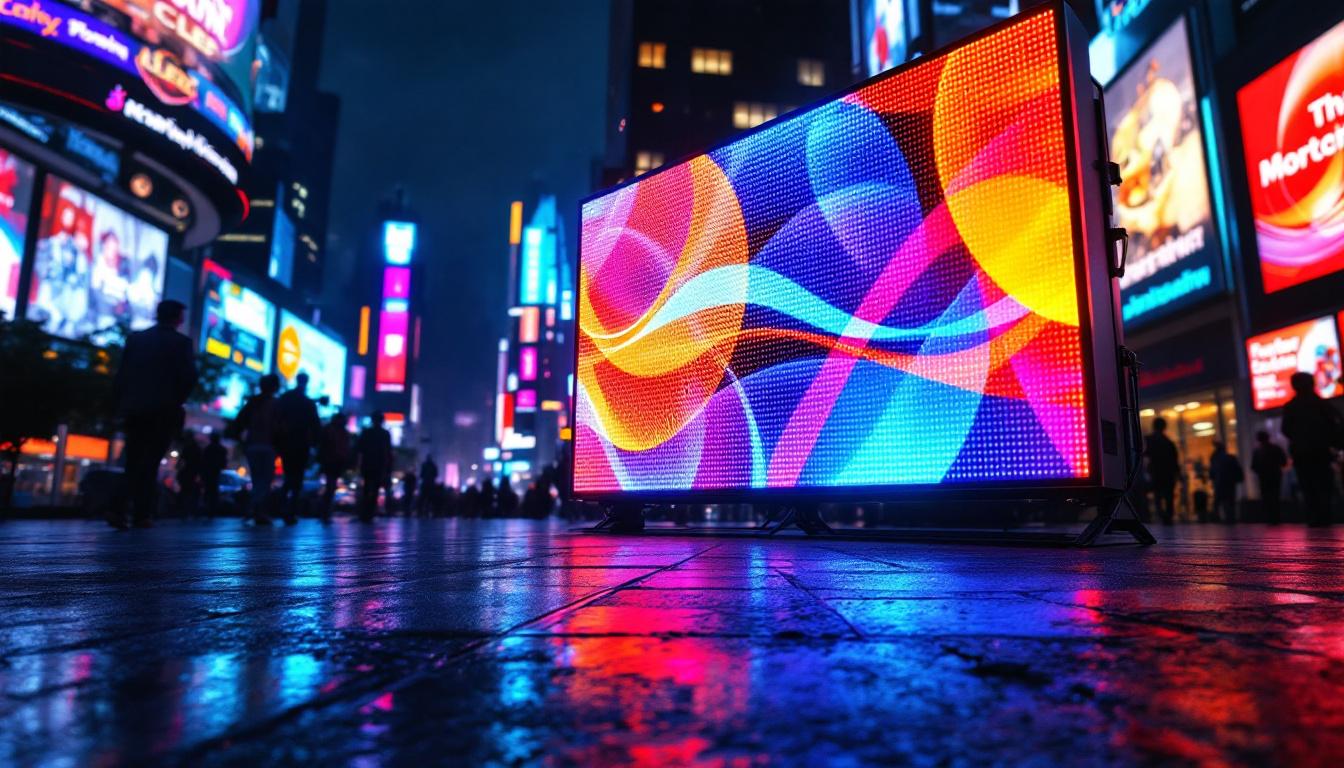
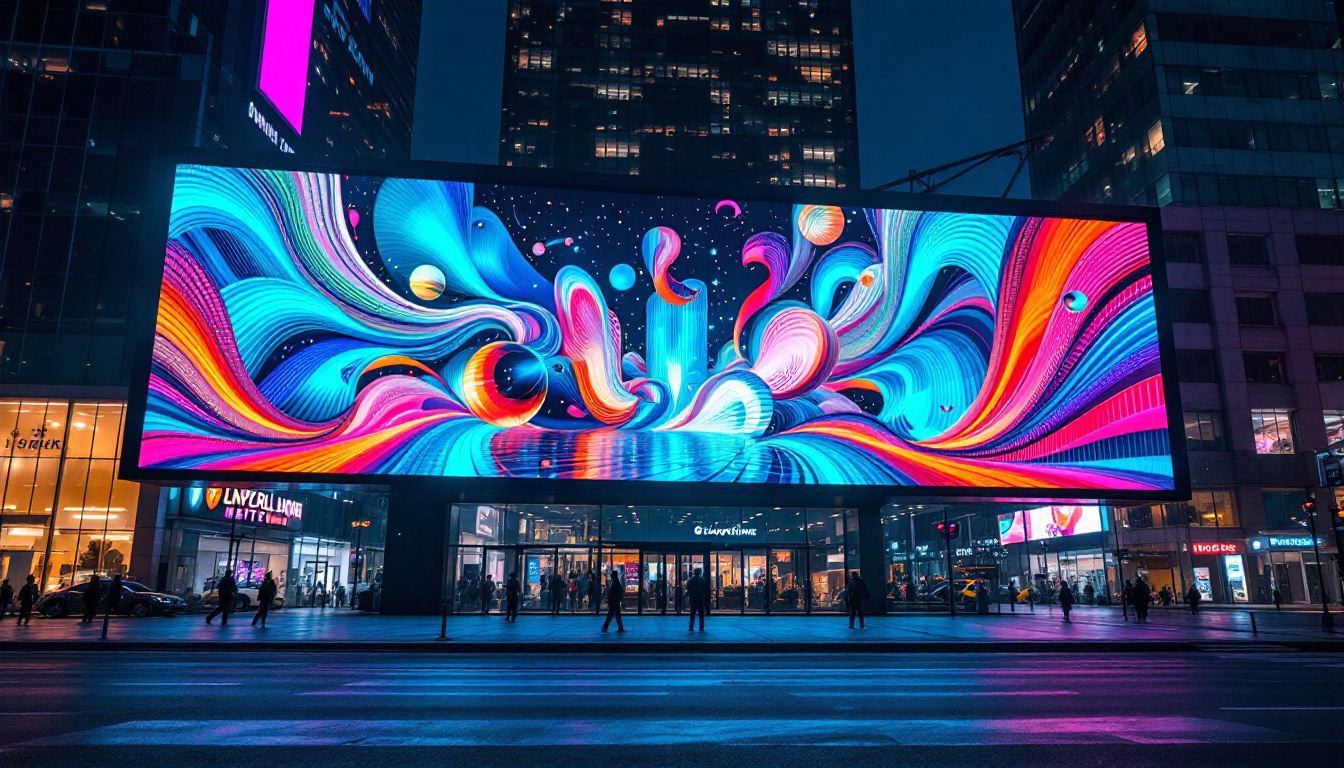
- Outdoor LED Displays: Built to withstand harsh weather conditions and direct sunlight, these displays have higher brightness levels and robust enclosures. They are often seen in billboards, sports arenas, and public information screens. Their resilience and visibility from great distances make them effective tools for advertising and information dissemination in busy urban environments.
- Flexible LED Displays: These are made with bendable materials, allowing for creative installations on curved surfaces or irregular shapes, expanding the possibilities for artistic and architectural applications. This innovation has led to stunning visual displays in museums, concerts, and even on the facades of buildings, where traditional screens would be impractical.
Furthermore, LED technology continues to evolve, with advancements such as MicroLED and MiniLED displays. MicroLED technology utilizes microscopic LEDs to create even smaller pixels, resulting in incredibly high resolution and contrast ratios. This innovation is paving the way for next-generation displays that promise to deliver unparalleled visual experiences, particularly in virtual and augmented reality applications. Meanwhile, MiniLED technology enhances traditional LCD displays by using smaller LEDs for backlighting, improving brightness and color accuracy, thus bridging the gap between LED and LCD technologies.
As the demand for high-quality visual content grows, the importance of LED displays in various sectors, including entertainment, advertising, and information technology, cannot be overstated. Their ability to convey messages effectively and attractively has made them a staple in modern communication, driving the need for continuous innovation and development in display technology.
The Rise of Cloud LED Lights
What Are Cloud LED Lights?
Cloud LED lights refer to LED display systems that are integrated with cloud computing technology. Instead of relying solely on local hardware for control and content management, these systems utilize cloud platforms to store, manage, and distribute content remotely. This integration allows for real-time updates, centralized control, and enhanced scalability.
For example, a company with multiple retail locations can manage all their in-store LED displays from a single cloud-based dashboard. Content such as promotional videos, announcements, or emergency alerts can be updated instantly across all screens, regardless of their physical location.
Advantages of Cloud-Connected LED Displays
Cloud LED lights bring several significant benefits over traditional LED display setups:
- Remote Management: Operators can control and update displays from anywhere with internet access, reducing the need for on-site technicians.
- Scalability: Adding new displays to the network is simplified, as they can be configured and managed through the cloud without complex local setups.
- Real-Time Content Updates: Content can be changed instantly to respond to market trends, weather conditions, or special events, enhancing audience engagement.
- Data Analytics: Cloud platforms often include analytics tools that track viewer interactions and display performance, enabling data-driven decisions.
- Cost Efficiency: By minimizing physical infrastructure and streamlining content delivery, cloud LED systems can reduce operational costs over time.
How Cloud LED Displays Work
Hardware Components
The core hardware of a cloud LED display system includes the LED panels themselves, controllers, and network interfaces. LED panels are the visual output devices, while controllers manage the signals sent to each diode. In cloud-connected systems, controllers are equipped with internet connectivity, often via Ethernet or Wi-Fi, to communicate with cloud servers.
Cloud Platform and Software
The cloud platform serves as the command center for the LED displays. It hosts the content management system (CMS), which allows users to upload, schedule, and monitor content. The CMS also handles user permissions, ensuring that only authorized personnel can make changes.
Advanced cloud platforms support features such as:
- Multi-user collaboration
- Automated content scheduling based on time zones or events
- Integration with social media feeds or live data streams
- Remote diagnostics and maintenance alerts
Content Delivery and Synchronization
Once content is uploaded to the cloud, it is transmitted securely to the LED controllers. Depending on the network infrastructure, this can happen in real-time or via scheduled updates. Synchronization ensures that multiple displays show coordinated content simultaneously, which is crucial for large-scale campaigns or immersive experiences.
Applications of Cloud LED Lights
Retail and Advertising
The retail sector has embraced cloud LED displays for their ability to deliver targeted marketing messages. Digital signage powered by cloud technology enables retailers to tailor promotions based on location, time of day, or customer demographics. For instance, a clothing store can promote winter apparel in the morning and switch to evening wear promotions later in the day without manual intervention.
Transportation and Public Information
Airports, train stations, and bus terminals use cloud LED displays to provide real-time updates on schedules, delays, and safety information. The cloud-based system allows authorities to push critical alerts instantly across multiple screens, improving passenger experience and safety.
Events and Entertainment
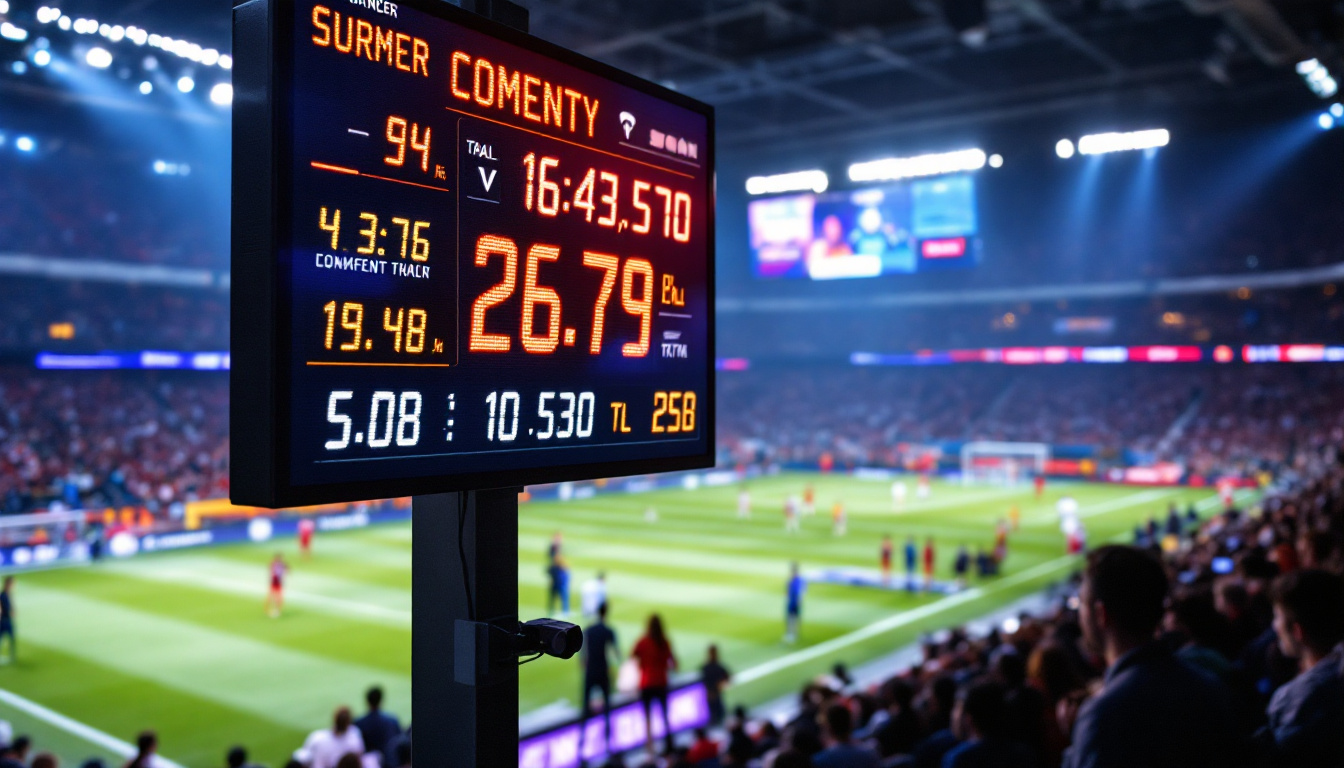
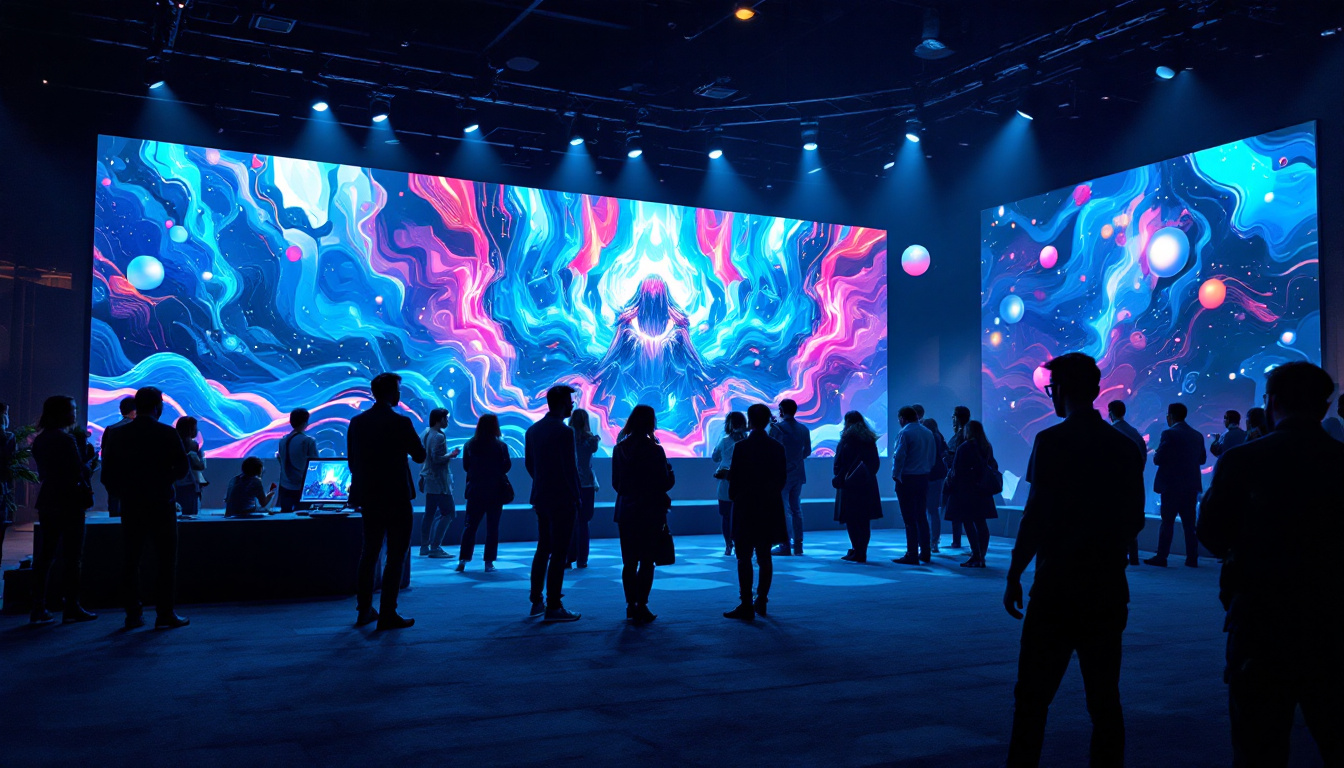
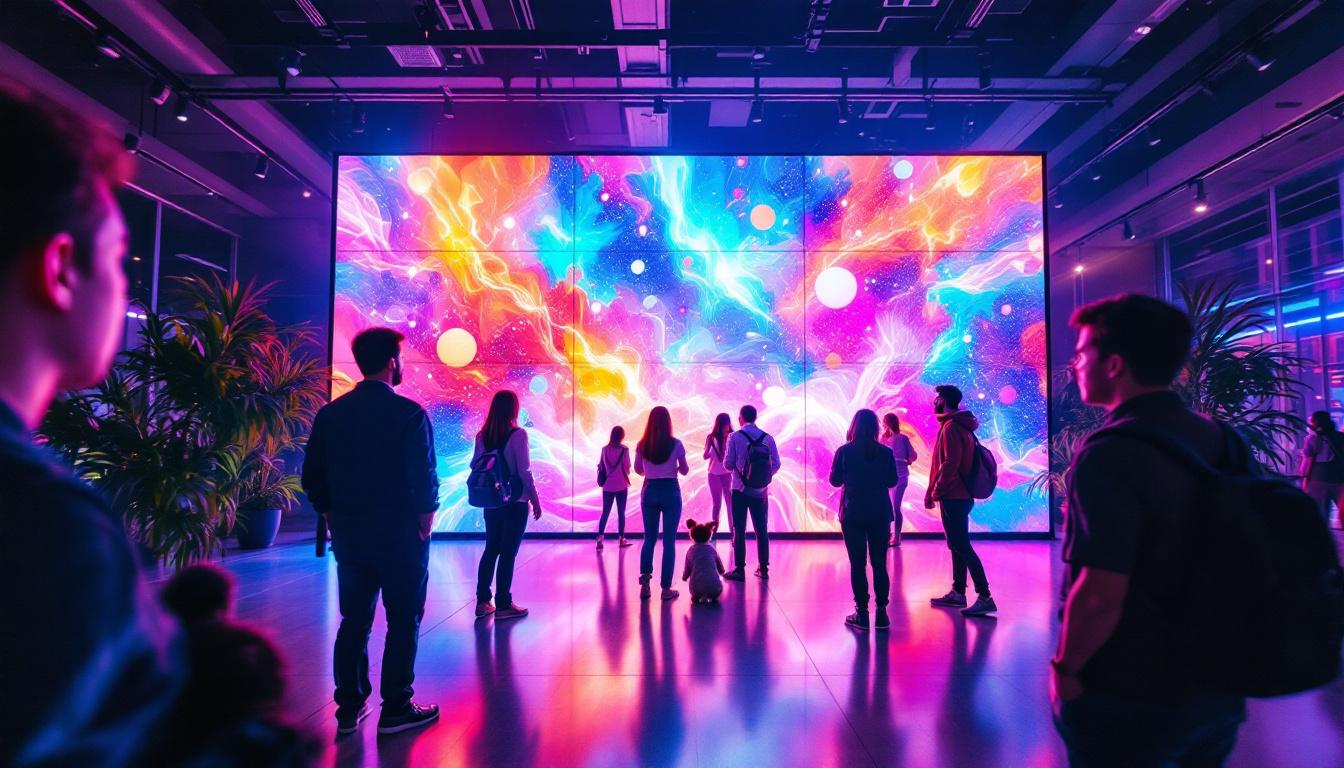
Concerts, sports events, and exhibitions benefit from the flexibility of cloud LED lights. Organizers can dynamically change content to match the event’s progression, display live social media feeds, or provide interactive experiences. The ability to control multiple screens remotely also reduces the complexity of event management.
Smart Cities and Urban Infrastructure
As cities evolve into smart urban environments, cloud LED displays play a key role in disseminating information. From traffic updates and weather alerts to public service announcements, these displays help keep citizens informed and engaged. Integration with IoT devices further enhances their functionality, creating responsive and adaptive public spaces.
Challenges and Considerations
Network Reliability and Security
Since cloud LED displays depend on internet connectivity, network reliability is paramount. Interruptions can lead to outdated or blank screens, which may harm brand reputation or public safety. Implementing redundant network paths and offline fallback modes helps mitigate these risks.
Security is another critical concern. Cloud-connected devices are potential targets for cyberattacks, which could lead to unauthorized content display or data breaches. Employing strong encryption, regular software updates, and multi-factor authentication are essential practices to safeguard these systems.
Cost and Infrastructure Requirements
While cloud LED systems can reduce operational costs over time, initial investment in hardware, network infrastructure, and cloud subscriptions can be significant. Organizations need to carefully assess their budget, expected ROI, and technical capabilities before adopting this technology.
Content Management Complexity
Managing dynamic content across multiple locations requires careful planning and coordination. Without a clear content strategy and trained personnel, the potential benefits of cloud LED displays may not be fully realized. Investing in user training and establishing content guidelines are important steps toward success.
The Future of Cloud LED Lighting
Integration with Artificial Intelligence
Artificial intelligence (AI) is poised to revolutionize cloud LED displays by enabling smarter content delivery. AI algorithms can analyze audience behavior, weather patterns, and social trends to automatically adjust displayed content for maximum impact. For example, an AI-powered system could detect low foot traffic and switch to more attention-grabbing visuals or promotions.
Advancements in Display Technology
Emerging technologies such as microLED and miniLED promise even higher brightness, better color accuracy, and improved energy efficiency. Combining these advancements with cloud connectivity will create displays that are not only visually stunning but also highly adaptable and intelligent.
Environmental Sustainability
As sustainability becomes a priority, cloud LED systems offer opportunities to reduce energy consumption through optimized scheduling and brightness control. Additionally, centralized management reduces the need for physical maintenance visits, lowering the carbon footprint associated with operations.
Conclusion
Cloud LED lights represent a significant evolution in display technology, merging the visual power of LEDs with the flexibility and intelligence of cloud computing. This combination offers unparalleled advantages in terms of remote management, scalability, and real-time content delivery, making it an attractive solution for businesses, public institutions, and event organizers alike.
As the technology continues to mature, integrating AI and advanced display innovations will further enhance the capabilities of cloud LED systems. However, organizations must remain mindful of challenges such as network reliability, security, and content management to fully harness the potential of this transformative technology.
Ultimately, cloud LED lights are not just about brighter and more vibrant displays—they are about smarter, more connected, and more responsive visual communication in an increasingly digital world.
Discover LumenMatrix’s Innovative LED Solutions
Embrace the future of visual communication with LumenMatrix’s advanced LED display technologies. As a pioneer in the industry, LumenMatrix offers an extensive range of solutions tailored to meet your needs, from Indoor and Outdoor LED Wall Displays to specialized options like Vehicle, Sports, and Floor LED Displays. With our commitment to innovation and quality, we provide Custom, All-in-One, and Transparent LED Displays that are designed to captivate your audience and amplify your message. Experience the transformative power of cloud LED lights and take the first step towards a brighter, more engaging visual presence. Check out LumenMatrix LED Display Solutions today and see how we can illuminate your brand’s potential.