In recent years, cloud projector lights have emerged as a popular choice for creating immersive lighting experiences in homes, events, and commercial spaces. These devices use advanced LED display technology to project dynamic, colorful cloud-like visuals onto walls and ceilings, transforming ordinary rooms into captivating environments. This article delves into the technology behind cloud projector lights, focusing on the role of LED displays, their advantages, and practical applications.
Understanding Cloud Projector Lights
What Is a Cloud Projector Light?
A cloud projector light is a type of ambient lighting device designed to simulate the appearance of clouds or nebulae using light projection. Unlike traditional projectors that display images or videos, cloud projectors focus on creating atmospheric effects that enhance mood and aesthetics. These devices often combine LED lights with optical lenses and diffusers to produce soft, flowing patterns that resemble clouds drifting across the sky.
Cloud projector lights have gained traction in home decor, relaxation therapy, and event design due to their ability to transform spaces with minimal setup. They are typically compact, energy-efficient, and easy to operate, making them accessible to a wide range of users. Many models also feature adjustable brightness and color settings, allowing users to customize their experience based on the time of day or the desired ambiance. This versatility makes cloud projectors suitable for various settings, from cozy bedrooms to lively parties, where they can create a dreamy backdrop that captivates guests.
How Cloud Projectors Differ from Traditional Projectors
Traditional projectors are primarily designed to display sharp images or videos on flat surfaces, often requiring a dedicated screen and controlled lighting conditions. In contrast, cloud projector lights prioritize ambient effects over image clarity. They utilize LED technology to create diffuse, colorful light patterns that mimic natural phenomena like clouds, auroras, or star fields.
This distinction means cloud projectors are less about delivering detailed visuals and more about enhancing atmosphere. Their light output is softer and more dispersed, which makes them ideal for relaxation, meditation, or creative environments rather than presentations or movie screenings. Additionally, many cloud projectors come equipped with built-in sound features that can play soothing music or nature sounds, further enriching the sensory experience. This combination of light and sound can transport users to serene landscapes, making them a popular choice for wellness spaces, spas, and even children’s rooms, where they can help foster a calming environment conducive to sleep or play.
The Role of LED Displays in Cloud Projector Lights
What Are LED Displays?
LED (Light Emitting Diode) displays are screens composed of numerous tiny LEDs that emit light when electrically stimulated. These displays are widely used in various applications, from smartphones and televisions to large-scale advertising billboards. Their advantages include high brightness, energy efficiency, long lifespan, and the ability to produce vivid colors.
In the context of cloud projector lights, LED technology is adapted to create dynamic lighting effects rather than traditional screen images. The LEDs can be programmed to change color, intensity, and pattern, allowing for customizable and animated cloud-like visuals.
Types of LEDs Used in Cloud Projectors
Cloud projector lights typically utilize RGB (Red, Green, Blue) LEDs, which can combine these three primary colors to produce a broad spectrum of colors. Some advanced models incorporate additional LEDs such as white or amber to enhance color accuracy and brightness.
The quality and arrangement of LEDs directly impact the projector’s performance. High-density LED arrays enable smoother gradients and more complex patterns, while individually addressable LEDs allow for precise control over each light point, creating intricate animations.
LED Display Technologies Enhancing Cloud Projection
Several LED display technologies contribute to the effectiveness of cloud projector lights:
- Diffuse LED Panels: These panels scatter light evenly to create soft, uniform illumination, essential for mimicking the gentle appearance of clouds.
- Programmable LED Arrays: Using microcontrollers, these arrays can produce dynamic patterns that simulate cloud movement and color shifts.
- Optical Diffusers and Lenses: These components work alongside LEDs to blur and spread light, enhancing the realism of the projected clouds.
Advantages of Using LED-Based Cloud Projector Lights
Energy Efficiency and Longevity
One of the key benefits of LED technology is its energy efficiency. LEDs consume significantly less power compared to traditional incandescent or fluorescent bulbs, making cloud projector lights economical to run for extended periods. This efficiency is particularly important for users who want to create ambient lighting for relaxation or events without incurring high electricity costs.
Additionally, LEDs have a long operational lifespan, often exceeding 25,000 to 50,000 hours. This durability reduces the need for frequent replacements, contributing to lower maintenance costs and environmental impact.
Customizable and Dynamic Lighting Effects
LEDs can be precisely controlled to produce a wide range of colors and patterns. Cloud projector lights leverage this capability to offer customizable settings, including color schemes, brightness levels, and animation speeds. Some models even allow users to sync lighting effects with music or other environmental inputs, enhancing interactivity.
This versatility makes LED-based cloud projectors suitable for various applications, from calming bedroom atmospheres to vibrant party backdrops. The ability to tailor lighting effects to specific moods or themes is a significant advantage over static lighting solutions.
Compact and Portable Design
LED technology’s small size and low heat emission enable manufacturers to design compact cloud projector lights that are easy to transport and install. Many devices are lightweight and battery-powered, allowing users to create immersive environments anywhere—from home offices to outdoor gatherings.
Applications and Use Cases of Cloud Projector Lights
Home Decor and Relaxation
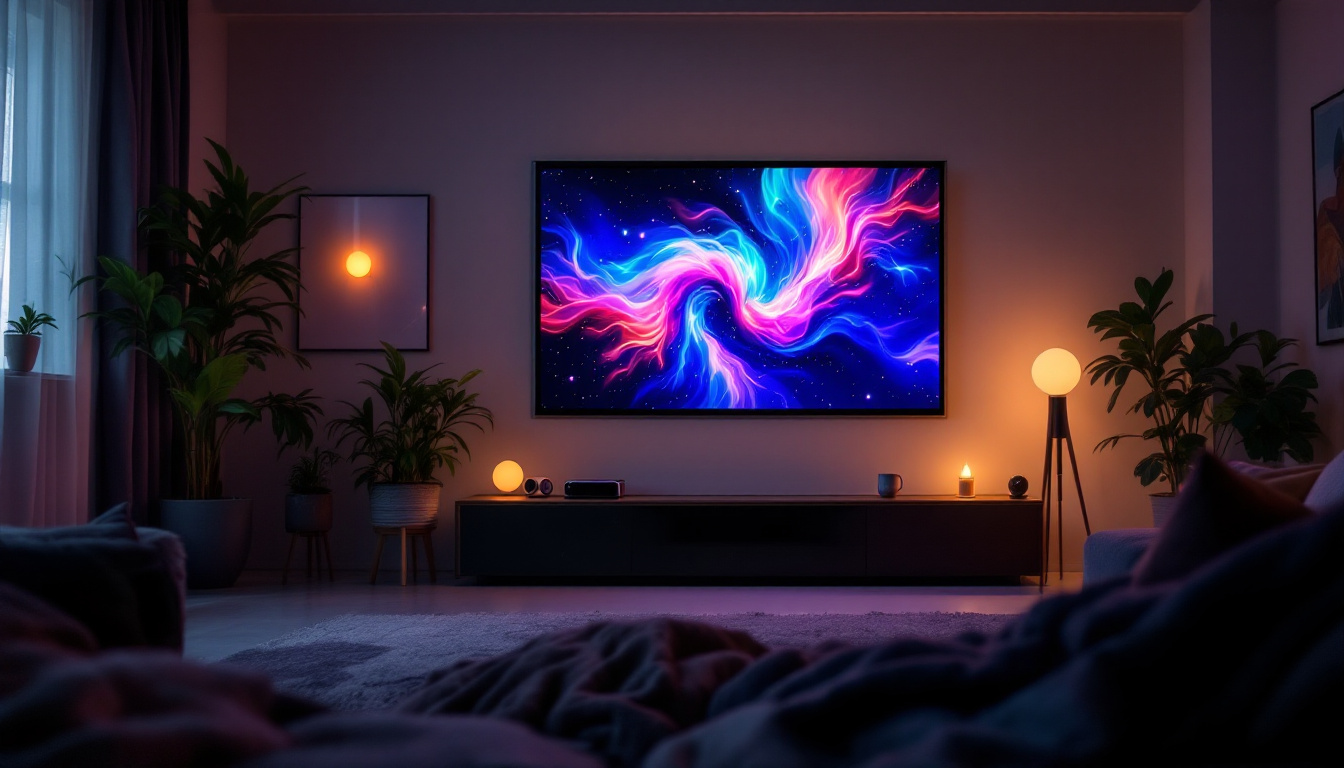
Cloud projector lights have become popular tools for enhancing home interiors. By projecting soothing cloud patterns onto ceilings or walls, they create a serene environment conducive to relaxation and stress relief. This effect is particularly beneficial in bedrooms, meditation spaces, or living rooms where ambiance plays a critical role in comfort.
Research in environmental psychology suggests that exposure to naturalistic lighting and visuals can improve mood and reduce anxiety. Cloud projector lights simulate natural skies, offering an accessible way to bring elements of nature indoors.
Event and Entertainment Lighting
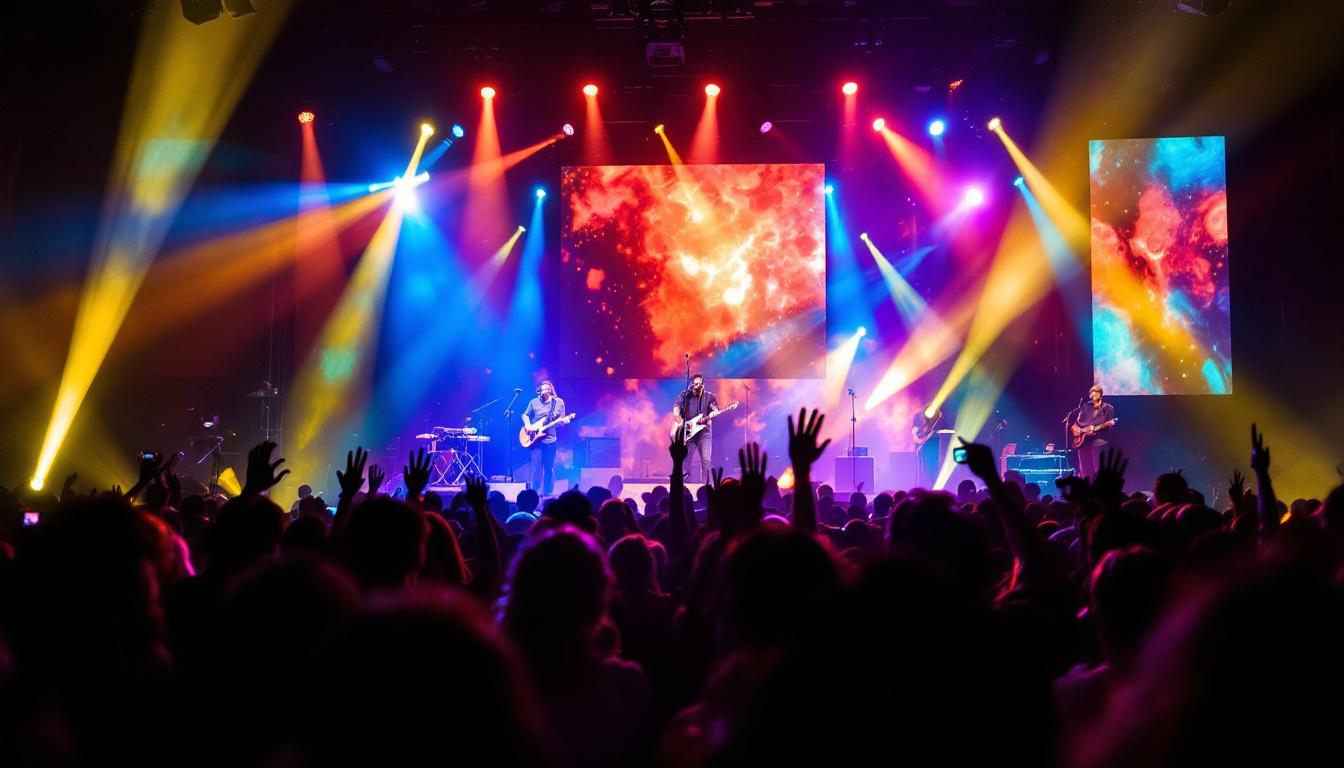
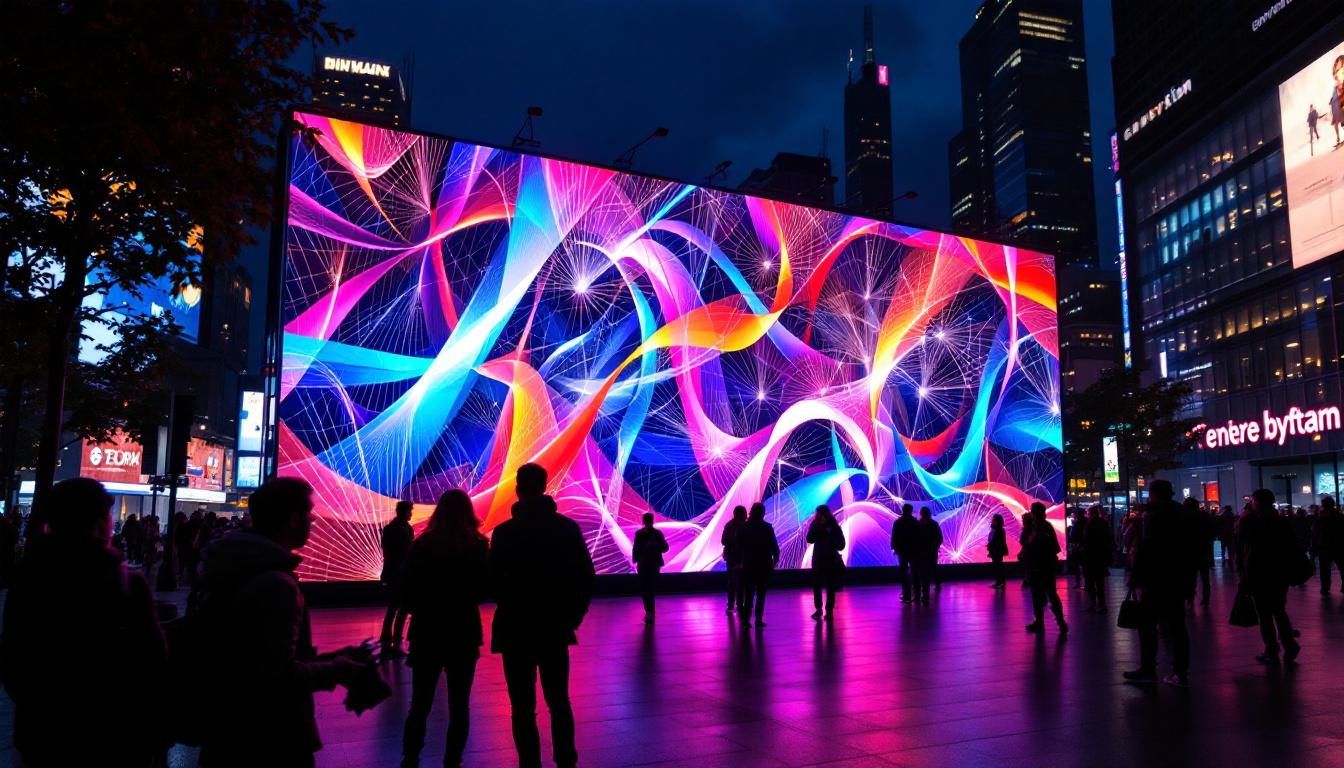
In event planning and entertainment, cloud projector lights serve as dynamic stage or venue lighting solutions. Their ability to produce colorful, moving patterns adds visual interest without overwhelming other elements like performances or decorations.
For example, wedding receptions, concerts, and art exhibitions often use cloud projectors to create immersive atmospheres that enhance guest experience. The flexibility of LED controls allows event organizers to synchronize lighting with music or thematic elements, elevating the overall production quality.
Commercial and Therapeutic Environments
Beyond aesthetics, cloud projector lights find applications in commercial and therapeutic settings. Spas, wellness centers, and healthcare facilities use these devices to promote relaxation and reduce patient stress. The calming light effects can complement other therapeutic modalities such as massage or aromatherapy.
Retail spaces and restaurants also employ cloud projectors to craft unique ambiances that attract customers and encourage longer visits. The subtle, ever-changing visuals can make environments feel more inviting and memorable.
Choosing the Right Cloud Projector Light
Key Features to Consider
When selecting a cloud projector light, several factors should be evaluated to ensure it meets specific needs:
- Brightness and Coverage Area: Consider the size of the space and desired intensity. Higher lumen output is necessary for larger or well-lit rooms.
- Color and Pattern Options: Look for devices offering a wide color range and customizable animations to suit different moods and occasions.
- Control Interface: Ease of use is important. Options include remote controls, smartphone apps, and voice commands.
- Power Source: Battery-powered models offer portability, while plug-in units may provide longer continuous use.
- Build Quality and Safety: Durable materials and certifications (such as CE or UL) ensure safe operation and longevity.
Popular Brands and Innovations
The market for cloud projector lights has expanded, with numerous brands offering innovative features such as AI-driven light patterns, integration with smart home ecosystems, and enhanced optical designs for more realistic effects. Consumers are advised to review product specifications and user feedback to identify models that balance performance, reliability, and price.
Future Trends in Cloud Projector Light Technology
Advancements in LED and Optical Technologies
Ongoing developments in LED efficiency, miniaturization, and color rendering promise even more realistic and energy-efficient cloud projectors. Emerging technologies such as micro-LEDs could enable higher resolution and more detailed light patterns, enhancing the immersive quality of projections.
Optical engineering is also advancing, with new diffuser materials and lens designs improving light distribution and reducing glare. These improvements will allow cloud projectors to more closely mimic natural cloud formations and atmospheric phenomena.
Integration with Smart Home and IoT
As smart home technology becomes ubiquitous, cloud projector lights are increasingly integrated into Internet of Things (IoT) ecosystems. This integration allows users to automate lighting schedules, synchronize with other smart devices, and control projectors via voice assistants such as Amazon Alexa or Google Assistant.
Future cloud projectors may incorporate environmental sensors to adjust lighting based on room conditions, time of day, or user mood, creating truly adaptive ambient lighting experiences.
Conclusion
Cloud projector lights represent a fascinating intersection of LED display technology and creative lighting design. By leveraging the versatility and efficiency of LEDs, these devices offer dynamic, customizable ambient lighting that enhances a variety of environments—from cozy homes to vibrant events and therapeutic spaces.
Understanding the technology behind cloud projector lights, including the types of LEDs used and the optical components involved, empowers consumers to make informed choices tailored to their needs. As LED and smart technologies continue to evolve, cloud projector lights are poised to become even more immersive, energy-efficient, and integrated into everyday life.
Whether seeking relaxation, aesthetic enhancement, or innovative event lighting, cloud projector lights provide a compelling solution that combines technology and artistry in illuminating ways.
Illuminate Your Space with LumenMatrix
Ready to elevate your environment with the latest in LED display technology? Discover the transformative power of LumenMatrix’s innovative solutions. From creating serene atmospheres in your home to adding a dynamic flair to events, our extensive range of LED display modules is designed to captivate and inspire. Embrace the future of visual communication and check out LumenMatrix LED Display Solutions today to bring your creative visions to life.