In the rapidly evolving world of display technology, LED displays have become a cornerstone for everything from advertising billboards to indoor video walls. Among the various types of LEDs used in these displays, COB (Chip on Board) and SMD (Surface Mounted Device) LEDs are two of the most prominent. Understanding the differences between COB and SMD LED technologies is crucial for businesses, designers, and consumers looking to invest in high-quality LED displays that meet their specific needs.
Understanding LED Display Technology
LED displays rely on light-emitting diodes (LEDs) to produce bright, vibrant images. The technology behind these LEDs varies, influencing factors such as brightness, resolution, durability, and cost. Before diving into the comparison between COB and SMD, it’s important to grasp the basics of LED display construction.
At the core, an LED display consists of numerous tiny LEDs arranged in a grid. Each LED acts as a pixel or part of a pixel, emitting colored light to create images and videos. The quality of the display depends on how these LEDs are packaged, mounted, and controlled. The advancements in LED technology have led to displays that not only provide stunning visuals but also consume less power, making them an environmentally friendly choice for many applications.
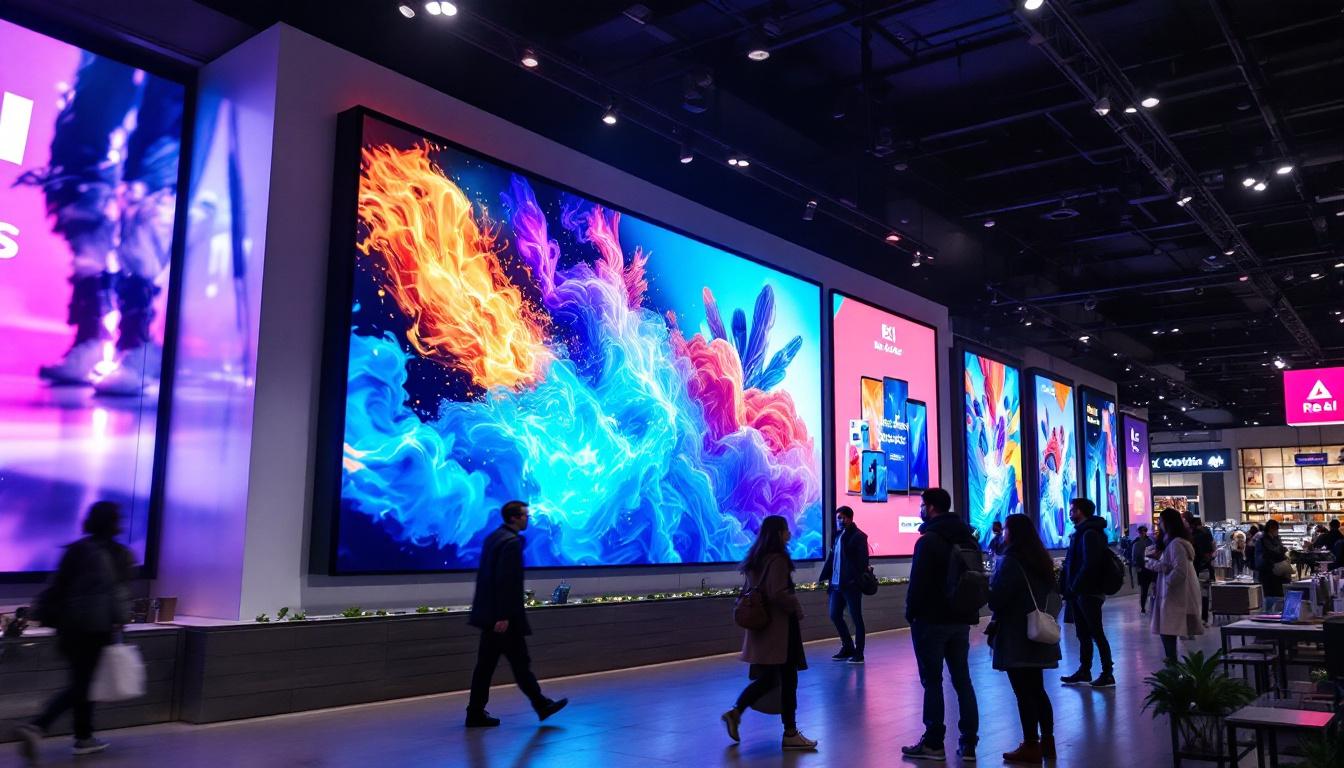
Furthermore, the versatility of LED displays has allowed them to be utilized in a variety of settings, from large-scale outdoor billboards to intimate indoor environments such as theaters and conference rooms. The ability to customize the size and shape of LED panels means that they can fit into almost any architectural design, enhancing both functionality and aesthetics.
What is SMD LED?
SMD LED stands for Surface Mounted Device LED. In this technology, individual LED chips (typically red, green, and blue) are mounted directly onto the surface of a circuit board. These tiny chips are encapsulated in a small package that protects them and helps distribute light evenly.
SMD LEDs are widely used in both indoor and outdoor displays due to their versatility. They offer high brightness levels, excellent color accuracy, and the ability to create fine pixel pitches, which translates to high-resolution images. This capability makes SMD technology particularly popular in applications such as video walls, digital signage, and even in consumer electronics like televisions and smartphones, where clarity and detail are paramount.
Moreover, SMD LEDs are known for their ease of installation and maintenance. The compact nature of SMD technology allows for lightweight panels that can be easily mounted and replaced, reducing downtime in commercial settings. As a result, businesses can enjoy uninterrupted service while maintaining the visual appeal of their displays.
What is COB LED?
COB LED, or Chip on Board LED, is a newer packaging technology where multiple LED chips are mounted directly onto a substrate to form a single module. Instead of individual LEDs being packaged separately, COB integrates many chips closely together, creating a single large light-emitting surface.
This design allows COB LEDs to produce an extremely uniform and intense light output with fewer gaps between light sources. The technology is gaining traction for applications requiring high brightness and durability, such as outdoor signage and industrial lighting. The seamless appearance of COB displays also enhances the viewer’s experience, as it minimizes the distracting lines often seen in traditional LED setups.
Additionally, COB technology is often more efficient in terms of thermal management. The close proximity of the chips allows for better heat dissipation, which can prolong the lifespan of the LEDs and reduce the need for extensive cooling systems. This efficiency not only contributes to lower operational costs but also makes COB LEDs an attractive option for long-term installations in challenging environments, where reliability is crucial.
Key Differences Between COB and SMD LED Displays
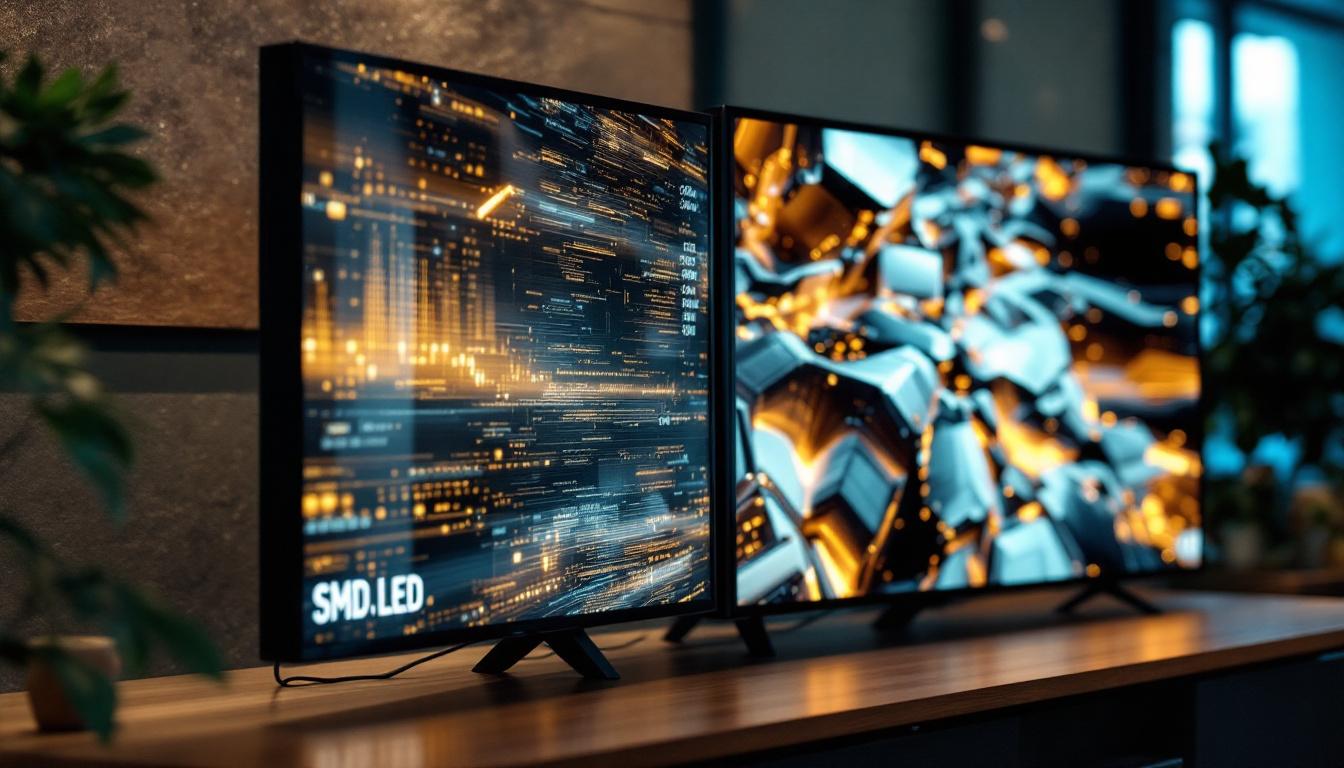
When comparing COB and SMD LED displays, several factors come into play, including brightness, resolution, durability, and cost. Each technology has its strengths and limitations, making them suitable for different applications.
Brightness and Light Uniformity
COB LEDs are known for their superior brightness and uniform light output. Because multiple LED chips are packed closely together on a single substrate, the light emitted is more consistent and smooth, with minimal visible gaps or “pixelation.” This makes COB ideal for large outdoor displays where visibility from a distance is critical. Their ability to maintain brightness over a wide viewing angle also enhances their effectiveness in public spaces, ensuring that the display is legible and vibrant from various perspectives.
On the other hand, SMD LEDs, while bright, have individual LED packages that can sometimes create a slightly less uniform light distribution. However, advances in SMD technology have significantly narrowed this gap, and high-quality SMD displays can deliver excellent brightness and uniformity. Additionally, SMD displays can be engineered to emit specific colors more accurately, making them suitable for applications that require precise color representation, such as digital signage in retail environments.
Resolution and Pixel Pitch
SMD LED displays excel in achieving fine pixel pitches, which means the LEDs can be placed very close together. This capability allows for high-resolution displays that are perfect for indoor applications where viewers are close to the screen, such as conference rooms, retail stores, and control centers. The flexibility in pixel pitch also enables designers to create visually stunning displays that can captivate audiences, making them ideal for advertising and promotional events.
COB LEDs generally have larger pixel pitches due to the nature of their packaging, which can limit resolution. While they produce bright and uniform images, they are less suited for applications requiring extremely high detail at close viewing distances. However, the trade-off in pixel density can be mitigated by their exceptional brightness and durability, making them a preferred choice for large-scale outdoor events, concerts, and sports arenas where the audience is typically far from the display.
Durability and Maintenance
COB LEDs offer enhanced durability because the chips are encapsulated in a protective layer, making them more resistant to moisture, dust, and physical damage. This ruggedness reduces the need for frequent maintenance and increases the lifespan of outdoor displays exposed to harsh environments. Furthermore, the encapsulation helps in heat dissipation, allowing COB displays to operate efficiently even in high-temperature conditions, which is crucial for outdoor installations.
SMD LEDs, while durable, have exposed individual packages that can be more susceptible to damage or contamination. However, proper sealing and protective coatings can mitigate these risks, especially in indoor settings. The modular nature of SMD technology also allows for easier repairs; if a single LED fails, it can often be replaced without needing to replace the entire display, making maintenance more manageable and cost-effective in the long run.
Cost Considerations
Generally, COB LED displays tend to be more expensive upfront due to their advanced packaging and manufacturing processes. The higher initial investment can be justified by lower maintenance costs and longer lifespan, particularly for outdoor use. Additionally, the energy efficiency of COB technology can lead to significant savings on electricity bills over time, further offsetting the initial costs.
SMD LED displays are often more cost-effective, especially for indoor applications where the environmental stresses are lower. Their widespread adoption has driven down prices, making them accessible for a broad range of projects. Moreover, the versatility of SMD technology allows for a variety of configurations and sizes, enabling businesses to tailor their displays to specific needs without overspending. This adaptability has made SMD displays a popular choice for both small businesses and large corporations looking to maximize their advertising impact while staying within budget.
Applications: When to Choose COB or SMD LED Displays
Choosing between COB and SMD LED displays depends largely on the specific requirements of the project, including viewing distance, environment, and budget.
Ideal Uses for COB LED Displays
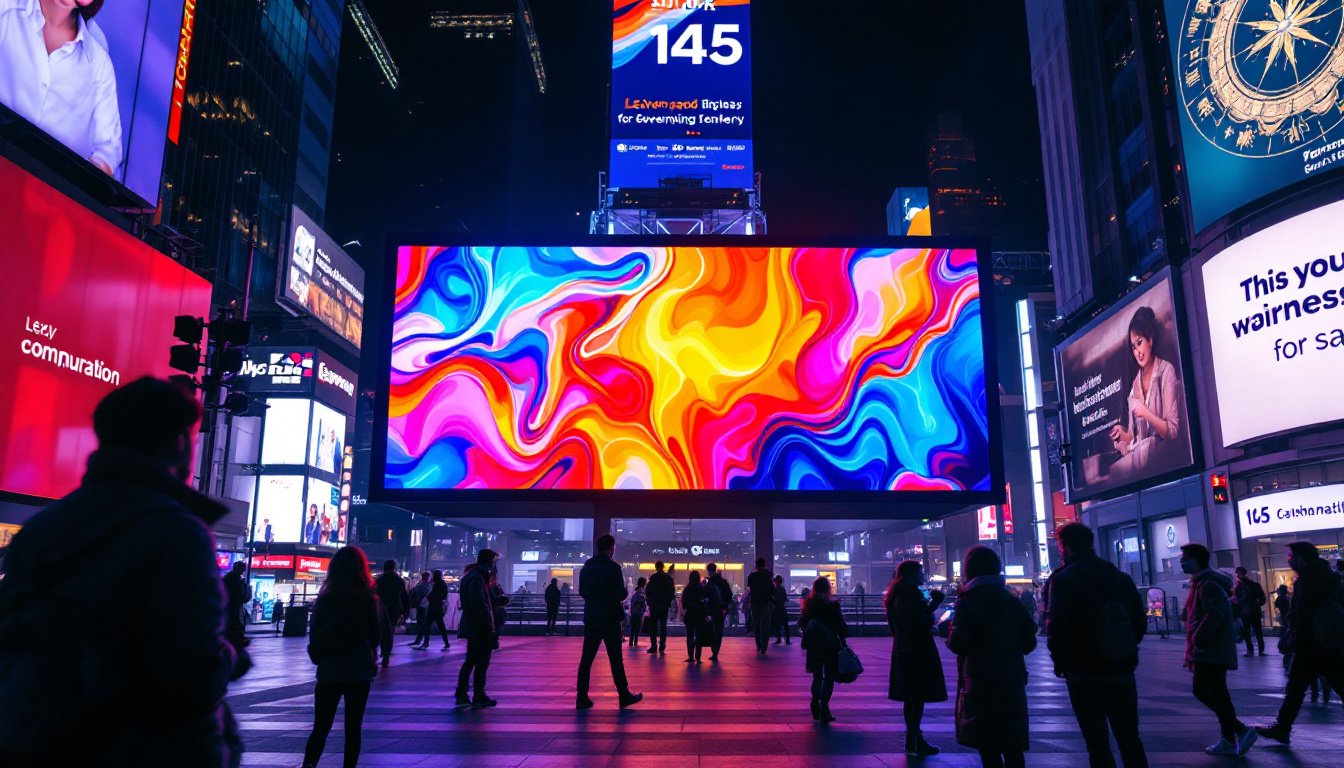
COB LEDs are particularly well-suited for outdoor advertising billboards, stadium screens, and industrial signage. Their high brightness and uniform light output ensure visibility even in direct sunlight, while their durability withstands weather extremes.
Additionally, COB technology is gaining popularity in architectural lighting and large-scale digital murals where seamless light diffusion is essential for aesthetic impact.
Ideal Uses for SMD LED Displays
SMD LED displays are the preferred choice for indoor environments requiring high resolution and color accuracy. Examples include retail digital signage, corporate video walls, broadcast studios, and event backdrops.
The ability to achieve fine pixel pitches makes SMD ideal for applications where viewers are close to the screen, ensuring crisp and detailed images.
Emerging Trends and Future Outlook
The LED display industry continues to innovate, blending the advantages of COB and SMD technologies while addressing their limitations.
Hybrid Solutions
Manufacturers are exploring hybrid LED modules that combine COB and SMD elements to optimize brightness, resolution, and durability. These hybrid displays aim to provide the best of both worlds, catering to diverse application needs.
Mini-LED and Micro-LED Technologies
Beyond COB and SMD, newer technologies such as Mini-LED and Micro-LED are pushing the boundaries of display performance. These innovations offer even finer pixel pitches, higher brightness, and improved energy efficiency, promising to revolutionize the market in the coming years.
Sustainability and Energy Efficiency
With growing emphasis on environmental responsibility, LED display manufacturers are focusing on energy-efficient designs and recyclable materials. Both COB and SMD technologies are evolving to reduce power consumption without compromising performance.
Conclusion: Making the Right Choice for Your LED Display
Understanding the differences between COB and SMD LED technologies is essential for selecting the right LED display solution. COB LEDs offer unmatched brightness and durability, making them ideal for outdoor and industrial applications. SMD LEDs provide superior resolution and color accuracy, perfect for indoor environments where image detail matters most.
Ultimately, the decision should be guided by the specific use case, viewing conditions, and budget considerations. As LED technology advances, staying informed about the latest developments will ensure that investments in LED displays deliver maximum value and visual impact.
Explore Cutting-Edge LED Displays with LumenMatrix
Ready to elevate your visual communication with the latest in LED display technology? LumenMatrix is at the forefront of innovation, offering a diverse range of LED display solutions tailored to your needs. From captivating Indoor LED Wall Displays to robust Outdoor LED Wall Displays, and from dynamic Vehicle LED Displays to sleek LED Poster Displays, our products are designed to make your brand shine. Discover the perfect LED Sports Display, interactive Floor LED Display, or Custom LED Display to engage your audience. Experience the future of digital signage with our All-in-One LED Display and LED Transparent Display options. Take the first step towards transforming your visual presence by visiting LumenMatrix LED Display Solutions and find the ideal display that speaks volumes for your business.