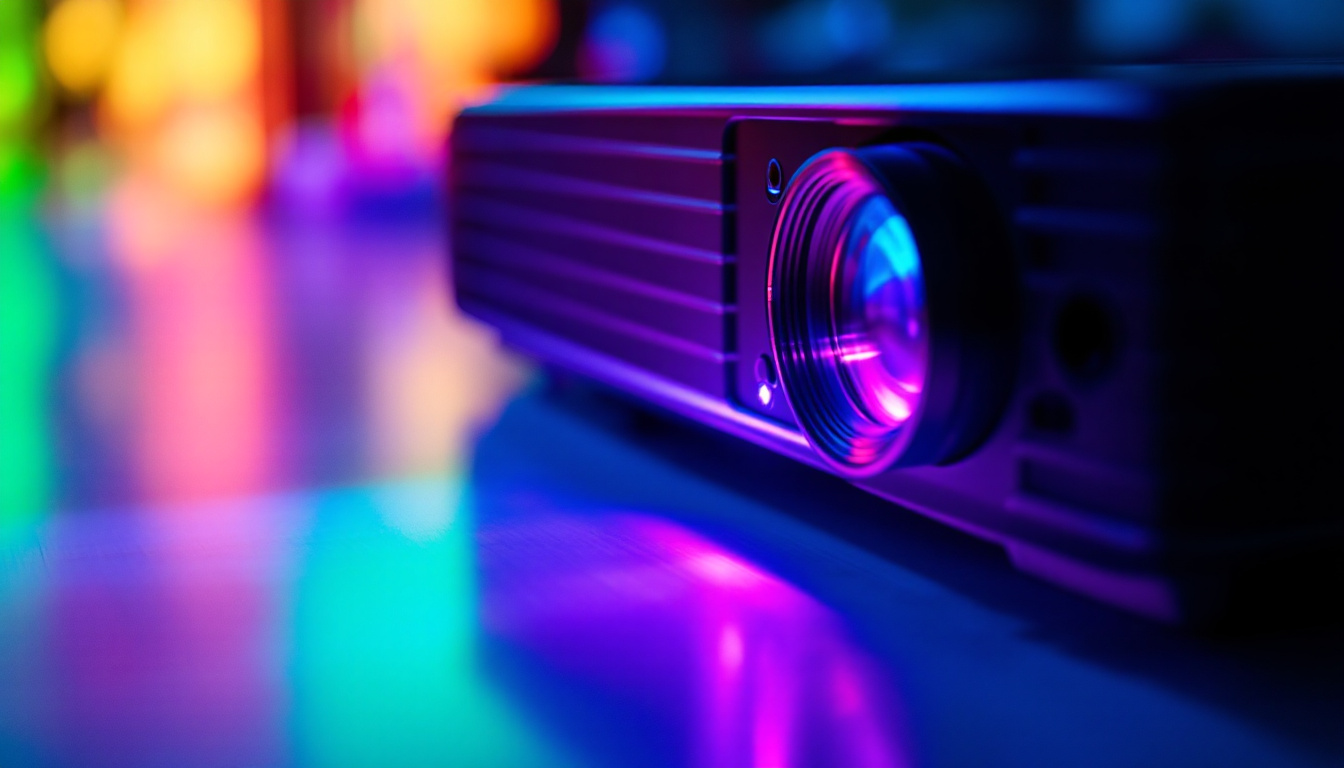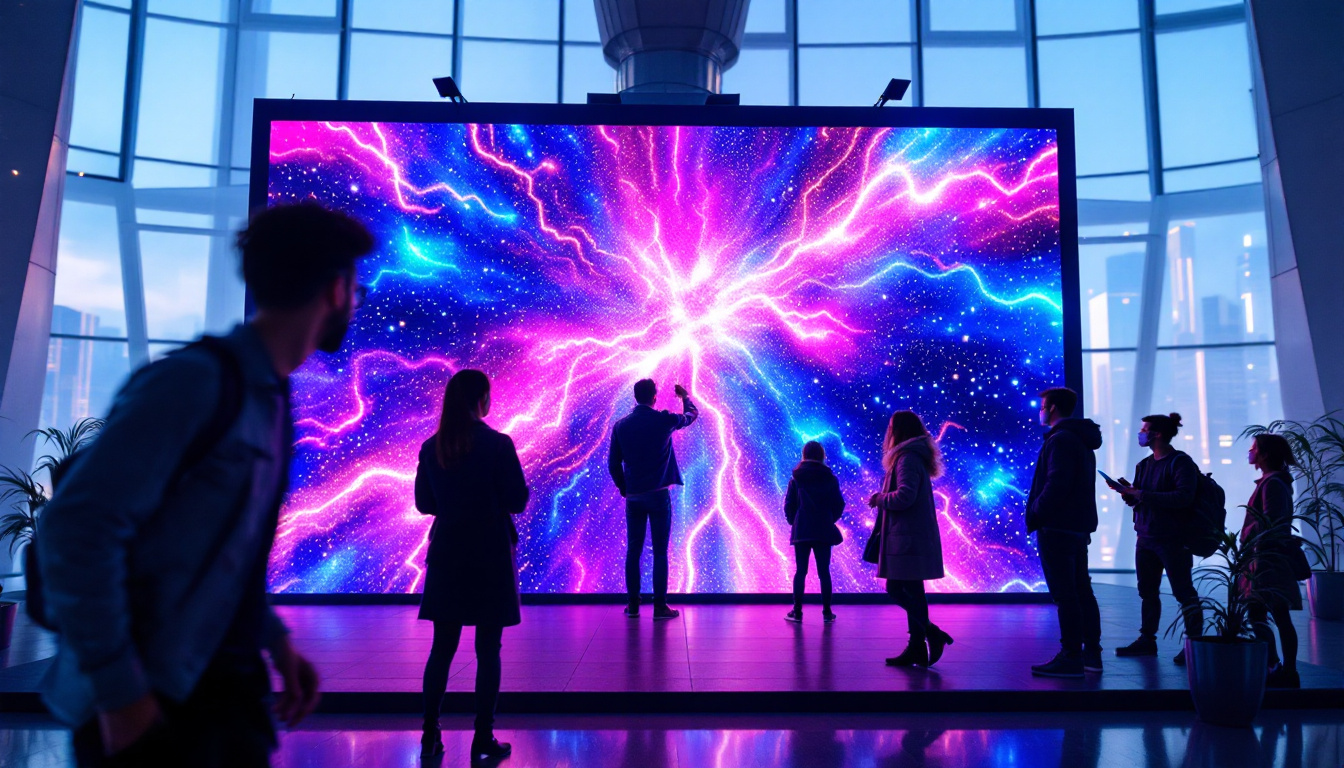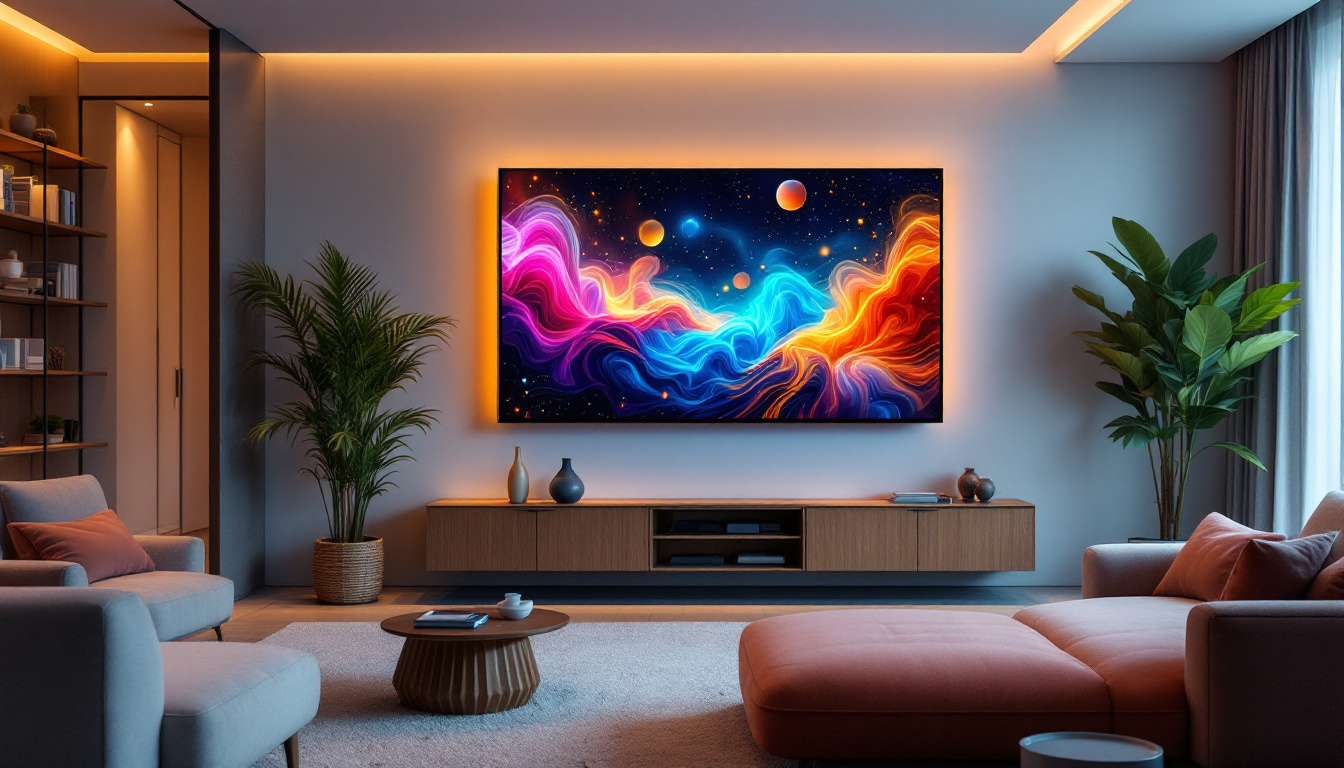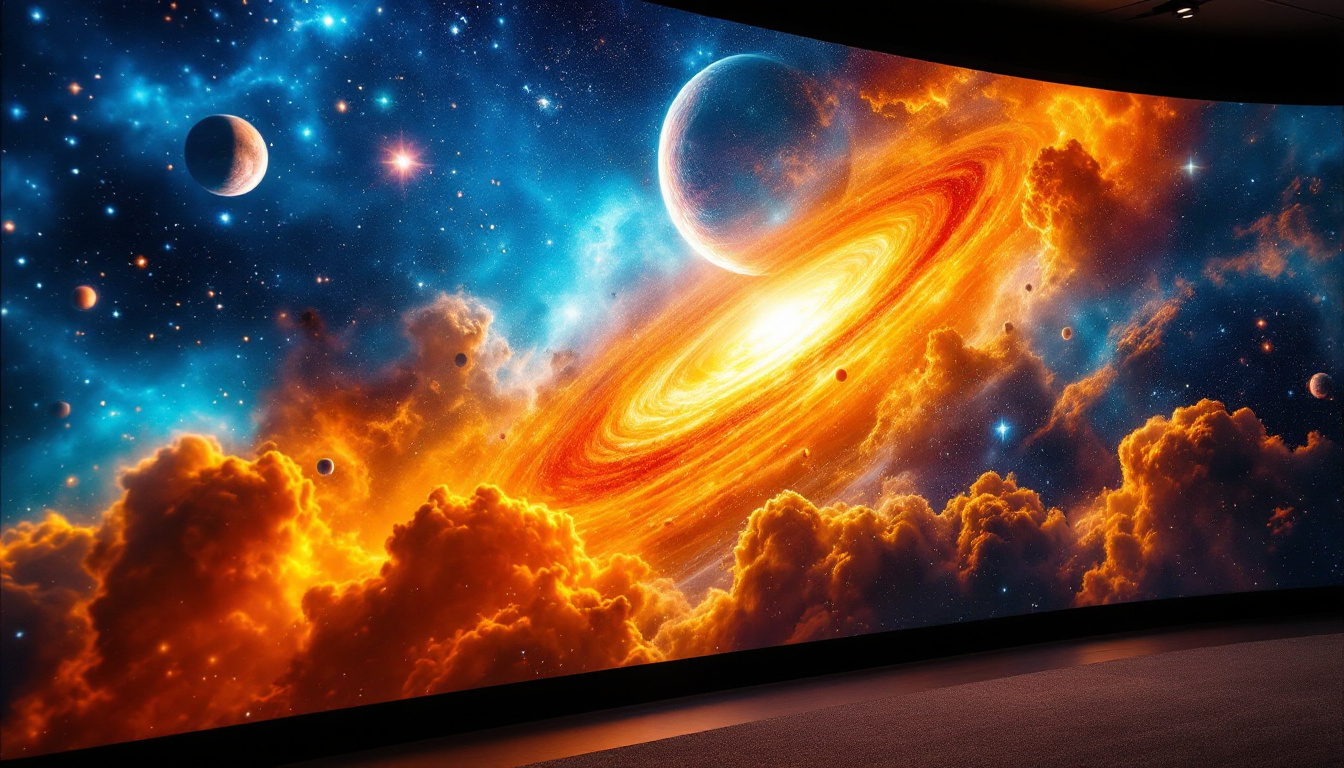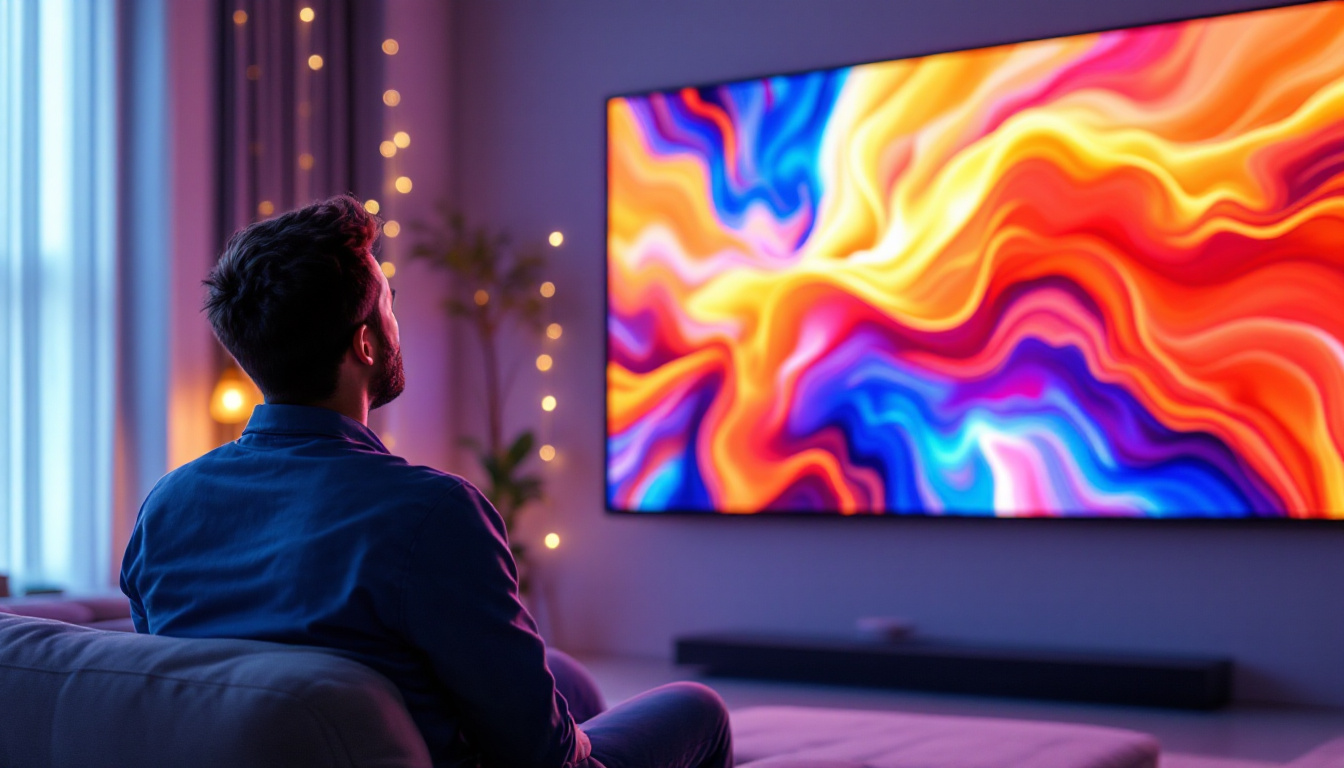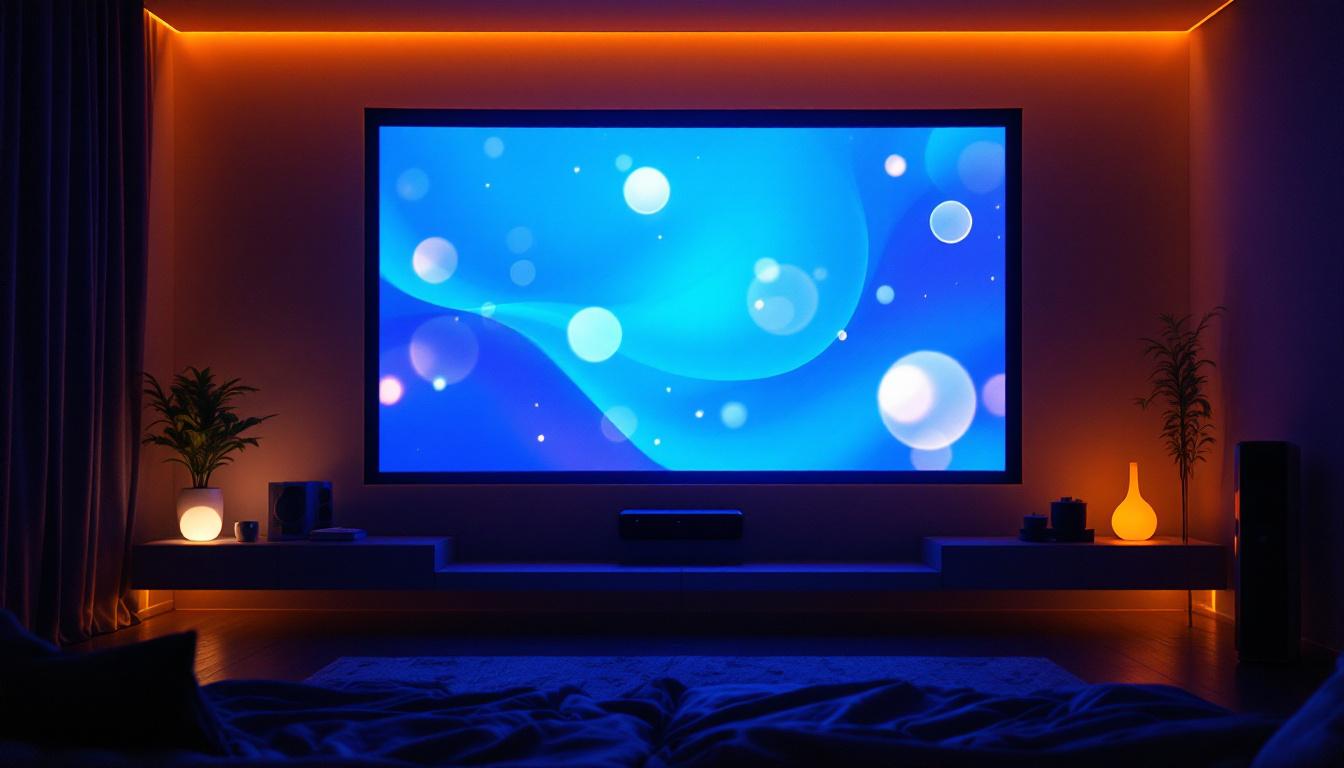
In the rapidly evolving world of cinematic technology, the traditional movie projector is undergoing a significant transformation. LED display technology, once primarily associated with consumer electronics and outdoor advertising, is now making substantial inroads into commercial movie projection. This article explores the fundamentals of LED displays in commercial movie projectors, their advantages over conventional projection systems, and the impact they are having on the movie theater industry.
Understanding LED Display Technology in Commercial Projectors
What is an LED Display?
LED, or Light Emitting Diode, displays consist of numerous tiny diodes that emit light when an electric current passes through them. Unlike traditional projection systems that rely on lamps and lenses to project an image onto a screen, LED displays create images directly by illuminating these diodes in precise patterns and colors.
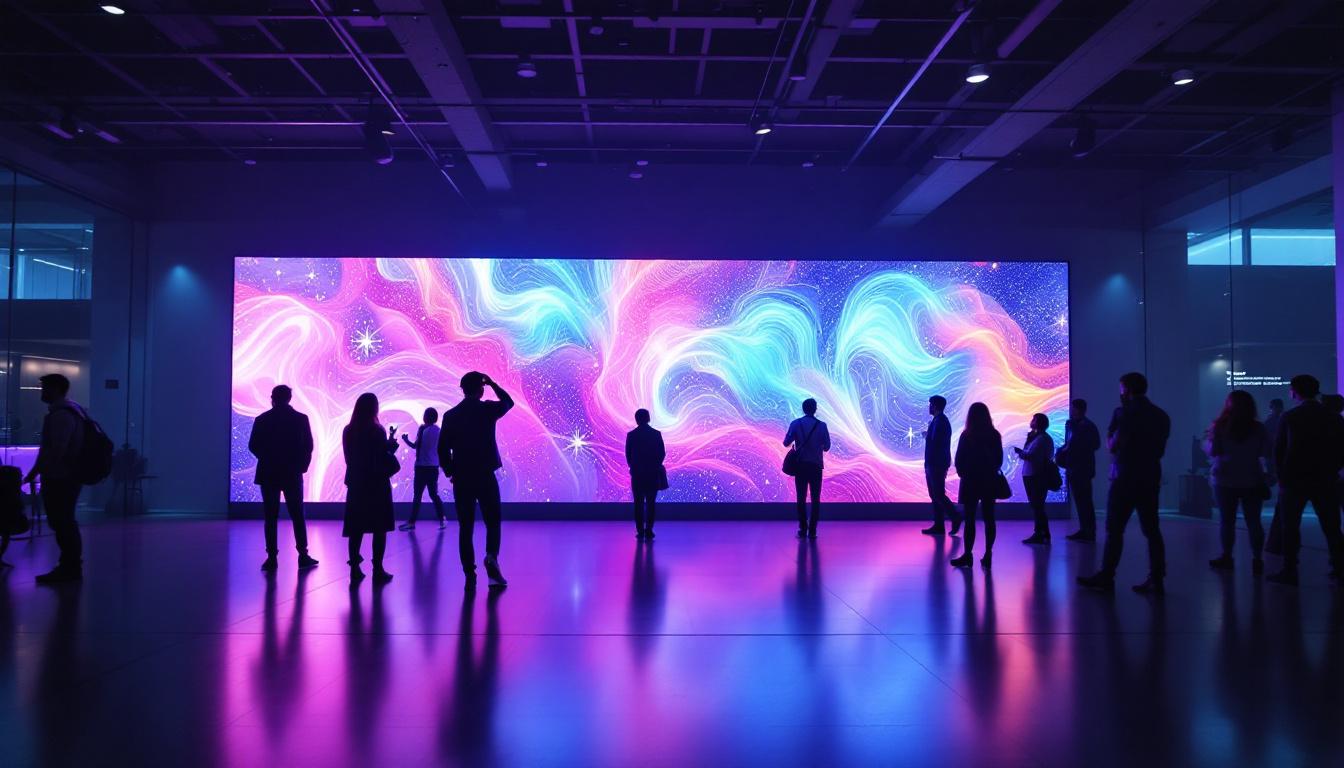
In commercial movie projectors, LED technology is used either as a direct display surface or as a light source for projection. The most cutting-edge systems employ large-scale LED panels that serve as the screen itself, eliminating the need for a separate projection surface. This approach is often referred to as LED cinema or direct-view LED cinema. These systems not only enhance the viewing experience but also allow for greater flexibility in installation and design, making them ideal for a variety of commercial settings, from theaters to corporate presentations.
Furthermore, the modular nature of LED displays allows for seamless integration into various environments. For instance, they can be configured to fit unconventional spaces, creating immersive experiences that traditional projectors cannot achieve. This adaptability has led to a surge in their popularity, as businesses seek innovative ways to engage audiences through visually stunning presentations.
How LED Displays Differ from Traditional Projection
Traditional movie projectors typically use a high-intensity lamp to shine light through a film or digital image, which is then magnified and projected onto a large screen. These systems often rely on Xenon or laser lamps, which have limitations in brightness, lifespan, and energy efficiency.
In contrast, LED displays generate light at the pixel level, offering precise control over brightness and color. This means that LED cinema screens can produce deeper blacks, more vibrant colors, and consistent brightness across the entire display surface. Additionally, because LED displays are self-illuminating, they do not suffer from issues like lamp degradation or the need for frequent replacements. This results in lower maintenance costs and less downtime, which is crucial for businesses that rely on continuous operation.
Moreover, the energy efficiency of LED technology is a significant advantage. Compared to traditional projection systems, LED displays consume less power, contributing to a reduced carbon footprint. This eco-friendly aspect is increasingly important in today’s market, where sustainability is a key consideration for many companies. As a result, businesses are not only investing in better technology but are also making choices that align with their commitment to environmental responsibility.
Advantages of LED Displays in Commercial Movie Projection
Superior Image Quality and Color Accuracy
One of the most compelling reasons for adopting LED display technology in commercial movie projectors is the dramatic improvement in image quality. LED displays can achieve a wider color gamut and higher contrast ratios than traditional projectors. This results in images that are more vivid, lifelike, and immersive.
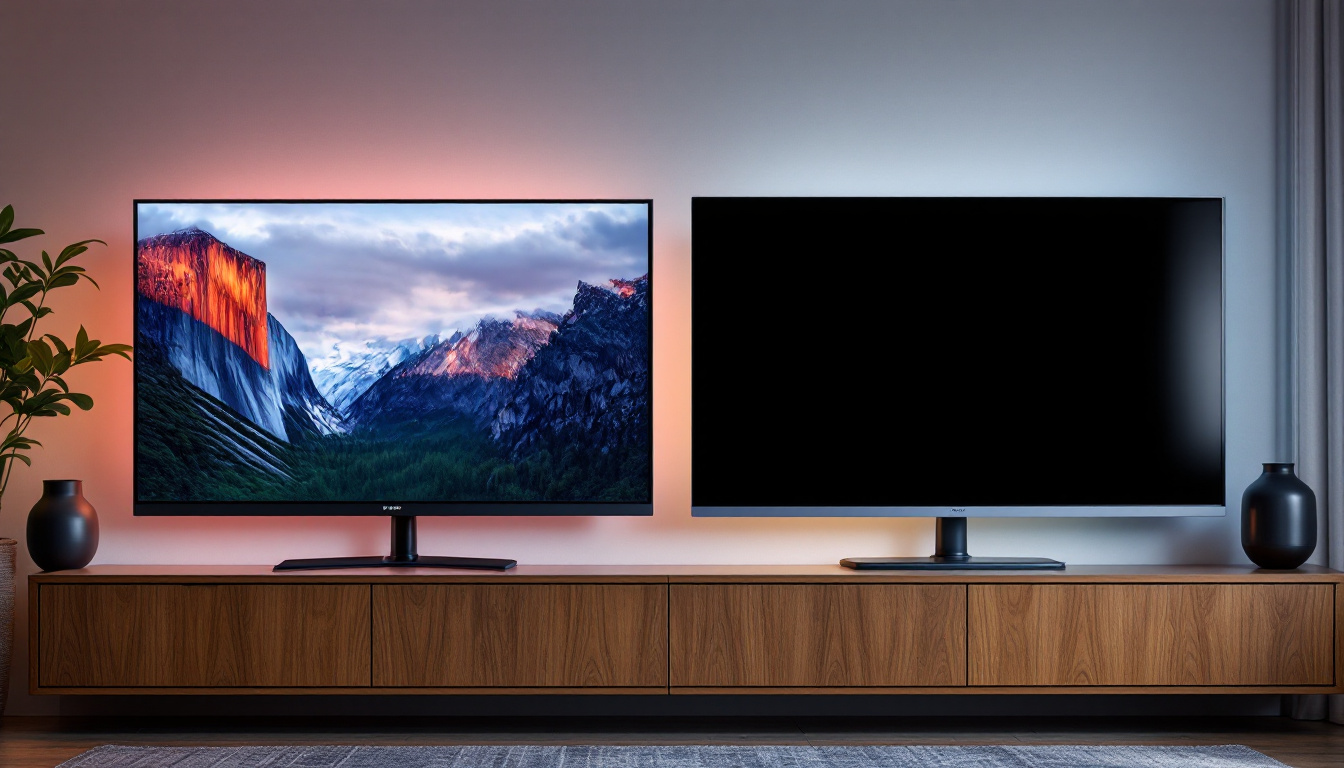
For example, LED cinema screens can display true blacks by simply turning off individual diodes in dark areas of the image, something that is impossible with lamp-based projectors that rely on reflected light. This capability enhances the overall viewing experience by providing greater depth and detail, especially in scenes with high contrast. Additionally, the rapid response time of LED technology allows for smoother transitions and more fluid motion, which is particularly beneficial for action-packed films or fast-paced sequences. The result is a cinematic experience that captivates audiences, drawing them deeper into the story being told on screen.
Longevity and Reduced Maintenance Costs
LEDs are known for their long operational lifespans, often exceeding 50,000 hours of use. This longevity translates into significantly reduced maintenance costs for theaters, as there is no need for frequent lamp replacements or recalibration. Traditional Xenon lamps, by comparison, typically last around 1,000 to 2,000 hours and require costly replacements.
Moreover, LED systems are less prone to mechanical failures since they have fewer moving parts. This reliability ensures consistent performance and reduces downtime, which is crucial for commercial movie theaters aiming to maximize showtimes and revenue. The reduced need for maintenance also allows theater operators to allocate resources more efficiently, focusing on enhancing customer experience rather than dealing with technical issues. Furthermore, the stability of LED technology means that theaters can maintain a consistent brightness level throughout the lifespan of the display, ensuring that every screening meets the high standards expected by audiences.
Energy Efficiency and Environmental Impact
Energy consumption is a critical consideration for commercial theaters, both from a cost and environmental perspective. LED displays consume significantly less power than traditional lamp-based projectors. For instance, an LED cinema screen can use up to 50% less energy while delivering equal or superior brightness levels.
This reduction in energy usage not only lowers operational costs but also aligns with growing industry efforts to reduce carbon footprints. As sustainability becomes a priority for many businesses, LED cinema technology offers a greener alternative that supports environmental responsibility without compromising on performance. Additionally, many LED systems are designed to be recyclable, further minimizing their environmental impact. The ability to reduce waste and energy consumption resonates with eco-conscious consumers, potentially attracting a demographic that values sustainability in their entertainment choices. As theaters adopt these technologies, they not only enhance their operational efficiency but also contribute positively to the global movement towards a more sustainable future.
Applications and Industry Adoption of LED Cinema Displays
Leading Examples of LED Cinema Installations
Several major cinema chains and technology companies have begun adopting LED display technology in commercial movie theaters. Samsung’s Onyx Cinema LED screen, for example, has been installed in over 100 theaters worldwide, including flagship locations in the United States and Asia. These installations have demonstrated the feasibility and audience appeal of LED cinema. The Onyx system not only delivers stunning visuals with deep blacks and vibrant colors but also enhances the viewing experience by eliminating issues such as screen flicker and distortion, which can occur with traditional projection systems. This has led to an increase in audience satisfaction and repeat visits, as moviegoers are drawn to the unparalleled clarity and brightness of LED displays.
Another notable example is Sony’s Crystal LED technology, which has been showcased in premium theaters and special event venues. These systems emphasize ultra-high resolution and seamless screen construction, pushing the boundaries of immersive cinema experiences. The modular design of Crystal LED allows for flexibility in screen size and shape, making it possible to create custom installations that fit unique theater layouts. This adaptability, combined with the ability to display HDR content, has made Sony’s technology a favorite among filmmakers and cinema operators looking to provide audiences with the most engaging viewing experience possible.
Challenges and Considerations for Widespread Adoption
Despite the clear benefits, LED cinema displays face several challenges that have slowed their widespread adoption. The initial capital investment for LED screens is significantly higher than for traditional projectors, posing a barrier for smaller or independent theaters. Many of these theaters operate on tight budgets and may find it difficult to justify the expense, especially when competing with larger chains that can absorb such costs more easily. This financial hurdle has led to a slower rollout of LED technology in regions where independent cinemas are prevalent, limiting access to the enhanced viewing experience that LED displays provide.
Additionally, LED cinema requires specialized content mastering and calibration to optimize image quality. The industry is still developing standards and workflows to ensure consistent performance across different venues and content types. This need for specialized knowledge can deter smaller operators from making the switch, as they may lack the technical expertise or resources to implement and maintain such systems. However, as technology advances and costs decrease, these hurdles are expected to diminish. Furthermore, ongoing training programs and partnerships between technology providers and cinema operators are emerging, aimed at equipping staff with the necessary skills to maximize the potential of LED displays. This collaborative approach could pave the way for a more widespread adoption of LED technology in the cinema industry, ultimately enhancing the moviegoing experience for audiences everywhere.
The Future of Commercial Movie Projection with LED Displays
Technological Innovations on the Horizon
Research and development in LED technology continue to accelerate, promising even brighter, more energy-efficient, and higher-resolution cinema displays. Innovations such as microLED and miniLED offer the potential for finer pixel pitch and improved uniformity, which could further enhance the viewing experience.
Moreover, integration with advanced sound systems, augmented reality (AR), and virtual reality (VR) technologies may transform how audiences engage with movies, making LED cinema a platform for multi-sensory entertainment.
Impact on the Movie Theater Industry
The adoption of LED displays in commercial movie projectors is poised to redefine the competitive landscape of the cinema industry. As streaming services continue to grow, theaters must offer unique, high-quality experiences that cannot be replicated at home. LED cinema’s superior image quality, reliability, and immersive potential position it as a key differentiator.
Furthermore, the operational efficiencies and sustainability benefits of LED technology align with the evolving priorities of theater operators and audiences alike. The shift toward LED displays may also encourage new business models, such as premium pricing for enhanced viewing formats and specialized content presentations.
Conclusion
LED display technology is revolutionizing commercial movie projection by delivering unparalleled image quality, operational efficiency, and environmental benefits. While challenges remain in terms of cost and industry standardization, the momentum behind LED cinema is undeniable. As the technology matures, it promises to elevate the cinematic experience, ensuring that movie theaters remain vibrant cultural hubs in the digital age.
For theater operators, understanding the capabilities and implications of LED displays is essential for strategic planning and investment. For moviegoers, the rise of LED cinema heralds a new era of immersive storytelling and visual excellence.
Discover the Future of Movie Projection with LumenMatrix
Ready to experience the future of commercial movie projection? LumenMatrix is at the forefront of LED display innovation, offering a wide range of solutions that transform any space into a dynamic visual spectacle. From Indoor and Outdoor LED Walls to specialized displays for Vehicles, Sports, and even Custom configurations, our technology is designed to captivate and engage audiences like never before. Embrace the LED revolution and enhance your brand’s visibility with our cutting-edge displays. Check out LumenMatrix LED Display Solutions today and step into a new era of immersive storytelling and visual excellence.