Commercial TV Display: LED Display Explained
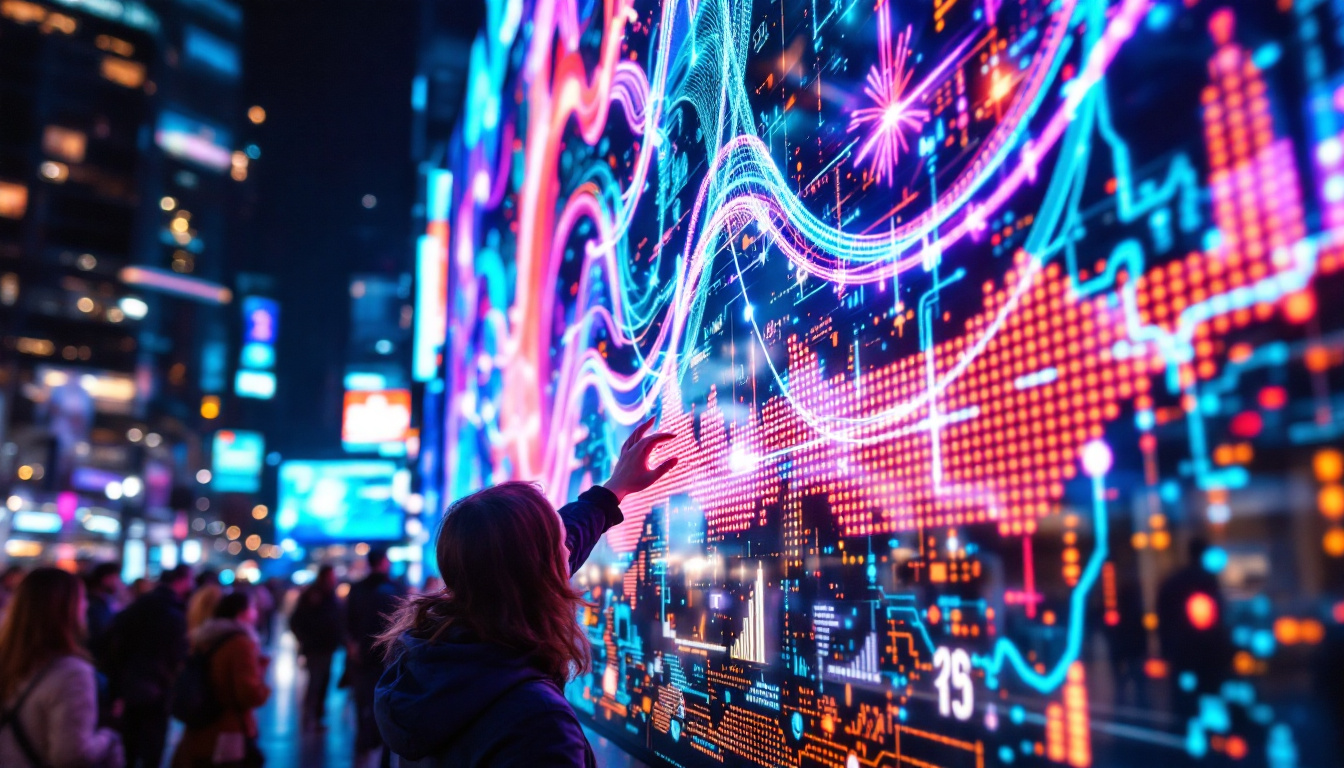
In today’s fast-paced digital world, businesses are constantly seeking innovative ways to capture attention, communicate messages clearly, and enhance customer experiences. One of the most effective tools in this endeavor is the commercial LED display. From retail stores and corporate offices to stadiums and transportation hubs, LED displays have become a cornerstone of modern visual communication. This article dives deep into the world of commercial TV displays, focusing on LED technology—how it works, its advantages, and why it’s the preferred choice for businesses worldwide.
Understanding LED Display Technology
What Is an LED Display?
LED stands for Light Emitting Diode, a semiconductor device that emits light when an electric current passes through it. An LED display is a flat panel display that uses these tiny diodes as pixels to produce images and videos. Unlike traditional LCD or plasma screens, LED displays rely on individual light sources, allowing for brighter, more vibrant visuals. This capability makes LED displays particularly popular in environments where visibility is crucial, such as in stadiums, concert venues, and retail spaces.
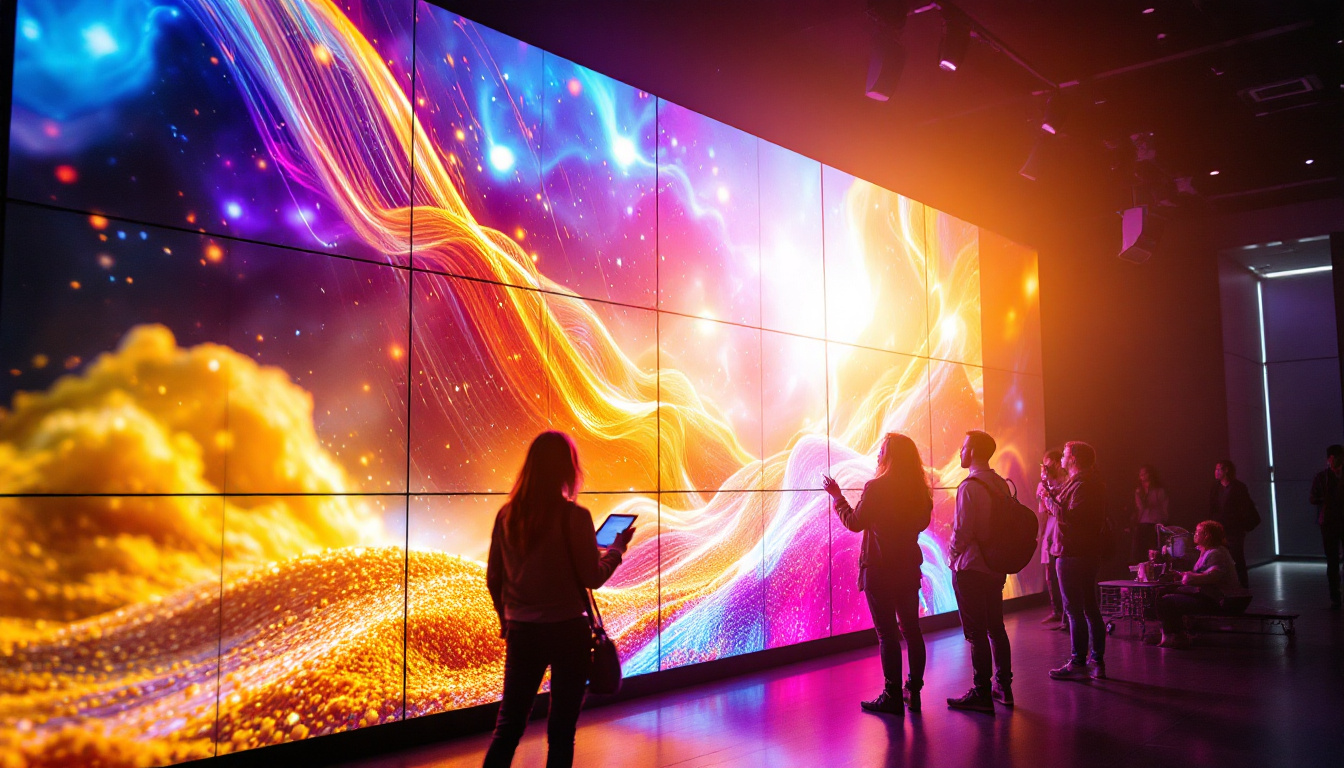
Commercial LED displays are designed specifically for business environments, offering larger sizes, higher brightness levels, and durability suited for continuous operation. These displays can range from small indoor screens used for digital signage to massive outdoor billboards towering over city streets. The versatility of LED technology also allows for creative applications, such as video walls made up of multiple smaller displays seamlessly integrated to create a larger image. This flexibility has revolutionized advertising and information dissemination, enabling businesses to engage customers in dynamic and visually captivating ways.
How Do LED Displays Work?
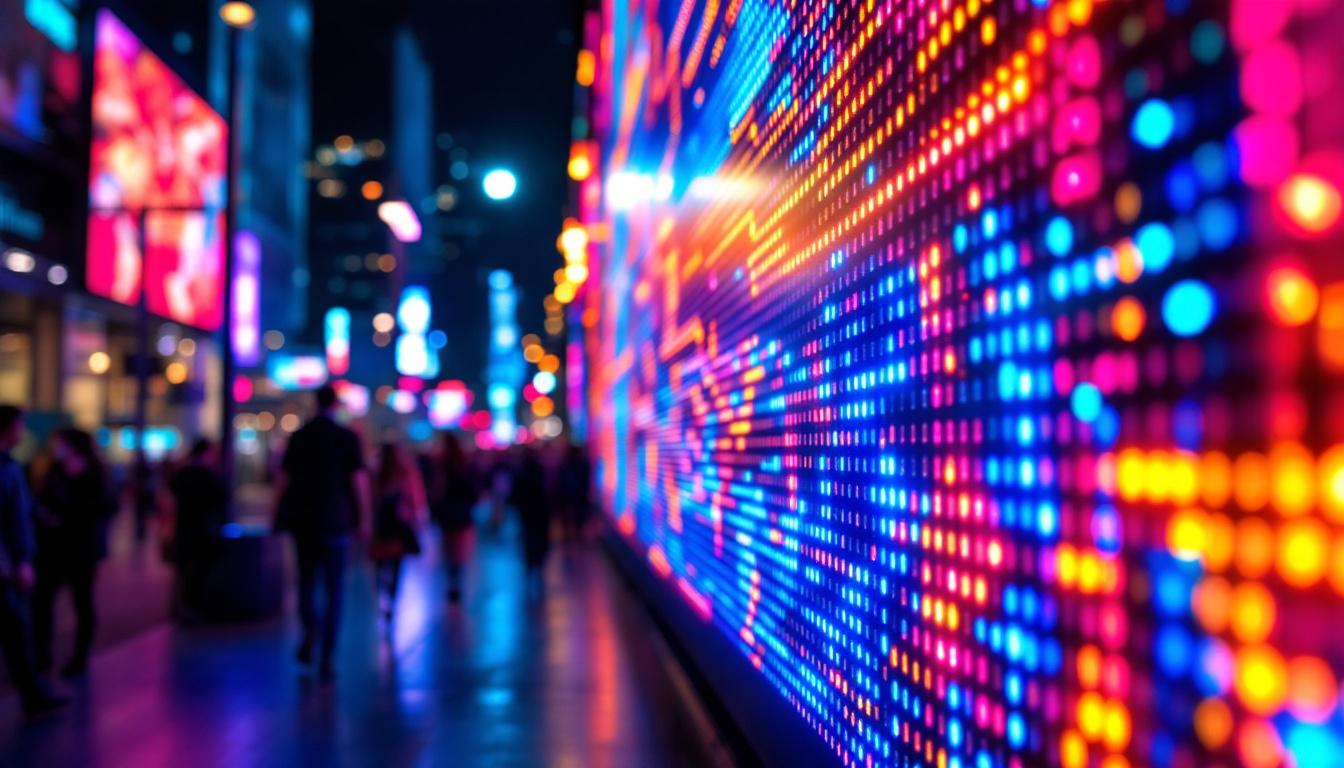
Each pixel in an LED display consists of red, green, and blue diodes. By adjusting the intensity of these three colors, the display can produce a full spectrum of colors, enabling rich and dynamic images. The pixels are arranged in a grid, and the display controller manages the data to light up the appropriate diodes, creating the desired picture. This precise control over color and brightness is what allows LED displays to achieve high contrast ratios and deep blacks, enhancing the overall viewing experience.
LED displays come in two main types: direct-view LED and LED-backlit LCD. Direct-view LED displays use LEDs as the actual pixels, making them ideal for large-format commercial screens. In contrast, LED-backlit LCDs use LEDs as a backlight behind an LCD panel, common in smaller commercial TVs and monitors. The advancements in LED technology have also led to innovations such as flexible LED screens, which can be bent or shaped to fit unique spaces, and transparent LED displays, allowing for creative installations that blend seamlessly with their surroundings. These innovations continue to push the boundaries of what is possible in visual technology, opening new avenues for artistic expression and functional design in various industries.
Advantages of LED Displays in Commercial Settings
Superior Brightness and Visibility
One of the most significant benefits of LED displays is their exceptional brightness. Commercial environments, especially outdoor or well-lit indoor spaces, demand displays that can remain visible under direct sunlight or intense artificial lighting. LED displays can achieve brightness levels up to 5,000 nits or more, far surpassing traditional LCD screens, which typically max out around 300-500 nits.
This high brightness ensures that advertisements, announcements, or informational content remain clear and eye-catching regardless of ambient lighting conditions, enhancing communication effectiveness. Furthermore, the vibrant colors produced by LED technology contribute to a more dynamic visual experience, drawing the attention of passersby and potential customers. This capability is particularly advantageous for retail businesses aiming to create an inviting atmosphere or for event organizers looking to captivate audiences with stunning visuals.
Energy Efficiency and Longevity
Energy consumption is a critical consideration for businesses operating displays 24/7. LED technology is known for its energy efficiency, consuming significantly less power than older display technologies such as plasma or fluorescent backlit LCDs. This efficiency translates into lower operational costs and a reduced environmental footprint.
Moreover, commercial LED displays boast impressive lifespans, often rated for 50,000 to 100,000 hours of operation. This durability minimizes maintenance and replacement expenses, making LED displays a cost-effective investment over time. In addition to their longevity, LED displays are also less prone to burn-in effects, a common issue with older technologies that can lead to permanent image retention. This reliability ensures that businesses can maintain a consistent and professional appearance without the worry of display degradation.
Customization and Scalability
LED displays offer unparalleled flexibility in size and shape. Businesses can deploy everything from small menu boards to enormous video walls that cover entire building facades. Modular LED panels can be combined seamlessly to create custom configurations tailored to specific spatial and branding needs.
Additionally, LED displays support high resolutions and pixel pitches, enabling crisp images even at close viewing distances. This scalability makes LED technology suitable for a wide range of commercial applications, from intimate retail settings to expansive event venues. The ability to program and control content remotely further enhances the versatility of LED displays, allowing businesses to adapt their messaging in real-time based on customer engagement or seasonal promotions. With the integration of advanced software solutions, companies can also leverage data analytics to optimize display content, ensuring that they resonate with their target audience and drive higher conversion rates.
Common Applications of Commercial LED Displays
Retail and Advertising
Retailers leverage LED displays to attract customers and promote products dynamically. Digital signage powered by LED technology can display real-time promotions, interactive content, and engaging visuals that traditional static signs cannot match. According to a 2023 report by Grand View Research, the global digital signage market is projected to grow at a CAGR of 7.5% through 2030, driven largely by LED display adoption.
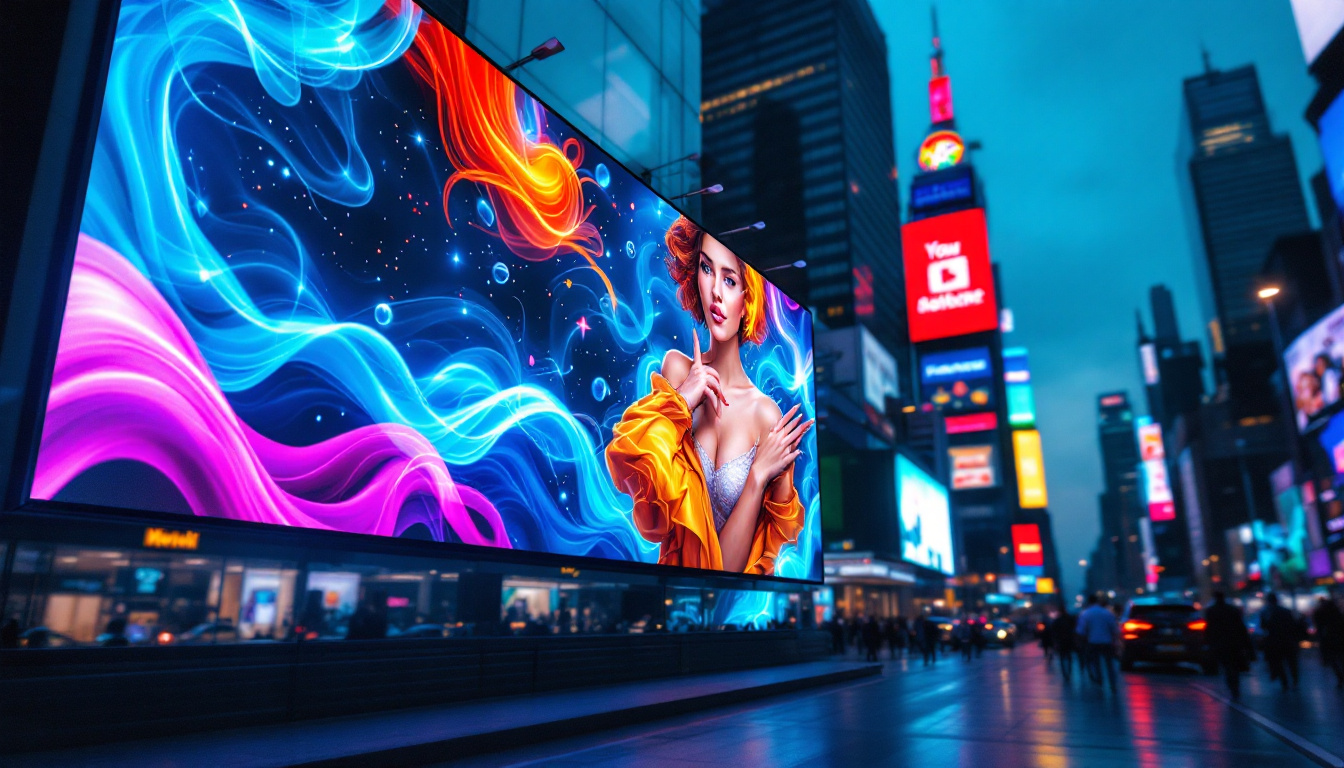
Outdoor LED billboards located in high-traffic areas have transformed advertising strategies, allowing brands to deliver targeted, timely messages with vibrant colors and motion that capture attention effectively.
Corporate Environments and Conferencing
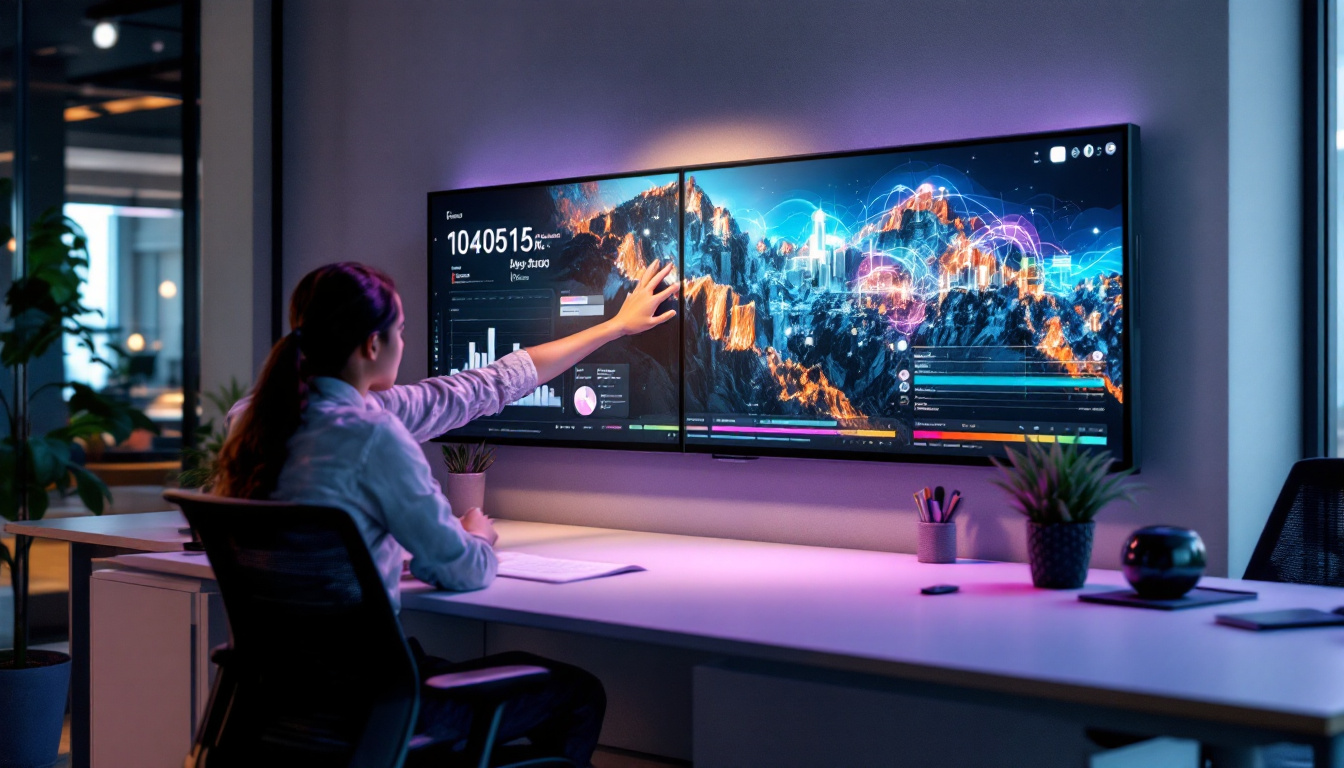
In corporate settings, LED displays are increasingly used for presentations, video conferencing, and information dissemination. Large LED video walls in boardrooms and lobbies create professional, high-impact environments that enhance communication and brand image. The ability to display multiple content sources simultaneously also adds versatility to corporate communications.
Transportation and Public Spaces
Airports, train stations, and bus terminals utilize LED displays for real-time updates, wayfinding, and advertising. The durability and brightness of LED screens make them ideal for these high-traffic, often outdoor or semi-outdoor locations. For instance, LED displays at major airports like Los Angeles International Airport (LAX) provide travelers with flight information and promotional content seamlessly integrated into the space.
Sports and Entertainment Venues
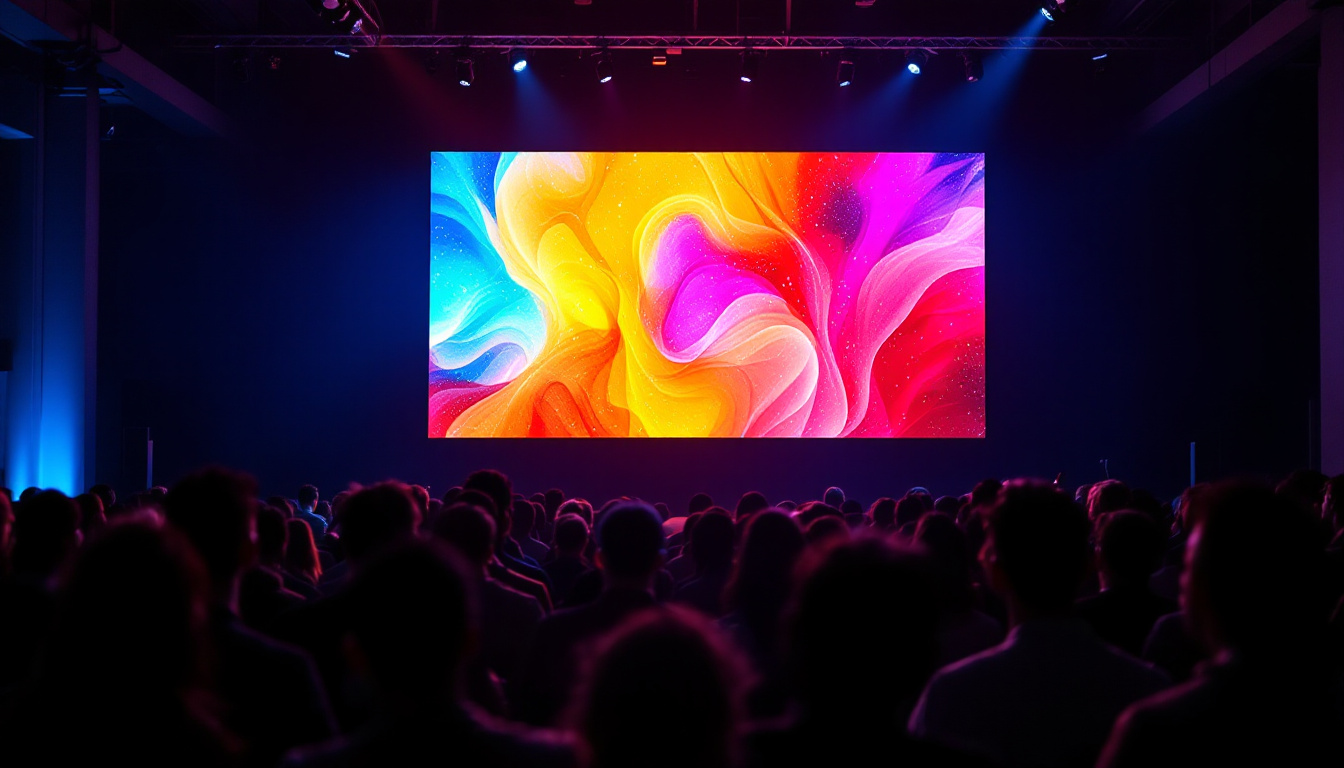
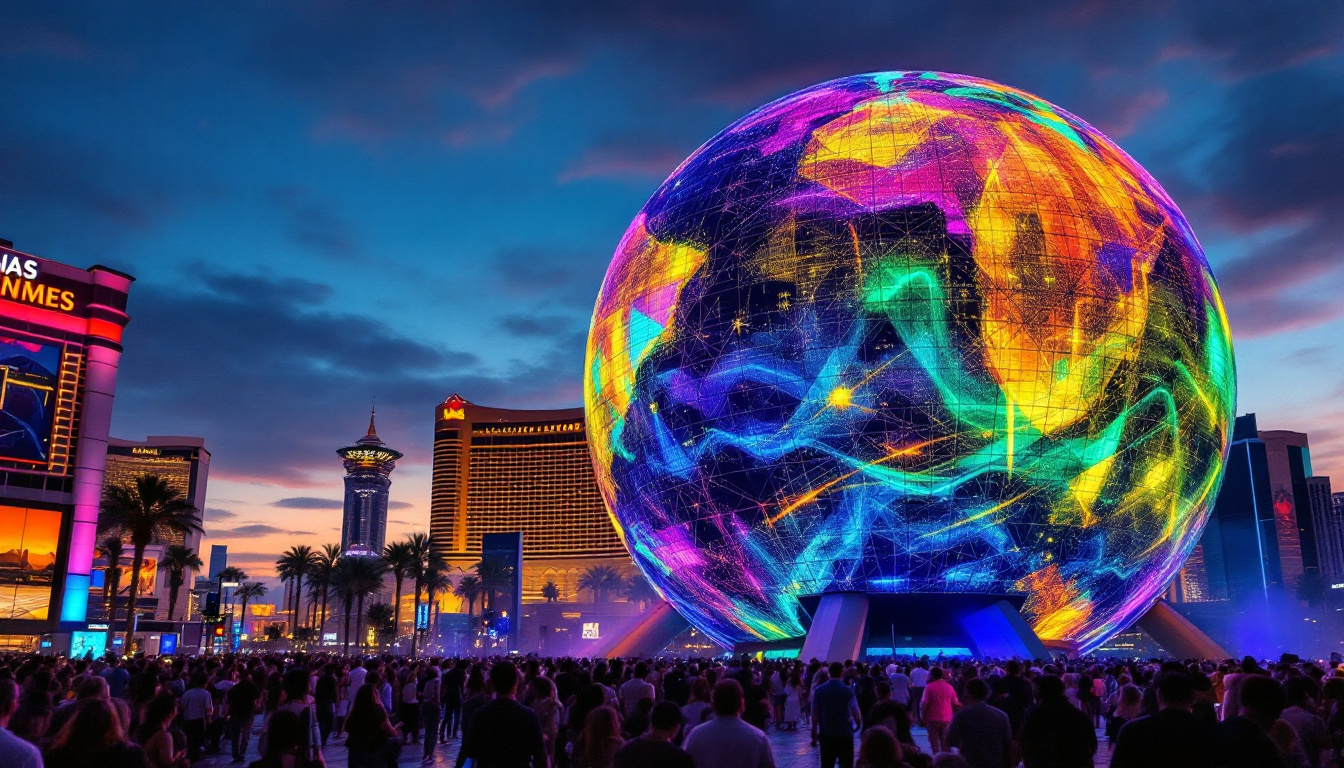
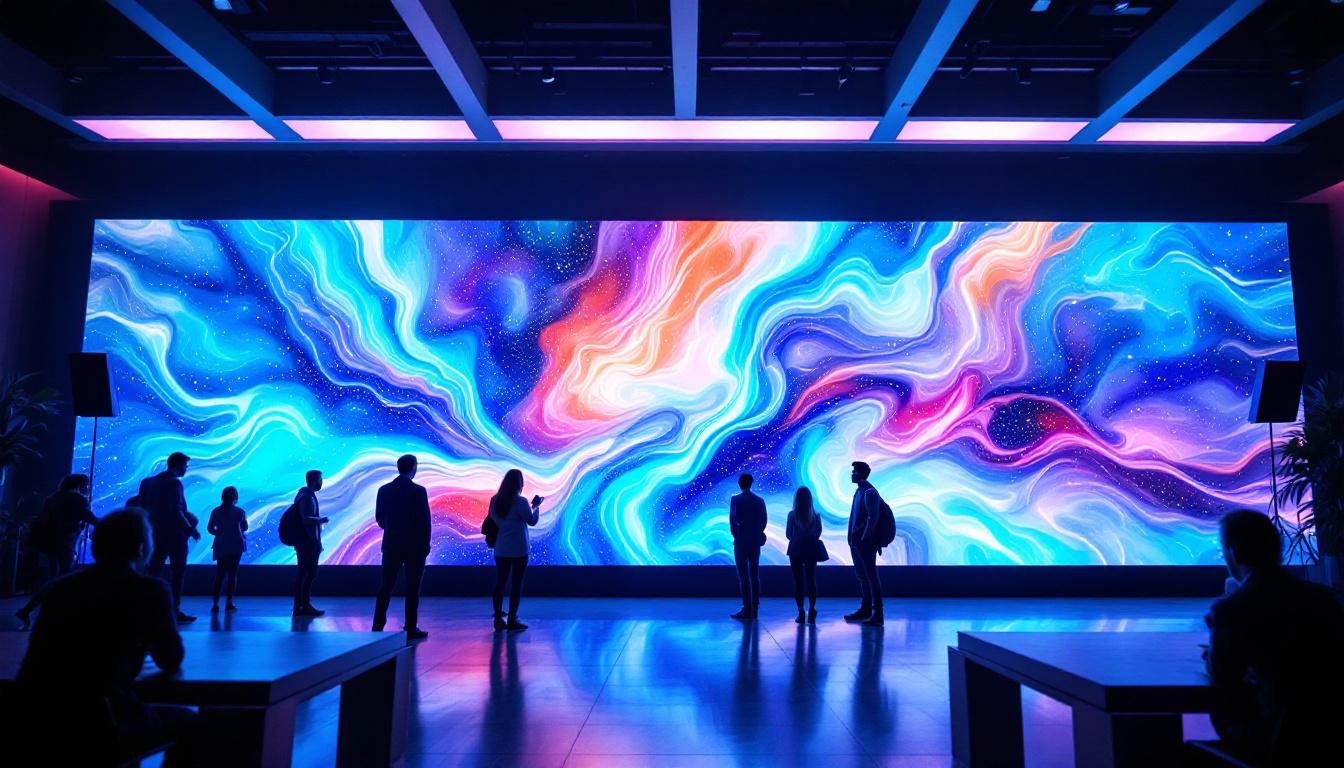
Sports arenas and concert venues depend on large-scale LED screens to deliver live action replays, scores, and interactive content to thousands of spectators. The ability to create immersive experiences through high-resolution, bright displays has made LED technology indispensable in the entertainment industry.
Key Considerations When Choosing a Commercial LED Display
Pixel Pitch and Resolution
Pixel pitch refers to the distance between the centers of two adjacent pixels, typically measured in millimeters. A smaller pixel pitch means higher resolution and sharper images, especially important for displays viewed up close. For example, indoor LED displays often feature pixel pitches as low as 1.2 mm, while outdoor displays may have pitches of 10 mm or more to balance visibility and cost.
Businesses must evaluate the typical viewing distance and desired image quality to select the appropriate pixel pitch for their application.
Brightness and Environmental Suitability
Choosing the right brightness level depends on the installation environment. Outdoor displays require higher brightness to overcome sunlight glare, whereas indoor displays can operate effectively at lower brightness levels, reducing energy consumption and eye strain.
Additionally, weatherproofing and durability ratings such as IP65 or higher are essential for outdoor LED displays to withstand rain, dust, and temperature fluctuations.
Control Systems and Content Management
Modern commercial LED displays come with sophisticated control systems that allow remote management, scheduling, and content updates. Integration with content management software enables businesses to tailor messages dynamically and respond quickly to changing marketing needs.
Compatibility with various media formats and network connectivity options ensures seamless operation and ease of use.
Future Trends in Commercial LED Displays
MicroLED and MiniLED Technologies
Emerging advancements such as MicroLED and MiniLED promise to revolutionize commercial displays further. MicroLED technology features even smaller diodes, offering superior brightness, contrast, and energy efficiency compared to traditional LEDs. These displays can deliver near-OLED quality with enhanced durability, making them ideal for premium commercial applications.
MiniLED, which uses smaller LEDs for backlighting in LCD panels, provides improved contrast and brightness at a lower cost, bridging the gap between traditional LED and MicroLED technologies.
Interactive and Smart Displays
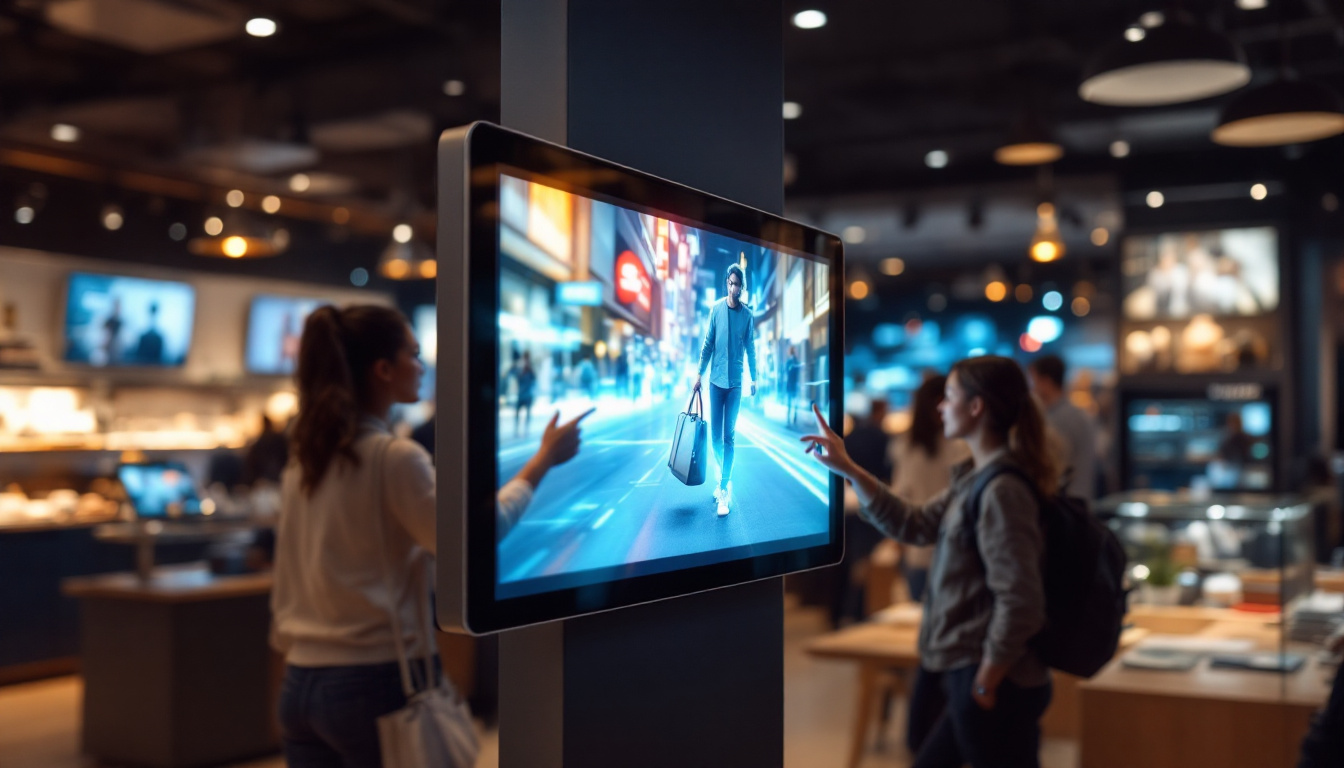
The integration of touch capabilities, sensors, and AI-driven content personalization is transforming LED displays into interactive communication hubs. Smart LED displays can adapt content based on audience demographics, time of day, or environmental conditions, creating more engaging and effective customer interactions.
Sustainability and Eco-Friendly Designs
As sustainability becomes a priority, manufacturers are developing LED displays with recyclable materials, lower power consumption, and reduced heat emissions. Businesses adopting these eco-friendly displays not only reduce their carbon footprint but also align their brand with growing consumer demand for responsible practices.
Conclusion
Commercial LED displays represent a powerful medium for businesses to communicate visually with impact, clarity, and flexibility. Their superior brightness, energy efficiency, and scalability make them well-suited for a diverse range of applications, from retail advertising to corporate communications and public information systems.
Understanding the technology behind LED displays and the key factors influencing their performance allows businesses to make informed decisions that maximize return on investment. As LED technology continues to evolve, incorporating innovations like MicroLED and smart interactivity, the potential for captivating and effective commercial displays will only grow stronger.
For companies looking to enhance their visual presence and engage audiences in meaningful ways, investing in commercial LED displays is a forward-thinking choice that delivers both immediate and long-term benefits.
Discover LumenMatrix LED Display Solutions
Ready to elevate your business’s visual impact with the latest in LED display technology? Look no further than LumenMatrix, where innovation meets excellence. Our comprehensive range of LED display solutions, from Indoor and Outdoor LED Walls to specialized displays for vehicles, sports, and custom installations, are designed to captivate your audience and amplify your message. Embrace the future of visual communication with LumenMatrix and transform your space into a dynamic, engaging experience. Check out LumenMatrix LED Display Solutions today and see the difference cutting-edge technology can make.