In today’s fast-paced business environment, the quality of a conference room can significantly impact the success of meetings, presentations, and collaborative sessions. One of the most transformative technologies enhancing modern conference spaces is the LED display. Whether you’re searching for “conference rooms available near me” or planning to upgrade your existing meeting space, understanding LED displays is crucial. This article explores what LED displays are, their advantages in conference rooms, and how they compare to other display technologies, helping you make informed decisions for your next meeting venue or office upgrade.
What is an LED Display?
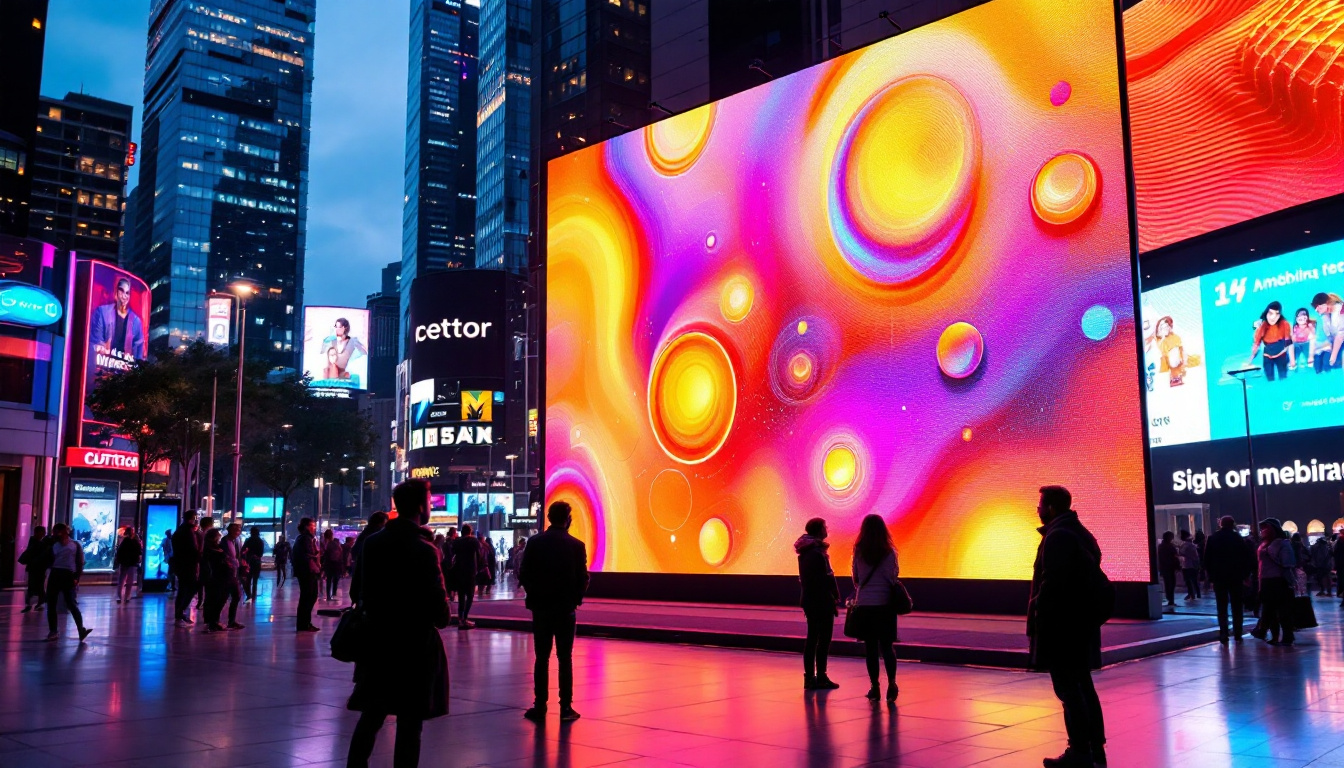
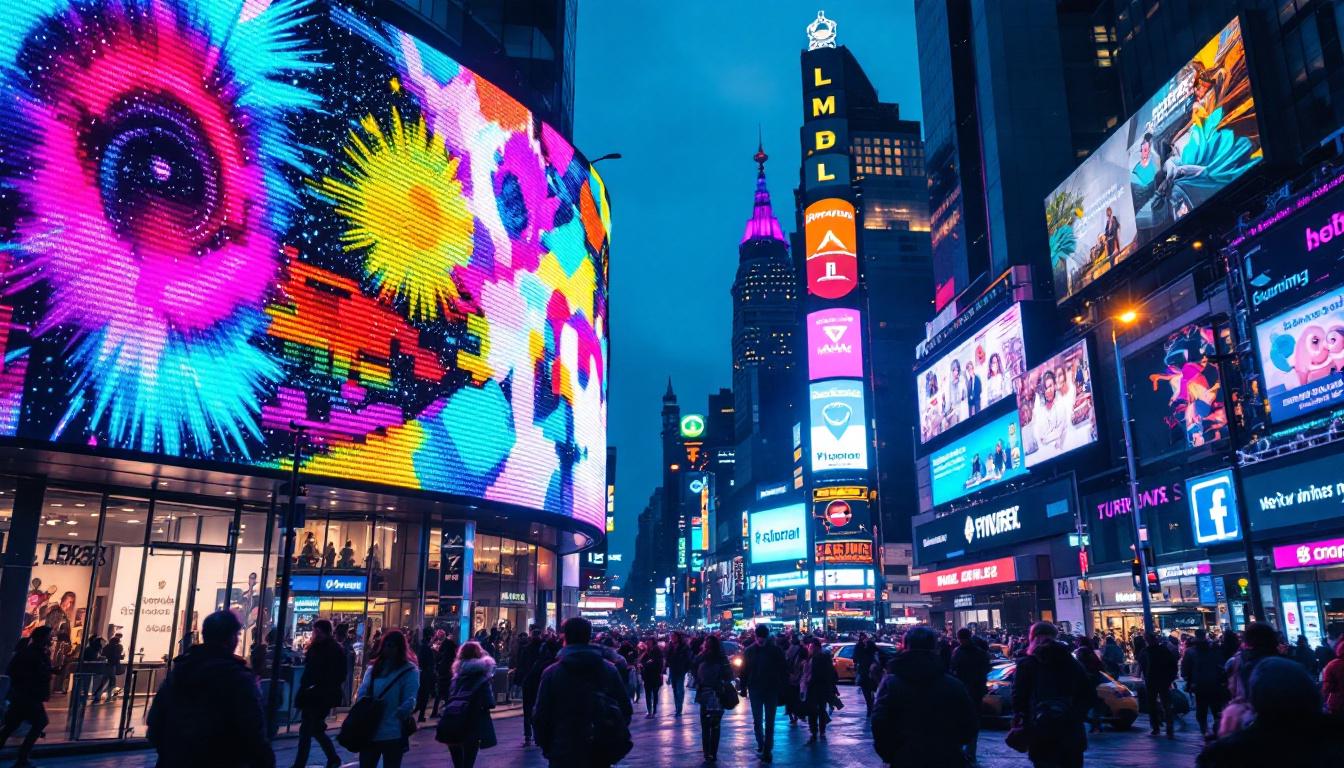
LED stands for Light Emitting Diode, a semiconductor device that emits light when an electric current passes through it. LED displays are screens composed of numerous tiny LEDs arranged in a grid to create images, videos, or text. These displays are widely used in various settings, from outdoor billboards to indoor digital signage, and increasingly in conference rooms. Their versatility and adaptability make them a popular choice for businesses looking to enhance their visual communication.
Unlike traditional LCD (Liquid Crystal Display) screens, LED displays use direct light emission, which results in brighter images and more vibrant colors. This technology allows for larger screen sizes without compromising image quality, making it ideal for conference rooms where visibility and clarity are paramount. Additionally, LED displays are energy-efficient and have a longer lifespan compared to their LCD counterparts, reducing the overall cost of ownership for organizations.
Types of LED Displays Used in Conference Rooms
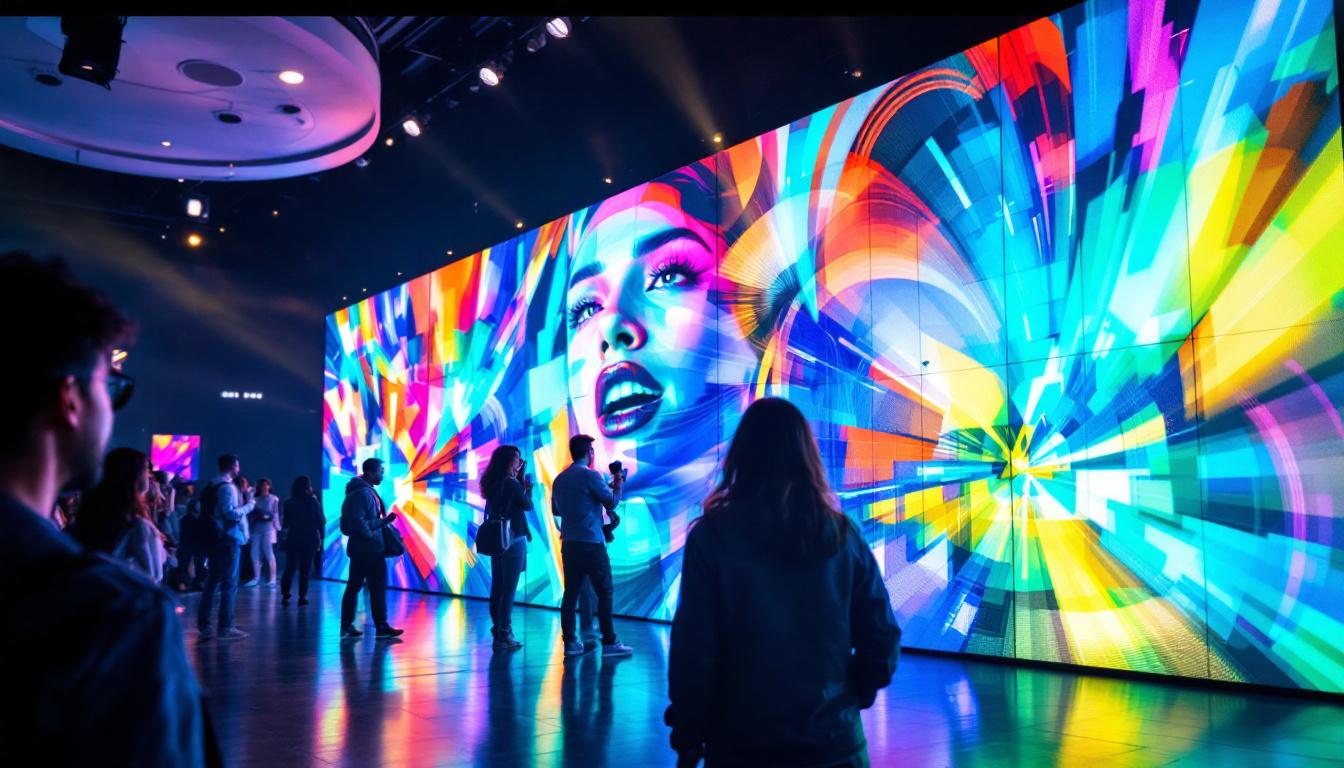
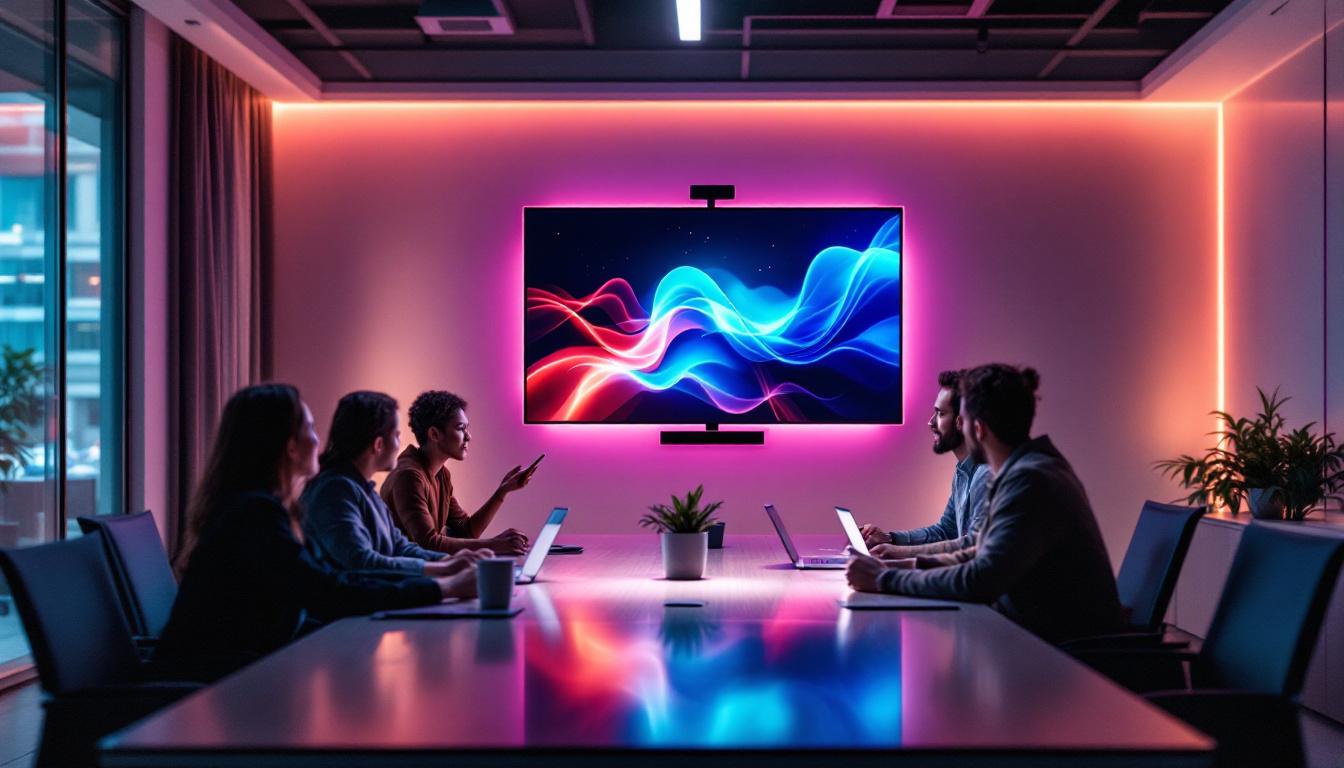
There are primarily two types of LED displays used in conference settings: direct-view LED walls and LED-backlit LCD screens. Direct-view LED walls consist of individual LEDs that form the pixels, offering superior brightness and contrast. These are often modular and can be customized to fit any wall size. This flexibility allows companies to create immersive environments tailored to their specific needs, whether for presentations, video conferencing, or collaborative brainstorming sessions.
LED-backlit LCD screens, on the other hand, are traditional LCD panels illuminated by LED backlights. While these are common in smaller conference rooms, their size and brightness are limited compared to direct-view LED walls. However, they still provide a reliable option for many organizations, especially in settings where budget constraints are a concern. These screens can deliver excellent image quality for standard presentations and are often easier to install and maintain. As technology continues to evolve, the integration of smart features, such as touch capabilities and wireless connectivity, is becoming more prevalent, enhancing the functionality of both types of displays in corporate environments.
Advantages of LED Displays in Conference Rooms
Choosing the right display technology for a conference room can enhance communication, engagement, and overall meeting effectiveness. LED displays offer several advantages that make them a preferred choice for modern conference spaces.
Exceptional Brightness and Visibility
LED displays provide superior brightness levels compared to other display types. This ensures that content remains clear and visible even in well-lit rooms or spaces with large windows. According to industry research, LED displays can deliver brightness levels exceeding 1,000 nits, which is significantly higher than typical LCD screens that average around 250-350 nits.
This brightness advantage is particularly important for conference rooms that host presentations involving detailed charts, graphs, or videos, where clarity is essential for effective communication.
Vibrant Colors and High Contrast Ratios
LED technology offers a wider color gamut and higher contrast ratios, resulting in more vivid and lifelike images. This enhances the visual experience during presentations, making data easier to interpret and keeping attendees engaged.
For example, a product demonstration or marketing pitch can benefit greatly from the rich colors and sharp images provided by LED displays, helping to convey messages more powerfully.
Scalability and Customization
One of the most significant benefits of direct-view LED walls is their modular design. These displays can be scaled to virtually any size, allowing businesses to customize their conference room setups according to space and budget constraints.
Whether it’s a small huddle room or a large auditorium-style conference room, LED walls can be configured to fit perfectly, providing a seamless viewing experience without the bezels or gaps found in multi-screen setups.
Energy Efficiency and Longevity
LED displays are more energy-efficient than traditional display technologies, consuming less power while delivering brighter images. This efficiency translates into lower operational costs, an important consideration for businesses managing multiple conference rooms.
Additionally, LED displays have a longer lifespan, often exceeding 100,000 hours of use, which reduces the need for frequent replacements and maintenance. This durability makes them a cost-effective investment over time.
Comparing LED Displays to Other Conference Room Technologies
While LED displays have many advantages, it’s important to understand how they compare to other popular display technologies such as LCD, OLED, and projector systems commonly found in conference rooms.
LED vs. LCD
LCD screens are widely used due to their affordability and availability. However, they rely on backlighting, which can limit brightness and contrast. LED displays, especially direct-view LED walls, offer superior brightness, better color accuracy, and wider viewing angles.
For conference rooms that require large displays or need to accommodate many viewers, LED walls provide a more immersive and visually striking experience. LCDs may suffice for smaller rooms or budget-conscious setups but fall short in larger or more demanding environments.
LED vs. OLED
OLED (Organic Light Emitting Diode) technology is known for its excellent color reproduction and deep blacks, making it popular in high-end displays. However, OLED screens are generally limited in size and can be more expensive than LED displays.
For conference rooms, especially larger ones, LED walls are more practical due to their scalability and higher brightness levels. OLED is better suited for smaller, premium displays where contrast and color fidelity are paramount.
LED vs. Projectors
Projectors have traditionally been the go-to solution for conference rooms due to their ability to produce large images at a relatively low cost. However, projectors require controlled lighting conditions and can suffer from issues like image distortion, lower brightness, and maintenance challenges such as bulb replacements.
LED displays provide consistent image quality regardless of ambient light and require less maintenance. While projectors might still be suitable for certain scenarios, LED displays offer a more reliable and visually superior option for most modern conference rooms.
Finding Conference Rooms with LED Displays Near You
With the growing demand for high-quality meeting spaces, many venues and coworking centers now offer conference rooms equipped with LED displays. Searching for “conference rooms available near me” with LED technology can elevate your meeting experience and impress clients or colleagues.
Benefits of Renting Conference Rooms with LED Displays
Renting a conference room with an LED display offers immediate access to cutting-edge technology without the upfront investment. This is ideal for businesses that require occasional meeting spaces or want to host events with high visual impact.
Additionally, many venues provide technical support and flexible configurations, ensuring that your presentations run smoothly. The ability to connect multiple devices, stream content seamlessly, and display high-resolution media can enhance collaboration and productivity.
How to Choose the Right Venue
When selecting a conference room with an LED display, consider the following factors:
- Room Size and Seating Capacity: Ensure the space accommodates your attendees comfortably.
- Display Size and Resolution: Match the screen size to the room dimensions and presentation needs.
- Connectivity Options: Check for HDMI, USB, wireless casting, and other input methods.
- Technical Support: Confirm availability of on-site assistance during your meeting.
- Accessibility and Location: Choose a venue convenient for all participants.
By evaluating these criteria, you can find a conference room that not only meets your technological requirements but also supports a productive and comfortable meeting environment.
Future Trends in LED Displays for Conference Rooms
The evolution of LED display technology continues to shape the future of conference rooms. Emerging trends promise to enhance interactivity, image quality, and integration with other digital tools.
MicroLED and MiniLED Technologies
MicroLED and MiniLED are next-generation display technologies that offer even higher brightness, improved color accuracy, and thinner form factors. MicroLED, in particular, uses microscopic LEDs to create displays with exceptional resolution and energy efficiency.
As these technologies become more affordable and widespread, conference rooms will benefit from ultra-high-definition displays that deliver unparalleled visual experiences.
Interactive LED Walls
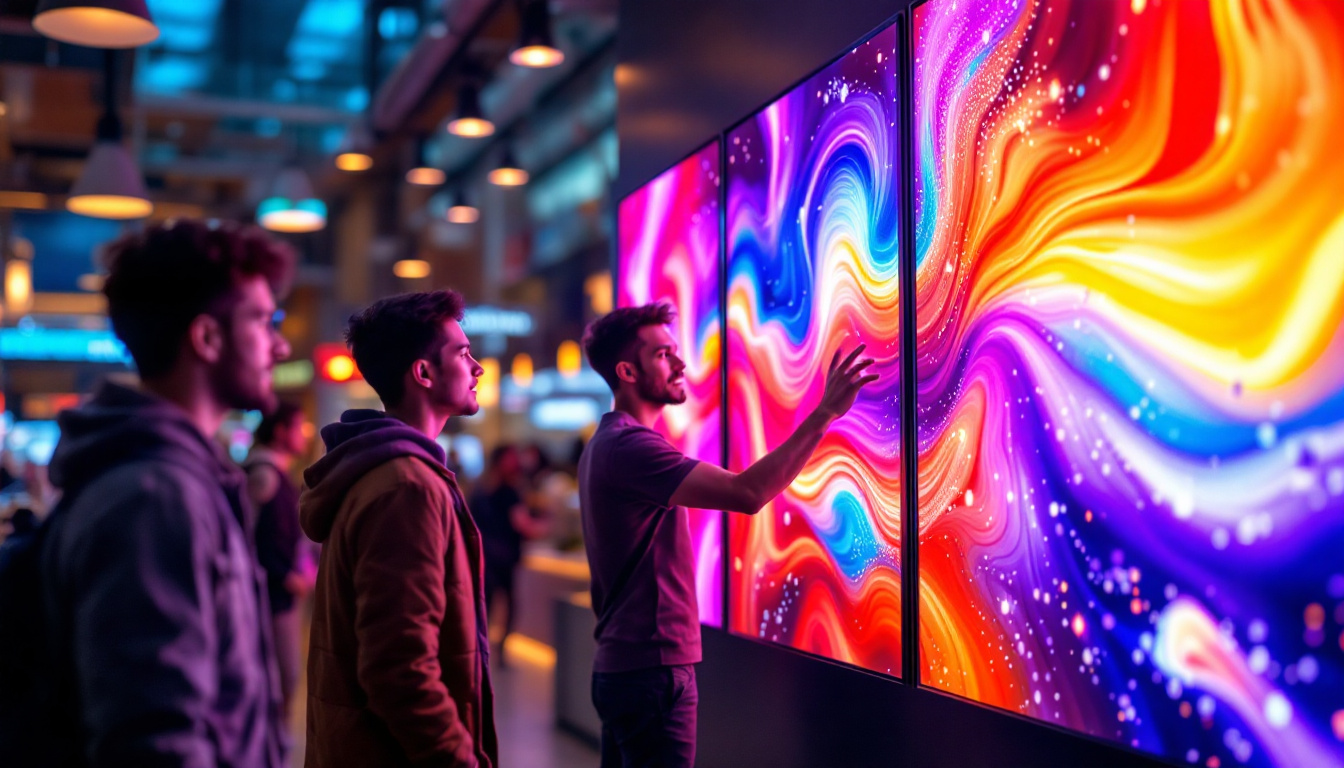
Interactive LED walls are gaining popularity, allowing users to manipulate content directly on the screen through touch or gesture controls. This interactivity fosters collaboration and engagement during meetings, brainstorming sessions, and training workshops.
Integrating interactive LED displays with video conferencing and collaboration software can transform traditional conference rooms into dynamic, multifunctional spaces.
Integration with Smart Building Systems
LED displays are increasingly integrated with smart building technologies, enabling automated control of lighting, temperature, and audiovisual equipment. This integration enhances user comfort and streamlines meeting room management.
For example, occupancy sensors can activate LED displays and adjust room settings when a meeting starts, improving energy efficiency and user convenience.
Conclusion
LED displays have revolutionized the way conference rooms are designed and utilized. Their superior brightness, color quality, scalability, and energy efficiency make them an excellent choice for businesses seeking to enhance communication and collaboration.
Whether renting a conference room equipped with an LED display or upgrading your own meeting space, understanding the technology’s benefits and applications is essential. By selecting the right LED display solution, organizations can create impactful, engaging, and productive meeting environments that meet the demands of today’s dynamic business landscape.
Next time you search for “conference rooms available near me,” consider venues offering LED display technology to ensure your meetings are visually impressive and effective.
Enhance Your Meetings with LumenMatrix LED Displays
Ready to transform your conference room into a dynamic, visually stunning space that fosters collaboration and leaves a lasting impression? Discover LumenMatrix’s innovative LED display solutions tailored for any setting, from intimate meeting rooms to grand auditoriums. Elevate your business presentations and collaborative efforts with our range of Indoor and Outdoor LED Wall Displays, Vehicle LED Displays, and more. Experience the future of visual communication with LumenMatrix and share your message with unparalleled clarity and impact. Check out LumenMatrix LED Display Solutions today and redefine your meeting experience.