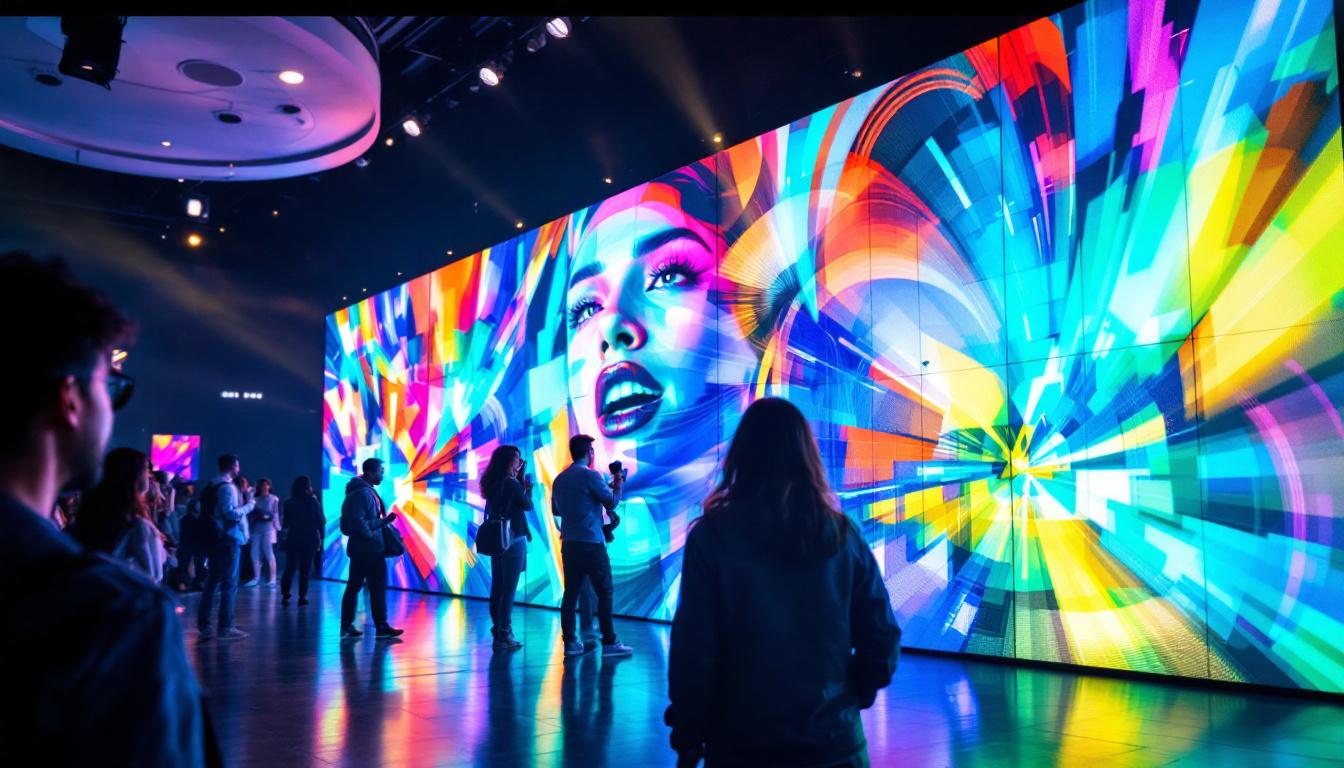
In recent years, LED display technology has revolutionized the way businesses, event organizers, and advertisers engage with their audiences. From massive outdoor billboards to sleek indoor video walls, LED displays offer unparalleled brightness, clarity, and versatility. However, one of the most common questions when considering an LED wall is: How much does it cost? Understanding the factors that influence LED wall prices is essential for making informed decisions and maximizing your investment.
What Is an LED Wall?
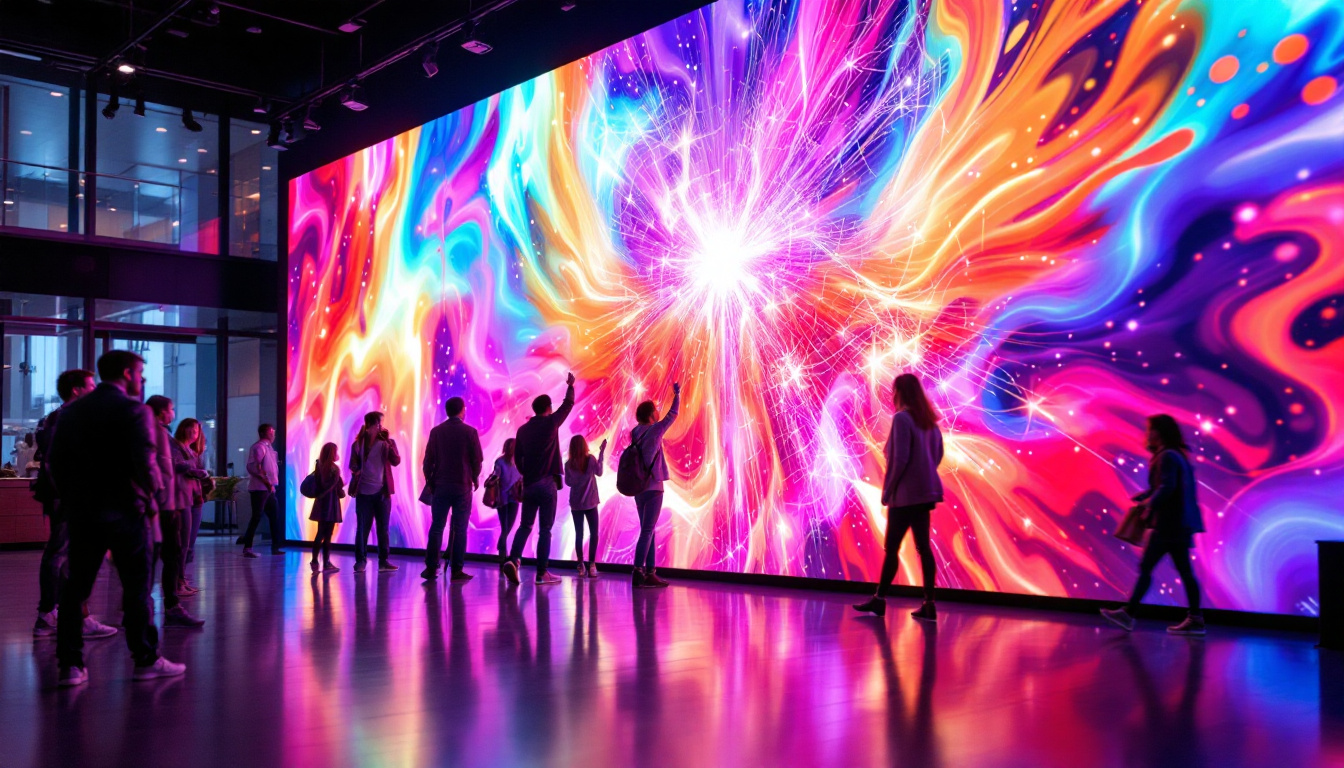
An LED wall, also known as an LED display or LED video wall, is a large-scale screen composed of many light-emitting diodes (LEDs) arranged in a grid. These displays can show dynamic video, images, and text with vibrant colors and high brightness levels, making them ideal for both indoor and outdoor applications.
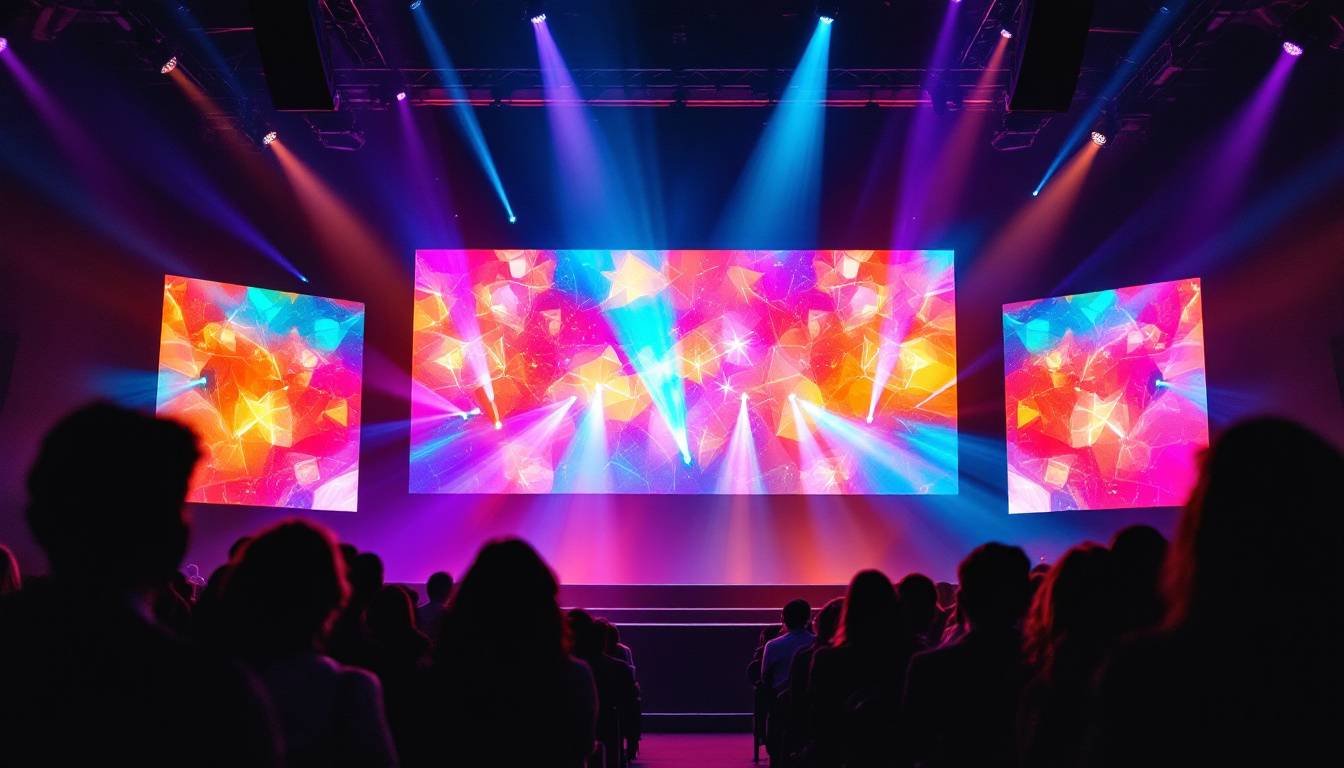
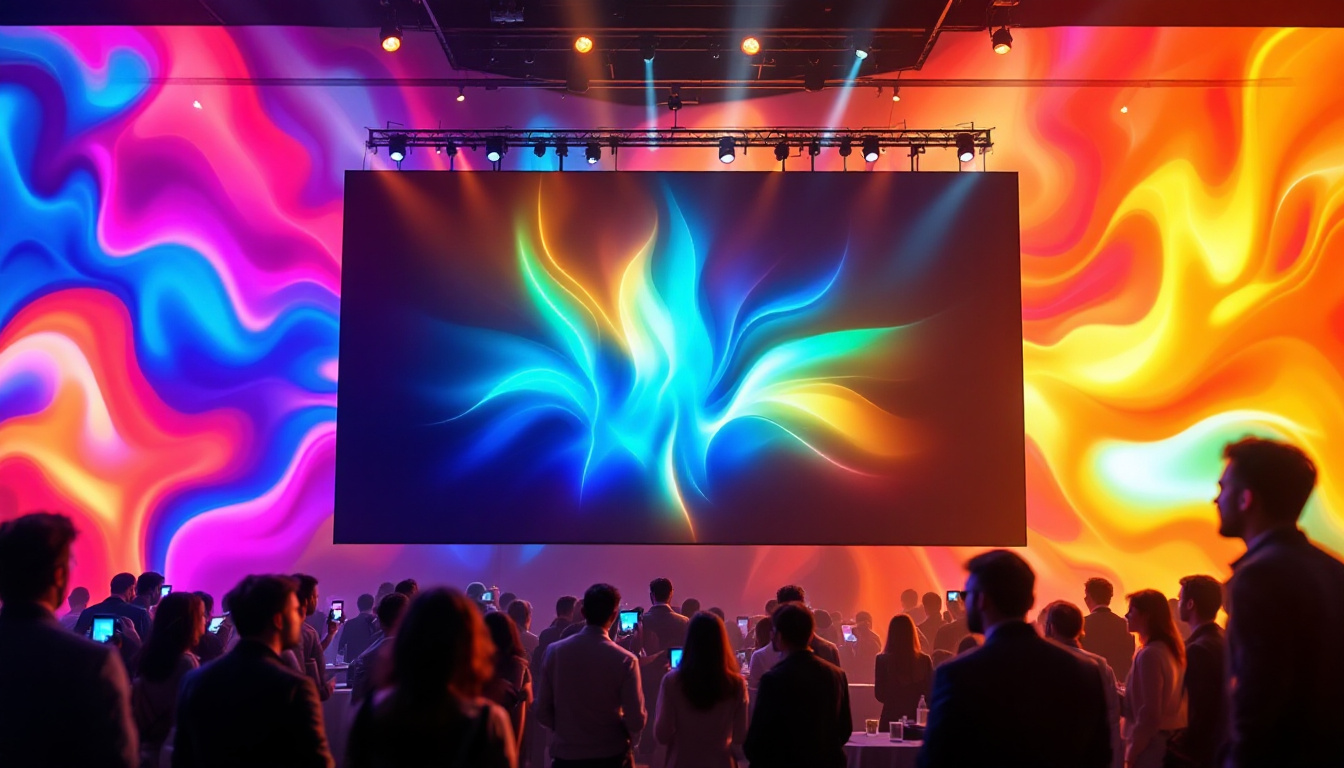
Unlike traditional LCD screens, LED walls are modular, allowing for customizable sizes and shapes. This flexibility makes them popular for concerts, sports arenas, retail environments, corporate events, and digital signage.
Types of LED Walls
LED walls come in various types, primarily distinguished by pixel pitch, cabinet size, and intended use:
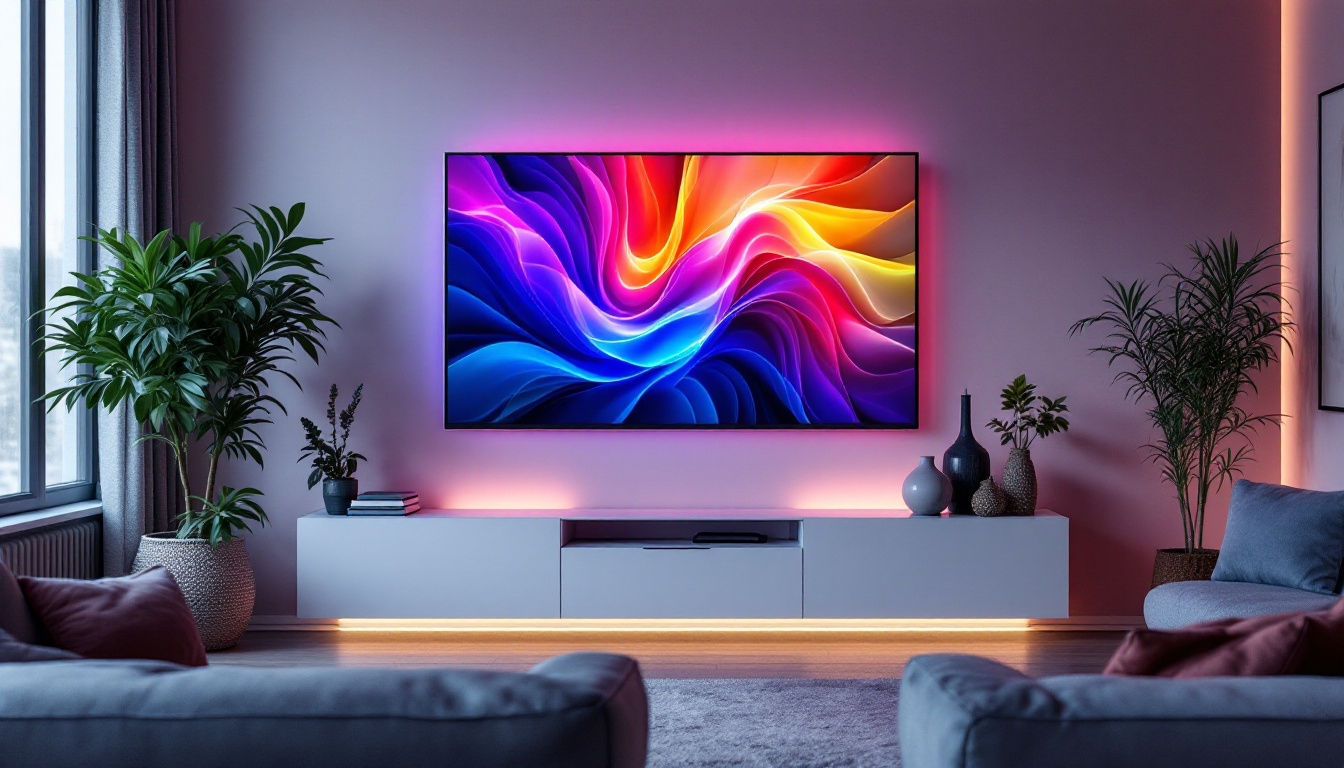
- Indoor LED Walls: Designed for close viewing distances, these have a smaller pixel pitch (typically 1.2mm to 3.9mm), delivering sharp images and smooth video.
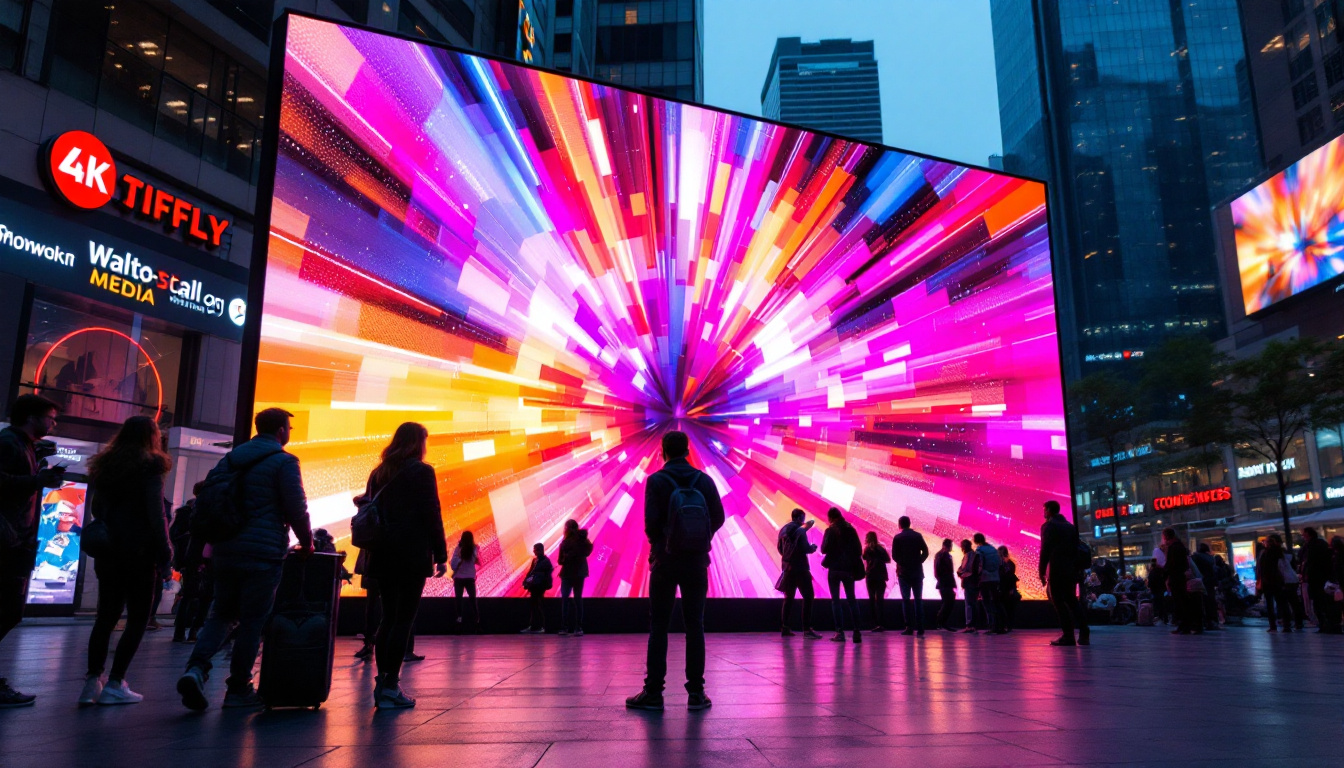
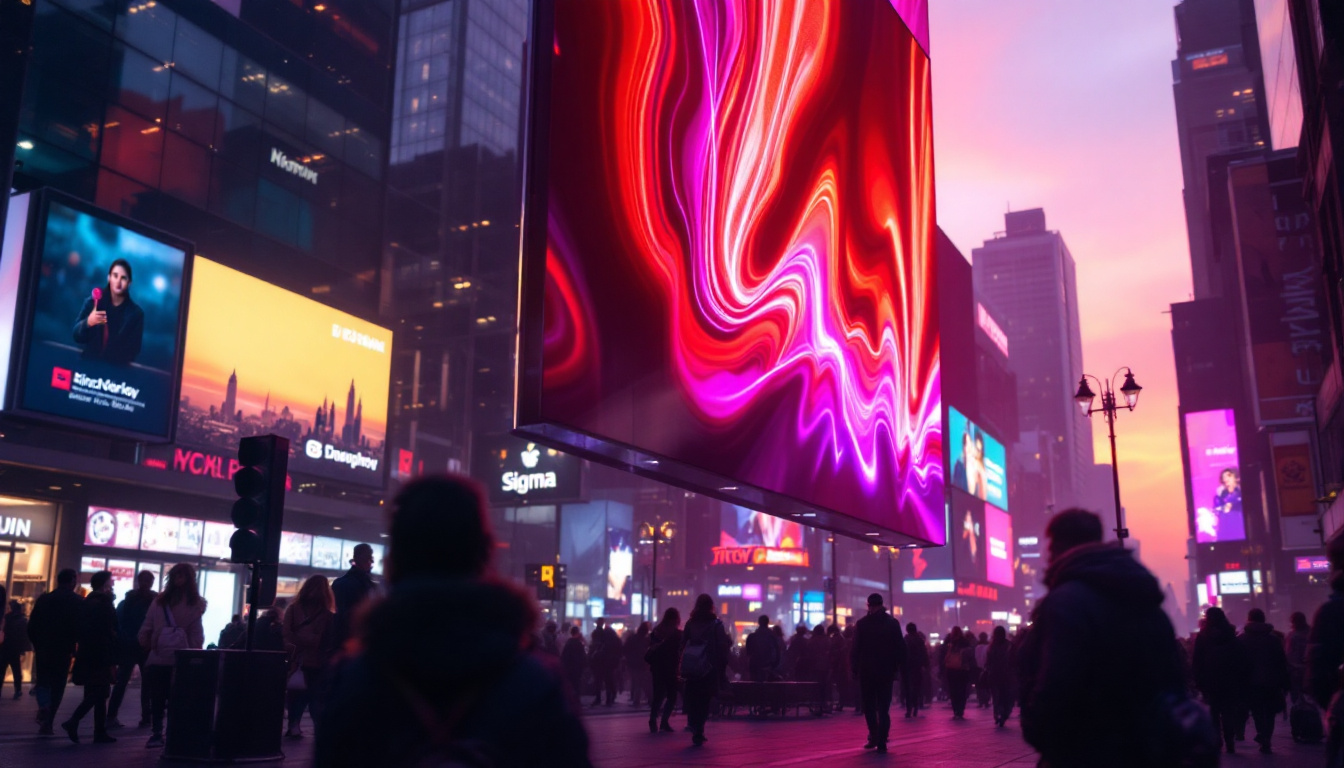
- Outdoor LED Walls: Built to withstand weather conditions, these have a larger pixel pitch (usually 4mm to 20mm) to ensure visibility from greater distances.
- Transparent LED Walls: These allow light to pass through, making them suitable for storefronts and architectural installations.
Factors Influencing LED Wall Price
Determining the price of an LED wall involves several variables. Understanding these factors will help you estimate costs more accurately and select the right product for your needs.
1. Pixel Pitch
Pixel pitch refers to the distance between the centers of adjacent pixels, measured in millimeters. It directly affects image resolution and viewing distance:
- Smaller pixel pitch (1.2mm – 2.5mm): Offers higher resolution and is suitable for close-up viewing, typically indoors. These tend to be more expensive due to the density of LEDs required.
- Larger pixel pitch (4mm – 20mm): Best for outdoor use or large venues where viewers are farther away. These are generally more affordable per square meter.
For example, an indoor LED wall with a 1.5mm pixel pitch can cost upwards of $3,000 to $5,000 per square meter, while an outdoor LED wall with a 10mm pixel pitch might range from $1,000 to $2,000 per square meter.
2. Size and Resolution
The overall size of the LED wall and its resolution are closely linked to price. Larger walls require more LED modules and supporting infrastructure, increasing costs. Additionally, higher resolution demands more LEDs per square meter, further elevating the price.
For instance, a 10-square-meter LED wall with a 2mm pixel pitch will cost significantly more than a 10-square-meter wall with a 10mm pixel pitch due to the difference in pixel density.
3. Cabinet Quality and Build
The quality of the LED cabinet — the housing that holds the LED modules — impacts durability, heat dissipation, and ease of maintenance. Premium cabinets made from die-cast aluminum are lightweight and offer better heat management, but they come at a higher price than steel cabinets.
Waterproofing and weather resistance are critical for outdoor LED walls, which increases manufacturing complexity and cost.
4. Brightness and Refresh Rate
Brightness is measured in nits (cd/m²). Outdoor LED walls require high brightness levels (typically 5,000 to 8,000 nits) to remain visible in direct sunlight, while indoor walls usually need 800 to 1,500 nits.
Higher brightness LEDs consume more power and cost more upfront. Similarly, a higher refresh rate (measured in Hz) ensures smoother video playback, especially for fast-moving content. Standard refresh rates are around 1,920 Hz, but premium displays can offer 3,840 Hz or higher, which increases cost.
5. Installation and Infrastructure
The price of the LED wall itself is only part of the total investment. Installation costs include structural support, electrical wiring, control systems, and sometimes cooling solutions.
For example, installing a large outdoor LED wall on a building facade may require scaffolding, custom mounting brackets, and weatherproof cabling, which can add tens of thousands of dollars to the project.
6. Control System and Software
LED walls require control systems to manage content playback, synchronization, and calibration. Basic controllers are included with most LED displays, but advanced systems with real-time content management, remote monitoring, and integration with other AV equipment will increase the overall price.
Typical LED Wall Price Ranges
While prices vary widely based on the factors above, some general price ranges can help set expectations:
| Type | Pixel Pitch (mm) | Price per Square Meter (USD) | Typical Use Case |
|---|---|---|---|
| Indoor LED Wall | 1.2 – 2.5 | $3,000 – $6,000 | Corporate lobbies, control rooms, retail displays |
| Indoor LED Wall | 2.5 – 4 | $1,500 – $3,000 | Conference rooms, event stages |
| Outdoor LED Wall | 4 – 10 | $1,000 – $2,500 | Billboards, stadiums, public spaces |
| Outdoor LED Wall | 10 – 20 | $500 – $1,200 | Large-scale advertising, building wraps |
| Transparent LED Wall | Various | $2,500 – $5,000 | Storefronts, architectural installations |
Keep in mind these prices typically exclude installation, shipping, and control systems.
Additional Costs to Consider
Beyond the LED panels themselves, several other expenses can affect the total cost of an LED wall project:
Maintenance and Support
LED walls require regular maintenance to ensure optimal performance. This includes cleaning, firmware updates, and occasional repairs. Many manufacturers offer service contracts that can range from 5% to 10% of the initial purchase price annually.
Content Creation and Management
High-quality content is essential to leverage the full potential of an LED wall. Budgeting for professional content creation, scheduling software, and possibly a dedicated operator is important for ongoing success.
Power Consumption
LED walls consume significant power, especially large outdoor installations with high brightness. It’s important to factor in operational electricity costs, which can vary depending on usage hours and local rates.
How to Choose the Right LED Wall for Your Budget
Choosing the right LED wall involves balancing cost with performance and suitability for your specific application. Here are some tips to guide the decision-making process:
Define Your Viewing Distance and Environment
Knowing how far your audience will be from the screen helps determine the appropriate pixel pitch. For example, a retail store where customers stand close to the display requires a finer pixel pitch than a highway billboard viewed from hundreds of meters away.
Consider Indoor vs. Outdoor Requirements
Outdoor LED walls must be weatherproof and have higher brightness, which increases cost. If your installation is indoors, you can save money by selecting an indoor-rated display with lower brightness.
Plan for Future Scalability
Modular LED walls allow for expansion or reconfiguration. If you anticipate growing your display, investing in a system that supports scalability can save money in the long run.
Evaluate Total Cost of Ownership
Look beyond the initial purchase price to include installation, maintenance, power consumption, and content management costs. This comprehensive view ensures your LED wall remains a cost-effective solution over time.
Emerging Trends in LED Wall Technology
LED display technology continues to evolve rapidly, influencing price and performance:
MicroLED and MiniLED
MicroLED technology offers even smaller pixel pitches and improved brightness with lower power consumption, but it currently carries a premium price. As production scales, costs are expected to decrease, making MicroLED a promising option for future installations.
Flexible and Curved LED Walls
Advancements in flexible LED panels allow for curved or irregularly shaped walls, expanding creative possibilities. These tend to be more expensive due to specialized manufacturing processes.
Energy Efficiency Improvements
New LED chips and power management systems are reducing energy consumption, which can lower operational costs significantly, especially for large outdoor installations.
Conclusion
Understanding the price of an LED wall requires a comprehensive look at the technology, specifications, and additional costs involved. While upfront investment can be significant, the impact of a high-quality LED display on brand visibility, audience engagement, and event production is often well worth the expense.
By carefully considering pixel pitch, size, environment, and total cost of ownership, businesses and event planners can select the ideal LED wall that fits their budget and meets their needs. Staying informed about emerging technologies and market trends will also help in making smart purchasing decisions in this dynamic field.
Discover LumenMatrix LED Display Solutions
Ready to elevate your visual communication with a high-quality LED wall? LumenMatrix is at the forefront of LED display innovation, offering a diverse range of solutions tailored to your unique needs. From captivating Indoor LED Walls to robust Outdoor LED Displays, and specialized options like Vehicle and Sports Displays, we have the technology to bring your vision to life. Experience the transformative power of LED displays and let LumenMatrix help you create unforgettable visual experiences. Check out LumenMatrix LED Display Solutions today and take the first step towards enhancing your brand’s visibility and audience engagement.