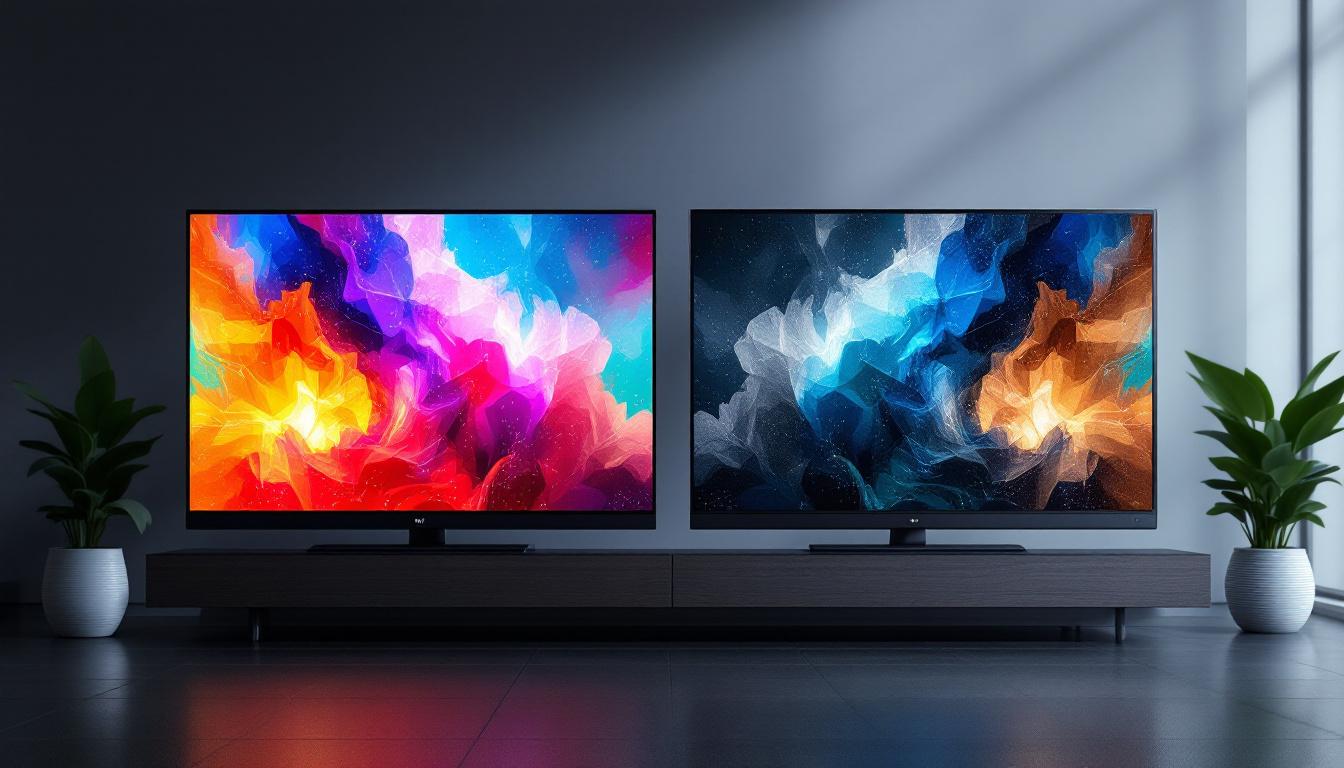
When shopping for LED displays, whether for home entertainment, professional use, or digital signage, one specification that often stands out is the contrast ratio. Terms like “1000000:1” or “1000:1” are frequently advertised, but what do these numbers actually mean? More importantly, how do they impact the viewing experience and the overall quality of an LED display?
This article dives deep into the concept of contrast ratio, comparing extremely high ratios like 1,000,000:1 to more common figures such as 1,000:1. By understanding the technical details and practical implications, consumers and professionals alike can make informed decisions when selecting LED displays.
Understanding Contrast Ratio: The Basics
Contrast ratio is a fundamental specification in display technology that describes the difference in luminance between the brightest white and the darkest black a screen can produce. It is expressed as a ratio, such as 1000:1, meaning the brightest white is 1000 times brighter than the darkest black.
In practical terms, a higher contrast ratio indicates a display can show deeper blacks and brighter whites, which contributes to image clarity, color accuracy, and overall picture quality. This is especially important in environments with varying ambient light conditions and for content with high dynamic range (HDR). For instance, a display with a high contrast ratio can enhance the viewing experience of movies and video games, where shadows and highlights play a crucial role in storytelling and immersion. The ability to distinguish subtle details in dark scenes can make a significant difference in how content is perceived, allowing viewers to appreciate the full artistic intent of the creators.
How Contrast Ratio is Measured
Measuring contrast ratio involves assessing the luminance of a full white screen and a full black screen under controlled conditions. The ratio is then calculated by dividing the white luminance by the black luminance. However, the measurement method can vary:
- Static Contrast Ratio: Measures the difference between the brightest white and darkest black displayed simultaneously on the screen.
- Dynamic Contrast Ratio: Measures contrast by adjusting the backlight dynamically depending on the content, often resulting in much higher ratios like 1,000,000:1.
Dynamic contrast ratios are often used in marketing to highlight the display’s capability to produce deep blacks by dimming the backlight during dark scenes, but these figures can be misleading when compared directly to static contrast ratios. Moreover, the effectiveness of dynamic contrast can vary significantly based on the technology used in the display. For example, OLED screens inherently have an infinite contrast ratio due to their ability to turn off individual pixels completely, resulting in true blacks. This technology contrasts sharply with traditional LCDs, where backlight bleed can lead to less impressive black levels. Understanding these nuances is crucial for consumers looking to make informed decisions about their display choices, particularly for applications such as graphic design, photography, and gaming, where color fidelity and detail are paramount.
Contrast Ratio 1000000:1 Vs 1000:1: What’s the Difference?
At first glance, a contrast ratio of 1,000,000:1 seems vastly superior to 1,000:1, suggesting a display that can produce blacks a thousand times darker or whites a thousand times brighter. But the reality is more nuanced.
Static vs Dynamic Contrast Ratios
Most LED displays with a 1000:1 contrast ratio refer to static contrast. This means the display can maintain that level of difference between black and white at the same time. For example, many standard LED LCD panels, including those used in budget and mid-range monitors and TVs, have static contrast ratios in this range.
Conversely, a 1,000,000:1 contrast ratio is typically a dynamic contrast ratio. Manufacturers achieve this by dynamically adjusting the backlight intensity in real-time, dimming it during dark scenes and brightening it during light scenes. This technique can create the illusion of deeper blacks and brighter whites, but it does not represent the simultaneous contrast capability of the display.
Practical Implications for Viewing Experience
While a dynamic contrast ratio of 1,000,000:1 sounds impressive, it does not always translate to a superior viewing experience. The backlight dimming used to achieve such high ratios can sometimes cause visible fluctuations in brightness, especially in scenes with mixed light and dark areas. This can be distracting and reduce image consistency.
On the other hand, a static contrast ratio of 1000:1 is a reliable indicator of the display’s ability to show detail in both bright and dark areas simultaneously. For many users, especially in well-lit rooms, this level of contrast is sufficient for clear, vibrant images.
Moreover, the type of content being viewed can significantly influence the perceived quality of contrast. For instance, in cinematic environments where shadow detail is crucial, a static contrast ratio may provide a more authentic representation of the filmmaker’s intent. In contrast, dynamic contrast ratios might excel in fast-paced video games or action films, where the rapid changes in lighting can benefit from the backlight adjustments, albeit with the potential for inconsistency.
Additionally, the technology behind the display plays a critical role in how contrast ratios are perceived. OLED displays, for instance, can achieve true blacks due to their ability to turn off individual pixels completely, resulting in an effective contrast ratio that far exceeds both 1,000:1 and 1,000,000:1. This means that while the numbers may suggest a significant difference, the actual viewing experience can vary widely based on the display technology and the environment in which it is used.
Technological Factors Influencing Contrast Ratio in LED Displays
The contrast ratio of an LED display is influenced by several technological factors, including the type of panel, backlighting technology, and additional enhancements like local dimming.
Panel Technology: IPS, VA, and OLED
Most LED displays use LCD panels with LED backlighting, but the panel type affects contrast ratio significantly:
- IPS (In-Plane Switching): Known for color accuracy and wide viewing angles but typically has lower contrast ratios, often around 1000:1 to 1300:1.
- VA (Vertical Alignment): Offers better contrast ratios, often between 2000:1 and 3000:1, due to better light blocking capabilities.
- OLED (Organic LED): Although not strictly LED-backlit LCDs, OLED displays have self-emissive pixels that can turn off completely, achieving near-infinite contrast ratios, effectively surpassing even 1,000,000:1 dynamic contrast.
Backlighting and Local Dimming
LED displays use backlighting to illuminate pixels. The type and control of backlighting greatly impact contrast:
- Edge-lit LED: LEDs are positioned at the edges of the screen, which can limit local dimming effectiveness and reduce contrast.
- Full-array LED: LEDs are spread across the back of the panel, allowing for better local dimming zones and improved contrast.
- Local Dimming: Allows parts of the backlight to dim independently, enhancing black levels and dynamic contrast ratios significantly.
High dynamic contrast ratios like 1,000,000:1 are often achieved through aggressive local dimming combined with backlight modulation.
When Does Contrast Ratio Matter Most?
Understanding when contrast ratio impacts your viewing experience is crucial to selecting the right LED display.
Content Type and Usage Scenarios
For watching movies, gaming, or viewing HDR content, a higher contrast ratio can enhance the perception of depth and realism. Dark scenes appear richer and more detailed, while bright scenes maintain vibrancy.
For office work, web browsing, or general use, extremely high contrast ratios are less critical. In these cases, color accuracy, resolution, and brightness may be more important.
Ambient Lighting Conditions
In bright rooms, the difference between 1000:1 and 1,000,000:1 contrast ratios may be less noticeable because ambient light washes out black levels. Conversely, in dark rooms, higher contrast ratios can significantly improve viewing comfort and image quality.
How to Evaluate Contrast Ratio Claims
Given the variability in how contrast ratios are measured and reported, it’s important to critically evaluate manufacturer claims.
Look for Static Contrast Ratios
Static contrast ratios provide a more accurate representation of a display’s inherent capabilities. When comparing displays, prioritize static contrast figures over dynamic ones.
Check for Independent Reviews and Tests
Professional reviews and lab tests often measure contrast ratio under standardized conditions, providing more reliable data. Websites like RTINGS.com and DisplayMate offer in-depth analyses that can help separate marketing claims from reality.
Consider Other Image Quality Metrics
Contrast ratio is just one aspect of image quality. Consider other specifications like color gamut, brightness (nits), response time, viewing angles, and HDR support to get a comprehensive picture.
Future Trends in Contrast Ratio and LED Displays
Display technology continues to evolve, pushing the boundaries of contrast and image quality.
Mini-LED and Micro-LED Technologies
Mini-LED backlighting uses thousands of tiny LEDs, enabling more precise local dimming zones and higher contrast ratios approaching those of OLEDs, but with better brightness and longevity.
Micro-LED displays, still emerging, promise self-emissive pixels like OLED but with higher brightness and no burn-in risk, potentially offering infinite contrast ratios and outstanding image quality.
HDR and Contrast Ratio Synergy
High Dynamic Range (HDR) content leverages displays with high contrast ratios to deliver lifelike visuals. As HDR adoption grows, the demand for displays with superior contrast capabilities will increase.
Conclusion: Choosing Between 1000000:1 and 1000:1 Contrast Ratios
While a contrast ratio of 1,000,000:1 sounds dramatically better than 1,000:1, understanding the context behind these numbers is essential. The former is usually a dynamic contrast ratio achieved through backlight modulation, while the latter is a static contrast ratio indicating the display’s simultaneous black-to-white luminance difference.
For most users, especially those in well-lit environments or using the display for everyday tasks, a static contrast ratio around 1000:1 is sufficient. However, for cinephiles, gamers, or professionals working with HDR content in controlled lighting, displays with higher dynamic contrast ratios and advanced backlighting technologies like local dimming or Mini-LED can offer a noticeably better experience.
Ultimately, contrast ratio should be considered alongside other display features and personal usage needs to select the best LED display for your requirements.
Discover the Perfect Contrast with LumenMatrix
Ready to experience the ultimate in contrast and clarity? LumenMatrix offers a comprehensive range of LED display solutions tailored to meet your needs. From immersive Indoor LED Walls to dynamic Outdoor LED Displays, our cutting-edge technology is designed to bring your visual content to life with unparalleled brightness and contrast. Whether you’re looking to captivate your audience with a Custom LED Display or engage fans with a LED Sports Display, LumenMatrix is your partner in creating impactful visual experiences. Don’t settle for less—check out LumenMatrix LED Display Solutions today and see the difference for yourself.