The film industry has witnessed a remarkable transformation in recent years, especially with the advent of cutting-edge technologies that redefine how movies are made and experienced. One such innovation that has gained significant traction is the use of LED displays in movie production, particularly in virtual sets and immersive environments. The movie La Camera stands as a prime example of this technological evolution, showcasing how LED display technology can revolutionize filmmaking.
Understanding LED Display Technology in Filmmaking
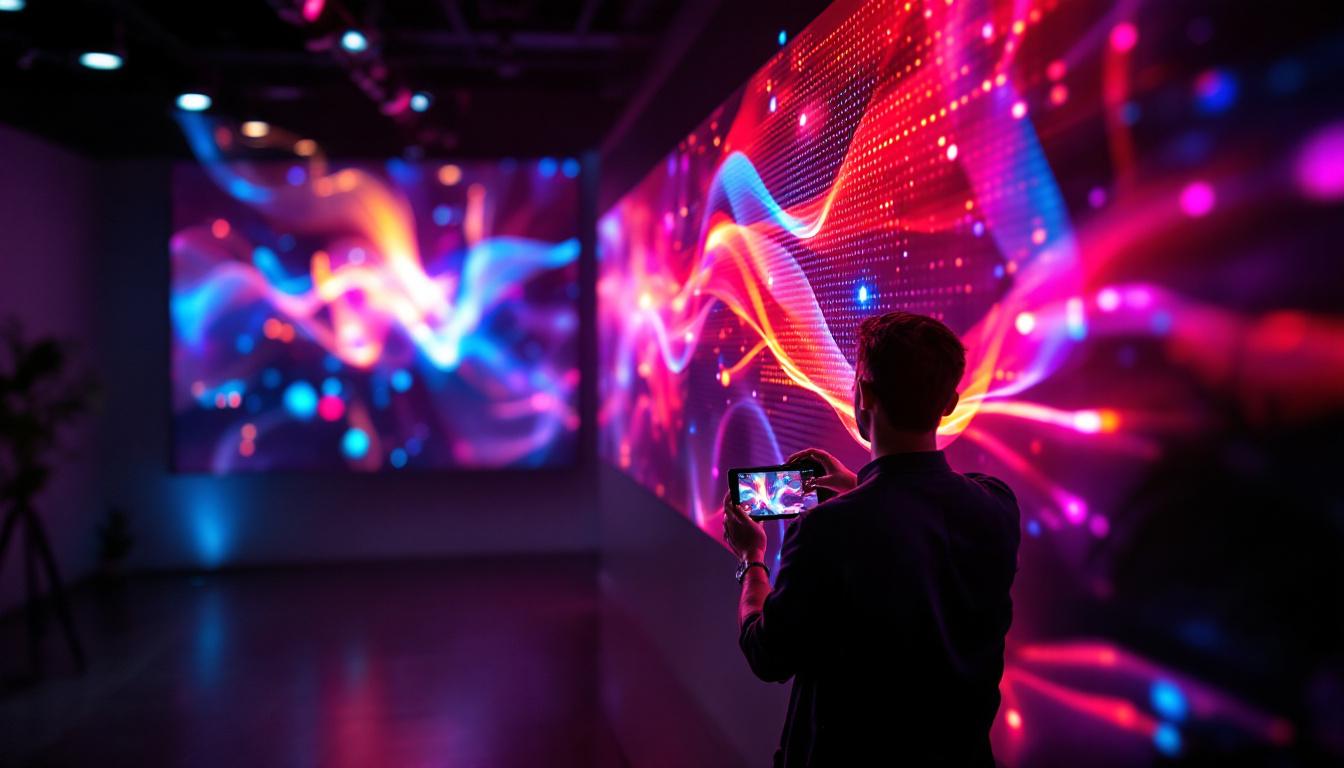
LED displays, or Light Emitting Diode panels, have become a cornerstone of modern visual technology. Unlike traditional projection systems or green screen setups, LED displays offer vibrant, high-resolution images that can be adjusted in real-time. This capability allows filmmakers to create dynamic, immersive backgrounds that interact naturally with actors and camera movements. The versatility of LED technology means that filmmakers can easily switch between different environments, enabling them to shoot multiple scenes in varied settings without the need for extensive location changes.
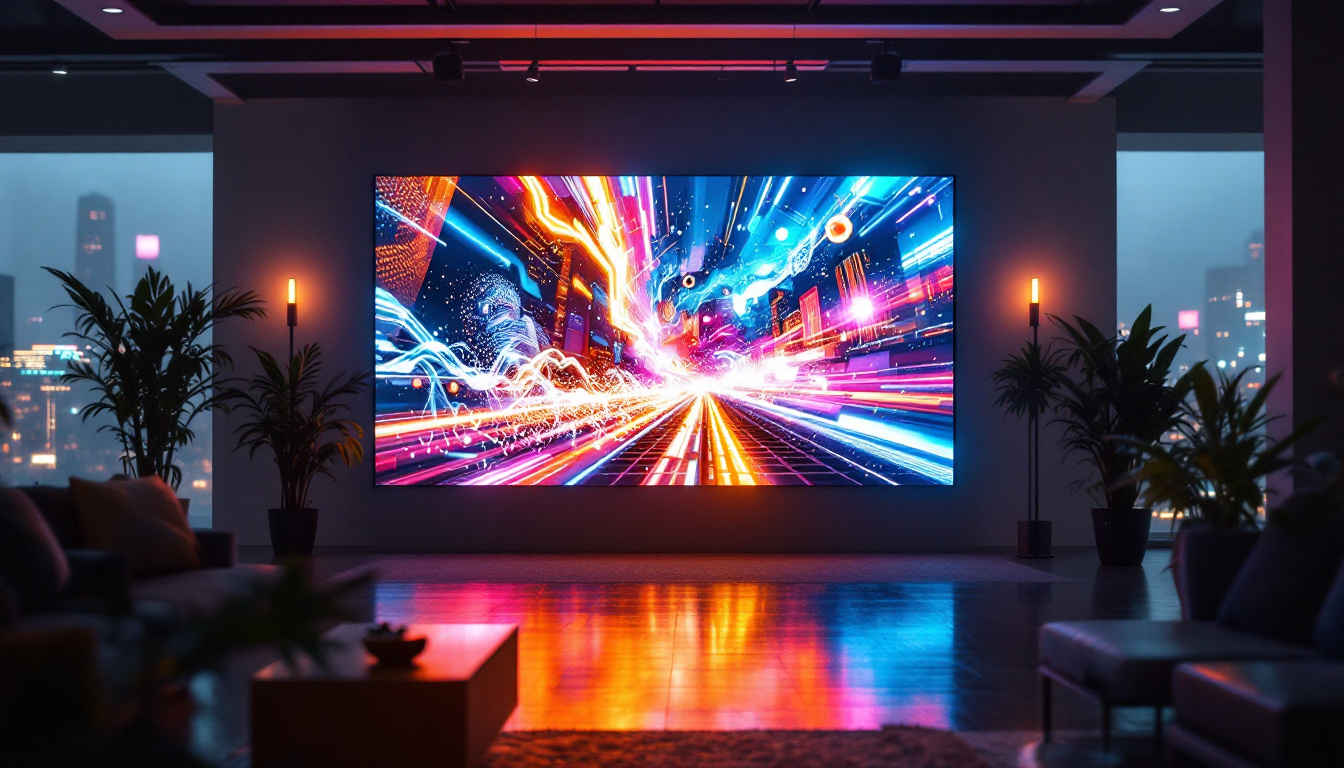
In the context of La Camera, LED displays were used extensively to build virtual environments that were both visually stunning and highly flexible. This approach not only enhanced the storytelling but also streamlined production workflows by reducing the need for physical sets and extensive post-production compositing. The ability to create expansive landscapes or intricate interiors on a modular LED wall means that directors can push the boundaries of creativity, crafting scenes that would be logistically impossible or prohibitively expensive to realize with traditional methods.
How LED Displays Differ from Traditional Green Screen Techniques
Traditional green screen techniques require actors to perform in front of a solid green backdrop, which is later replaced with digital environments during post-production. While effective, this method has limitations, including lighting inconsistencies and challenges in achieving realistic reflections and shadows. Moreover, the actors often have to imagine their surroundings, which can lead to less authentic performances, as they lack the visual cues that would normally inform their actions and reactions.
LED displays, on the other hand, emit light themselves, allowing for natural illumination of actors and physical objects on set. This results in more authentic interactions between the performers and their environment, enhancing the overall realism of the scene. Additionally, directors and cinematographers can see the final composite in real-time, enabling immediate adjustments and creative decisions. The integration of LED technology also opens up new avenues for visual storytelling, such as the ability to simulate dynamic weather conditions or time-of-day changes without the need for extensive reshoots. This level of adaptability not only saves time and resources but also fosters a more collaborative atmosphere on set, where creative ideas can be explored and executed with unprecedented speed and efficiency.
The Role of LED Displays in La Camera
La Camera leveraged LED display technology not just as a backdrop but as an integral part of its narrative and visual style. The film’s production team collaborated closely with LED technology providers to customize the displays, ensuring they met the demanding requirements of cinematic storytelling.
The LED walls used in La Camera were designed to deliver ultra-high-definition visuals with precise color accuracy and brightness levels. This allowed the filmmakers to simulate a wide range of environments—from intimate indoor settings to expansive outdoor landscapes—without leaving the controlled studio environment. The versatility of the LED displays also enabled the team to create dynamic backdrops that could shift and evolve throughout scenes, enhancing the storytelling by visually reflecting the characters’ emotional journeys.
Enhancing Actor Performance and Directorial Vision
One of the most significant advantages of using LED displays in La Camera was the positive impact on actor performance. Instead of imagining their surroundings against a green screen, actors were immersed in the actual visual environment, helping them deliver more authentic and emotionally resonant performances. This immersion not only improved their interactions with the environment but also fostered a deeper connection to the narrative, allowing for more nuanced portrayals of their characters.
Directors benefited from the ability to adjust scenes on the fly, experimenting with lighting, background elements, and camera angles in real-time. This flexibility reduced the need for costly reshoots and extensive visual effects work, ultimately saving time and budget. Moreover, the integration of LED technology allowed for a more collaborative atmosphere on set, as cinematographers and production designers could instantly visualize their ideas and make adjustments based on the director’s vision. This synergy between technology and creativity resulted in a film that not only pushed the boundaries of visual storytelling but also set a new standard for future productions looking to harness the power of LED displays.
Technical Specifications and Innovations Behind the LED Displays
The success of La Camera’s LED display implementation hinged on several key technical innovations. The production utilized state-of-the-art LED panels with a pixel pitch as fine as 1.2 millimeters, ensuring crisp images even at close camera distances.
These panels featured high dynamic range (HDR) capabilities, allowing for deep blacks and vibrant highlights that matched the cinematic quality expected in a feature film. Moreover, the displays were calibrated meticulously to maintain color consistency across the entire LED wall, a critical factor for seamless visual integration. This level of precision not only enhanced the visual storytelling but also reduced post-production time, as the need for extensive color grading was significantly minimized.
Real-Time Rendering and Camera Tracking
Another cornerstone of the LED display system was its integration with real-time rendering engines and advanced camera tracking technology. This setup allowed the background imagery to shift perspective dynamically based on the camera’s position and movement, creating a parallax effect that mimics real-world depth.
Such synchronization is vital for maintaining the illusion of a three-dimensional space, especially when the camera moves through complex scenes. The real-time rendering also facilitated instant changes to the environment, enabling creative experimentation during filming. For instance, directors could instantly alter the mood of a scene by adjusting lighting or background imagery, allowing for a more fluid and collaborative creative process. Additionally, the use of virtual production techniques not only streamlined workflows but also opened up new avenues for storytelling, as filmmakers could incorporate fantastical elements that would be difficult or impossible to achieve with traditional sets.
Benefits of Using LED Displays in Modern Movie Production
The adoption of LED display technology in films like La Camera highlights several compelling benefits that are reshaping the industry:
1. Enhanced Visual Realism
LED displays provide natural lighting and reflections that interact with actors and physical props, creating a more believable and immersive visual experience. This level of realism is difficult to achieve with traditional green screen techniques.
2. Streamlined Production Workflow
By eliminating the need for location shoots and extensive post-production compositing, LED displays can significantly reduce production timelines and costs. Directors and cinematographers can make creative decisions on set with immediate visual feedback.
3. Greater Creative Flexibility
Filmmakers can experiment with different environments, lighting conditions, and visual effects in real-time, fostering innovation and creative exploration without the constraints of physical sets.
4. Improved Safety and Sustainability
Reducing location shoots minimizes logistical challenges and environmental impact. LED volume stages are also safer for cast and crew, especially during adverse weather conditions or pandemic-related restrictions.
Challenges and Considerations When Using LED Displays
Despite the numerous advantages, integrating LED displays into movie production is not without challenges. Understanding these factors is essential for filmmakers considering this technology:
High Initial Investment
Setting up an LED volume stage requires significant upfront costs for panels, rendering hardware, and specialized personnel. However, these costs can be offset over time through reduced location expenses and post-production savings.
Technical Expertise and Collaboration
Successful implementation demands close collaboration between filmmakers, visual effects artists, and LED technology specialists. Teams must be proficient in real-time rendering software, color calibration, and camera tracking systems.
Limitations in Panel Size and Resolution
While LED technology continues to advance rapidly, there are practical limits to panel size and resolution that can affect the scale and detail of virtual environments. Careful planning is required to optimize the setup for each production’s needs.
The Future of LED Displays in Filmmaking
The use of LED displays in films like La Camera signals a broader trend toward immersive, technology-driven storytelling. As LED technology becomes more affordable and accessible, it is poised to become a standard tool in the filmmaker’s arsenal.
Advancements in microLED and OLED technologies promise even higher resolution and contrast ratios, while improvements in real-time rendering engines will enable increasingly complex and interactive virtual environments. Additionally, the integration of artificial intelligence and machine learning could further streamline production processes and creative workflows.
Expanding Beyond Film: Television, Advertising, and Live Events
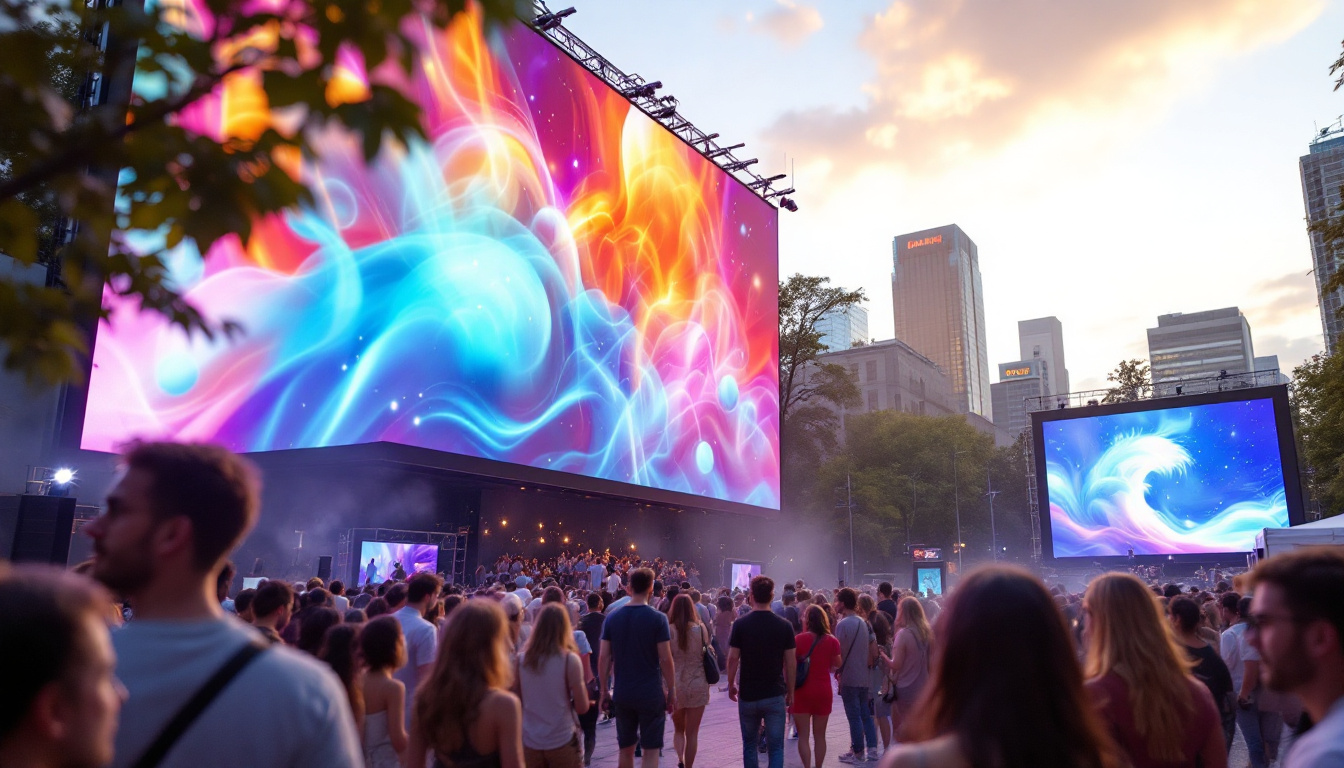
LED display technology is not limited to feature films. Television productions, commercials, and live events are increasingly adopting LED volumes to create captivating visuals and immersive experiences. This cross-industry adoption underscores the versatility and transformative potential of LED displays.
Conclusion
La Camera exemplifies how LED display technology is reshaping the landscape of modern filmmaking. By enabling real-time, immersive environments that enhance actor performance and streamline production, LED displays offer a powerful alternative to traditional methods. While challenges remain, ongoing innovations continue to expand the possibilities for creative storytelling.
For filmmakers and studios aiming to push the boundaries of visual storytelling, understanding and embracing LED display technology is becoming essential. As the industry evolves, the fusion of technology and artistry promises to deliver ever more engaging and visually stunning cinematic experiences.
Discover the Future of Visual Storytelling with LumenMatrix
As La Camera has demonstrated, the integration of LED display technology is pivotal in the evolution of filmmaking, offering unparalleled realism and creative freedom. If you’re inspired to explore the cutting-edge possibilities LED displays can bring to your next project, look no further than LumenMatrix. With a diverse range of innovative solutions including Indoor and Outdoor LED Wall Displays, Vehicle LED Displays, and more, LumenMatrix is at the forefront of revolutionizing visual communication. Check out LumenMatrix LED Display Solutions today and step into the future of immersive storytelling.