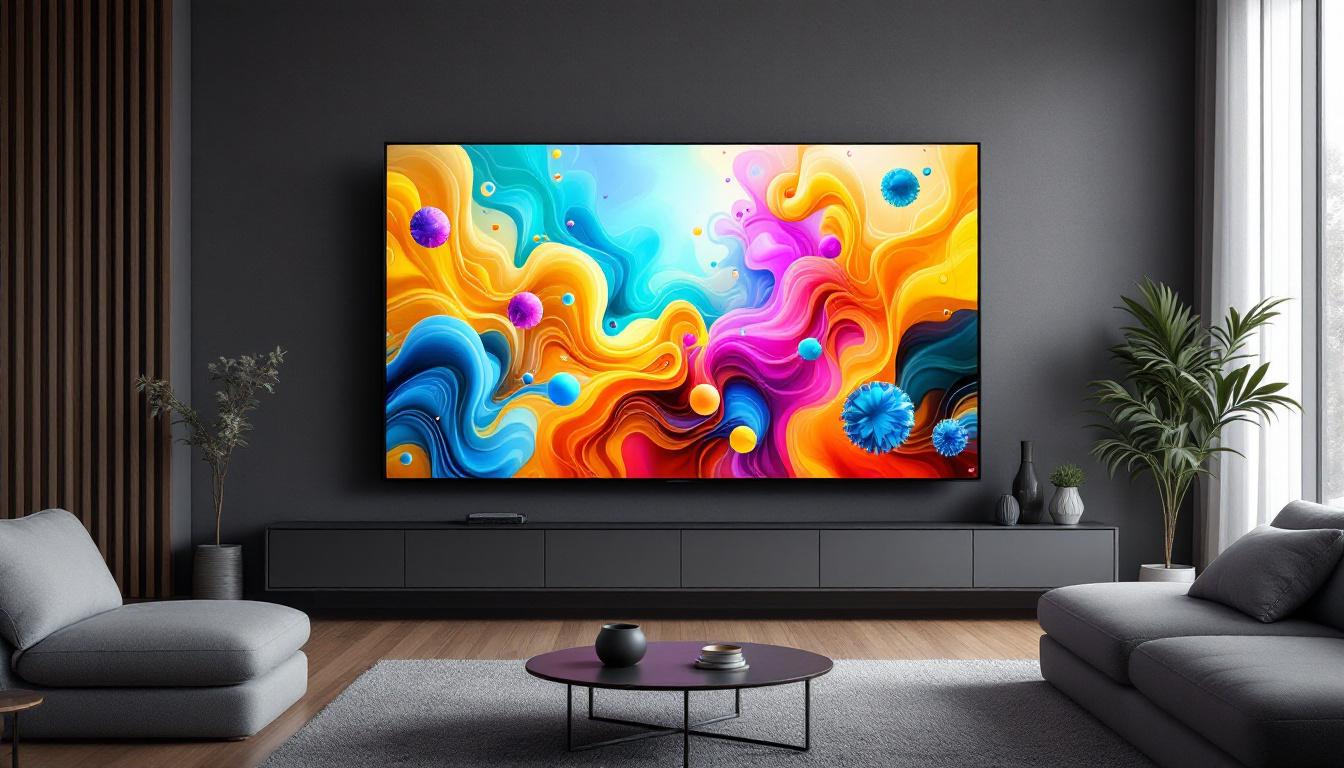
In the rapidly evolving world of display technology, understanding contrast ratios is essential for anyone seeking the best visual experience. Whether you’re a consumer shopping for a new television, a professional choosing monitors for graphic design, or a tech enthusiast curious about the science behind LED displays, grasping the concept of contrast ratios can significantly influence your decisions.
This article delves into what contrast ratios mean in the context of LED displays, why they matter, and how they impact the quality of images you see. It will also explore the different types of LED technologies, measurement standards, and practical tips for evaluating displays based on contrast performance.
What Is Contrast Ratio?
Defining Contrast Ratio
Contrast ratio is a fundamental metric used to describe the difference between the darkest black and the brightest white that a display can produce. Technically, it is the ratio of luminance between the brightest white and the darkest black a screen can display. For example, a contrast ratio of 1000:1 means the brightest white is 1000 times brighter than the darkest black.
This ratio directly affects how vivid and lifelike an image appears. Higher contrast ratios typically translate to more vibrant colors, deeper shadows, and a more immersive viewing experience. Conversely, lower contrast ratios can result in washed-out images where details in dark or bright areas are lost. The human eye is particularly sensitive to contrast, making it a critical factor in visual perception. This sensitivity means that even small differences in contrast can significantly impact how we interpret images, making it essential for designers and content creators to consider contrast when developing visual media.
Why Contrast Ratio Matters in LED Displays
LED displays, which use light-emitting diodes as their light source, rely heavily on contrast ratio to deliver high-quality images. Since LED panels illuminate pixels individually or in groups, their ability to produce true blacks and bright whites is a key differentiator from older technologies like LCDs with CCFL backlighting.
For users, a high contrast ratio means better visibility in various lighting conditions, improved color accuracy, and enhanced detail in both shadows and highlights. This is crucial for applications ranging from watching movies and gaming to professional photo editing and medical imaging. In environments with bright ambient light, such as offices or living rooms, a higher contrast ratio helps maintain image clarity and detail, preventing the screen from appearing dull or washed out. Additionally, advancements in display technology, such as OLED and Mini-LED, have pushed the boundaries of contrast ratios even further, allowing for unprecedented levels of detail and realism in visual content. These innovations not only enhance entertainment experiences but also improve productivity in professional settings where precise color representation is paramount.
Types of LED Displays and Their Contrast Characteristics
Edge-Lit LED Displays
Edge-lit LED displays position LEDs along the edges of the screen, using light guides to distribute illumination across the panel. While this design allows for thinner and lighter screens, it often results in less uniform backlighting and lower contrast ratios compared to other LED types.
Because the backlight is not localized, blacks may appear grayish, especially in dark scenes, reducing the overall contrast. Typical contrast ratios for edge-lit LED TVs range from 1000:1 to 3000:1, which is adequate for general viewing but may not satisfy users seeking deep blacks and high dynamic range.
Full-Array LED Displays with Local Dimming
Full-array LED displays feature a grid of LEDs placed directly behind the screen, allowing for more precise control of brightness in different areas. Local dimming technology enables the display to dim or turn off LEDs in dark regions, enhancing black levels and improving contrast ratios significantly.
This technology can push contrast ratios into the tens of thousands, sometimes exceeding 50,000:1 in high-end models. The result is a more dynamic picture with better shadow detail and less light bleed, making it ideal for cinematic content and HDR (High Dynamic Range) playback.
OLED vs. LED Contrast Ratios
While OLED (Organic Light Emitting Diode) displays are not LED in the traditional sense, they are often compared due to their similar emissive technologies. OLEDs can turn off individual pixels completely, achieving theoretically infinite contrast ratios because the black levels are absolute zero luminance.
In contrast, even the best LED displays with local dimming cannot achieve perfect blacks due to the nature of backlighting. However, LED displays often outperform OLEDs in peak brightness, which is another important factor in perceived contrast, especially in bright rooms.
Measuring Contrast Ratio: Standards and Challenges
Static Contrast Ratio
Static contrast ratio measures the difference in luminance between the brightest white and darkest black simultaneously displayed on the screen. This is the most commonly cited figure by manufacturers and provides a baseline for comparing displays.
However, static contrast does not account for dynamic changes in brightness or local dimming effects, which can enhance perceived contrast in real-world viewing.
Dynamic Contrast Ratio
Dynamic contrast ratio attempts to measure contrast by adjusting the backlight intensity dynamically depending on the content being displayed. This means the screen can boost brightness for bright scenes and dim the backlight for dark scenes, artificially increasing the contrast ratio.
While dynamic contrast ratios can reach extremely high numbers (sometimes millions to one), these figures are often criticized for being misleading because they do not represent simultaneous luminance differences and vary greatly depending on content and measurement methods.
Measurement Challenges and Industry Standards
Measuring contrast ratio accurately is complicated by factors such as ambient lighting, measurement equipment, and testing methodologies. Organizations like the International Electrotechnical Commission (IEC) provide standards (e.g., IEC 61966-2-1) for color and luminance measurements, but manufacturers may still use different approaches.
For consumers, understanding that contrast ratio numbers are best used as relative indicators rather than absolute truths is important. Independent reviews and side-by-side comparisons often provide more practical insights into a display’s contrast performance.
How Contrast Ratio Affects Viewing Experience
Impact on Image Quality
High contrast ratios enhance the perception of depth and detail in images. Dark scenes in movies, for instance, benefit from deep blacks that reveal subtle shadow details without appearing washed out. Similarly, bright highlights stand out more vividly, contributing to a more realistic and engaging picture.
In gaming, contrast ratio can affect visibility in shadowed areas, which is critical for gameplay and immersion. For professionals working with color grading or photo editing, accurate contrast ensures that the final output matches the intended look.
Ambient Light and Contrast Perception
The environment where a display is used significantly influences how contrast is perceived. In brightly lit rooms, reflections and glare can reduce the effective contrast ratio, making it harder to distinguish dark details. Conversely, in dark rooms, even displays with moderate contrast ratios can appear impressive.
Some LED displays incorporate anti-reflective coatings and brightness boosting technologies to mitigate ambient light effects, but room conditions remain a critical factor in display performance.
Choosing an LED Display Based on Contrast Ratio
Consider Your Use Case
When selecting an LED display, consider how you intend to use it. For casual TV watching in a well-lit living room, an edge-lit LED with a contrast ratio around 3000:1 may suffice. However, for home theater enthusiasts or professionals requiring precise color and contrast, full-array LED displays with local dimming or OLED alternatives are preferable.
Look Beyond the Numbers
While contrast ratio is important, it should not be the sole deciding factor. Other specifications such as color accuracy, brightness, resolution, and refresh rate also contribute to overall image quality. Additionally, user reviews and professional evaluations can provide insights into real-world performance that raw numbers cannot capture.
Testing Displays in Person
Whenever possible, viewing displays in person under your typical lighting conditions can help you assess contrast and image quality more effectively. Pay attention to how well the display handles dark scenes, the uniformity of backlighting, and whether bright highlights are crisp without blooming or halo effects.
Future Trends in LED Display Contrast Technology
Mini-LED and Micro-LED Innovations
Emerging technologies like Mini-LED and Micro-LED are pushing the boundaries of LED display contrast. Mini-LED uses thousands of tiny LEDs for backlighting, enabling finer local dimming zones and higher contrast ratios than traditional full-array LEDs.
Micro-LED, on the other hand, is an emissive technology similar to OLED but uses inorganic LEDs, promising even higher brightness, longer lifespan, and excellent contrast without burn-in issues. These advancements are expected to bring unprecedented contrast performance to consumer and professional displays.
Enhanced HDR Standards
High Dynamic Range (HDR) content demands displays with superior contrast capabilities. Standards like HDR10+, Dolby Vision, and HLG require displays to deliver both high peak brightness and deep blacks to fully realize the expanded color and luminance range.
Manufacturers continue to improve LED display contrast ratios to meet these standards, enhancing the viewing experience for HDR content across streaming platforms, gaming consoles, and Blu-ray media.
Conclusion
Contrast ratio remains a cornerstone metric in evaluating LED display quality. Understanding its definition, measurement nuances, and impact on viewing experience empowers consumers and professionals to make informed choices. While higher contrast ratios generally mean better image quality, it is essential to consider the type of LED technology, ambient lighting conditions, and personal use cases.
As LED technology advances with innovations like Mini-LED and Micro-LED, the future promises even more impressive contrast performance, bringing richer, more immersive visuals to screens of all sizes. Whether upgrading a home entertainment system or selecting professional monitors, paying attention to contrast ratio will ensure a superior visual experience.
Discover LumenMatrix’s Advanced LED Displays
Ready to experience the pinnacle of contrast ratios and witness the future of visual technology? LumenMatrix invites you to explore our comprehensive range of LED display solutions, designed to meet your every need. From the immersive Indoor LED Wall Display to the dynamic Outdoor LED Wall Display, and from the versatile Vehicle LED Display to the innovative All-in-One LED Display, our products are crafted to elevate your visual storytelling. Embrace the power of superior contrast and let your message shine with clarity and impact. Check out LumenMatrix LED Display Solutions today and transform your space into a captivating visual experience.