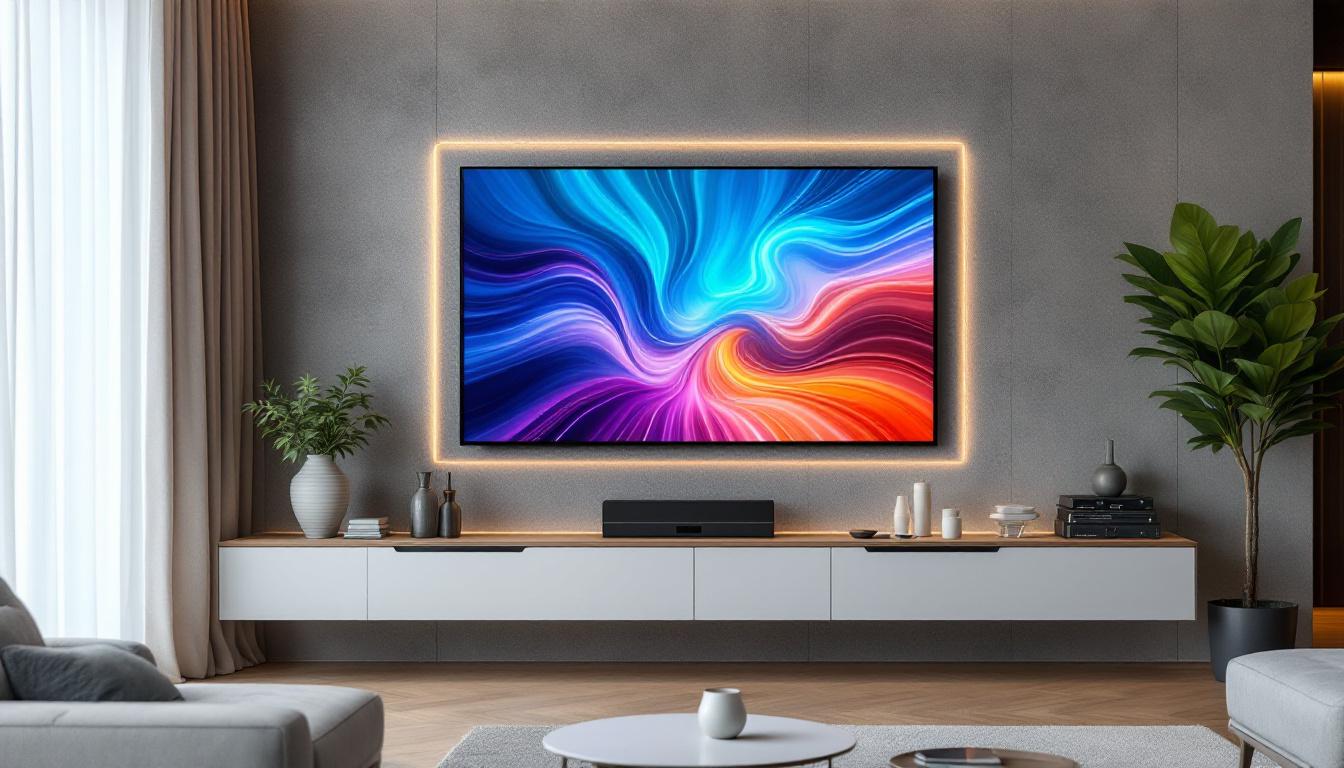
When planning home renovations or new constructions, one of the most common questions homeowners ask is about the cost of building a wall. Walls are fundamental structural elements, but their costs can vary widely depending on materials, labor, and additional features. Recently, integrating technology such as LED displays into walls has become a popular trend, offering both aesthetic appeal and functional benefits.
This article explores the comprehensive costs associated with building a wall in a house, with a special focus on incorporating LED displays. Whether you’re considering a simple partition or a high-tech feature wall, understanding the financial and technical aspects will help you make informed decisions.
Understanding the Basic Costs of Building a Wall
Materials and Types of Walls
The cost of building a wall primarily depends on the materials used. Common materials include drywall, brick, concrete blocks, wood framing, and plaster. Each material has its own price range and installation complexity.
For example, drywall is one of the most affordable options, with costs averaging between $1.50 to $3.50 per square foot, including materials and labor. Brick or stone walls are more expensive, often costing $10 to $30 per square foot due to the material cost and skilled labor required. The aesthetic appeal of brick and stone can also add value to a property, making them a popular choice for exterior walls.
Concrete block walls fall somewhere in between, typically costing $6 to $12 per square foot. They are known for their durability and resistance to weather, making them a preferred option in areas prone to extreme conditions. Wood-framed walls, often used in residential construction, vary depending on the type of wood and finishing materials but usually range from $4 to $8 per square foot. The choice of wood can also influence the overall look and feel of the space, with options like cedar or pine offering different benefits such as natural resistance to rot or insects.
Labor Costs and Regional Variations
Labor is a significant factor in wall construction costs. Skilled labor rates can vary based on location, complexity of the job, and contractor experience. In urban areas or regions with a high cost of living, labor rates tend to be higher. For instance, labor costs in cities like New York or San Francisco can be 20-30% higher than in smaller towns or rural areas. Additionally, the availability of skilled labor can influence costs; in some regions, there may be a shortage of qualified contractors, driving up prices further.
On average, labor costs for wall construction range from $30 to $75 per hour. For a standard interior drywall partition, labor might constitute 40-50% of the total cost. It’s essential to get multiple quotes and verify contractor credentials to ensure fair pricing and quality workmanship. Moreover, discussing the project timeline with contractors can help in understanding how labor costs may fluctuate based on urgency or seasonal demand.
Additional Costs: Finishing and Insulation
Beyond the basic structure, finishing touches such as painting, plastering, and installing insulation add to the overall cost. Insulation is particularly important for energy efficiency and soundproofing. Depending on the type, insulation can cost between $0.50 and $2.00 per square foot. Insulation materials like fiberglass, foam, or cellulose each have their own benefits and drawbacks, which can also affect long-term energy savings and comfort levels in the home.
Painting or wallpapering costs vary widely based on materials and labor but typically add $1 to $3 per square foot. These finishing costs are often overlooked but can significantly impact the final budget. Additionally, if you opt for specialty finishes, such as textured paint or high-end wallpaper, the expenses can increase substantially. Homeowners should also consider the long-term maintenance of these finishes, as some may require more frequent touch-ups or replacements, further influencing the overall cost of wall construction and maintenance over time.
Incorporating LED Displays into Walls: What to Expect
The Rise of LED Display Walls in Residential Spaces
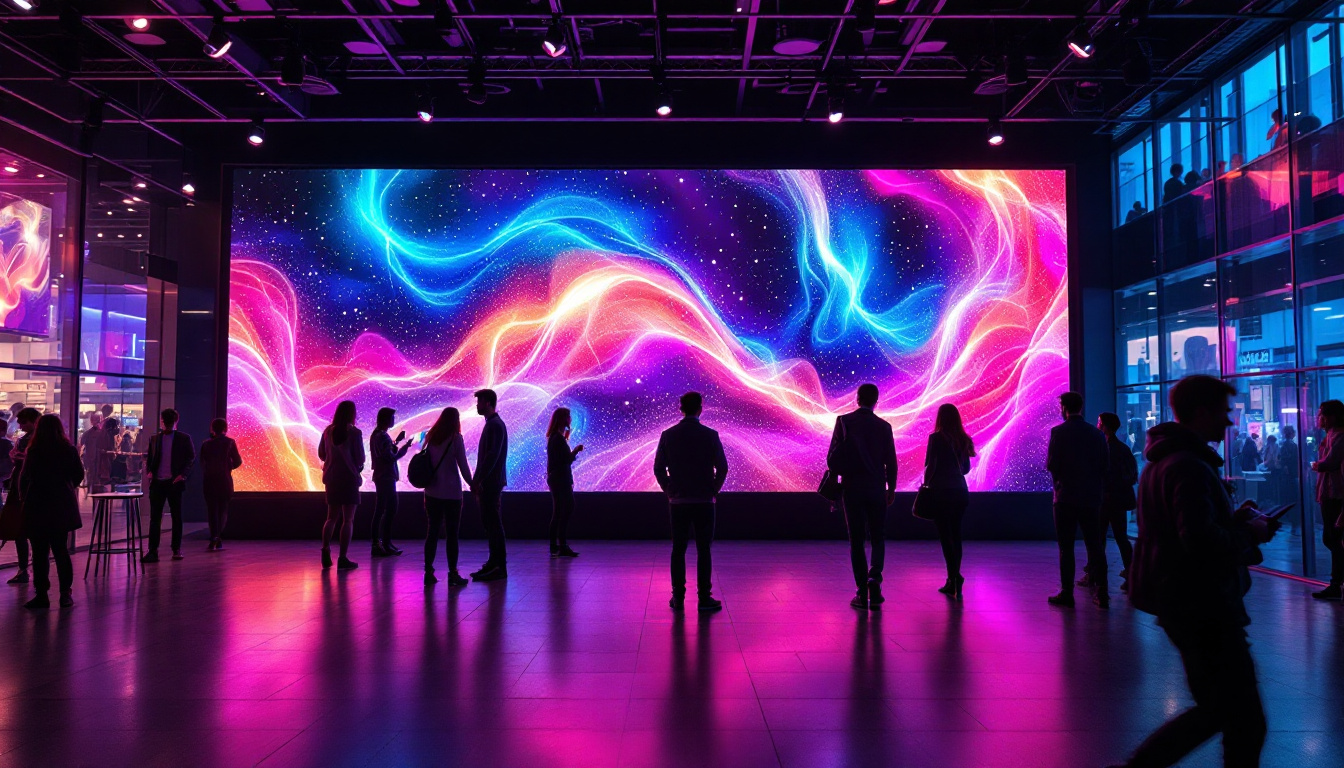
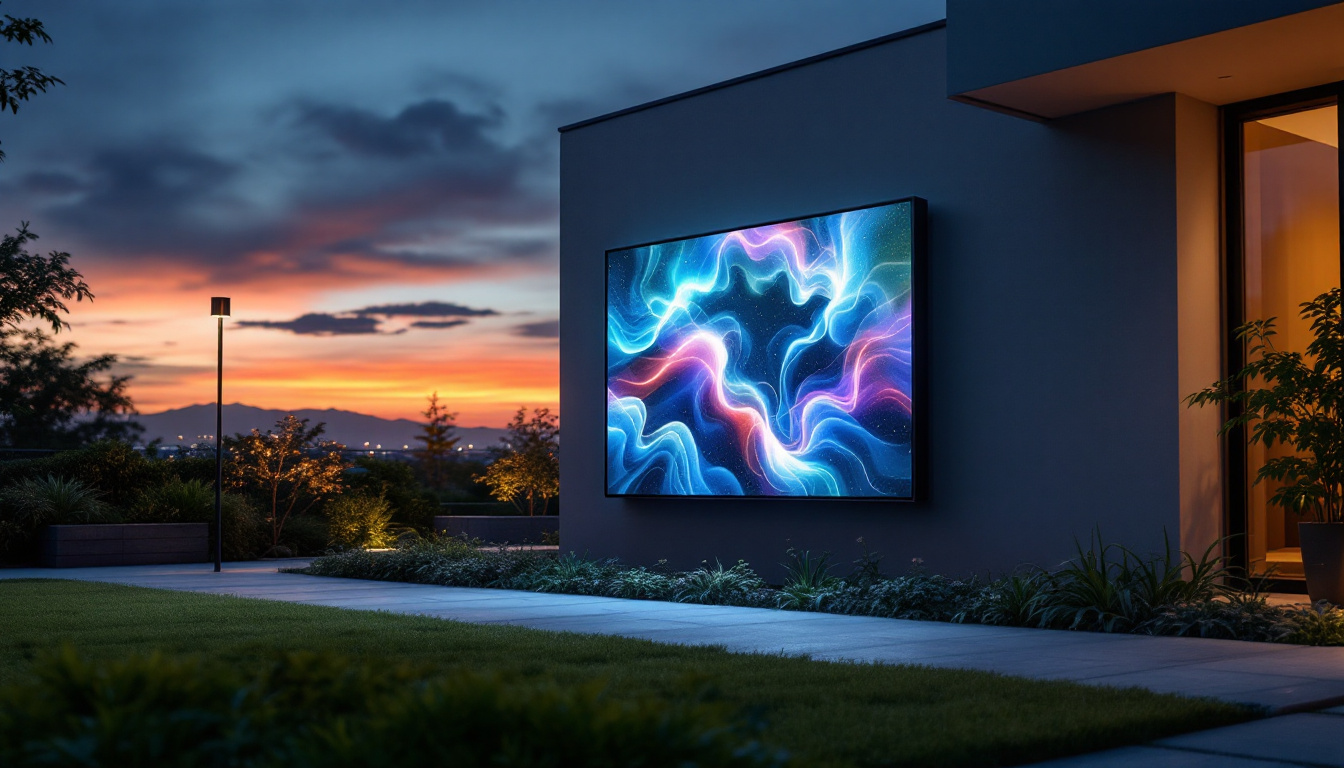
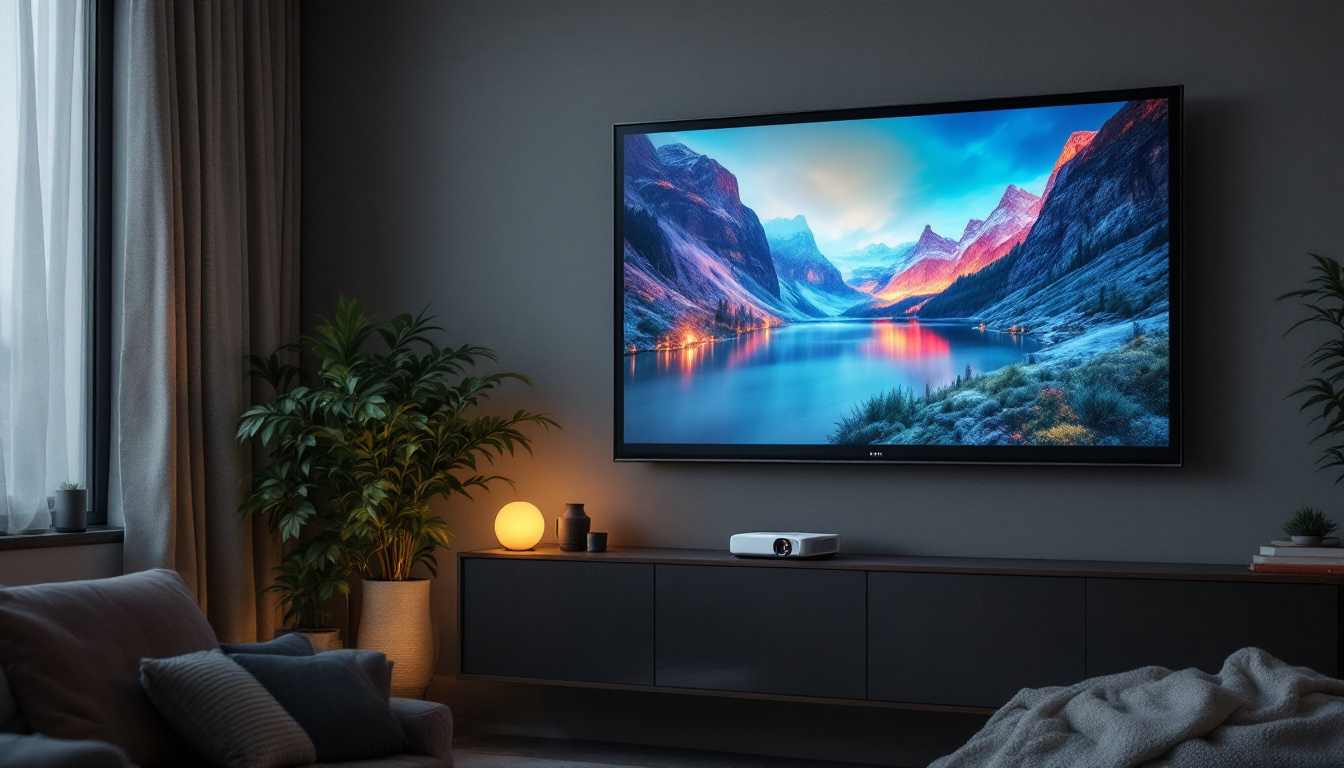
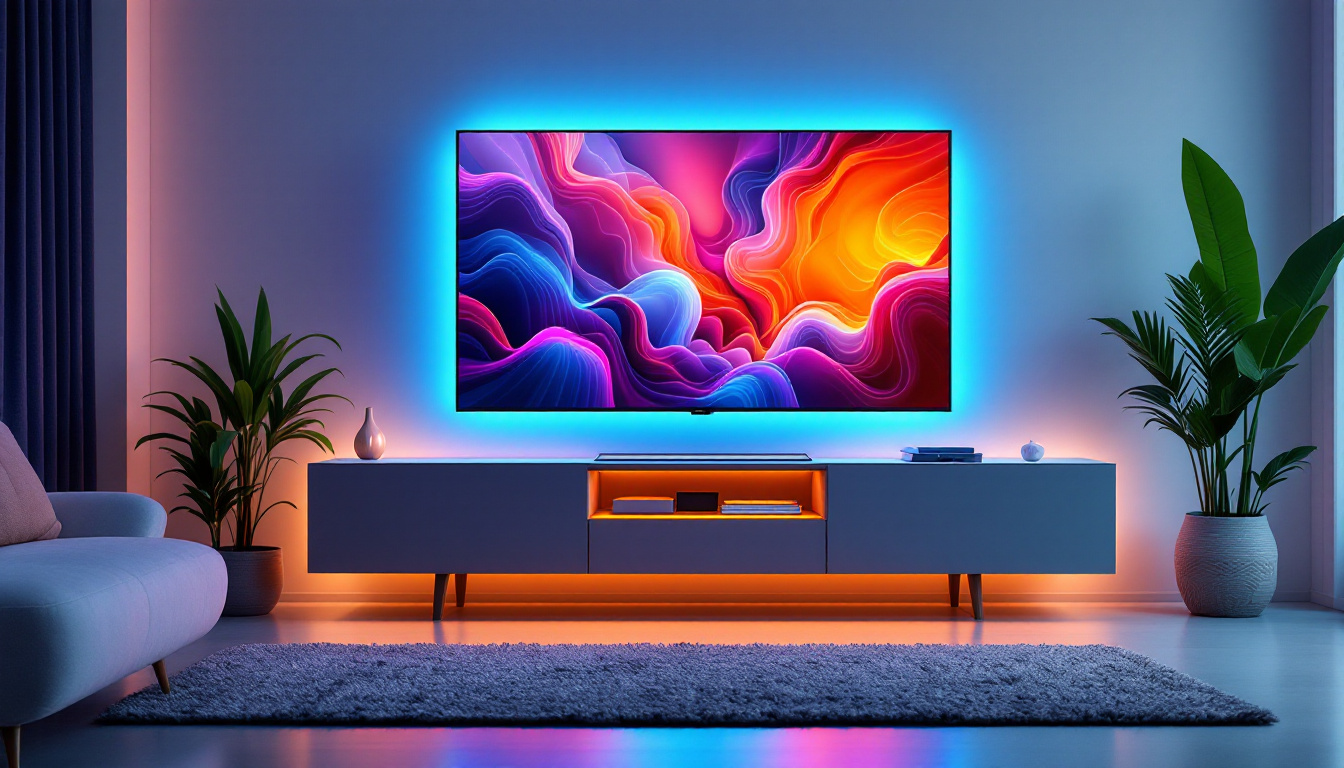
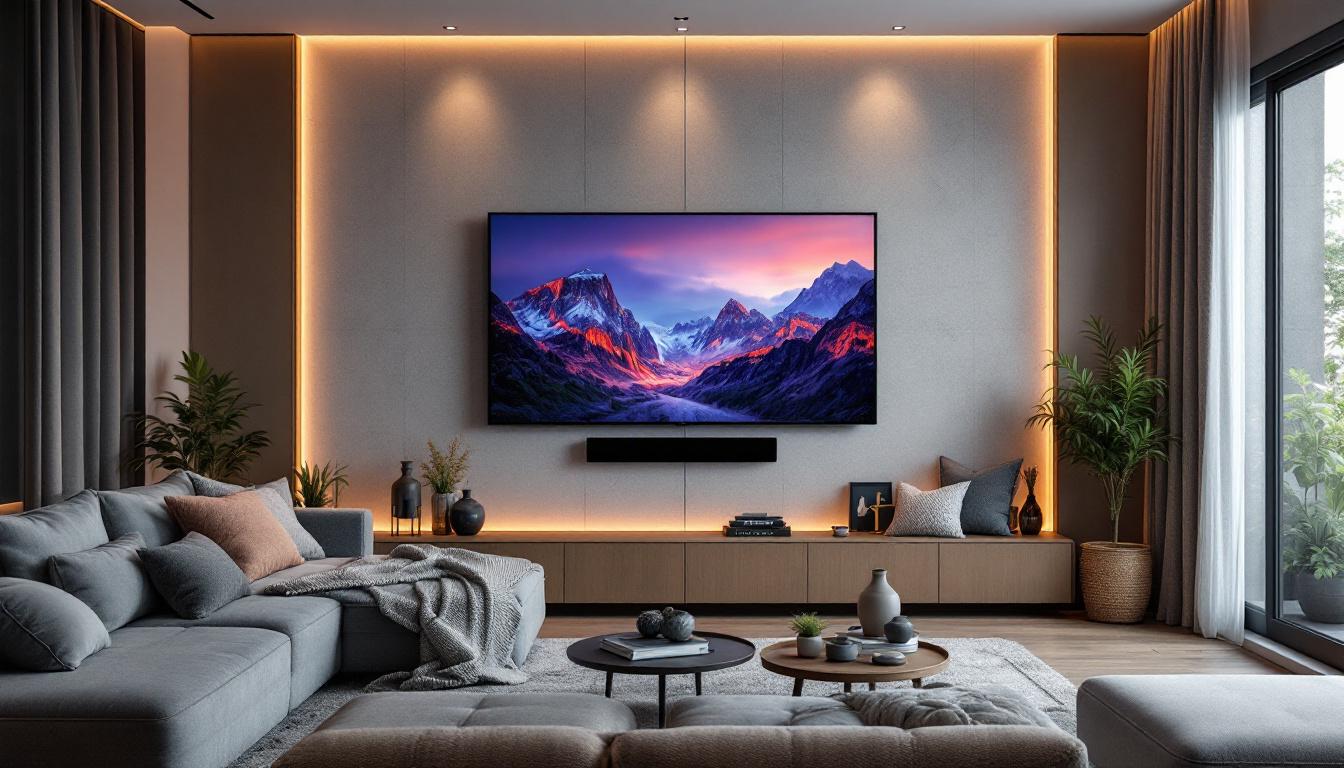
LED display technology has evolved rapidly, becoming more affordable and versatile. Today, LED walls are not just for commercial or entertainment venues; they are increasingly popular in residential settings for home theaters, digital art displays, and interactive smart walls.
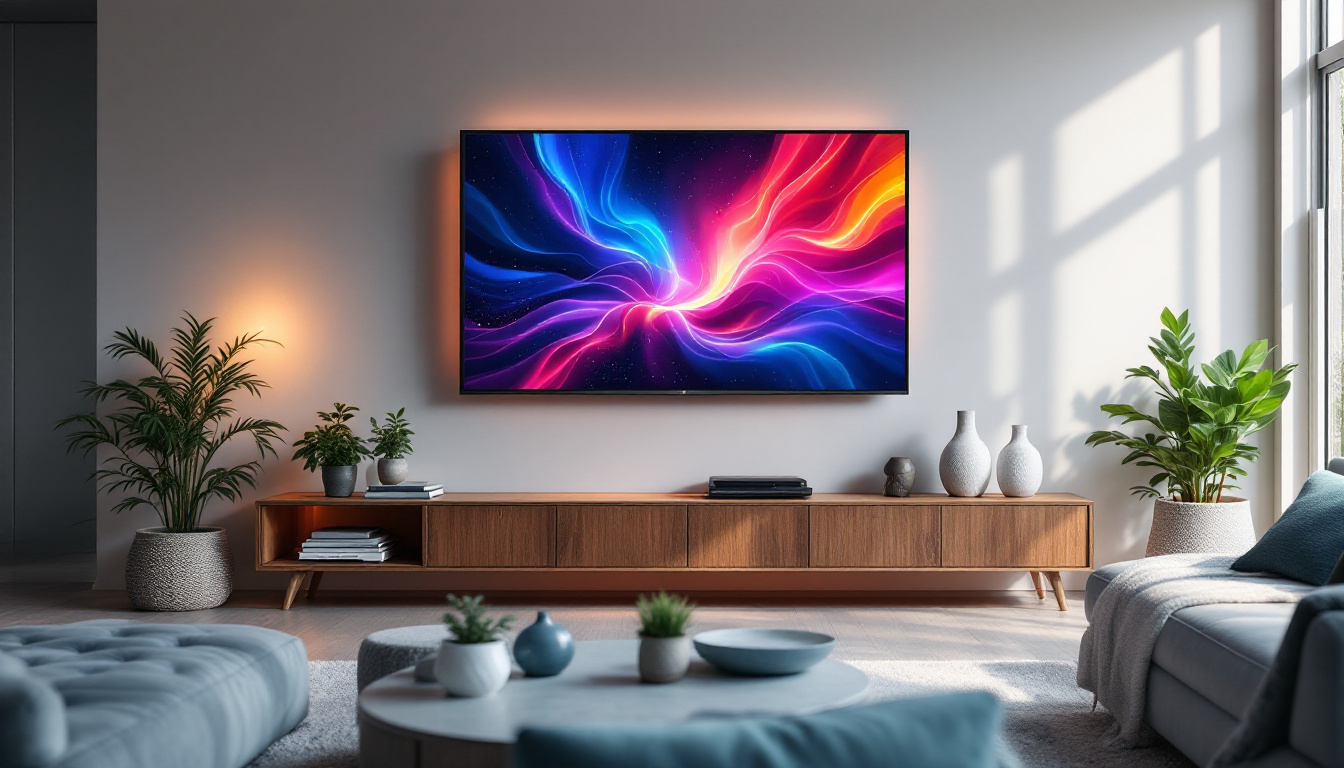
Integrating an LED display into a wall transforms it from a mere structural element into a dynamic, multifunctional feature. This can enhance the ambiance, provide entertainment options, and even serve as a communication hub within the home.
Types of LED Displays Suitable for Walls
When considering LED displays for walls, there are several types to choose from:
- LED Panels: These modular panels can be assembled to create large, seamless displays. They offer high resolution and brightness, suitable for media rooms or art installations.
- LED Strips: Flexible and easy to install, LED strips are often used for accent lighting around walls, highlighting architectural features or creating mood lighting.
- Transparent LED Screens: These allow light to pass through and can be integrated into glass walls or partitions, offering futuristic design possibilities.
The choice depends on the intended use, budget, and design preferences.
Cost Breakdown for LED Display Wall Installation
The cost of adding an LED display to a wall includes several components:
- LED Hardware: The price varies based on size, resolution, and type. For example, high-resolution LED panels can cost between $1,000 and $3,000 per square meter. LED strips are more affordable, ranging from $10 to $50 per meter.
- Installation: Professional installation is crucial for safety and optimal performance. Installation costs typically run from $50 to $150 per hour, depending on complexity.
- Supporting Infrastructure: This includes power supply, mounting structures, wiring, and control systems. These can add 20-30% to the hardware cost.
- Content Management System (CMS): For interactive or dynamic displays, software to manage content is necessary. Licensing or custom development can range from a few hundred to several thousand dollars.
Overall, a basic LED wall installation in a residential setting can start around $5,000 for a small feature wall and escalate significantly for larger, high-end installations.
Planning and Budgeting for a Wall with LED Display
Assessing Your Needs and Space
Before committing to an LED wall project, it’s essential to assess the space and intended use. Consider factors such as wall size, viewing distance, lighting conditions, and electrical capacity. A thorough assessment helps avoid overspending on features that may not be necessary or underestimating the requirements.
Consulting with an architect or interior designer experienced in integrating technology can provide valuable insights and ensure the project aligns with your home’s style and functionality.
Budgeting Tips for Cost Efficiency
To manage costs effectively, consider the following tips:
- Start Small: Begin with a smaller LED feature wall or use LED strips for accent lighting before investing in a full-scale display.
- Compare Quotes: Obtain multiple bids from reputable contractors and LED suppliers to find the best value.
- Plan for Future Upgrades: Design the wall infrastructure to accommodate future technology upgrades without extensive remodeling.
- DIY Where Possible: Some LED installations, such as LED strips, can be installed by homeowners with basic skills, reducing labor costs.
Maintenance and Operational Costs
LED displays require ongoing maintenance to ensure longevity and performance. This includes cleaning, software updates, and occasional hardware repairs. While LED technology is energy-efficient, it still adds to your electricity bill. Expect an increase of approximately 10-15% in energy consumption depending on usage patterns.
Budgeting for maintenance and operational costs upfront will prevent surprises and help maintain the display’s quality over time.
Case Studies: Real-World Examples of Wall and LED Display Costs
Case Study 1: Interior Partition Wall with LED Accent Lighting
A homeowner in Austin, Texas, built a 10-foot by 8-foot drywall partition wall to create a home office. They incorporated LED strip lighting around the perimeter for ambient lighting. The drywall wall cost approximately $1,800, including materials and labor. The LED strip installation added $600, covering hardware and installation.
This project demonstrated how modest LED integration can enhance a space without significantly increasing the budget.
Case Study 2: Full LED Media Wall in a Living Room
In Los Angeles, a client commissioned a 12-foot by 7-foot high-resolution LED panel wall for a home theater setup. The LED hardware cost $15,000, with installation and supporting infrastructure adding another $5,000. The total project cost was around $22,000, including a custom content management system.
The investment created a stunning visual centerpiece but required careful planning and a substantial budget.
Case Study 3: Transparent LED Wall Partition
A modern apartment in New York City featured a glass partition with integrated transparent LED screens. The project cost $30,000 due to the specialized materials and technology. The wall served both as a room divider and a digital display for art and information.
This example highlights the premium nature of cutting-edge LED wall applications in residential environments.
Conclusion: Balancing Cost, Functionality, and Design
Building a wall in a house is a fundamental construction task with costs influenced by materials, labor, and finishing details. When integrating LED displays, the financial considerations expand to include technology costs, installation complexity, and ongoing maintenance.
Homeowners should carefully evaluate their needs, budget realistically, and seek professional advice to achieve a balance between cost, functionality, and design. Whether opting for simple LED accent lighting or a full-scale digital wall, LED technology offers exciting possibilities to transform living spaces.
By understanding the comprehensive costs and planning accordingly, it’s possible to create innovative, visually striking walls that enhance both the value and enjoyment of a home.
Transform Your Space with LumenMatrix LED Displays
Ready to elevate your home with the perfect blend of elegance and technology? Discover LumenMatrix’s wide range of innovative LED display solutions tailored to your unique needs. From mesmerizing Indoor LED Wall Displays to dynamic Outdoor LED Wall Displays and beyond, LumenMatrix is committed to revolutionizing your visual experience. Embrace the future of home design and create unforgettable visual narratives with our cutting-edge displays. Check out LumenMatrix LED Display Solutions today and start your journey towards a visually stunning living space.