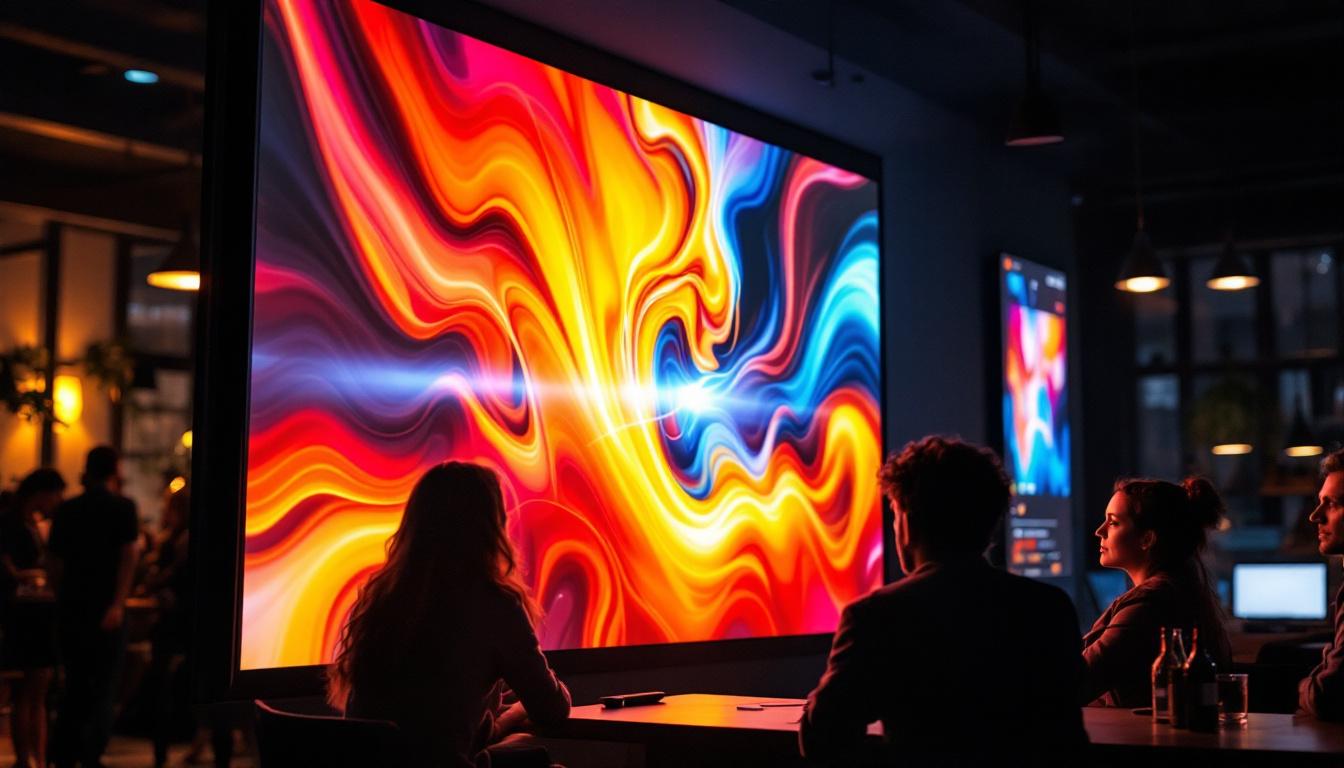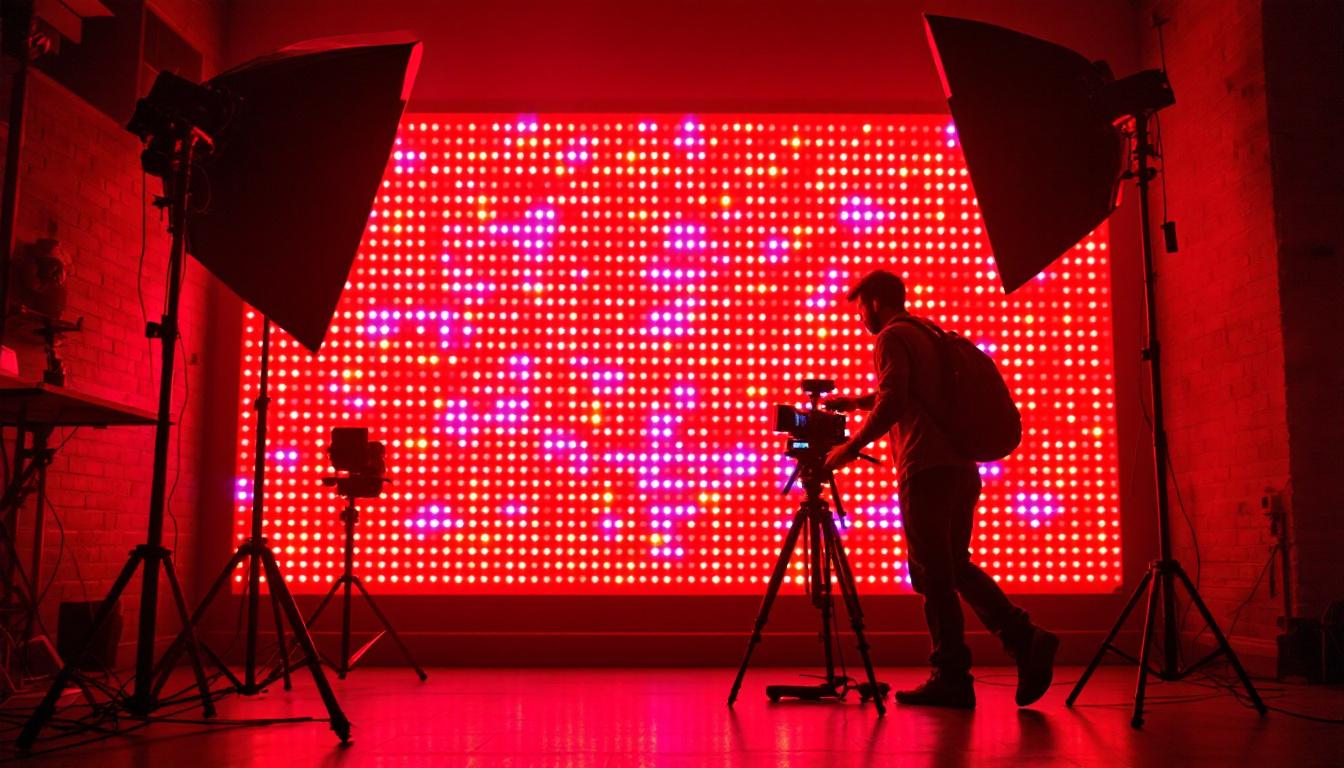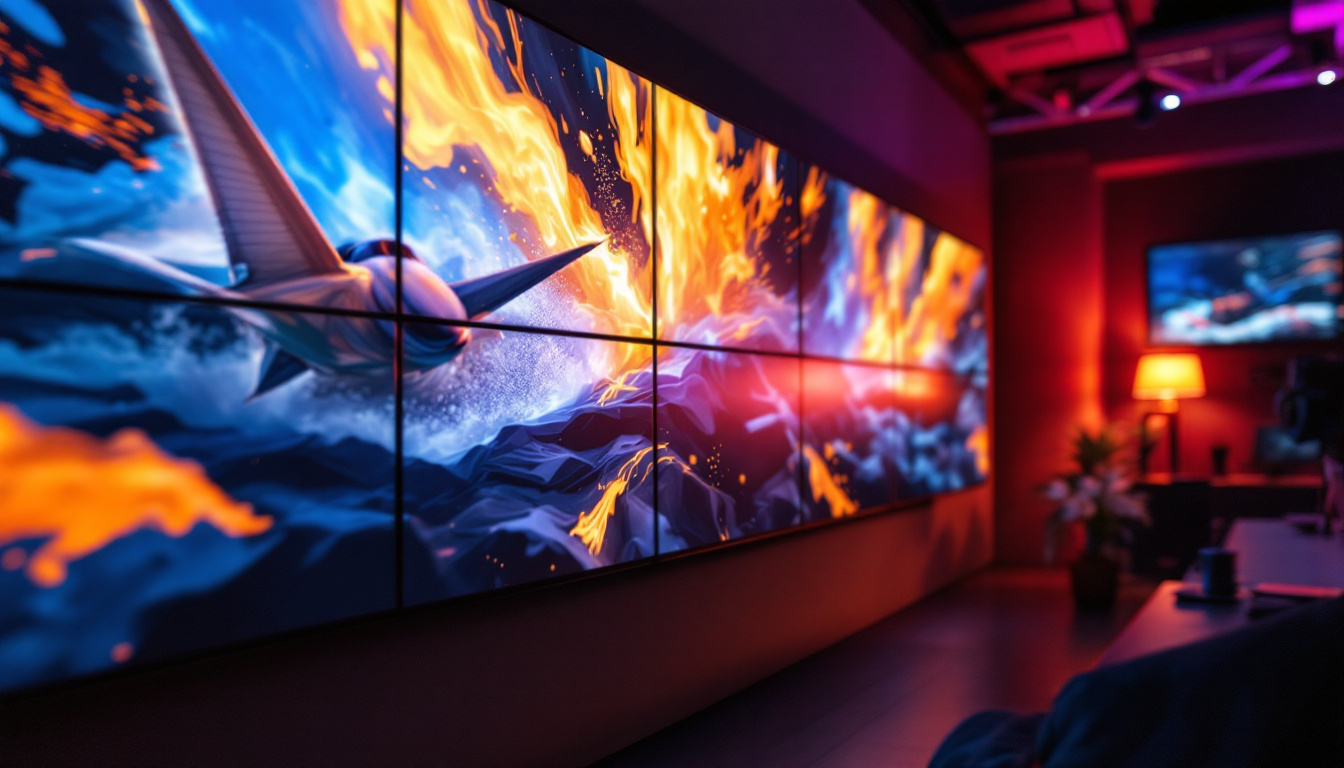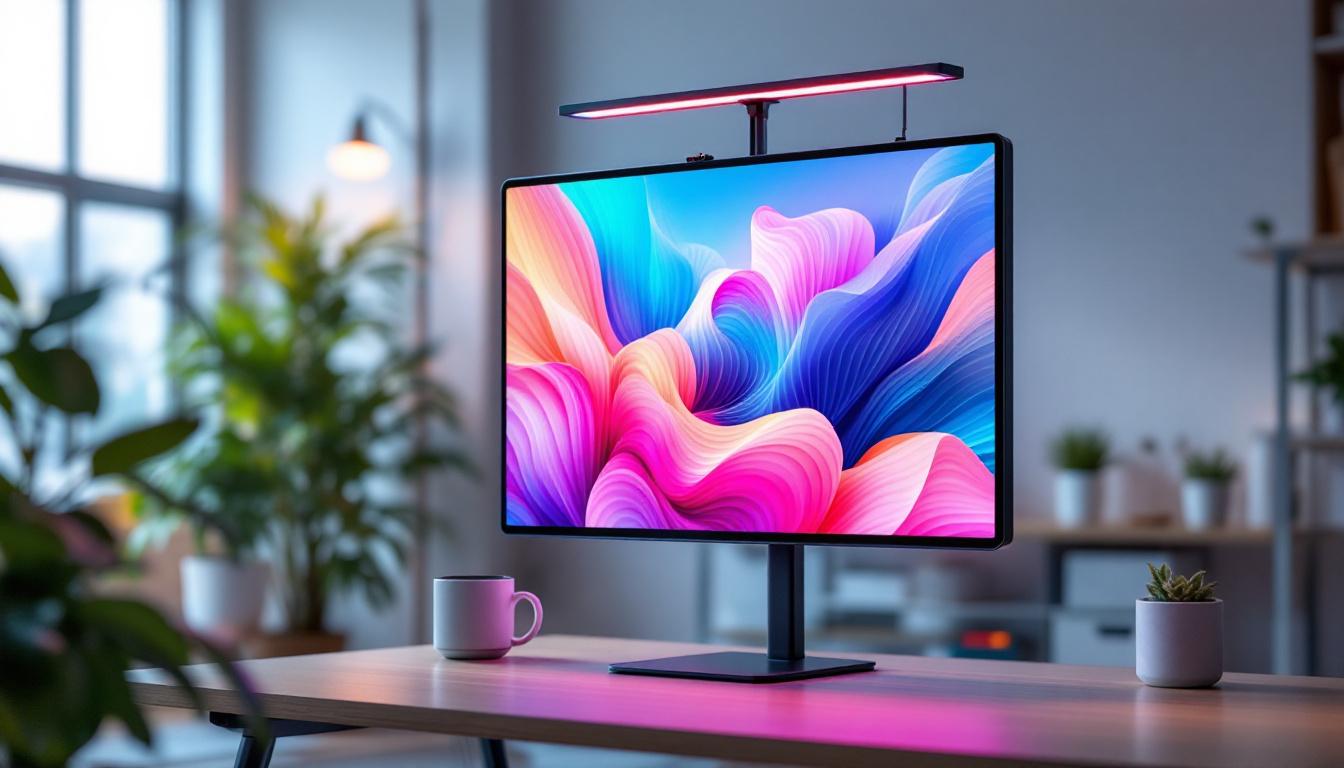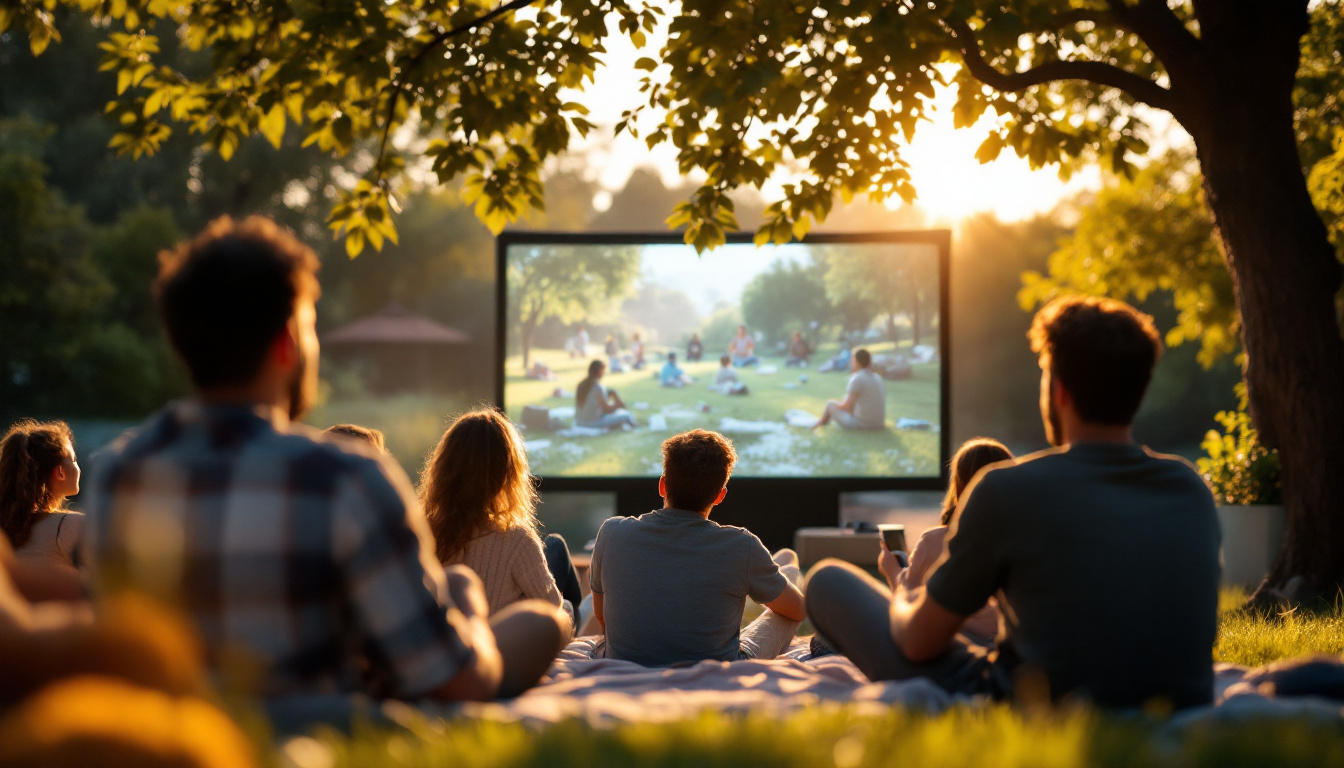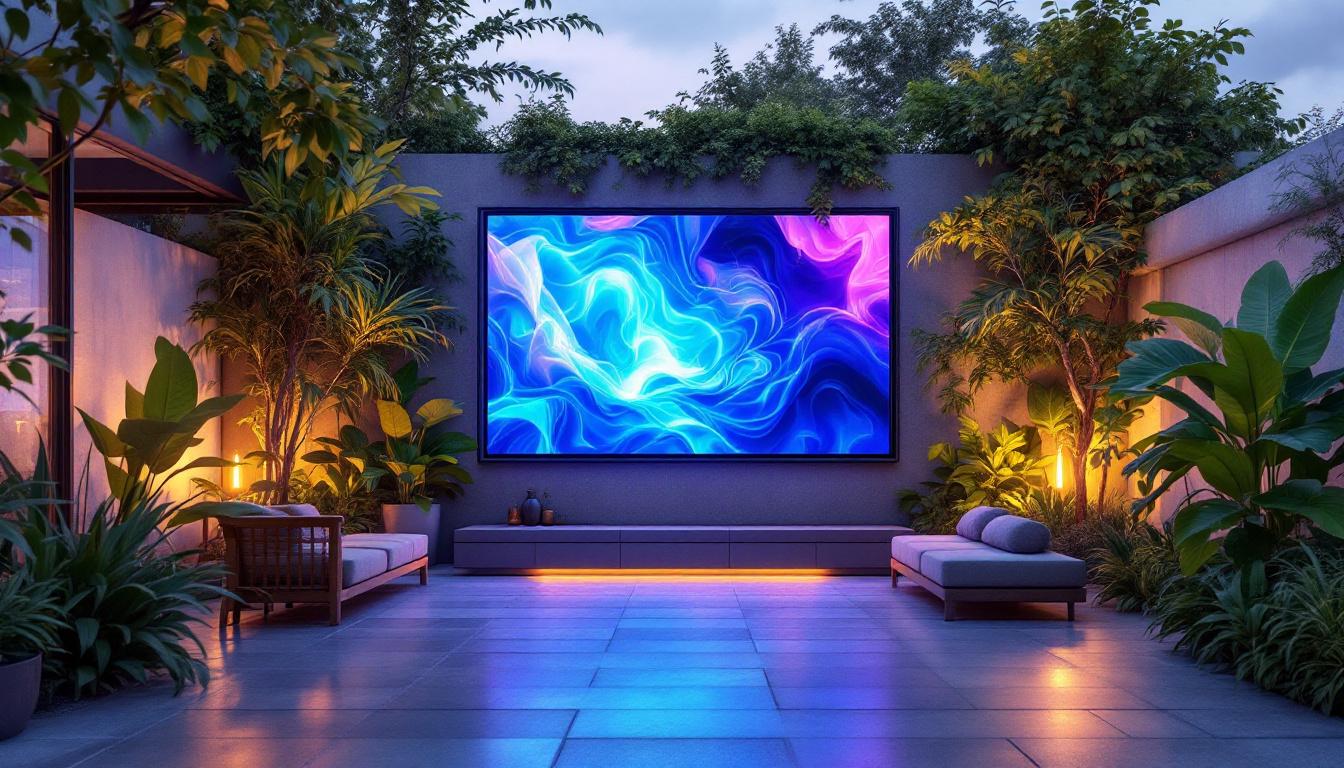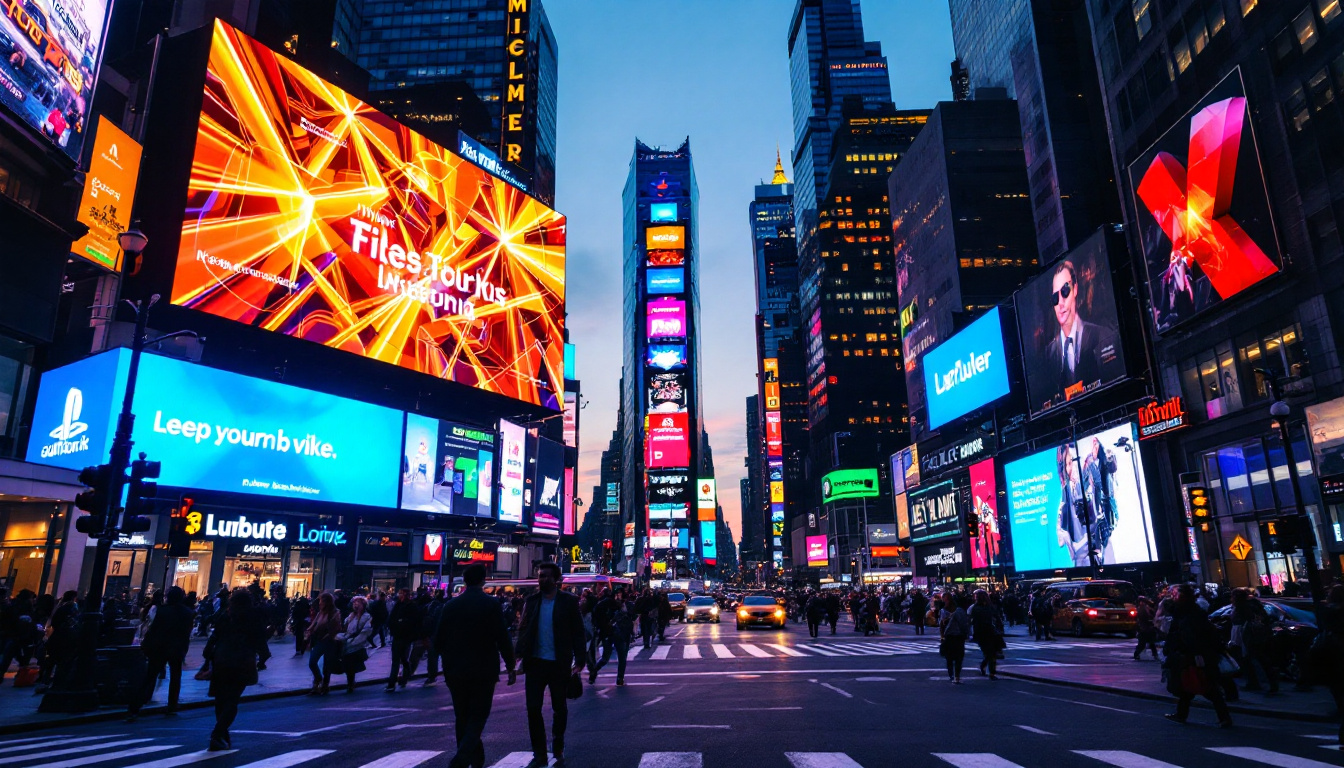
In the dynamic world of events, the visual experience plays a crucial role in captivating audiences and delivering messages effectively. LED displays have emerged as a leading technology for event organizers, offering vibrant visuals, flexibility, and reliability. This article delves into the essentials of LED displays used in events, exploring their technology, benefits, types, and practical considerations for selecting the right display solution.
Understanding LED Display Technology
At its core, an LED display is a flat panel that uses light-emitting diodes (LEDs) as pixels to create images and videos. Unlike traditional display technologies such as LCD or projection, LED displays emit their own light, resulting in brighter and more vivid visuals.
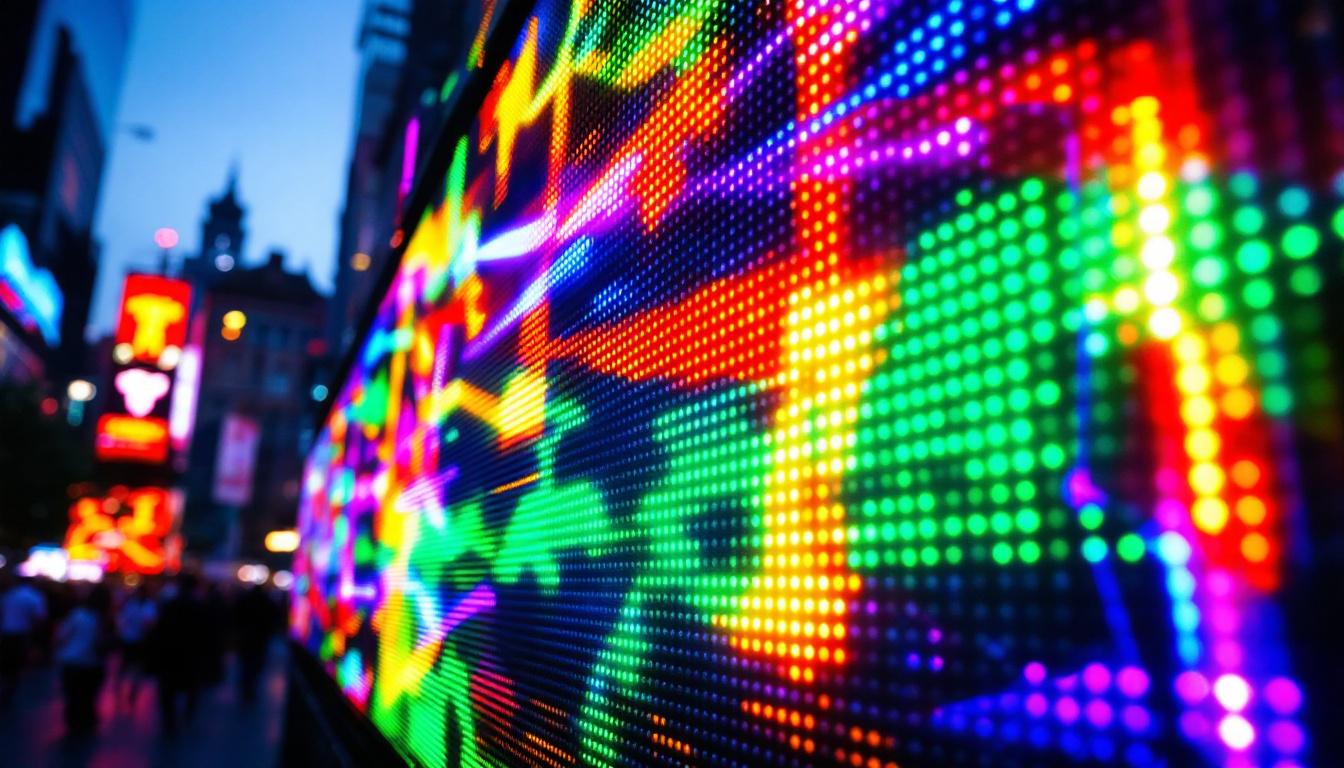
The fundamental components of an LED display include red, green, and blue LEDs arranged in clusters called pixels. By varying the intensity of each color, the display can produce a full spectrum of colors. This technology allows for high contrast ratios and excellent visibility even in brightly lit environments, making it ideal for both indoor and outdoor events.
Modern LED displays often incorporate advanced features such as high refresh rates to reduce flicker, wide viewing angles, and energy-efficient designs. These characteristics enhance the audience’s viewing experience, ensuring content is clear and engaging from multiple vantage points. Furthermore, many LED displays now support high dynamic range (HDR) content, which significantly improves the depth and realism of images by allowing for a greater range of brightness and color detail. This capability is particularly beneficial for applications in entertainment, advertising, and live events, where visual impact is paramount.
How LED Displays Differ from Other Technologies
Compared to LCD screens, LED displays offer superior brightness and contrast. While LCDs rely on backlighting, LEDs generate their own light, which contributes to deeper blacks and more vibrant colors. Additionally, LED panels can be manufactured in larger sizes and customized shapes, providing greater flexibility for event setups. This adaptability allows designers to create immersive environments, such as curved or even transparent displays, that can transform the viewer’s experience and engage audiences in innovative ways.
Projection systems, another common choice for events, depend heavily on ambient lighting conditions and surface quality. LEDs, on the other hand, maintain image clarity regardless of external light, making them more versatile for various venues and times of day. Moreover, the durability of LED technology means that these displays have a longer lifespan compared to traditional projectors, which often require frequent bulb replacements and maintenance. This longevity not only reduces operational costs but also ensures that events can rely on consistent performance without the worry of equipment failure.
Types of LED Displays for Events
Event organizers have several LED display options to choose from, each suited to different applications and environments. Understanding these types helps in selecting the optimal display for specific event needs.
Indoor LED Displays
Indoor LED displays are designed for controlled lighting environments such as conference halls, theaters, and exhibition centers. They typically feature smaller pixel pitches—often ranging from 1.2mm to 4mm—allowing for high-resolution images at close viewing distances.
These displays excel in delivering sharp visuals for presentations, live feeds, and branding content. Their slim profiles and modular designs make installation and maintenance relatively straightforward, which is essential for events with tight schedules.
Outdoor LED Displays
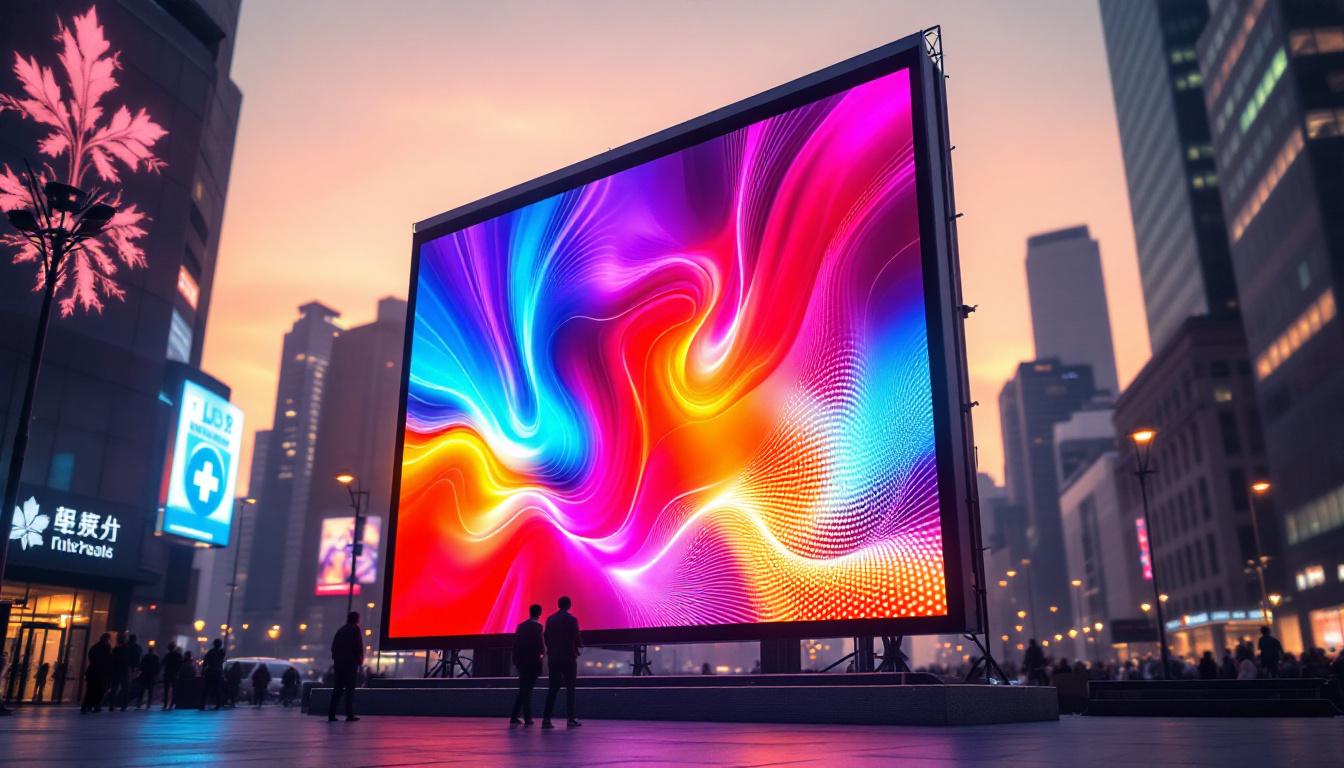
Outdoor LED displays are built to withstand harsh weather conditions including rain, wind, and extreme temperatures. With higher brightness levels—sometimes exceeding 6,000 nits—they remain visible even in direct sunlight.
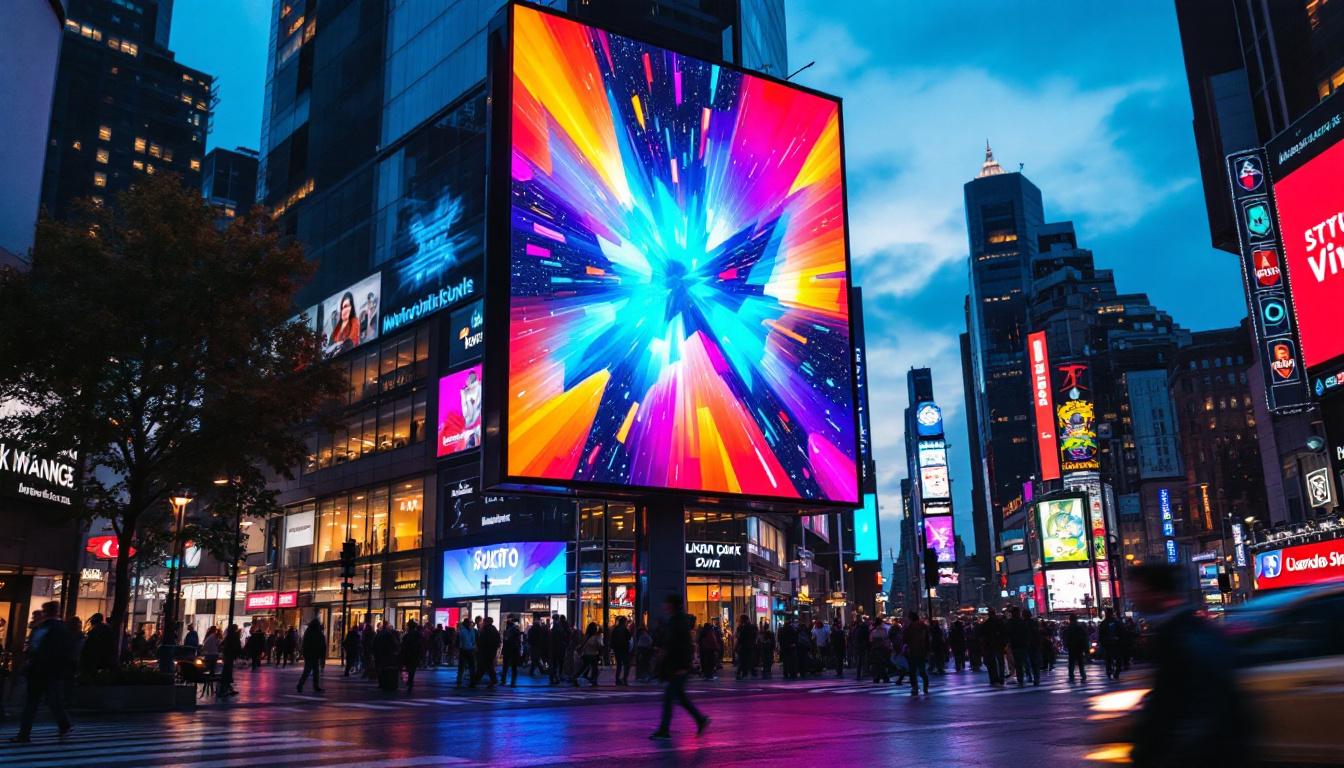
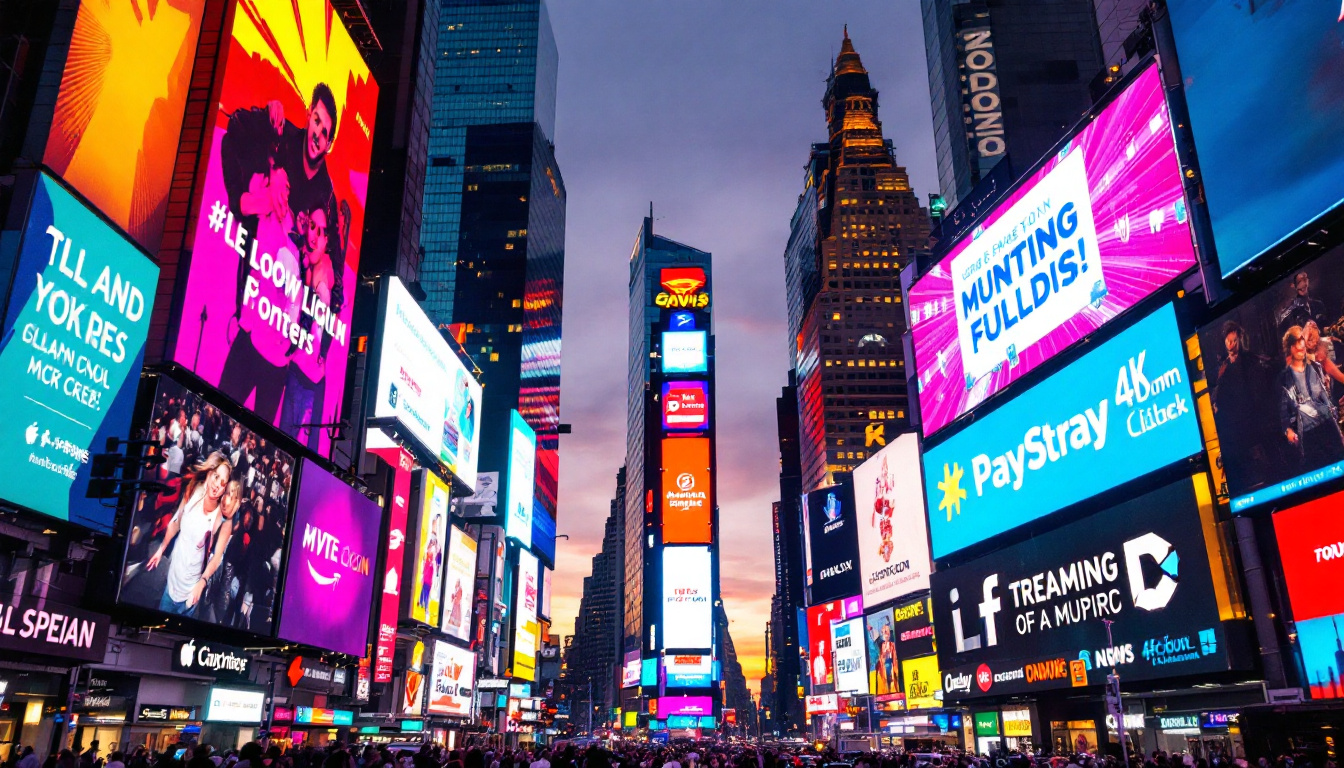
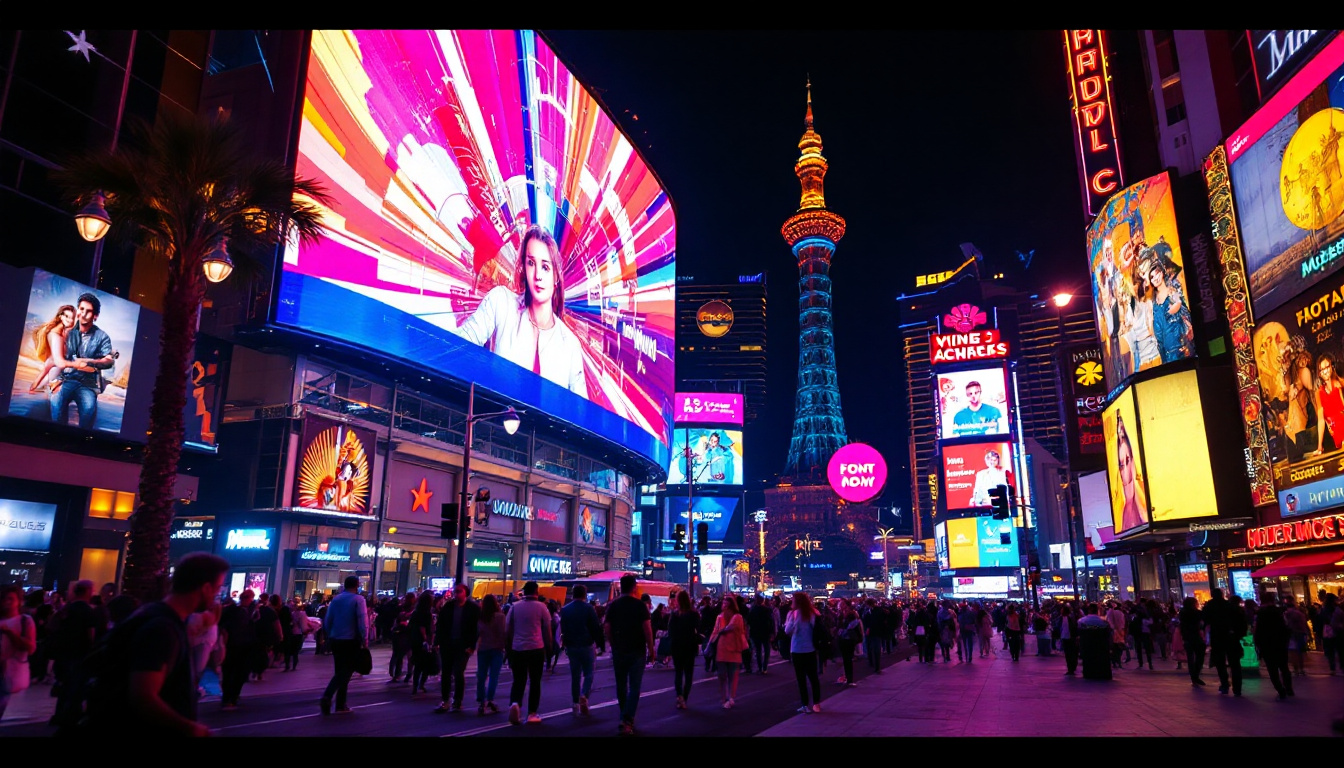
The pixel pitch for outdoor displays is generally larger, ranging from 4mm to 20mm, as viewing distances tend to be greater. These displays are common at concerts, sports arenas, festivals, and public gatherings where large-scale visuals are necessary to engage vast audiences.
Flexible and Curved LED Displays
Innovations in LED technology have introduced flexible and curved panels that can conform to unique shapes and surfaces. This versatility opens creative possibilities for event designers, enabling immersive environments and eye-catching installations.
Such displays are often used in trade shows, brand activations, and experiential marketing events where standing out visually is paramount. Their lightweight and modular nature also facilitates transportation and rapid assembly.
Benefits of Using LED Displays in Events
LED displays offer numerous advantages that have made them a staple in the event industry. Their impact goes beyond mere aesthetics, influencing audience engagement and operational efficiency.
Exceptional Visual Quality
The brightness, color accuracy, and contrast of LED displays ensure that content is displayed with clarity and vibrancy. This is particularly important in environments with challenging lighting conditions or when conveying detailed information such as text, graphics, or live video.
High refresh rates minimize flicker, which is critical for live broadcasts and video streaming, enhancing the viewing experience for both in-person attendees and remote audiences.
Scalability and Customization
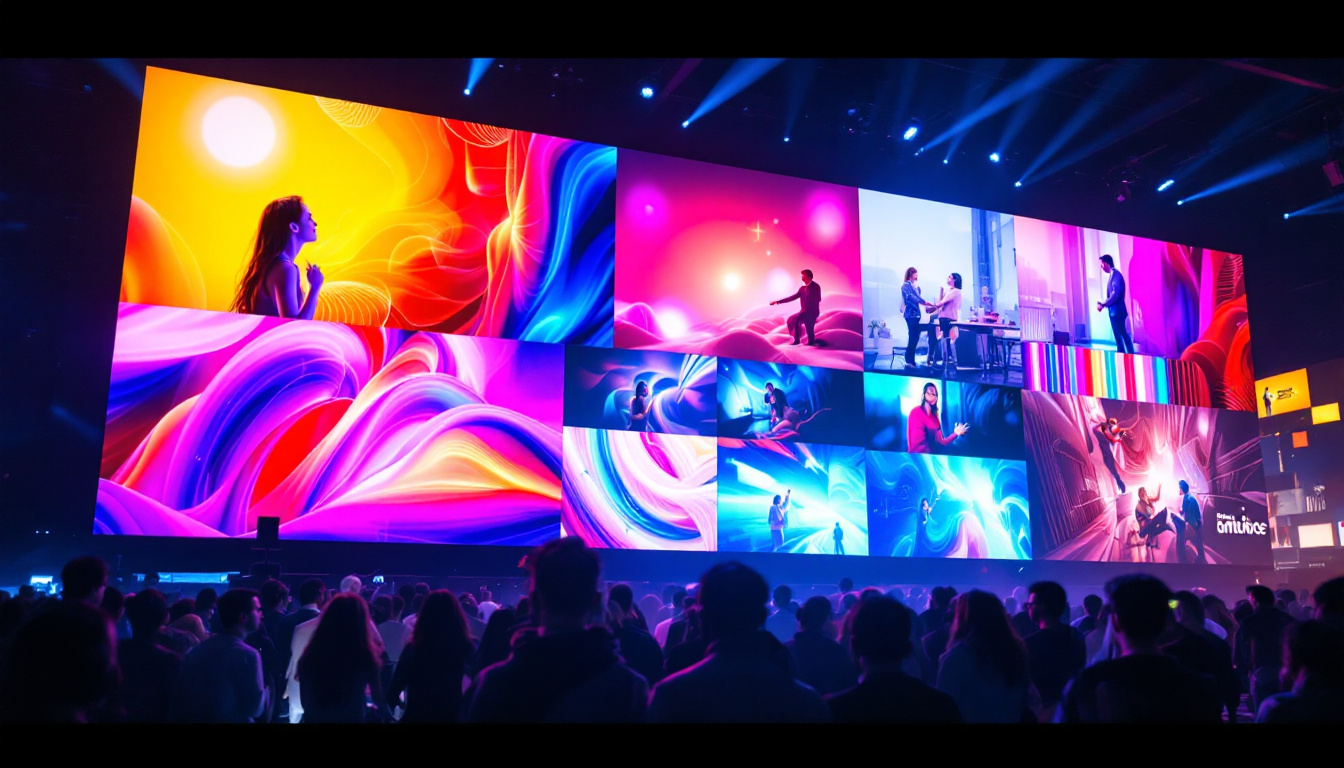
LED display systems are highly modular, allowing event organizers to scale screen sizes up or down depending on venue size and audience capacity. Panels can be combined to create massive video walls or configured into custom shapes, enabling tailored visual solutions.
This flexibility supports a wide range of event types, from intimate corporate meetings to large-scale outdoor festivals, ensuring that the display complements the event’s objectives and space.
Durability and Reliability
LED displays are engineered for long-term use and can endure the rigors of transportation, installation, and varying environmental conditions. Their robust construction reduces the risk of malfunction during critical moments, which is vital for live events.
Many LED panels come with protective coatings and weatherproof enclosures, extending their lifespan and reducing maintenance costs over time.
Energy Efficiency
Compared to other display technologies, LEDs consume less power while delivering higher brightness levels. This efficiency translates into lower operational costs and a reduced environmental footprint, aligning with the growing emphasis on sustainable event practices.
Key Considerations When Choosing an LED Display for Events
Selecting the right LED display involves evaluating multiple factors to ensure the technology aligns with the event’s goals and logistical constraints.
Pixel Pitch and Resolution
Pixel pitch—the distance between individual LEDs—directly affects image clarity and viewing distance. Smaller pixel pitches provide higher resolution and are suitable for close-up viewing, while larger pitches are acceptable for distant audiences.
For example, a pixel pitch of 1.5mm to 2.5mm is ideal for indoor events where attendees are close to the screen, whereas outdoor events often use pixel pitches between 6mm and 10mm, balancing resolution with visibility over longer distances.
Brightness and Contrast Requirements
Brightness is measured in nits, and the required level depends on ambient lighting conditions. Indoor displays typically require 800 to 1,500 nits, while outdoor displays may need upwards of 5,000 nits to remain visible in daylight.
Contrast ratio is equally important for image depth and detail. High contrast ensures that content is legible and visually appealing, even in challenging lighting scenarios.
Installation and Mobility
Consider whether the display will be permanently installed or transported frequently. Rental events benefit from lightweight, easy-to-assemble panels, whereas fixed installations can accommodate heavier, more integrated solutions.
Modular designs facilitate faster setup and breakdown, reducing labor costs and minimizing downtime during event transitions.
Content Management and Connectivity
Modern LED displays support various input sources and content management systems, enabling seamless integration with event software and live feeds. Compatibility with HD video, 4K content, and real-time data streams enhances the versatility of the display.
Wireless connectivity options and remote control capabilities also simplify content updates and troubleshooting during events.
Practical Applications of LED Displays in Events
LED displays have transformed the way events communicate and entertain, offering immersive and interactive experiences across diverse settings.
Concerts and Festivals
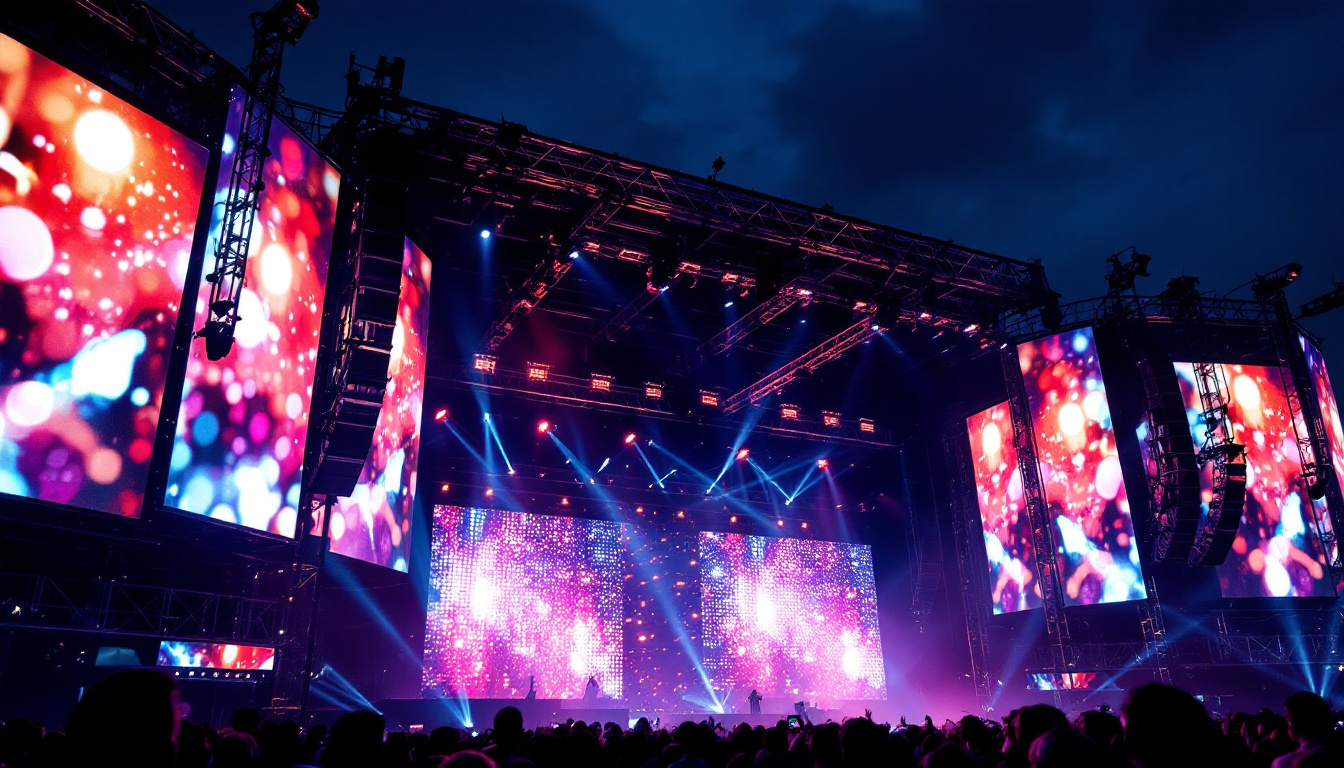
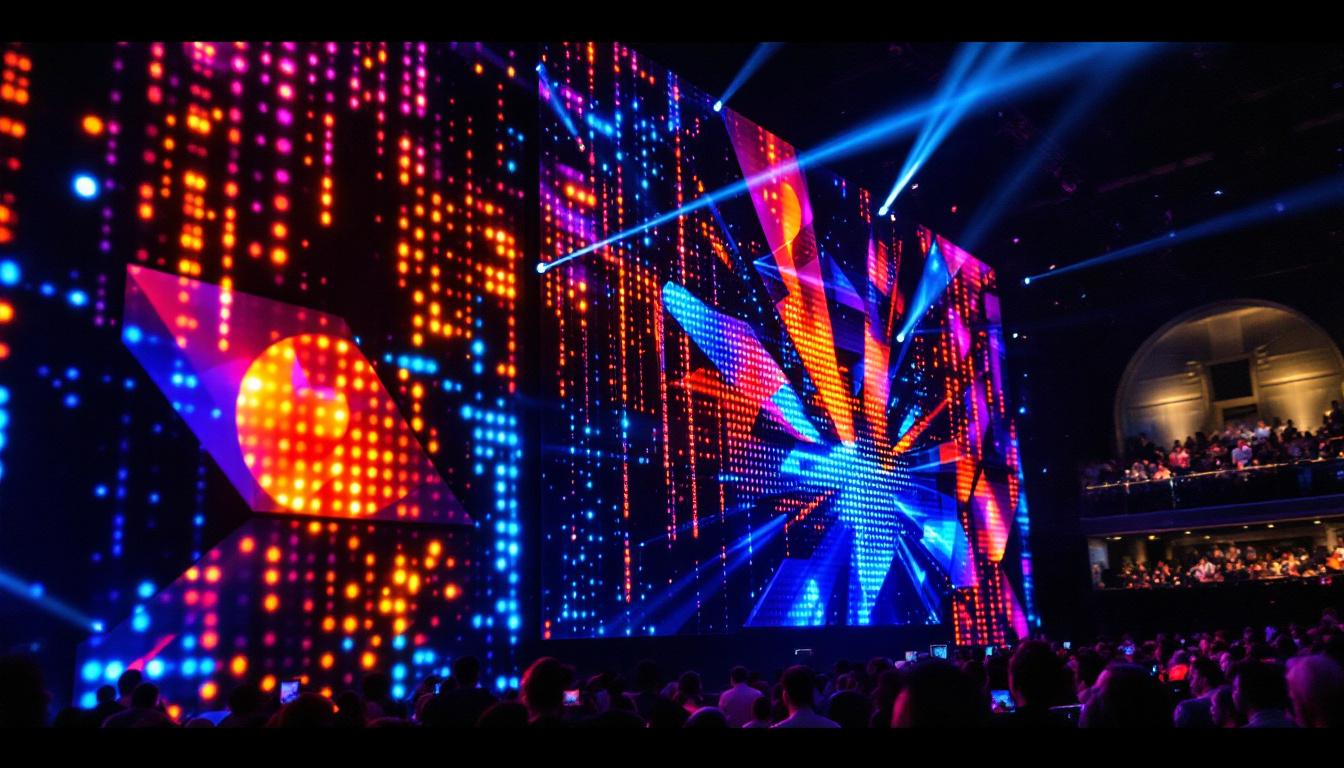
Large-scale LED screens serve as focal points on stages, broadcasting live performances and visual effects that enhance the audience’s emotional connection. Their ability to deliver bright, clear images in outdoor environments is indispensable for music festivals and open-air concerts.
Corporate Events and Conferences
In professional settings, LED displays facilitate presentations, product launches, and branding efforts. High-resolution screens ensure that detailed graphics and text are easily readable, supporting effective communication and engagement.
Sports Arenas and Live Broadcasts
Scoreboards and video walls powered by LED technology provide real-time updates, instant replays, and advertisements. Their durability and brightness make them suitable for both indoor arenas and outdoor stadiums.
Trade Shows and Exhibitions
Exhibitors leverage LED displays to attract visitors with dynamic content and interactive elements. Customizable shapes and sizes allow for creative booth designs that stand out in crowded exhibition halls.
Future Trends in LED Display Technology for Events
The LED display industry continues to evolve, driven by advancements in materials, design, and software integration.
MicroLED and MiniLED Innovations
Emerging technologies like MicroLED and MiniLED promise even higher resolution, improved energy efficiency, and thinner panels. These developments will enable more immersive and flexible display solutions for events.
Interactive and Augmented Reality Integration
Combining LED displays with interactive technologies and augmented reality (AR) can create engaging, participatory experiences. Event attendees may soon interact directly with displays through gestures or mobile devices, enhancing engagement and personalization.
Eco-Friendly Materials and Manufacturing
As sustainability becomes a priority, manufacturers are exploring eco-friendly components and production methods. This shift will reduce the environmental impact of LED displays throughout their lifecycle, aligning with green event initiatives.
Conclusion
LED displays have revolutionized the event industry by offering unparalleled visual quality, flexibility, and reliability. Understanding the technology, types, and key considerations enables event professionals to select the most effective display solutions for their specific needs.
As LED technology continues to advance, its role in creating memorable and impactful event experiences will only grow, making it an essential tool for organizers aiming to captivate audiences and communicate effectively.
Discover LumenMatrix’s Innovative LED Solutions
Ready to elevate your event with the visual power of LED technology? LumenMatrix is at the forefront of LED innovation, offering a diverse range of solutions from Indoor and Outdoor LED Wall Displays to specialized options like Vehicle, Sports, and Floor LED Displays. Our mission is to transform your visual storytelling with displays that not only engage but also leave a lasting impression. Whether you’re looking to create a custom LED setup or seeking an All-in-One solution, our LED Transparent Displays provide the clarity and impact your event deserves. Check out LumenMatrix LED Display Solutions today and bring your event to life with unparalleled vibrancy and precision.