In the world of woodworking and carpentry, precision and efficiency are paramount. The curved hand planer, a specialized tool designed to smooth and shape curved surfaces, has evolved significantly in recent years. One of the most notable advancements is the integration of LED displays, which provide users with real-time data and enhanced control over their work. This article delves into the functionality, benefits, and practical applications of LED displays on curved hand planers, offering a comprehensive guide for both professionals and hobbyists.
Understanding the Curved Hand Planer
A curved hand planer is a versatile power tool tailored specifically for working on non-linear surfaces such as chair legs, curved moldings, and other rounded wooden components. Unlike traditional straight planers, it is designed to follow the contours of a curve, allowing for smooth and even material removal without damaging the wood. This makes it an essential tool for both professional woodworkers and hobbyists who seek to elevate their craftsmanship.
Typically, these planers feature a compact design with a curved sole plate that matches the radius of the workpiece. This design ensures consistent contact with the wood, which is essential for achieving a uniform finish. The tool’s blade or cutter head is often adjustable to accommodate different depths of cut, enabling users to fine-tune their work for optimal results. Additionally, many curved hand planers are equipped with ergonomic handles, providing comfort during extended use and reducing the risk of fatigue, which can lead to mistakes in intricate projects.
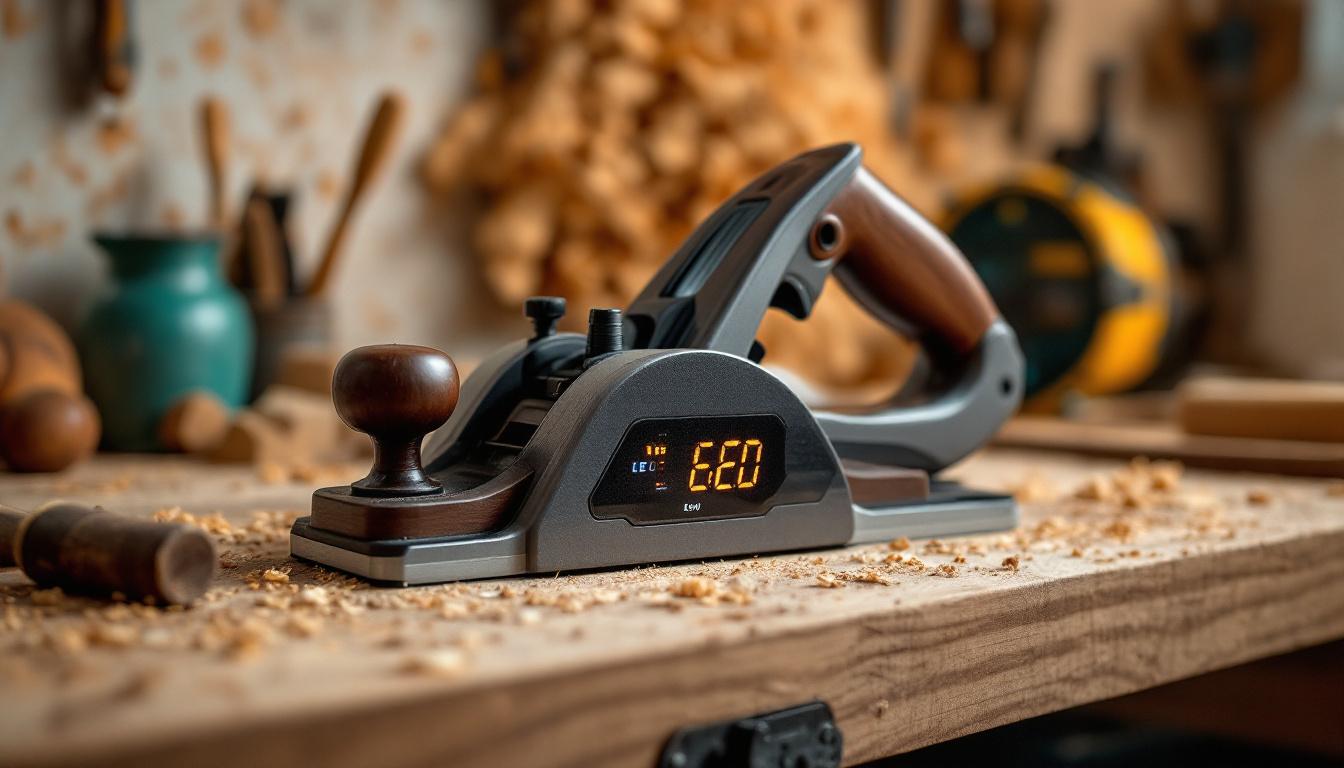
With the rise of digital technology, manufacturers have begun incorporating LED displays into curved hand planers, transforming the user experience by providing precise control and feedback. These advancements allow users to monitor their settings in real-time, enhancing accuracy and making adjustments on the fly. Some models even include built-in memory functions that can save preferred settings for different types of wood or specific projects, streamlining the workflow for repeat tasks.
Why Use a Curved Hand Planer?
Working on curved surfaces with traditional hand tools or straight planers can be challenging and time-consuming. The curved hand planer addresses these challenges by:
- Ensuring smooth, consistent cuts on curved profiles.
- Reducing the risk of gouging or uneven surfaces.
- Improving efficiency by speeding up the shaping process.
- Allowing for greater precision in fine woodworking projects.
For craftsmen who regularly work with curved components, this tool is indispensable. The ability to create seamless transitions and perfect arcs not only enhances the aesthetic appeal of the finished product but also contributes to the overall structural integrity of the piece. Moreover, the curved hand planer opens up a world of creative possibilities, enabling artisans to experiment with complex designs that would be difficult to achieve with standard tools. Whether crafting bespoke furniture or intricate decorative elements, the curved hand planer empowers woodworkers to push the boundaries of their artistry and craftsmanship.
The Role of LED Displays in Modern Curved Hand Planers
The integration of LED displays into curved hand planers marks a significant step forward in tool technology. These displays serve as an interface between the user and the tool’s internal mechanisms, offering valuable information that enhances accuracy and ease of use.
At its core, the LED display provides real-time data such as cutting depth, battery life, blade speed, and sometimes even diagnostics. This information allows users to make immediate adjustments, ensuring that their work meets exact specifications.
Key Features Displayed on LED Panels
Common data points shown on LED displays include:
- Cutting Depth: Displays the current depth setting, often in millimeters or inches, allowing for precise control over material removal.
- Battery Status: Indicates remaining battery life, which is crucial for cordless models to prevent unexpected power loss during use.
- Blade Speed (RPM): Shows the rotational speed of the cutter head, enabling users to adjust for different wood types or finishes.
- Error Codes and Maintenance Alerts: Some advanced models provide alerts for blade wear, motor overheating, or other maintenance needs.
These features collectively contribute to a more informed and controlled woodworking process.
How LED Displays Improve User Experience
Before the advent of LED displays, users had to rely on manual adjustments and visual estimates, which could lead to inconsistencies or errors. The LED interface simplifies this by:
- Providing instant feedback, reducing guesswork.
- Allowing for quick and precise adjustments without stopping work.
- Enhancing safety by alerting users to potential tool malfunctions.
- Improving workflow efficiency, especially on complex projects requiring multiple depth changes.
For professionals, these benefits translate into higher-quality outcomes and reduced material waste.
Technical Insights: How the LED Display Works
The LED display on a curved hand planer is typically connected to sensors and microprocessors embedded within the tool. These components work together to monitor and relay information to the user interface.
Sensors and Data Collection
Several types of sensors are commonly used:
- Depth Sensors: Measure the position of the blade relative to the sole plate, ensuring accurate depth readings.
- Speed Sensors: Monitor the rotation speed of the cutter head.
- Battery Sensors: Track voltage levels to estimate remaining power.
- Temperature Sensors: Detect overheating to prevent motor damage.
These sensors continuously feed data to the onboard microprocessor, which processes the information and updates the LED display accordingly.
Display Technology
Most curved hand planers utilize high-contrast LED or OLED displays that are easy to read in various lighting conditions, including bright workshop environments. The display is often backlit and designed to be durable, resisting dust and impact.
Some models feature touch-sensitive controls integrated into the display, allowing users to adjust settings directly from the screen. Others use physical buttons adjacent to the display for navigation and input.
Practical Applications and User Tips
Understanding the LED display’s capabilities can significantly enhance the effectiveness of a curved hand planer. Here are some practical applications and tips for maximizing the benefits of this technology.
Setting the Correct Depth
One of the most critical adjustments when using a curved hand planer is setting the cutting depth. The LED display allows users to dial in precise measurements, which is especially important when working with delicate or expensive wood.
For example, when restoring antique furniture with intricate curved details, removing too much material can ruin the piece. The LED display helps avoid such mistakes by showing exact depth settings, enabling incremental adjustments.
Monitoring Battery Life for Cordless Models
Battery-powered curved hand planers offer portability but require careful battery management. The LED display’s battery indicator helps users plan their work sessions to avoid interruptions.
It’s advisable to keep a spare battery charged and ready when working on large projects. Additionally, some models provide power-saving modes that can be activated via the LED interface to extend battery life.
Adjusting Blade Speed for Different Materials
Different wood types and grain densities require varying blade speeds for optimal results. Hardwoods like oak or maple benefit from slower speeds to prevent burning, while softer woods can be planed more quickly.
The LED display’s RPM readout allows users to fine-tune the speed, improving finish quality and prolonging blade life.
Maintenance Alerts and Troubleshooting
LED displays that provide maintenance alerts are invaluable for tool longevity. Users receive notifications about blade sharpness, motor temperature, or other issues, enabling timely intervention.
For instance, if the display shows an overheating warning, stopping the tool to allow cooling prevents permanent damage. Similarly, blade wear alerts prompt timely replacements, maintaining cutting efficiency.
Choosing a Curved Hand Planer with LED Display
When selecting a curved hand planer equipped with an LED display, several factors should be considered to ensure the tool meets specific needs.
Display Clarity and Interface
Look for a model with a bright, easy-to-read display that remains visible under various lighting conditions. The interface should be intuitive, allowing quick adjustments without disrupting workflow.
Sensor Accuracy and Responsiveness
High-quality sensors provide reliable data, which is essential for precision work. Research user reviews and manufacturer specifications to assess sensor performance.
Battery Life and Power Options
For cordless models, battery capacity and charging time are critical. Some planers offer fast-charging capabilities or compatibility with universal battery platforms, enhancing convenience.
Durability and Ergonomics
Since woodworking environments can be harsh, choose a planer with a robust build and ergonomic design. The LED display should be protected against dust and impact.
Price and Warranty
LED-equipped curved hand planers tend to be more expensive than basic models. Evaluate the cost against the features offered and consider warranty coverage for peace of mind.
Future Trends in Curved Hand Planer Technology
The integration of LED displays is just the beginning of digital innovation in woodworking tools. Emerging trends suggest even greater advancements on the horizon.
Smart Connectivity and App Integration
Some manufacturers are developing planers that connect to smartphones or tablets via Bluetooth. This connectivity allows users to monitor tool performance remotely, access detailed diagnostics, and receive firmware updates.
Enhanced Sensor Technology
Future models may incorporate more sophisticated sensors, such as laser depth measurement or AI-driven adjustments, further improving precision and ease of use.
Customizable User Profiles
Advanced tools could allow users to save specific settings for different projects or wood types, streamlining setup and reducing errors.
Conclusion
The curved hand planer with an LED display represents a significant advancement in woodworking technology, combining traditional craftsmanship with modern digital precision. By providing real-time data on cutting depth, blade speed, battery life, and maintenance needs, the LED interface empowers users to work more efficiently and accurately.
For professionals and serious hobbyists, understanding how to leverage the LED display’s features can lead to superior results and greater satisfaction in woodworking projects. As technology continues to evolve, these tools will likely become even more intelligent and user-friendly, further transforming the craft of shaping curved wooden surfaces.
Investing in a curved hand planer with a reliable LED display is a smart choice for anyone looking to enhance their woodworking capabilities and embrace the future of tool technology.
Discover the Future of Woodworking with LumenMatrix
Embrace the precision and innovation of modern woodworking by exploring LumenMatrix’s array of LED display solutions. As a leader in LED technology, LumenMatrix is committed to enhancing your craft with displays that offer unparalleled clarity and performance. From indoor workshops to outdoor showcases, their versatile range includes Indoor LED Wall Display, Custom LED Display, and much more. Elevate your woodworking projects and captivate your audience with vibrant visuals. Check out LumenMatrix LED Display Solutions today and experience the future of visual communication.