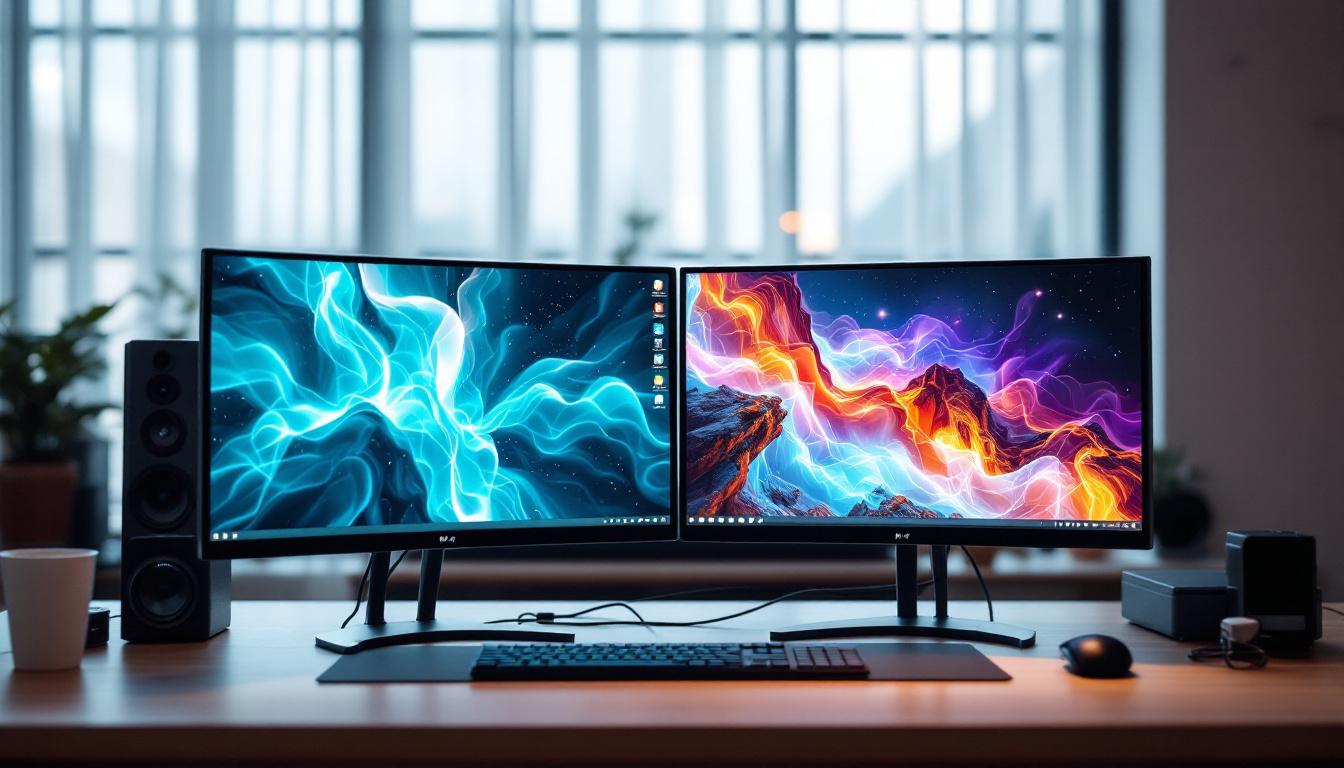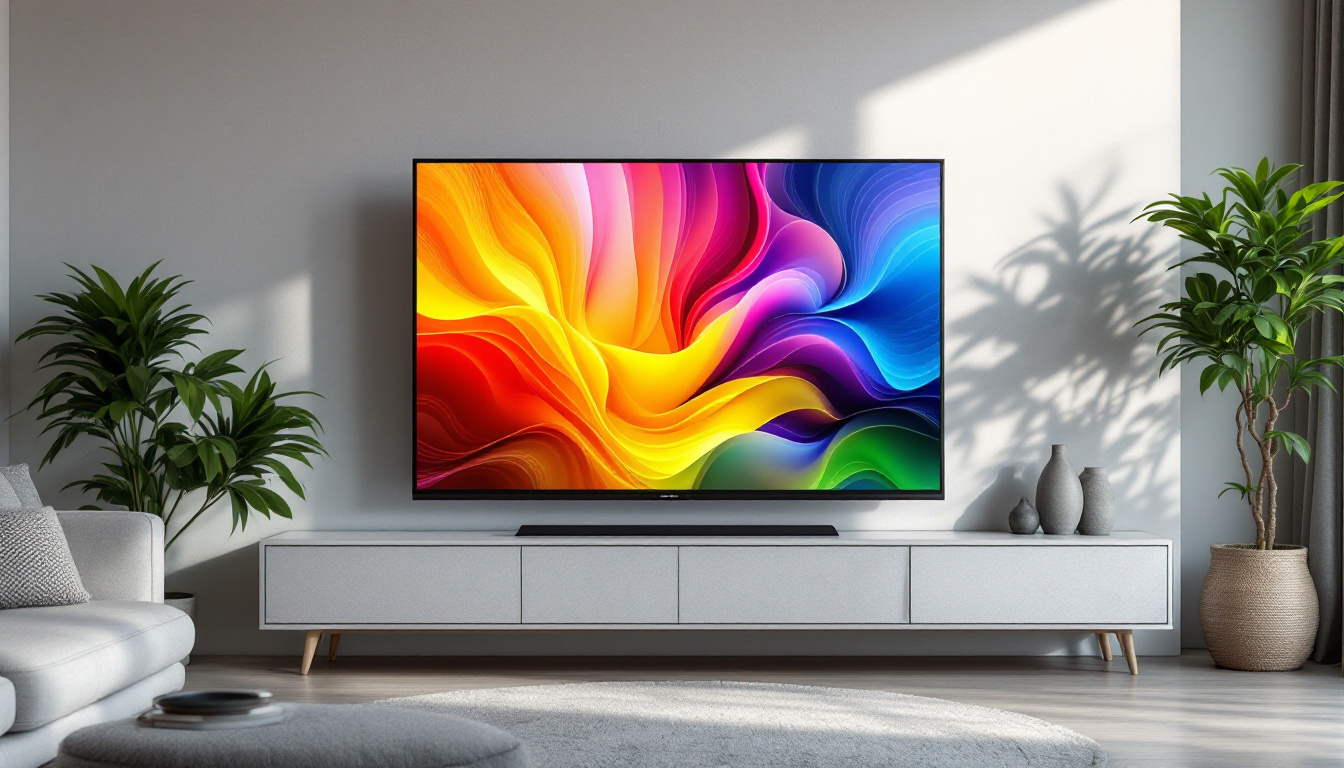
In recent years, curved television screens have gained significant attention in the consumer electronics market. With advancements in LED technology and display engineering, curved TVs promise an immersive viewing experience that flat screens may not fully deliver. But what exactly makes curved LED displays unique, and how do they affect picture quality, viewing angles, and overall user experience? This article delves into the technology behind curved LED televisions, exploring their benefits, limitations, and the science that drives their design.
The Evolution of LED Television Technology
LED (Light Emitting Diode) technology revolutionized television displays by offering brighter images, better energy efficiency, and thinner panels compared to traditional LCD and plasma screens. Since the early 2010s, LED TVs have become the standard in home entertainment, gradually replacing older technologies.
Curved screens emerged as a natural progression in display innovation. Manufacturers sought to enhance immersion and reduce distortion by subtly bending the screen, mimicking the natural curvature of the human eye. This approach aimed to create a more engaging visual experience, especially for larger screen sizes where flat panels can sometimes feel less enveloping.
From Flat to Curved: The Shift in Design Philosophy
Flat screens dominated the market for decades due to their simplicity and ease of manufacturing. However, as screen sizes increased beyond 55 inches, some consumers and manufacturers noticed that flat panels could cause slight image distortion or color shifts when viewed from off-center angles. Curved screens attempt to address these issues by wrapping the display around the viewer’s field of vision, theoretically reducing distortion and enhancing depth perception.
While curved TVs have been available since around 2014, their adoption has been gradual. Early models were often expensive and targeted at niche markets. Today, a broader range of curved LED TVs is available at various price points, making the technology accessible to more consumers.
How Curved LED Displays Work
Understanding the mechanics of curved LED displays involves examining both the LED backlighting system and the panel’s physical curvature. Unlike OLED or QLED technologies, which rely on different light-emitting mechanisms, curved LED TVs use a traditional LED backlight behind an LCD panel that is bent to a gentle curve.
The Role of LED Backlighting
LED TVs use arrays of tiny LEDs to illuminate the liquid crystal display (LCD) panel. This backlighting is crucial for producing the brightness and contrast that define image quality. There are two primary types of LED backlighting: edge-lit and full-array.
- Edge-lit LED: LEDs are positioned along the edges of the screen, and light is diffused across the panel. This design allows for thinner TVs but can sometimes result in uneven brightness.
- Full-array LED: LEDs are distributed evenly behind the entire screen, enabling more precise local dimming and better contrast ratios.
Curved LED TVs typically use either backlighting method, but full-array backlighting is preferred in higher-end models to maximize picture quality on the curved surface.
Physical Curvature and Viewing Angles
The curvature of a TV screen is measured by its radius, usually expressed in millimeters. For example, a 4000R curvature means the screen forms part of a circle with a 4000 mm (4 meters) radius. The smaller the radius, the more pronounced the curve.
Most curved TVs feature gentle curves between 3000R and 5000R, which are subtle enough to avoid distortion but significant enough to improve viewing comfort when sitting directly in front of the screen.
By curving the screen, manufacturers aim to maintain a more consistent viewing distance across the entire display. This reduces the need for the viewer’s eyes to refocus as they scan from the center to the edges, potentially reducing eye strain and enhancing immersion.
Benefits of Curved LED Televisions
Curved LED TVs offer several advantages that appeal to different types of viewers. While not universally superior to flat screens, their benefits can be significant in specific contexts.
Enhanced Immersion and Depth Perception
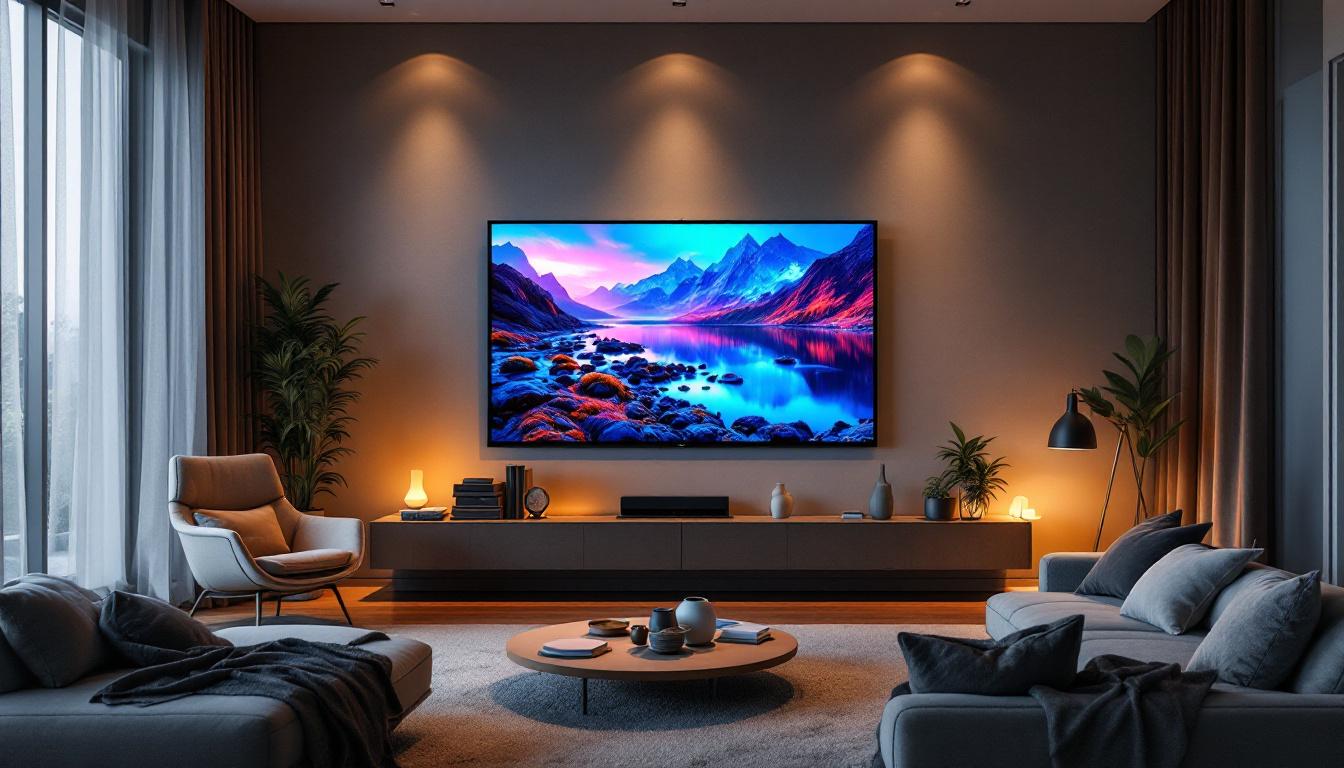
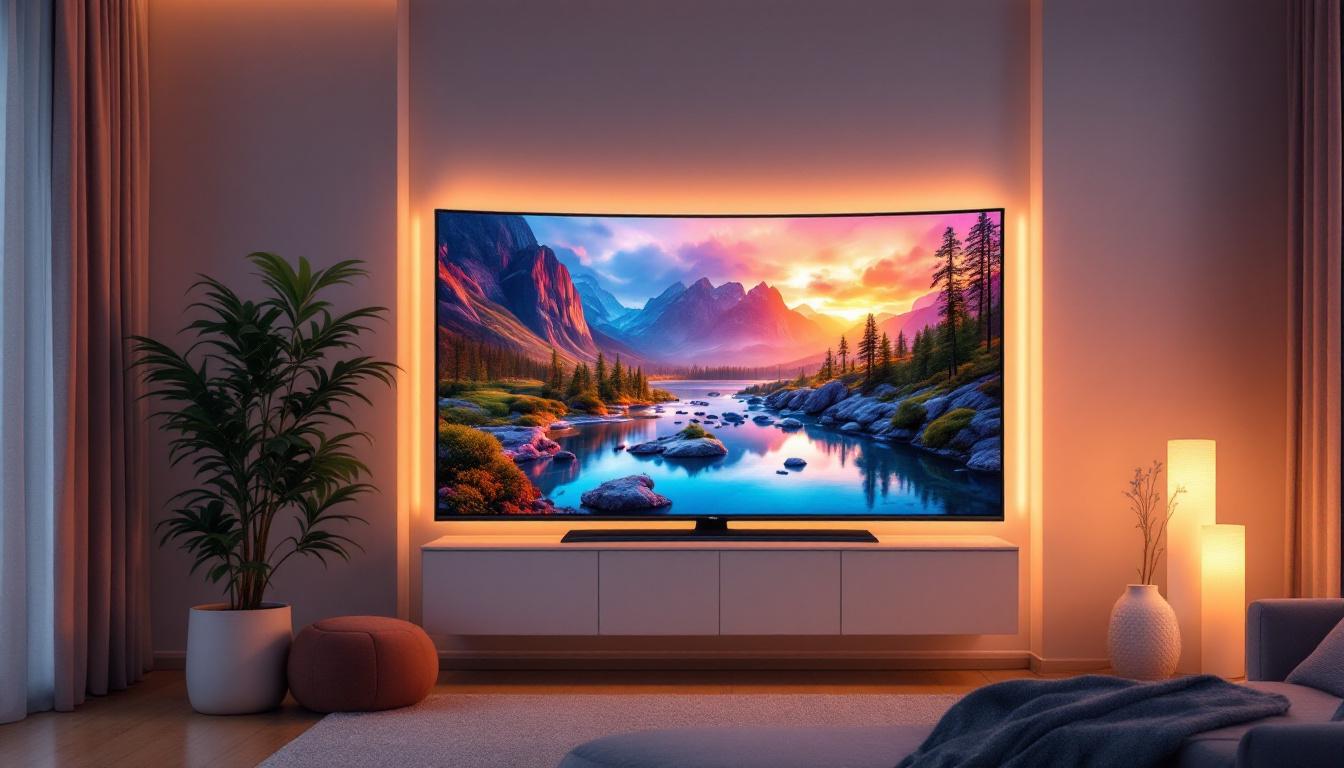
The primary selling point of curved TVs is their ability to create a more immersive viewing experience. By wrapping the screen slightly around the viewer, a curved display can fill more of the peripheral vision, making movies, sports, and gaming feel more engaging.
Additionally, the curvature can enhance the perception of depth, subtly improving 3D effects and making images appear more lifelike. This is especially noticeable on larger screens (65 inches and above) where the curve can better simulate a natural field of view.
Reduced Glare and Reflections
Curved screens can help minimize reflections from ambient light sources. Because the screen is angled, light from windows or lamps is less likely to reflect directly into the viewer’s eyes. This can improve viewing comfort in brightly lit rooms, although the effect depends on the room layout and lighting conditions.
Improved Viewing Angles for Single Viewers
For viewers positioned directly in front of the TV, curved screens can offer better viewing angles. The curve helps ensure that the entire screen is roughly equidistant from the eyes, reducing distortion and color shifts that sometimes occur when watching a flat screen from an off-center position.
Limitations and Considerations
Despite their advantages, curved LED TVs are not without drawbacks. Understanding these limitations is essential for consumers considering a curved display.
Optimal Viewing Position Required
Curved TVs deliver the best experience when viewed from a central position. If multiple viewers are watching from different angles, the benefits of curvature diminish. Off-axis viewers may experience distortions or color shifts, making curved TVs less ideal for large gatherings or wide seating arrangements.
Wall Mounting Challenges
Mounting a curved TV on a wall can be more complicated than with flat screens. The curve means the TV protrudes further from the wall, requiring specialized mounts or additional space. This can affect room aesthetics and may not suit all living spaces.
Price Premium and Availability
Curved LED TVs often carry a price premium compared to similarly sized flat models. While prices have decreased over time, consumers should weigh whether the immersive benefits justify the additional cost. Furthermore, the market for curved TVs has somewhat plateaued, with fewer new models released each year as manufacturers focus on OLED and QLED technologies.
Comparing Curved LED TVs to Other Display Technologies
To fully appreciate curved LED TVs, it helps to compare them with other popular display types, including flat LED, OLED, and QLED screens.
Curved LED vs. Flat LED
Both use LED backlighting, but the curved design aims to enhance immersion and reduce distortion. Flat LEDs are generally more versatile for multi-viewer setups and easier to mount. Image quality differences depend more on panel quality and backlighting than curvature alone.
Curved LED vs. OLED
OLED (Organic Light Emitting Diode) displays offer superior contrast, deeper blacks, and wider viewing angles compared to LED LCDs. Most OLED TVs are flat, though curved OLEDs exist but are rare and expensive. For pure picture quality, OLED typically outperforms LED, but curved LED TVs may offer a more immersive experience for certain viewers.
Curved LED vs. QLED
QLED (Quantum Dot LED) is an advanced form of LED technology that enhances color accuracy and brightness. Some QLED TVs come with curved screens, combining the benefits of quantum dot technology with curvature. This hybrid approach can offer excellent picture quality and immersion but at a higher price point.
Practical Tips for Choosing a Curved LED TV
For those interested in purchasing a curved LED television, several factors should guide the decision-making process.
Screen Size and Room Layout
Curved TVs are most effective at larger sizes—typically 55 inches and above. Smaller curved screens may not provide noticeable benefits. Additionally, consider the room layout and seating arrangement. If viewers will be spread out or off-center, a flat screen might be more practical.
Viewing Distance
The ideal viewing distance for curved TVs depends on the curvature radius and screen size. Sitting too close or too far can reduce the immersive effect. Manufacturers often provide recommended viewing distances, which generally range from 1.5 to 2.5 times the screen diagonal.
Budget and Features
Curved TVs can be more expensive, so it’s important to balance budget with desired features such as resolution (4K or 8K), HDR support, smart TV capabilities, and refresh rates. Prioritize features that enhance your viewing habits.
Try Before You Buy
Whenever possible, view curved TVs in person at electronics stores. This hands-on experience helps assess the curvature’s impact on picture quality and comfort. Pay attention to reflections, color uniformity, and how the curve affects your viewing angle.
The Future of Curved Television Screens
While curved LED TVs have carved out a niche, the broader television market is evolving rapidly. OLED and MicroLED technologies are advancing, offering even better picture quality and form factors. Flexible and rollable displays hint at future possibilities where curvature could be dynamically adjusted to suit viewer preferences.
Moreover, as virtual reality (VR) and augmented reality (AR) technologies mature, the demand for immersive displays may shift away from traditional TVs toward head-mounted devices. However, for the foreseeable future, curved LED TVs remain a compelling option for enthusiasts seeking enhanced immersion without the premium cost of OLED.
Conclusion
Curved television screens with LED displays represent a fascinating intersection of design and technology aimed at improving the viewing experience. By subtly bending the screen, manufacturers seek to reduce distortion, enhance immersion, and provide a more comfortable viewing experience for single viewers seated centrally.
While not without limitations—such as optimal seating requirements and wall-mounting challenges—curved LED TVs can offer tangible benefits, especially on larger screens and in controlled viewing environments. Understanding the technology, benefits, and trade-offs is essential for consumers to make informed decisions in a diverse and rapidly changing market.
Ultimately, whether a curved LED TV is the right choice depends on individual preferences, room setup, and budget. As display technologies continue to evolve, curved screens remain a noteworthy innovation that has expanded the possibilities of home entertainment.
Discover the Future of Immersive Viewing with LumenMatrix
Ready to elevate your home entertainment experience with the latest in curved LED display technology? LumenMatrix is at the forefront of creating immersive visual experiences that captivate and engage. From the comfort of your living room to the excitement of an outdoor event, our comprehensive range of LED display solutions—including Indoor and Outdoor LED Wall Displays, Vehicle LED Displays, and more—ensures that you’ll find the perfect fit for your space and audience. Embrace the future of visual communication and check out LumenMatrix LED Display Solutions today to see how we can transform your viewing experience.