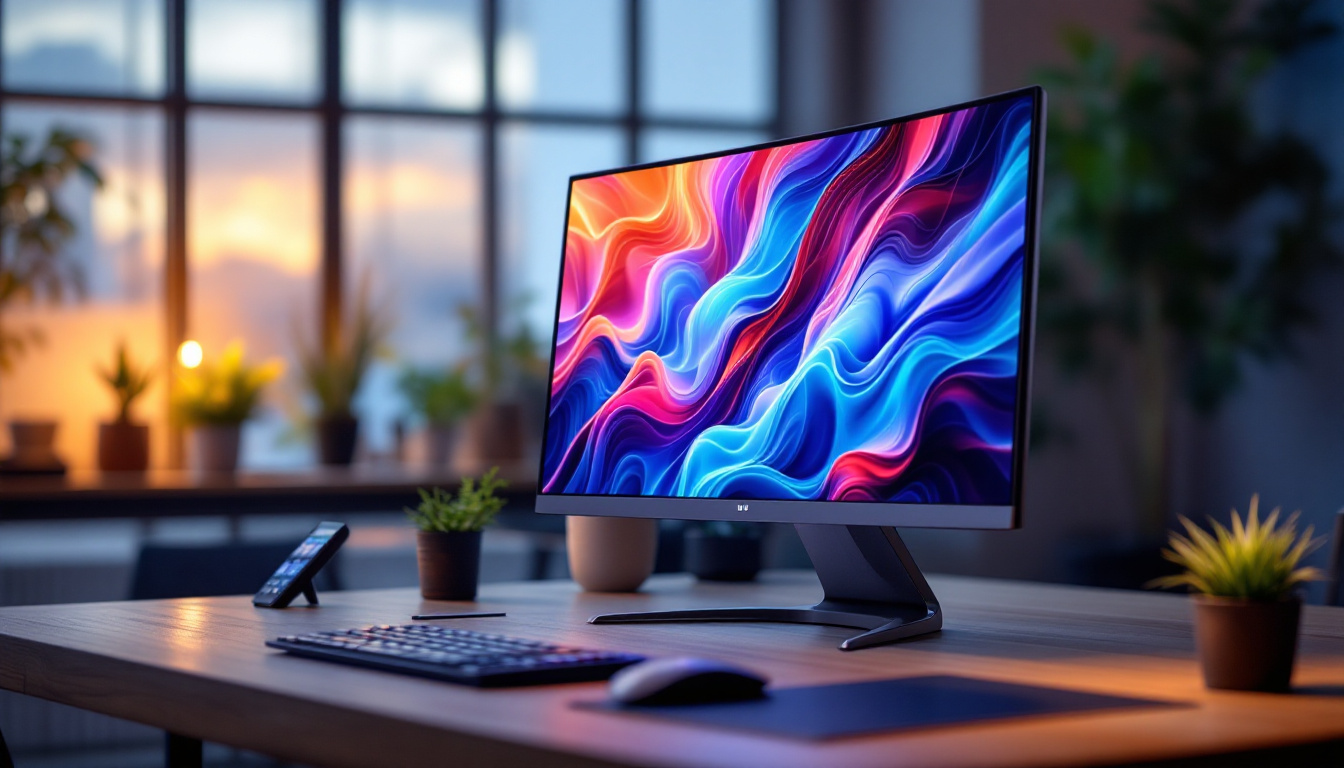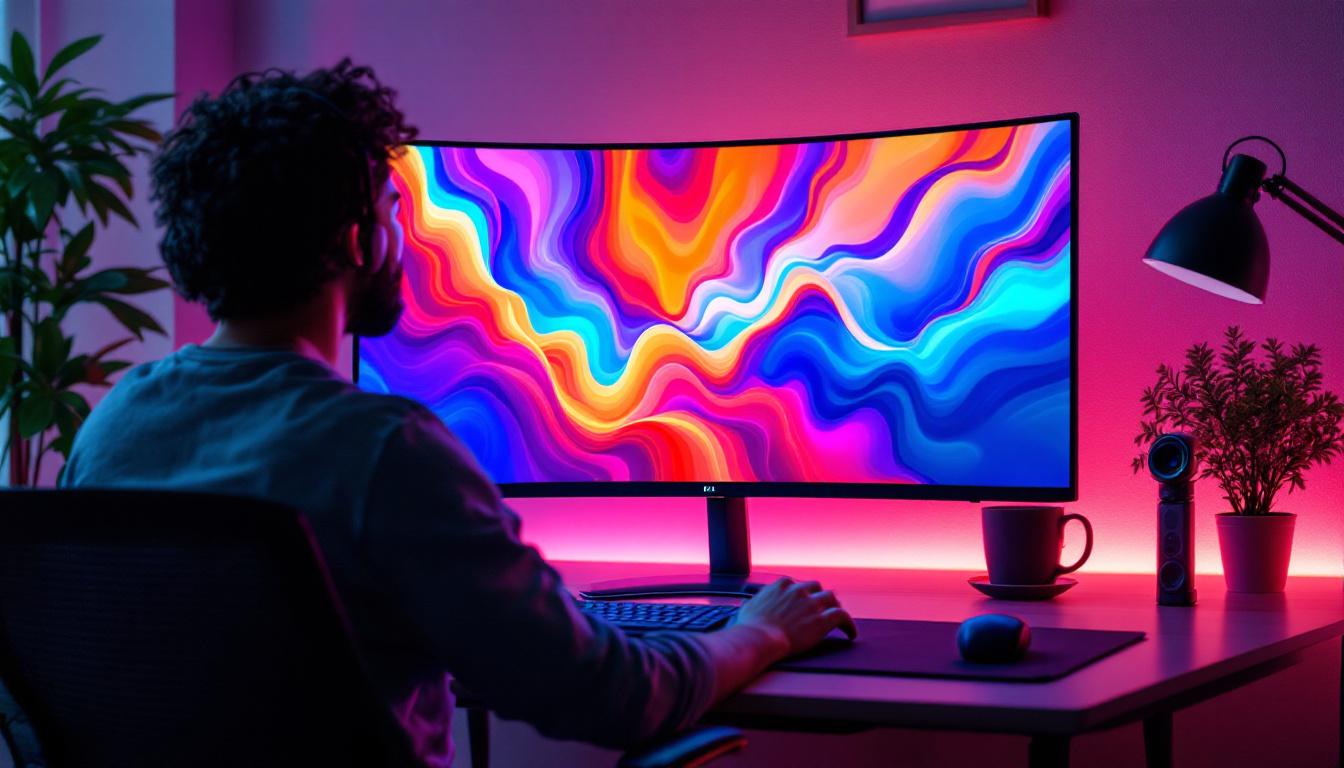
Desktop Screen: LED Display Explained
In the rapidly evolving world of computer technology, the desktop screen remains a critical interface between users and their digital environments. Among the various types of display technologies, LED displays have become the dominant choice for desktop monitors due to their superior image quality, energy efficiency, and versatility. This article delves into the intricacies of LED desktop screens, explaining what they are, how they work, and why they have become the preferred option for both casual users and professionals alike.
Understanding LED Display Technology
What Is an LED Display?
LED stands for Light Emitting Diode, a semiconductor device that emits light when an electric current passes through it. In the context of desktop screens, LED displays use these diodes as a backlighting source to illuminate the pixels on the screen. Unlike older technologies such as CCFL (Cold Cathode Fluorescent Lamp) backlighting used in LCD monitors, LED backlighting provides brighter, more uniform light with lower power consumption.
It’s important to clarify that most modern desktop monitors marketed as “LED displays” are actually LCD (Liquid Crystal Display) screens that use LED backlighting rather than traditional fluorescent tubes. This hybrid technology combines the color accuracy and sharpness of LCDs with the energy efficiency and brightness of LEDs, resulting in a superior viewing experience. Additionally, LED displays are known for their longevity, often lasting significantly longer than their CCFL counterparts, which can be a crucial factor for both consumers and businesses looking to invest in durable technology.
Types of LED Backlighting
There are primarily two types of LED backlighting used in desktop monitors: edge-lit and full-array (or direct-lit). Edge-lit LED displays place LEDs along the edges of the screen, using light guides to distribute illumination evenly across the panel. This design allows for thinner and lighter monitors but can sometimes lead to uneven brightness or “hot spots.” The sleek design of edge-lit displays makes them particularly appealing for modern workspaces, where aesthetics and space-saving solutions are often prioritized.
Full-array LED displays, on the other hand, have LEDs spread uniformly behind the entire screen. This arrangement enables better local dimming capabilities, where specific zones can be dimmed or brightened independently, enhancing contrast ratios and producing deeper blacks. While full-array LED monitors tend to be thicker and more expensive, they are often preferred by professionals who require precise color accuracy and superior image quality. Furthermore, advancements in technology have led to the development of mini-LED and micro-LED technologies, which promise even greater control over lighting and improved performance, making them exciting options for future display innovations.
Advantages of LED Desktop Screens
Energy Efficiency and Environmental Impact
One of the most significant benefits of LED desktop screens is their energy efficiency. According to the U.S. Department of Energy, LED-backlit LCD monitors consume up to 40% less power than their CCFL-backlit counterparts. This reduction not only lowers electricity bills but also contributes to a smaller carbon footprint, making LED monitors an environmentally friendly choice.
Moreover, LEDs have a longer lifespan—often exceeding 50,000 hours—meaning users replace their monitors less frequently, reducing electronic waste. The absence of mercury, a hazardous material found in CCFL backlights, also makes LED monitors safer to dispose of and recycle. As the world increasingly prioritizes sustainability, choosing LED technology aligns with eco-conscious practices, encouraging consumers to make responsible choices that benefit both their wallets and the planet.
Furthermore, many manufacturers are now adopting sustainable practices in the production of LED monitors, utilizing recyclable materials and reducing harmful emissions during manufacturing. This holistic approach not only enhances the environmental benefits of LED screens but also promotes a circular economy where products are designed with their entire lifecycle in mind, from production to disposal.
Improved Image Quality and Brightness
LED backlighting offers superior brightness levels, often reaching 300 to 500 nits or more, which enhances visibility in well-lit environments. This brightness, combined with the ability to implement local dimming in full-array LED displays, results in higher contrast ratios and more vivid colors. For users working with high-resolution graphics, video editing, or gaming, these improvements translate into a more immersive and accurate visual experience.
Additionally, LED displays typically provide better color gamut coverage, supporting standards such as sRGB, Adobe RGB, and DCI-P3. This capability is crucial for professionals in photography, design, and video production who rely on precise color reproduction. The enhanced image quality also benefits everyday users, making activities like streaming movies or browsing photos more enjoyable, as colors appear more lifelike and details are sharper.
Moreover, advancements in LED technology have led to features like HDR (High Dynamic Range), which allows for a broader range of brightness and contrast. This means that users can experience deeper blacks and brighter whites, resulting in a more dynamic and visually striking display. Whether for gaming, professional work, or casual viewing, HDR-capable LED monitors elevate the overall experience to new heights.
Design Flexibility and Slim Profiles
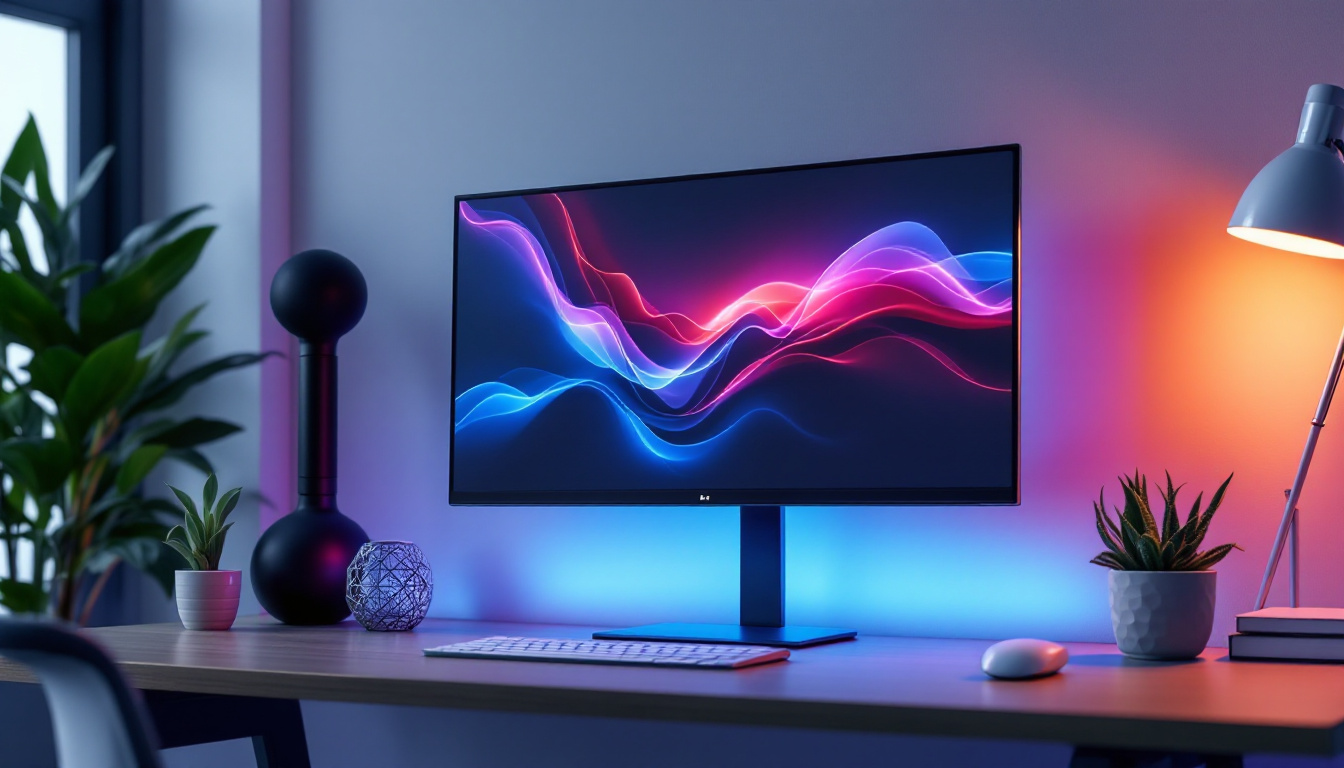
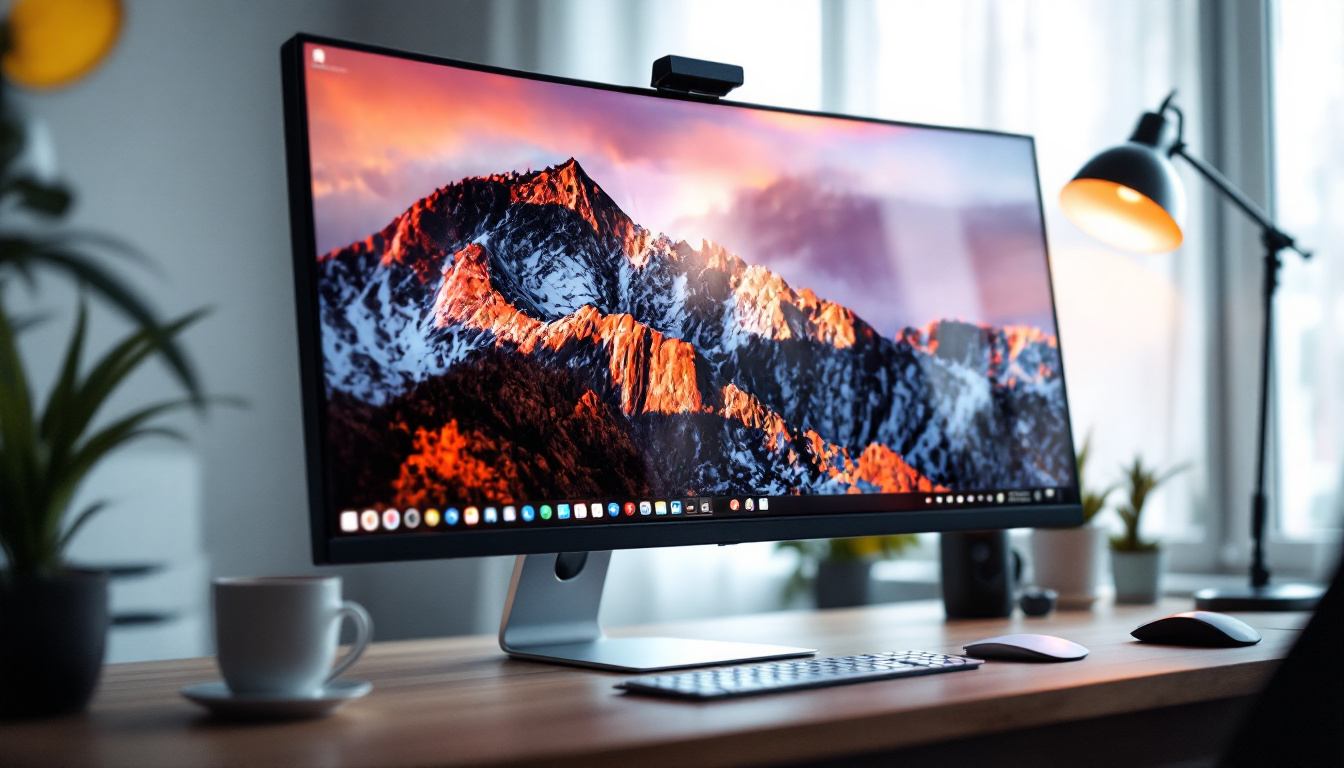
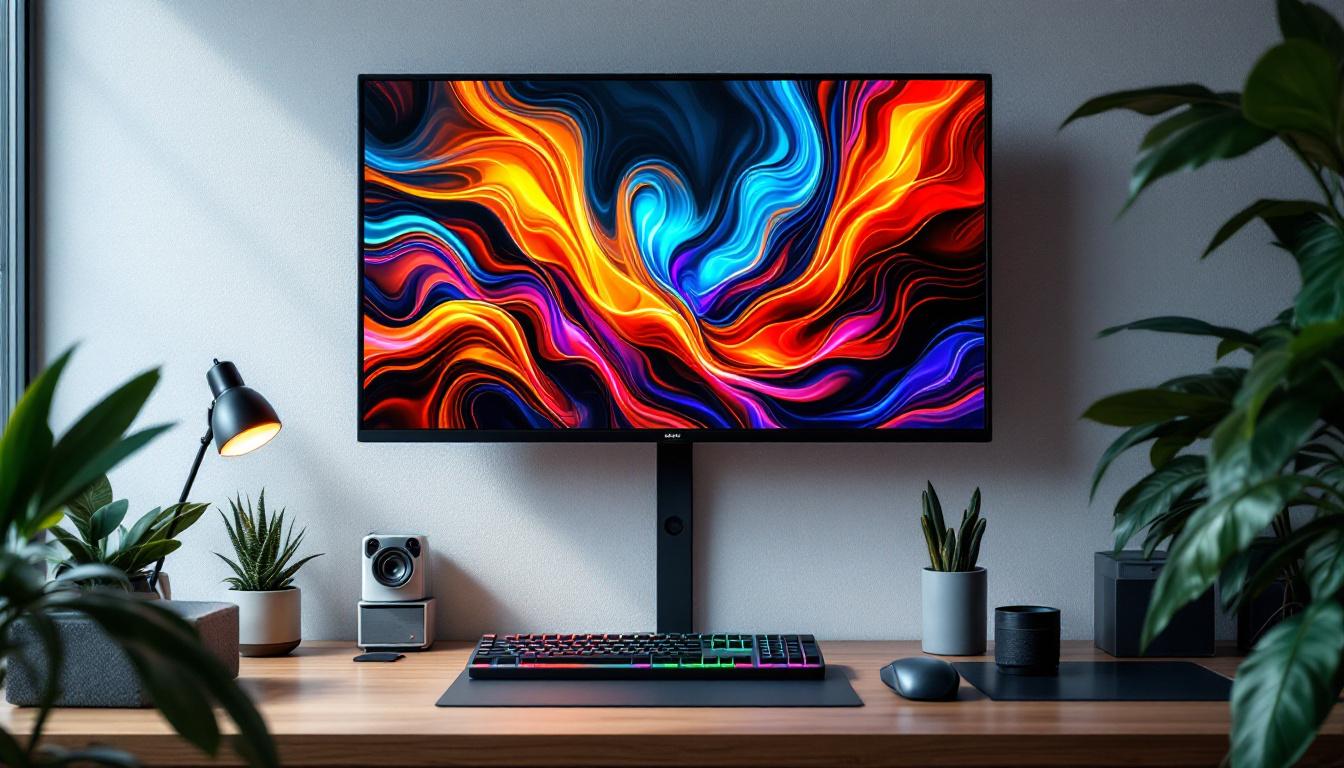
The compact size of LEDs allows manufacturers to create thinner and lighter desktop monitors. Edge-lit LED displays, in particular, enable ultra-slim designs that fit seamlessly into modern workspaces. This design flexibility also supports curved and ultra-wide monitors, which have gained popularity for enhancing productivity and providing a more immersive viewing experience.
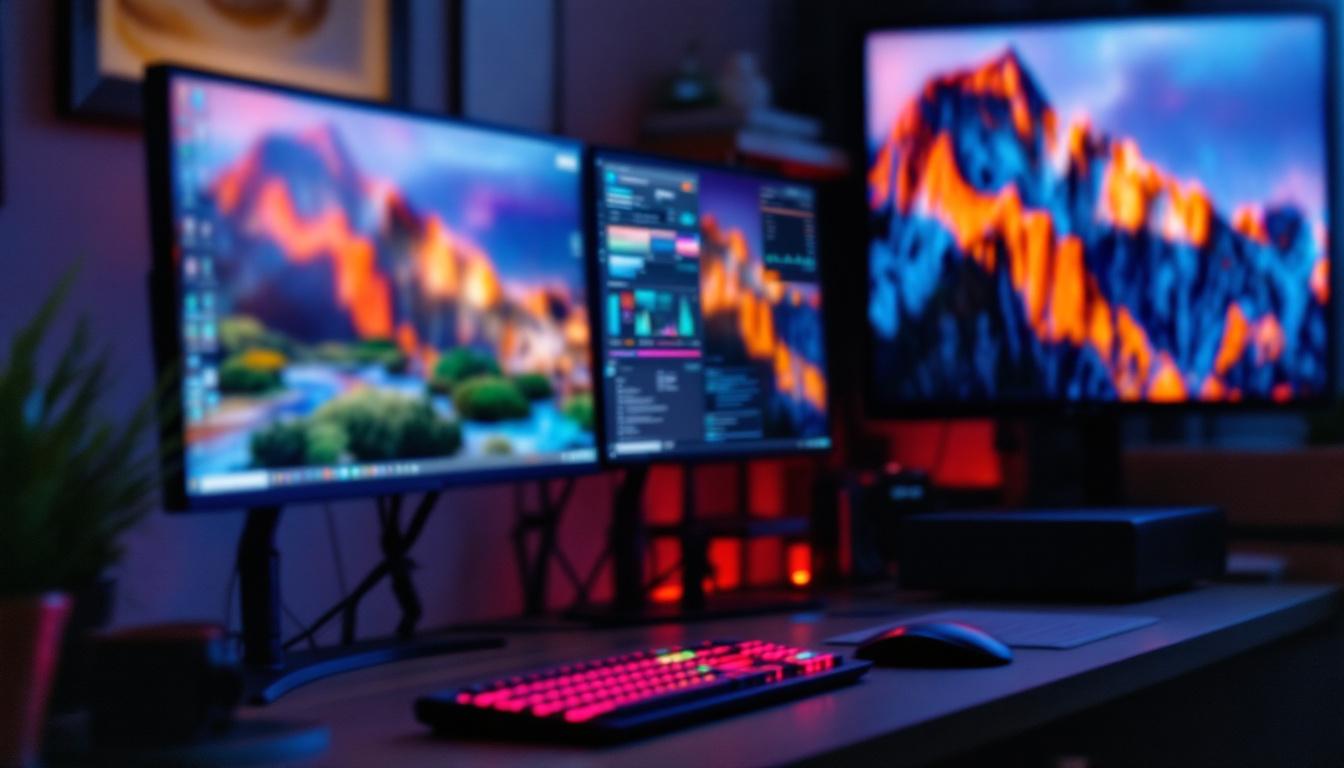
In addition to aesthetic appeal, the slim profiles of LED monitors can also contribute to better ergonomics. Many models come with adjustable stands that allow users to customize the height and angle of their screens, promoting a healthier posture during long hours of work. This adaptability is especially beneficial in multi-monitor setups, where space efficiency and visual comfort are paramount.
Moreover, the sleek design of LED monitors often incorporates advanced features such as built-in speakers, USB hubs, and even wireless connectivity options, further streamlining the user experience. As technology continues to evolve, LED monitors are not just functional tools but also stylish additions to any workspace, reflecting a blend of form and function that meets the demands of contemporary users.
How LED Desktop Screens Work: A Closer Look
The Role of Liquid Crystals
While LED backlighting is a key component, the actual image formation in most desktop screens involves liquid crystals. These crystals do not emit light themselves but act as shutters that control how much light passes through each pixel. When an electric current is applied, the crystals align to allow varying amounts of light to pass, creating different shades and colors on the screen.
The LED backlight shines through a series of filters and the liquid crystal layer, which modulates the light to produce the desired image. This process is why the term “LED display” can be somewhat misleading, as the light emission comes from the LEDs behind the LCD panel rather than from the pixels themselves.
Color Production and Pixel Structure
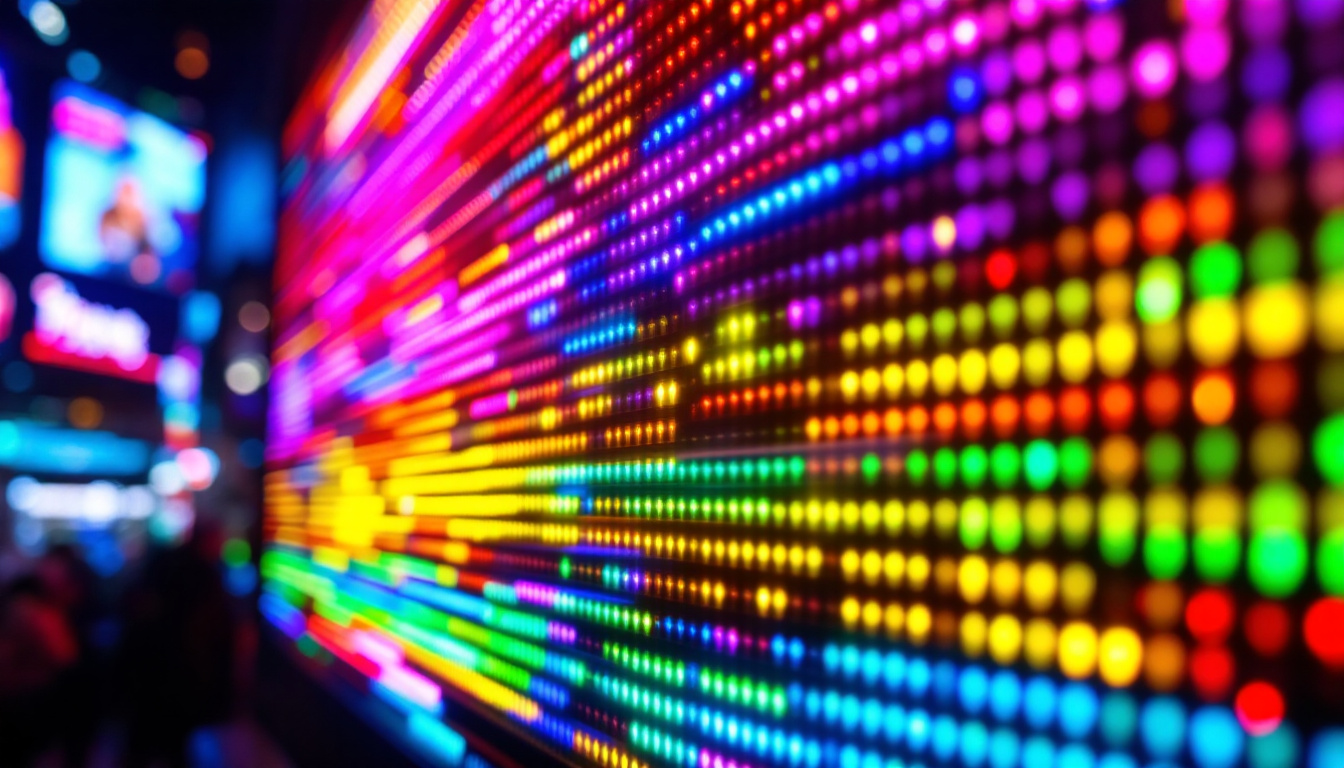
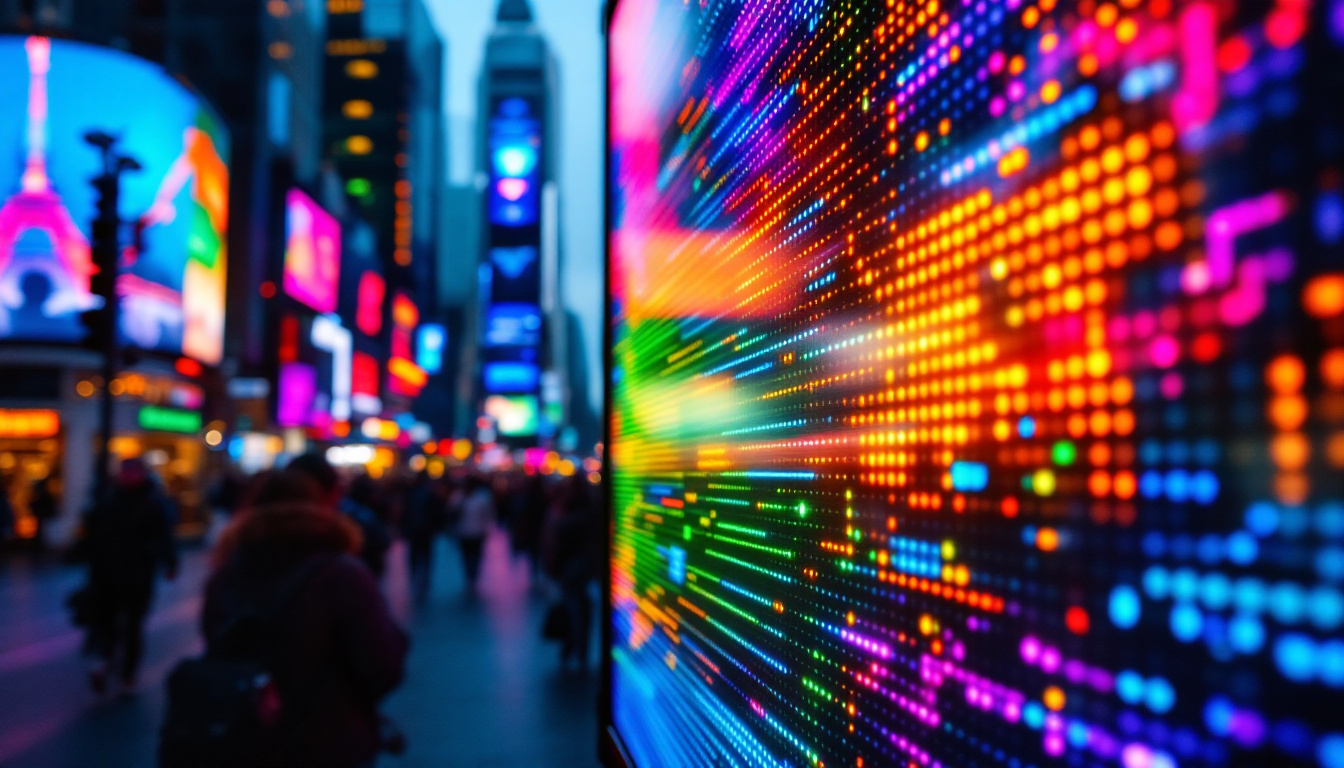
Each pixel on an LED-backlit LCD monitor consists of subpixels in red, green, and blue (RGB). By adjusting the intensity of each subpixel, the monitor can produce millions of colors. The quality of color reproduction depends on factors such as the type of liquid crystals, the precision of the LED backlighting, and the color filters used.
Advanced monitors may use quantum dot technology, which enhances color accuracy and brightness by using nanoscale semiconductor particles that emit pure colors when illuminated by LEDs. Quantum dot displays are becoming increasingly common in high-end desktop monitors, offering wider color gamuts and improved energy efficiency.
Choosing the Right LED Desktop Screen
Considerations for Different User Needs
When selecting an LED desktop screen, understanding the intended use is crucial. Casual users who primarily browse the web, watch videos, or work on documents may prioritize affordability, screen size, and basic image quality. For these users, a standard edge-lit LED monitor with a 1080p resolution often suffices.
Professionals in creative fields, such as graphic designers, photographers, and video editors, should look for monitors with full-array LED backlighting, high resolution (such as 4K), wide color gamut support, and factory calibration for color accuracy. These features ensure that the colors and details they see on screen match the final output in print or digital media.
Gamers and enthusiasts might prioritize high refresh rates (120Hz or higher), low response times, and adaptive sync technologies like NVIDIA G-SYNC or AMD FreeSync. Many gaming monitors use LED backlighting combined with fast LCD panels to deliver smooth and responsive gameplay.
Resolution, Size, and Refresh Rate
Resolution remains a key factor in image clarity. While Full HD (1920×1080) is still common, 1440p (2560×1440) and 4K (3840×2160) resolutions are becoming standard for higher-end monitors. Larger screen sizes, typically ranging from 24 to 32 inches, offer more workspace and better immersion but require higher resolutions to maintain sharpness.
Refresh rate, measured in hertz (Hz), indicates how many times the screen updates per second. Higher refresh rates reduce motion blur and improve the smoothness of animations and video playback. This specification is particularly important for gaming and video editing.
Future Trends in LED Desktop Displays
Mini-LED and Micro-LED Technologies
Emerging technologies such as Mini-LED and Micro-LED promise to revolutionize desktop displays further. Mini-LEDs use thousands of tiny LEDs as backlighting, allowing for even more precise local dimming and higher contrast ratios than traditional full-array LED monitors. This technology is already appearing in premium monitors and laptops, offering near-OLED levels of contrast without the risk of burn-in.
Micro-LED displays take this concept further by using microscopic LEDs as individual pixels, eliminating the need for an LCD layer altogether. This approach promises exceptional brightness, color accuracy, and energy efficiency. Although Micro-LED technology is still in the early stages for desktop monitors, it holds significant potential for the future.
Integration with HDR and Color Standards
High Dynamic Range (HDR) support is becoming increasingly important for desktop monitors, enhancing the range of brightness and color detail. LED displays with advanced backlighting systems can meet the stringent requirements for HDR10, Dolby Vision, and other HDR standards, providing a more lifelike and immersive viewing experience.
Additionally, as content creation and consumption continue to evolve, support for wider color spaces like Rec. 2020 and improvements in color calibration tools will ensure that LED desktop screens remain at the forefront of visual technology.
Conclusion
LED desktop screens have transformed the way users interact with their computers by combining the strengths of LCD technology with the efficiency and brightness of LED backlighting. Their advantages in energy consumption, image quality, and design flexibility make them the preferred choice across various user segments, from casual users to professionals and gamers.
Understanding the underlying technology, types of LED backlighting, and key features to consider can help consumers make informed decisions when selecting a monitor. As innovations like Mini-LED and Micro-LED continue to emerge, the future of desktop displays promises even greater visual fidelity and performance.
Whether upgrading an existing setup or purchasing a new desktop screen, LED technology ensures users experience vibrant colors, sharp images, and efficient performance that keep pace with the demands of modern computing.
Discover the Future of Visual Display with LumenMatrix
As you consider the advancements and benefits of LED technology for your desktop screen needs, LumenMatrix stands at the forefront of this innovation. Specializing in a wide array of LED display solutions—from Indoor and Outdoor LED Wall Displays to specialized options like Vehicle, Sports, and Floor LED Displays—LumenMatrix is committed to enhancing your visual experience. Embrace the future of vibrant colors, dynamic performance, and unparalleled brightness with our cutting-edge LED display modules. Check out LumenMatrix LED Display Solutions today and transform your space with the power of advanced LED technology.