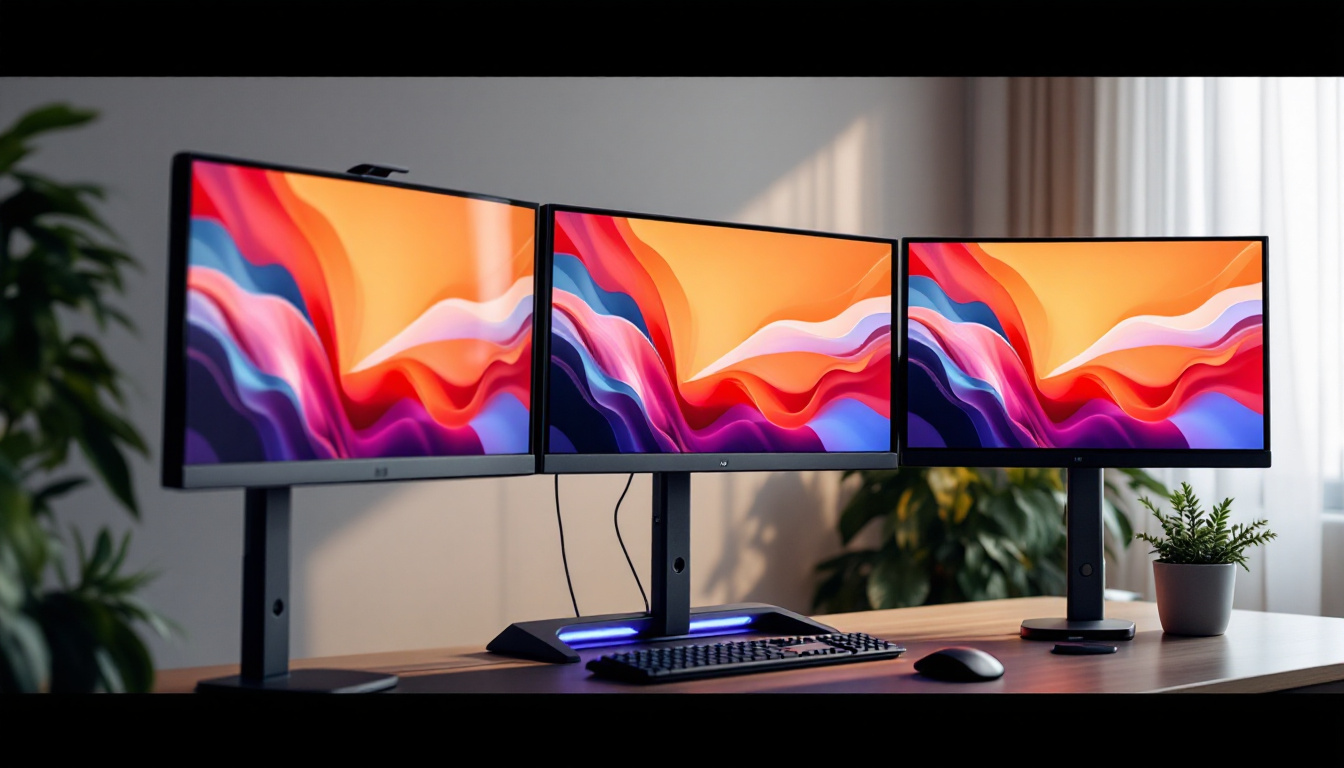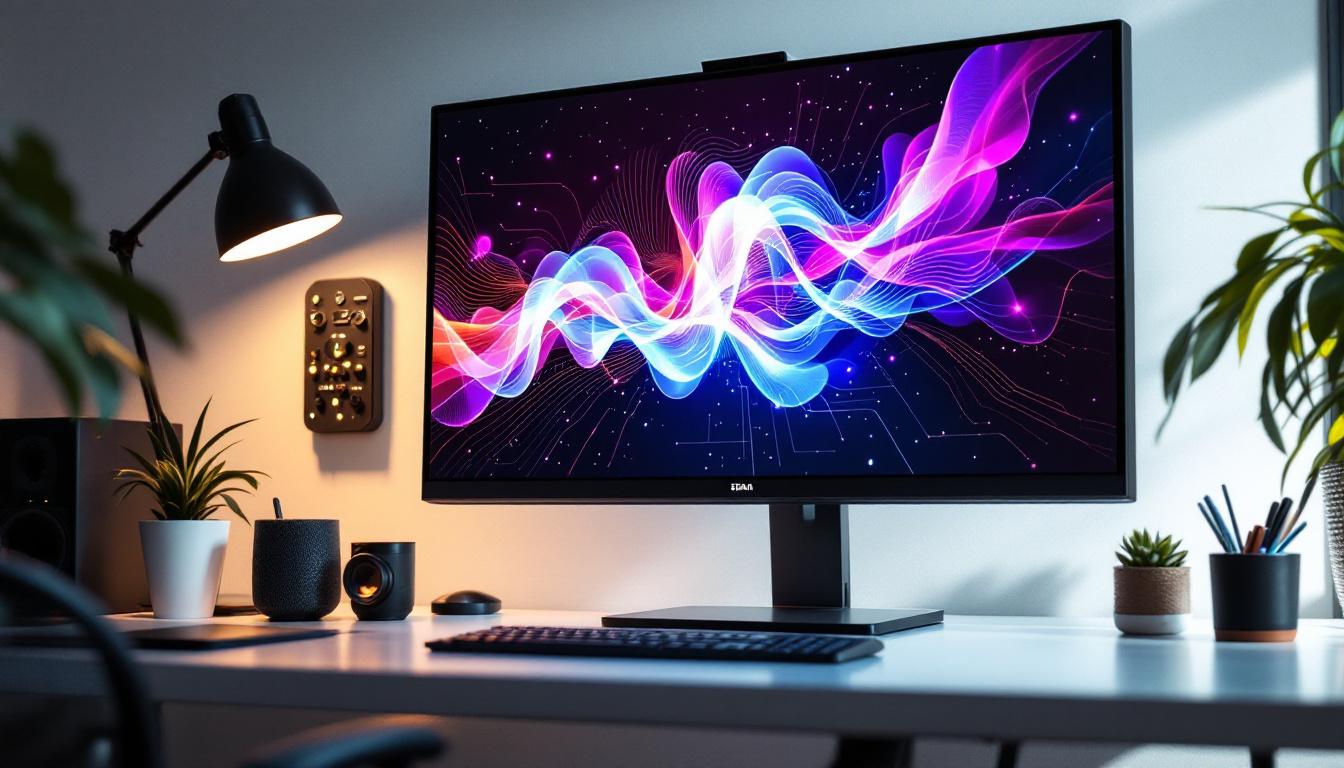
In today’s fast-evolving digital workspace, desktop touch screen monitors with LED displays have become increasingly popular. These devices blend the convenience of touch interaction with the vibrant visuals of LED technology, offering a versatile solution for professionals, creatives, and casual users alike. This article explores the fundamentals of desktop touch screen monitors, focusing on LED display technology, its benefits, and how it shapes the future of computing interfaces.
Understanding Desktop Touch Screen Monitors
Desktop touch screen monitors are computer displays that respond to touch input, allowing users to interact directly with what is shown on the screen. Unlike traditional monitors that rely solely on peripheral devices like a mouse or keyboard, touch screen monitors enable intuitive gestures such as tapping, swiping, and pinching. This interaction model enhances user experience by making navigation faster and more natural.
Touch screen technology has evolved significantly over the past decade. Early versions were often limited by accuracy and responsiveness, but modern touch screens provide precise input recognition and multi-touch capabilities. These improvements make them suitable for a wide range of applications, from professional design and gaming to educational tools and point-of-sale systems. The versatility of touch screen monitors has also led to their adoption in various industries, including healthcare, where they are used for patient management systems, and retail, where they facilitate interactive displays and kiosks.
Types of Touch Screen Technologies
There are several types of touch screen technologies used in desktop monitors, each with its own advantages and limitations:
- Resistive Touch Screens: These use two flexible layers that detect pressure. While cost-effective, they tend to have lower clarity and are less sensitive to light touches.
- Capacitive Touch Screens: The most common in modern devices, capacitive screens detect electrical properties of the human finger, offering high sensitivity and multi-touch support.
- Infrared Touch Screens: These use an array of infrared LEDs and sensors to detect touch without requiring direct contact with the screen surface.
- Surface Acoustic Wave (SAW): This technology uses ultrasonic waves on the screen surface to detect touch, providing excellent image clarity but can be affected by dirt and water.
Among these, capacitive touch screens are the most prevalent in desktop touch screen monitors due to their responsiveness and durability. They are particularly favored in environments where speed and accuracy are paramount, such as in graphic design or gaming. Furthermore, the rise of touch screen technology has led to the development of specialized software applications that leverage these capabilities, allowing for enhanced interaction and productivity. For instance, creative professionals can utilize touch gestures to manipulate design elements seamlessly, while educators can engage students with interactive lessons that encourage participation and collaboration.
The Role of LED Displays in Touch Screen Monitors
LED (Light Emitting Diode) display technology has revolutionized the way screens deliver images. Unlike older LCDs that used cold cathode fluorescent lamps (CCFLs) for backlighting, LED displays utilize light-emitting diodes to illuminate pixels. This shift has brought significant improvements in brightness, contrast, energy efficiency, and color accuracy.
How LED Displays Work
LED displays are essentially LCD panels with LED backlighting. The LCD layer controls the image by blocking or allowing light to pass through, while the LED backlight provides the illumination. There are two main types of LED backlighting:
- Edge-Lit LED: LEDs are placed around the edges of the screen, and light is distributed across the panel using light guides. This design allows for thinner monitors but can sometimes result in uneven brightness.
- Full-Array LED: LEDs are distributed evenly behind the entire screen, enabling local dimming where specific zones can be dimmed or brightened independently. This enhances contrast and black levels.
Full-array LED displays tend to offer superior image quality but are often more expensive. The technology behind these displays is continually evolving, with advancements such as mini-LED and micro-LED further pushing the boundaries of what is possible in terms of brightness and color accuracy. These innovations promise to deliver even more vibrant images and improved energy efficiency, making them a compelling choice for high-end touch screen monitors.
Advantages of LED Displays in Touch Screen Monitors
Integrating LED technology into touch screen monitors brings several key benefits:
- Improved Brightness and Contrast: LED backlighting provides brighter images and deeper blacks, which is especially important for detailed visual work and multimedia consumption.
- Energy Efficiency: LEDs consume less power than traditional CCFL backlights, reducing electricity costs and environmental impact.
- Thin and Lightweight Design: LED backlights allow for slimmer monitor profiles, making them more ergonomic and aesthetically pleasing.
- Better Color Accuracy: LED displays can cover a wider color gamut, essential for graphic designers, photographers, and video editors who require precise color reproduction.
- Longer Lifespan: LEDs generally last longer than CCFLs, contributing to the monitor’s durability and reducing maintenance needs.
Moreover, the rapid response time of LED displays enhances the touch experience, making interactions smoother and more responsive. This is particularly beneficial in applications such as gaming, where quick reflexes are essential, and in professional environments where precision is key. As touch screen technology continues to advance, the integration of LED displays ensures that users enjoy an optimal visual experience, whether they are navigating software applications, engaging in creative projects, or consuming media. The combination of touch sensitivity and vibrant displays creates a dynamic interface that is not only functional but also visually captivating, encouraging users to engage more deeply with their content.
Applications and Benefits of Desktop Touch Screen LED Monitors
The combination of touch screen capability and LED display technology creates a powerful tool that enhances productivity and user engagement across various sectors.
Professional and Creative Workspaces
For professionals such as graphic designers, architects, and video editors, desktop touch screen LED monitors offer unparalleled control and visual fidelity. The ability to directly manipulate images and designs with touch gestures accelerates workflows and fosters creativity. High-resolution LED displays ensure that colors and details are rendered accurately, which is critical when producing client-ready work.
Moreover, many modern touch screen monitors support stylus input, allowing for precise drawing and annotation. This feature is invaluable in digital art and technical fields where fine control is necessary.
Education and Training
Interactive learning environments benefit greatly from touch screen LED monitors. Students can engage directly with educational content, making lessons more dynamic and accessible. Touch-enabled displays support collaborative activities, such as group problem-solving and interactive quizzes, which have been shown to improve retention and comprehension.
LED technology ensures that displays remain bright and clear even in well-lit classrooms, maintaining visibility and reducing eye strain during extended use.
Business and Retail Environments
In retail and customer service settings, touch screen LED monitors streamline operations by enabling quick, intuitive interactions. Point-of-sale systems, self-service kiosks, and digital signage all benefit from the responsiveness and visual appeal of LED touch screens.
Businesses also use these monitors for presentations and meetings, where touch interaction can facilitate more engaging and efficient communication.
Choosing the Right Desktop Touch Screen LED Monitor
Selecting the ideal touch screen LED monitor depends on several factors, including intended use, budget, and technical requirements. Understanding these considerations helps users make informed decisions that maximize the value of their investment.
Screen Size and Resolution
Screen size impacts comfort and productivity. Larger monitors (27 inches and above) provide more workspace and are preferable for multitasking and detailed visual work. Resolution is equally important; higher resolutions like 4K (3840 x 2160 pixels) deliver sharper images and more screen real estate, which is beneficial for professionals dealing with complex visuals.
Touch Technology and Responsiveness
Capacitive touch screens are generally recommended for desktop use due to their accuracy and support for multi-touch gestures. It’s important to check the monitor’s touch response time and input latency, especially for applications requiring real-time interaction, such as gaming or digital art.
Connectivity Options
A variety of ports ensure compatibility with different devices. Common connections include HDMI, DisplayPort, USB-C, and USB hubs for peripherals. Some monitors also feature built-in speakers and webcam support, adding convenience for video conferencing and multimedia use.
Ergonomics and Build Quality
Adjustable stands that offer tilt, swivel, and height adjustments improve comfort during prolonged use. Durable materials and a sturdy build contribute to the monitor’s longevity, particularly in high-traffic or professional settings.
Future Trends in Desktop Touch Screen LED Monitors
As technology advances, desktop touch screen LED monitors continue to evolve, integrating new features and improving performance.
OLED and MicroLED Displays
While LED-backlit LCDs dominate the market, emerging display technologies like OLED (Organic LED) and MicroLED promise even better image quality. OLED screens offer perfect blacks and exceptional contrast by emitting light from individual pixels, while MicroLED combines the benefits of OLED with higher brightness and durability. These technologies are gradually making their way into desktop monitors, potentially redefining visual standards.
Enhanced Touch and Gesture Recognition
Future monitors are expected to incorporate advanced touch and gesture recognition capabilities, including 3D touch and air gestures that do not require direct contact. This will open new interaction paradigms, making computing more immersive and accessible.
Integration with AI and Smart Features
Artificial intelligence may play a role in optimizing display settings automatically based on ambient light, user preferences, and content type. Smart monitors could also offer voice control and seamless integration with other smart devices, creating a more connected and intuitive workspace.
Conclusion
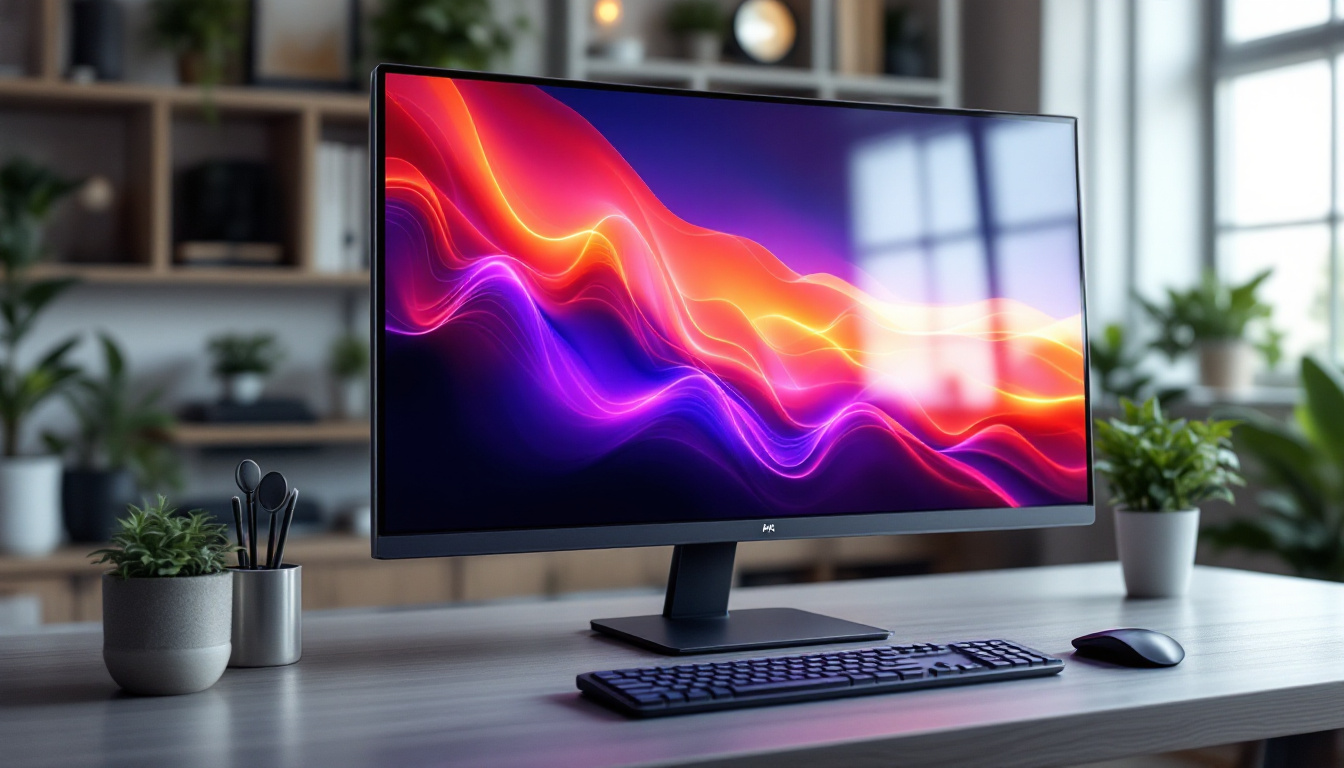
Desktop touch screen monitors with LED displays represent a significant leap forward in user interface technology. By combining responsive touch input with vibrant, energy-efficient LED visuals, these monitors cater to a wide range of users—from creative professionals to educators and business operators. Understanding the underlying technologies and key features helps users select the right monitor to enhance productivity and engagement.
As display and touch technologies continue to advance, the future holds exciting possibilities for even more immersive and efficient desktop experiences. Investing in a quality desktop touch screen LED monitor today is not just about meeting current needs but also preparing for the evolving digital landscape.
Explore the Future of Touch Screen LED Displays with LumenMatrix
Ready to experience the pinnacle of touch screen LED display technology? LumenMatrix is at the forefront of innovation, offering a diverse range of LED display solutions that bring your digital interactions to life. Whether you’re looking to enhance your professional workspace, elevate educational settings, or captivate customers in retail environments, LumenMatrix has the cutting-edge technology to meet your needs. From Indoor and Outdoor LED Wall Displays to specialized solutions like Vehicle and Sports LED Displays, our products are designed to maximize engagement and deliver your message with unparalleled clarity. Don’t just keep up with the evolving digital landscape—lead the way with LumenMatrix. Check out LumenMatrix LED Display Solutions today and transform your visual communication.