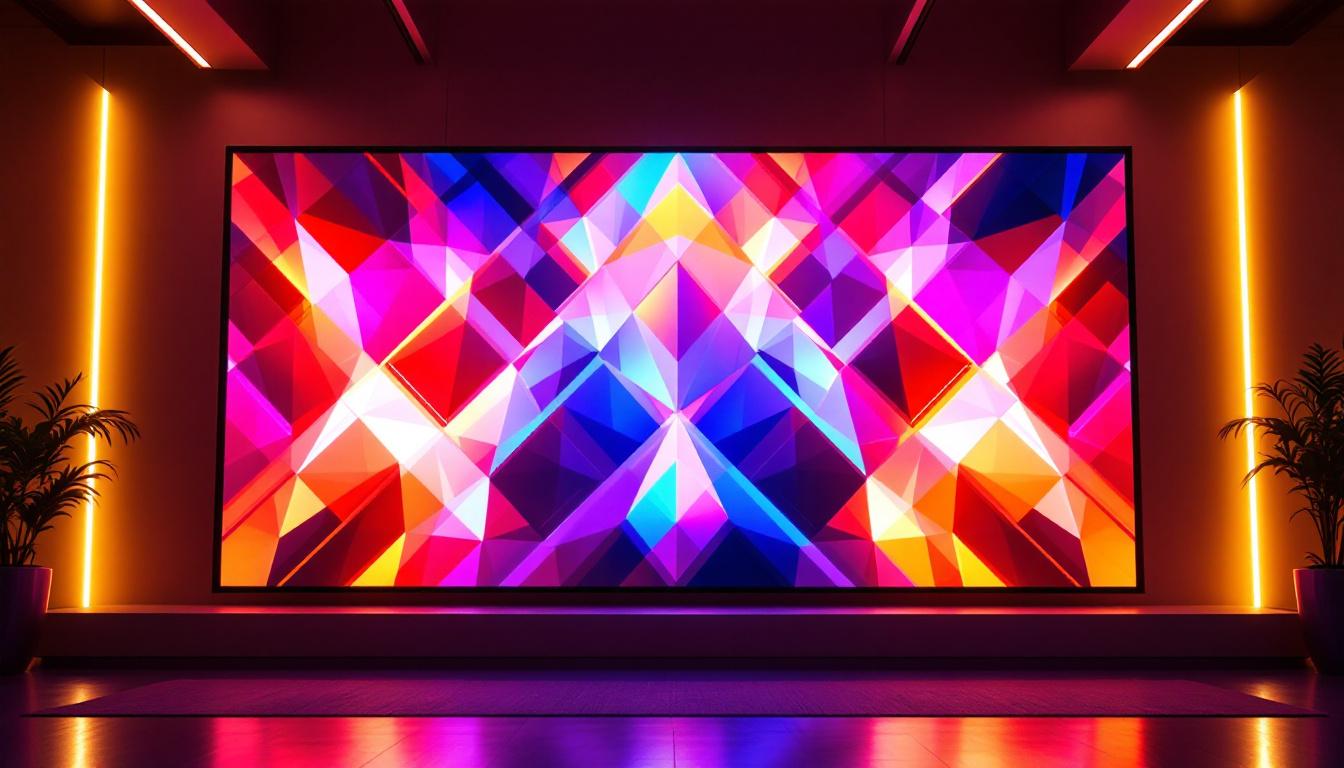
In the rapidly evolving world of digital displays, LED technology continues to dominate due to its vibrant colors, energy efficiency, and versatility. Among the various LED configurations, the Diamond Panel stands out as a unique and innovative approach to LED display design. This article dives deep into what Diamond Panels are, how they function, their advantages, and their applications across industries.
Understanding Diamond Panel LED Displays
What is a Diamond Panel?
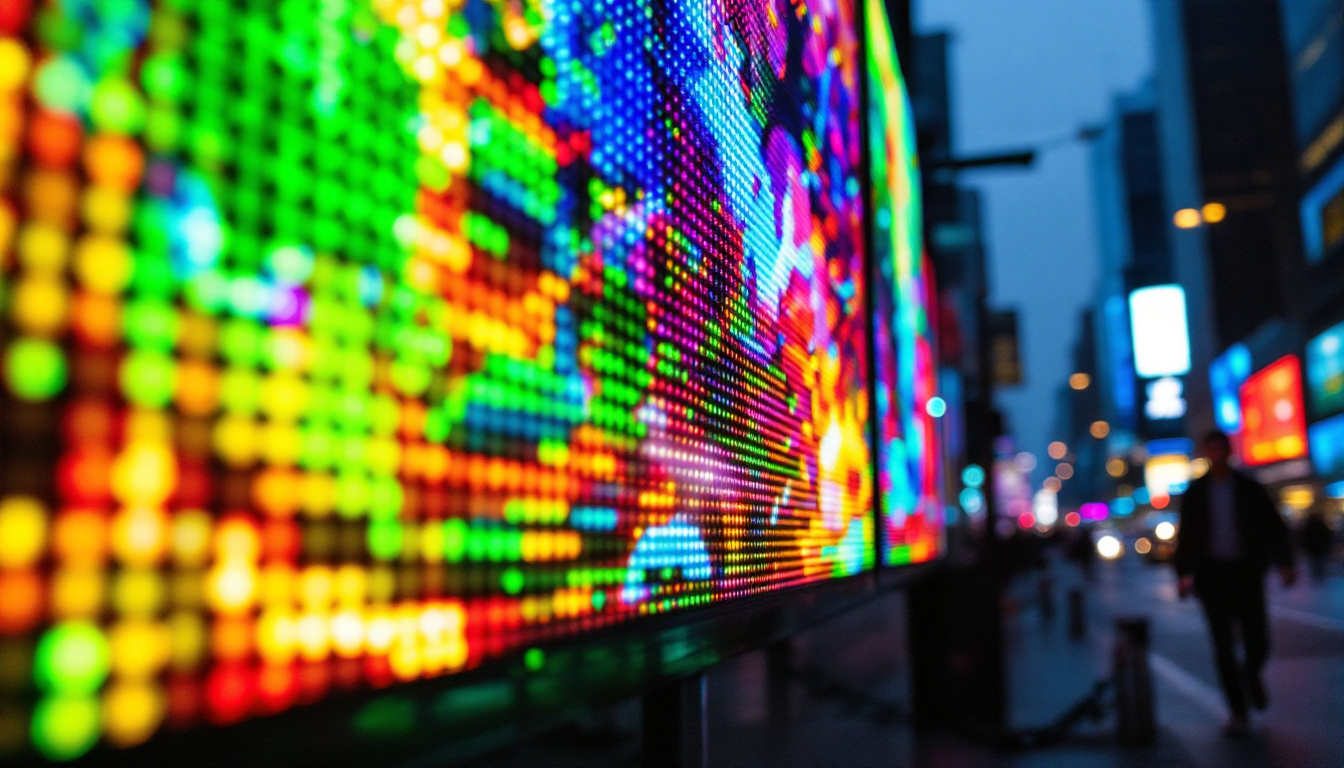
A Diamond Panel is a specific type of LED display module characterized by its distinctive diamond-shaped pixel arrangement. Unlike traditional LED panels that use a square or rectangular grid, Diamond Panels arrange their LEDs in a diamond pattern, often at a 45-degree angle. This configuration enhances the visual experience by improving pixel density and offering smoother image rendering.
The diamond layout is not merely an aesthetic choice; it addresses some limitations found in conventional LED displays, such as pixel visibility at close range and image distortion at certain viewing angles. By reorienting the pixels, Diamond Panels can deliver sharper images and more uniform brightness distribution. This is particularly beneficial in environments where viewers are positioned at varying angles, such as in stadiums or large venues, ensuring that the display remains vibrant and clear from multiple perspectives.
Moreover, the unique design of Diamond Panels allows for greater flexibility in installation. They can be seamlessly integrated into various architectural designs, whether in retail spaces, exhibition halls, or even outdoor settings. The ability to create larger, continuous displays without visible seams enhances the overall aesthetic appeal, making them a popular choice for high-profile advertising and branding applications.
Technical Structure of Diamond Panels
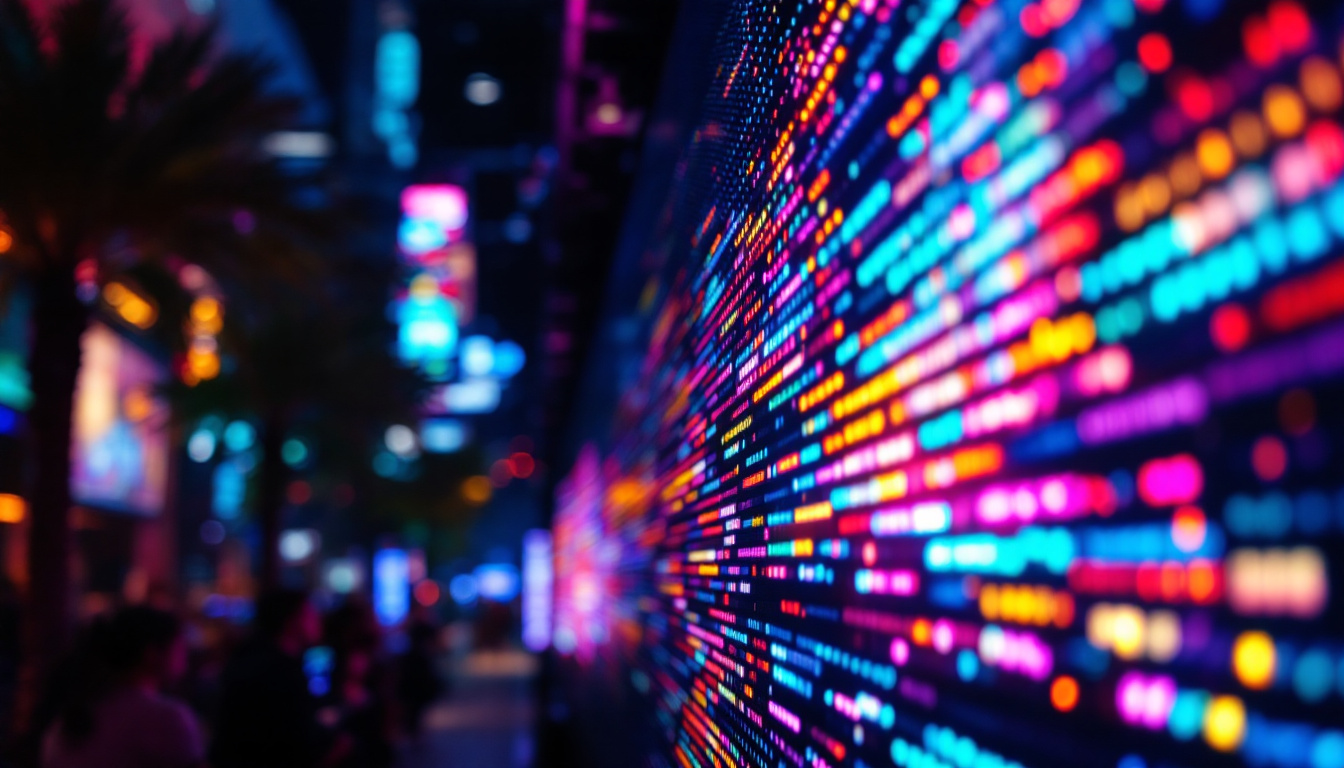
At the core, Diamond Panels consist of numerous LED modules arranged in a tessellated diamond pattern. Each module contains multiple LEDs, typically RGB (Red, Green, Blue) diodes, which combine to produce full-color images. The diamond shape is achieved by rotating the traditional square pixel grid by 45 degrees, creating a visually distinct pattern.
This rotation affects the pixel pitch—the distance between the centers of two adjacent pixels—resulting in a more compact and efficient layout. For example, a Diamond Panel with a pixel pitch of 3.9mm will have a different visual density compared to a traditional 3.9mm square grid, often appearing sharper and more continuous to the human eye. Additionally, the diamond configuration allows for improved thermal management, as the arrangement can facilitate better airflow around the LEDs, ultimately enhancing the longevity and performance of the display.
Furthermore, the technology behind Diamond Panels often incorporates advanced processing capabilities that optimize image quality. Features such as dynamic color correction and real-time image scaling ensure that content is displayed with exceptional clarity and vibrancy, regardless of the source material. This makes Diamond Panels not only suitable for static images but also for dynamic video content, where fast-moving visuals require precise pixel response times to avoid blurring or ghosting effects. As a result, they are increasingly favored in high-demand environments such as broadcasting, live events, and immersive installations.
Advantages of Diamond Panel LED Displays
Enhanced Visual Clarity and Uniformity
One of the primary benefits of Diamond Panels is their ability to produce clearer and more uniform images. The diamond-shaped pixel arrangement reduces the visibility of individual pixels, especially when viewed from close distances. This is particularly important for indoor displays or venues where viewers are near the screen.
Moreover, the diamond pattern helps minimize the “screen door” effect—a phenomenon where the grid lines between pixels become noticeable, detracting from image quality. By offsetting pixels diagonally, Diamond Panels create a more seamless visual experience, enhancing both text readability and video playback. This is especially beneficial in environments such as conference rooms or classrooms, where presentations need to be crisp and clear to ensure effective communication. The result is a display that not only captivates the audience but also conveys information with precision and clarity, making it an ideal choice for professional settings.
Improved Viewing Angles
Traditional LED displays sometimes suffer from color shifting or brightness loss when viewed from extreme angles. The diamond configuration mitigates these issues by distributing light more evenly across the screen. This results in wider viewing angles, ensuring consistent image quality regardless of the viewer’s position.
For public spaces such as shopping malls, airports, or stadiums, where audiences view the display from various angles, this advantage is critical. It guarantees that the message or content remains vibrant and legible to all viewers. Furthermore, this feature is particularly advantageous for live events or broadcasts, where large crowds gather and the ability to view the screen from multiple vantage points can significantly enhance the overall experience. The immersive quality of the visuals ensures that no one is left out, allowing everyone to engage with the content being presented, whether it’s a promotional advertisement or a live sports event.
Energy Efficiency and Longevity
While the diamond pixel arrangement itself does not directly reduce energy consumption, the improved image clarity means that fewer LEDs may be needed to achieve the desired brightness and resolution. This can translate into lower power usage over time.
Additionally, Diamond Panels often incorporate high-quality LEDs with longer lifespans, reducing maintenance costs and downtime. Their robust design makes them suitable for both indoor and outdoor environments, withstanding varying weather conditions without compromising performance. This durability is particularly important for outdoor advertising displays that face the elements, as they can maintain their visual integrity and functionality over time. Furthermore, the energy efficiency of these displays not only contributes to lower operational costs but also aligns with sustainability goals, making them an environmentally friendly choice for businesses looking to reduce their carbon footprint while still delivering high-impact visuals.
Applications of Diamond Panel LED Displays
Indoor Advertising and Retail
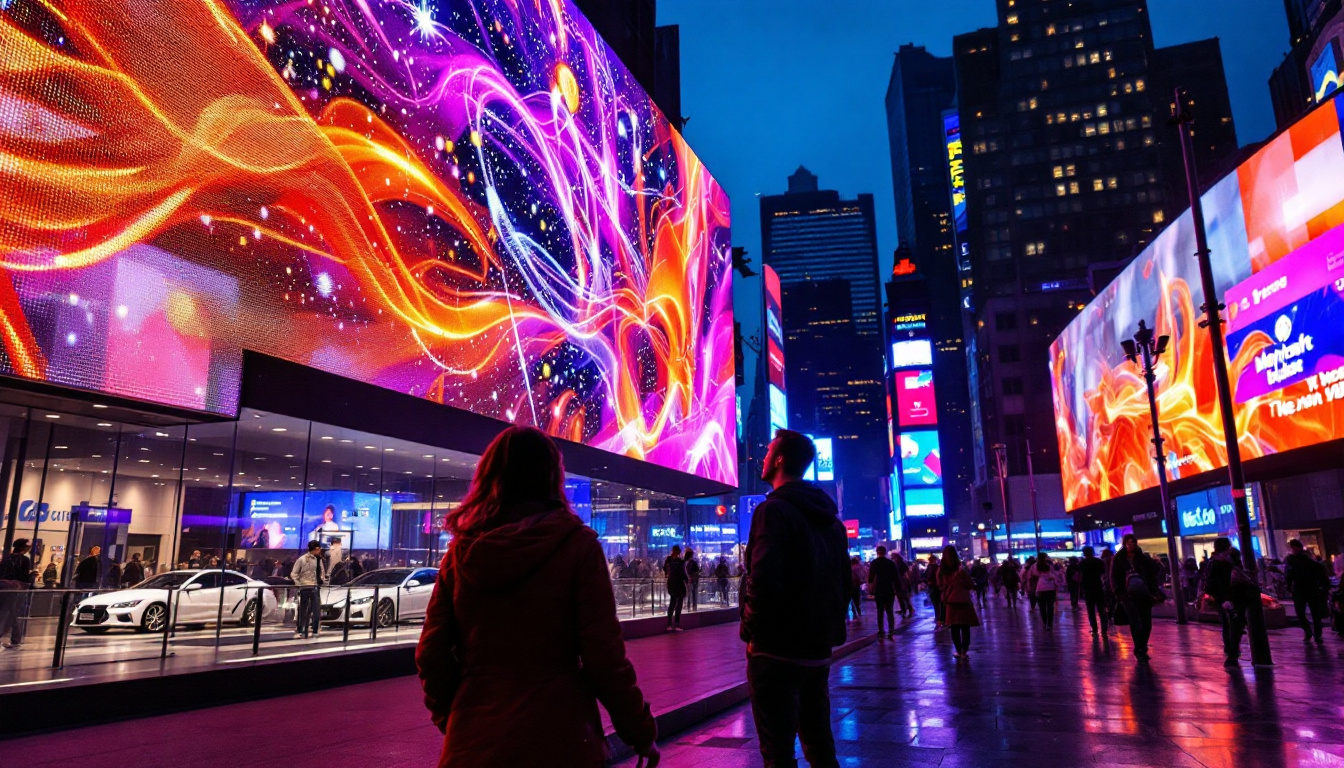
Retail environments benefit significantly from Diamond Panel technology. The enhanced clarity and brightness make promotional content stand out, attracting customer attention effectively. Whether used as digital signage, product showcases, or interactive displays, Diamond Panels provide retailers with a competitive edge.
For instance, flagship stores in metropolitan areas often deploy Diamond Panel displays to create immersive brand experiences. The ability to display crisp images and videos even at close proximity ensures that customers engage more deeply with the content.
Entertainment and Events
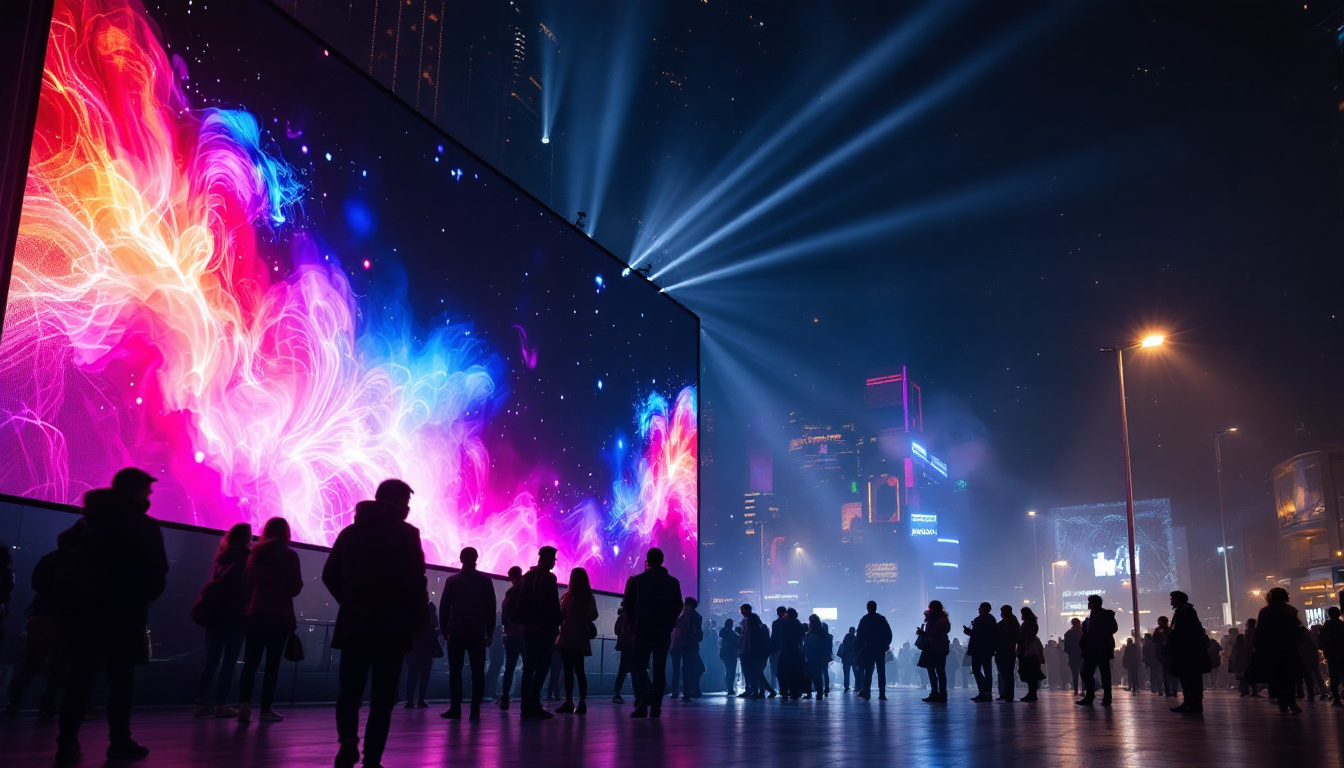
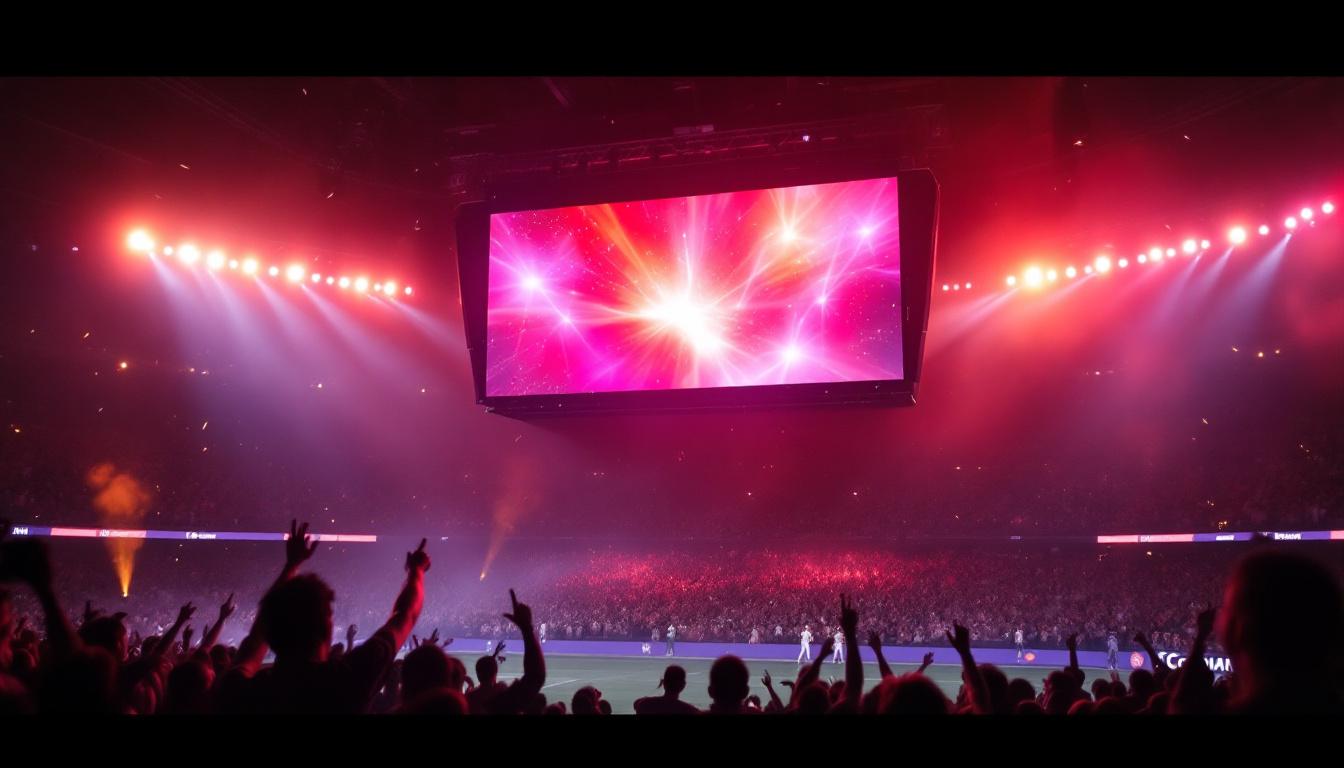
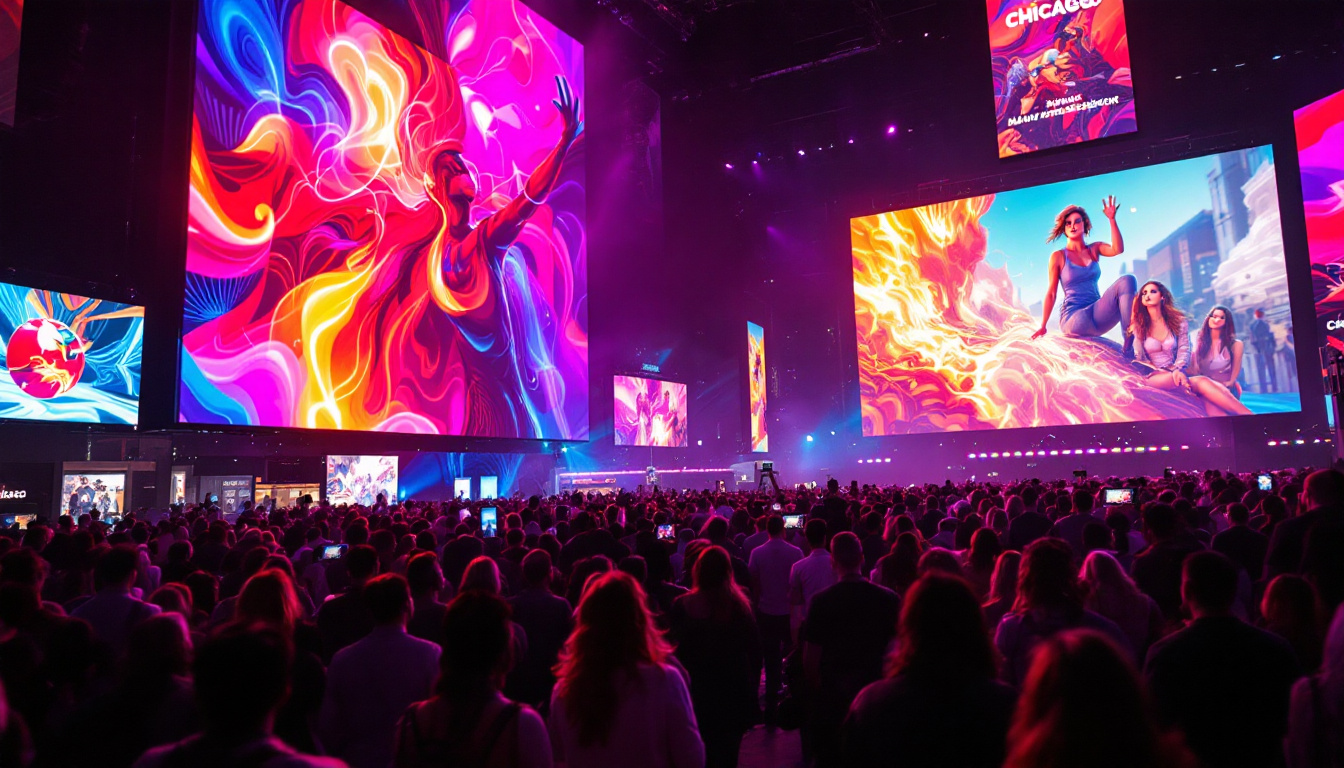
Concerts, theaters, and live events demand high-quality visual displays that can captivate large audiences. Diamond Panels are increasingly popular in these settings due to their superior image quality and wide viewing angles.
Event organizers utilize Diamond Panel LED walls for stage backdrops, dynamic lighting effects, and real-time video feeds. The panels’ modular nature allows for flexible sizing and shapes, accommodating creative stage designs and enhancing the overall production value.
Transportation Hubs and Public Spaces
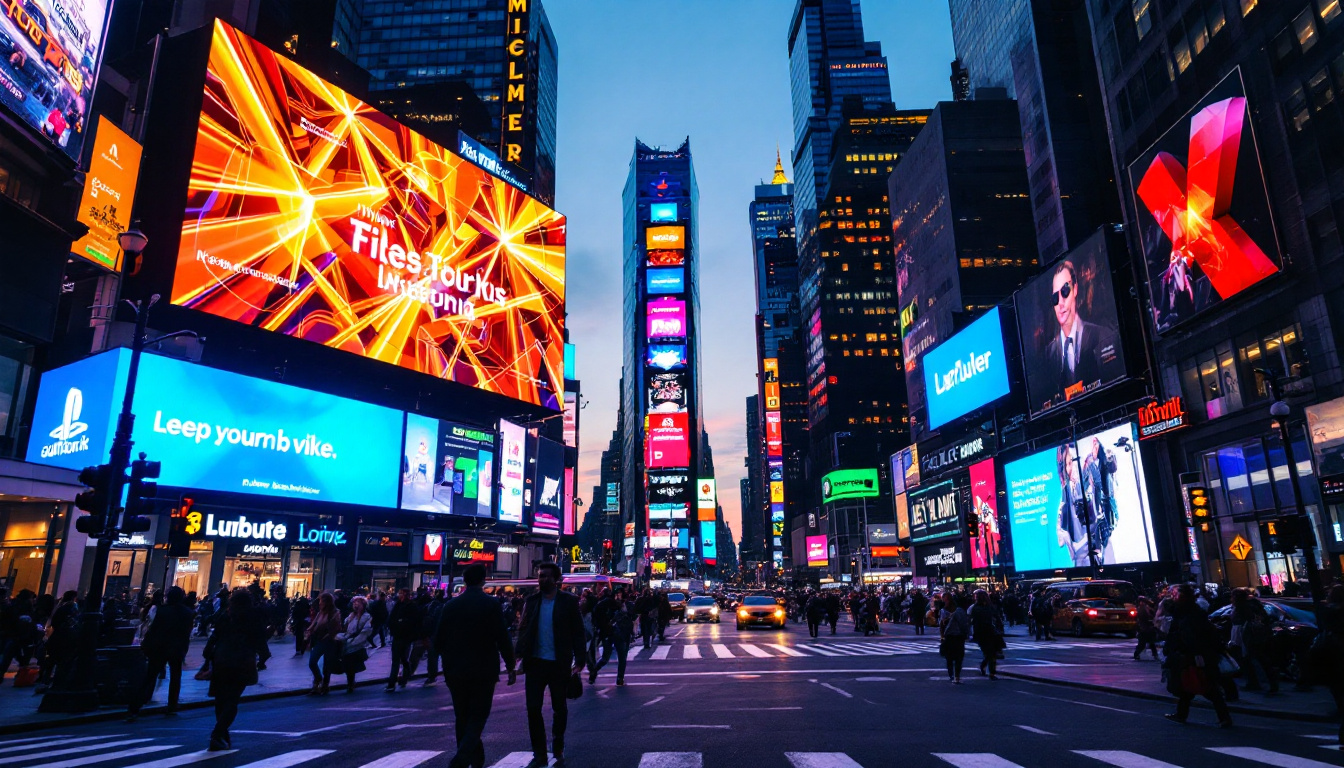
Airports, train stations, and bus terminals require durable and reliable digital displays to communicate schedules, announcements, and advertisements. Diamond Panels meet these needs by delivering bright, clear information that remains visible under various lighting conditions.
The wide viewing angles and uniform brightness ensure that travelers receive important messages without strain, improving the overall user experience. Additionally, the panels’ robustness ensures long-term operation with minimal maintenance.
Corporate and Educational Environments
In corporate settings, Diamond Panels serve as effective tools for presentations, video conferencing, and digital signage. Their high resolution and clarity facilitate better communication and engagement during meetings or conferences.
Educational institutions also leverage Diamond Panels for interactive learning environments, digital notice boards, and event displays. The ability to display detailed graphics and videos enhances teaching methods and student interaction.
Choosing the Right Diamond Panel LED Display
Factors to Consider
When selecting a Diamond Panel LED display, several factors should guide the decision-making process:
- Pixel Pitch: Determines the resolution and viewing distance. Smaller pixel pitches are ideal for close viewing, while larger pitches suit long-distance viewing.
- Brightness: Measured in nits, brightness levels must match the environment, with outdoor displays requiring higher brightness to combat sunlight.
- Refresh Rate: Higher refresh rates reduce flickering, essential for video playback and camera compatibility.
- Durability: Consider IP ratings and build quality for outdoor or high-traffic locations.
- Installation and Maintenance: Modular designs and easy access for repairs can reduce downtime and costs.
Cost Considerations
Diamond Panel displays may carry a premium compared to traditional LED panels due to their specialized design and manufacturing processes. However, the investment often pays off through improved visual impact, lower maintenance, and energy savings.
Budgeting should also account for installation, control systems, and potential customization. Engaging with experienced suppliers and installers can ensure the chosen solution aligns with both technical requirements and financial constraints.
Future Trends in Diamond Panel LED Technology
Integration with Smart Technologies
As the Internet of Things (IoT) and smart city initiatives grow, Diamond Panel LED displays are increasingly integrated with sensors and data analytics. This enables dynamic content adaptation based on audience demographics, weather conditions, or time of day, enhancing relevance and engagement.
Advancements in MicroLED and MiniLED
Emerging technologies like MicroLED and MiniLED promise even greater pixel density and energy efficiency. Diamond Panel designs may evolve to incorporate these advancements, further improving image quality and reducing power consumption.
Customization and Flexible Displays
Future Diamond Panels are expected to offer more flexible and curved designs, expanding creative possibilities for architects and designers. This flexibility can transform traditional display applications into immersive and interactive environments.
Conclusion
Diamond Panel LED displays represent a significant innovation in digital signage and visual communication. Their unique pixel arrangement delivers enhanced clarity, uniformity, and viewing angles, making them suitable for a wide range of applications from retail to entertainment and public information systems.
Choosing the right Diamond Panel involves understanding technical specifications, environmental requirements, and budget considerations. As technology advances, these displays are poised to become even more versatile and impactful, helping businesses and organizations communicate more effectively in an increasingly digital world.
Discover LumenMatrix’s Innovative LED Solutions
Ready to elevate your visual communication with the cutting-edge technology of Diamond Panel LED displays? LumenMatrix is at the forefront of LED innovation, offering a diverse range of solutions that cater to your unique needs. From captivating Indoor and Outdoor LED Wall Displays to dynamic Vehicle and Sports LED Displays, our products are designed to make your brand shine. Experience the transformative power of our Custom, All-in-One, and Transparent LED Displays, and see how LumenMatrix is redefining the art of digital signage. Check out LumenMatrix LED Display Solutions today and step into the future of visual engagement.