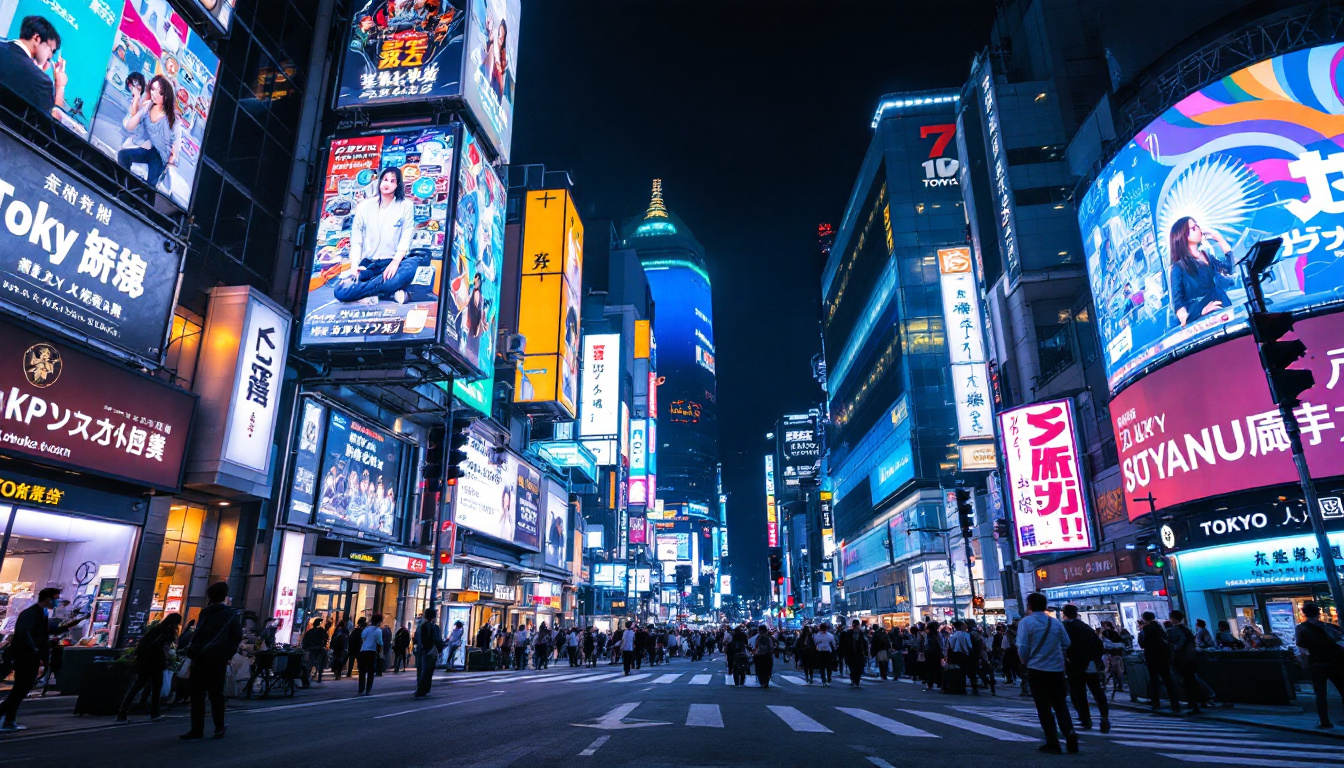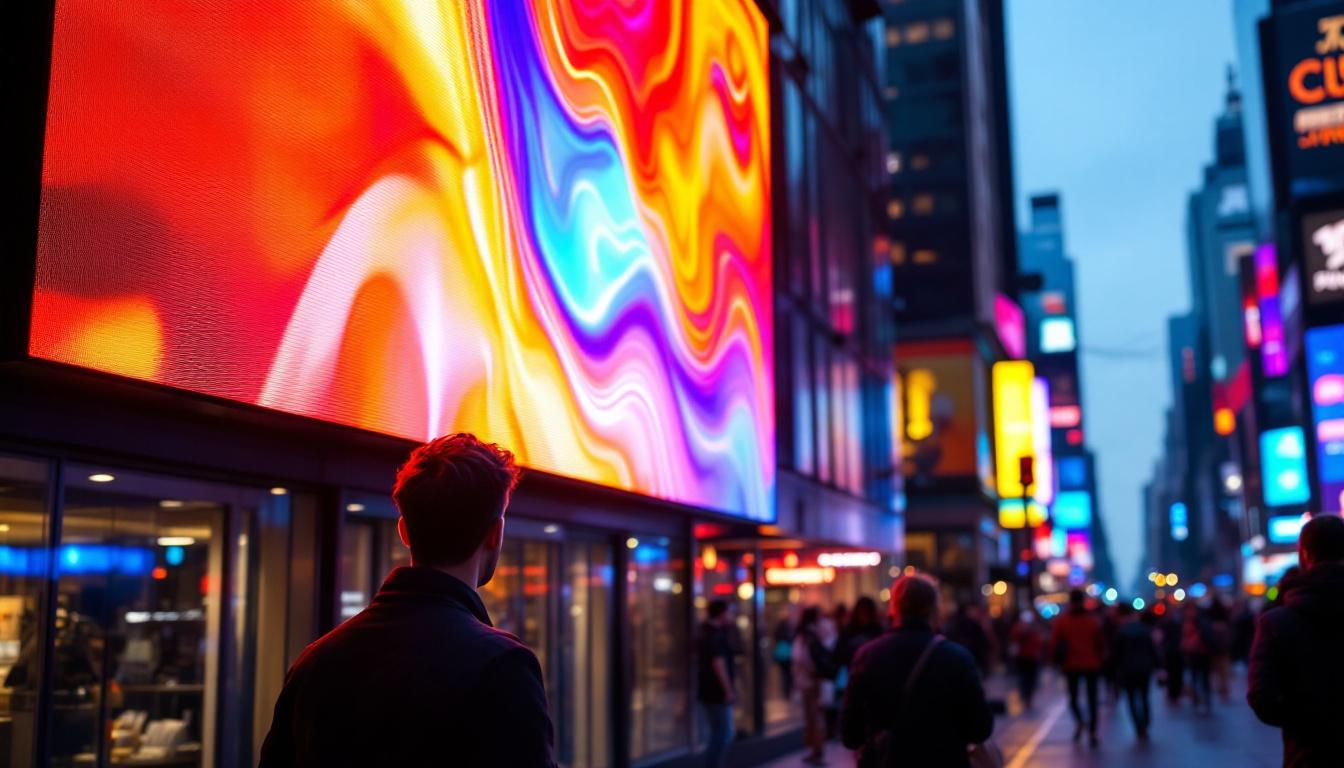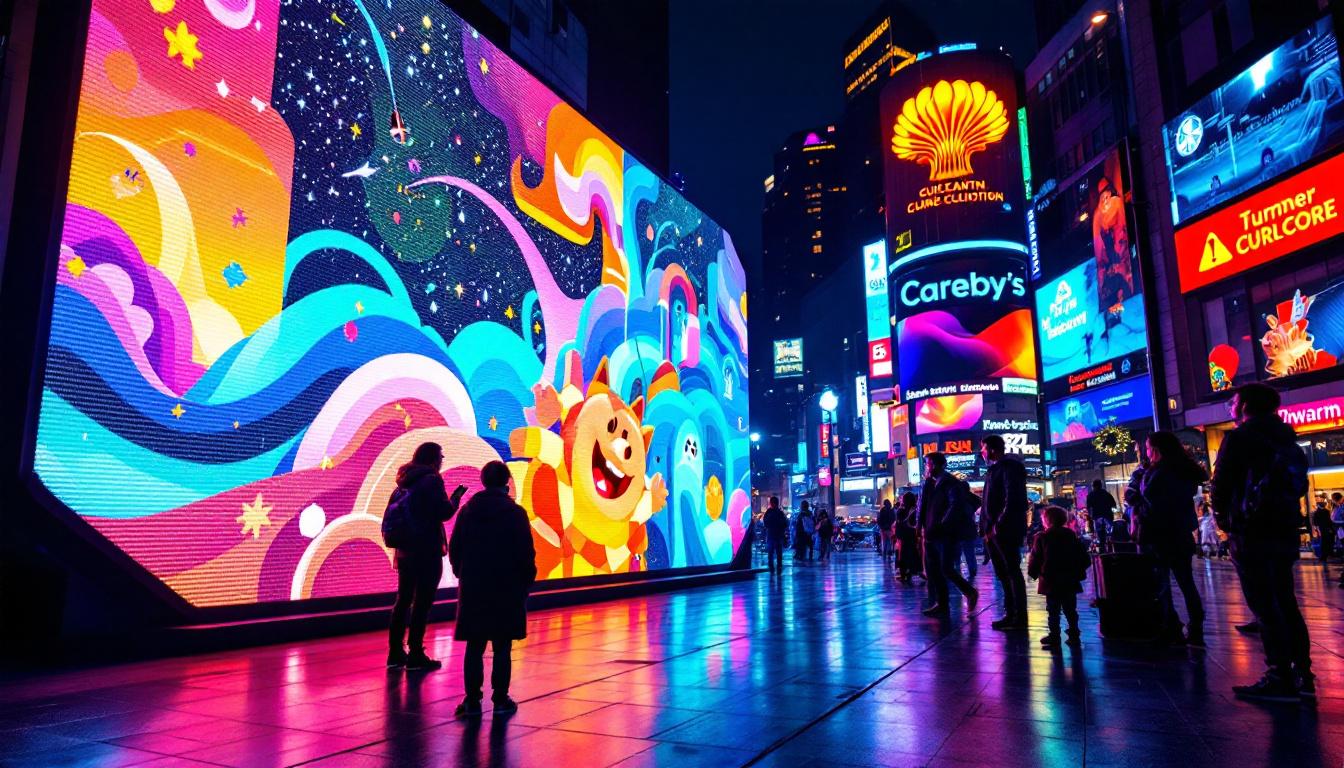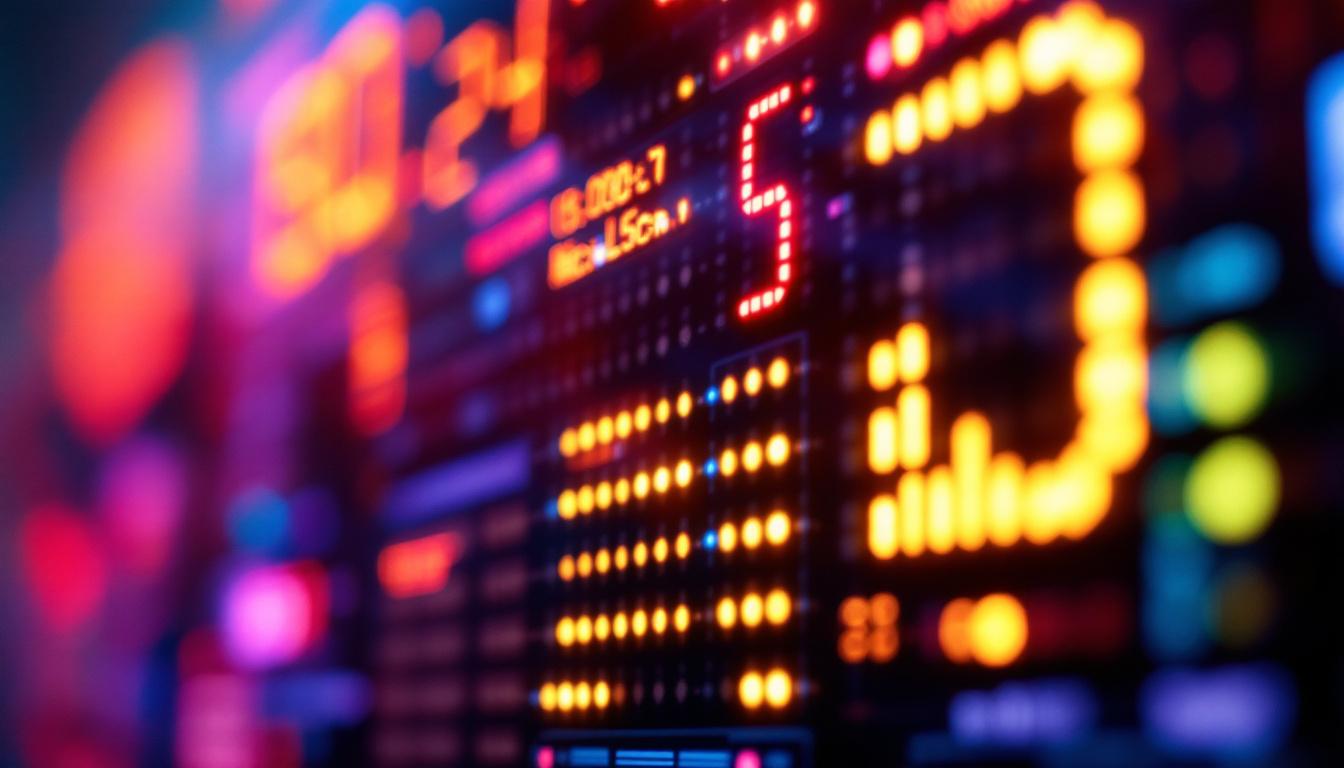
In today’s digital age, LED displays have become an integral part of how information is presented and consumed. From the vibrant billboards in Times Square to the digital clocks on household appliances, LED technology powers countless screens worldwide. This article delves into the fundamentals of LED displays, exploring their technology, applications, advantages, and future trends. Whether you are a technology enthusiast, a business owner considering digital signage, or simply curious about how these bright, dynamic screens work, this comprehensive guide will illuminate the subject.
Understanding LED Display Technology
What is an LED Display?
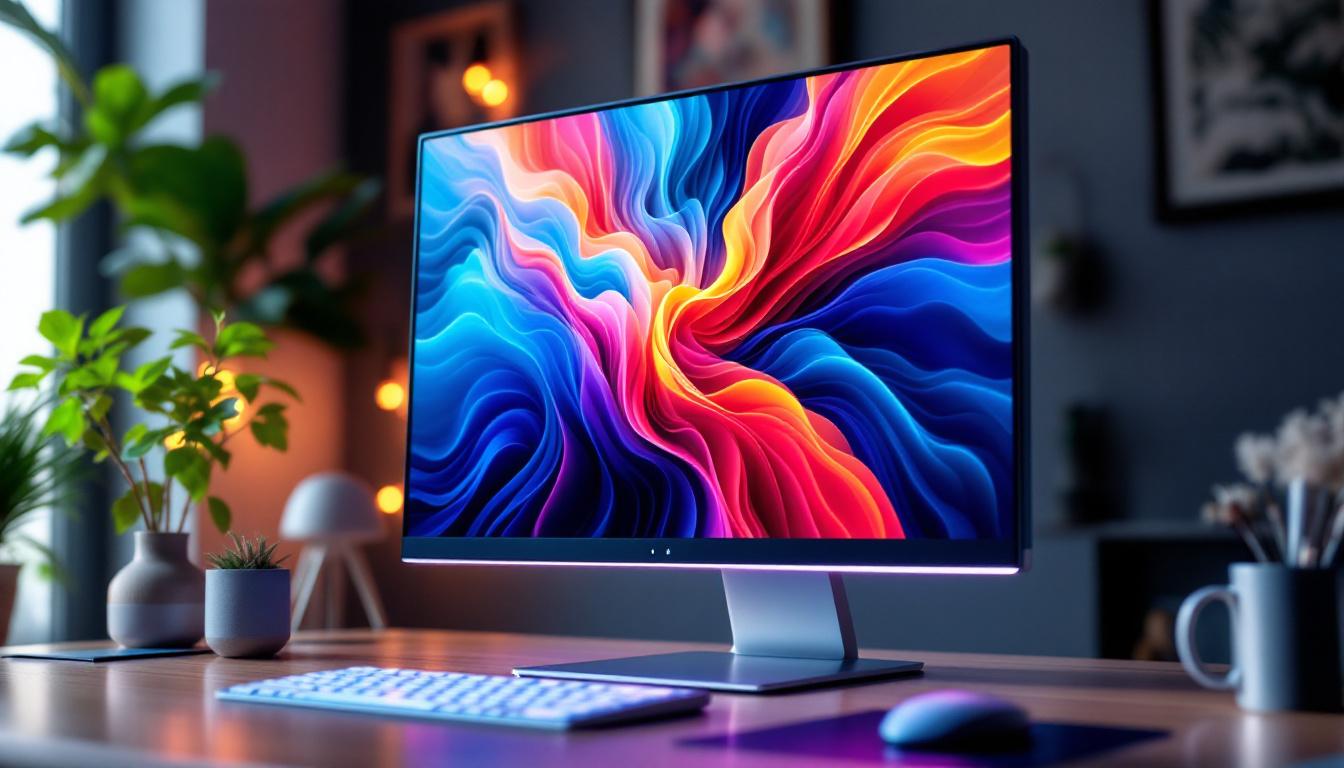
LED stands for Light Emitting Diode, a semiconductor device that emits light when an electric current passes through it. An LED display is a flat panel display that uses an array of these tiny light-emitting diodes to create images, videos, or text. Unlike traditional LCD screens that rely on backlighting, LED displays produce their own light, resulting in higher brightness and contrast levels.
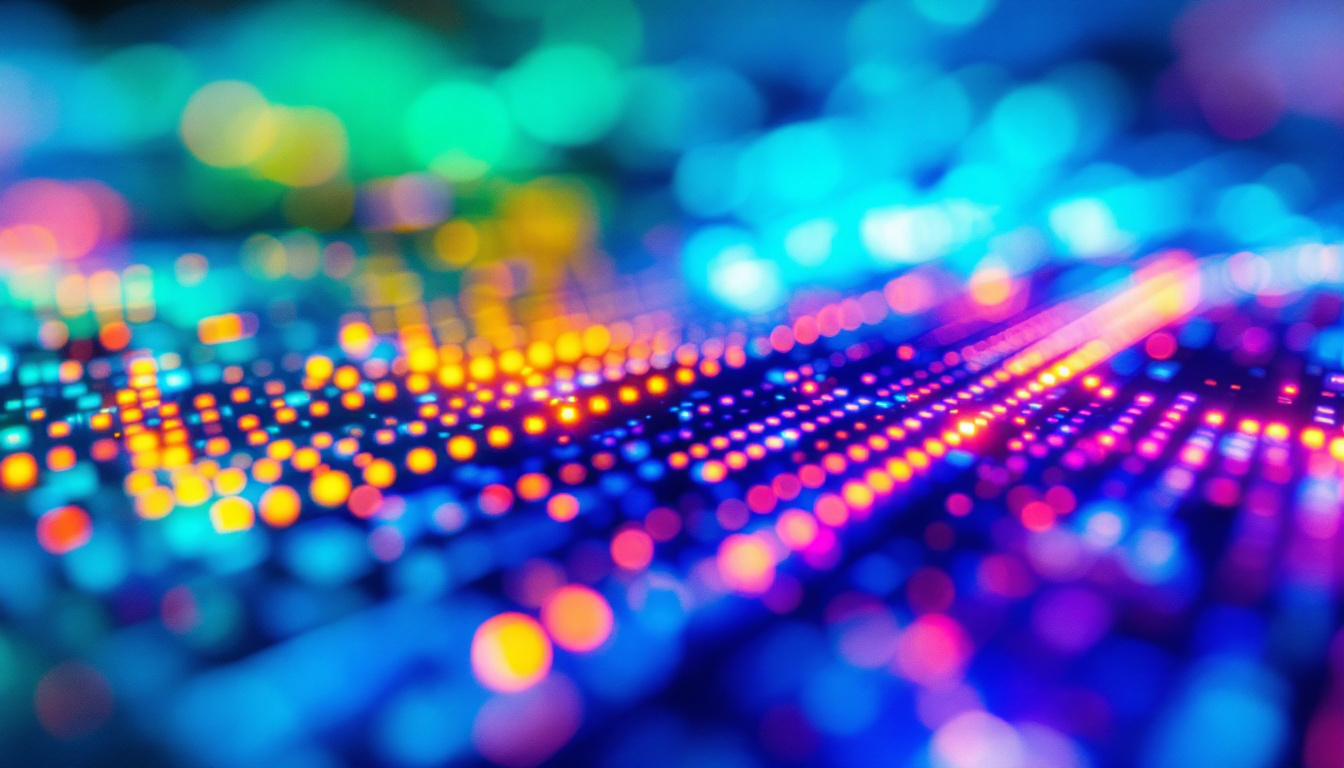
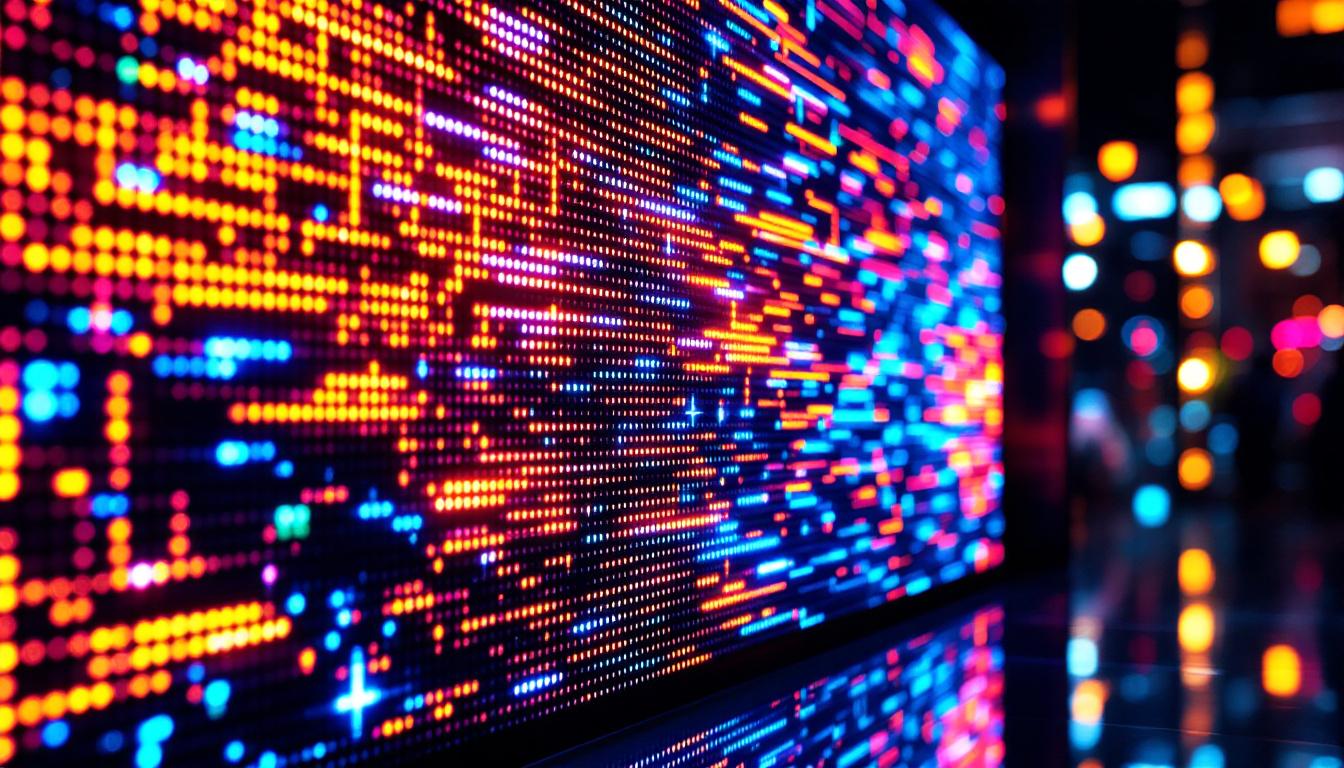
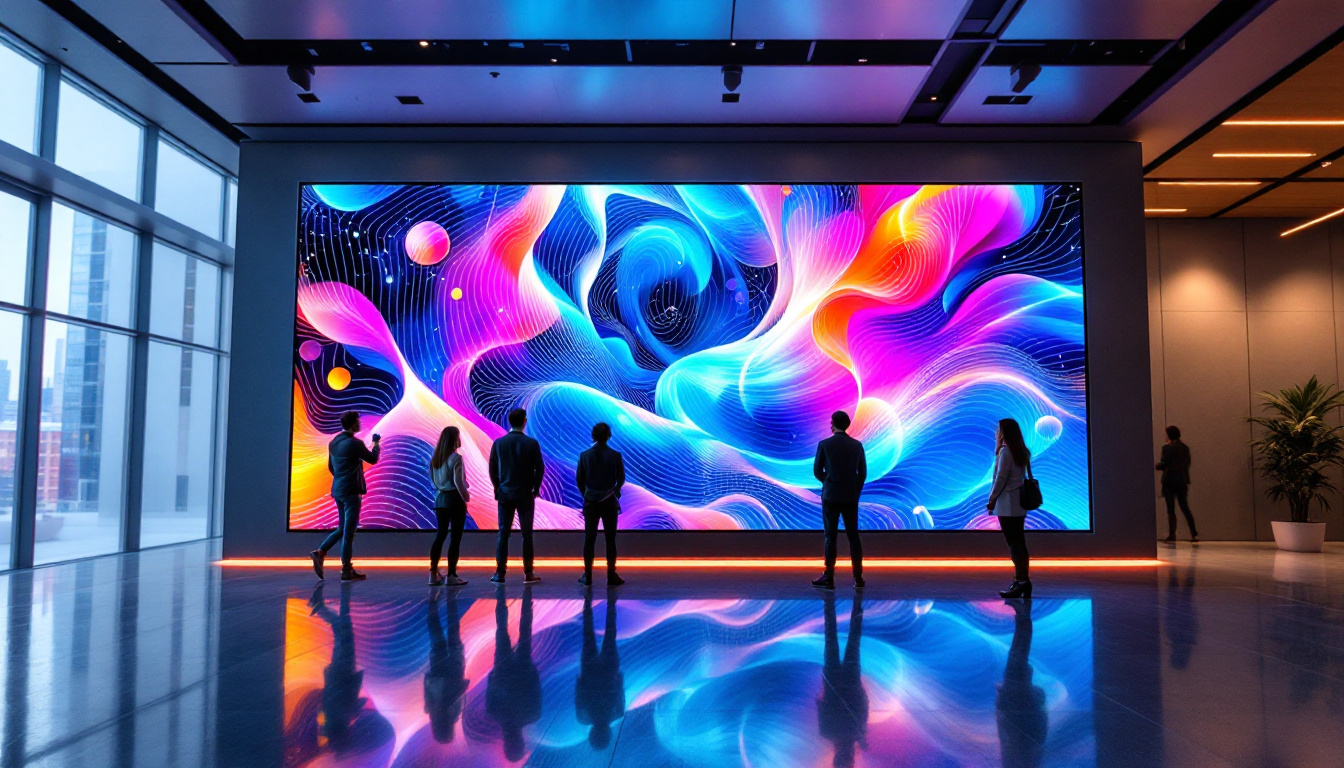
LED displays are composed of numerous small LEDs arranged in a grid pattern. Each LED acts as a single pixel or part of a pixel, and by controlling the intensity and color of individual LEDs, the display can render complex images with vivid colors and sharp details. This capability allows for dynamic content that can be updated in real-time, making LED displays ideal for environments where information needs to be frequently changed, such as in transportation hubs, retail spaces, and public information systems.
Types of LED Displays
There are several types of LED displays, each suited for different applications:
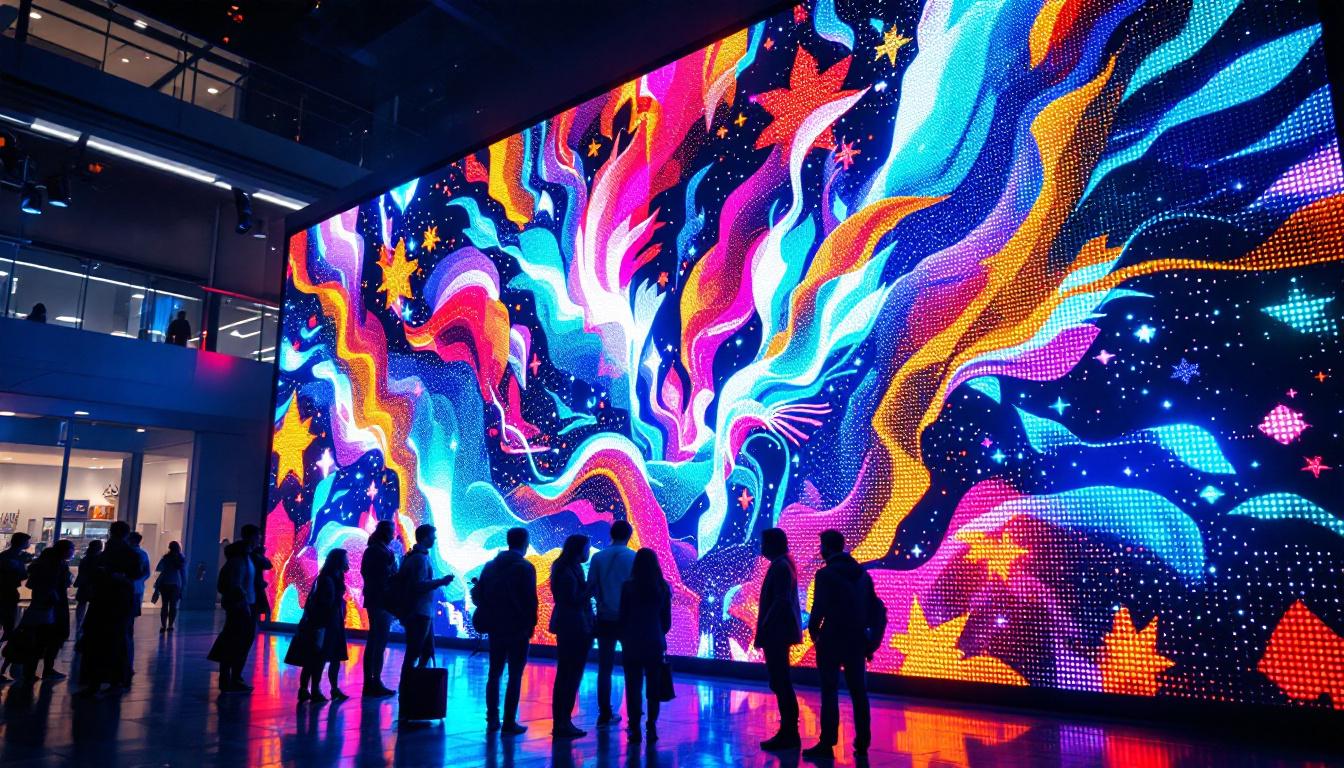
- Direct View LED Displays: These displays use LEDs as the actual pixels visible to the viewer. They are commonly used in large outdoor screens, stadium displays, and digital billboards. Their ability to maintain visibility in bright sunlight makes them a popular choice for advertising and public announcements.
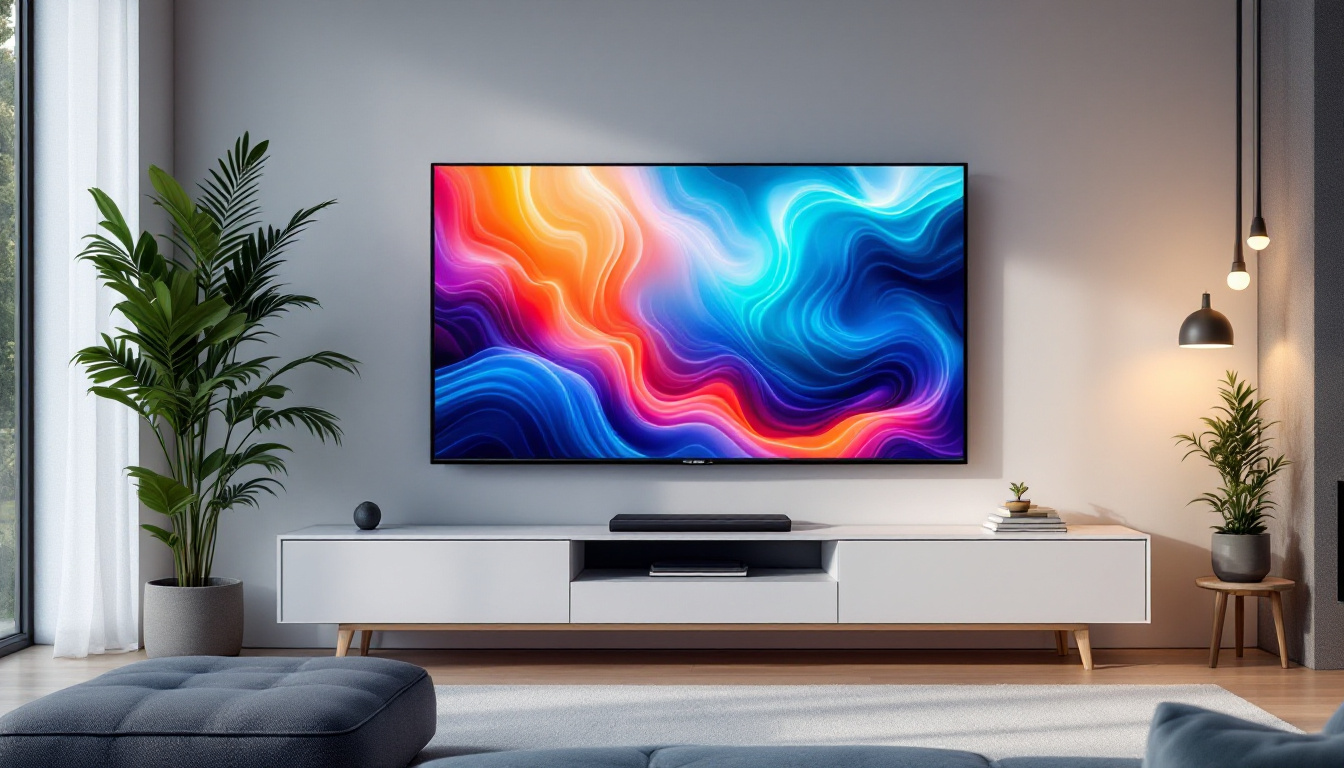
- LED-backlit LCD Displays: In these, LEDs serve as the backlighting source behind an LCD panel. This technology is prevalent in televisions, computer monitors, and smartphones, offering improved brightness and energy efficiency compared to older CCFL backlit LCDs. Additionally, LED-backlit displays can achieve deeper blacks and more vibrant colors, enhancing the overall viewing experience.
- OLED Displays: Organic LEDs emit light individually and do not require backlighting. While technically a subset of LED technology, OLEDs are distinct in their organic composition and are widely used in high-end smartphones and TVs for superior contrast and color accuracy. The flexibility of OLED technology also allows for innovative designs, including curved and foldable screens, which are becoming increasingly popular in consumer electronics.
Furthermore, the advancements in LED technology have led to the development of MicroLED displays, which utilize microscopic LEDs to create even smaller pixels. This technology promises to deliver exceptional resolution and color performance while maintaining energy efficiency. MicroLED displays are still emerging but hold great potential for future applications in both consumer and commercial markets, particularly in creating immersive viewing experiences in virtual reality and augmented reality settings.
In addition to their visual capabilities, LED displays are also known for their durability and longevity. Unlike traditional display technologies, LEDs can last tens of thousands of hours, making them a cost-effective solution over time. This longevity is particularly beneficial for outdoor applications, where displays are exposed to harsh weather conditions. As a result, many businesses are investing in LED technology not only for its aesthetic advantages but also for its reliability and lower maintenance costs.
How LED Displays Work
Basic Principles of Light Emission
LEDs emit light through a process called electroluminescence. When an electric current passes through the semiconductor material inside the LED, electrons recombine with electron holes, releasing energy in the form of photons—visible light. The color of the light depends on the semiconductor material’s composition, allowing LEDs to produce a wide spectrum of colors.
Pixel Composition and Color Mixing
In full-color LED displays, each pixel is typically made up of three sub-pixels: red, green, and blue LEDs. By varying the brightness of each sub-pixel, the display can produce millions of colors through additive color mixing. This RGB model is fundamental to digital color representation and enables LED screens to render vibrant and accurate images.
Advanced LED displays may use additional sub-pixels such as white or yellow LEDs to enhance brightness and color gamut, but the core principle remains the same: precise control over individual LEDs creates the desired visual output.
Resolution and Pixel Pitch
The resolution of an LED display is determined by the number of pixels it contains. Higher resolution means more pixels and finer image detail. However, unlike LCD or OLED panels, LED displays are often modular, composed of smaller panels tiled together to form larger screens.
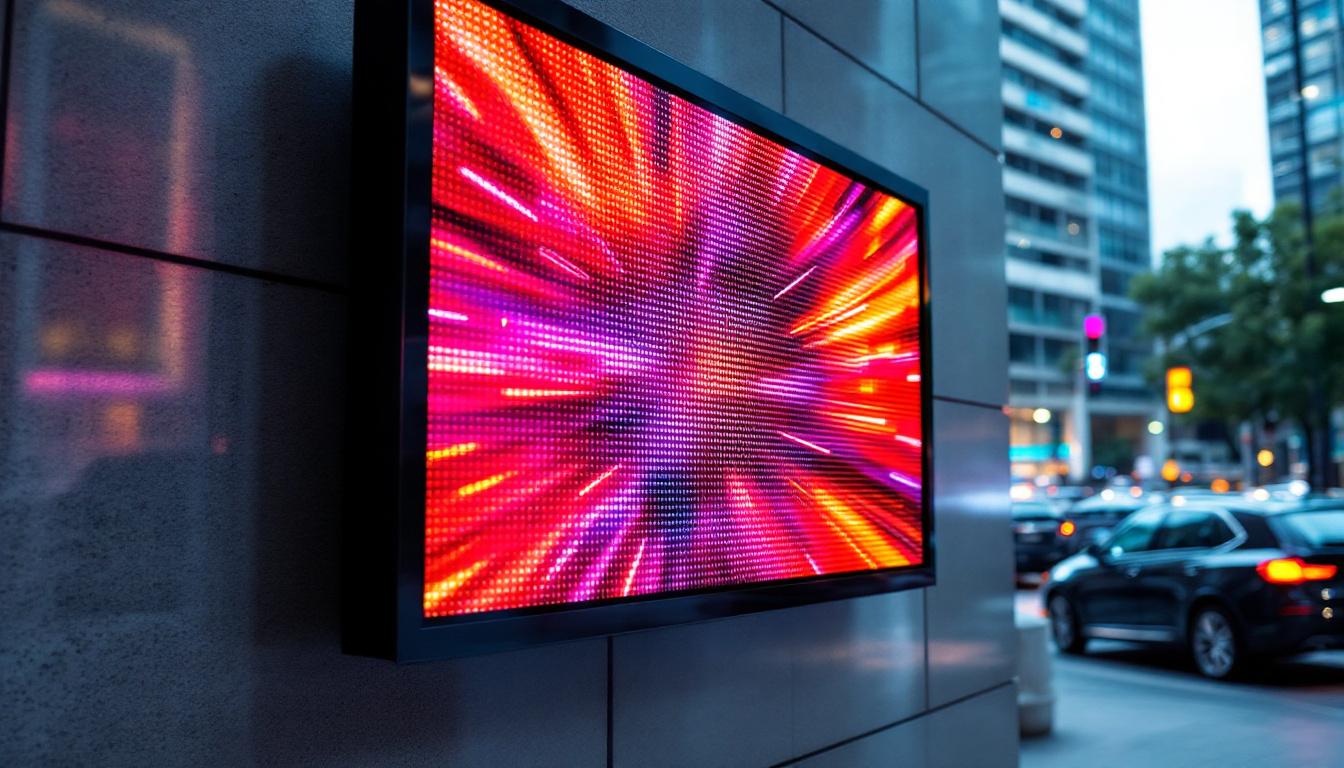
Pixel pitch—the distance between the centers of two adjacent pixels—is a critical specification in LED displays. A smaller pixel pitch results in higher pixel density and sharper images, making it suitable for close viewing distances, such as indoor displays or handheld devices. Conversely, larger pixel pitches are common in outdoor billboards where viewers are farther away.
Applications of LED Displays
Outdoor Advertising and Digital Signage
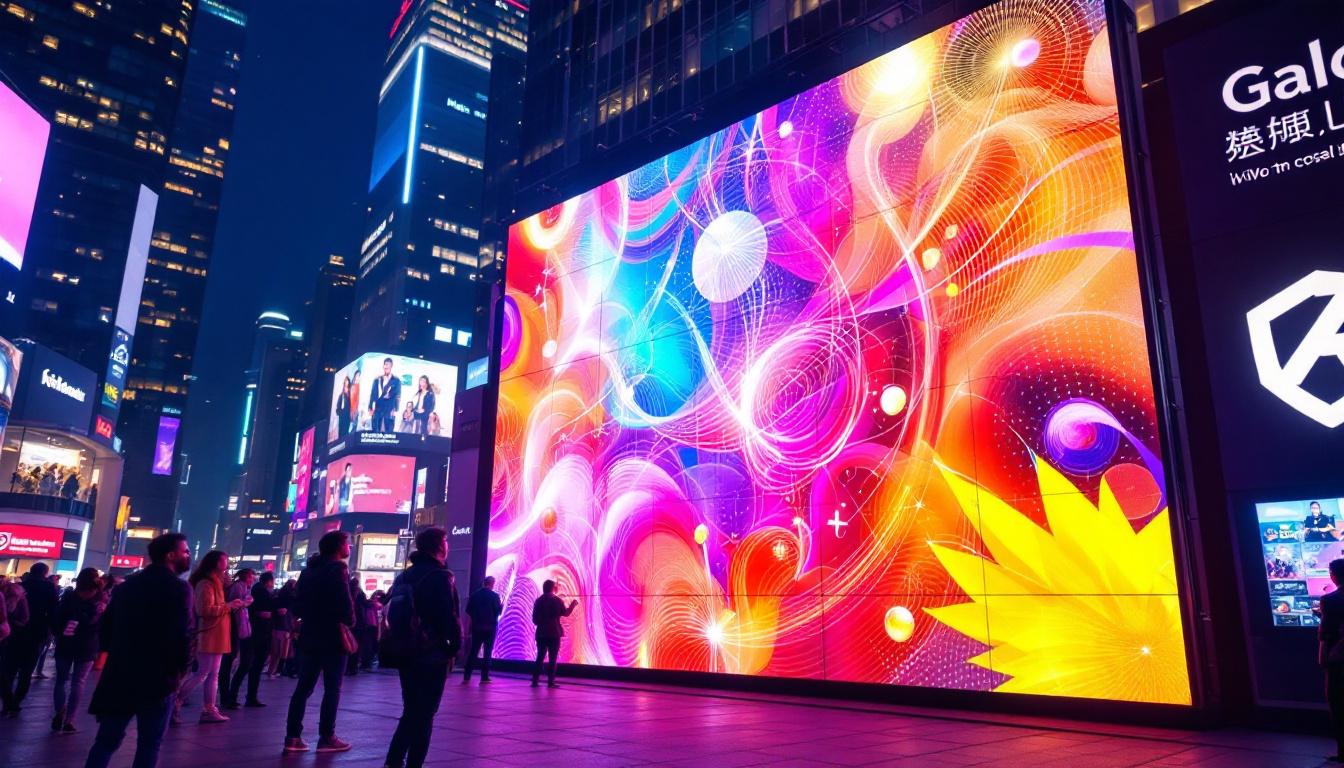
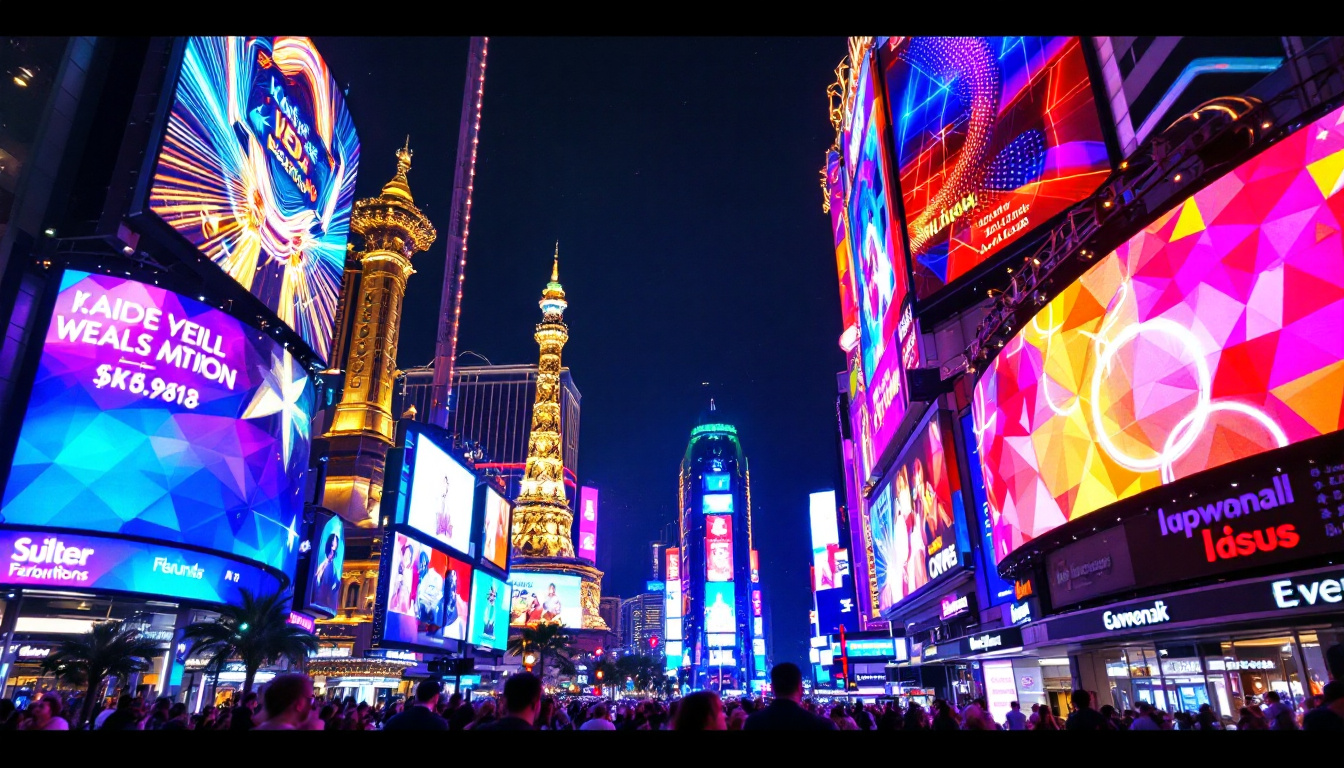
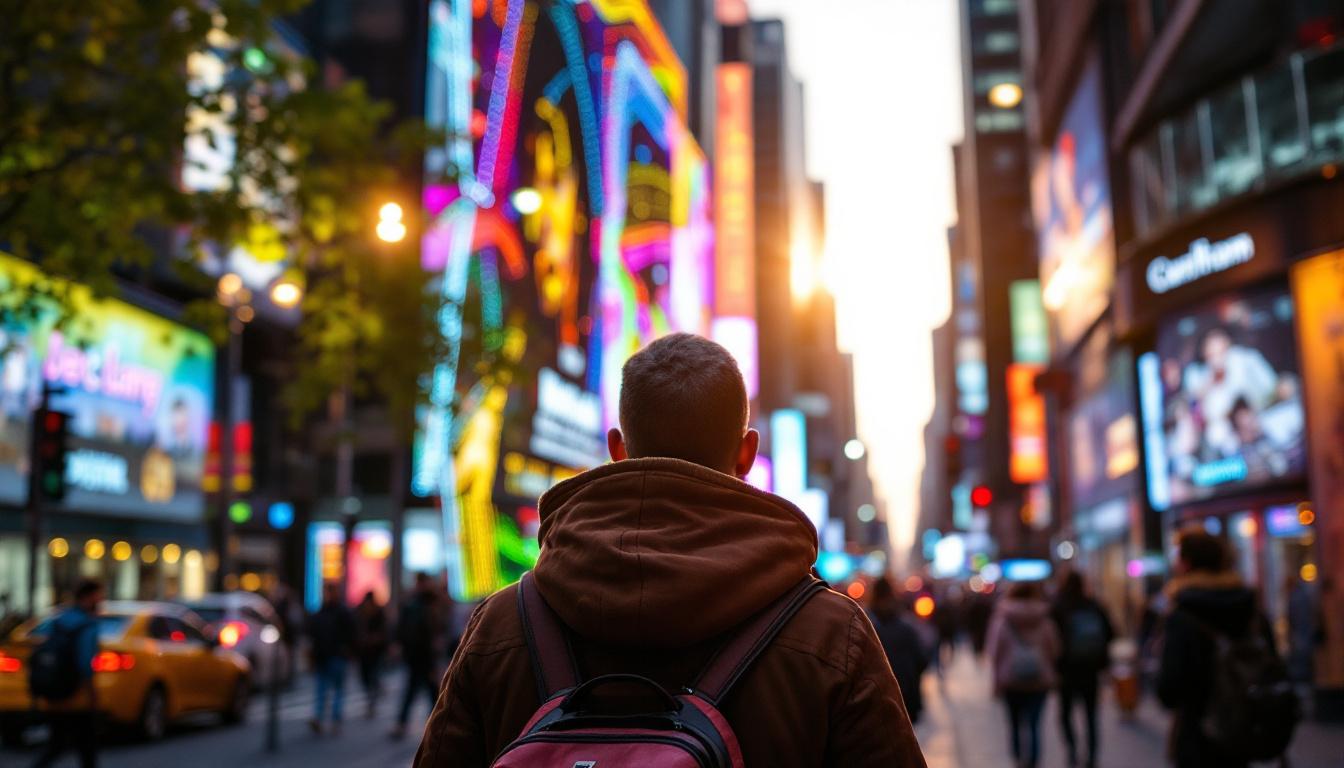
One of the most visible uses of LED displays is in outdoor advertising. Digital billboards leverage the high brightness and durability of LED technology to deliver eye-catching advertisements that are visible even in direct sunlight. According to the Outdoor Advertising Association of America, digital billboards have grown by over 20% annually in the past decade, reflecting their effectiveness in capturing consumer attention.
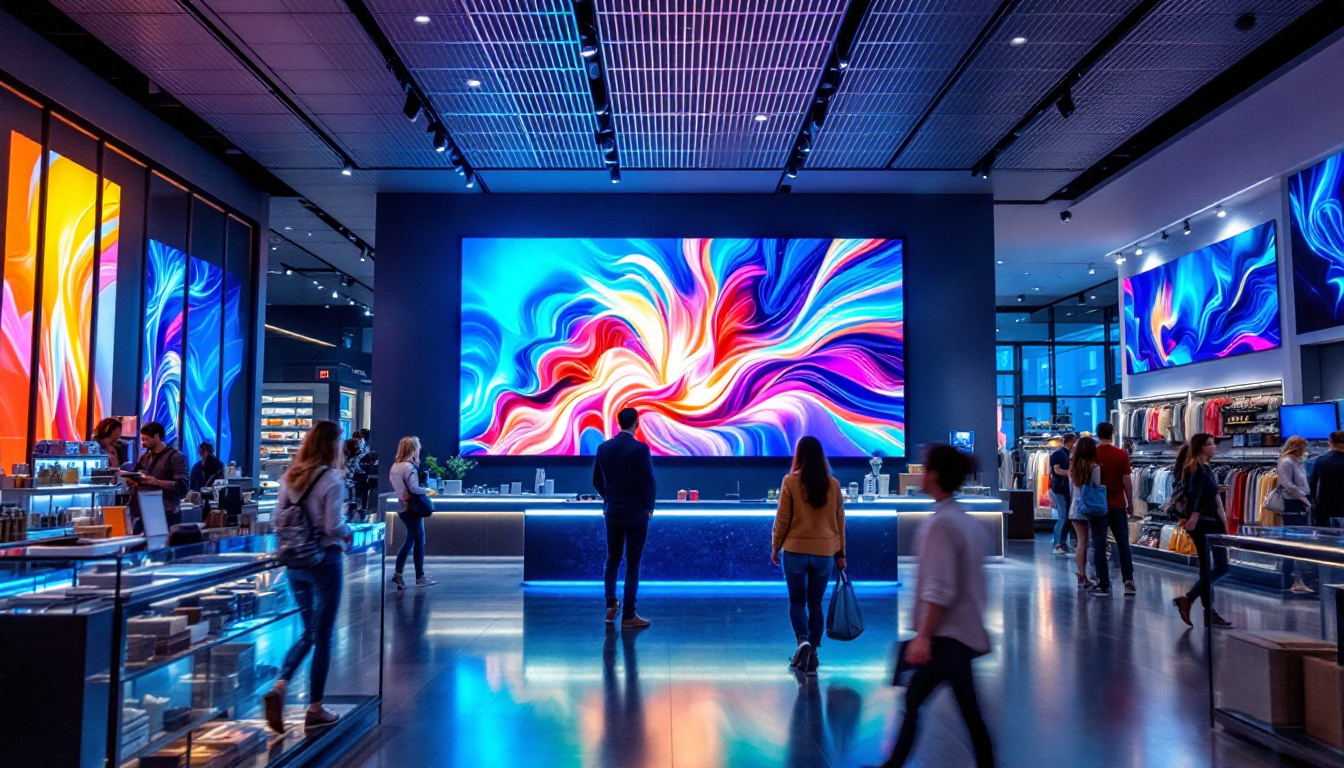
LED digital signage also allows for dynamic content updates, enabling advertisers to tailor messages in real-time based on factors like time of day, weather, or audience demographics. This flexibility has revolutionized marketing strategies and increased engagement rates.
Sports and Entertainment Venues
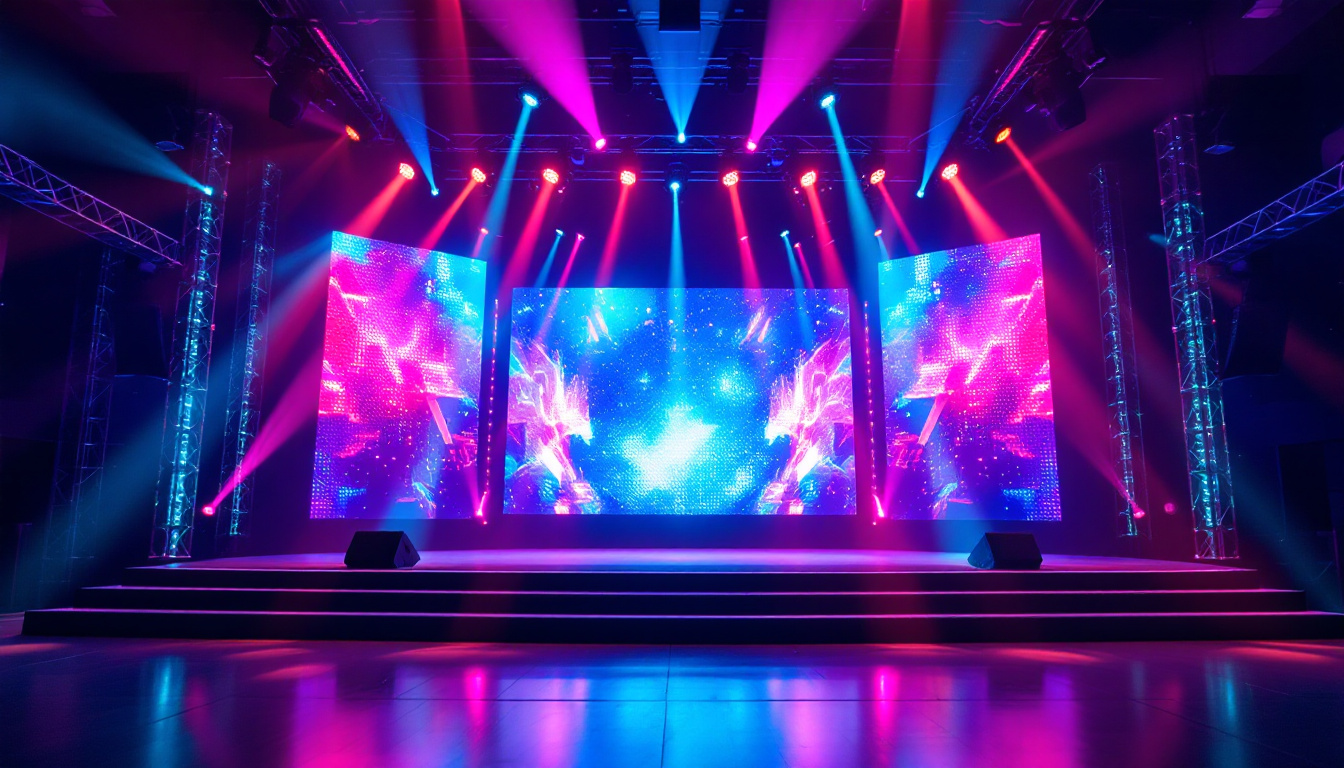
Stadiums and arenas utilize large-scale LED screens to enhance the spectator experience. These displays show live game footage, replays, scores, and interactive content, often with resolutions exceeding 4K to ensure clarity from any seat. The ability to withstand outdoor conditions and deliver consistent performance makes LED technology ideal for these environments.
Consumer Electronics
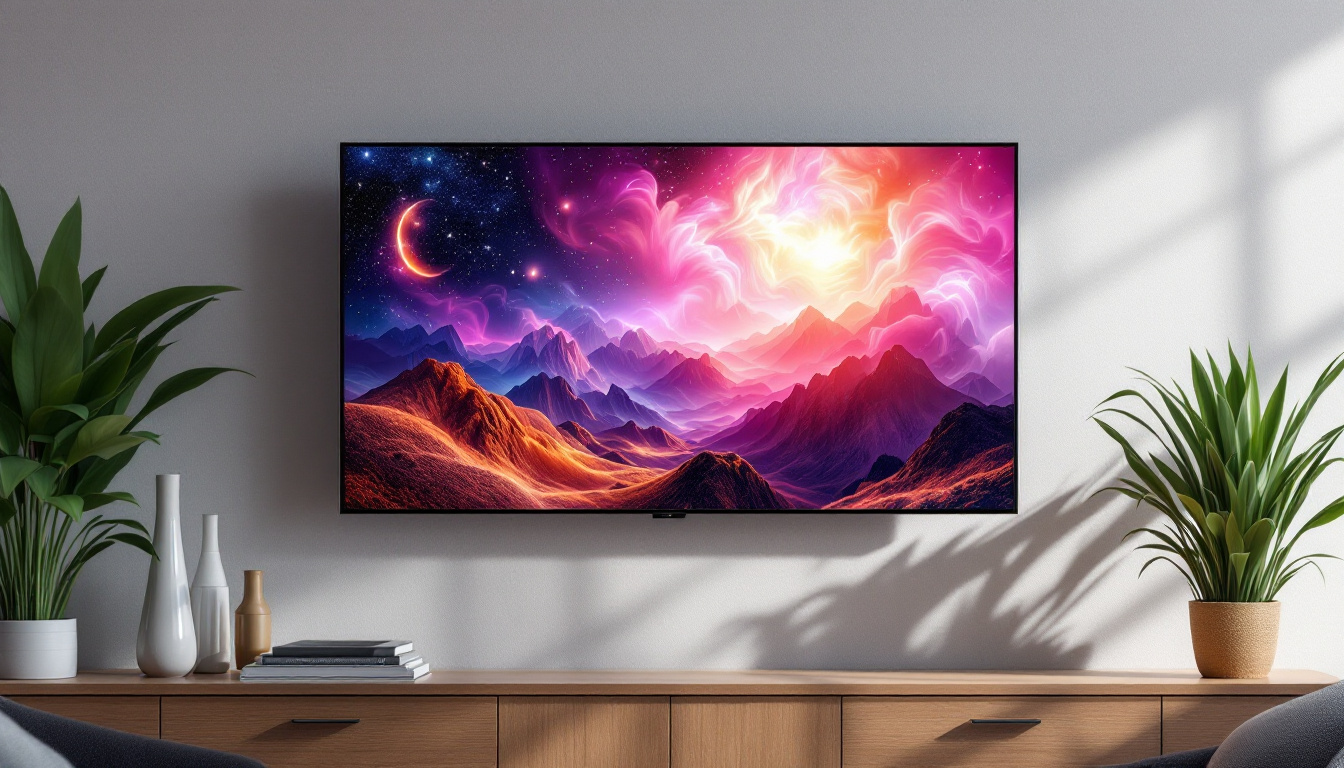
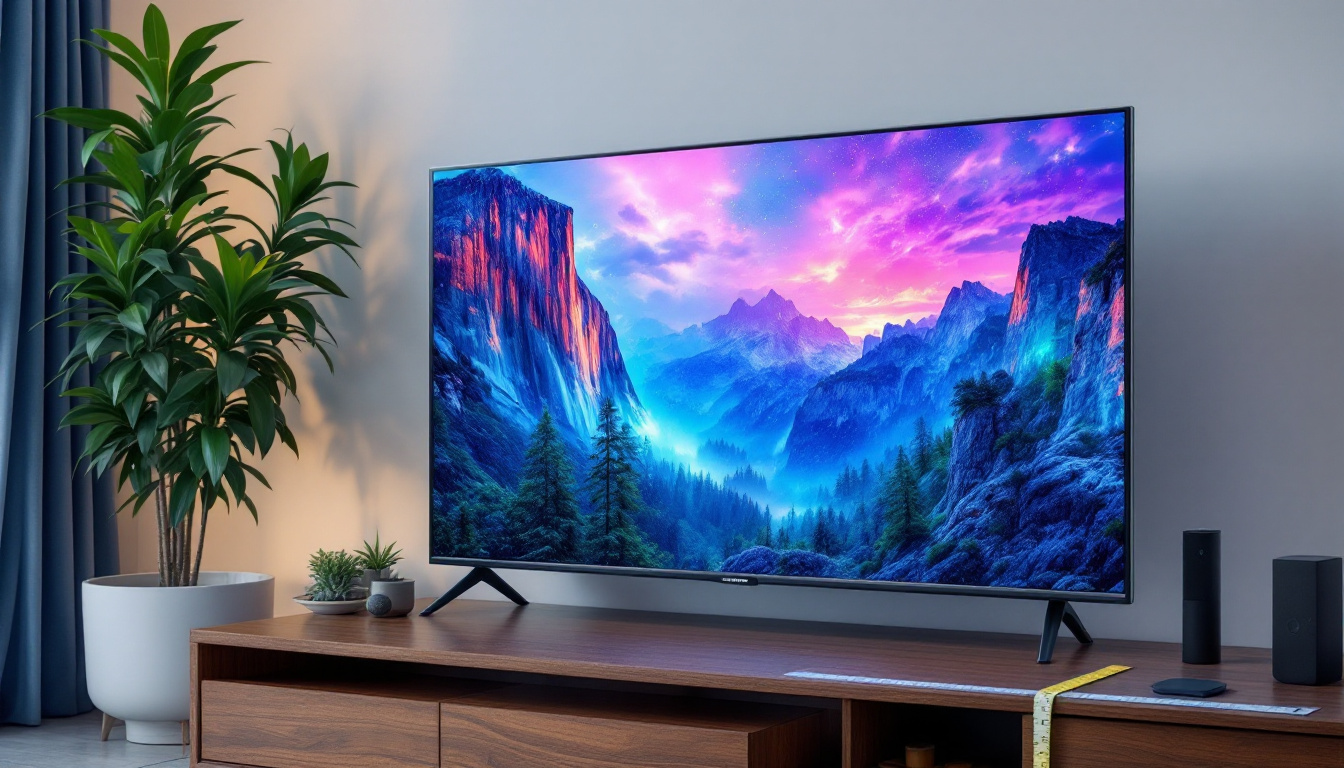
LED technology is also prevalent in everyday consumer electronics. LED-backlit LCD televisions dominate the market due to their balance of image quality and affordability. Meanwhile, OLED displays, a form of LED technology, are becoming standard in premium smartphones and monitors for their superior color accuracy and contrast ratios.
Industrial and Transportation Uses
LED displays are widely used in industrial settings for status indicators, control panels, and information boards. In transportation, LED screens provide real-time updates on schedules, arrivals, and safety messages at airports, train stations, and bus stops, improving passenger communication and operational efficiency.
Advantages of LED Displays
Brightness and Visibility
LED displays can achieve brightness levels far exceeding those of traditional display technologies. This makes them highly visible in various lighting conditions, including direct sunlight. Brightness levels for outdoor LED screens can reach up to 10,000 nits, ensuring clear visibility even in harsh environments.
Energy Efficiency
Compared to older display technologies like plasma or CCFL-backlit LCDs, LEDs consume significantly less power. Advances in LED efficiency have reduced energy consumption by up to 50%, which is especially important for large-scale installations where operational costs can be substantial.
Durability and Longevity
LEDs have long lifespans, often exceeding 50,000 hours of operation. They are also robust and resistant to shock and vibration, making them suitable for outdoor and industrial applications. Unlike LCDs, LEDs do not suffer from screen burn-in, ensuring consistent image quality over time.
Flexibility and Scalability
LED displays can be manufactured in various sizes and shapes, from small wearable devices to massive stadium screens. Modular designs allow for scalable installations that can be customized to fit specific spatial and functional requirements.
Challenges and Considerations
Cost Factors
While prices have decreased significantly over the years, high-resolution LED displays, especially those with small pixel pitches, can still be costly to produce and install. Businesses must weigh the initial investment against long-term benefits such as durability and energy savings.
Maintenance and Calibration
Maintaining uniform brightness and color accuracy across large LED displays requires regular calibration and occasional component replacement. Environmental factors like dust, moisture, and temperature fluctuations can affect performance, necessitating protective measures and routine upkeep.
Environmental Impact
LEDs are more environmentally friendly than many alternative technologies due to lower energy consumption and absence of hazardous materials like mercury. However, responsible manufacturing and recycling practices are essential to minimize electronic waste and resource depletion.
The Future of LED Displays
MicroLED and MiniLED Innovations
Emerging technologies such as MicroLED and MiniLED promise to push LED display performance even further. MicroLEDs are tiny LEDs that can be individually controlled to create displays with exceptional brightness, contrast, and energy efficiency, rivaling OLED in image quality without the risk of burn-in.
MiniLED technology enhances traditional LCDs by using thousands of tiny LEDs for backlighting, enabling better local dimming and improved contrast. Both technologies are gaining traction in premium TVs, monitors, and mobile devices.
Flexible and Transparent LED Displays
Research and development in flexible LED displays are opening new possibilities for wearable technology, curved screens, and innovative advertising formats. Transparent LED displays, which allow viewers to see through the screen while displaying images, are also emerging as a futuristic solution for retail windows and architectural applications.
Integration with Smart Technologies
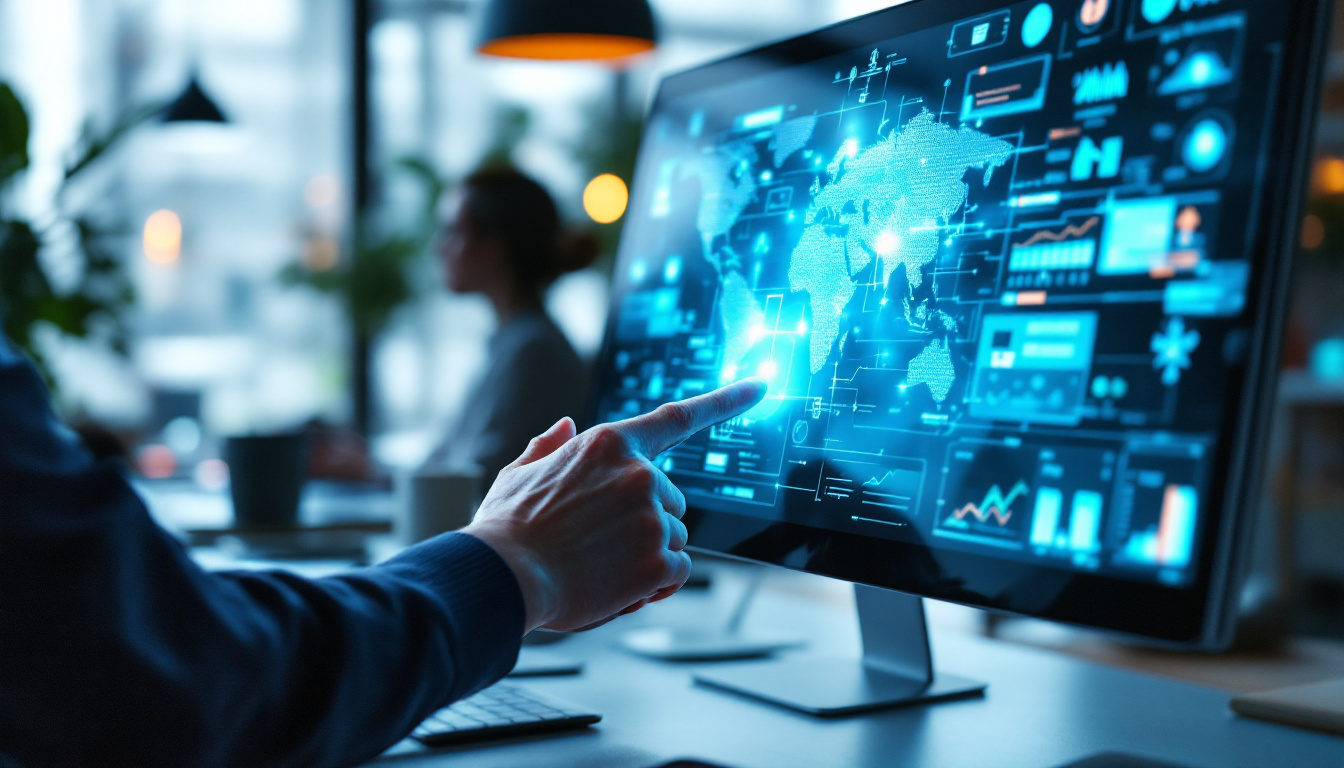
LED displays are increasingly integrated with smart systems, including AI-driven content management, interactive touch capabilities, and IoT connectivity. These advancements enable more personalized, engaging, and efficient communication in both commercial and public spaces.
Conclusion
LED displays have transformed the way visual information is delivered across industries and environments. Their superior brightness, energy efficiency, and versatility make them a preferred choice for applications ranging from outdoor advertising to consumer electronics. As technology continues to evolve with innovations like MicroLED and flexible displays, LED technology is poised to remain at the forefront of digital display solutions.
Understanding the underlying technology, benefits, and challenges of LED displays empowers businesses and consumers alike to make informed decisions when selecting display solutions. Whether illuminating a bustling cityscape or enhancing everyday devices, LED displays continue to brighten the world in more ways than one.
Illuminate Your Space with LumenMatrix
Ready to elevate your visual presence with the brilliance of LED technology? Discover LumenMatrix’s comprehensive range of LED display solutions, from vibrant Indoor and Outdoor LED Wall Displays to innovative options like Vehicle LED Displays and LED Transparent Displays. Embrace the future of visual storytelling with our state-of-the-art LED Sports Displays, Floor LED Displays, and more. Each product is designed to captivate your audience and amplify your message with unparalleled clarity. Check out LumenMatrix LED Display Solutions today and transform your space into a dynamic visual experience.