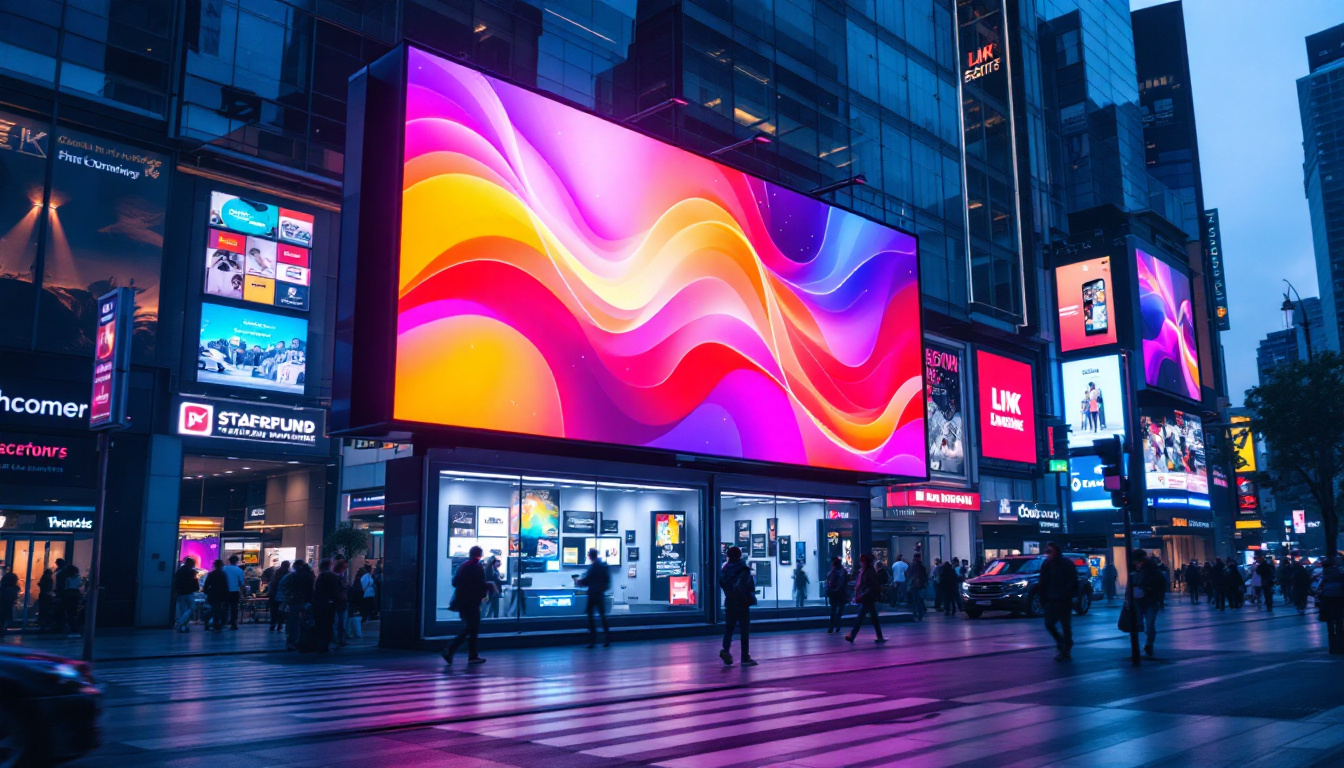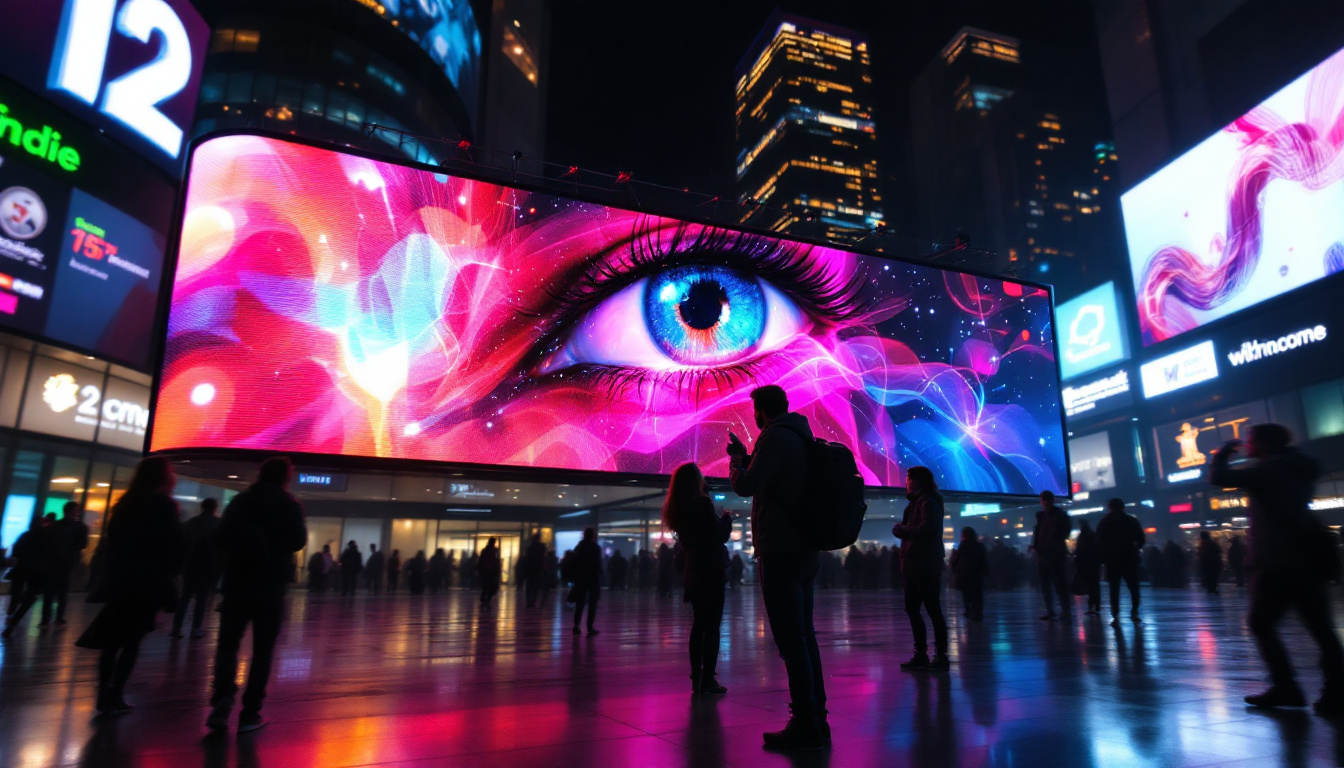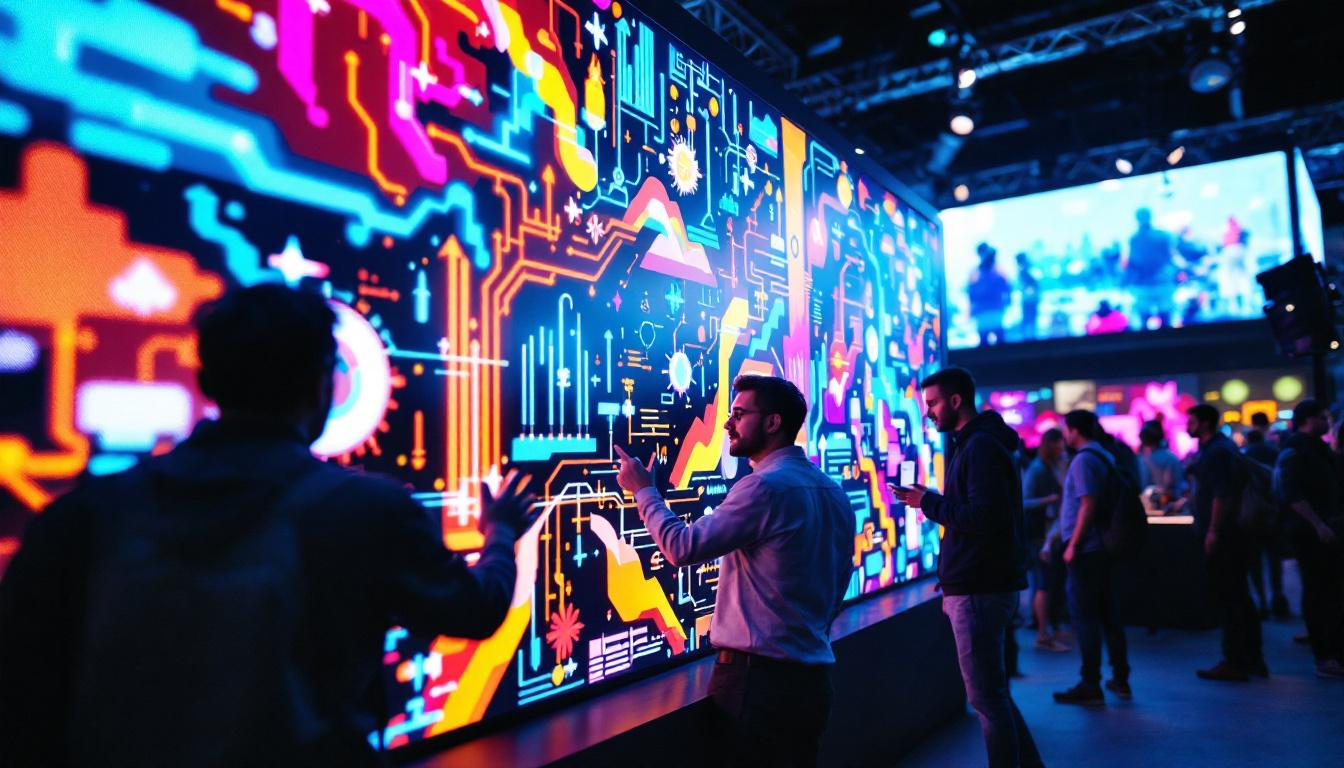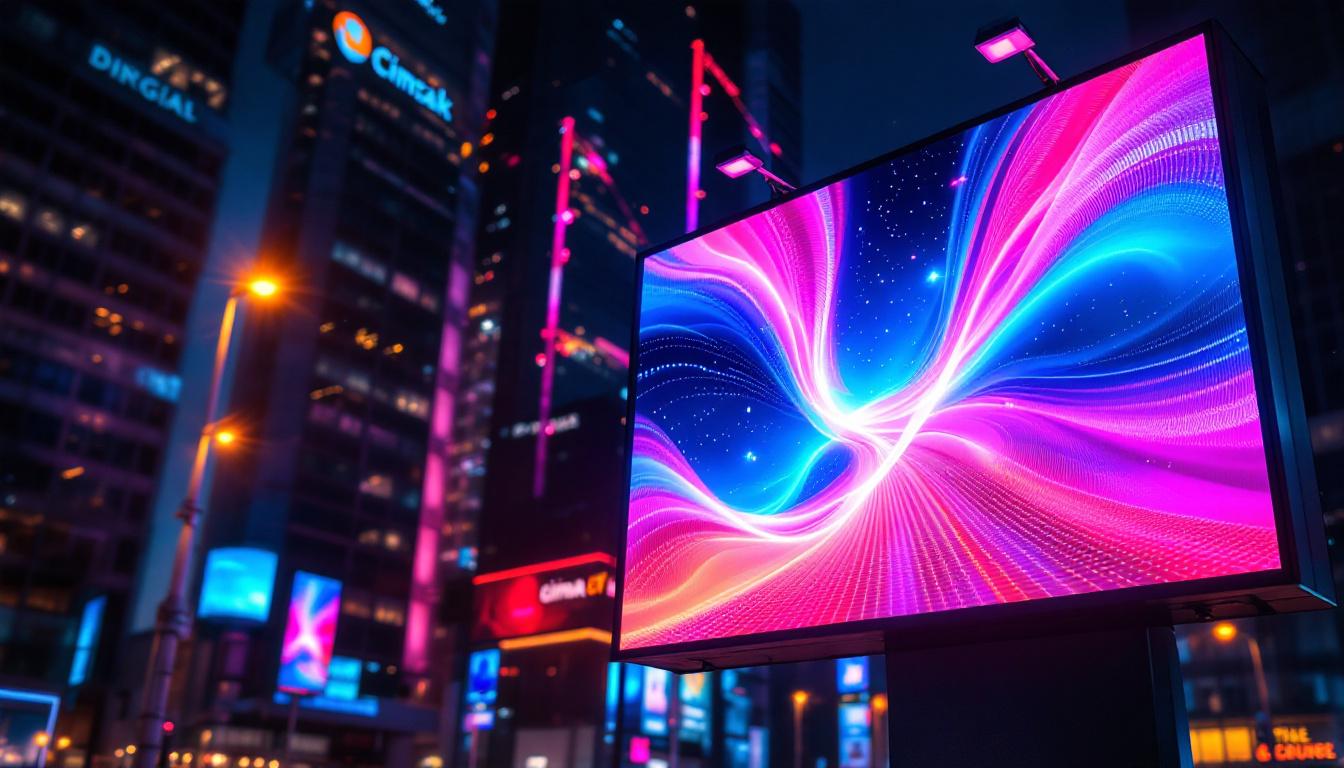
In the rapidly evolving world of outdoor advertising, digital billboards have become a dominant force. Their vibrant displays, dynamic content capabilities, and ability to capture audience attention make them an attractive option for businesses and advertisers alike. However, understanding the price of digital billboards, particularly those using LED display technology, can be complex. This article delves into the factors influencing digital billboard prices, the technology behind LED displays, and what businesses can expect when investing in this powerful advertising medium.
Understanding Digital Billboard Technology
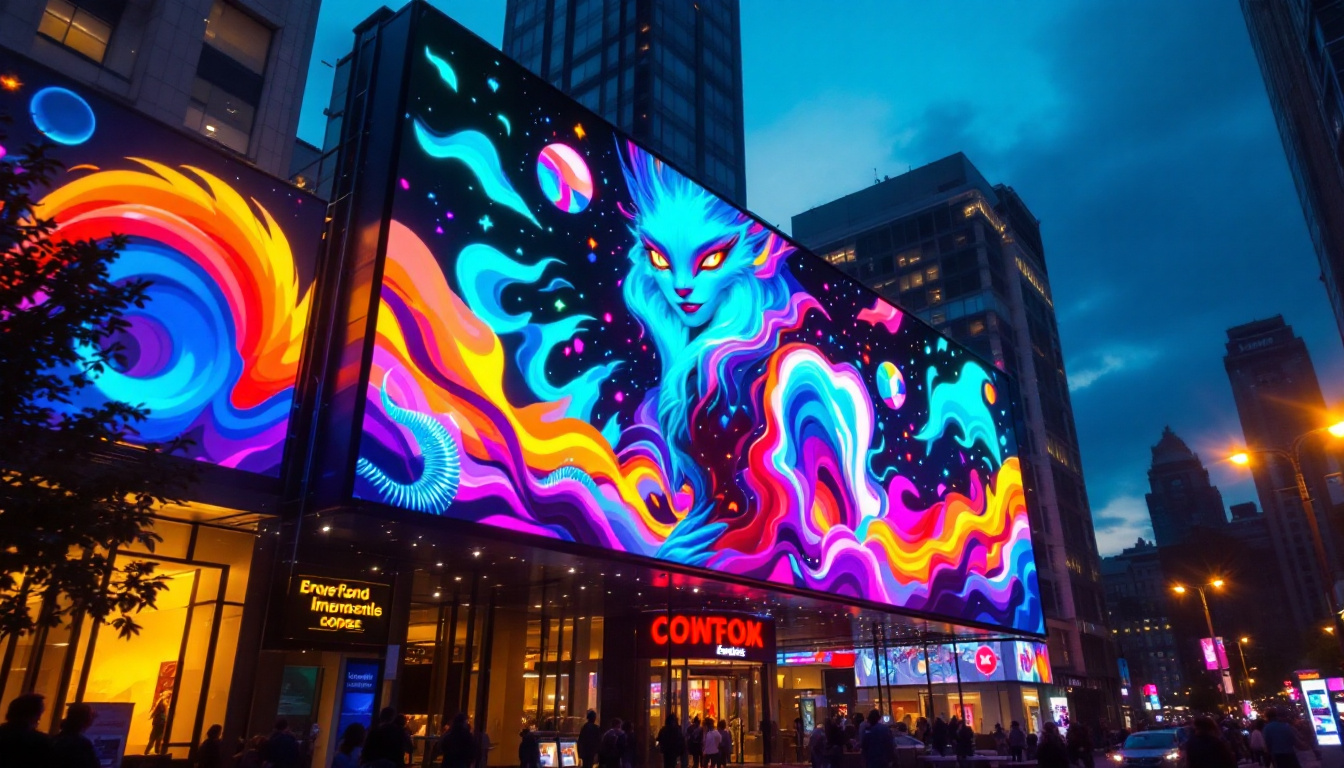
Digital billboards primarily utilize LED (Light Emitting Diode) technology to create bright, high-resolution images that are visible even in direct sunlight. Unlike traditional static billboards, digital displays can cycle through multiple advertisements, incorporate animations, and update content remotely in real-time. This flexibility allows advertisers to tailor their messages to specific audiences, times of day, or current events, making digital billboards a powerful tool for targeted marketing.
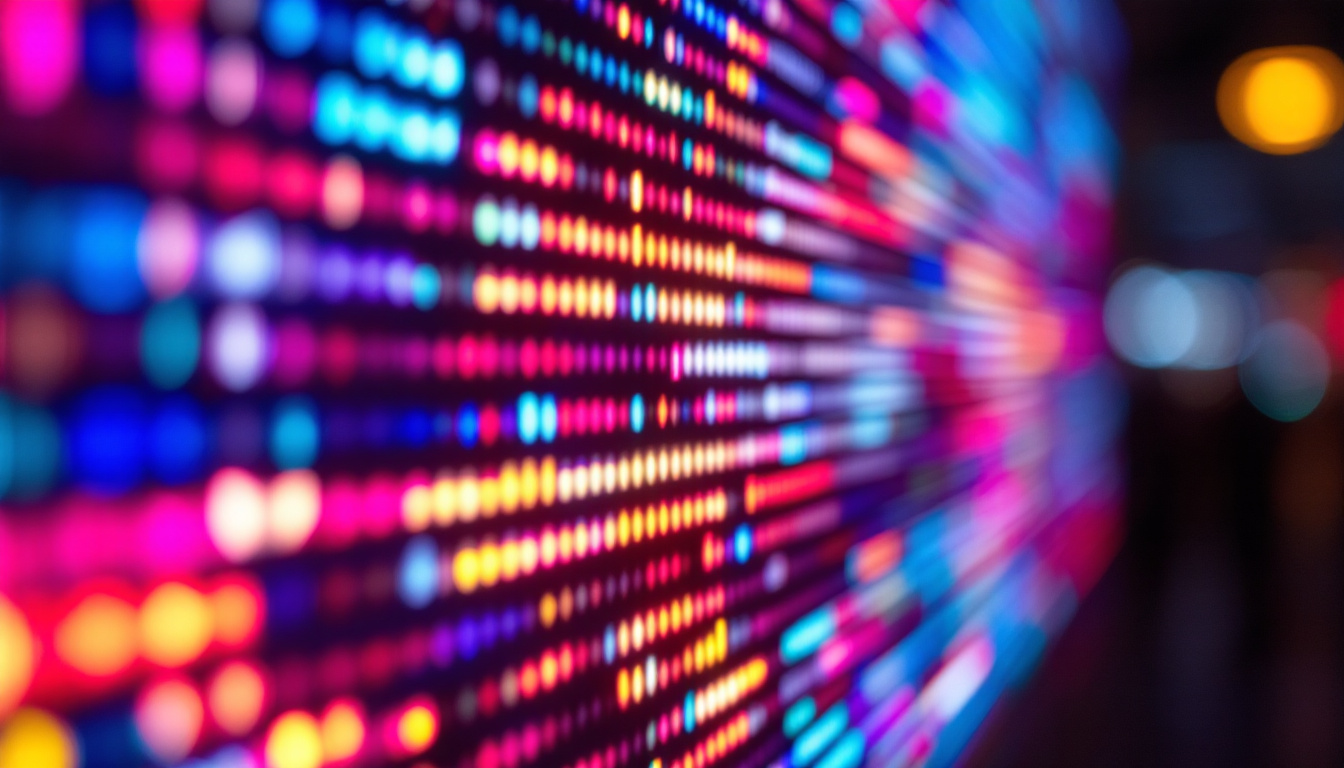
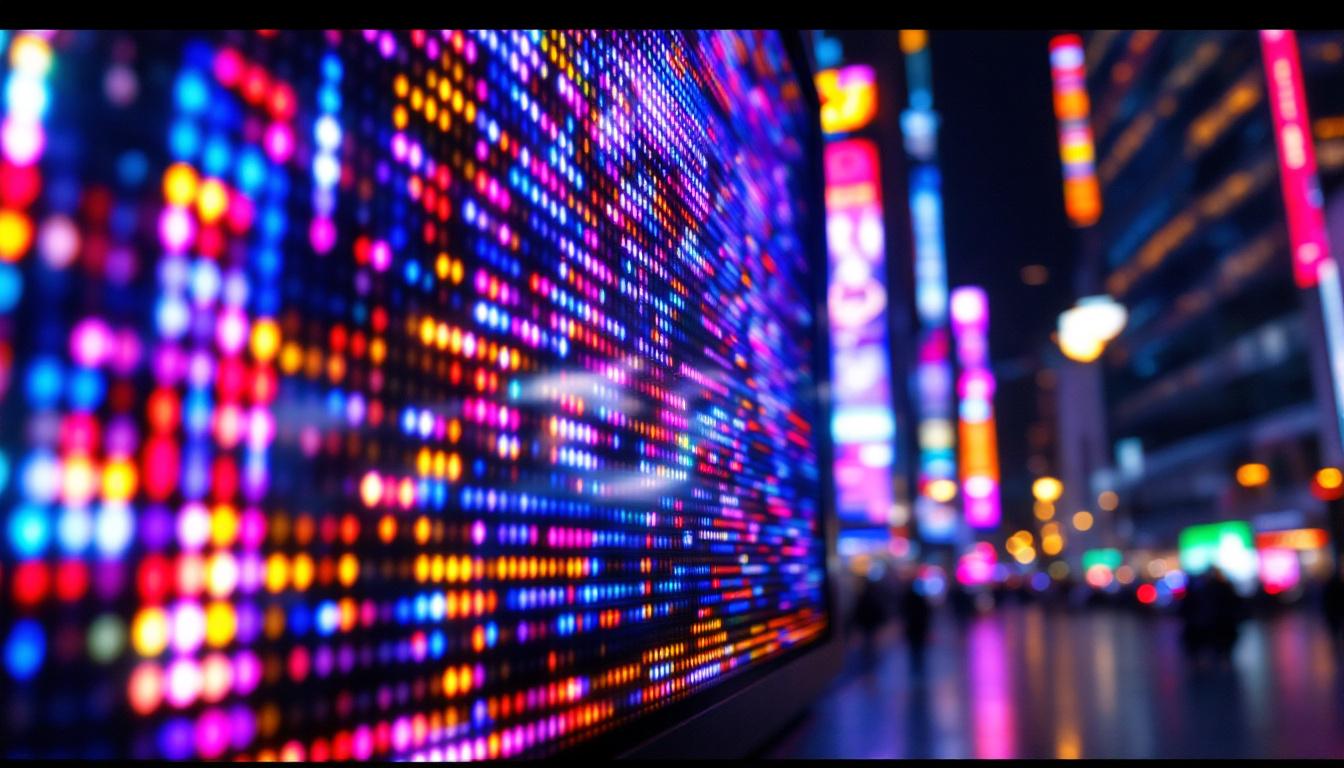
LED displays consist of thousands of tiny diodes arranged in clusters called pixels. The density and quality of these pixels directly influence the clarity and sharpness of the image. This pixel density, often measured in millimeters (mm), determines the resolution of the display—the smaller the pixel pitch, the higher the resolution. High-resolution displays are particularly advantageous in urban environments where viewers may be closer to the billboard, ensuring that the content remains crisp and engaging.
Types of LED Displays
There are several types of LED displays used in digital billboards:
- Outdoor LED Displays: Designed to withstand weather conditions such as rain, wind, and sunlight. These displays are typically brighter (up to 7,000 nits or more) to ensure visibility in daylight. They often come equipped with protective features like anti-glare coatings and weather-resistant casings to prolong their lifespan.
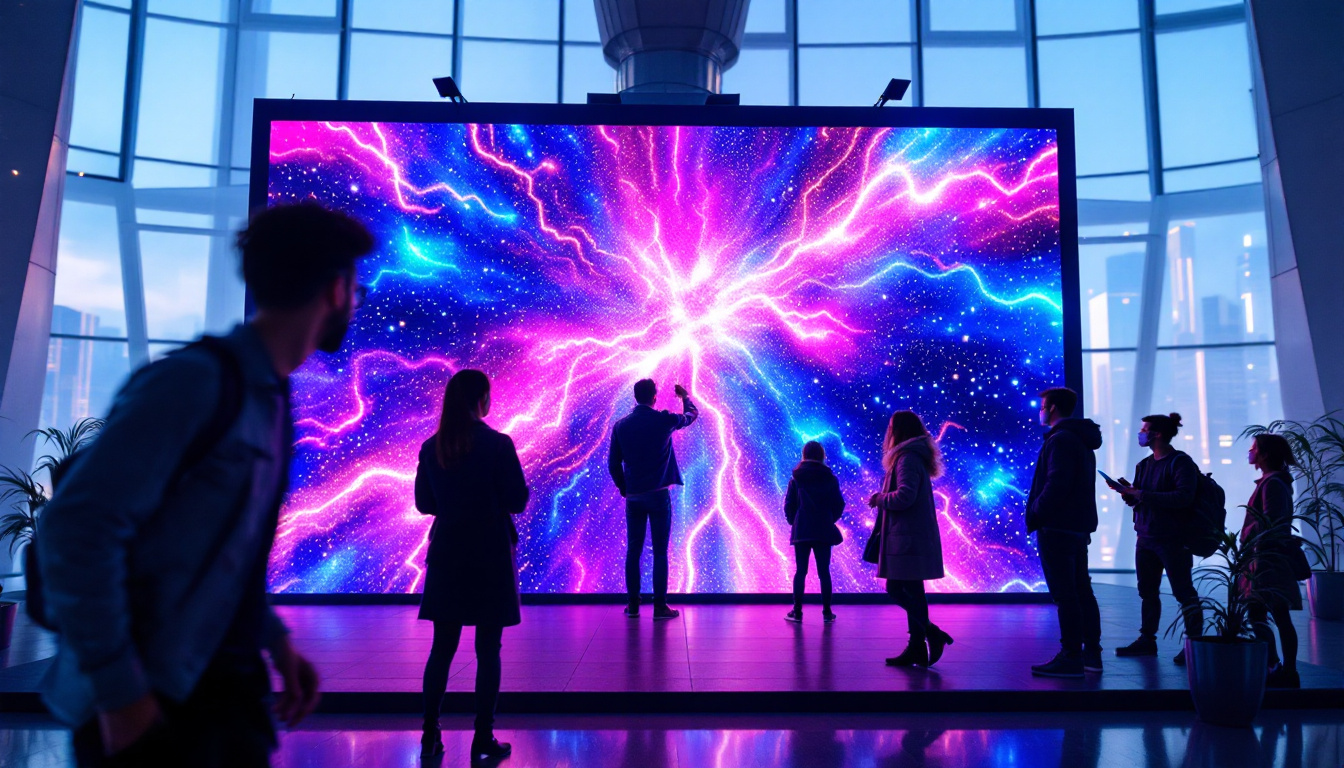
- Indoor LED Displays: Used for indoor advertising, these displays have lower brightness levels and finer pixel pitches for close-up viewing. They are commonly found in shopping malls, airports, and event venues, where they can capture the attention of consumers in a more intimate setting.
- Transparent LED Displays: These innovative screens allow light to pass through, making them ideal for glass facades and retail windows. This technology not only enhances the aesthetic appeal of a storefront but also enables brands to maintain visibility while showcasing dynamic advertisements.
For digital billboards, outdoor LED displays are the standard due to their durability and brightness. Additionally, the integration of advanced software allows for real-time data analysis, enabling advertisers to monitor engagement and adjust their campaigns based on performance metrics. This capability has revolutionized the advertising landscape, allowing for more strategic placements and optimized content delivery. Furthermore, as technology continues to evolve, we can expect to see even more innovative applications of LED displays, including interactive billboards that engage passersby through touch or motion sensors, creating a more immersive advertising experience.
Key Factors Influencing Digital Billboard Price
The price of a digital billboard is not fixed and varies widely based on several critical factors. Understanding these factors helps advertisers and businesses make informed decisions and budget accordingly.
1. Size of the Display
Size is one of the most straightforward contributors to cost. Digital billboards can range from small displays measuring a few square meters to massive installations covering hundreds of square meters. Larger screens require more LED modules, power, and structural support, naturally increasing the price.
For example, a 10×20 feet digital billboard might cost between $50,000 and $100,000 for the display alone, whereas a 20×60 feet billboard can easily exceed $300,000. The choice of size also affects visibility; larger billboards can capture the attention of passing motorists or pedestrians from a greater distance, making them more effective for high-traffic areas.
2. Pixel Pitch and Resolution
Pixel pitch, the distance between the centers of two adjacent pixels, significantly impacts the price. A smaller pixel pitch (e.g., 4mm) offers higher resolution and sharper images but requires more LEDs per square meter, increasing costs.
Conversely, a larger pixel pitch (e.g., 16mm) results in lower resolution but is more affordable and suitable for billboards viewed from a distance. Typically, outdoor digital billboards have pixel pitches ranging from 10mm to 20mm. Advertisers must consider their target audience’s viewing distance to select the appropriate pixel pitch, as this can dramatically affect the effectiveness of the displayed content.
3. Brightness and Weatherproofing
Outdoor digital billboards must be bright enough to compete with sunlight, often requiring brightness levels of 5,000 to 7,000 nits. Higher brightness LEDs cost more and consume more power, influencing both the initial price and ongoing operational expenses.
Additionally, weatherproofing features such as waterproof enclosures, corrosion-resistant materials, and temperature regulation systems add to the upfront cost but are essential for longevity and performance. These features ensure that the billboard can withstand harsh environmental conditions, such as heavy rain or extreme temperatures, which can otherwise lead to costly repairs or replacements over time.
4. Installation and Structural Support
Installation costs can be substantial, especially for large-scale digital billboards. Factors such as location, mounting structure, electrical wiring, and permitting fees contribute to the overall price.
For example, installing a digital billboard on a rooftop or a highway gantry requires specialized engineering and safety measures, which can add tens of thousands of dollars to the project. Furthermore, the location’s zoning laws and regulations can impact installation costs, as some areas may have stricter guidelines regarding billboard placement and visibility, necessitating additional permits and legal consultations.
5. Content Management System (CMS) and Software
Modern digital billboards come with sophisticated CMS platforms that allow remote content updates, scheduling, and analytics. While some manufacturers include basic software in the display price, advanced systems with real-time data integration, audience targeting, and programmatic advertising capabilities may require additional licensing fees.
The choice of CMS can also affect the ease of use and the effectiveness of advertising campaigns. A robust CMS can enable advertisers to tailor their messages based on time of day, audience demographics, or even current events, maximizing engagement and return on investment.
6. Maintenance and Operating Costs
Though not part of the initial purchase price, ongoing maintenance and electricity costs are important considerations. LED displays consume significant power, especially at high brightness levels. Maintenance includes cleaning, repairs, and software updates, which can amount to 5-10% of the initial investment annually.
Moreover, the longevity of the LED modules themselves can vary, with some requiring replacement after a certain number of hours of use. This potential for additional costs emphasizes the importance of choosing high-quality components and reliable service providers to ensure that the billboard remains operational and effective over its lifespan. Regular maintenance not only extends the life of the billboard but also ensures that the displayed content remains vibrant and impactful, which is crucial for attracting and retaining viewers’ attention.
Price Ranges and Examples
To provide a clearer picture, here are typical price ranges for digital billboards based on size and specifications:
Small to Medium Digital Billboards (Up to 100 sq ft)
These are often used for local businesses or smaller advertising campaigns. Prices typically range from $20,000 to $75,000, including display and basic installation. Pixel pitches are usually between 10mm and 16mm, suitable for viewing distances of 50 feet or more.
Large Digital Billboards (100 to 500 sq ft)
For prime locations such as highways or urban centers, larger billboards offer greater visibility and impact. Prices range from $100,000 to $400,000 depending on resolution, brightness, and installation complexity.
Extra-Large and Custom Installations (500+ sq ft)
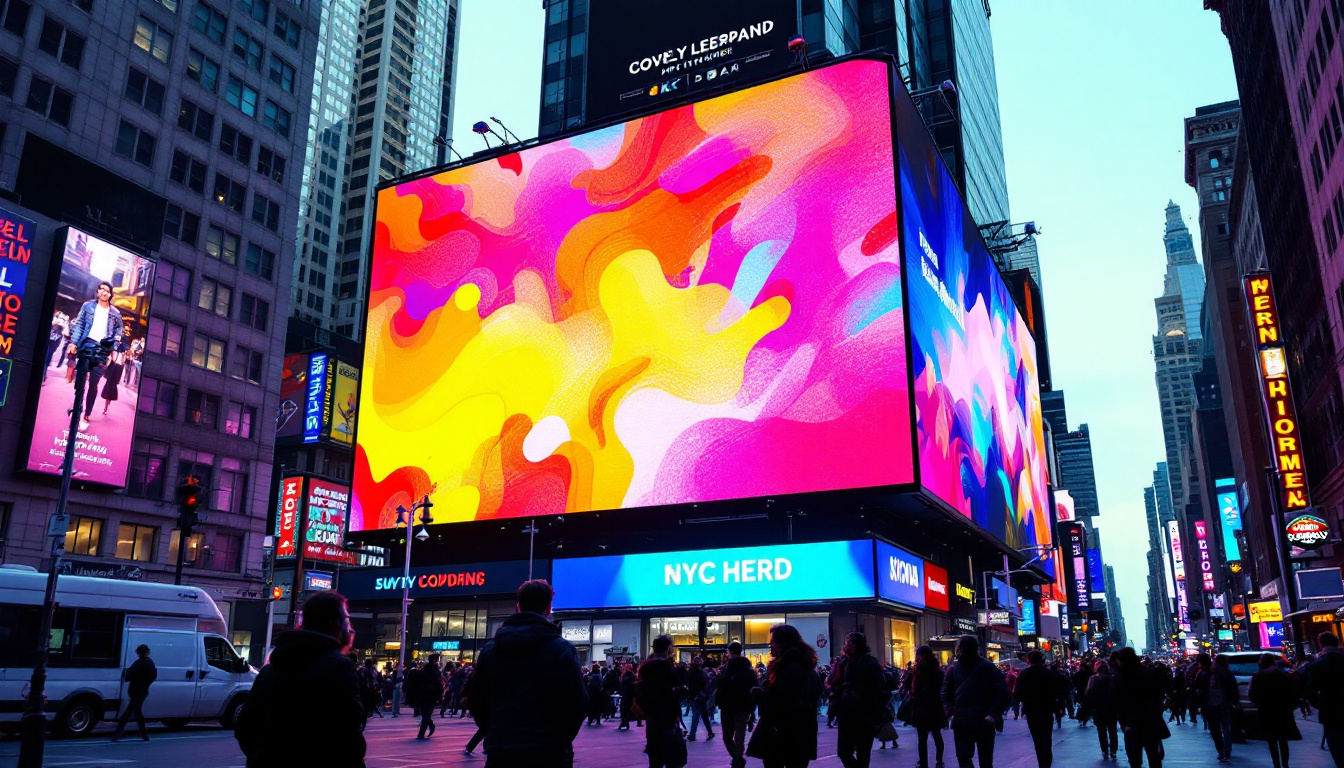
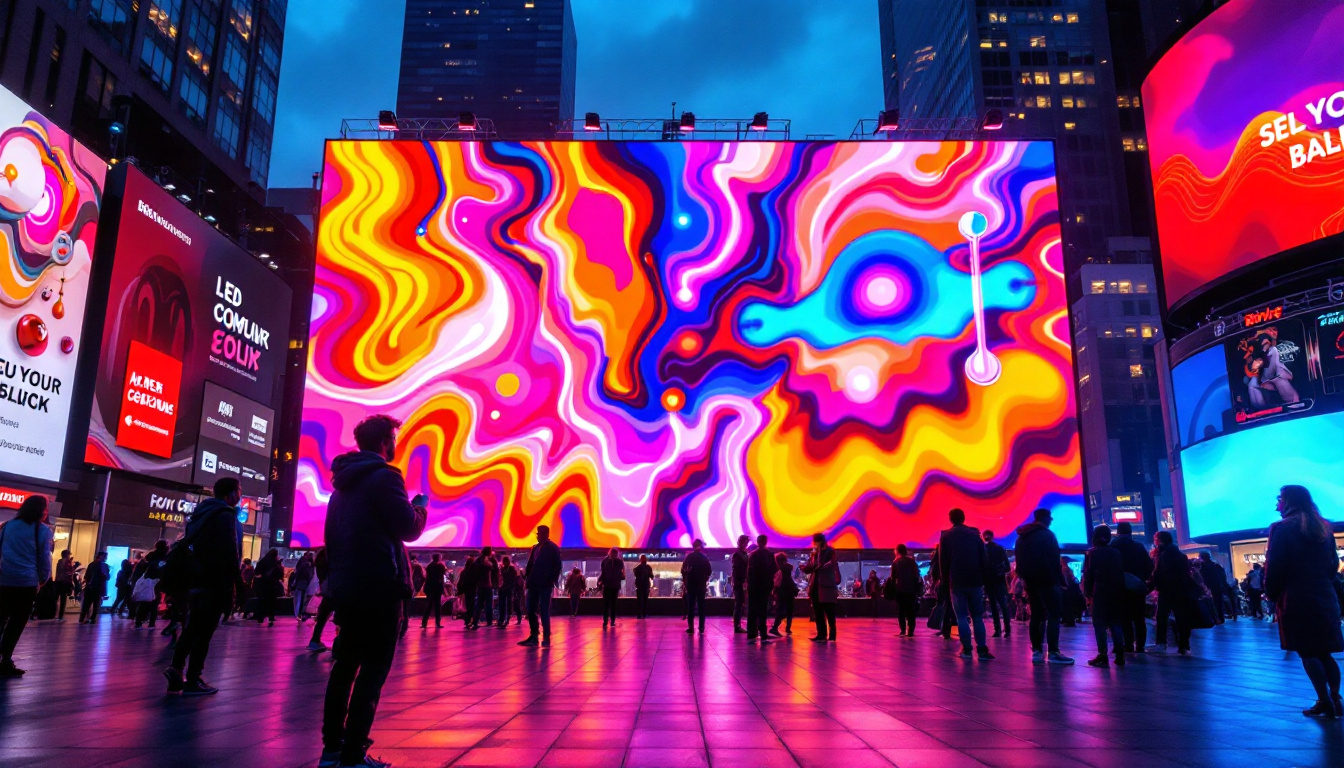
Massive digital billboards, such as those found in Times Square or other major metropolitan areas, can cost $500,000 to over $1 million. These installations often feature ultra-high resolution, advanced content management systems, and robust structural engineering.
Why Invest in Digital LED Billboards?
Despite the higher upfront cost compared to traditional static billboards, digital LED billboards offer several compelling advantages that justify the investment.
Dynamic Content and Flexibility
Digital billboards allow advertisers to display multiple ads in rotation, tailor content to different times of day, and respond quickly to market changes or promotions. This flexibility enhances campaign effectiveness and maximizes revenue opportunities for billboard owners.
Higher Engagement and Recall
Studies show that digital billboards capture more attention and improve brand recall compared to static billboards. The ability to use motion, bright colors, and changing messages creates a more engaging viewer experience.
Reduced Production Costs
Traditional billboards require printing and physical installation of new vinyl graphics for each campaign change, which can be costly and time-consuming. Digital billboards eliminate these expenses by enabling instant content updates.
Environmental Considerations
While digital billboards consume electricity, they reduce waste associated with printing and disposing of vinyl materials. Many modern LED displays are designed for energy efficiency, using technologies such as automatic brightness adjustment based on ambient light.
Emerging Trends in Digital Billboard Technology
The digital billboard industry continues to innovate, with several trends shaping the future of outdoor advertising.
Programmatic Advertising Integration
Programmatic platforms enable advertisers to buy billboard space in real-time, targeting specific audiences based on data such as location, time, and demographics. This approach increases ROI and allows for more personalized messaging.
Interactive and Augmented Reality Displays
Some digital billboards now incorporate interactive elements or augmented reality (AR) features, encouraging viewer participation and creating memorable brand experiences.
Energy-Efficient and Sustainable Solutions
Advancements in LED technology and power management are reducing the energy footprint of digital billboards. Solar-powered installations and smart energy controls are becoming more common, aligning with growing environmental concerns.
Conclusion
Digital billboards equipped with LED displays represent a significant investment but offer unmatched flexibility, visibility, and engagement in outdoor advertising. Understanding the factors that influence price—from size and resolution to installation and maintenance—helps advertisers and businesses make strategic decisions that align with their marketing goals and budgets.
As technology advances and new features emerge, digital LED billboards will continue to evolve, offering exciting opportunities for brands to connect with audiences in dynamic and impactful ways.
Explore Cutting-Edge LED Solutions with LumenMatrix
Ready to elevate your advertising strategy with the latest in LED display technology? Look no further than LumenMatrix, a pioneer in crafting visually stunning and technologically advanced LED solutions. From the bustling streets to the heart of your business, our range of products, including Indoor and Outdoor LED Wall Displays, Vehicle LED Displays, and more, are designed to captivate and engage your audience. Embrace the future of visual communication and check out LumenMatrix LED Display Solutions today to transform your brand’s presence with clarity and impact.