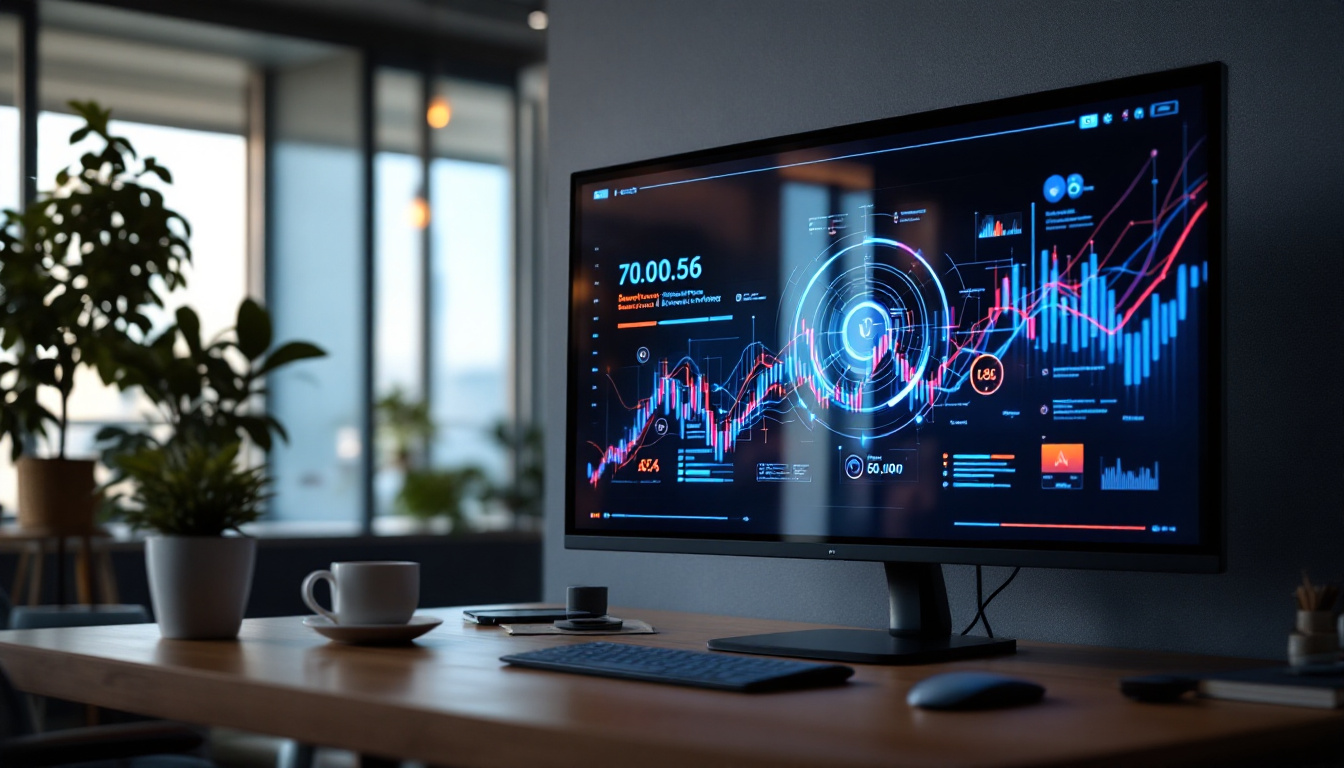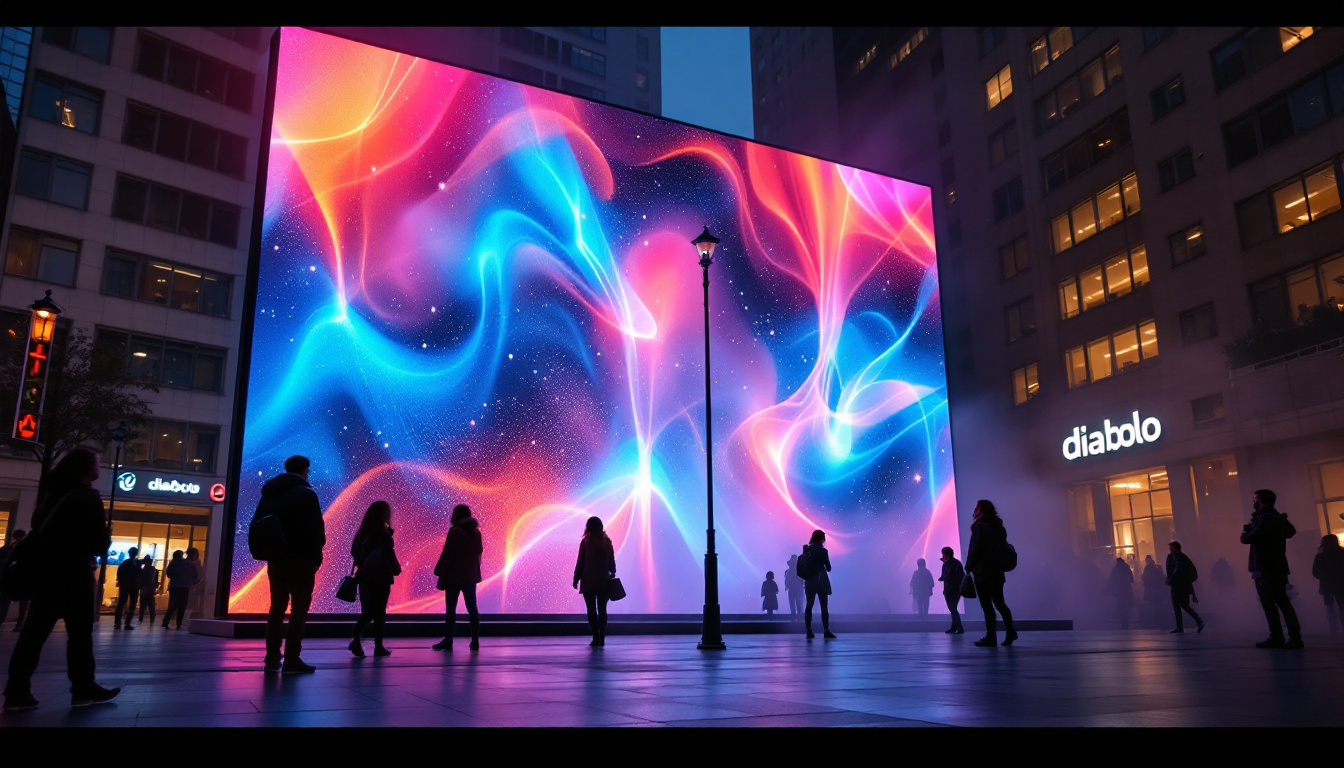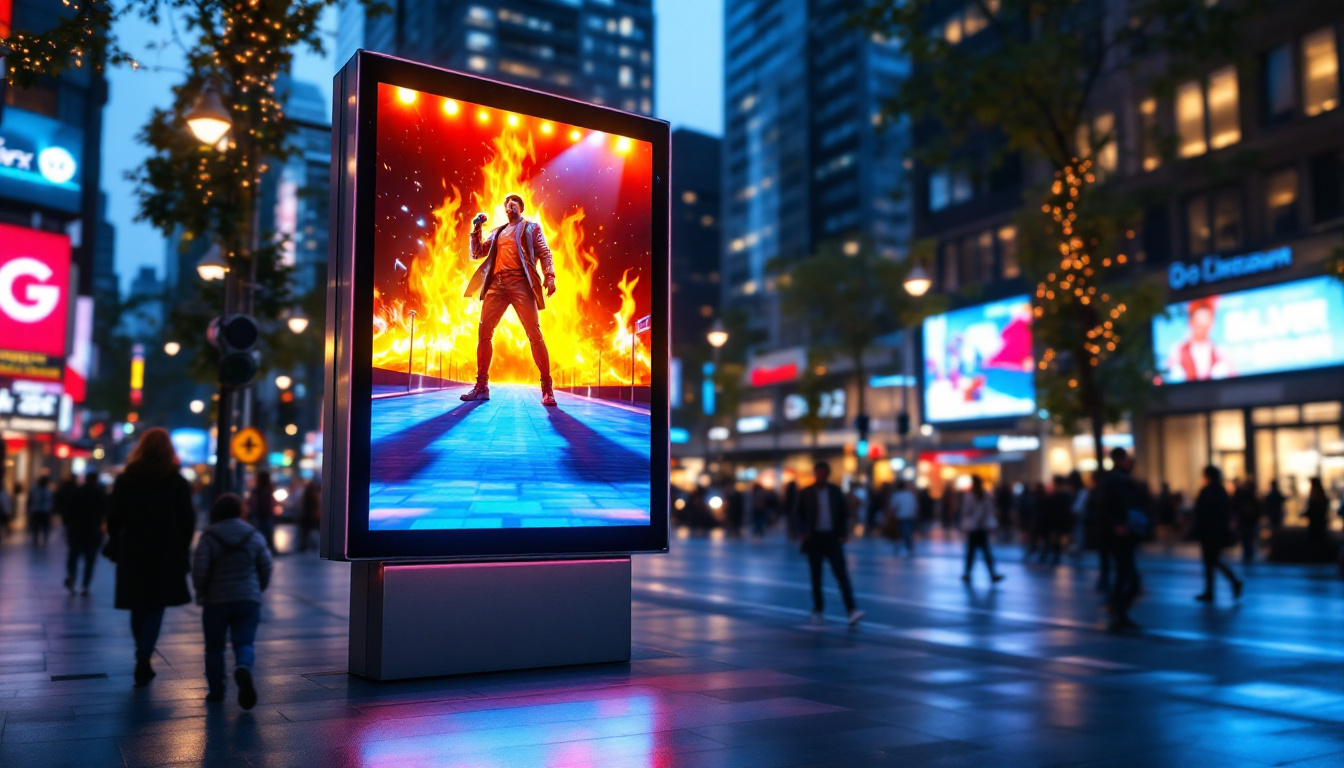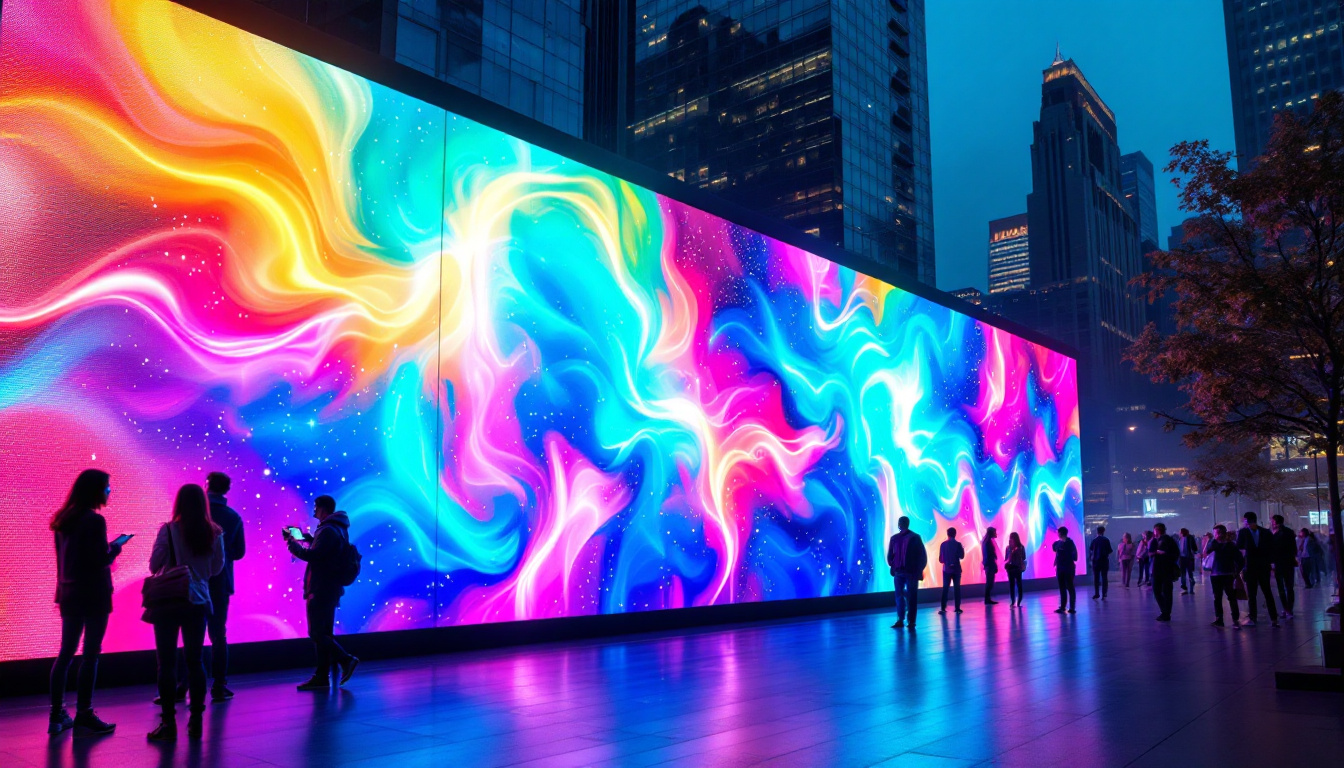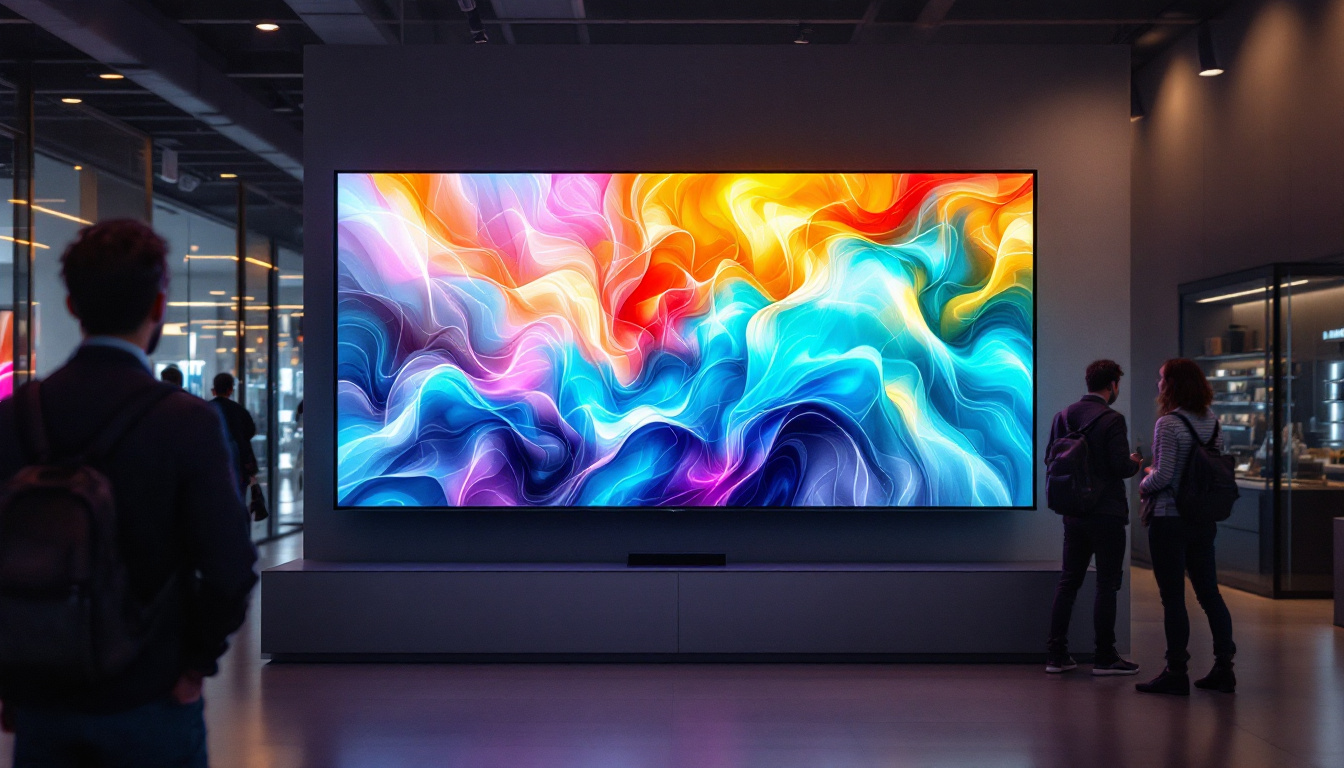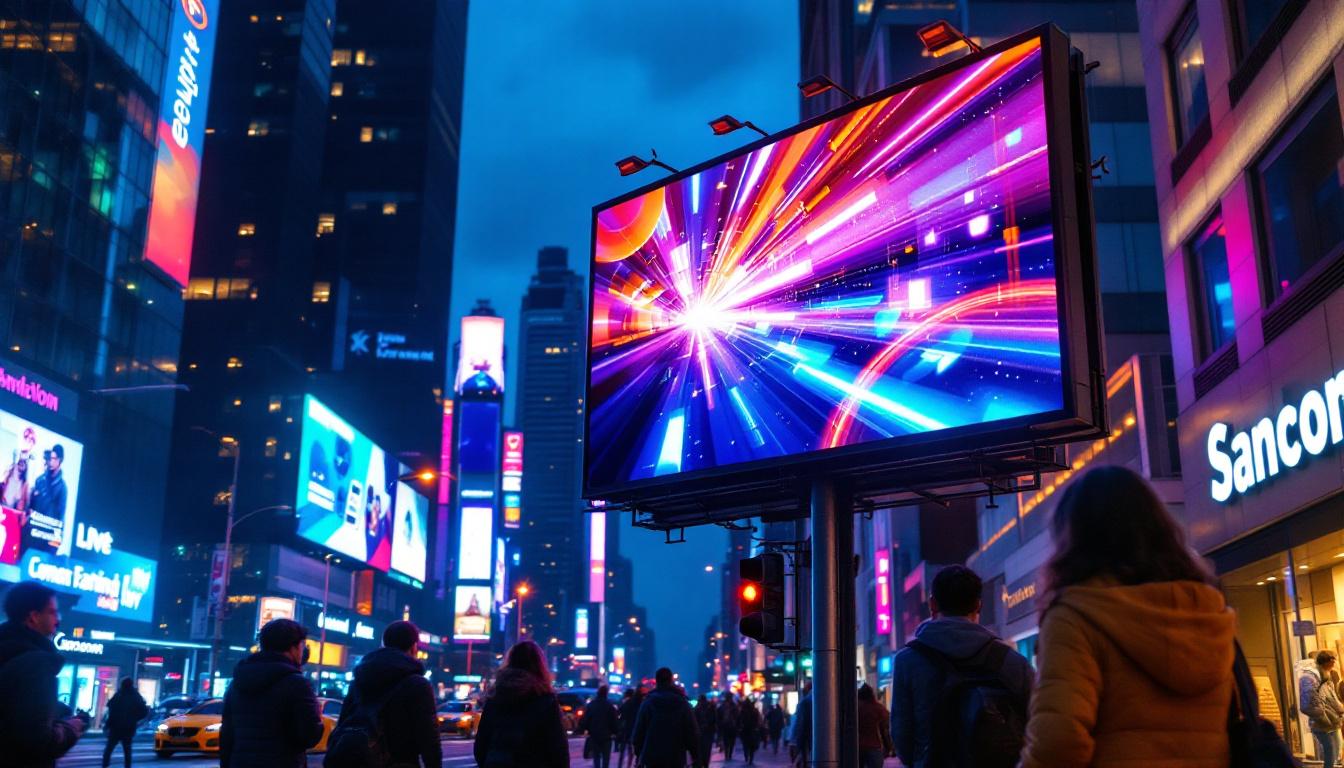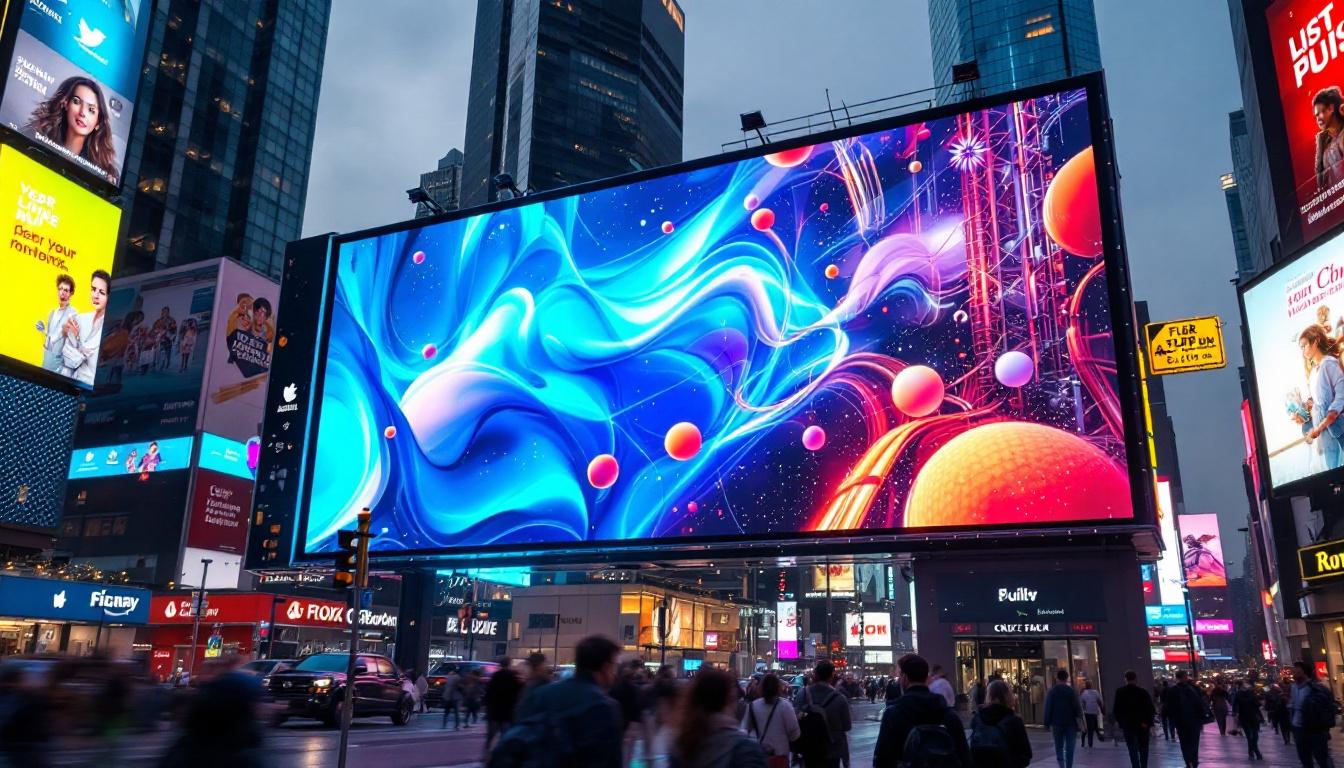
In an era dominated by rapid information exchange and vibrant visual communication, digital billboard signs have become a cornerstone of outdoor advertising. These dynamic displays, powered by LED technology, offer businesses and advertisers a compelling way to capture attention and convey messages in real time. This article delves into the intricacies of LED digital billboards, exploring how they work, their benefits, and the future of this transformative advertising medium.
Understanding LED Technology in Digital Billboards
What is an LED Display?
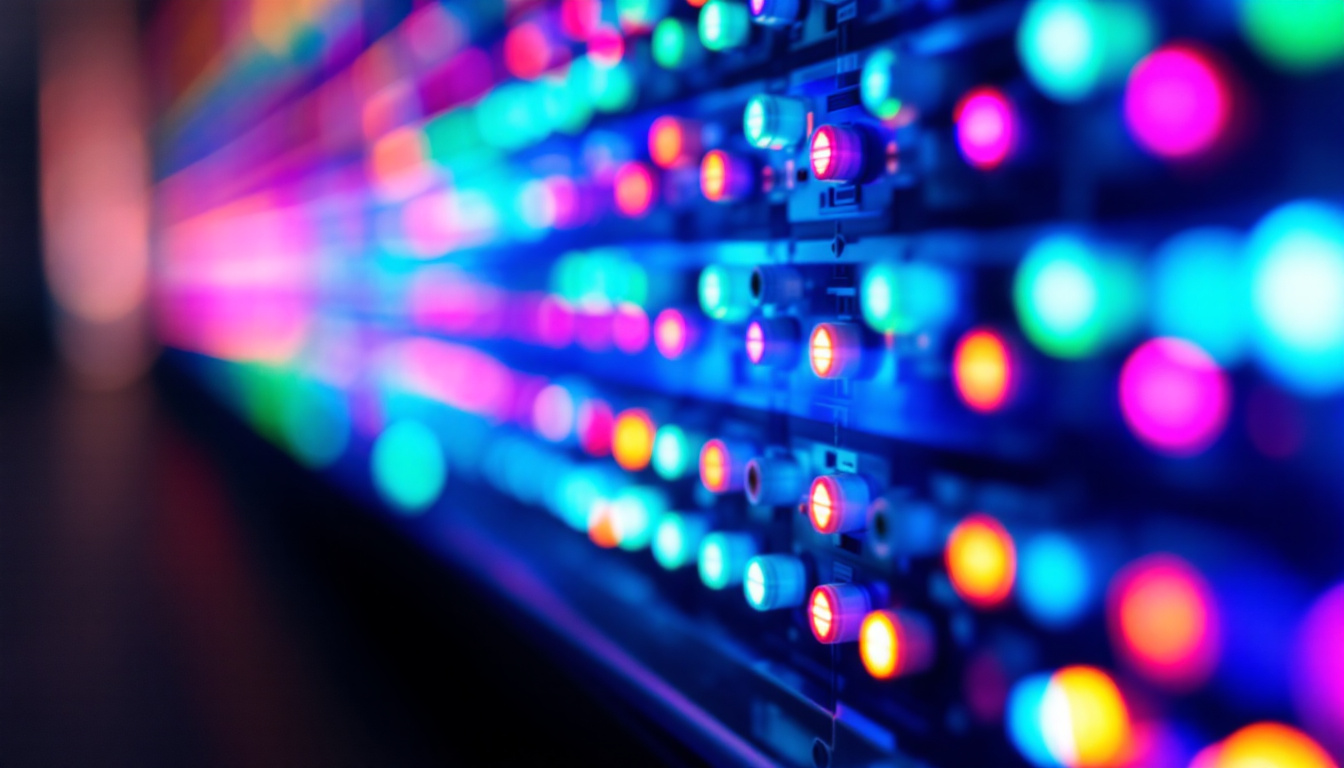
LED stands for Light Emitting Diode, a semiconductor device that emits light when an electric current passes through it. Unlike traditional incandescent bulbs, LEDs are highly energy-efficient, durable, and capable of producing bright, vivid colors. In digital billboards, thousands of these tiny LEDs are arranged in a matrix to form pixels, which collectively create images, videos, and animations.
The modular nature of LED panels allows for scalable displays, ranging from small signs to massive billboards towering over highways. Each LED can be controlled individually, enabling dynamic content that can change instantly to suit different advertising needs. This flexibility not only enhances the visual appeal but also allows advertisers to target specific audiences at different times of the day, maximizing engagement and effectiveness.
Additionally, the longevity of LED technology contributes to its popularity in the advertising sector. With a lifespan of up to 100,000 hours, LED displays require less frequent replacements compared to traditional lighting solutions, leading to significant cost savings over time. This durability is particularly advantageous for outdoor applications where exposure to the elements can be harsh. Furthermore, the ability to withstand extreme temperatures and weather conditions ensures that digital billboards remain operational and visually striking regardless of the environment.
How Do LED Digital Billboards Work?
At the core of an LED digital billboard is a control system that manages the content displayed. This system receives input from a computer or media player, which sends signals to the LED modules. Each module contains clusters of red, green, and blue LEDs, which combine to produce a full spectrum of colors through varying brightness levels.
The refresh rate, or how often the image updates per second, is critical for smooth video playback and preventing flicker. Modern LED billboards typically have refresh rates exceeding 1,000 Hz, ensuring clear and stable visuals even when captured by cameras or viewed at close range. This high refresh rate is particularly important for applications that feature fast-moving content, such as promotional videos or animated graphics, where clarity and fluidity are essential to maintain viewer interest.
Moreover, LED digital billboards are equipped with advanced software that allows for real-time content management. Advertisers can schedule their campaigns, change messages on the fly, and even incorporate live feeds, such as social media updates or news headlines. This capability not only enhances interactivity but also allows brands to respond to current events or trends, making their advertising more relevant and engaging. The integration of sensors and data analytics further enables advertisers to tailor their content based on audience demographics, ensuring that the right message reaches the right people at the right time.
Advantages of Digital LED Billboards Over Traditional Signage
Enhanced Visual Impact and Engagement
One of the most significant advantages of LED digital billboards is their ability to display vibrant, eye-catching content that stands out in any environment. The brightness of LEDs can be adjusted automatically based on ambient light, ensuring visibility during both day and night without causing glare.
Dynamic content such as animations, videos, and real-time updates can engage viewers more effectively than static signs. Studies show that digital billboards can increase brand recall by up to 47% compared to traditional billboards, making them a powerful tool for advertisers seeking to maximize impact.
Flexibility and Real-Time Content Updates
Unlike printed billboards, digital LED signs can be updated remotely and instantly. This flexibility allows advertisers to tailor messages to specific times of day, weather conditions, or events. For example, a restaurant can promote breakfast specials in the morning and switch to dinner offers in the evening without any physical change to the sign.
Moreover, emergency alerts, public service announcements, and traffic information can be disseminated quickly, enhancing community safety and awareness. This adaptability is invaluable in today’s fast-paced world where timely communication is essential.
Cost Efficiency and Environmental Benefits
While the initial investment in LED digital billboards can be higher than traditional signage, the long-term benefits often outweigh the costs. Digital billboards eliminate the need for printing and installation of new materials, reducing recurring expenses.
LEDs consume significantly less energy than other lighting technologies, and their long lifespan—often exceeding 100,000 hours—means fewer replacements and less waste. Additionally, many LED billboard manufacturers incorporate recyclable materials and eco-friendly designs, aligning with growing environmental sustainability goals.
Technical Specifications and Design Considerations
Pixel Pitch and Resolution
Pixel pitch is the distance between the centers of adjacent LEDs, usually measured in millimeters. It directly affects the resolution and clarity of the display. A smaller pixel pitch means more LEDs per square meter, resulting in sharper images and finer detail.
For billboards viewed from a distance of 50 feet or more, a pixel pitch between 10mm and 20mm is typical. Closer viewing distances require smaller pixel pitches to maintain image quality. Choosing the right pixel pitch balances cost and visual performance based on the billboard’s location and intended audience.
Brightness and Viewing Angles
Brightness is measured in nits, with outdoor LED billboards typically ranging from 5,000 to 10,000 nits to ensure visibility under direct sunlight. Automatic brightness sensors adjust the display to prevent excessive glare at night or in low light conditions.
Viewing angles are equally important to ensure the content is visible from multiple directions. High-quality LED modules offer wide horizontal and vertical viewing angles, often up to 160 degrees, so the message reaches a broad audience regardless of their position relative to the billboard.
Durability and Weather Resistance
Outdoor digital billboards must withstand harsh environmental conditions, including rain, wind, dust, and extreme temperatures. LED modules are typically housed in weatherproof enclosures rated at IP65 or higher, providing protection against water ingress and dust particles.
Robust construction and temperature control systems, such as fans or heat exchangers, help maintain optimal operating conditions and prevent premature failure. This durability ensures continuous operation and reduces maintenance costs over the billboard’s lifespan.
Applications and Industry Use Cases
Advertising and Brand Promotion
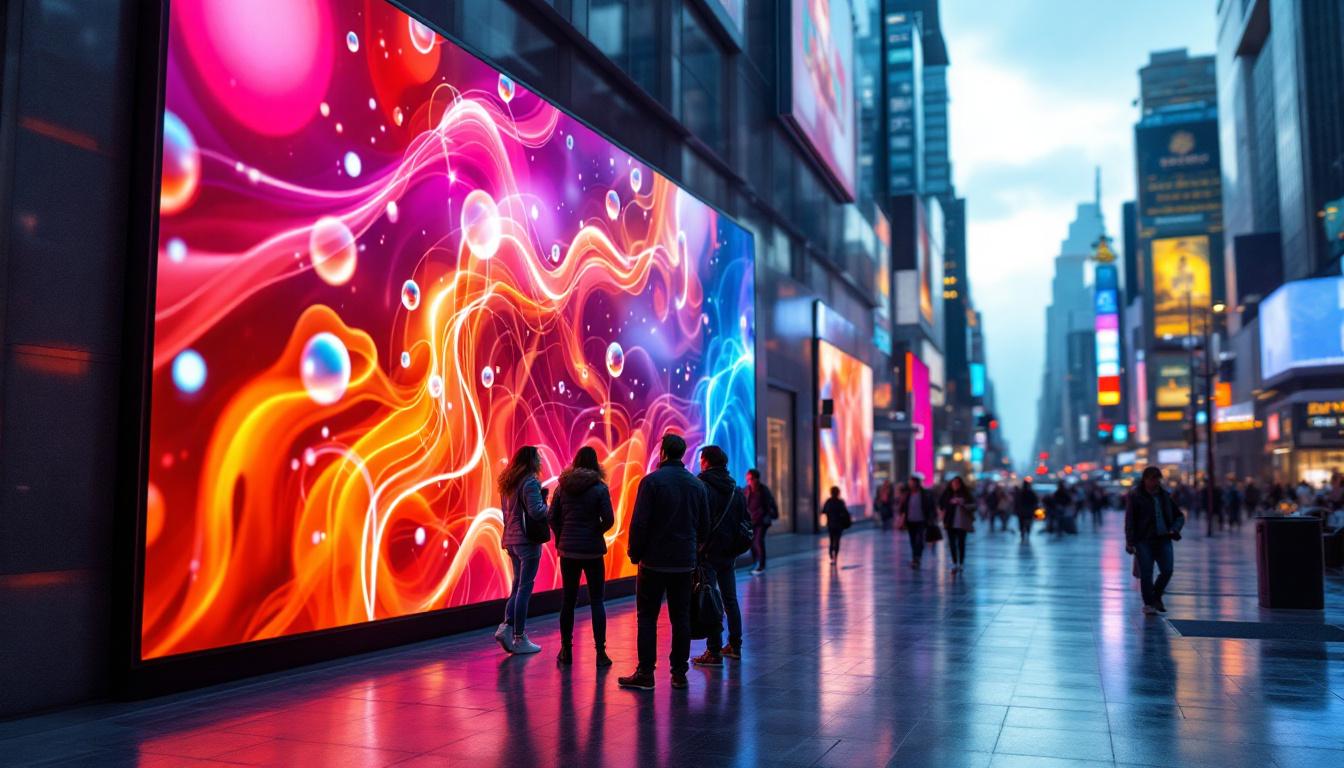
Advertising remains the primary application of digital LED billboards. From global brands to local businesses, these signs offer an unparalleled platform to reach large audiences with compelling, targeted messages. Locations such as highways, shopping centers, and urban centers are prime spots for digital billboards due to high foot and vehicle traffic.
Campaigns can be scheduled to rotate multiple advertisements, maximizing revenue for billboard owners and providing diverse content for viewers. Interactive elements, such as QR codes or social media integration, further enhance engagement and measurable outcomes.
Public Information and Safety Messaging
Government agencies and municipalities utilize digital billboards to communicate critical information, including weather alerts, traffic updates, and public health messages. The ability to update content instantly ensures timely dissemination during emergencies, such as natural disasters or public safety incidents.
For example, during severe weather events, digital billboards can display evacuation routes or shelter locations, helping to guide the public effectively. This use case highlights the societal value of LED billboard technology beyond commercial advertising.
Event Promotion and Entertainment Venues
Sports arenas, concert venues, and entertainment districts leverage digital billboards to promote upcoming events, ticket sales, and live updates. The dynamic nature of LED displays allows for creative content that builds excitement and drives attendance.
In some cases, digital billboards are integrated with event management systems to show live scores, social media feeds, or interactive fan messages, enhancing the overall experience and fostering community engagement.
The Future of Digital Billboard Technology
Integration with Smart Technologies
The convergence of LED billboards with smart technologies is shaping the future of outdoor advertising. Integration with artificial intelligence (AI) and data analytics enables hyper-targeted advertising based on demographics, weather, and traffic patterns.
For instance, AI-powered billboards can analyze real-time data to adjust content dynamically, optimizing relevance and effectiveness. This personalization increases advertising ROI and enhances viewer experience.
Advancements in Display Quality and Energy Efficiency
Ongoing innovations in LED materials and manufacturing processes continue to improve display quality, offering higher resolutions, better color accuracy, and enhanced brightness control. MicroLED technology, which uses even smaller LEDs, promises ultra-high-definition displays with lower power consumption.
Energy-efficient designs and renewable power integration, such as solar panels, are becoming more common, reducing the environmental footprint of digital billboards and aligning with global sustainability initiatives.
Interactive and Immersive Experiences
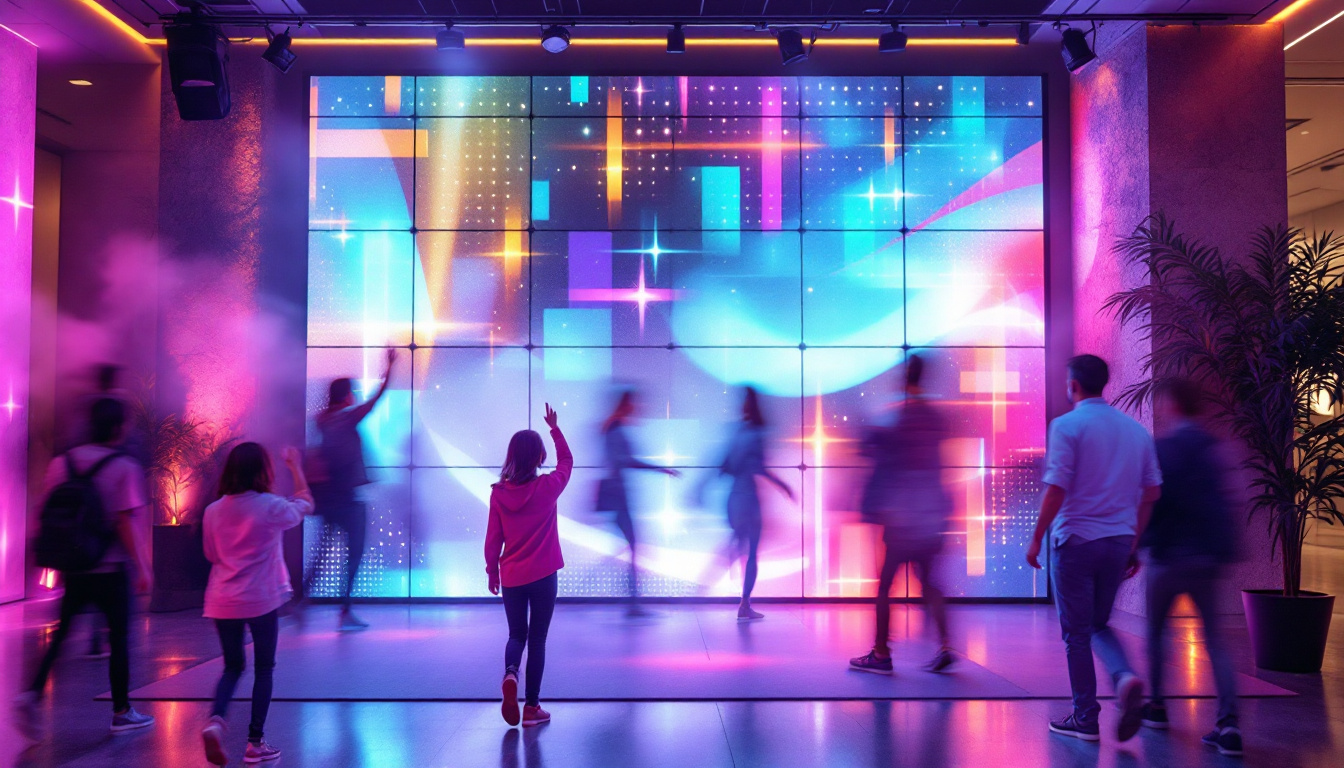
Future digital billboards are expected to incorporate interactive elements, such as touchscreens, augmented reality (AR), and gesture recognition. These features will transform passive viewers into active participants, creating memorable brand interactions.
Immersive experiences powered by 3D visuals and holographic displays are also on the horizon, offering advertisers novel ways to captivate audiences and differentiate their messaging in crowded urban landscapes.
Conclusion
Digital billboard signs, powered by LED technology, represent a powerful evolution in outdoor advertising and public communication. Their ability to deliver bright, dynamic, and flexible content makes them indispensable in today’s visually driven world. Understanding the technology behind these displays, their advantages, and future trends equips businesses, advertisers, and policymakers to harness their full potential effectively.
As LED technology advances and integrates with smart systems, digital billboards will continue to transform how messages are conveyed in public spaces, offering richer, more engaging experiences while promoting sustainability and efficiency.
Illuminate Your Message with LumenMatrix
Ready to elevate your advertising and public communication to new heights? Discover the innovative world of LumenMatrix, where cutting-edge LED display technology meets creative vision. From vibrant Indoor and Outdoor LED Wall Displays to dynamic Vehicle and Sports LED Displays, LumenMatrix offers a diverse range of solutions tailored to your unique needs. Experience the power of Custom LED Displays, All-in-One solutions, and LED Transparent Displays designed to captivate your audience and amplify your brand’s presence. Don’t miss the opportunity to transform your visual storytelling. Check out LumenMatrix LED Display Solutions today and step into the future of digital engagement.