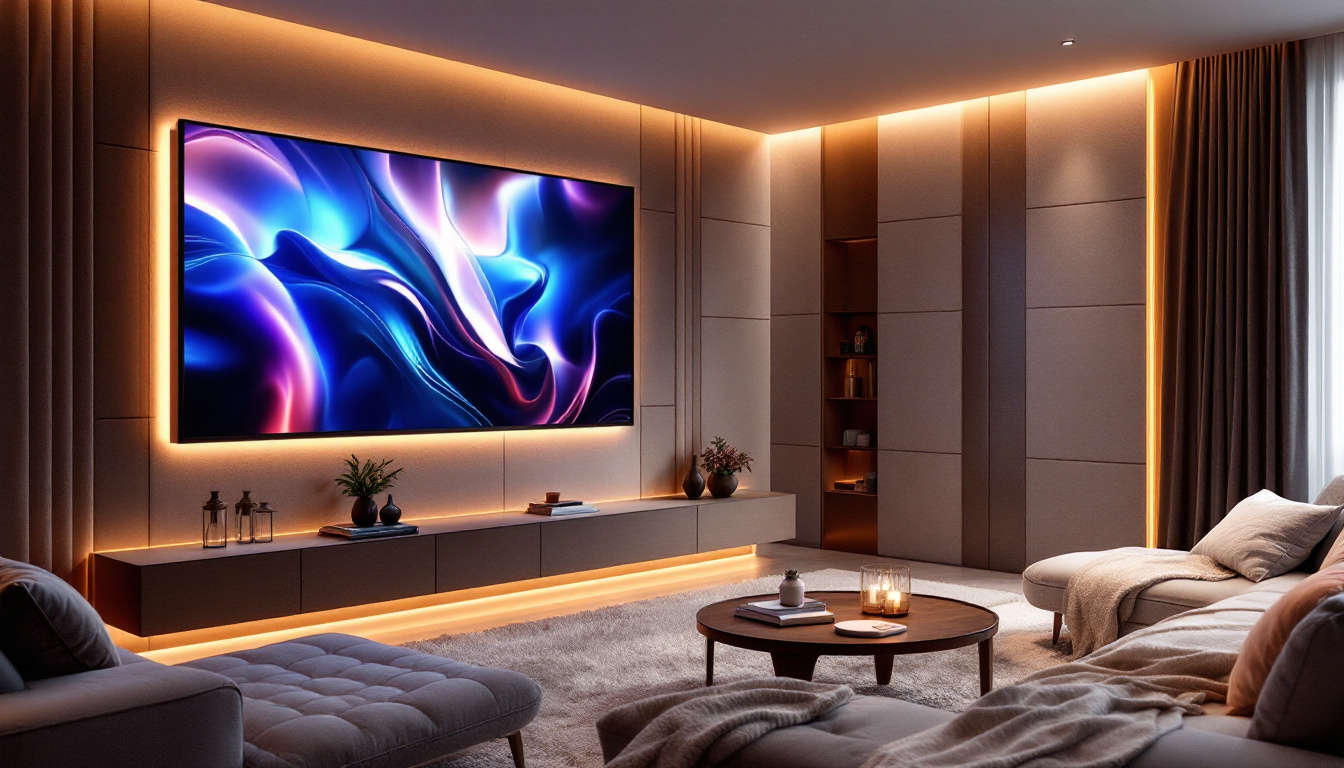
In an era where smart technology is seamlessly integrating into everyday life, digital home organizer screens have become a vital tool for managing busy households. These devices, often equipped with LED displays, serve as centralized hubs for calendars, reminders, weather updates, and more. Understanding the technology behind these screens, particularly LED displays, is essential for consumers looking to invest in efficient and reliable home organization solutions.
What Is a Digital Home Organizer Screen?
A digital home organizer screen is a smart device designed to help families and individuals coordinate schedules, tasks, and information in a visually accessible way. Unlike traditional paper calendars or bulletin boards, these screens offer dynamic content that can be updated in real-time, often through smartphone apps or voice assistants.
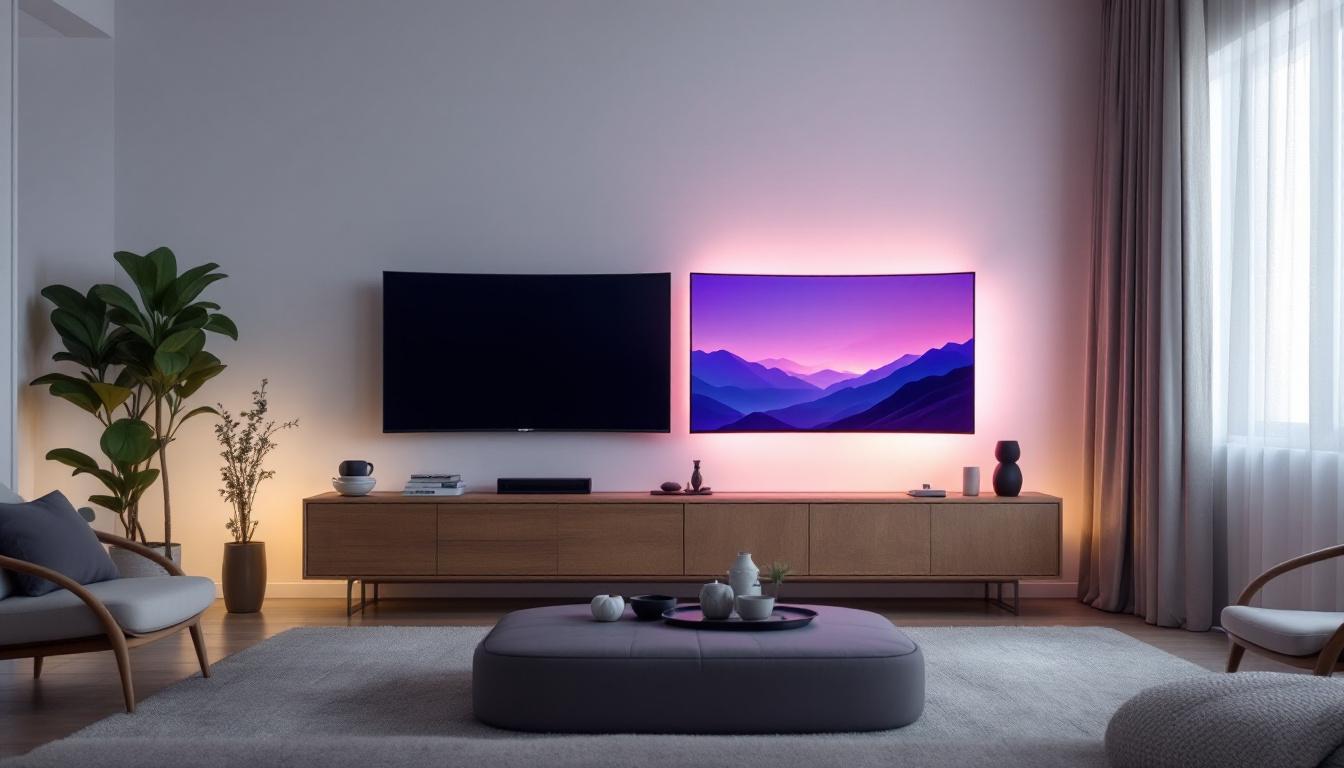
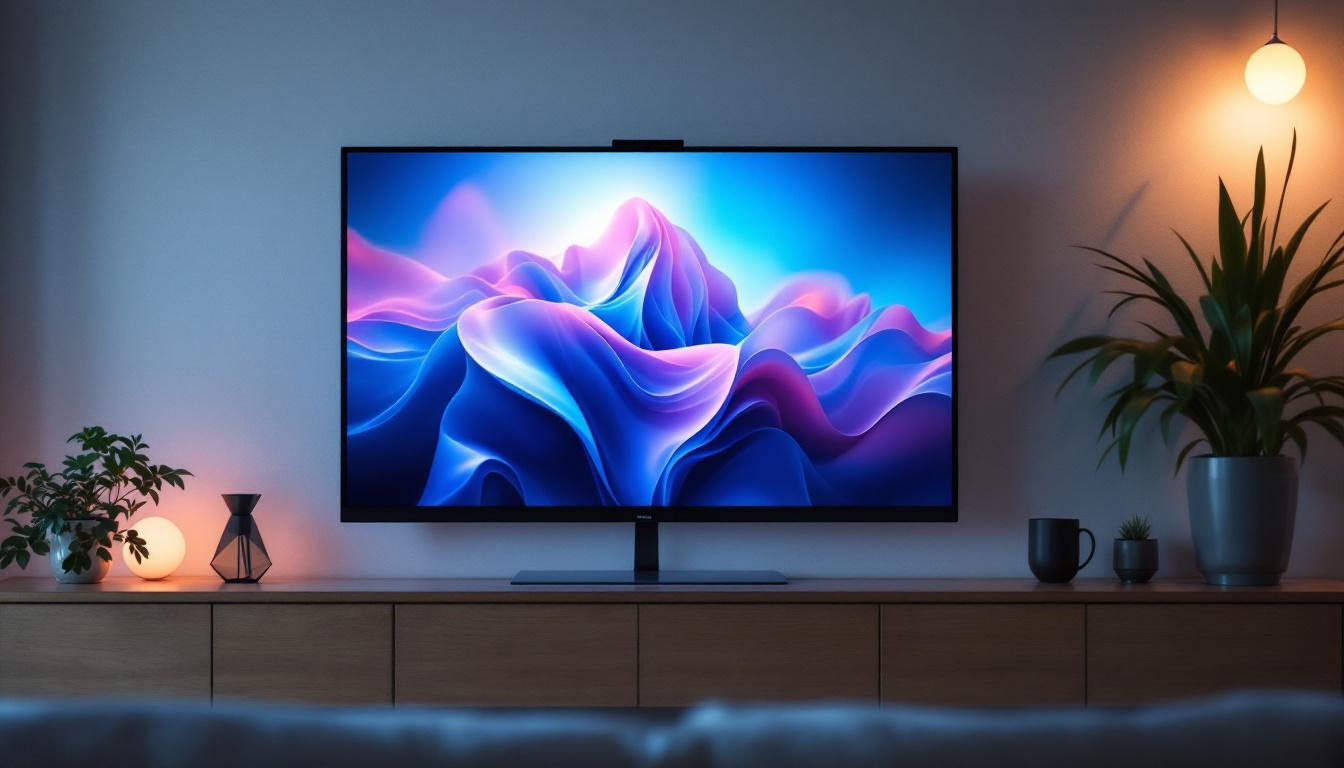
Typically mounted on a kitchen wall, hallway, or home office, these screens display a variety of information such as daily schedules, grocery lists, weather forecasts, news headlines, and even photos. Their goal is to reduce the chaos of managing multiple calendars and notes scattered throughout the home, consolidating everything into one interactive interface.
Beyond just displaying schedules and lists, digital home organizer screens can integrate with various smart home devices, allowing users to control lights, thermostats, and security systems directly from the screen. This feature not only enhances convenience but also adds a layer of efficiency to daily routines. For instance, a family can quickly check their calendar for the day while adjusting the thermostat for comfort, all from one central hub. Additionally, many of these screens come equipped with voice recognition technology, enabling hands-free operation, which is particularly useful when cooking or multitasking.
Moreover, many digital home organizer screens offer customizable interfaces, allowing users to tailor the display to their preferences. Families can choose themes, colors, and layouts that suit their style, making the screen not just a functional tool but also a decorative element in their home. Some models even allow for multiple user profiles, enabling each family member to have their own personalized view, complete with individual schedules and reminders. This level of customization ensures that everyone stays informed and engaged, fostering better communication and collaboration within the household.
The Role of LED Displays in Digital Home Organizers
Understanding LED Technology
LED, or Light Emitting Diode, technology is the backbone of many modern digital displays. Unlike older LCD screens that require backlighting, LED displays use tiny diodes that emit light when an electric current passes through them. This results in brighter, more energy-efficient, and longer-lasting screens.
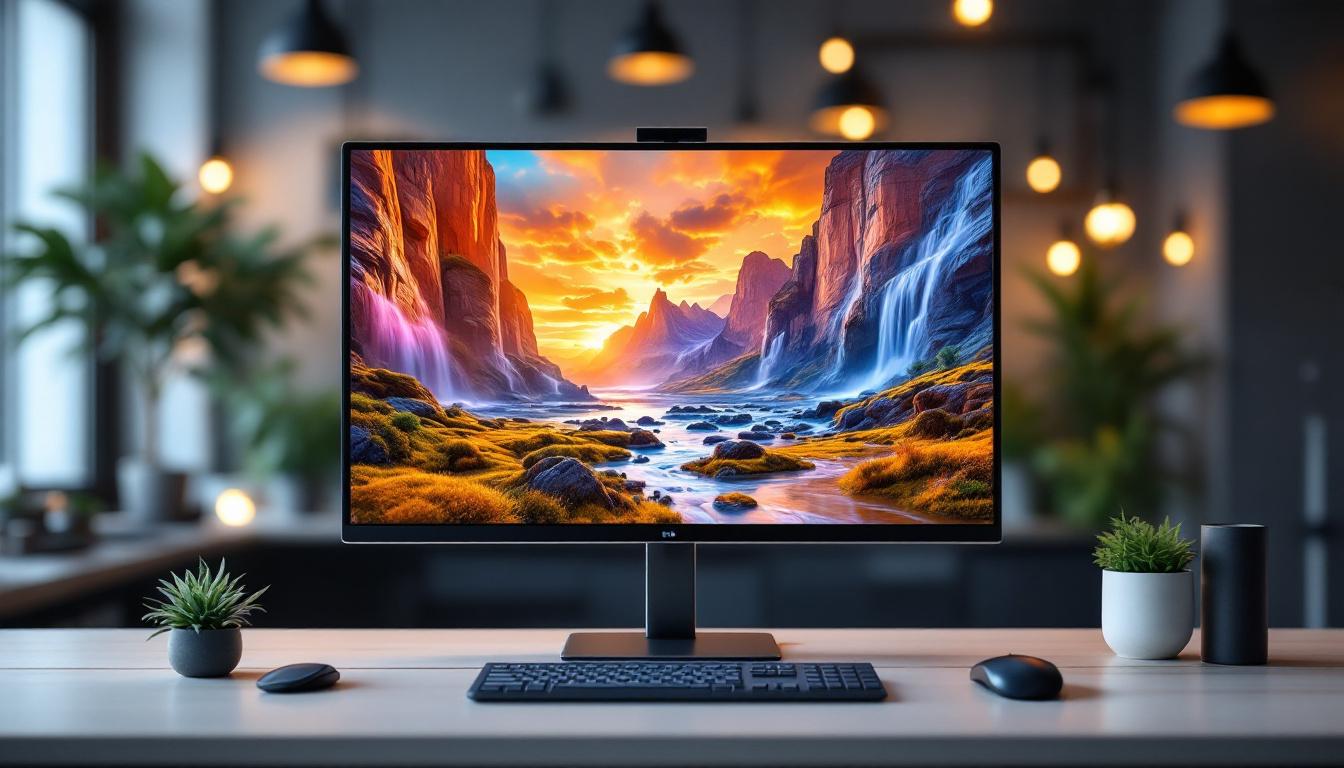
In the context of digital home organizer screens, LED displays provide vivid colors and sharp contrast, making text and images easy to read from a distance. This clarity is crucial in a home environment where users may glance quickly at the screen while cooking or moving about. The ability to view notifications, reminders, and schedules at a glance can significantly enhance productivity and organization in daily routines.
Types of LED Displays Used
There are primarily two types of LED displays used in home organizer screens: traditional LED-backlit LCDs and OLED (Organic LED) displays.
- LED-backlit LCDs: These are the most common and cost-effective. They combine an LCD panel with LED backlighting to improve brightness and energy efficiency.
- OLED Displays: OLEDs offer superior contrast ratios and deeper blacks because each pixel emits its own light and can be turned off individually. This technology is more expensive but provides a premium viewing experience.
For most home organizers, LED-backlit LCDs strike a balance between quality and affordability, but premium models may incorporate OLED technology for enhanced visual appeal. The choice between these technologies often depends on the intended use of the digital organizer. For instance, those who prioritize vibrant visuals for displaying family photos or artwork may lean towards OLED, while users focused on functionality and cost-effectiveness might opt for LED-backlit LCDs.
Moreover, the integration of LED displays in digital home organizers is not just about aesthetics; it also enhances interactivity. Many modern devices come equipped with touch-sensitive screens, allowing users to navigate through their schedules, to-do lists, and reminders with simple taps and swipes. This intuitive interface can make managing daily tasks feel less cumbersome and more engaging, encouraging users to stay organized and on top of their commitments. As technology continues to evolve, we can expect even more innovative features that leverage LED display capabilities, further transforming how we manage our homes and lives.
Key Features Enabled by LED Displays in Home Organizers
Brightness and Visibility
One of the essential features of LED displays is their ability to maintain visibility under various lighting conditions. Whether it’s bright sunlight streaming through a kitchen window or dim evening lighting, LED screens adjust brightness levels to ensure content remains legible without straining the eyes.
Many digital home organizers include ambient light sensors that automatically modify screen brightness, optimizing energy consumption while maintaining readability.
Color Accuracy and User Interface
Color plays a significant role in how users interact with digital home organizers. LED displays provide vibrant color reproduction, which enhances the user interface by making icons, text, and images more distinguishable. This is particularly useful for color-coded calendars or task lists, where different colors represent various family members or priority levels.
Accurate color rendering also improves the display of photos and visual reminders, contributing to a more personalized and engaging user experience.
Energy Efficiency and Longevity
Energy consumption is a critical consideration for devices intended to remain on throughout the day. LED displays are known for their low power usage compared to older display technologies. This efficiency translates into longer device lifespans and lower electricity costs, making digital home organizers more sustainable and cost-effective.
Additionally, LEDs have a longer operational life, often exceeding 50,000 hours, which means the screen will maintain its brightness and color quality for years without significant degradation.
How LED Display Technology Enhances Home Organization
Real-Time Updates and Connectivity
Modern digital home organizer screens leverage LED displays to present real-time information synced from multiple devices. Whether it’s a calendar update from a smartphone, a weather alert, or a new grocery list item added by a family member, the LED screen instantly reflects these changes.
This immediacy helps prevent missed appointments or forgotten tasks, a common challenge in busy households. The bright, clear LED display ensures that updates are noticeable and accessible to all family members.
Interactive Touchscreen Capabilities
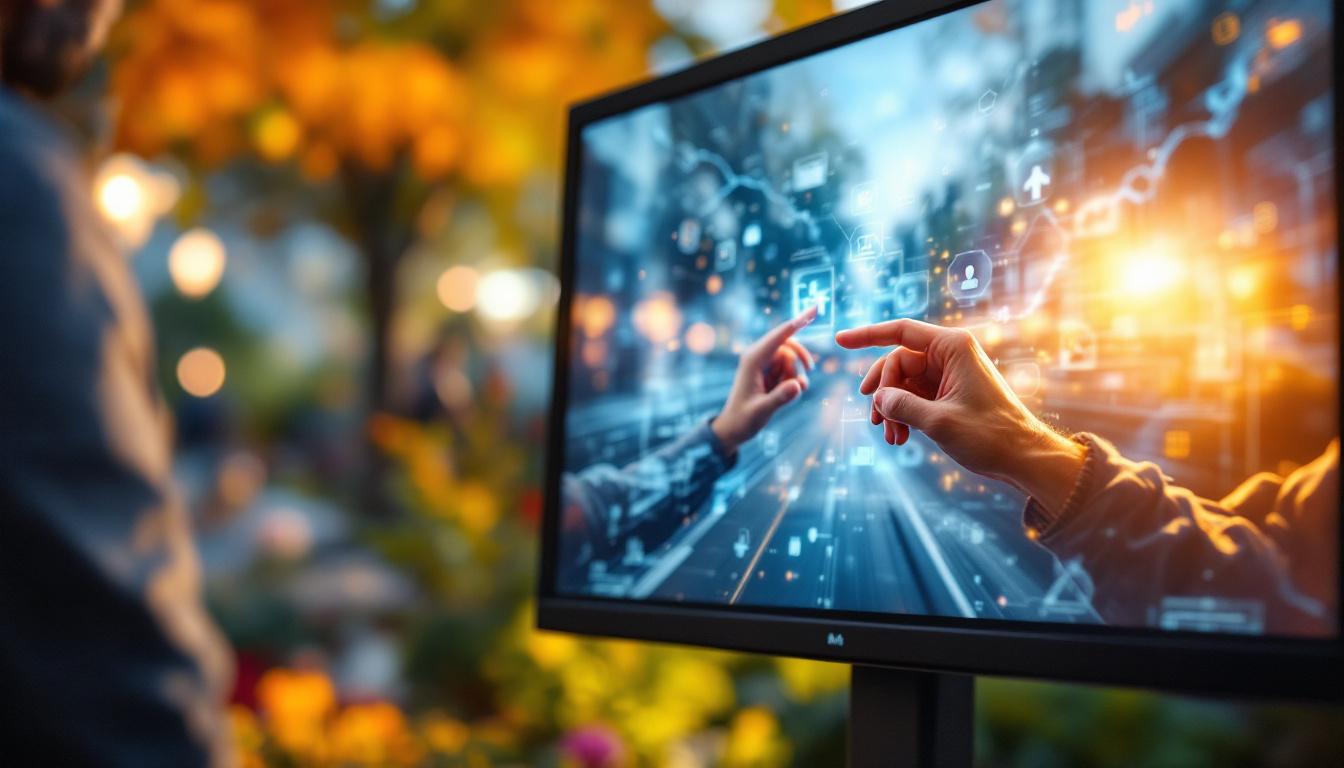
Many digital home organizers incorporate touch-sensitive LED screens, allowing users to interact directly with the display. This interactivity enables quick editing of schedules, adding notes, or checking off completed tasks without needing a separate device.
The responsiveness and clarity of LED touchscreens contribute to a seamless user experience, encouraging consistent use and engagement with the organizer.
Customization and Personalization
LED displays support a wide range of customizable interfaces. Users can select themes, adjust font sizes, and organize information layouts to suit their preferences. The vivid color range and sharp resolution of LED screens make these customizations visually appealing and easy to navigate.
Personalization extends to displaying family photos or motivational quotes, turning the organizer into a multifunctional device that enhances the home environment beyond simple task management.
Choosing the Right Digital Home Organizer Screen
Screen Size and Resolution
The size of the LED display is a crucial factor depending on the intended location and usage. Larger screens (10 inches or more) are ideal for communal areas where multiple people need to view the information simultaneously. Smaller screens may suffice for individual rooms or offices.
Resolution affects clarity; higher resolution screens provide sharper text and images, which is especially important for detailed calendar views or photo displays. A minimum of 720p HD resolution is recommended for comfortable viewing.
Connectivity Options
Since digital home organizers rely on syncing data from various sources, connectivity is vital. Most devices support Wi-Fi and Bluetooth, enabling seamless integration with smartphones, tablets, and smart home systems.
Some advanced models also offer compatibility with voice assistants like Amazon Alexa or Google Assistant, allowing hands-free control and updates via voice commands.
Durability and Design
Because these devices are often placed in high-traffic areas such as kitchens, durability is important. LED screens with protective glass or anti-glare coatings can withstand daily use and maintain visibility in bright or reflective environments.
The design should complement home decor, with options ranging from sleek modern frames to more traditional styles. A well-designed organizer not only functions effectively but also enhances the aesthetic appeal of the space.
Future Trends in LED Digital Home Organizer Screens
Integration with Smart Home Ecosystems
The future of digital home organizers lies in deeper integration with smart home devices. LED displays will increasingly serve as control centers for lighting, security cameras, thermostats, and entertainment systems, providing a unified interface for managing the entire household.
This convergence will enhance convenience and efficiency, allowing users to monitor and control multiple aspects of their home environment from a single screen.
Advanced Display Technologies
Emerging display technologies such as microLED and flexible OLED panels promise to revolutionize digital home organizer screens. MicroLED offers even greater brightness, energy efficiency, and durability, while flexible OLEDs could enable curved or foldable displays that adapt to different spaces.
These advancements will provide more versatile and visually striking devices, further embedding digital organizers into daily life.
Artificial Intelligence and Predictive Assistance
Artificial intelligence (AI) integration is set to make digital home organizers more proactive. By analyzing user habits and schedules, AI-powered screens can suggest optimal times for appointments, remind users of deadlines, and even anticipate household needs such as restocking groceries.
Combined with LED displays’ clarity and responsiveness, AI will transform these devices from passive information boards into intelligent assistants.
Conclusion
Digital home organizer screens equipped with LED displays represent a significant advancement in household management technology. Their bright, energy-efficient screens provide clear, real-time information that helps families stay organized and connected. Understanding the underlying LED technology and its benefits allows consumers to make informed choices when selecting a device that fits their lifestyle.
As display technologies and smart home integration continue to evolve, digital home organizers will become even more indispensable, blending functionality with style to enhance everyday living.
Explore the Future of Home Organization with LumenMatrix
Ready to elevate your home management experience with the latest in LED display technology? Discover how LumenMatrix’s innovative LED display solutions can transform your living space into a hub of efficiency and style. From the convenience of Indoor LED Wall Displays to the brilliance of Custom LED Displays, LumenMatrix offers a range of options to fit your unique needs. Don’t just stay organized—do it with flair and cutting-edge technology. Check out LumenMatrix LED Display Solutions today and step into the future of home organization.