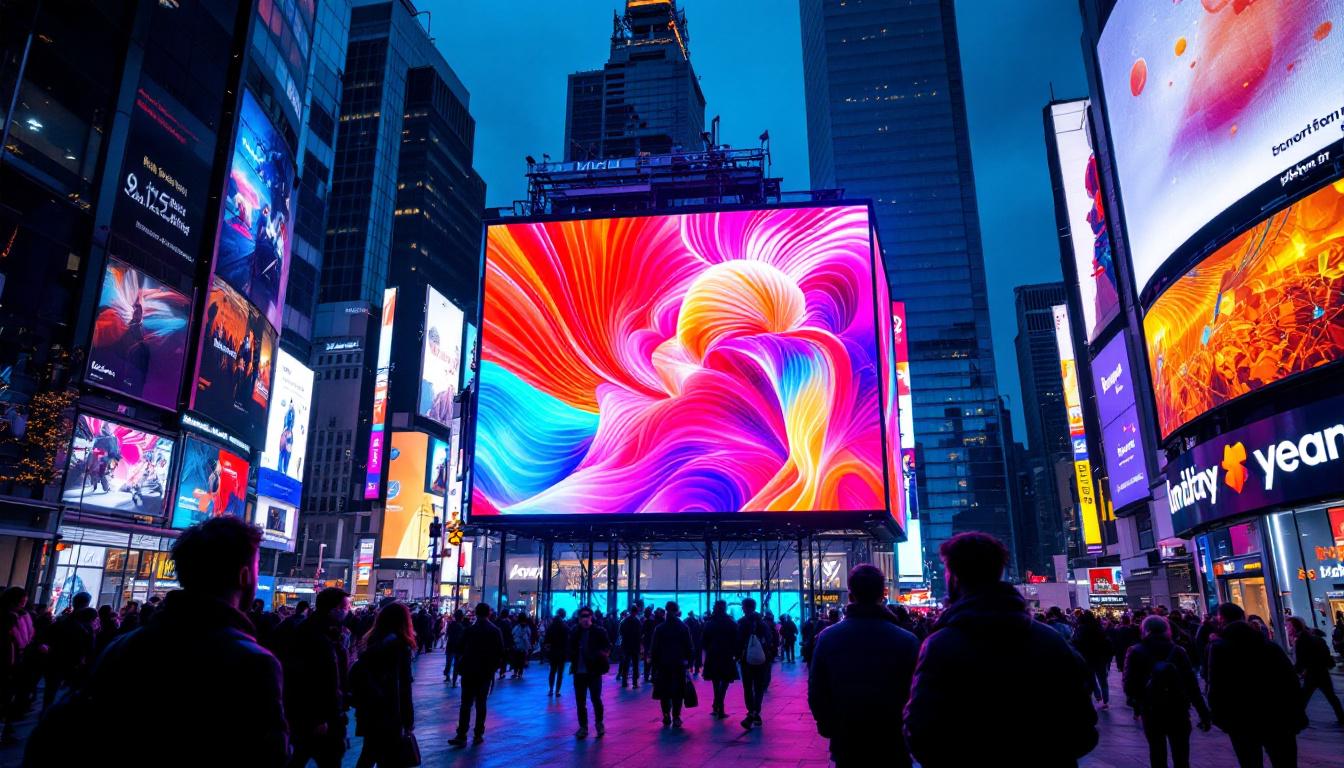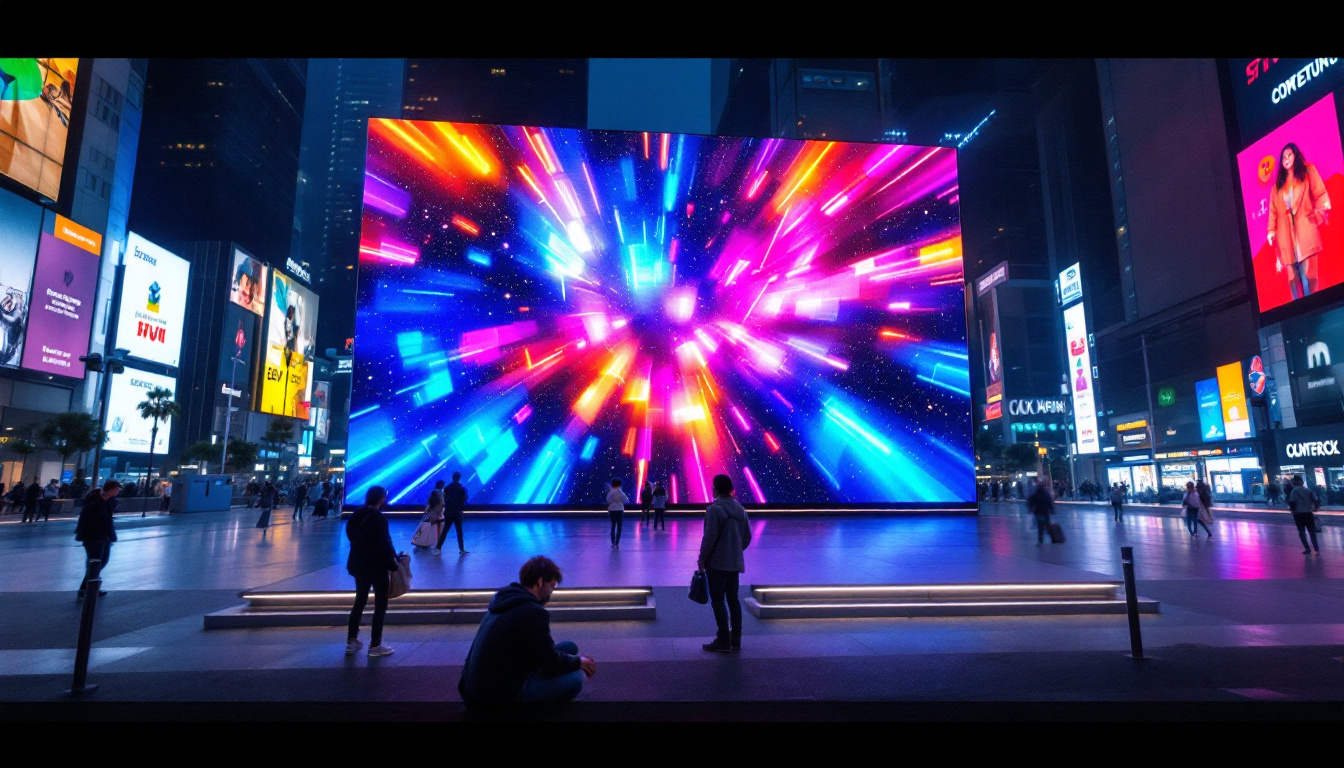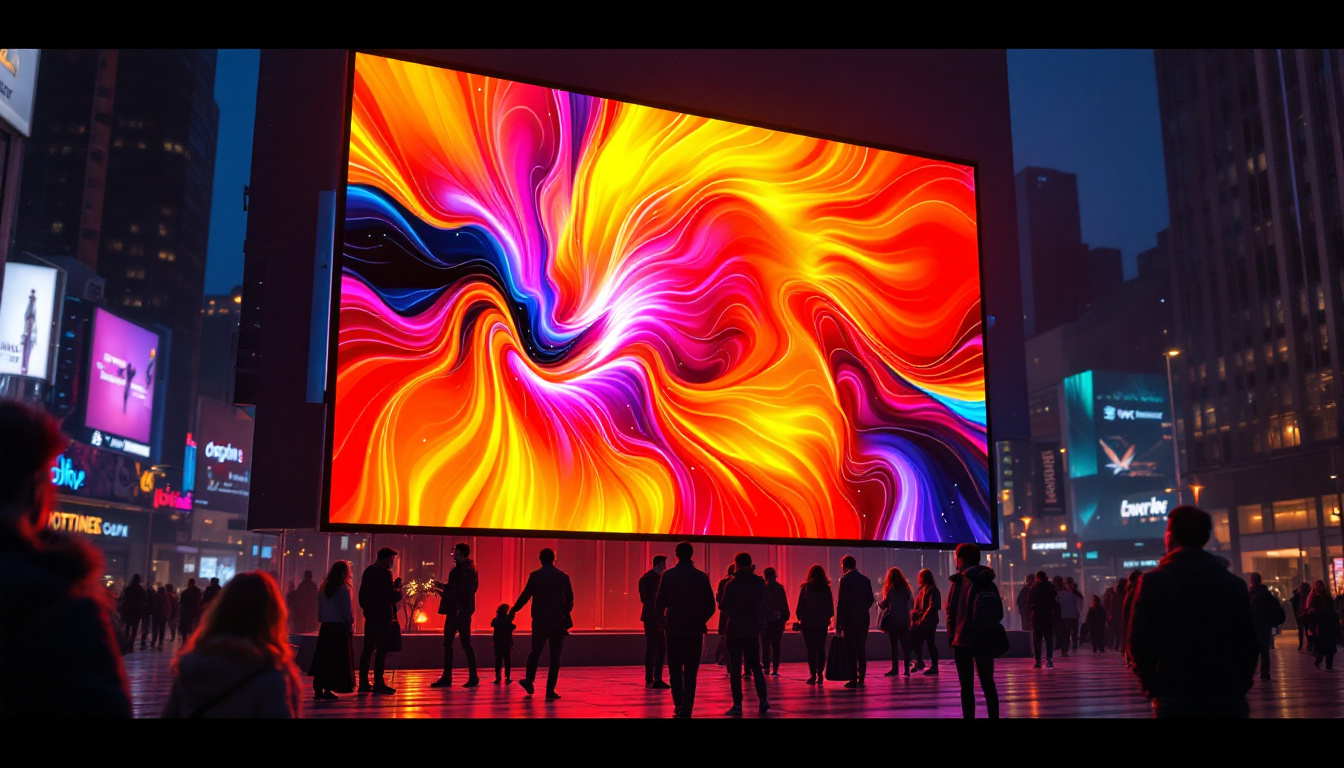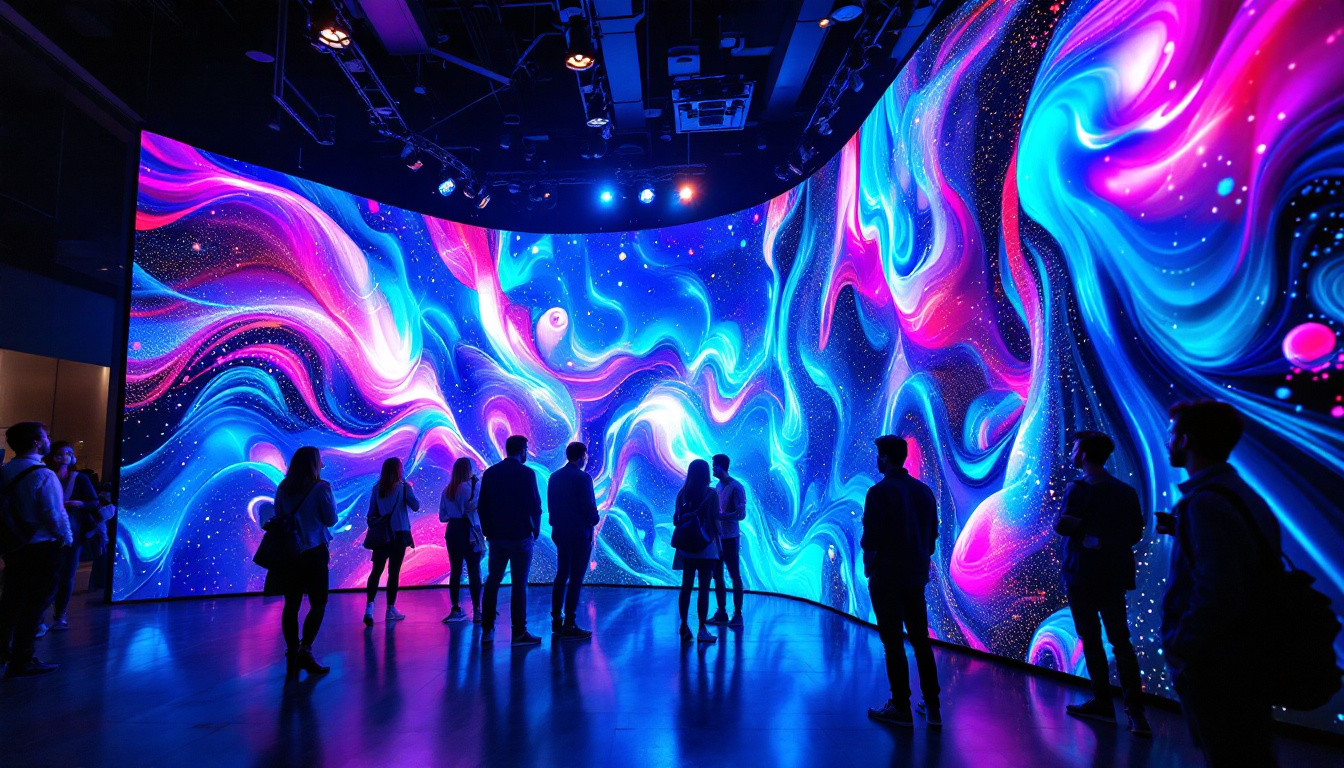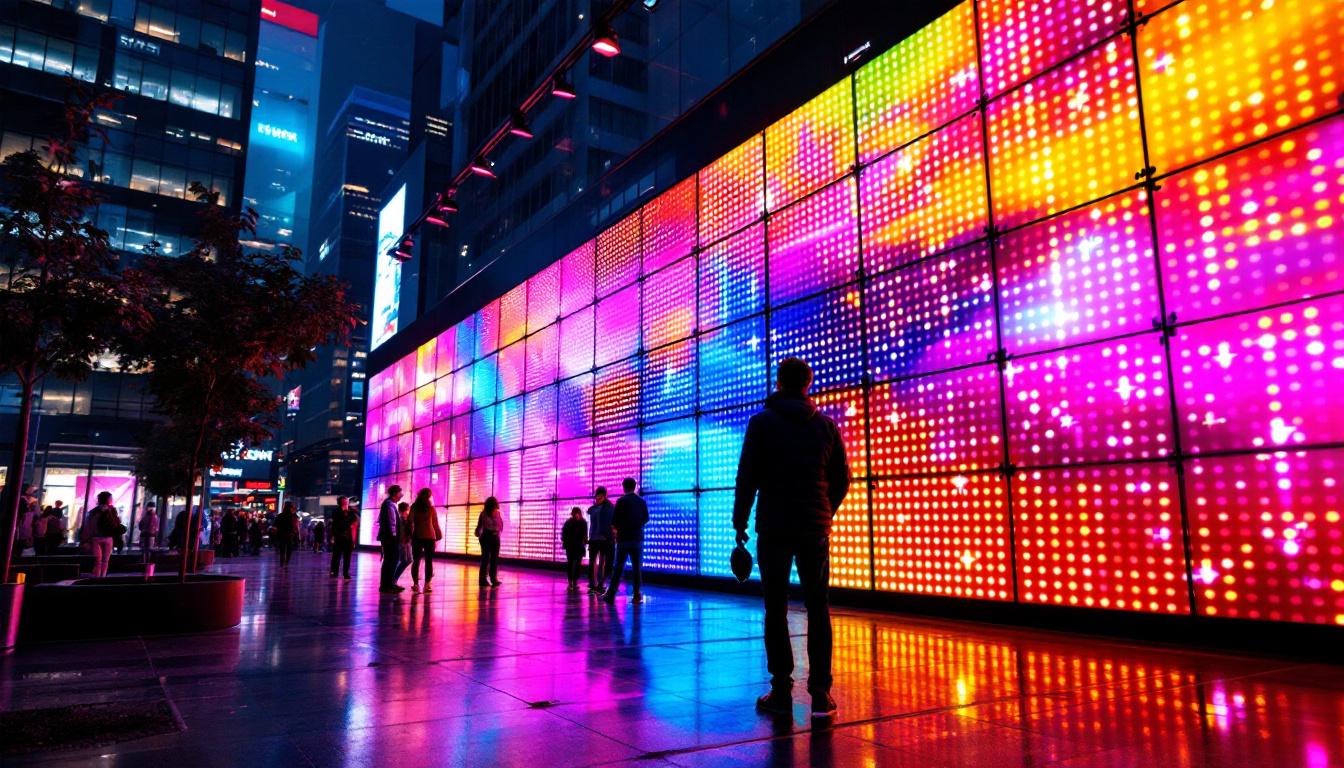
In today’s fast-paced world, outdoor touch monitors have become essential tools across numerous industries. From interactive kiosks in bustling city centers to digital signage in transportation hubs, these devices provide dynamic, user-friendly interfaces that withstand the challenges of outdoor environments. Central to their performance is the LED display technology, which ensures visibility, durability, and responsiveness under varying weather and lighting conditions.
This article delves into the intricacies of outdoor touch monitors with LED displays, exploring their technology, design considerations, and practical applications. Whether you are a business owner considering outdoor digital solutions or a technology enthusiast, understanding these elements will help you make informed decisions and appreciate the innovation behind these devices.
Understanding LED Display Technology in Outdoor Touch Monitors
What Makes LED Displays Ideal for Outdoor Use?
Light Emitting Diode (LED) technology has revolutionized display systems, particularly for outdoor applications. Unlike traditional LCDs, LED displays offer superior brightness, contrast, and energy efficiency, making them highly suitable for environments exposed to direct sunlight and varying weather conditions.
Outdoor LED displays typically feature brightness levels ranging from 1,000 to over 5,000 nits (candelas per square meter), compared to indoor displays that usually operate around 250 to 500 nits. This high brightness ensures that content remains visible even under intense sunlight, a critical factor for outdoor touch monitors that need to attract and engage users effectively. Additionally, many outdoor LED displays are designed with anti-glare and anti-reflective coatings, further enhancing visibility by reducing reflections and ensuring that the content is easily readable from various angles and distances.
Moreover, the durability of LED technology is a significant advantage in outdoor settings. These displays are often built with robust materials that can withstand harsh weather conditions, including rain, snow, and extreme temperatures. Many models come with IP ratings, indicating their level of protection against dust and moisture, which is essential for maintaining functionality in unpredictable outdoor environments. This resilience not only extends the lifespan of the monitors but also reduces maintenance costs, making them a practical choice for businesses and organizations that rely on consistent performance.
Types of LED Displays Used in Outdoor Monitors
There are primarily two types of LED display technologies employed in outdoor touch monitors: direct LED backlighting and OLED (Organic LED) panels. Direct LED backlighting uses an array of LEDs behind an LCD panel to illuminate the screen, providing high brightness and contrast. This method is common in rugged outdoor monitors due to its durability and cost-effectiveness. The modular design of these displays also allows for easy repairs and upgrades, making them a flexible option for businesses looking to adapt their technology as needs evolve.
OLED displays, while offering exceptional contrast and color accuracy, are less commonly used in outdoor monitors because they are more sensitive to moisture and UV exposure, factors that can degrade their lifespan. Instead, high-quality direct LED backlit LCDs remain the industry standard for most outdoor touch applications. Furthermore, advancements in LED technology have led to the development of fine-pitch LED displays, which provide higher resolution and pixel density, allowing for more detailed images and text. This makes them particularly appealing for applications such as advertising, wayfinding, and interactive kiosks, where clarity and engagement are paramount. As the technology continues to evolve, we can expect to see even more innovative solutions that enhance the functionality and versatility of outdoor touch monitors.
Key Features and Design Considerations for Outdoor Touch Monitors
Brightness and Anti-Glare Technologies
Brightness is the cornerstone of outdoor display effectiveness. Monitors designed for outdoor use must overcome glare caused by sunlight reflecting off the screen surface. Manufacturers often incorporate anti-glare coatings and optical bonding techniques to reduce reflections and enhance readability.
Optical bonding involves laminating a protective glass layer directly to the display panel, eliminating the air gap that causes internal reflections. This not only improves contrast and visibility but also strengthens the display against impacts and environmental stress. Furthermore, some advanced models utilize high-brightness LED backlighting that can reach up to 3000 nits, ensuring that the display remains visible even in direct sunlight. This level of brightness is particularly beneficial for applications such as outdoor advertising or interactive kiosks, where clear visibility is crucial for user engagement.
Touchscreen Durability and Responsiveness
Outdoor touch monitors must deliver reliable touch responsiveness despite exposure to rain, dust, and temperature fluctuations. Capacitive touch technology is widely preferred due to its sensitivity and multi-touch capabilities. However, it requires conductive input, such as a finger or specialized stylus.
To ensure durability, the touch surface is usually made from hardened, chemically strengthened glass, often rated with an IP65 or higher ingress protection certification. This guarantees resistance to water jets and dust ingress, critical for maintaining functionality in harsh outdoor settings. Additionally, some manufacturers offer screens with anti-vandal features, such as reinforced glass or protective grilles, which are essential in high-traffic areas where the risk of damage is elevated. The responsiveness of these touchscreens is further enhanced by advanced algorithms that filter out false touches caused by rain or debris, ensuring that user interactions remain smooth and accurate.
Temperature and Weather Resistance
Outdoor monitors must operate reliably across a broad temperature range, often from -20°C to 60°C (-4°F to 140°F). To achieve this, manufacturers integrate advanced thermal management systems, including heat sinks, ventilation, and sometimes internal heating elements to prevent condensation and freezing.
Weatherproof enclosures made from corrosion-resistant materials such as aluminum or stainless steel protect internal components from rain, snow, and UV radiation. Additionally, conformal coatings on circuit boards prevent moisture damage, extending the device’s operational lifespan. In regions with extreme weather conditions, some models are equipped with integrated heating systems that keep the display operational even in freezing temperatures, while others may feature cooling systems to prevent overheating in direct sunlight. These features ensure that the monitors can function effectively in a variety of environments, from bustling urban centers to remote outdoor installations, thereby broadening their application scope and enhancing their reliability in the field.
Applications of Outdoor Touch Monitors with LED Displays
Public Information Kiosks and Wayfinding
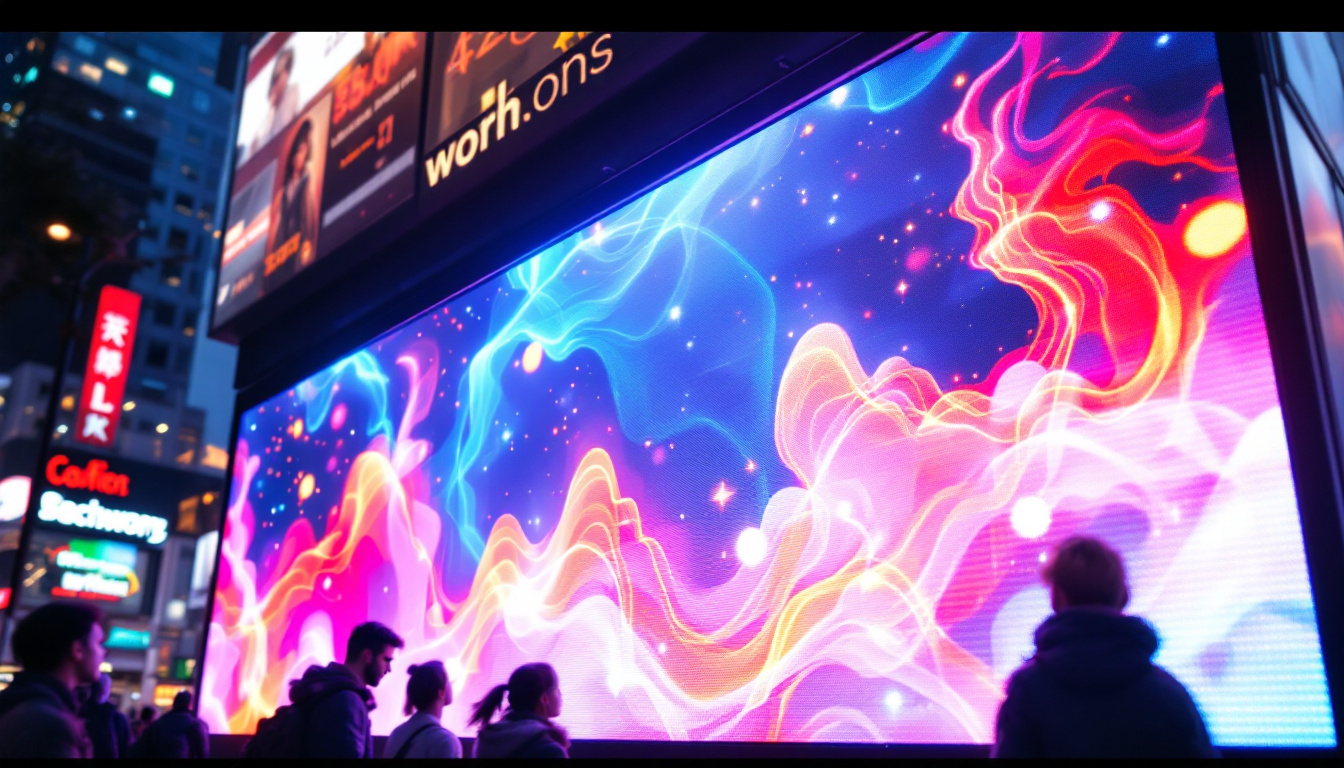
One of the most common uses of outdoor touch monitors is in public information kiosks. These interactive stations provide real-time information such as maps, transportation schedules, event details, and emergency alerts. The high visibility of LED displays ensures that users can access information quickly, regardless of weather or lighting conditions.
For example, urban centers worldwide have adopted outdoor touch kiosks to enhance tourism and commuter experiences. Cities like New York and London utilize these systems to provide multilingual support and accessibility features, making public spaces more inclusive and navigable.
Retail and Advertising
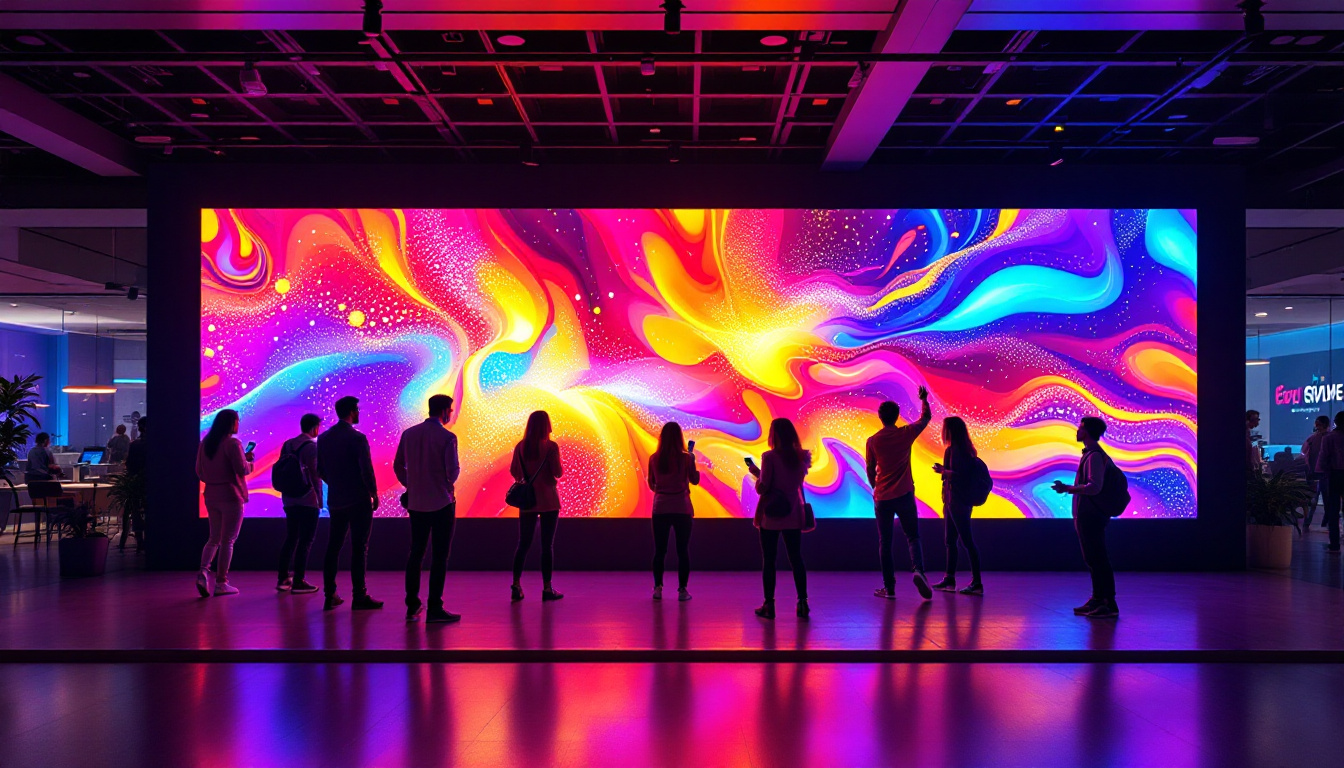
Retailers leverage outdoor touch monitors to engage customers with interactive advertisements, product catalogs, and promotional campaigns. The vibrant colors and brightness of LED displays attract attention, even from a distance, driving foot traffic and increasing sales opportunities.
Moreover, touch interactivity allows customers to customize their shopping experience, such as browsing inventory or locating items within a store. This blend of digital signage and user engagement is transforming traditional retail environments into immersive brand experiences.
Transportation and Ticketing Solutions
Transportation hubs, including bus stations, airports, and train terminals, utilize outdoor touch monitors for ticketing, scheduling, and passenger information systems. The reliability and clarity of LED displays ensure that travelers receive accurate information promptly, reducing confusion and improving overall service efficiency.
Contactless and touch-based ticketing kiosks equipped with LED displays have become especially important in the post-pandemic era, minimizing physical contact while maintaining ease of use.
Maintenance and Longevity of Outdoor LED Touch Monitors
Routine Cleaning and Calibration
Maintaining outdoor touch monitors involves regular cleaning to remove dirt, dust, and fingerprints that can impair touch sensitivity and display clarity. Using non-abrasive, anti-static cleaning solutions and microfiber cloths helps preserve the screen surface and anti-glare coatings.
Periodic calibration of touch sensors and display color accuracy ensures consistent performance. Many modern monitors include self-diagnostic tools that alert operators to maintenance needs, reducing downtime and repair costs.
Common Challenges and Troubleshooting
Despite robust designs, outdoor touch monitors can face issues such as screen burn-in, moisture ingress, and touch sensor malfunctions. Screen burn-in, caused by static images displayed for extended periods, can be mitigated by using screen savers or dynamic content rotation.
Moisture ingress, even with IP-rated enclosures, can occur if seals degrade over time. Regular inspection and timely replacement of gaskets and seals are essential preventive measures. Touch sensor issues often stem from environmental factors or hardware wear and may require professional servicing to restore full functionality.
Future Trends in Outdoor Touch Monitor Technology
Advancements in Display Brightness and Energy Efficiency
Emerging LED technologies promise even higher brightness levels with reduced power consumption. MicroLED displays, for instance, offer superior brightness and contrast with lower energy demands, potentially revolutionizing outdoor touch monitors by extending battery life in portable models and reducing operational costs.
Integration with IoT and Smart City Infrastructure
Outdoor touch monitors are increasingly integrated into Internet of Things (IoT) ecosystems, enabling real-time data exchange and remote management. Smart city initiatives utilize these displays to provide dynamic services such as environmental monitoring, public safety alerts, and personalized user interactions.
Such integration enhances the functionality and responsiveness of outdoor touch monitors, making them vital components in the digital transformation of urban environments.
Enhanced User Experience through AI and Gesture Control
Artificial intelligence (AI) and gesture recognition technologies are beginning to complement traditional touch interfaces. These advancements allow for contactless interaction, voice commands, and adaptive content delivery based on user behavior and preferences, improving accessibility and hygiene.
As these technologies mature, outdoor touch monitors will offer more intuitive and engaging experiences, catering to diverse user needs and scenarios.
Conclusion
Outdoor touch monitors equipped with LED displays represent a convergence of durability, visibility, and interactivity tailored for challenging environments. Their design balances technical innovation with practical considerations, ensuring reliable performance in diverse applications ranging from public information to retail and transportation.
Understanding the technology behind LED displays, the importance of environmental resilience, and the evolving trends in this field empowers businesses and organizations to deploy effective outdoor digital solutions. As LED technology continues to advance, outdoor touch monitors will become even more versatile and integral to the connected world.
Explore Cutting-Edge LED Solutions with LumenMatrix
Ready to elevate your outdoor digital experience? LumenMatrix is at the forefront of LED display innovation, offering a wide array of solutions that bring your content to life. From vibrant Outdoor LED Wall Displays to interactive Floor LED Displays, our products are designed to captivate and engage your audience in any environment. Embrace the future of visual communication with LumenMatrix and transform your space into a dynamic, visually stunning experience. Check out LumenMatrix LED Display Solutions today and see the difference for yourself.