Track lighting has long been a popular choice for both residential and commercial spaces, prized for its flexibility and modern aesthetic. However, with the rapid advancement of lighting technology—especially the rise of LED displays and smart lighting systems—many wonder if track lighting is becoming outdated. This article explores the current status of track lighting, its evolution with LED technology, and how it compares to emerging lighting solutions in the market.
The Evolution of Track Lighting: From Halogen to LED
Track lighting was initially designed to offer adjustable, directional lighting that could be easily repositioned to highlight artwork, architectural features, or workspaces. For decades, halogen bulbs were the standard choice, delivering bright, focused light but at the cost of high energy consumption and heat output. This made halogen fixtures less than ideal for certain applications, particularly in spaces where heat buildup could be detrimental, such as galleries or retail environments where merchandise could be damaged by excessive warmth.
The introduction of LED (Light Emitting Diode) technology revolutionized track lighting. LEDs consume up to 80% less energy than halogens and have a much longer lifespan—often exceeding 25,000 hours compared to halogen’s 2,000 to 4,000 hours. This shift not only made track lighting more energy-efficient but also significantly reduced maintenance costs. Additionally, the lower heat output of LEDs means that they can be used in a wider variety of settings without the risk of overheating, allowing for more creative and flexible lighting designs.
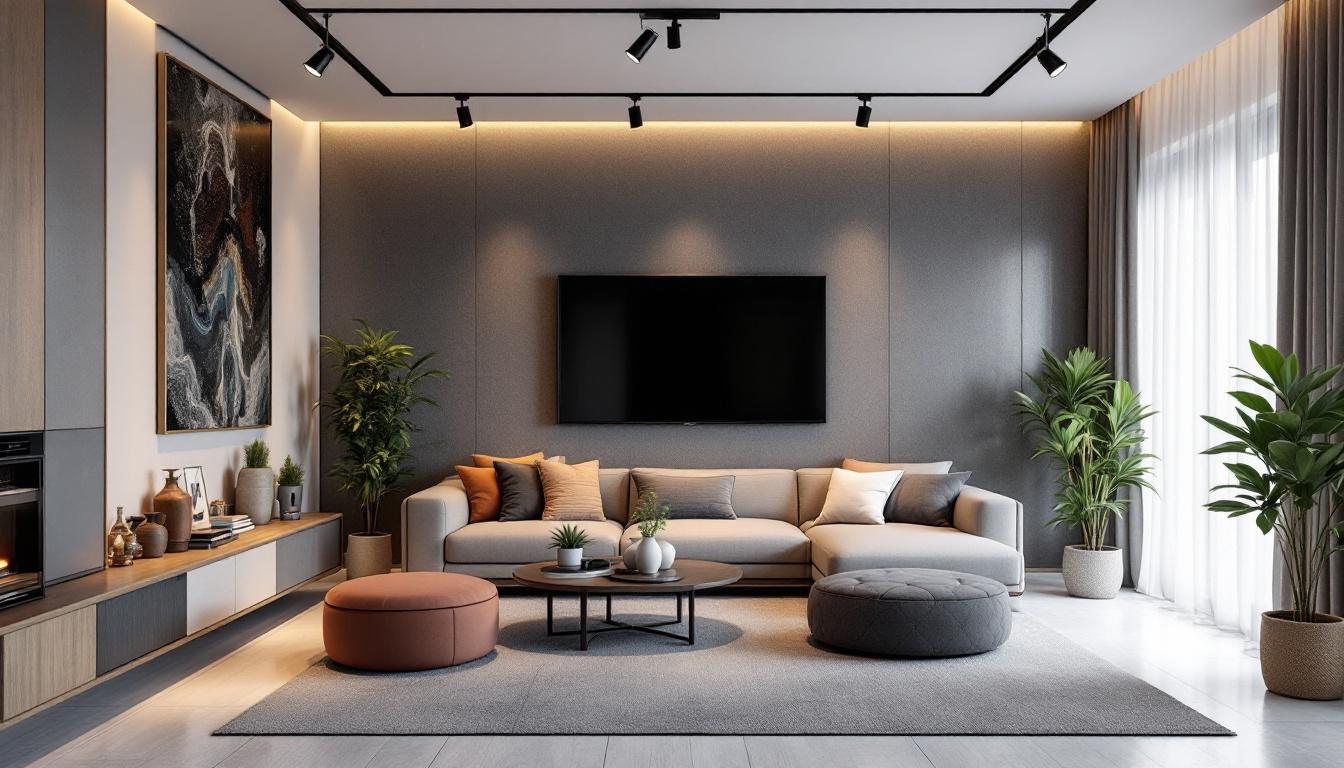
Modern LED track lighting fixtures now come with a variety of color temperatures, dimming capabilities, and beam angles, making them highly versatile. The ability to tailor lighting to specific needs has kept track lighting relevant, especially in retail, galleries, and hospitality sectors where ambiance and focus are critical. Furthermore, the aesthetic appeal of LED track lighting has evolved, with sleek designs and customizable options that can seamlessly integrate into modern interior decor, enhancing both functionality and style.
Statistics Highlighting LED Track Lighting Adoption
According to a 2023 report by the U.S. Department of Energy, LED lighting accounted for more than 70% of all lighting sales in the commercial sector, with track lighting being a significant segment of this market. The report also noted that LED track lighting installations have increased by 15% annually over the past five years, indicating sustained demand despite the emergence of other lighting technologies. This growth is further fueled by the increasing awareness of sustainability and energy efficiency among consumers and businesses alike, prompting a shift towards eco-friendly lighting solutions.
Moreover, advancements in smart lighting technology have further enhanced the appeal of LED track lighting. Many modern fixtures now offer compatibility with smart home systems, allowing users to control lighting through mobile apps or voice commands. This integration not only provides convenience but also enables users to create dynamic lighting scenes that can adapt to various activities or moods. As the demand for smart and adaptable lighting solutions continues to rise, LED track lighting is poised to play a pivotal role in shaping the future of interior illumination.
Advantages of LED Track Lighting in Contemporary Spaces
One of the primary reasons LED track lighting remains popular is its adaptability. Unlike fixed ceiling fixtures, track lighting allows users to direct light precisely where it is needed. This makes it ideal for dynamic environments where lighting needs change frequently. For instance, in a gallery setting, track lights can be adjusted to highlight specific artworks, creating an inviting atmosphere that draws visitors in. Similarly, in retail spaces, the ability to shift the focus of light can enhance product displays and influence customer behavior, making track lighting a strategic choice for enhancing sales.
Additionally, LED track lighting offers superior energy efficiency and environmental benefits. With global energy consumption from lighting accounting for approximately 15% of total electricity use, switching to LED track lighting can contribute significantly to reducing carbon footprints. The longevity of LED bulbs, which can last up to 25,000 hours or more, further reduces waste and the need for frequent replacements. This not only saves on maintenance costs but also minimizes the environmental impact associated with manufacturing and disposing of traditional incandescent or fluorescent bulbs.
From a design perspective, LED track lighting supports a minimalist and modern aesthetic. The slim profiles and sleek finishes available today blend seamlessly into various interior styles, from industrial lofts to contemporary offices. This versatility allows homeowners and designers to create cohesive looks that are both functional and visually appealing. Moreover, the ability to customize track configurations means that lighting can be tailored to fit unique architectural features, enhancing the overall design of a space.
Enhanced Control and Smart Integration
Many LED track lighting systems now integrate with smart home and building management systems. Features such as wireless dimming, color tuning, and scheduling can be controlled via smartphone apps or voice assistants. This level of control enhances user experience and can lead to further energy savings by optimizing lighting use throughout the day. For example, users can program their track lighting to gradually brighten in the morning, simulating a natural sunrise, which can help improve mood and productivity. Additionally, the ability to change color temperatures can create different ambiances for various activities, such as warm tones for relaxation or cooler tones for focused work.
Furthermore, smart integration often includes compatibility with motion sensors, which can automatically adjust lighting based on occupancy. This not only enhances convenience but also contributes to energy conservation, as lights can be set to turn off when a room is unoccupied. As technology continues to advance, the potential for LED track lighting to evolve into even more sophisticated systems becomes increasingly apparent, making it an exciting choice for those looking to future-proof their lighting solutions.
Comparing Track Lighting to Emerging LED Display Technologies
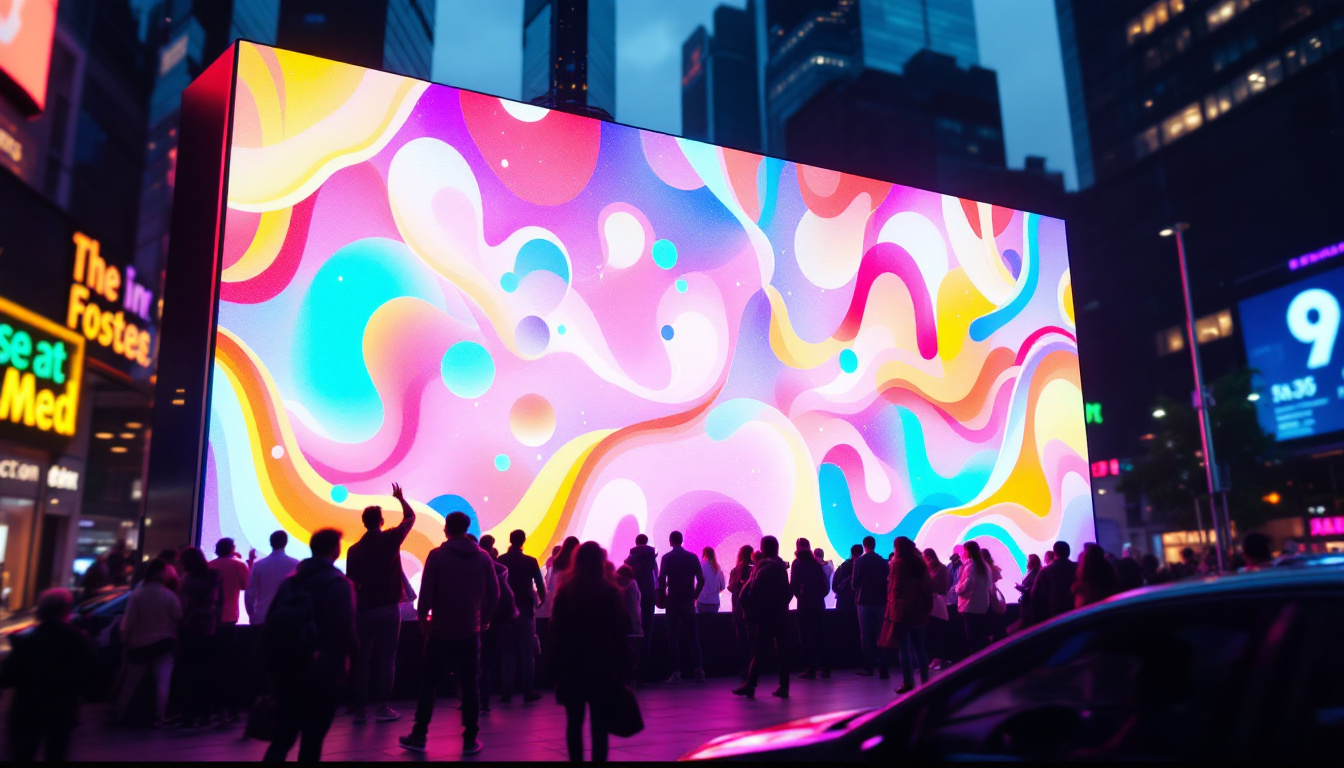
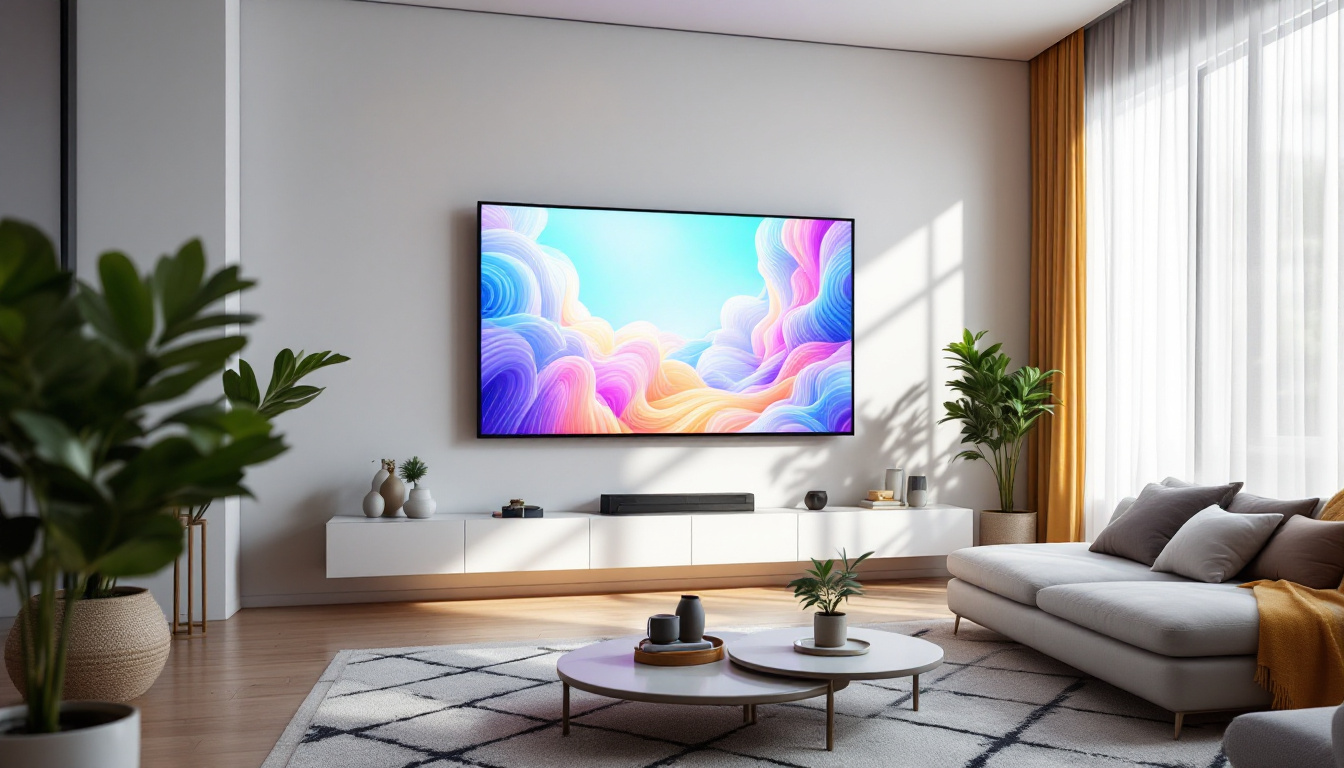
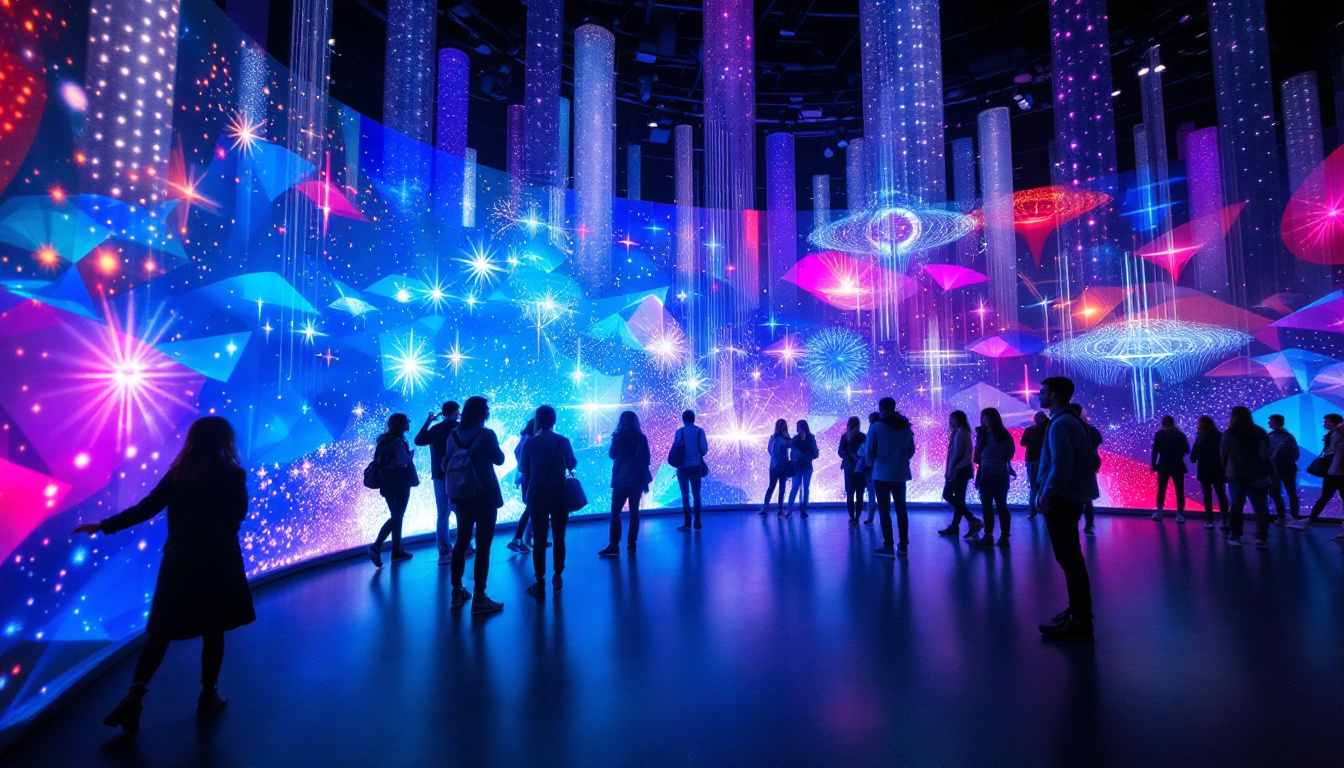
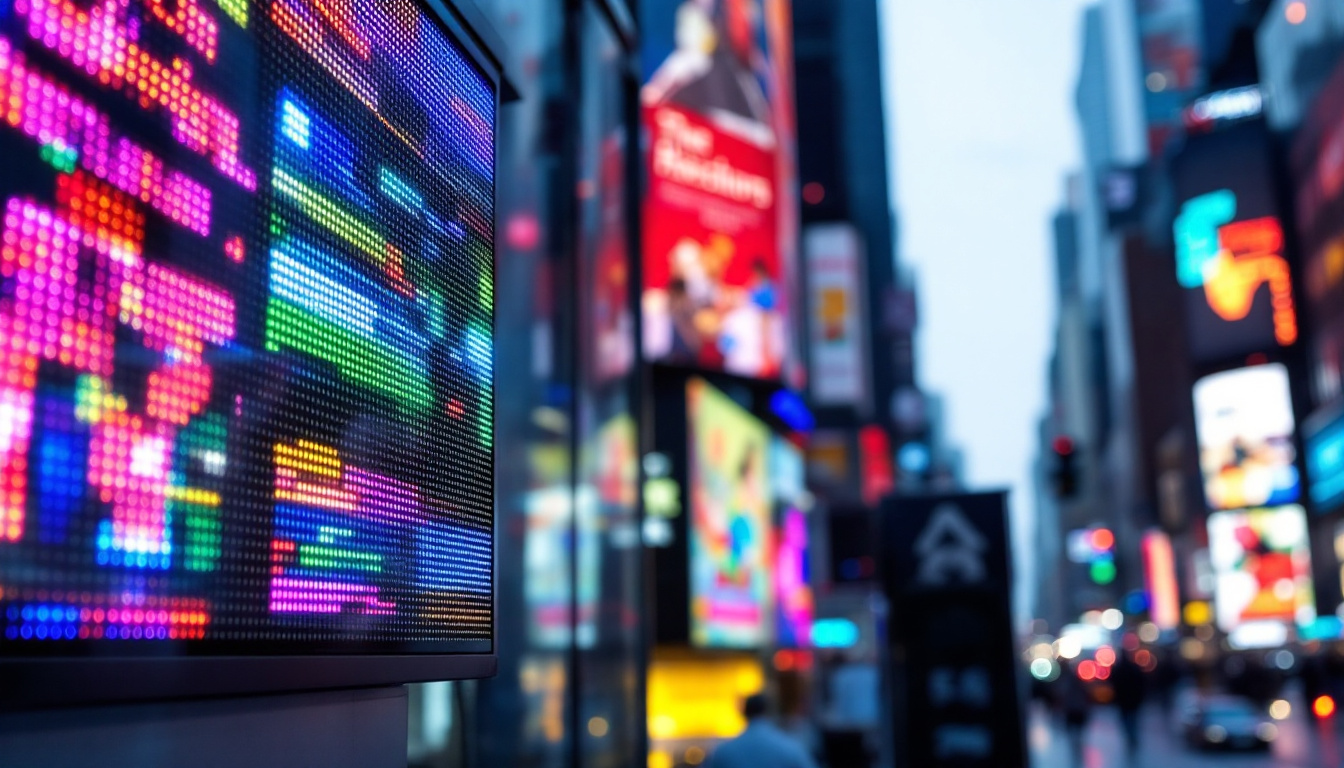
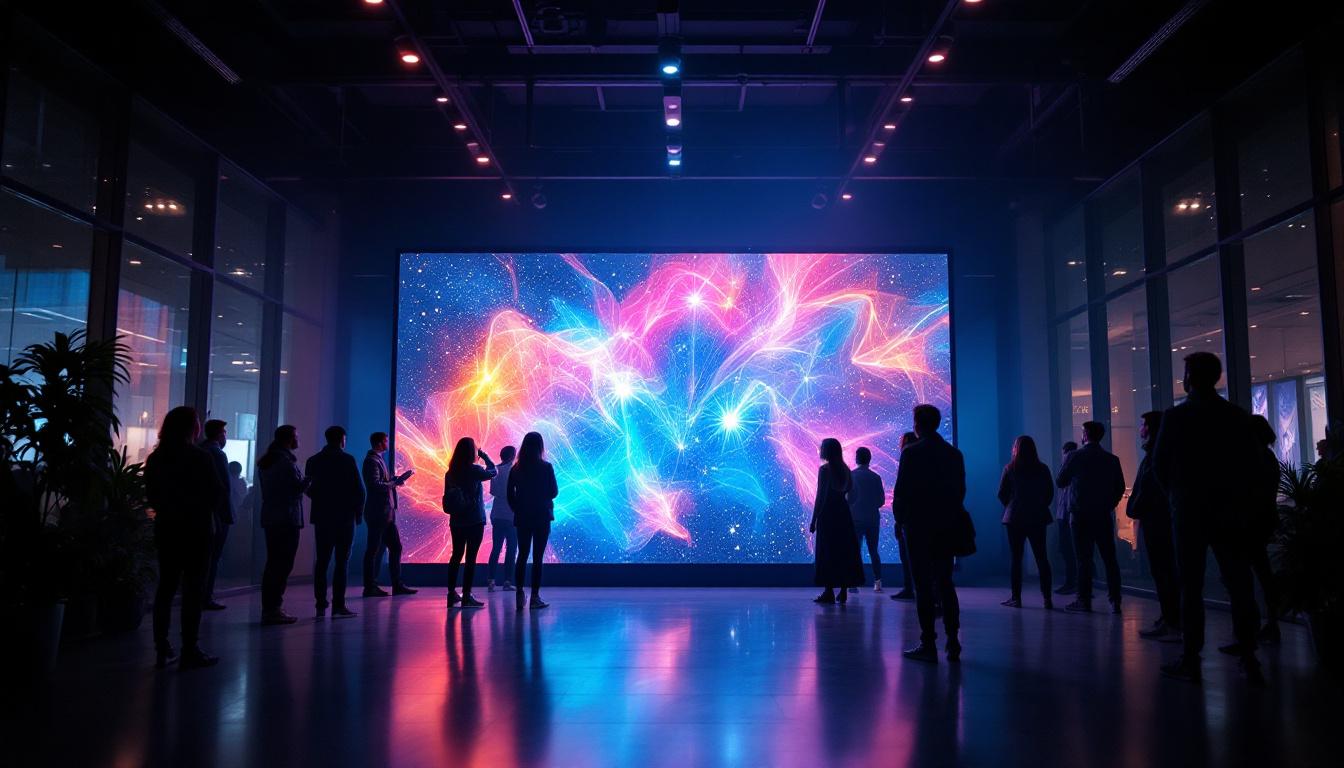
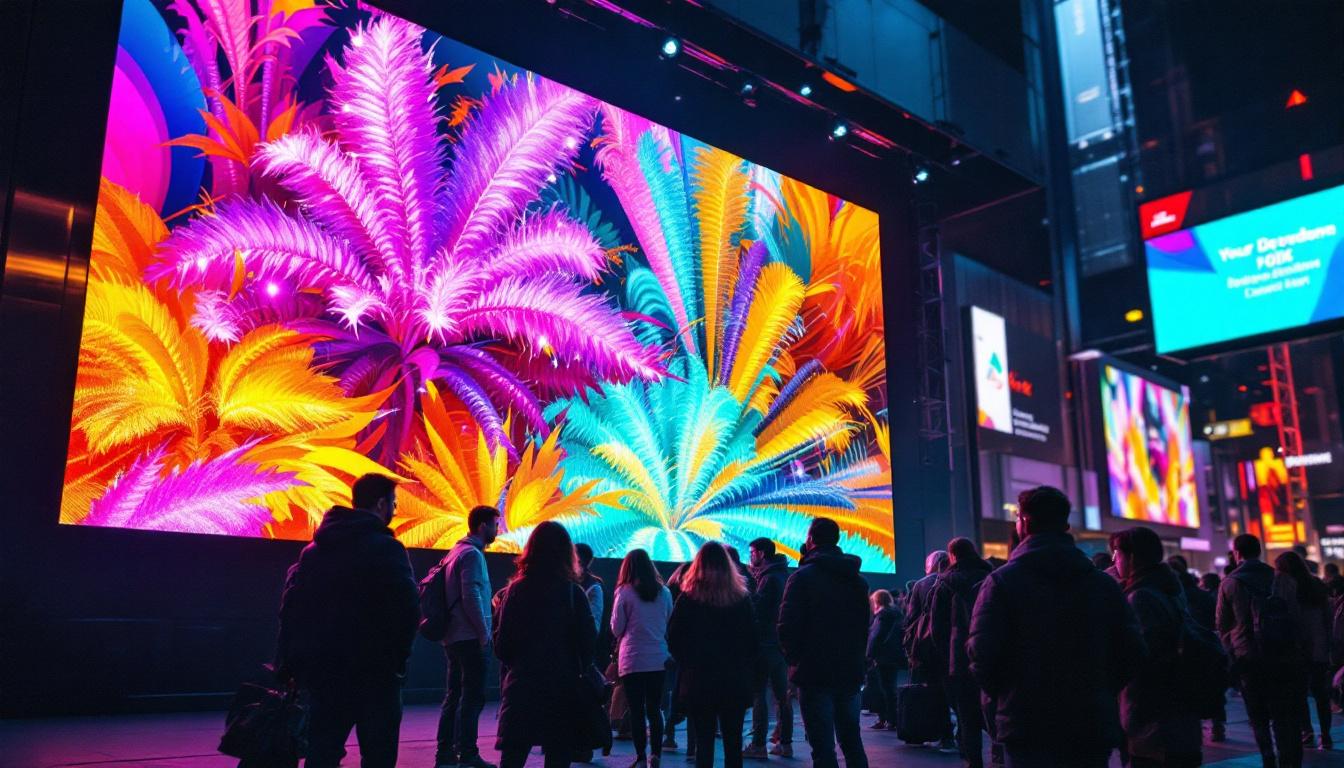
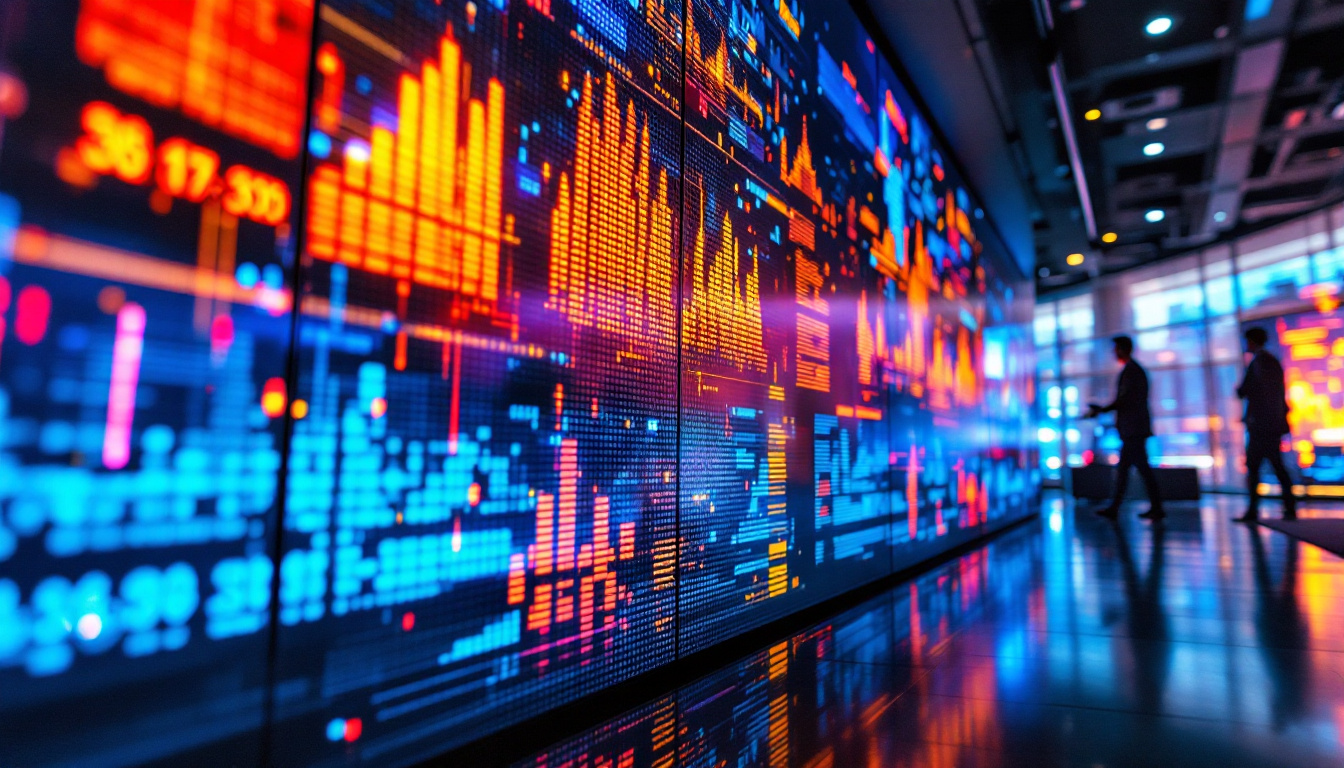
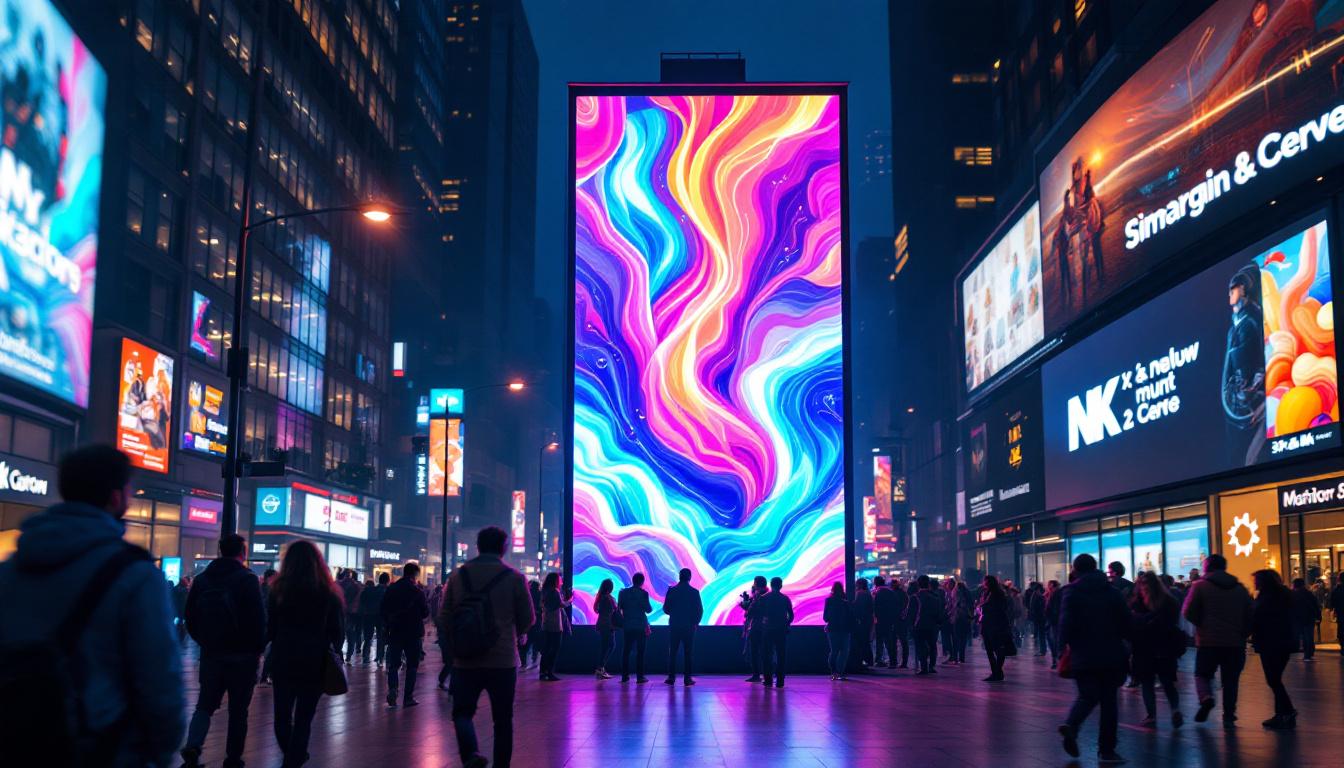
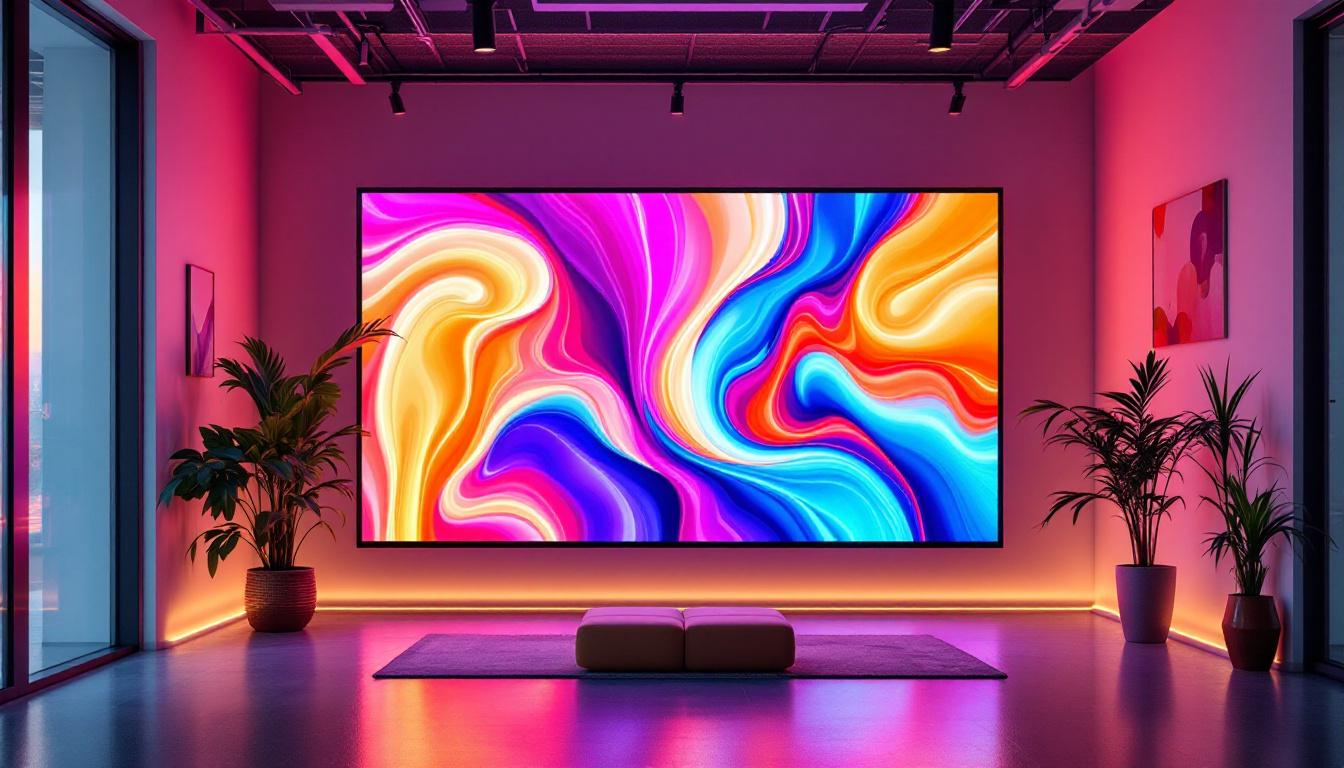
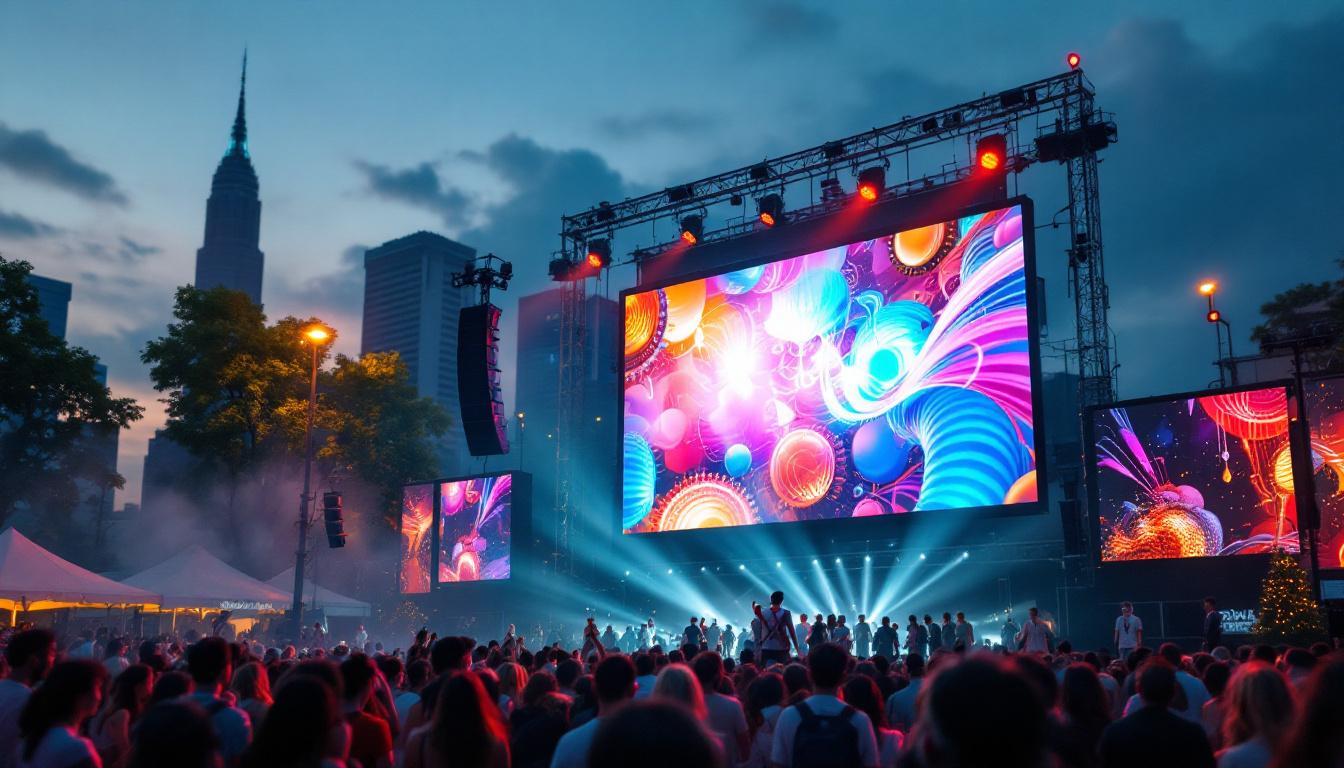
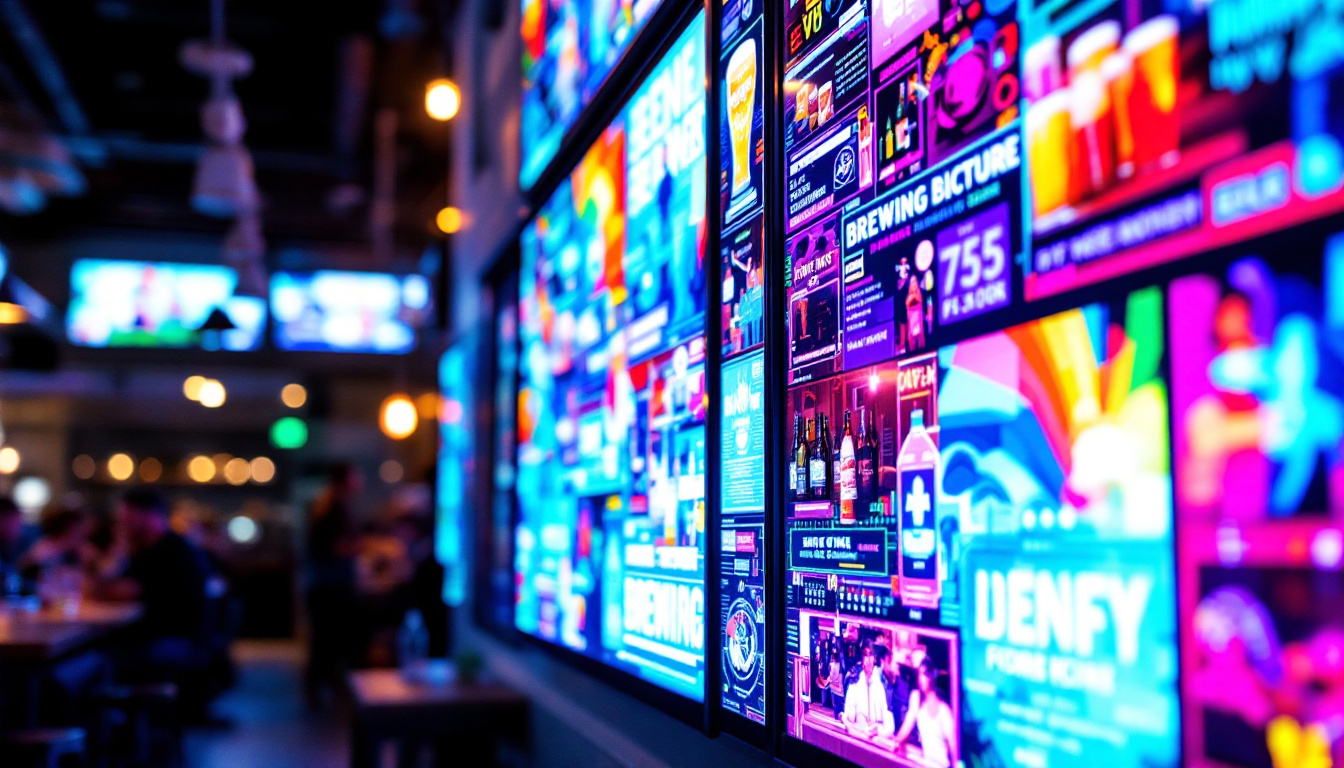
While LED track lighting excels in directional illumination, the rise of LED display panels and embedded lighting solutions presents new opportunities and challenges. LED displays, including video walls and digital signage, are increasingly used in commercial and public spaces to provide dynamic visual content alongside illumination. These displays not only serve as a source of light but also as a canvas for creativity, allowing businesses to engage customers through captivating visuals and interactive content.
These LED displays offer vibrant colors, high brightness, and the ability to change content instantly, which track lighting cannot replicate. For businesses focused on advertising or interactive experiences, LED displays provide a multifunctional solution that combines lighting with communication. The integration of motion graphics and real-time updates can transform a static environment into a lively space, drawing in foot traffic and enhancing customer engagement. Moreover, the versatility of LED displays allows for customization, enabling businesses to tailor their messages to specific audiences or events, thereby maximizing impact.
Where Track Lighting Still Holds an Edge
Despite the advantages of LED displays, track lighting remains unmatched for task lighting and accentuating physical objects. LED displays emit light primarily for visual content, whereas track lighting provides focused illumination that enhances spatial perception and ambiance. The ability to adjust the angle and intensity of track lighting fixtures allows for precise control over how light interacts with surfaces, making it an ideal choice for spaces where detail and clarity are paramount.
For example, art galleries rely on track lighting to highlight paintings without causing glare or color distortion—something LED displays cannot achieve. Similarly, in retail, track lighting helps create mood and directs customer attention to merchandise effectively. In restaurants, track lighting can be used to create intimate dining experiences by illuminating tables while keeping surrounding areas dimmer. This nuanced approach to lighting not only enhances the aesthetic appeal of the space but also influences customer behavior, encouraging longer visits and increased spending. Furthermore, as track lighting technology continues to evolve, incorporating smart controls and energy-efficient LEDs, it remains a relevant and powerful tool for designers and business owners alike.
Is Track Lighting Outdated? A Balanced Perspective
Declaring track lighting outdated overlooks its ongoing evolution and adaptability. Rather than being replaced, track lighting has integrated LED technology to remain a relevant and valuable lighting solution. Its flexibility, energy efficiency, and design appeal continue to meet the needs of diverse environments.
That said, the lighting industry is moving towards more integrated, intelligent systems that combine illumination with digital technologies. Track lighting manufacturers are responding by offering smart-enabled fixtures and hybrid systems that incorporate LED displays for enhanced functionality.
Future Trends Impacting Track Lighting
Emerging trends such as human-centric lighting, which adjusts color temperature and intensity based on circadian rhythms, are influencing track lighting design. Additionally, advances in miniaturization and wireless power delivery may lead to even more streamlined and versatile track lighting solutions.
Furthermore, sustainability remains a key driver. The use of recyclable materials, improved energy efficiency, and integration with renewable energy sources will shape the future of track lighting and LED displays alike.
Conclusion: Choosing the Right Lighting Solution for Your Space
When deciding whether track lighting is the right choice, consider the specific functional and aesthetic needs of your space. LED track lighting offers unmatched flexibility, energy savings, and design versatility, making it a strong contender for many applications.
For spaces requiring dynamic visual content or interactive elements, LED display technology may complement or even replace traditional lighting. However, for focused illumination and accent lighting, track lighting remains a superior option.
Ultimately, the best lighting strategy may involve a combination of technologies, leveraging the strengths of both LED track lighting and LED displays to create an engaging, efficient, and future-proof environment.
Discover the Future of Lighting with LumenMatrix
As you consider elevating the lighting design of your space, LumenMatrix stands at the forefront of LED innovation, ready to transform your environment with our advanced LED display solutions. From captivating Indoor and Outdoor LED Wall Displays to dynamic Vehicle and Sports LED Displays, our offerings are designed to meet your unique needs. Experience the synergy of aesthetics and functionality with our LED Poster Displays, Floor LED Displays, and Custom LED Solutions. Embrace the revolution in visual communication and let LumenMatrix help you create an immersive experience that resonates with your audience. Check out LumenMatrix LED Display Solutions today and step into a world where light meets imagination.