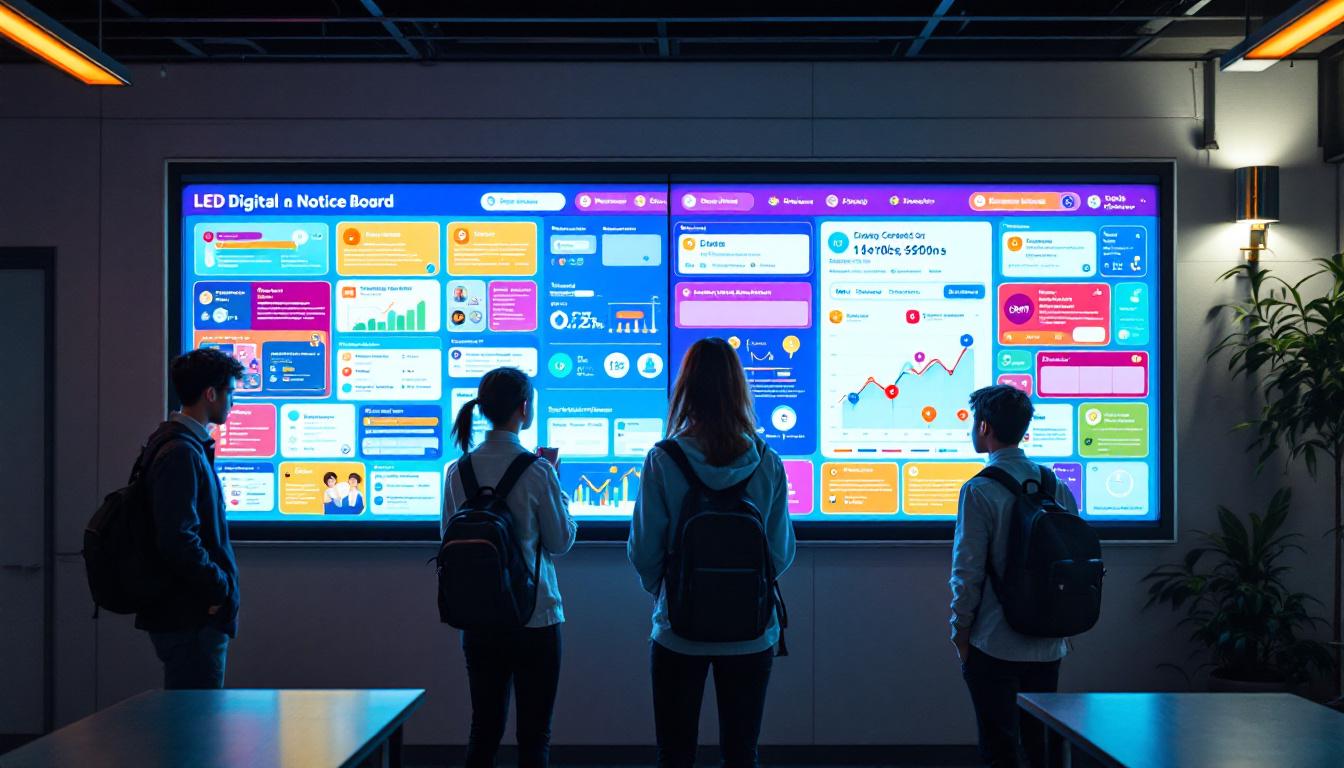
In today’s fast-evolving educational landscape, communication plays a pivotal role in fostering a connected and informed school community. Traditional notice boards, once the cornerstone of school announcements, are rapidly being replaced by digital notice boards powered by LED display technology. These modern solutions offer dynamic, engaging, and real-time communication that benefits students, staff, and visitors alike.
This article delves into the world of digital notice boards for schools, focusing on LED displays. It explains how they work, their advantages, practical applications, and key considerations for schools looking to upgrade their communication infrastructure.
Understanding LED Displays: The Technology Behind Digital Notice Boards
What Is an LED Display?
LED stands for Light Emitting Diode. An LED display is a flat panel that uses an array of tiny LEDs to produce images, text, and videos. These displays are known for their brightness, energy efficiency, and long lifespan, making them ideal for both indoor and outdoor use.
Unlike LCD screens, which rely on backlighting, LED displays emit their own light, which results in better contrast and visibility even in direct sunlight. This feature is particularly beneficial for schools that want to install outdoor notice boards or place indoor screens in brightly lit areas. The vibrant colors and sharp images produced by LED technology can capture the attention of students and staff alike, making important announcements more engaging and effective.
Moreover, the durability of LED displays means they can withstand the rigors of daily school life. With minimal maintenance required, schools can focus their resources on educational initiatives rather than on replacing outdated display technologies. This reliability is essential in an environment where timely communication is key to fostering a well-informed community.
Types of LED Displays Suitable for Schools
Schools can choose from various types of LED displays depending on their needs:
- Indoor LED Displays: Designed for classrooms, hallways, and auditoriums, these displays offer high resolution and vivid color reproduction. They are typically smaller and optimized for close viewing distances.
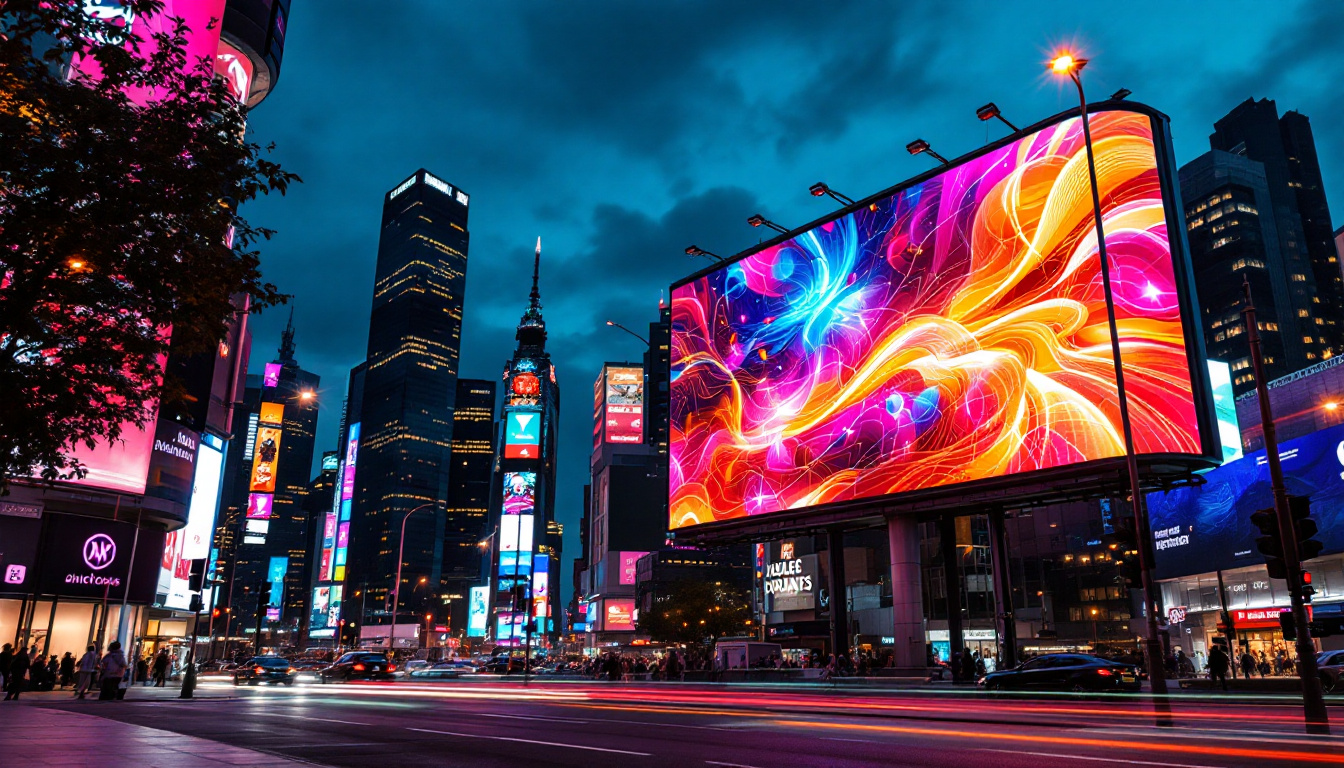
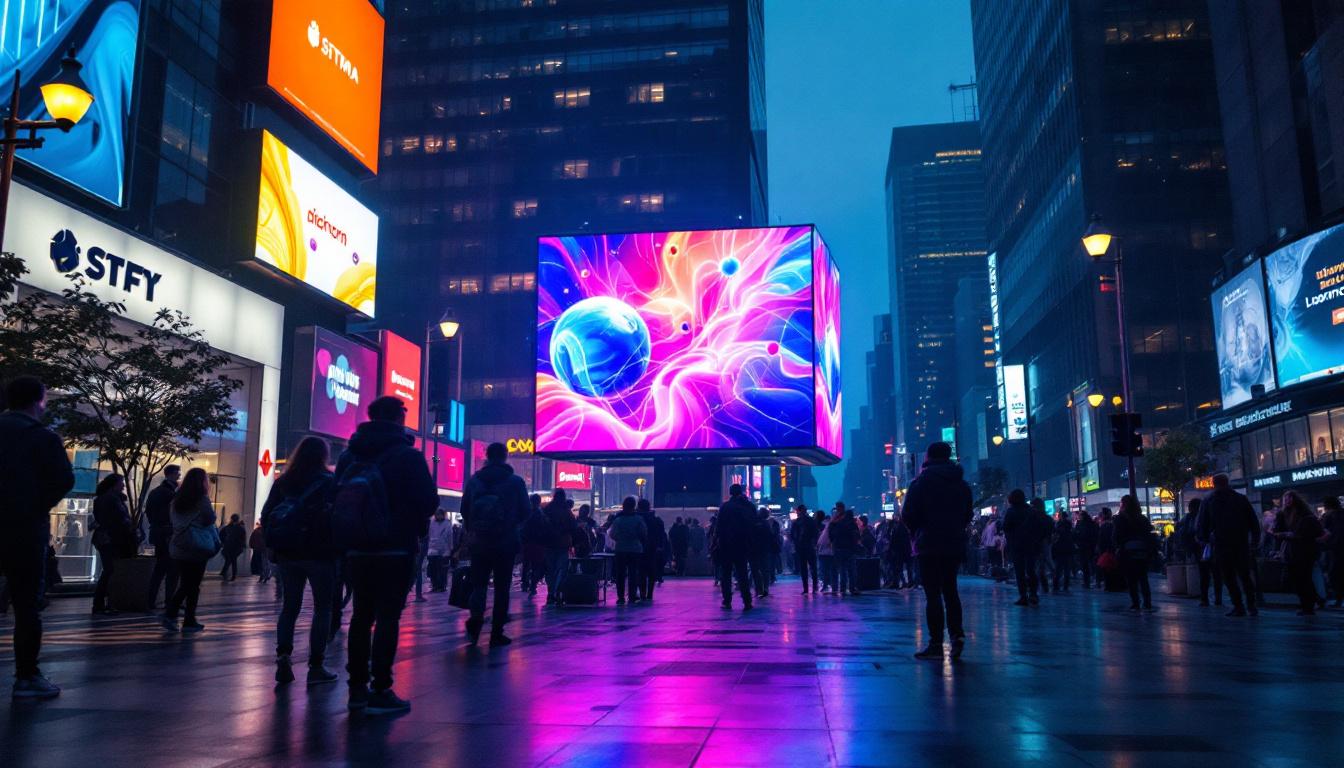
- Outdoor LED Displays: Built to withstand weather conditions, these are brighter and more robust. They are perfect for school entrances, sports fields, or playgrounds where announcements need to be visible from afar.
- Interactive LED Displays: Some digital notice boards incorporate touch screen technology, allowing users to interact with content, access schedules, or find information on demand.
In addition to these types, schools may also consider modular LED displays that can be customized to fit specific spaces or requirements. These modular systems allow for creative configurations and can be expanded as the needs of the school evolve. For instance, a school might start with a smaller display for announcements and later expand it to include a larger screen for events or presentations, ensuring that their investment remains relevant over time.
How LED Notice Boards Work
At the core, an LED digital notice board is connected to a content management system (CMS) that allows authorized personnel to upload, schedule, and manage the content displayed. This can include text, images, videos, and live feeds such as news or weather updates.
Content can be updated remotely via a computer or mobile device, which means announcements can be changed instantly without the need for physical intervention. This flexibility is a major advantage over static notice boards. Furthermore, many CMS platforms offer analytics features that allow schools to track engagement with their content. By analyzing which announcements receive the most attention, schools can tailor their messaging to better meet the needs of their community, ensuring that important information reaches its audience effectively.
Additionally, LED notice boards can be programmed to display information at specific times, allowing for dynamic scheduling of events, reminders, or even educational content. This capability not only enhances communication but also supports a more interactive learning environment, where students can engage with real-time information relevant to their daily activities. By integrating these displays into the school’s overall communication strategy, educators can foster a more connected and informed school community.
Benefits of Using Digital LED Notice Boards in Schools
Enhanced Communication and Engagement
Digital LED notice boards enable schools to communicate important information quickly and effectively. Whether it’s a last-minute schedule change, upcoming events, or emergency alerts, the dynamic nature of LED displays ensures messages are seen and understood.
Moreover, the use of vibrant colors, animations, and videos captures attention far better than traditional paper notices, increasing engagement among students and staff.
Cost-Effectiveness Over Time
While the initial investment in LED digital notice boards may be higher than traditional boards, the long-term savings are significant. Schools save on printing costs, paper waste, and labor associated with manually updating notices.
Additionally, LED displays consume less energy compared to older display technologies, contributing to lower utility bills and supporting sustainability initiatives.
Improved Accessibility and Inclusivity
Digital notice boards can be customized to display content in multiple languages, use larger fonts, or incorporate audio announcements, making information accessible to a diverse student body including those with visual or hearing impairments.
Some systems also support integration with assistive technologies, ensuring that all students have equal access to important school information.
Real-Time Updates and Emergency Alerts
In case of emergencies such as severe weather, lockdowns, or fire drills, digital notice boards can instantly broadcast alerts to ensure everyone on campus is informed promptly. This capability enhances school safety and preparedness.
Practical Applications of Digital Notice Boards in Schools
Daily Announcements and Schedules
From class timetables to lunch menus, digital notice boards can display daily updates that keep students and staff informed throughout the day. Automated scheduling features allow content to change at specific times, ensuring relevance and timeliness.
Event Promotion and Celebrations
Schools often host events such as sports days, cultural festivals, and parent-teacher meetings. LED displays provide an eye-catching platform to promote these activities, celebrate achievements, and showcase student work or awards.
Wayfinding and Visitor Information
Large school campuses can be confusing for visitors. Digital notice boards placed at entrances or key locations can provide maps, directions, and visitor guidelines, improving the overall experience and security.
Interactive Learning and Collaboration
Some schools integrate interactive LED boards in classrooms to enhance teaching and learning. These boards can display multimedia content, facilitate group activities, and connect with other digital devices, fostering a more engaging educational environment.
Key Considerations When Choosing a Digital LED Notice Board for Schools
Screen Size and Resolution
The size of the LED display should be appropriate for its intended location and viewing distance. Larger screens with higher resolution are necessary for outdoor or large indoor spaces, while smaller, high-definition screens work well in corridors or classrooms.
Brightness and Viewing Angle
Brightness is crucial for visibility, especially in outdoor or brightly lit indoor environments. LED displays typically offer adjustable brightness settings to optimize visibility without causing glare. A wide viewing angle ensures that information is readable from different positions.
Durability and Maintenance
Schools should select LED displays built with robust materials to withstand daily use and environmental factors. Maintenance requirements and warranty terms are important to consider to minimize downtime and repair costs.
Content Management System (CMS) Features
The CMS should be user-friendly, allowing staff with minimal technical expertise to update content easily. Features such as scheduling, template libraries, remote access, and multi-user support enhance operational efficiency.
Budget and Return on Investment
While cost is a critical factor, schools should evaluate the total cost of ownership including installation, training, maintenance, and energy consumption. The benefits in communication effectiveness and operational savings often justify the investment.
Case Studies: Successful Implementation of LED Digital Notice Boards in Schools
Greenwood High School: Enhancing Campus Communication
Greenwood High School installed a series of indoor and outdoor LED notice boards to streamline communication across its sprawling campus. The digital boards replaced traditional bulletin boards, reducing paper waste by 70% and increasing student engagement with announcements by over 50%, according to school surveys.
The school also used the LED boards for emergency messaging, significantly improving response times during drills and real incidents.
Maplewood Elementary: Promoting Inclusivity and Accessibility
Maplewood Elementary integrated LED notice boards with multilingual support and audio features to accommodate its diverse student population. This initiative led to higher participation in school events and better awareness of school policies among non-native English speakers and students with disabilities.
Riverside College: Interactive Displays in Classrooms
Riverside College implemented interactive LED displays in several classrooms, transforming traditional lectures into interactive sessions. Teachers reported increased student participation and improved comprehension of complex subjects thanks to multimedia presentations and collaborative tools.
Future Trends in School Digital Notice Boards
Integration with IoT and Smart Campus Systems
Digital notice boards are increasingly becoming part of broader smart campus initiatives. Integration with Internet of Things (IoT) devices allows for automated updates based on environmental sensors, attendance systems, or security alerts, creating a more responsive and intelligent communication network.
Artificial Intelligence and Personalized Content
Advancements in AI enable digital notice boards to display personalized content based on user profiles or behavior patterns. For example, students might receive tailored reminders about assignments or extracurricular activities relevant to their interests.
Augmented Reality (AR) and Immersive Experiences
Emerging technologies like AR could transform digital notice boards into interactive portals that overlay digital information onto the physical environment, offering immersive educational experiences and innovative ways to engage the school community.
Conclusion
Digital notice boards powered by LED display technology represent a significant advancement in school communication. They offer vibrant, flexible, and efficient ways to share information, promote engagement, and enhance safety. By carefully considering factors such as display type, size, and content management capabilities, schools can select the ideal solution to meet their unique needs.
As technology continues to evolve, digital notice boards will become even more integral to creating connected, inclusive, and smart educational environments. Investing in LED digital notice boards today is a step toward a more dynamic and effective school communication future.
Discover LumenMatrix LED Display Solutions for Your School
Ready to elevate your school’s communication to the next level? Explore LumenMatrix’s comprehensive range of LED display solutions, designed to captivate and engage your educational community. From vibrant Indoor LED Walls to weather-resistant Outdoor Displays, and from interactive Floor LED Displays to customizable Custom LED Displays, LumenMatrix has the technology to transform your school’s messaging. Embrace the future of visual communication with LumenMatrix and create an environment that informs, includes, and inspires. Check out LumenMatrix LED Display Solutions today and witness the impact of cutting-edge display technology in your educational space.