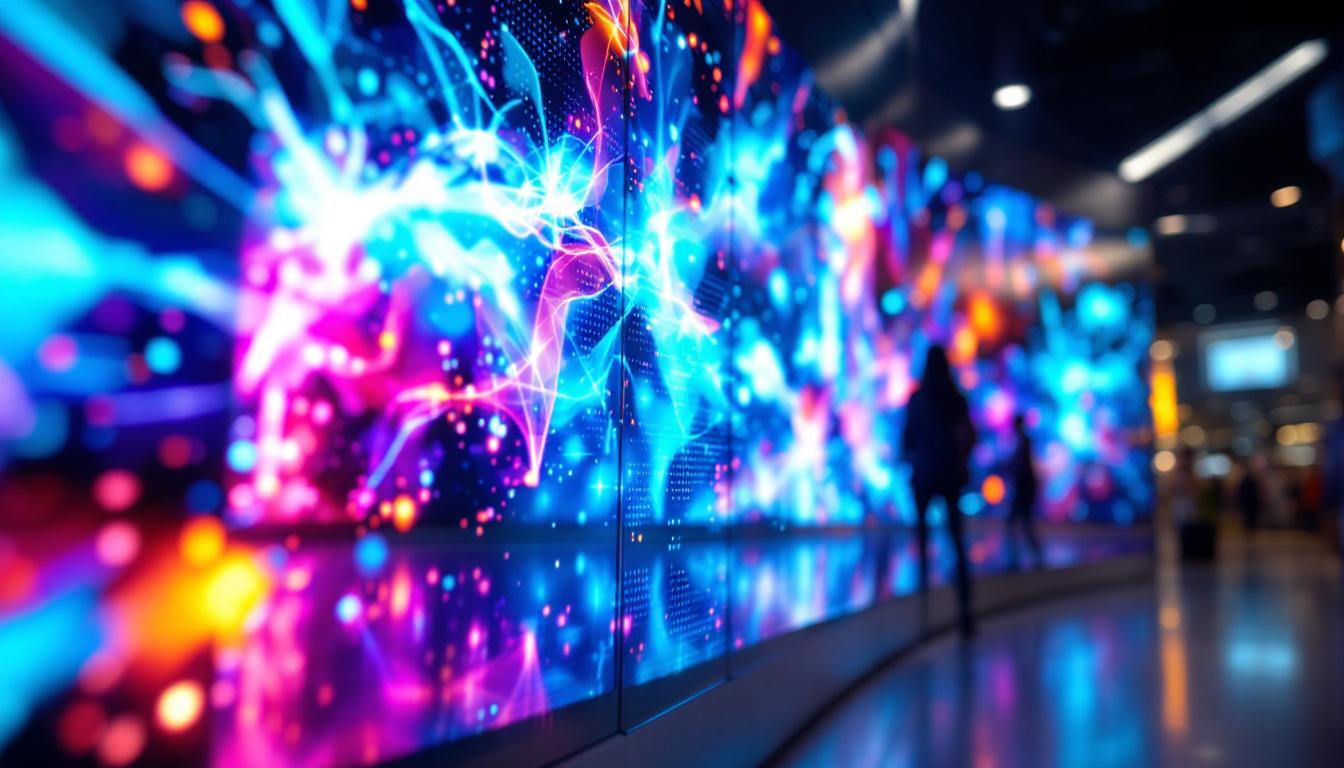
In today’s fast-paced retail environment, capturing customer attention is more challenging than ever. Traditional static signage is being rapidly replaced by dynamic digital displays that offer vibrant visuals, real-time updates, and interactive capabilities. Among the various digital signage technologies, LED displays stand out as a powerful tool for retailers aiming to enhance in-store experiences and drive sales. This article delves into the world of digital retail signage with a focus on LED displays, exploring their technology, benefits, applications, and best practices for implementation.
Understanding LED Display Technology
What is an LED Display?
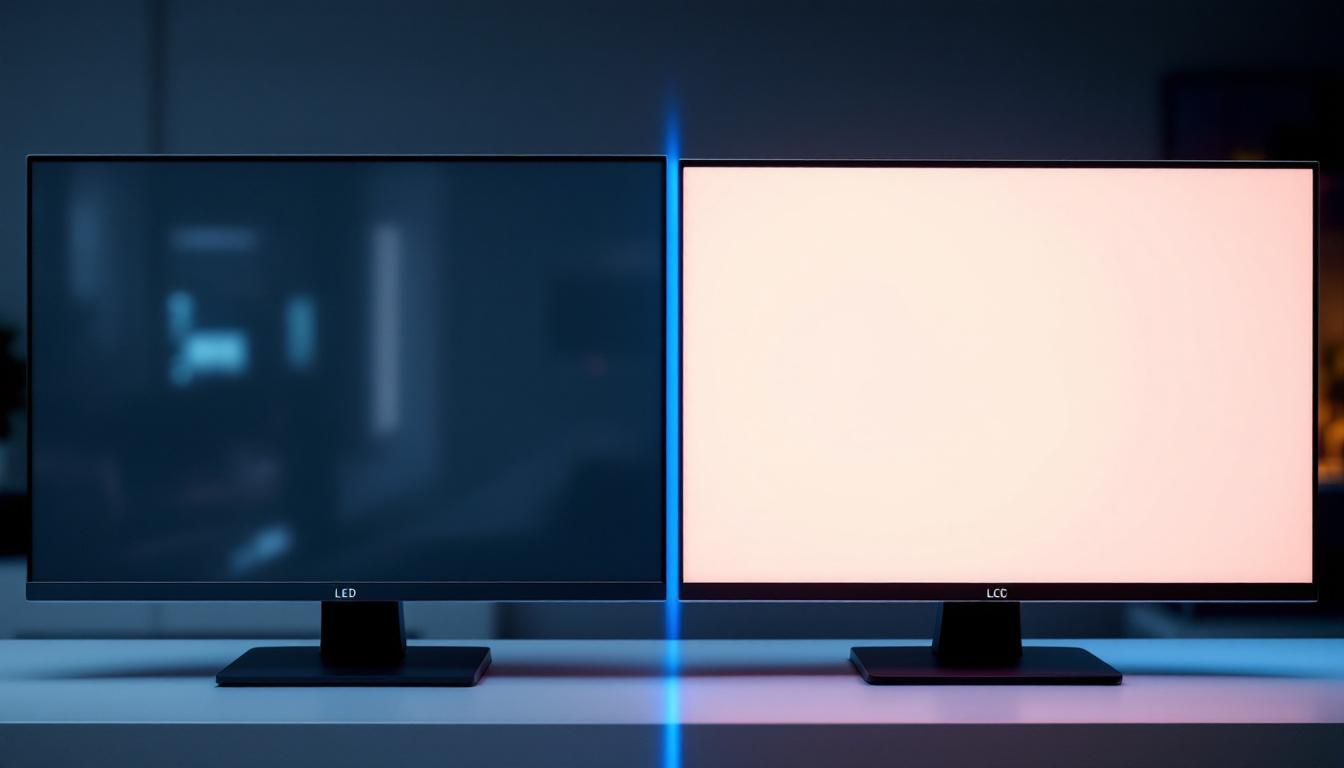
LED stands for Light Emitting Diode, a semiconductor device that emits light when an electric current passes through it. LED displays consist of thousands to millions of these tiny diodes arranged in a grid to form images and videos. Unlike traditional LCD or plasma screens, LED displays use these diodes as individual pixels, allowing for exceptional brightness, color accuracy, and energy efficiency. This technology has revolutionized the way visual content is presented, making it a preferred choice for various applications, from advertising to entertainment.
There are two primary types of LED displays used in retail: direct view LED and LED-backlit LCD. Direct view LED displays use the diodes themselves to create the image, offering superior brightness and contrast, especially in large-format applications. LED-backlit LCDs use LEDs as a backlight source behind an LCD panel, providing a slimmer profile but generally less brightness compared to direct view LED. The choice between these two types often depends on the specific needs of the retailer, such as the intended viewing distance and the ambient lighting conditions of the store.
Key Technical Features
Several technical aspects define the quality and suitability of an LED display for retail signage:
- Pixel Pitch: This is the distance between the centers of two adjacent pixels, measured in millimeters. A smaller pixel pitch means higher resolution and sharper images, which is crucial for close viewing distances in retail stores.
- Brightness: Measured in nits, brightness determines how well the display can be seen under various lighting conditions. Retail environments with large windows or bright lighting require displays with high brightness levels, often exceeding 1,000 nits.
- Contrast Ratio: The ratio between the brightest white and the darkest black a display can produce. High contrast ratios enhance image depth and visual appeal, making products stand out more effectively against the backdrop of the display.
- Viewing Angle: Retail spaces demand wide viewing angles so that displays are clearly visible from different positions within the store. This feature is particularly important in busy environments where customers may be moving around and viewing the display from various angles.
- Durability: LED displays are known for their longevity and resistance to environmental factors such as temperature fluctuations and humidity, making them suitable for both indoor and outdoor retail applications. Many models are also designed to withstand impacts and vandalism, which is essential for high-traffic areas.
Additionally, the integration of smart technology into LED displays has further enhanced their functionality. Many modern LED displays come equipped with features such as remote management, allowing retailers to update content in real-time from anywhere. This capability is particularly beneficial for promotions and time-sensitive campaigns, enabling businesses to respond quickly to market trends. Furthermore, advancements in color calibration technology ensure that the vibrant hues produced by LED displays remain consistent over time, providing a reliable visual experience for customers.
Another important aspect of LED display technology is its environmental impact. LED displays are more energy-efficient than traditional lighting solutions, consuming significantly less power while delivering brighter visuals. This efficiency not only reduces operational costs for retailers but also contributes to sustainability efforts by lowering carbon footprints. As businesses increasingly prioritize eco-friendly practices, the adoption of LED technology aligns with these goals, making it a smart choice for modern retail environments.
Why Retailers Choose LED Displays
Enhanced Visual Impact and Customer Engagement
Retailers are constantly seeking ways to stand out in a crowded marketplace. LED displays offer unparalleled visual impact with vivid colors and dynamic content that can be updated in real time. Studies show that digital signage can increase customer dwell time by up to 30%, which correlates with higher sales conversions. The ability to display eye-catching promotions, videos, and interactive content helps retailers create immersive shopping experiences that resonate with consumers.
Flexibility and Real-Time Content Management
One of the most significant advantages of LED digital signage is its flexibility. Retailers can instantly change messaging based on inventory, time of day, or customer demographics. For example, a clothing store can promote rain gear during a sudden weather change or highlight limited-time offers during peak shopping hours. This agility allows retailers to be more responsive and relevant, improving marketing effectiveness.
Cost Efficiency Over Time
While the initial investment in LED displays can be higher than traditional signage, the long-term benefits often outweigh the costs. LED displays consume less power compared to other digital display technologies, reducing operational expenses. Their durability means fewer replacements and maintenance costs. Additionally, the ability to update content digitally eliminates recurring printing and installation expenses associated with static signage.
Applications of LED Displays in Retail Environments
Window Displays and Storefronts
LED displays are increasingly used in storefront windows to attract passersby with vibrant, animated content. High brightness levels ensure visibility even in direct sunlight, making them ideal for outdoor-facing installations. Retailers can showcase new arrivals, promotions, or brand stories, effectively turning their storefront into a dynamic billboard that drives foot traffic.
In-Store Digital Signage
Inside the store, LED displays serve multiple purposes. They can guide customers through the layout, highlight product features, or provide entertaining content to enhance the shopping experience. For example, grocery stores use LED screens to display recipe ideas or nutritional information, while electronics retailers showcase product demos and comparisons. The versatility of LED displays allows for tailored content that supports different retail categories.
Interactive Kiosks and Wayfinding
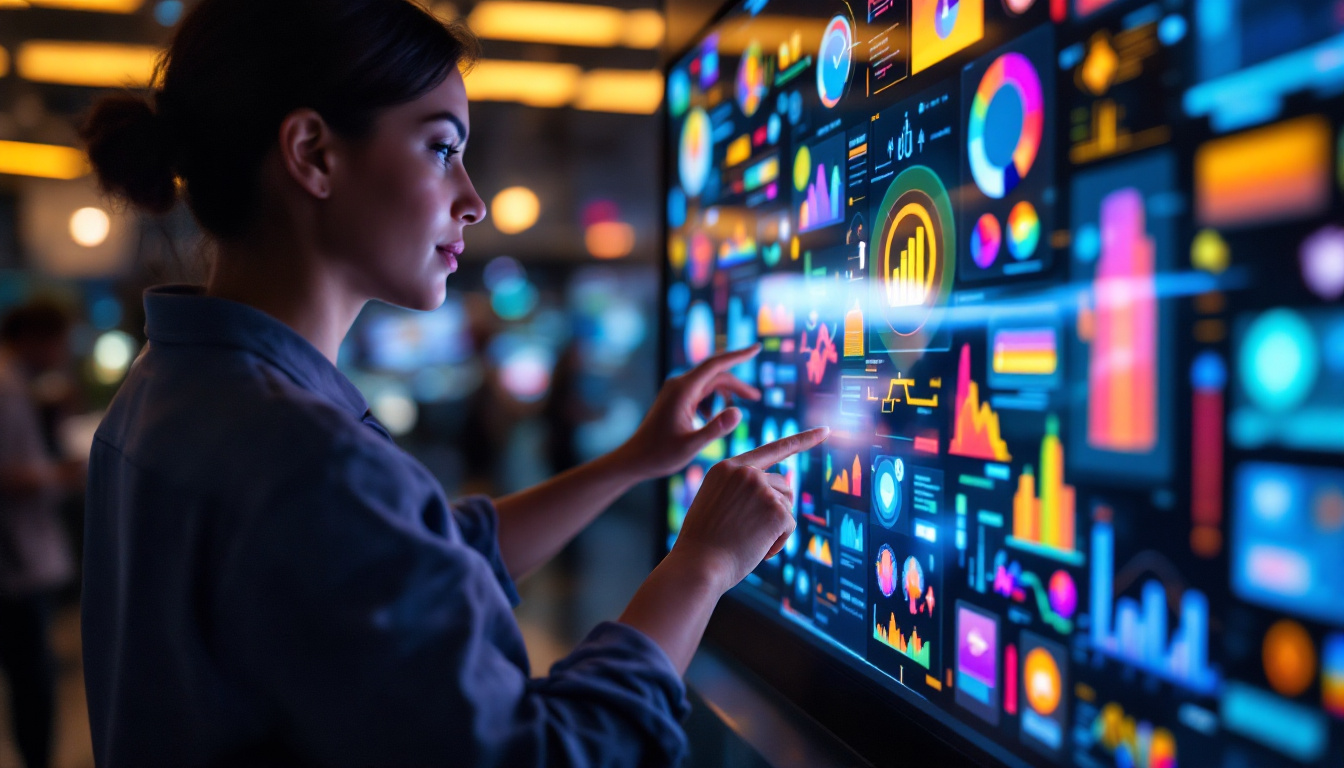
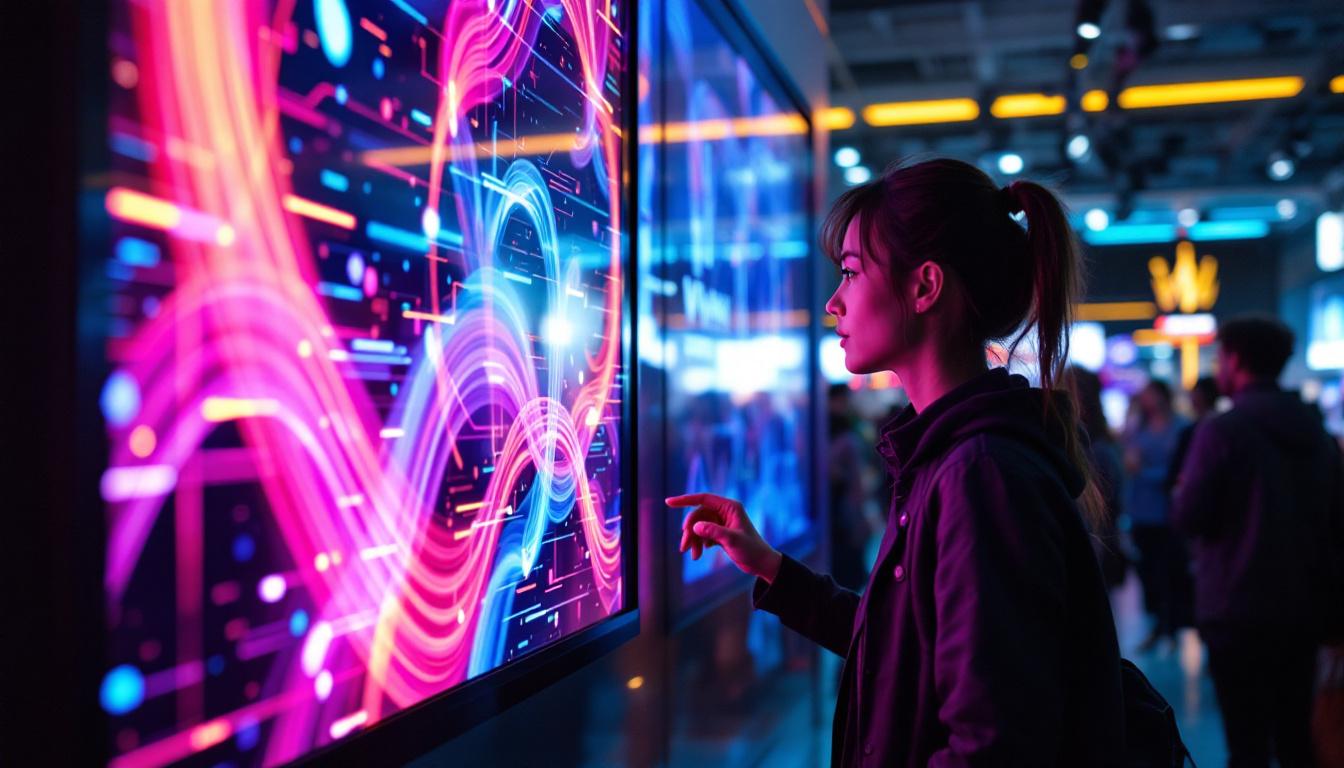
Integrating LED displays with touchscreens or sensors enables interactive kiosks that assist customers in finding products, checking prices, or placing orders. Wayfinding solutions powered by LED digital signage improve store navigation, especially in large retail spaces or shopping malls. This not only enhances customer satisfaction but also streamlines store operations by reducing the need for staff assistance.
Outdoor Advertising and Event Signage
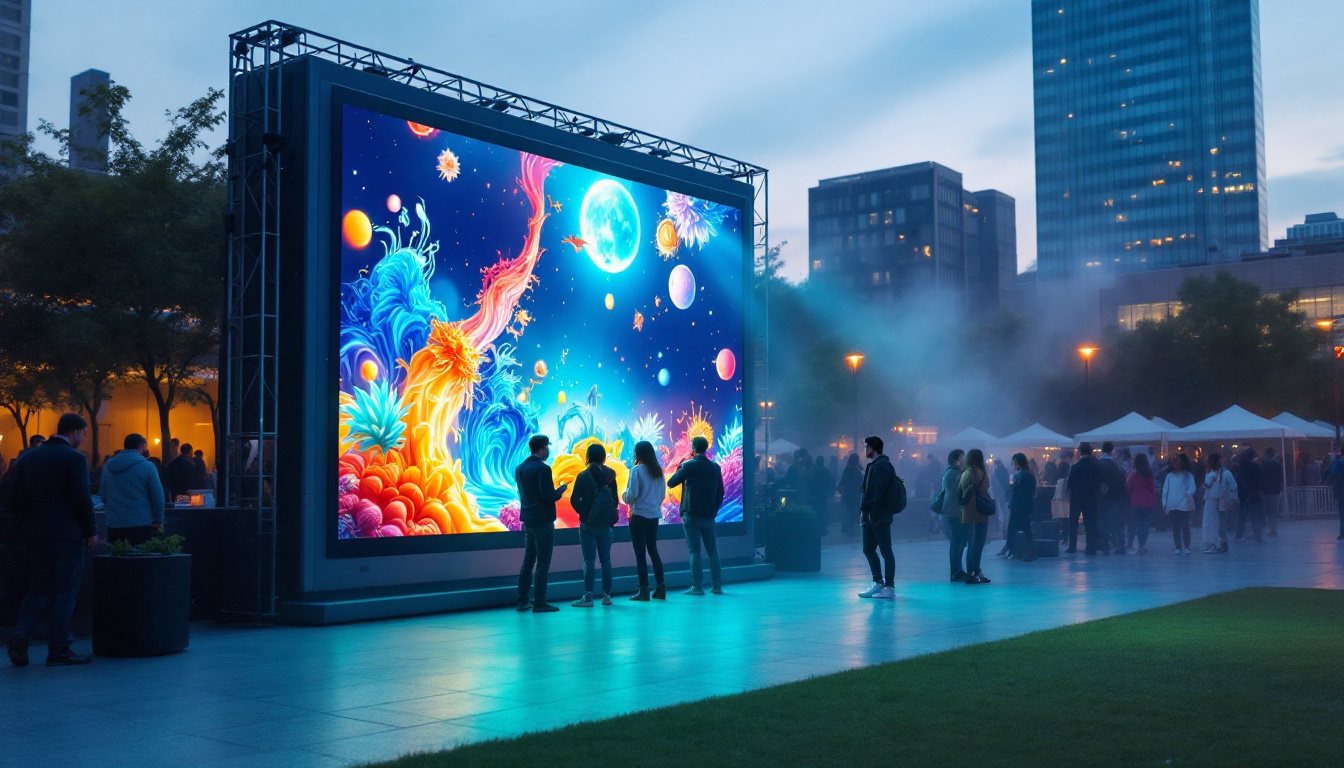
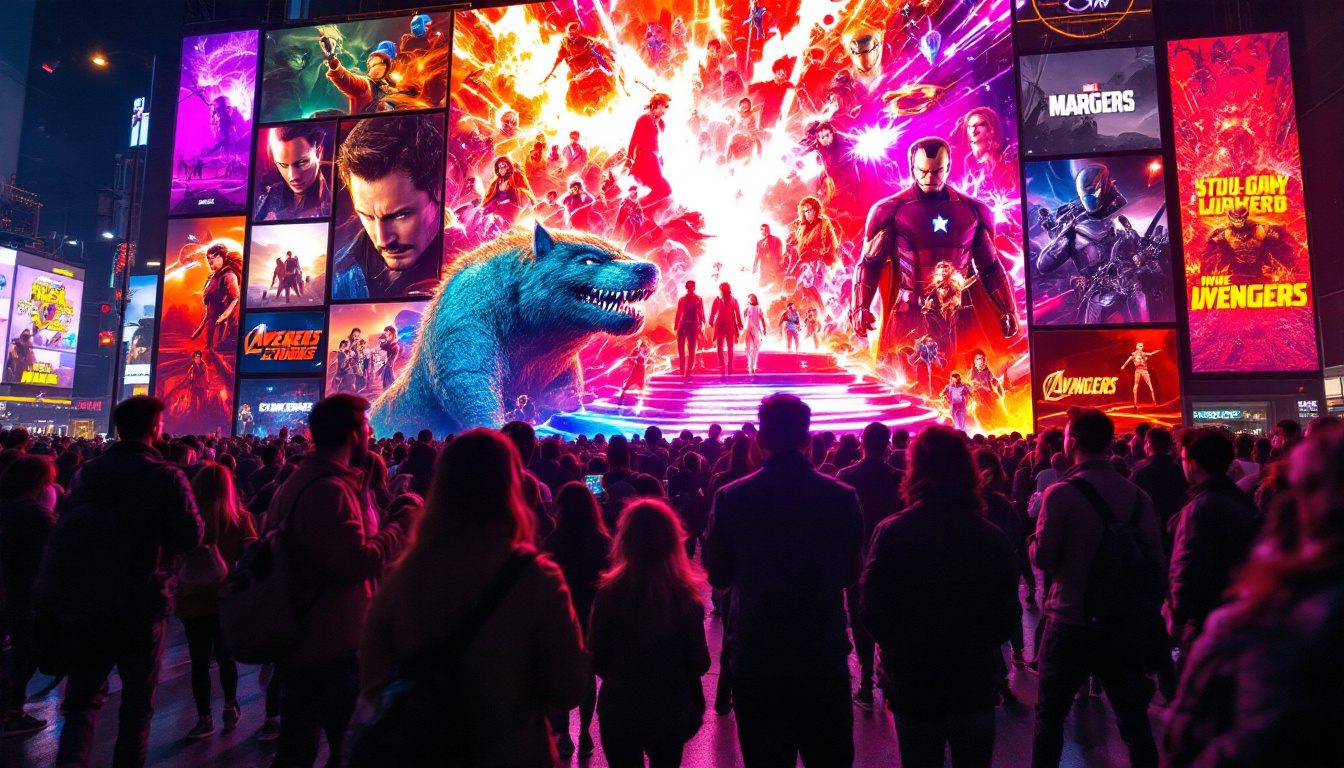
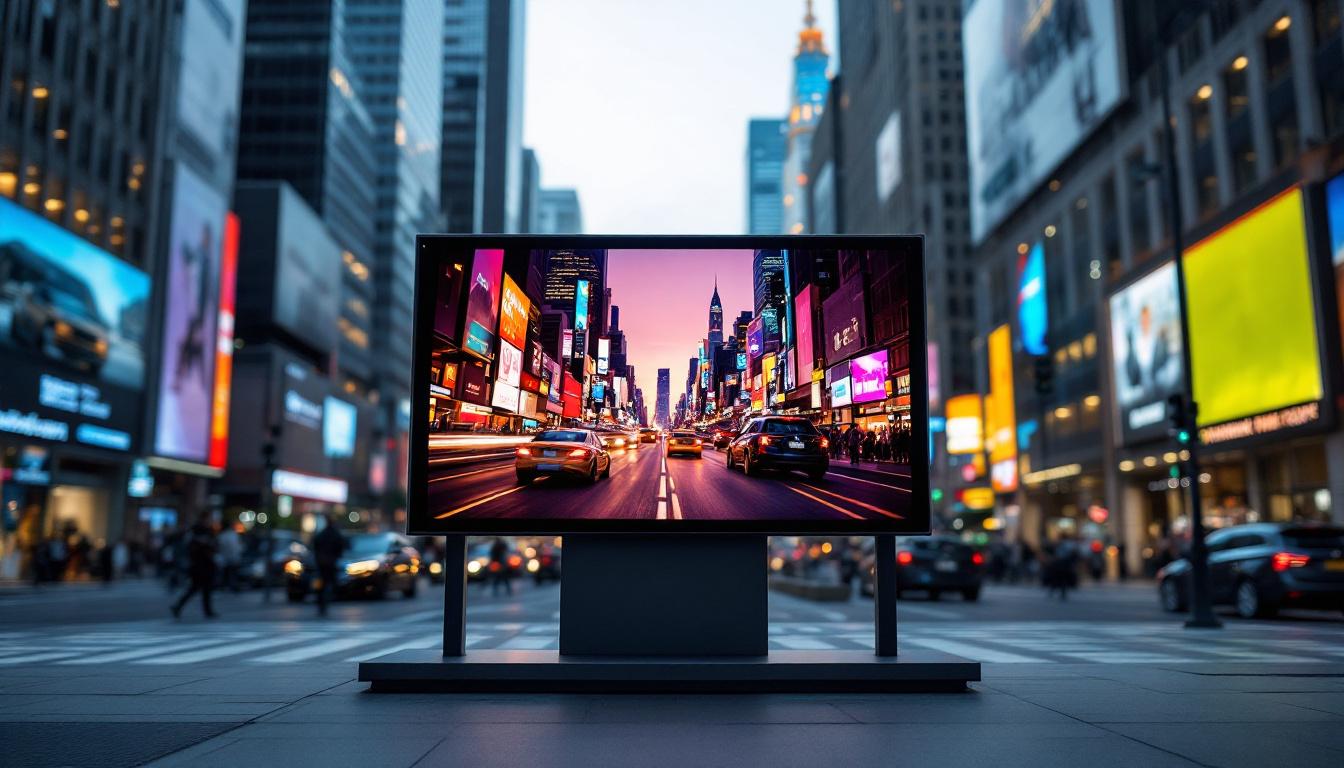
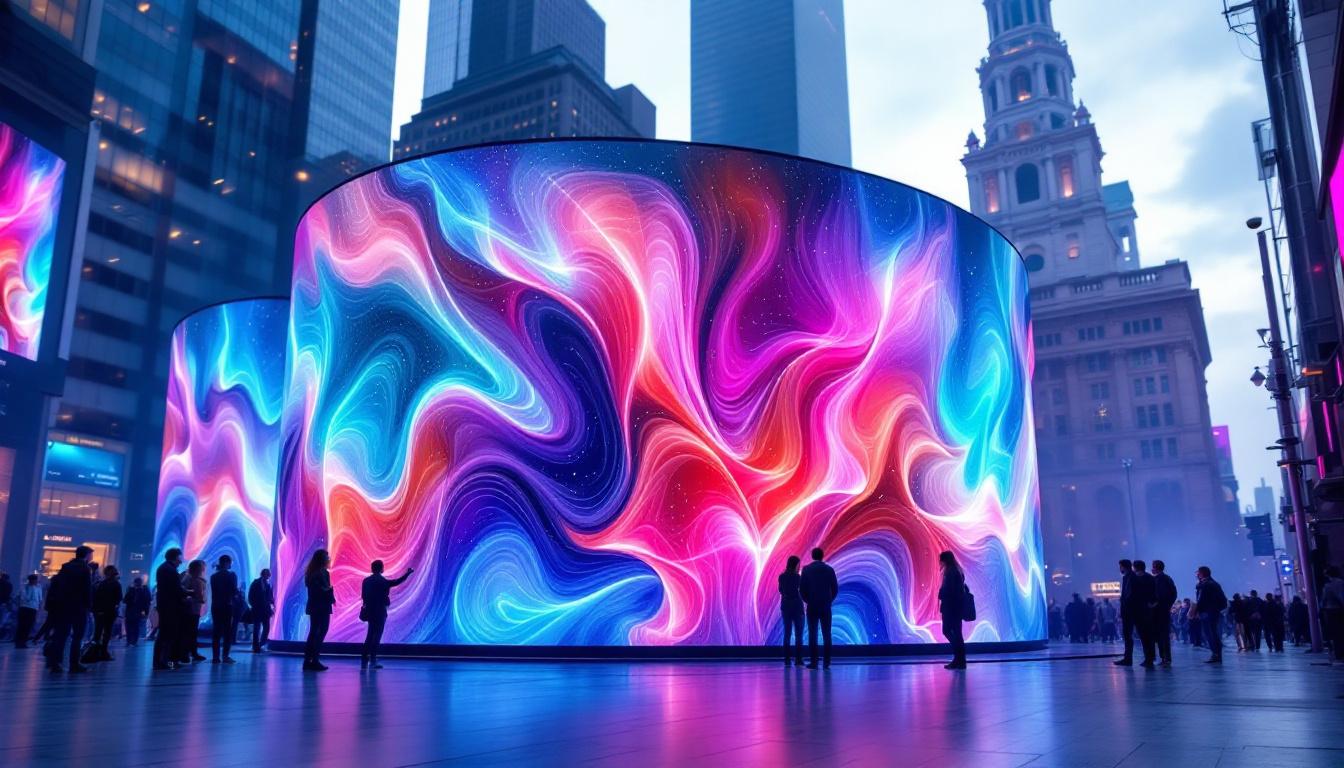
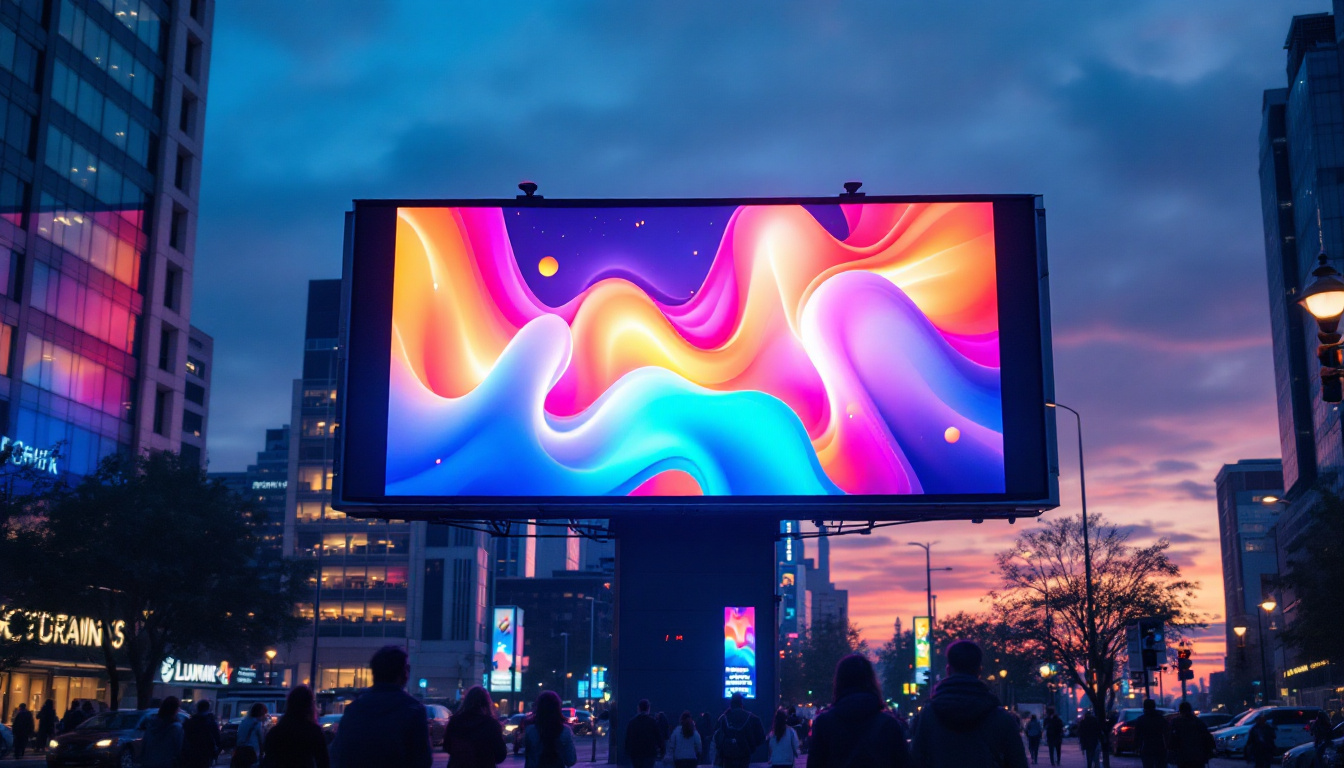
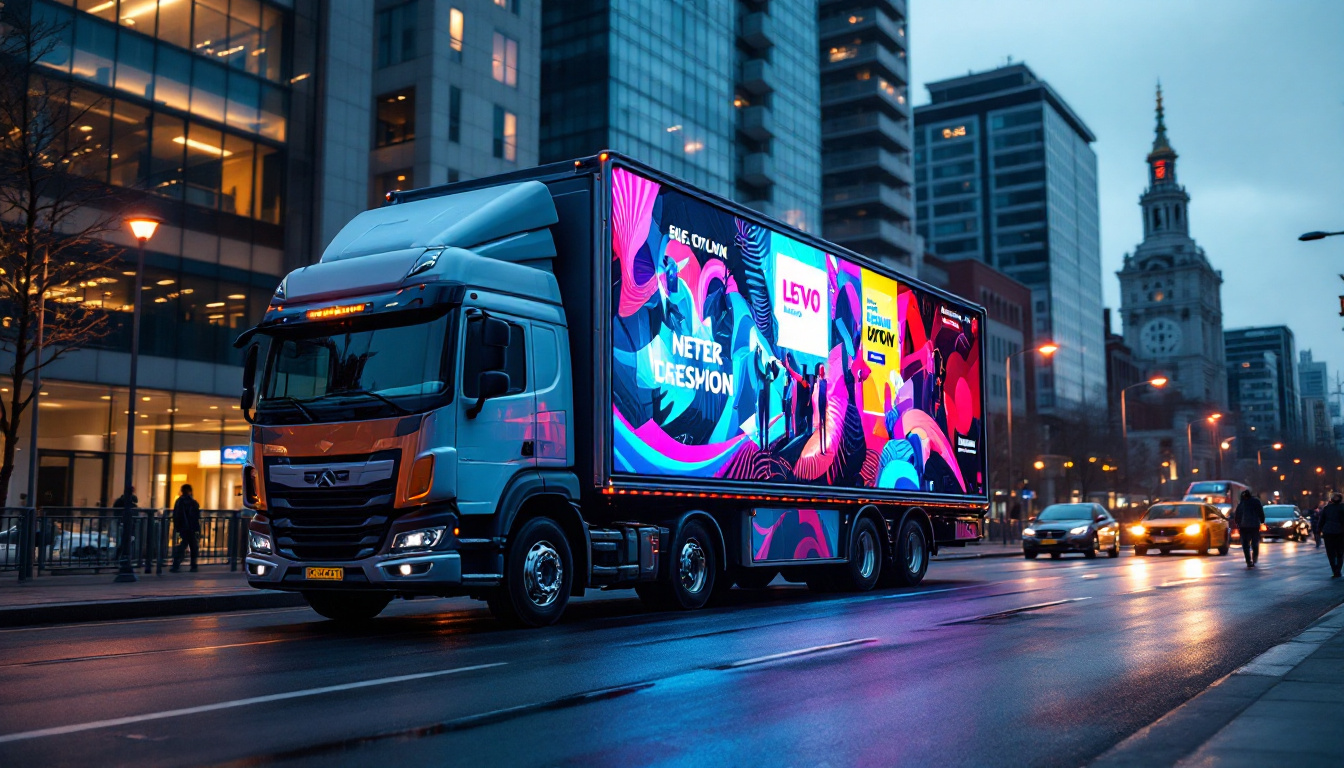
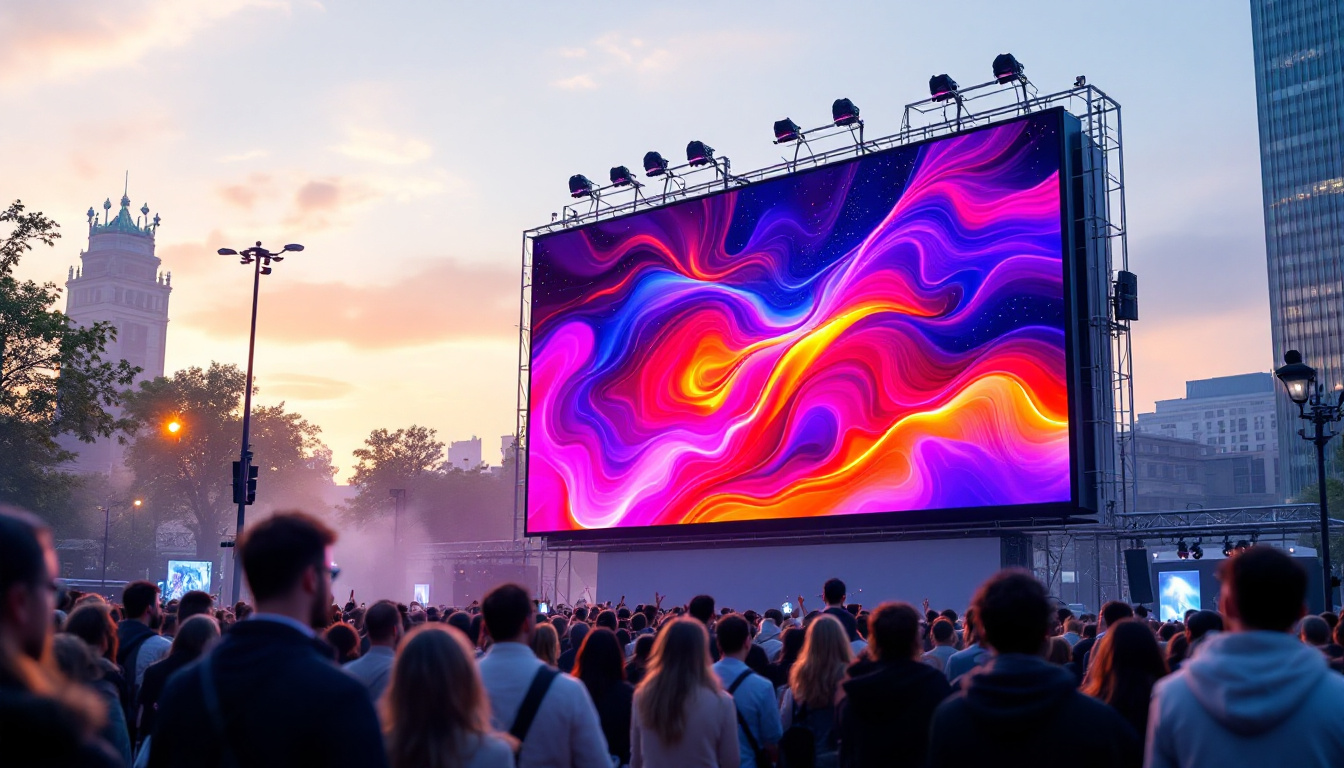
Retailers often leverage LED displays for outdoor advertising campaigns or special events. These displays can be mounted on building facades, rooftops, or freestanding structures to reach a broader audience. Their weather-resistant design and high visibility make them suitable for promoting sales events, grand openings, or seasonal campaigns.
Best Practices for Implementing LED Retail Signage
Strategic Placement and Content Planning
Successful LED signage starts with thoughtful placement. Retailers should analyze customer traffic patterns and sightlines to position displays where they will have maximum impact. For example, placing a large LED screen near the store entrance or checkout area can influence purchasing decisions. Content should be tailored to the audience and context, balancing promotional messages with engaging visuals to avoid overwhelming shoppers.
Optimizing Content for LED Displays
LED displays require content optimized for their unique characteristics. High-resolution images and videos ensure clarity, while vibrant colors take advantage of the display’s capabilities. Retailers should use motion graphics and animations judiciously to capture attention without causing distraction. Incorporating real-time data such as social media feeds, weather updates, or inventory alerts can make the content more relevant and engaging.
Maintenance and Technical Support
Regular maintenance is essential to keep LED displays operating at peak performance. This includes cleaning the screen surface, checking for dead pixels, and ensuring proper ventilation to prevent overheating. Partnering with experienced vendors who offer technical support and warranty services can minimize downtime and extend the lifespan of the installation.
Measuring Effectiveness and ROI
To justify investment in LED signage, retailers should establish metrics to measure effectiveness. These can include tracking changes in foot traffic, sales lift during campaigns, and customer engagement levels. Advanced analytics tools integrated with digital signage platforms can provide valuable insights into content performance and audience behavior, enabling continuous improvement.
The Future of LED Displays in Retail
Advancements in LED Technology
LED technology continues to evolve rapidly. Innovations such as microLED and miniLED promise even higher resolution, improved color accuracy, and thinner form factors. These advancements will enable retailers to deploy more immersive and flexible signage solutions, including transparent displays and curved screens that blend seamlessly into store interiors.
Integration with AI and IoT
Artificial intelligence (AI) and the Internet of Things (IoT) are transforming digital retail signage. AI-powered LED displays can analyze shopper demographics and behavior in real time to deliver personalized content. IoT connectivity allows displays to interact with other smart devices, such as lighting and HVAC systems, creating synchronized and responsive retail environments that enhance customer comfort and engagement.
Sustainability Considerations
As sustainability becomes a priority for retailers and consumers alike, LED displays offer an environmentally friendly signage option. Their energy efficiency reduces carbon footprint, and many manufacturers are adopting eco-friendly materials and recycling programs. Future developments are expected to focus on further minimizing environmental impact while maintaining high performance.
Conclusion
LED displays have revolutionized digital retail signage by providing retailers with a versatile, high-impact medium to engage customers and drive sales. Their superior brightness, durability, and flexibility make them ideal for a wide range of retail applications, from storefront windows to interactive in-store kiosks. By carefully selecting the right LED technology, optimizing content, and measuring performance, retailers can maximize the return on investment and create memorable shopping experiences.
Looking ahead, ongoing advancements in LED technology, AI integration, and sustainability will continue to expand the possibilities for digital retail signage. Retailers embracing these innovations will be well-positioned to captivate customers and thrive in an increasingly competitive market.
Discover LumenMatrix LED Display Solutions
Ready to transform your retail space with the latest in LED display technology? Explore LumenMatrix’s comprehensive range of innovative LED display modules, designed to elevate your brand and captivate your audience. From vibrant Indoor LED Walls to dynamic Outdoor LED Displays, and from sleek LED Posters to immersive Floor LED Displays, LumenMatrix has the perfect solution to meet your needs. Embrace the future of visual communication and create unforgettable shopping experiences with our cutting-edge LED display solutions. Check out LumenMatrix LED Display Solutions today and see how we can help you share your message with impact and clarity.