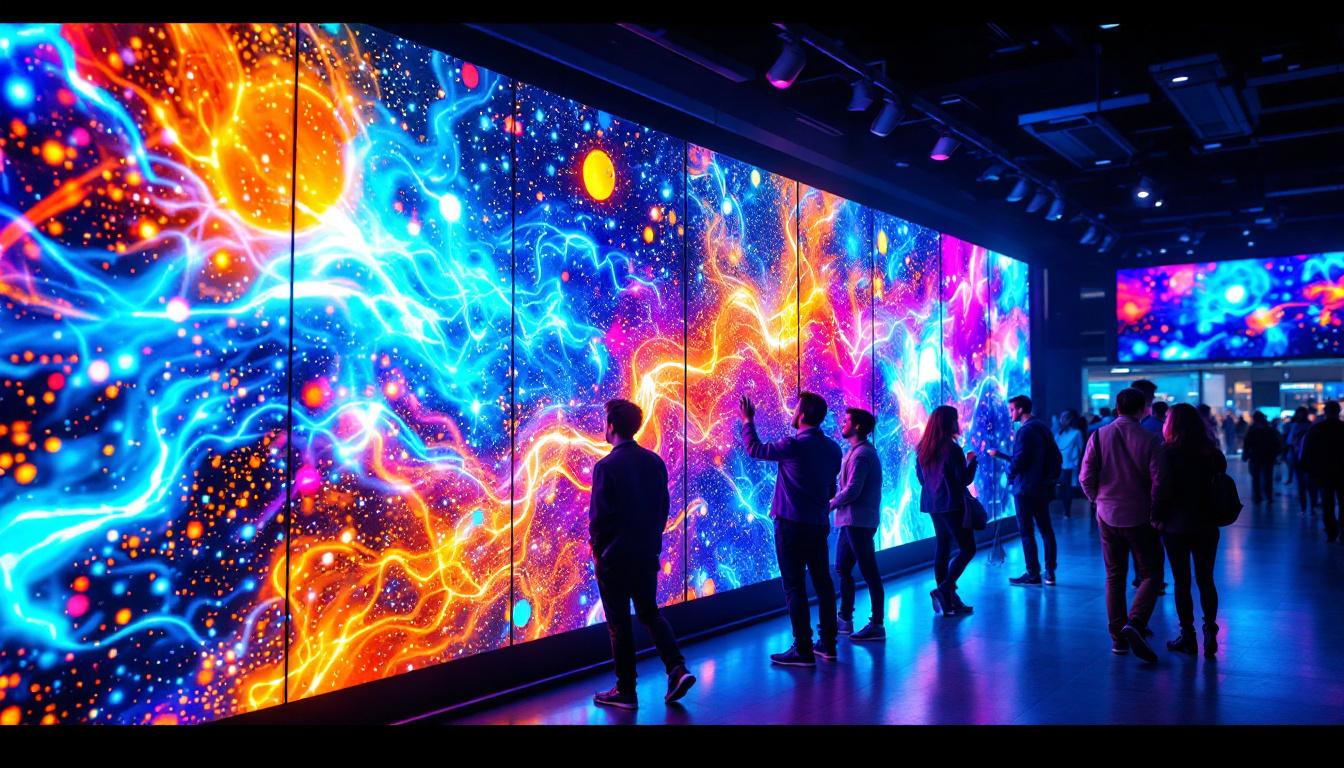
In today’s fast-paced digital world, businesses and organizations are continually seeking innovative ways to capture attention and communicate effectively with their audiences. One of the most dynamic and visually impactful tools available is digital signage, particularly LED displays powered by sophisticated digital signage apps. This article explores the intersection of digital signage applications and LED display technology, offering a comprehensive understanding of how they work together to revolutionize communication strategies.
Understanding Digital Signage and LED Displays
What is Digital Signage?
Digital signage refers to the use of digital screens to display multimedia content such as images, videos, text, and interactive elements. It serves as a modern alternative to traditional static signs, providing dynamic and easily updatable content that can be tailored to specific audiences or contexts. Digital signage is widely used across various sectors including retail, hospitality, transportation, healthcare, and corporate environments.
At its core, digital signage integrates hardware (like screens and media players) with software that controls the content and scheduling. This combination allows operators to deliver targeted messages in real-time, enhancing engagement and improving communication effectiveness. For instance, in retail environments, digital signage can showcase promotions or highlight new arrivals, adapting content based on customer demographics or time of day. In healthcare, it can provide vital information to patients and visitors, such as wait times or health tips, thereby improving the overall experience.
What Makes LED Displays Stand Out?
LED (Light Emitting Diode) displays are a popular choice for digital signage due to their brightness, energy efficiency, and versatility. Unlike LCD or OLED screens, LED displays use an array of tiny light-emitting diodes to create images, which can be scaled to virtually any size—from small indoor panels to massive outdoor billboards.
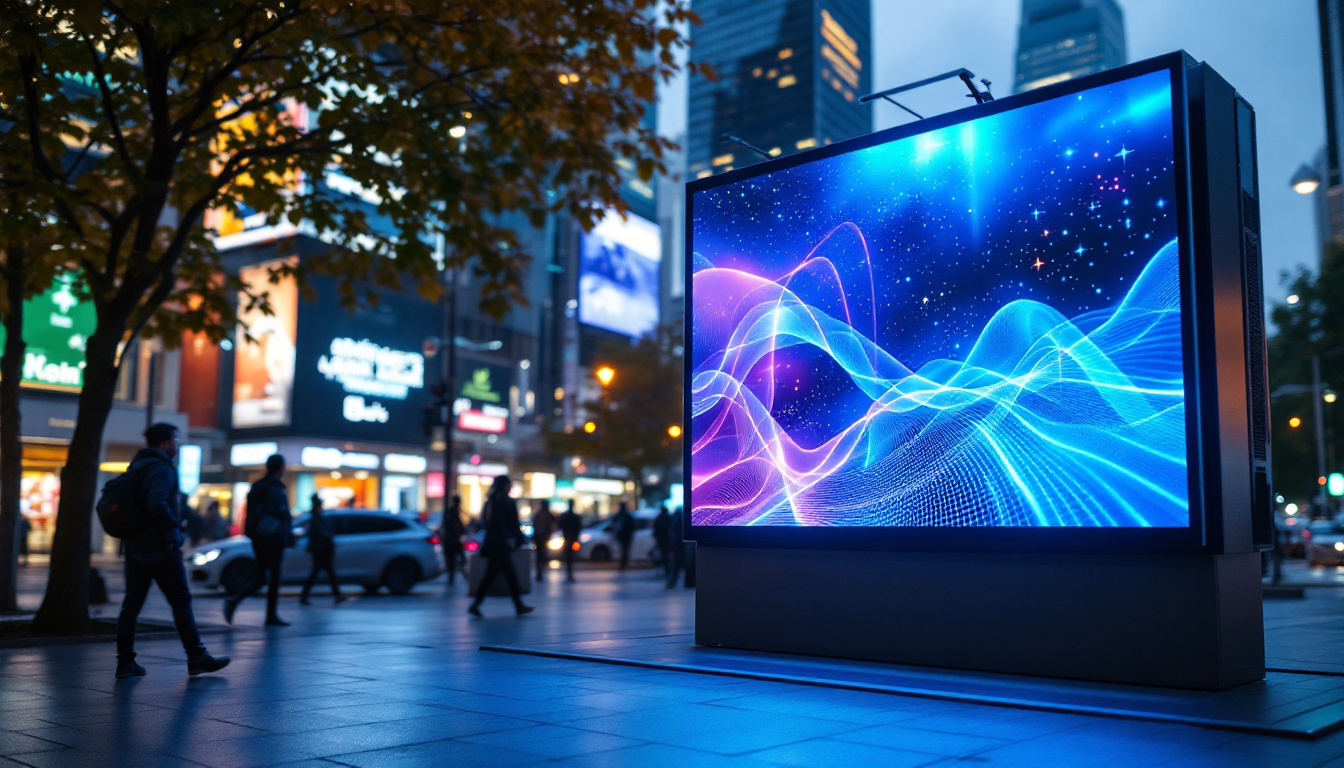
One of the key advantages of LED technology is its superior visibility in various lighting conditions, including direct sunlight. This makes LED displays ideal for outdoor advertising, public information boards, and event signage. Additionally, LEDs have a longer lifespan and lower maintenance costs compared to other display technologies, making them a cost-effective solution for long-term use. Furthermore, advancements in LED technology have led to the development of high-resolution displays, allowing for stunning visuals that can captivate audiences. These displays can also support a range of content types, from high-definition videos to intricate animations, making them an engaging medium for storytelling and brand promotion.
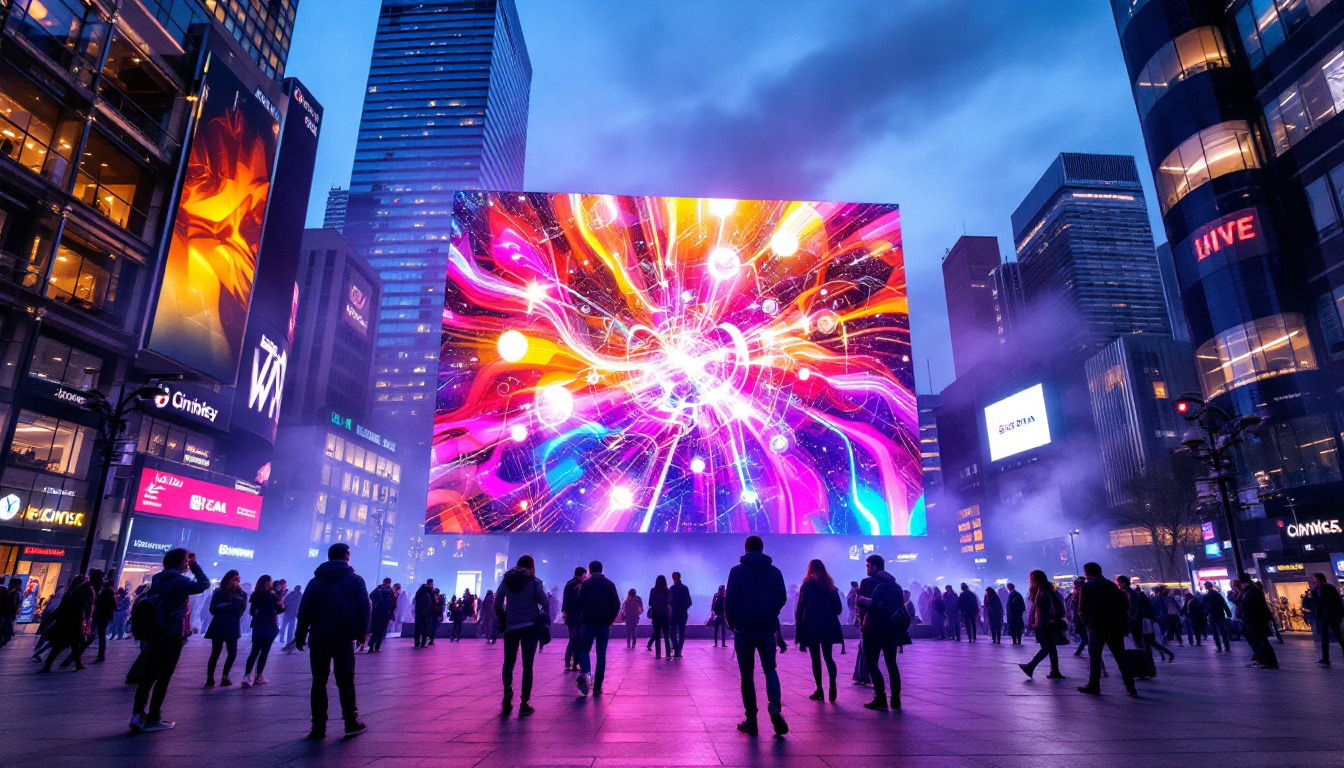
Moreover, the flexibility of LED displays extends beyond just their visual capabilities. They can be configured in various shapes and sizes, enabling creative installations that can transform spaces. For example, curved LED screens can create immersive environments in retail stores or exhibitions, while modular LED tiles can be assembled to fit unique architectural designs. This adaptability not only enhances aesthetic appeal but also allows businesses to maximize their advertising impact in crowded marketplaces. As technology continues to evolve, the integration of smart features such as touch interactivity and data analytics is further enhancing the effectiveness of LED displays, making them an indispensable tool in the digital signage landscape.
The Role of Digital Signage Apps in LED Display Management
What is a Digital Signage App?
A digital signage app is specialized software designed to manage and control content displayed on digital signage hardware, including LED screens. These apps enable users to create, schedule, and distribute content remotely, often through cloud-based platforms. This flexibility allows businesses to update messaging instantly, tailor content to different locations or audiences, and analyze viewer engagement.
Modern digital signage apps often come equipped with user-friendly interfaces, drag-and-drop content editors, and integration capabilities with other business systems such as social media feeds, weather updates, or inventory databases. This integration enhances the relevance and timeliness of the displayed content.
How Digital Signage Apps Enhance LED Displays
When paired with LED displays, digital signage apps unlock the full potential of the hardware. The apps provide precise control over brightness, color calibration, and content transitions, ensuring that visuals are always optimized for the environment. For example, an LED display in a brightly lit shopping mall can be adjusted dynamically to maintain clarity and vibrancy throughout the day.
Furthermore, digital signage apps support interactive features such as touch screens or QR code scanning, which can be integrated with LED displays to create engaging customer experiences. This interactivity is particularly valuable in retail settings, where personalized content can drive sales and improve customer satisfaction.
Applications and Benefits of LED Digital Signage
Retail and Advertising
Retailers leverage LED digital signage to attract customers, promote products, and provide in-store information. According to a report by Grand View Research, the global digital signage market size was valued at over $21 billion in 2022 and is expected to grow at a compound annual growth rate (CAGR) of around 7.5% through 2030. This growth is driven largely by the increasing adoption of LED displays in retail environments.
LED signage allows retailers to showcase vibrant advertisements and flash sales, adapting content based on time of day or customer demographics. For instance, a clothing store might display different promotions for men’s and women’s apparel depending on the hour or day of the week.
Transportation and Public Spaces
Airports, train stations, and bus terminals utilize LED digital signage to provide real-time updates on schedules, delays, and safety announcements. The high visibility and durability of LED displays make them suitable for these high-traffic environments where clear communication is critical.
Public spaces also benefit from LED signage for wayfinding, event promotion, and emergency alerts. The ability to update content remotely ensures that information remains current and relevant, improving the overall user experience.
Corporate and Educational Environments
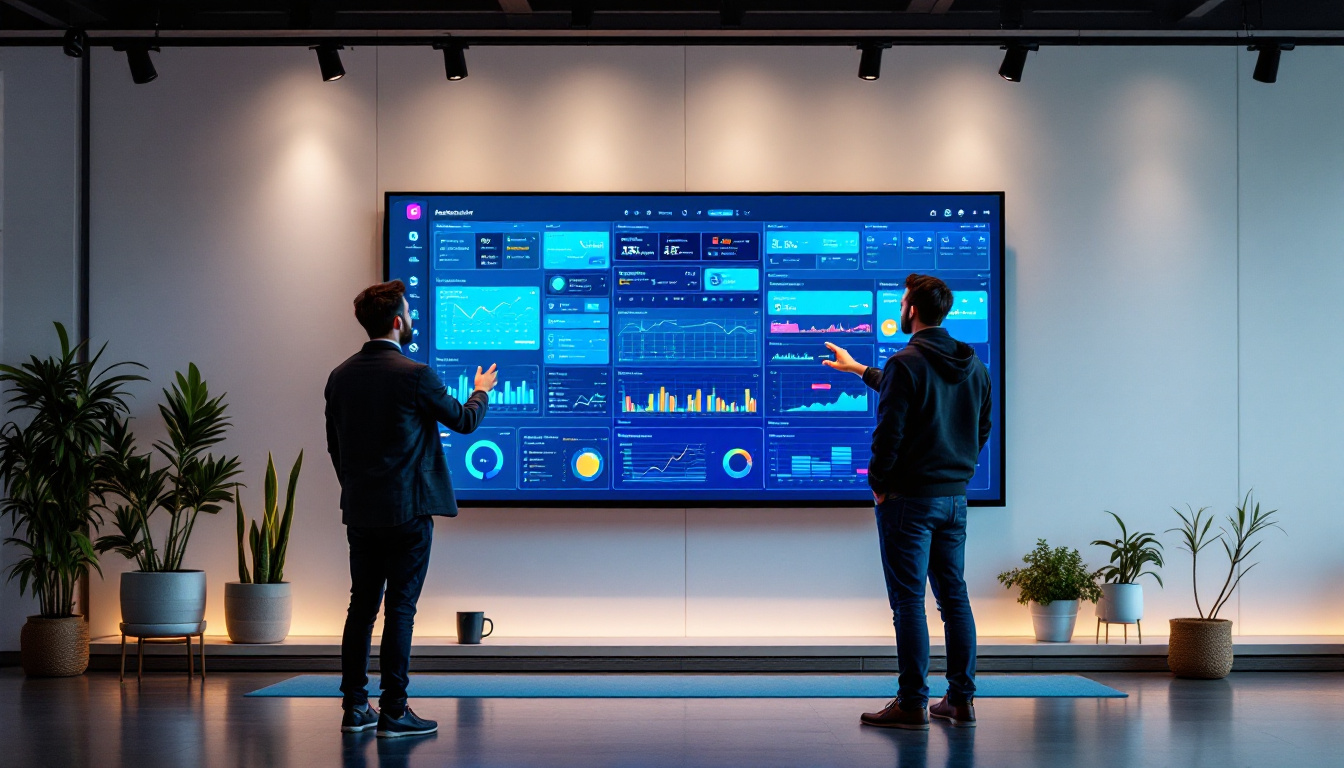
Within corporate settings, LED digital signage is used for internal communications, such as displaying company news, performance dashboards, and motivational content. Educational institutions employ LED displays to share announcements, event schedules, and interactive learning materials.
The versatility of LED signage combined with digital signage apps allows organizations to foster a connected and informed community, enhancing engagement and productivity.
Key Features to Look for in a Digital Signage App for LED Displays
Content Management and Scheduling
A robust content management system (CMS) is essential for efficiently creating and organizing digital signage content. The CMS should support multiple media formats and allow for easy scheduling of content playback to match specific times, dates, or events.
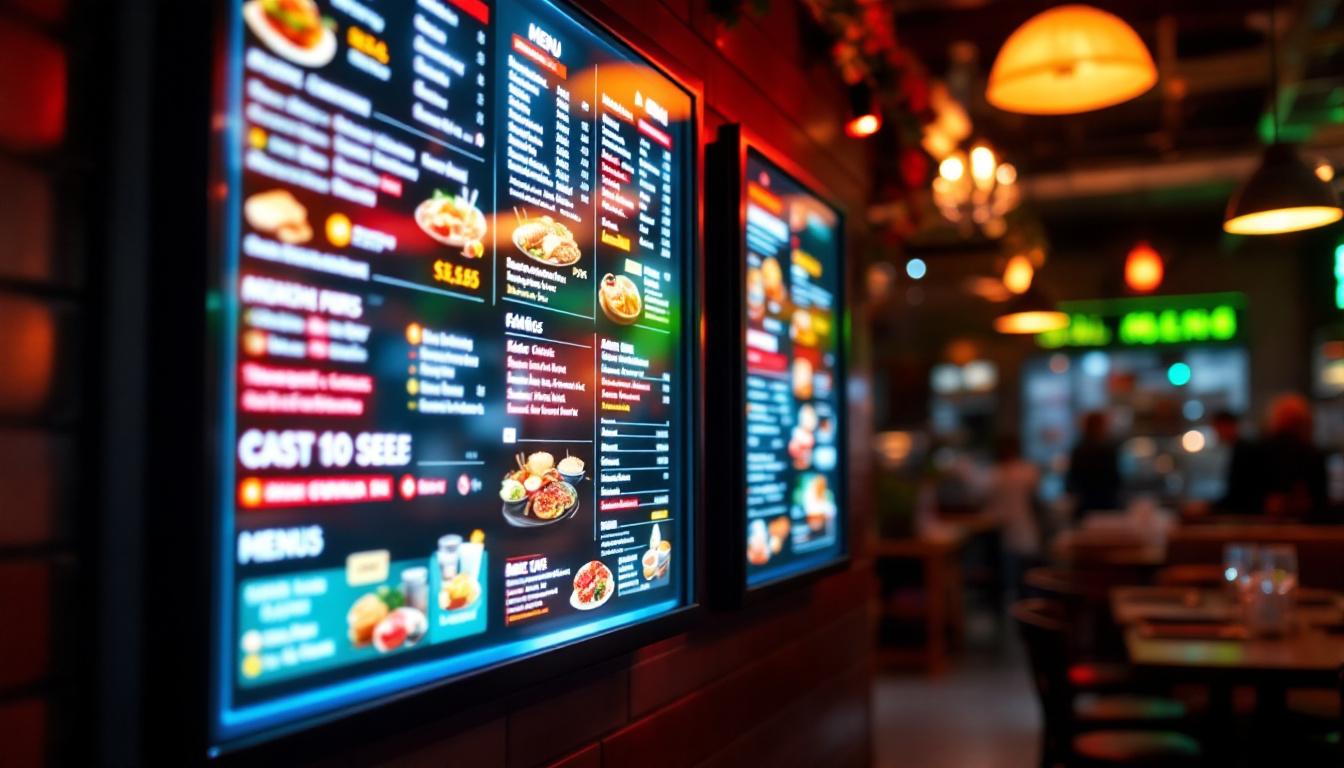
Advanced scheduling features enable businesses to automate content changes, reducing manual intervention and ensuring timely messaging. For example, a restaurant can schedule breakfast menus in the morning and switch to lunch promotions by noon.
Remote Access and Cloud Integration
Cloud-based digital signage apps offer the advantage of remote management, allowing users to control multiple LED displays from any location. This is particularly beneficial for businesses with multiple outlets or franchises, as it centralizes content control and reduces operational complexity.
Cloud integration also facilitates real-time updates and content synchronization across all screens, ensuring a consistent brand message.
Analytics and Reporting
Understanding how audiences interact with digital signage is crucial for optimizing content strategy. Many digital signage apps provide analytics tools that track metrics such as viewer engagement, dwell time, and content performance.
These insights help businesses refine their messaging, improve customer targeting, and justify investment in digital signage technology through measurable results.
Customization and Interactivity
Customization options allow businesses to tailor content layouts, themes, and branding elements to align with their identity. Interactive features such as touch capabilities, motion sensors, and QR code integration can transform passive displays into engaging experiences.
Interactivity not only captures attention but also encourages user participation, which can lead to higher conversion rates and customer satisfaction.
Challenges and Considerations in Implementing LED Digital Signage
Initial Investment and Maintenance
While LED displays offer long-term cost benefits due to energy efficiency and durability, the upfront investment can be significant, especially for large-scale installations. Businesses must carefully evaluate the total cost of ownership, including hardware, software licenses, installation, and ongoing maintenance.
Regular maintenance is necessary to ensure optimal performance, including cleaning, firmware updates, and occasional repairs. Partnering with experienced vendors and service providers can mitigate these challenges.
Content Quality and Relevance
The effectiveness of digital signage depends heavily on the quality and relevance of the content displayed. Poorly designed or outdated content can detract from the brand image and fail to engage viewers.
Developing a content strategy that aligns with business goals and audience preferences is essential. Utilizing professional design tools and leveraging analytics data can enhance content impact.
Technical Compatibility and Integration
Ensuring compatibility between digital signage apps and LED hardware is critical for a seamless user experience. Businesses should verify that the software supports the specific resolution, aspect ratio, and connectivity options of their LED displays.
Additionally, integration with existing IT infrastructure and third-party applications should be considered to maximize functionality and efficiency.
Future Trends in LED Digital Signage and Digital Signage Apps
Artificial Intelligence and Personalization
Artificial intelligence (AI) is increasingly being integrated into digital signage apps to enable personalized content delivery based on real-time data such as audience demographics, weather conditions, and social media trends. AI-powered analytics can also predict optimal content scheduling and placement.
This level of personalization enhances customer engagement and provides a competitive edge in crowded marketplaces.
Augmented Reality and Immersive Experiences
Emerging technologies like augmented reality (AR) are being combined with LED digital signage to create immersive and interactive experiences. For example, AR-enabled signage can overlay digital information onto physical environments, offering innovative ways to engage customers and convey information.
As these technologies mature, they are expected to become more accessible and widely adopted across industries.
Sustainability and Energy Efficiency
With growing emphasis on environmental responsibility, LED digital signage solutions are evolving to become more energy-efficient and sustainable. Advances in LED technology, such as improved diode materials and smart power management, contribute to reducing the carbon footprint of digital signage installations.
Businesses adopting sustainable digital signage practices can enhance their corporate social responsibility profile and appeal to eco-conscious consumers.
Conclusion
Digital signage apps and LED displays together represent a powerful combination for modern communication and marketing strategies. Their ability to deliver vibrant, dynamic, and targeted content makes them indispensable tools across various industries. Understanding the technology, applications, and best practices for implementation can help businesses maximize the impact of their digital signage investments.
As technology continues to advance, the integration of AI, interactivity, and sustainability will further enhance the capabilities and value of LED digital signage. Staying informed and adaptable will be key to leveraging these innovations effectively in the years ahead.
Explore Cutting-Edge LED Display Solutions with LumenMatrix
Ready to elevate your communication strategy with vibrant, dynamic LED displays? Discover LumenMatrix’s innovative range of LED display modules, designed to captivate your audience and amplify your brand’s presence. From Indoor and Outdoor LED Walls to specialized solutions like Vehicle Displays, Sports Displays, and even Custom LED configurations, LumenMatrix is at the forefront of transforming visual experiences. Embrace the future of digital signage with our All-in-One and Transparent LED Displays that promise to deliver your message with unparalleled clarity and impact. Check out LumenMatrix LED Display Solutions today and join the revolution in visual communication.