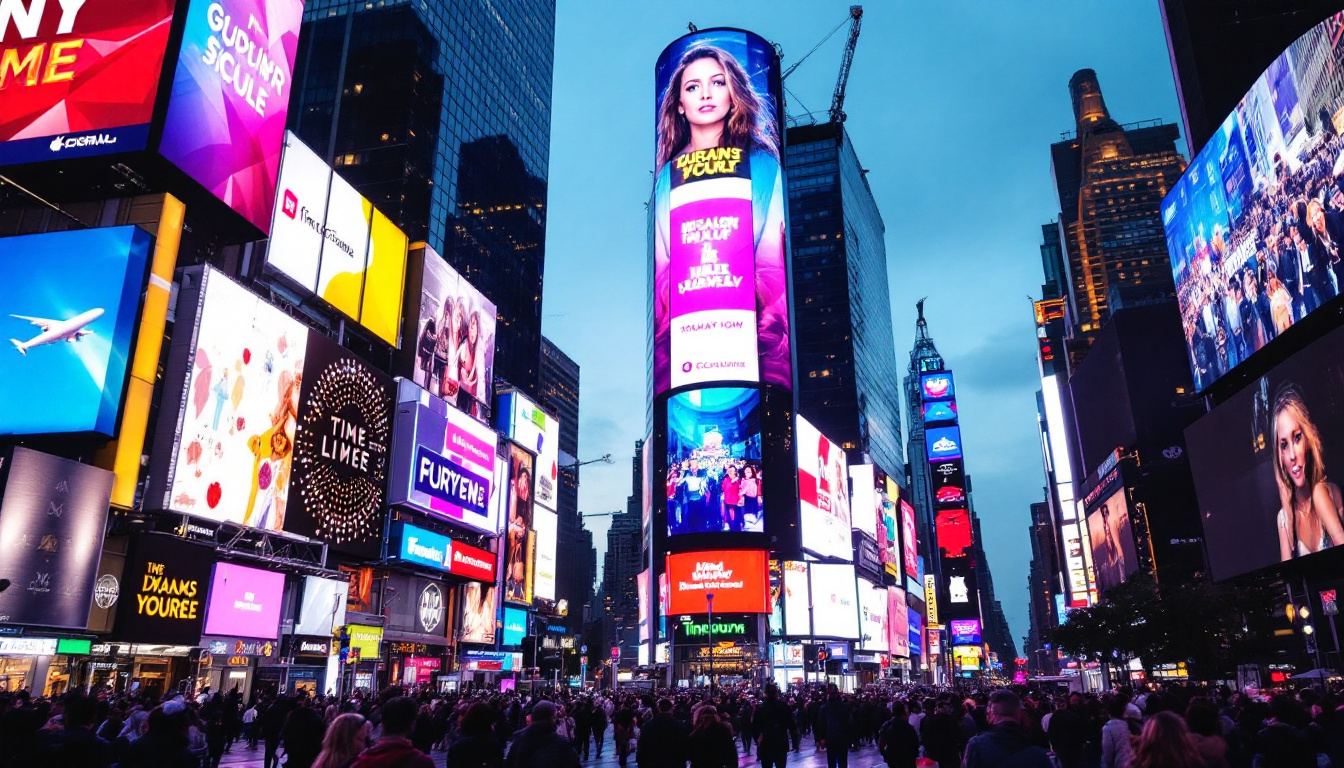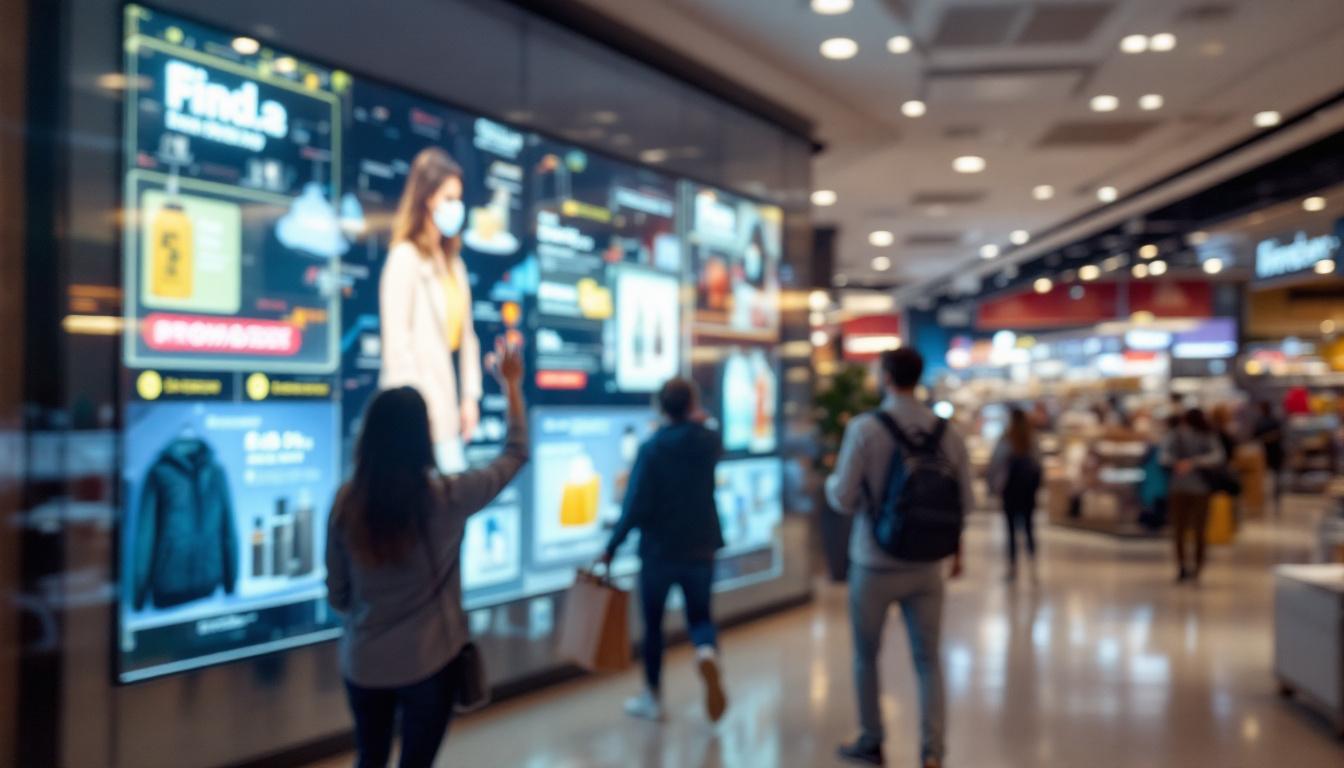
In today’s fast-evolving retail landscape, digital signage has become a cornerstone of effective in-store communication and marketing. Among various digital signage technologies, LED displays stand out for their vibrant visuals, energy efficiency, and flexibility. This article delves into the role of LED displays in retail stores, exploring how they work, their benefits, and best practices for implementation to enhance customer engagement and drive sales.
Understanding LED Displays in Retail Digital Signage
What Are LED Displays?
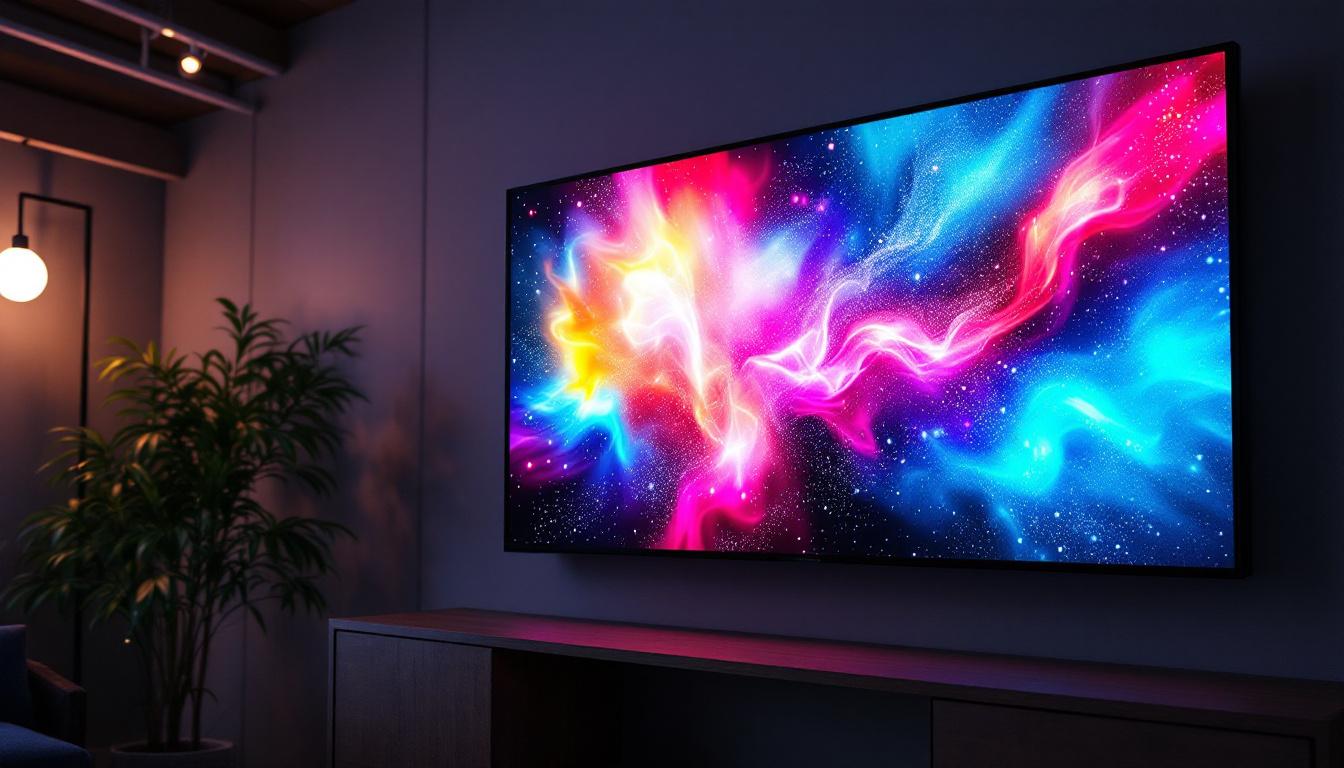
LED, or Light Emitting Diode, displays use an array of tiny light-emitting diodes to create bright, colorful images and videos. Unlike traditional LCD screens that rely on backlighting, LED displays emit their own light, resulting in higher brightness levels and better contrast. This makes LED technology particularly suitable for retail environments where visibility and impact are critical. The vibrant colors and sharp images produced by LED displays can attract customers’ attention, making them an effective tool for advertising and promotions.
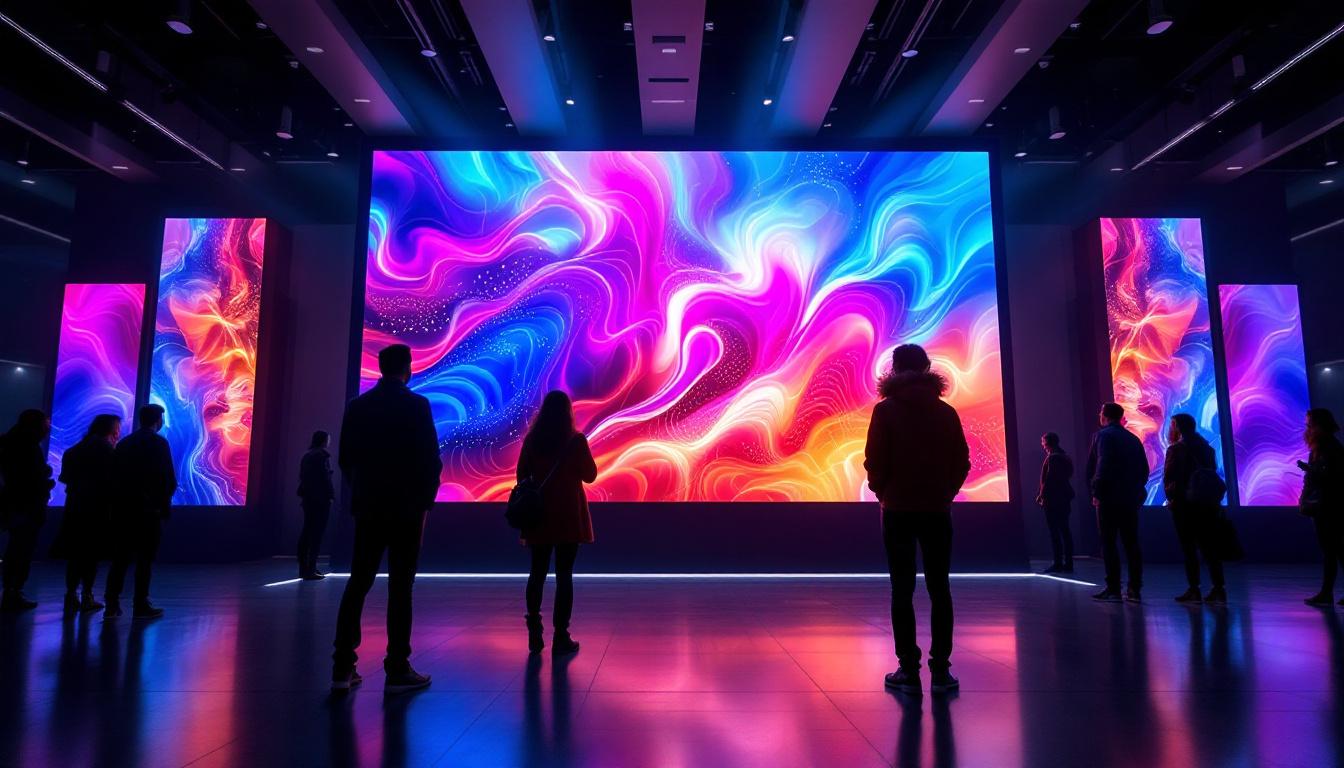
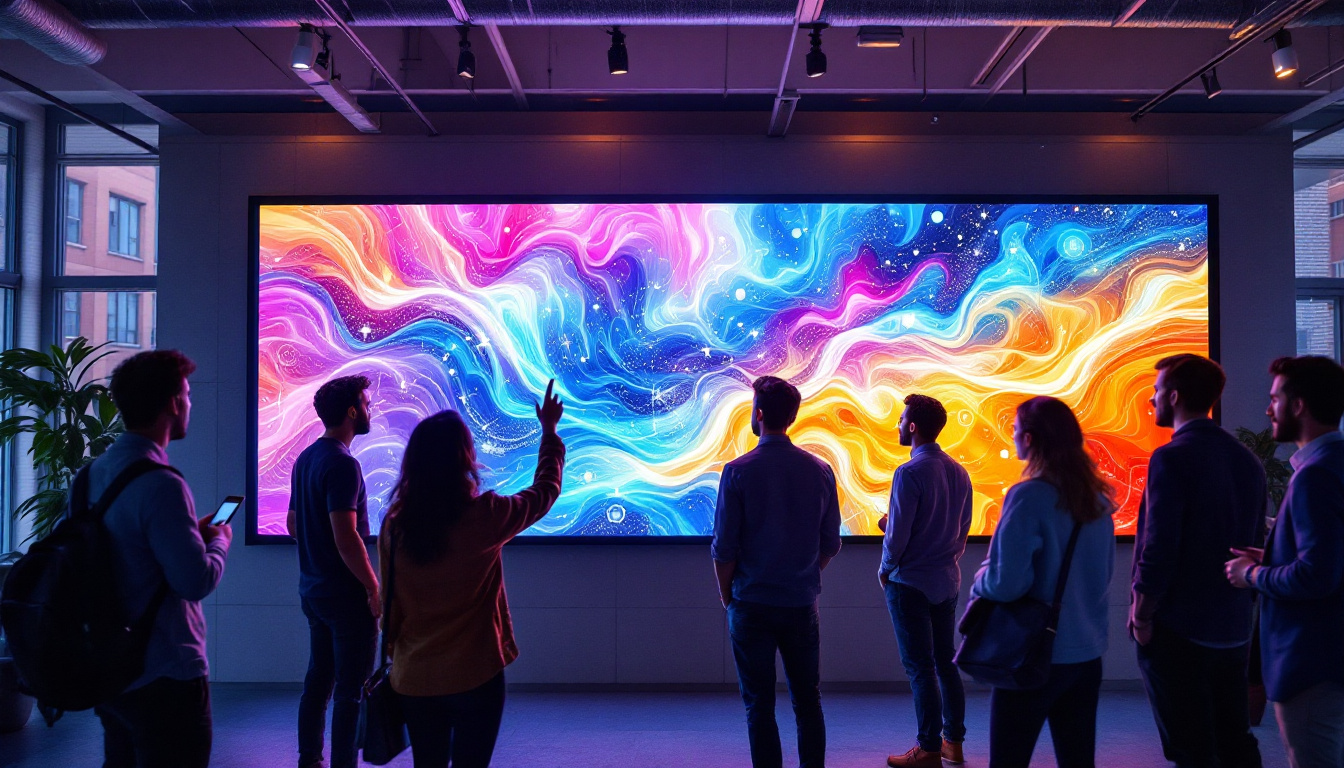
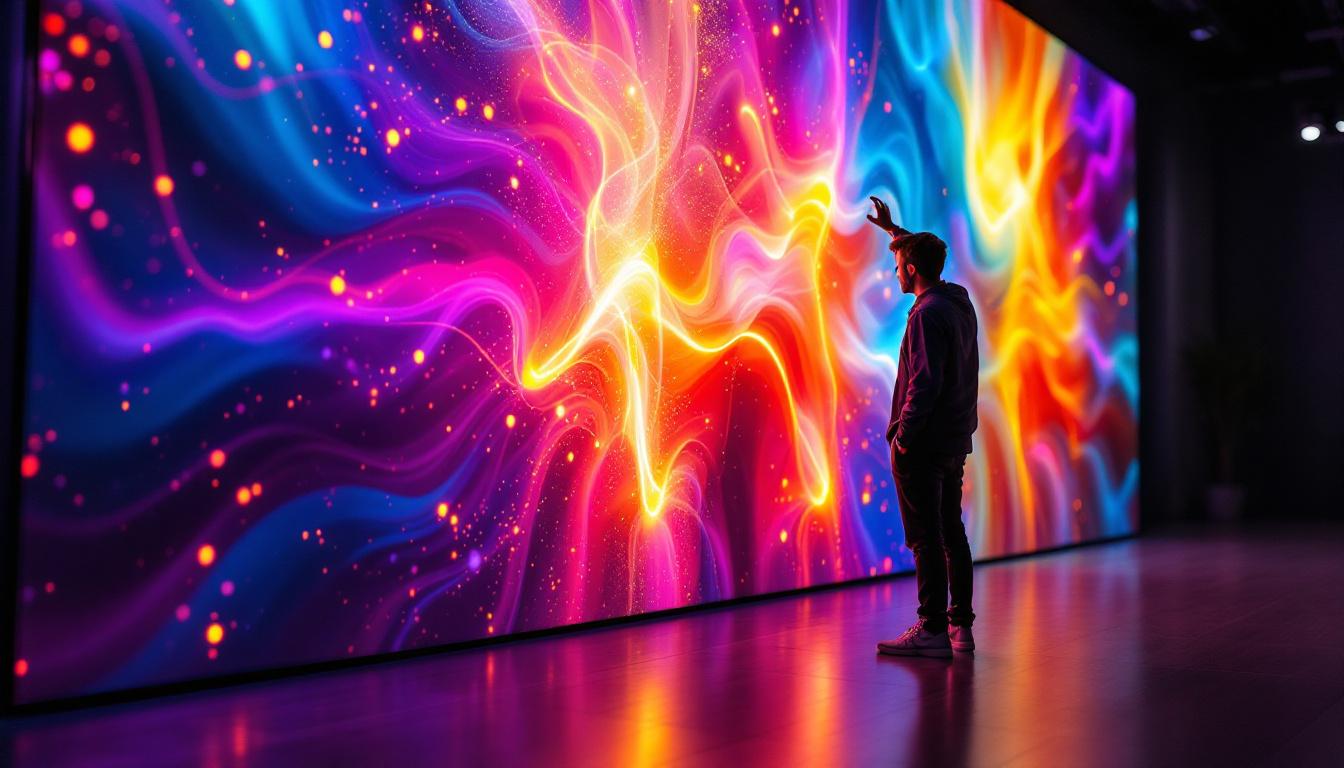
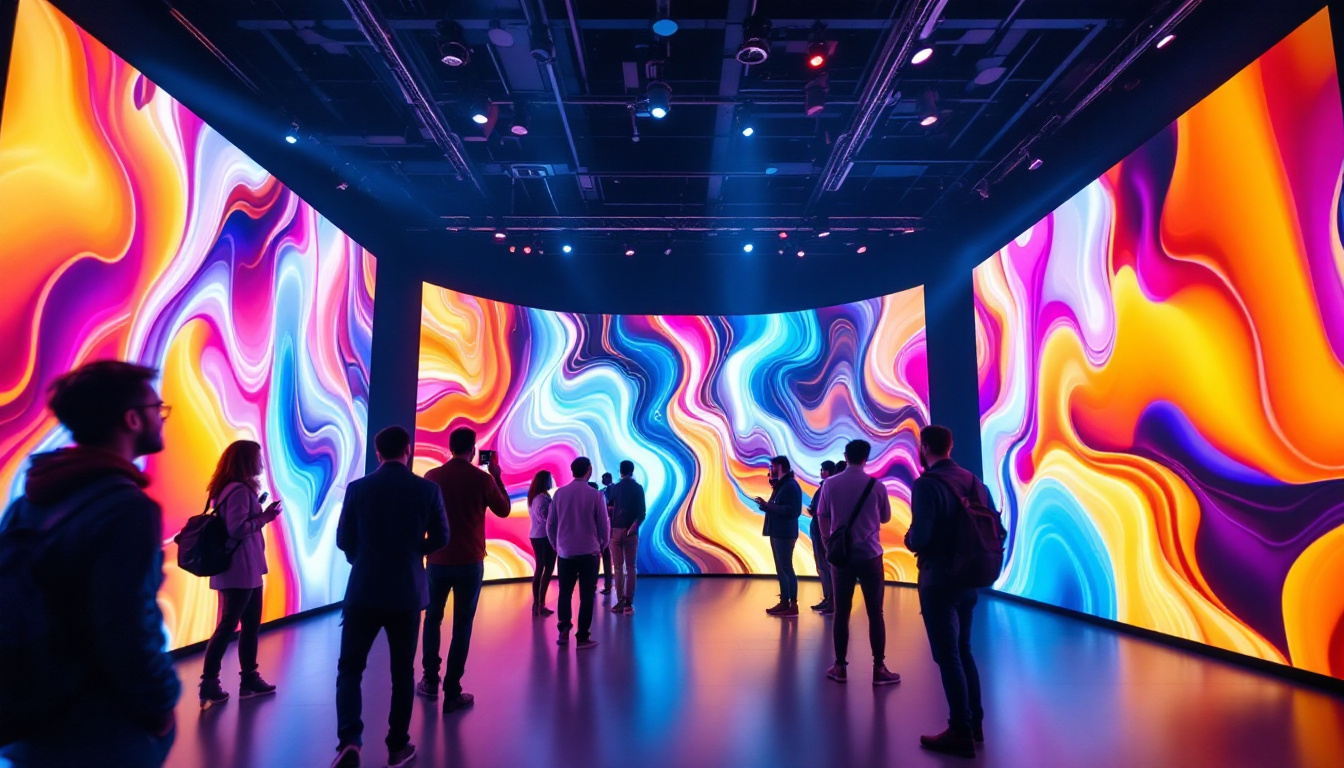
LED displays can be configured in various sizes and shapes, from small digital price tags to massive video walls. Their modular design allows retailers to customize installations to fit unique store layouts and branding needs. Additionally, many LED displays come equipped with advanced features such as touch interactivity and motion sensors, enhancing customer engagement. Retailers can leverage these capabilities to create immersive shopping experiences that not only showcase products but also tell a brand’s story in a dynamic way.
Types of LED Displays Used in Retail
There are two primary types of LED displays commonly used in retail settings:
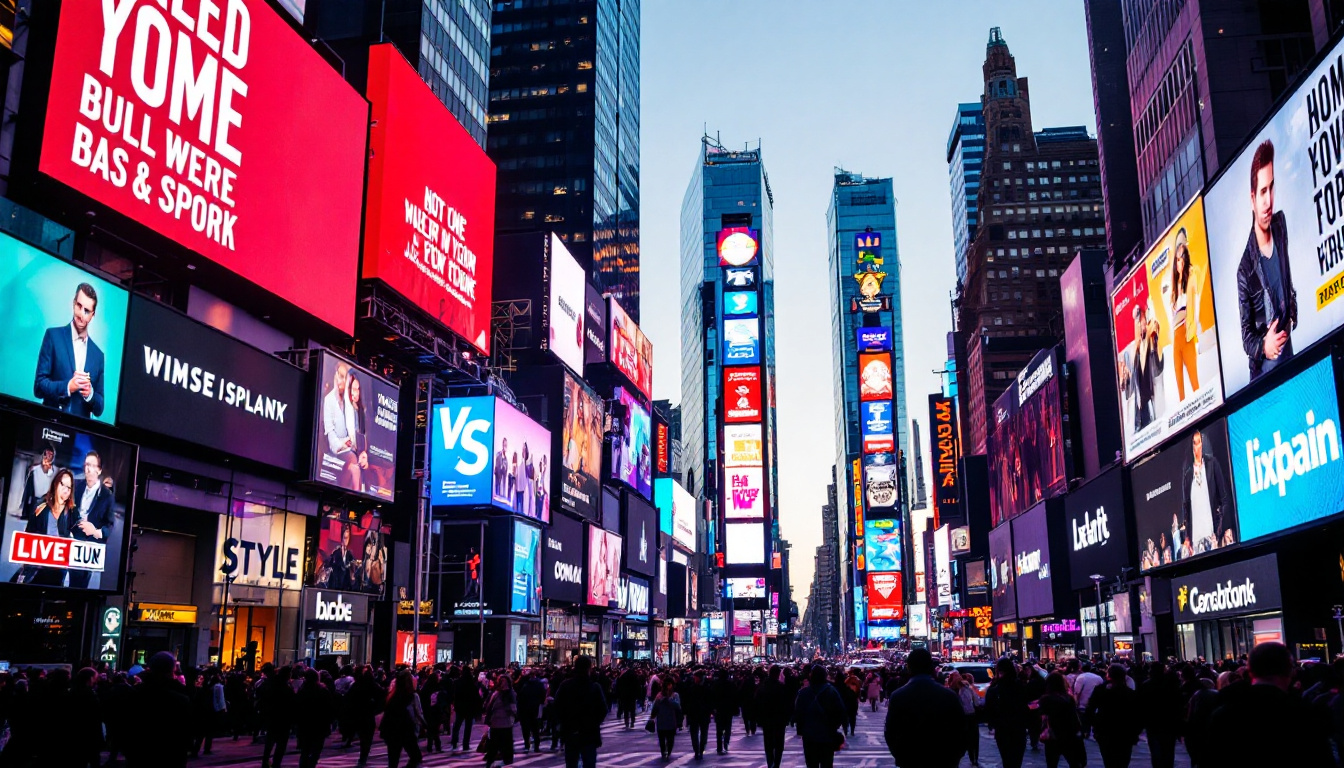
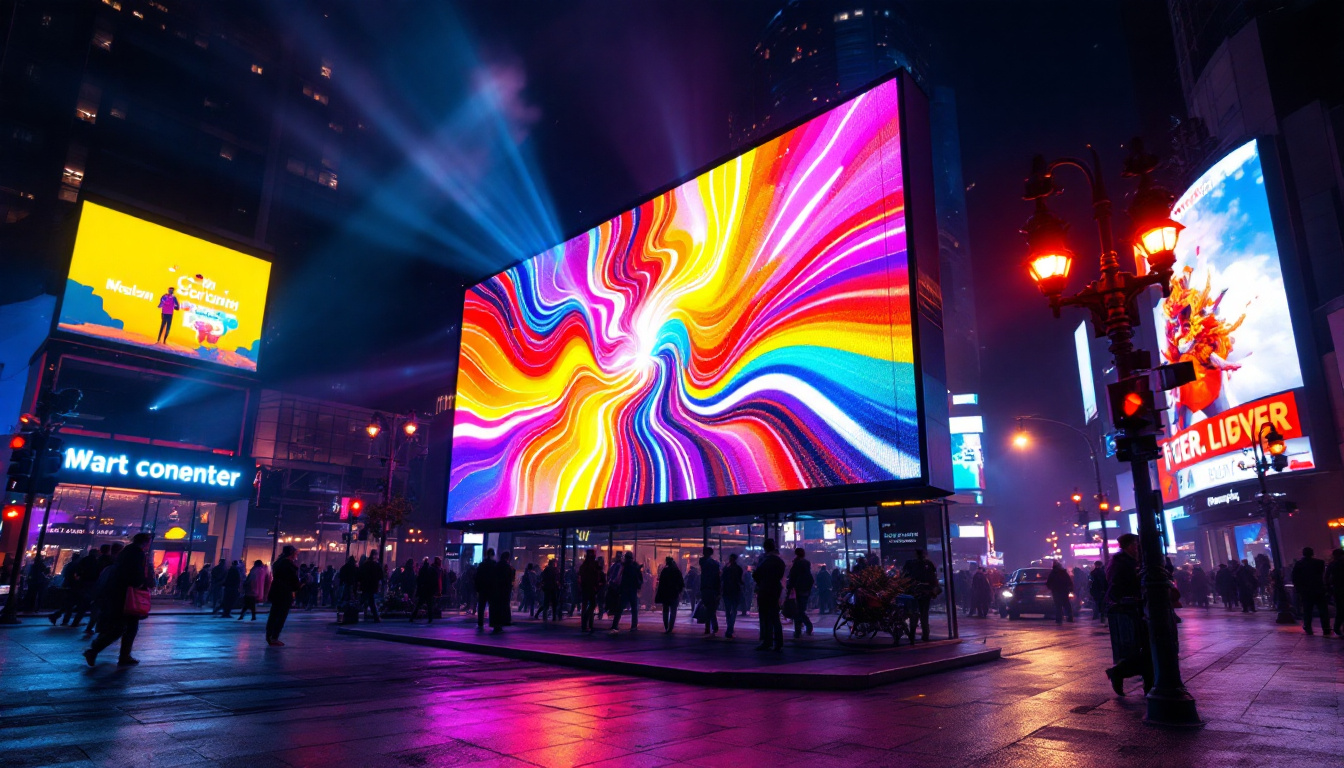
- Direct View LED (DV-LED): These displays consist of individual LEDs arranged closely to form pixels, creating bright and seamless images. DV-LEDs are often used for large video walls and outdoor signage due to their scalability and visibility. Their ability to maintain high image quality even in direct sunlight makes them ideal for outdoor retail environments, where they can serve as eye-catching billboards or promotional displays.
- LED-Backlit LCD: This is a hybrid technology where an LCD panel is illuminated by LEDs from behind. While less bright than DV-LEDs, these are cost-effective solutions for smaller indoor displays. They are particularly useful in environments where space is limited, such as in-store kiosks or point-of-sale displays, where they can provide essential information without overwhelming the customer.
Understanding these types helps retailers choose the right technology based on budget, location, and desired visual impact. Furthermore, the choice of LED display can significantly influence the overall customer experience. For instance, a well-placed DV-LED video wall can create a focal point in a store, drawing customers toward featured products or promotions. Conversely, LED-backlit displays can enhance the shopping journey by providing vital information, such as product details or special offers, right at the point of decision-making.
Moreover, the integration of LED displays with digital signage software allows retailers to manage content dynamically. This means that promotions can be updated in real-time, ensuring that customers are always informed about the latest deals or events. The ability to schedule content based on time of day or customer traffic patterns can further optimize the effectiveness of these displays, making them not just a visual tool but a strategic asset in retail marketing.
Why LED Displays Are Ideal for Retail Stores
Enhanced Visual Impact and Engagement
Retail environments thrive on capturing customer attention quickly. LED displays deliver vivid colors and high brightness that outperform traditional signage, even in brightly lit stores. Studies indicate that digital signage can increase customer dwell time by up to 30%, which correlates with higher purchase likelihood.
Moreover, dynamic content such as animated promotions, product demonstrations, and interactive elements can be displayed seamlessly on LED screens, creating an immersive shopping experience that static posters cannot match.
Energy Efficiency and Longevity
Energy consumption is a key consideration for retailers managing operational costs. LED displays are significantly more energy-efficient compared to older technologies like plasma or fluorescent lighting. They consume up to 80% less energy, reducing electricity bills and environmental impact.
In addition, LEDs have a longer lifespan—often exceeding 50,000 hours—meaning fewer replacements and lower maintenance costs over time. This reliability is crucial for retail stores that operate long hours daily.
Flexibility and Scalability
LED displays offer unparalleled flexibility. Retailers can easily update content remotely via content management systems, allowing for real-time promotions, seasonal campaigns, or localized messaging. This adaptability ensures marketing remains relevant and timely.
Scalability is another advantage. Whether a small boutique or a large department store, LED modules can be combined to create displays of virtually any size or shape. This enables creative freedom in store design and branding.
Key Applications of LED Digital Signage in Retail
Promotional Displays and Advertising
One of the most common uses of LED signage in retail is showcasing promotions and advertisements. LED screens can highlight limited-time offers, new arrivals, or exclusive deals with eye-catching visuals that drive impulse purchases.
For example, a clothing retailer might use LED video walls near entrances to display seasonal fashion trends or flash sales, instantly grabbing the attention of passersby and encouraging store entry.
Wayfinding and Customer Information
Large retail stores and shopping malls benefit from LED signage that assists customers in navigating the space. Interactive LED kiosks or digital directories enhance the shopping experience by providing store locations, event information, and personalized recommendations.
This functionality not only improves customer satisfaction but also increases the likelihood of cross-selling by guiding shoppers to complementary products or services.
Brand Storytelling and Experience Enhancement
LED displays enable retailers to tell their brand story through compelling visuals and videos. This emotional connection can differentiate a store from competitors and foster customer loyalty.
For instance, a specialty food retailer might use LED screens to showcase the sourcing and preparation of products, creating transparency and trust. Similarly, luxury brands can use high-resolution LED displays to evoke exclusivity and craftsmanship.
Implementing LED Digital Signage: Best Practices for Retailers
Choosing the Right Display Specifications
When selecting LED displays, retailers should consider factors such as pixel pitch, resolution, brightness, and viewing distance. Pixel pitch—the distance between individual LEDs—affects image clarity; smaller pitches provide sharper images but come at a higher cost.
Brightness levels should be tailored to the store environment. For indoor retail spaces, 800 to 1,500 nits is typically sufficient, whereas outdoor or window-facing displays may require 5,000 nits or more to remain visible in sunlight.
Content Strategy and Management
Effective digital signage depends on compelling content. Retailers should develop a content strategy that aligns with marketing goals, target audience preferences, and store layout. Content should be visually engaging, concise, and updated regularly to maintain interest.
Utilizing a centralized content management system (CMS) allows for easy scheduling, remote updates, and performance analytics. This ensures that messaging stays fresh and relevant across multiple store locations.
Integration with Other Retail Technologies
LED digital signage can be integrated with other retail technologies such as point-of-sale (POS) systems, inventory management, and customer relationship management (CRM) platforms. This integration enables personalized promotions based on purchase history or real-time inventory levels, enhancing the customer experience and operational efficiency.
For example, a display might automatically promote items that are overstocked or complement a customer’s recent purchase, encouraging upselling and reducing excess inventory.
Maintenance and Support Considerations
To maximize the lifespan and performance of LED displays, retailers should establish a maintenance plan that includes regular cleaning, software updates, and hardware inspections. Partnering with experienced vendors who offer technical support and warranty services can minimize downtime and repair costs.
Case Studies: Successful LED Digital Signage in Retail
Case Study 1: Global Fashion Retailer’s Video Wall Transformation
A leading global fashion retailer implemented a large-scale DV-LED video wall at flagship stores in major cities. The video wall featured high-definition visuals showcasing runway shows, new collections, and customer testimonials. This initiative resulted in a 25% increase in foot traffic and a 15% boost in sales during promotional periods.
The retailer attributed success to the immersive customer experience created by the vibrant and dynamic content, which reinforced brand identity and encouraged social media sharing.
Case Study 2: Grocery Chain’s Interactive LED Kiosks
A regional grocery chain deployed interactive LED kiosks in-store to provide shoppers with recipe ideas, nutritional information, and personalized discounts based on loyalty program data. This approach enhanced customer engagement and increased average basket size by 12% within six months.
The kiosks also helped streamline customer service by reducing wait times for product inquiries and enabling self-service options.
Future Trends in LED Digital Signage for Retail
Advancements in MicroLED and Transparent LED Technology
Emerging technologies such as MicroLED promise even higher resolution, improved energy efficiency, and thinner displays, which will further expand creative possibilities for retailers. Transparent LED displays are gaining popularity for storefront windows, allowing retailers to showcase digital content without obstructing views into the store.
AI-Driven Content Personalization
Artificial intelligence is increasingly being integrated with digital signage to deliver hyper-personalized content based on real-time data such as customer demographics, weather conditions, and purchasing behavior. This capability can significantly enhance the relevance and effectiveness of in-store messaging.
Integration with Augmented Reality (AR)
Combining LED displays with AR technologies offers interactive and immersive shopping experiences. For example, customers might use their smartphones to interact with LED signage, visualize products in different settings, or access additional product information, blending physical and digital retail seamlessly.
Conclusion
LED digital signage has revolutionized the retail industry by providing vibrant, flexible, and energy-efficient solutions for in-store communication. Its ability to captivate customers, deliver timely information, and support brand storytelling makes it an invaluable tool for retailers aiming to enhance the shopping experience and drive sales.
By carefully selecting the right LED technology, developing a strategic content plan, and integrating with other retail systems, stores can maximize the benefits of digital signage. As innovations continue to emerge, LED displays will remain at the forefront of retail technology, shaping the future of how brands connect with consumers.
Explore Cutting-Edge LED Display Solutions with LumenMatrix
Ready to transform your retail space with the latest in LED display technology? LumenMatrix offers a comprehensive range of innovative LED display modules tailored to meet the needs of modern retailers. From vibrant Indoor and Outdoor LED Wall Displays to dynamic Vehicle and Sports LED Displays, our solutions are designed to captivate your audience and amplify your brand’s message. Discover the power of our Custom, Floor, and All-in-One LED Displays, including the sleek LED Transparent Display, and see how our commitment to revolutionizing visual communication can elevate your customer engagement. Check out LumenMatrix LED Display Solutions today and take the first step towards an unforgettable visual experience.