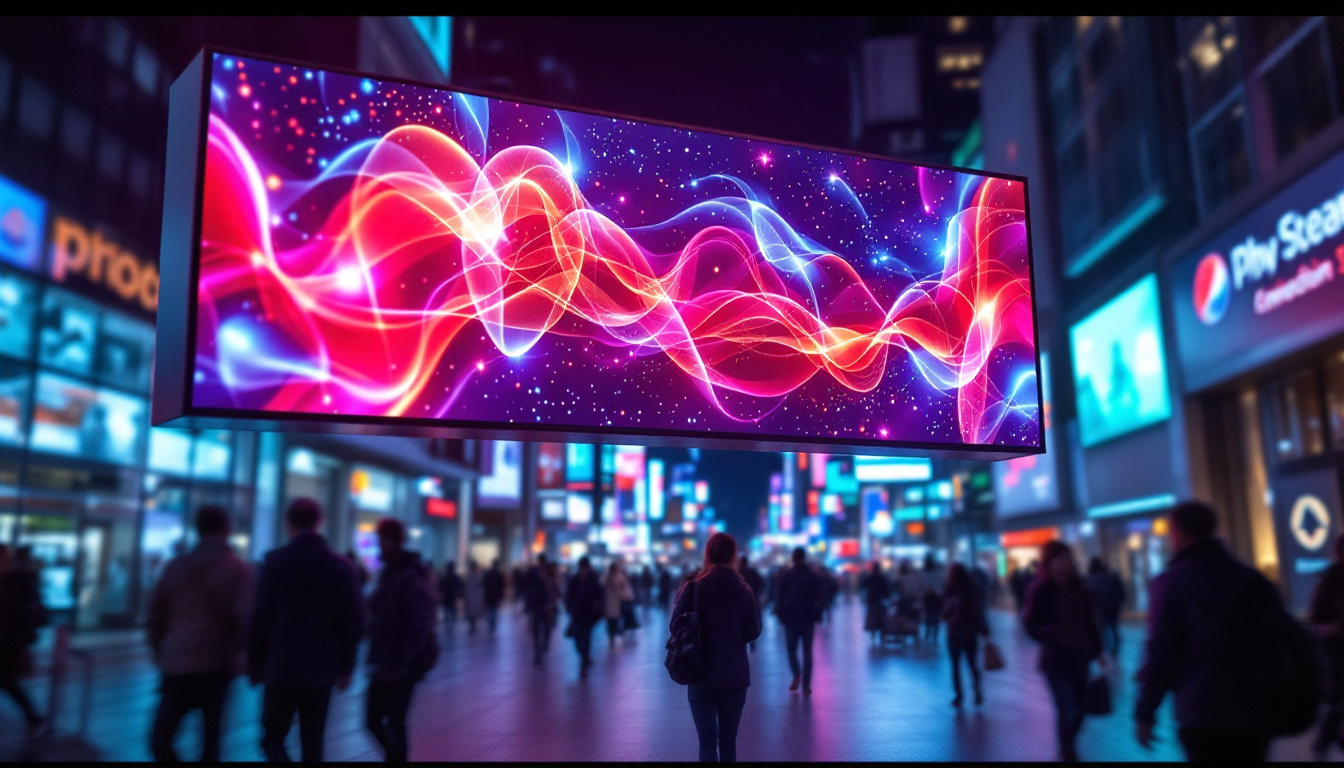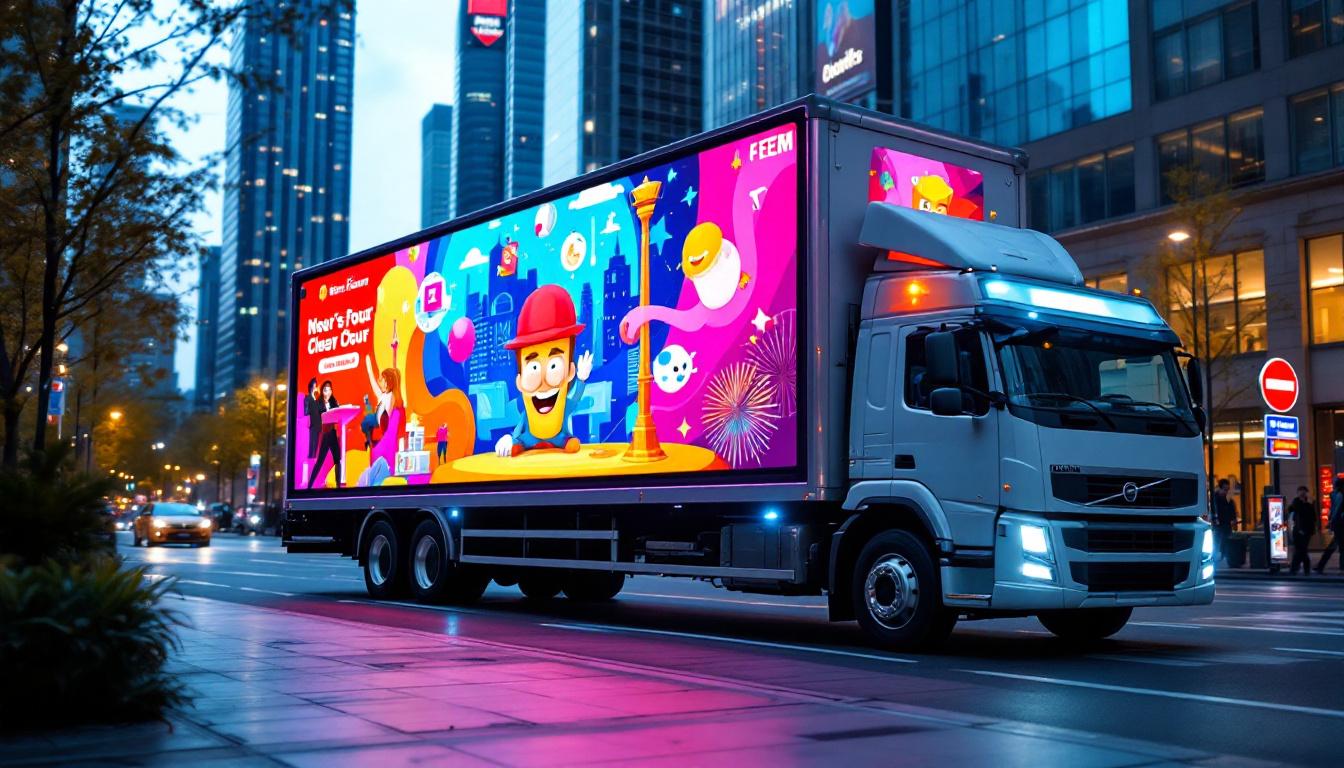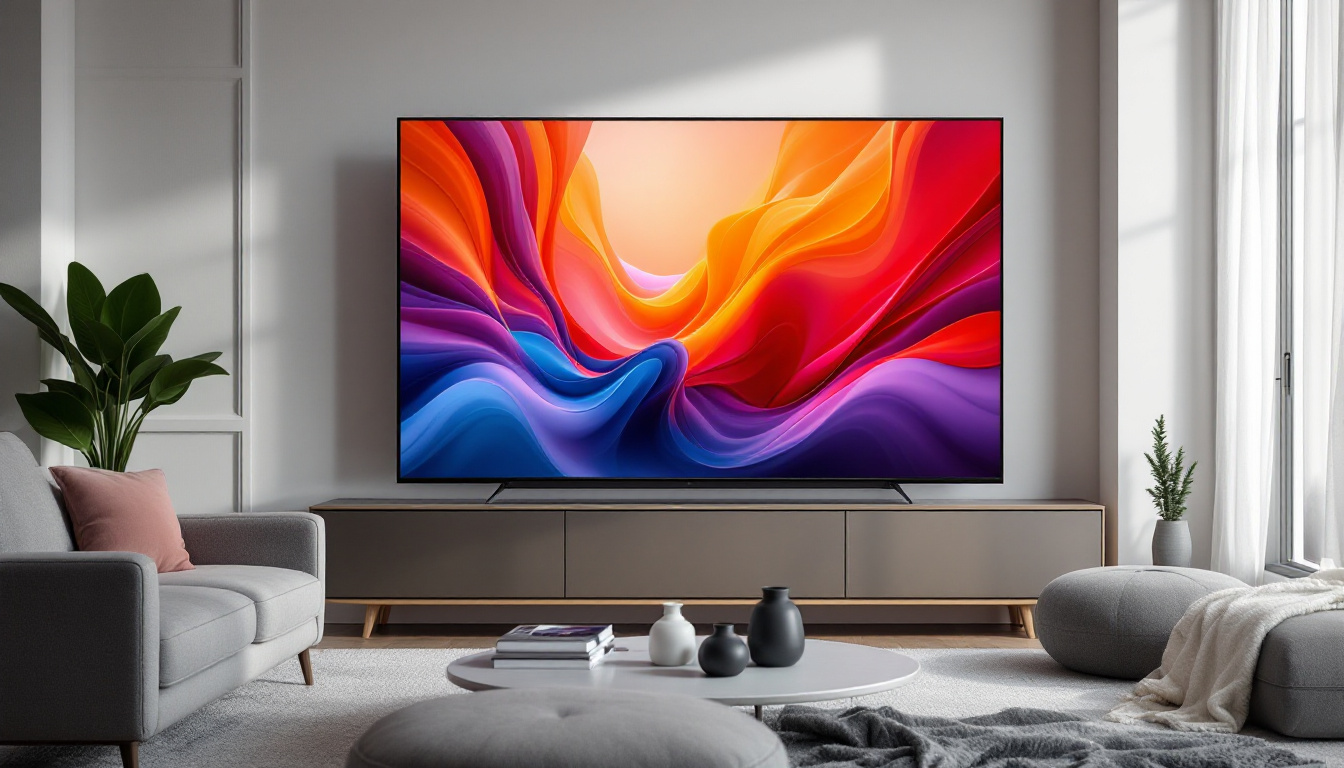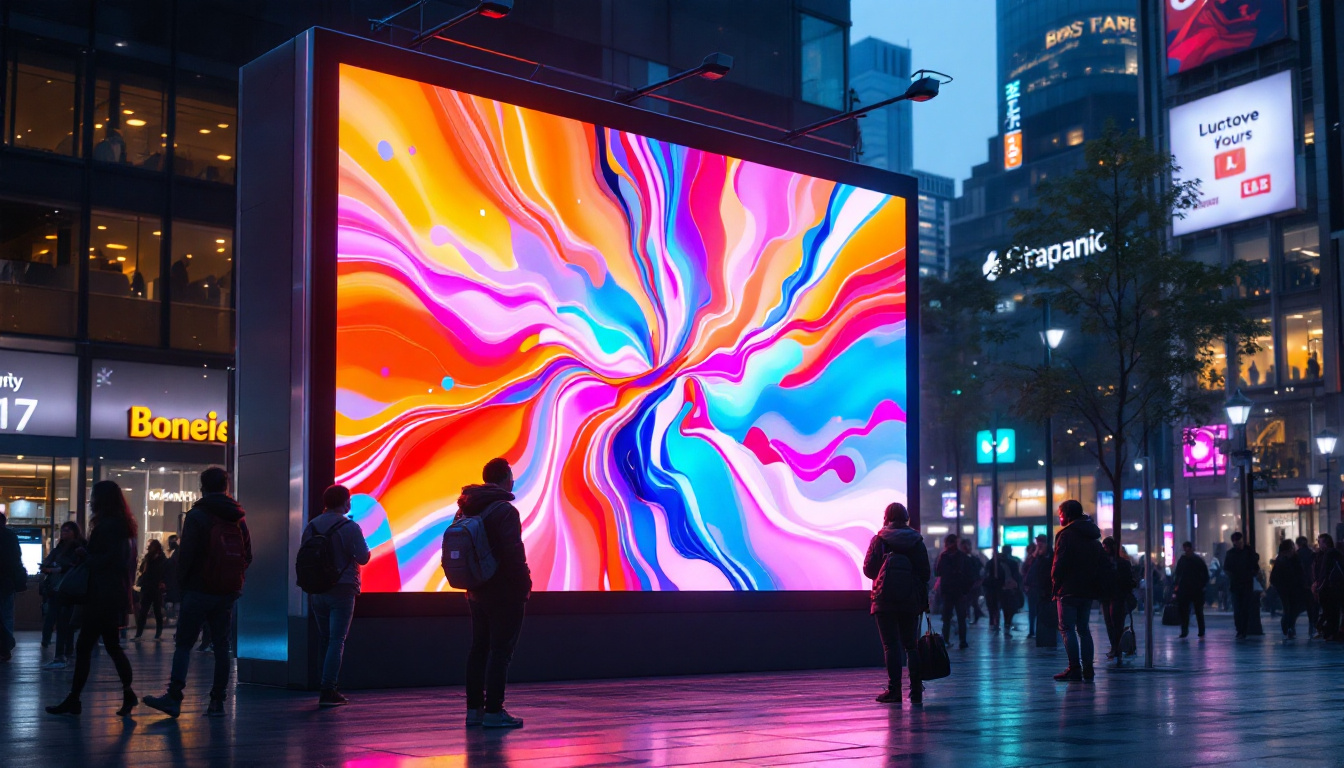
In the fast-evolving world of digital signage, LED displays have emerged as a dominant technology, transforming how businesses communicate with their audiences. From vibrant outdoor billboards to dynamic indoor retail screens, LED displays offer unparalleled brightness, flexibility, and durability. This article delves into the fundamentals of LED display technology, explores its advantages, and highlights key considerations for selecting the right LED solution for digital signage applications.
Understanding LED Display Technology
LED, short for Light Emitting Diode, is a semiconductor device that emits light when an electric current passes through it. Unlike traditional display technologies such as LCD or projection, LED displays use an array of tiny light-emitting diodes as individual pixels to create an image. This fundamental difference underpins many of the benefits that LED displays offer for digital signage. The energy efficiency of LED technology also plays a crucial role in reducing operational costs, making it an attractive option for businesses looking to maximize their advertising budget while minimizing their environmental footprint.
How LED Displays Work
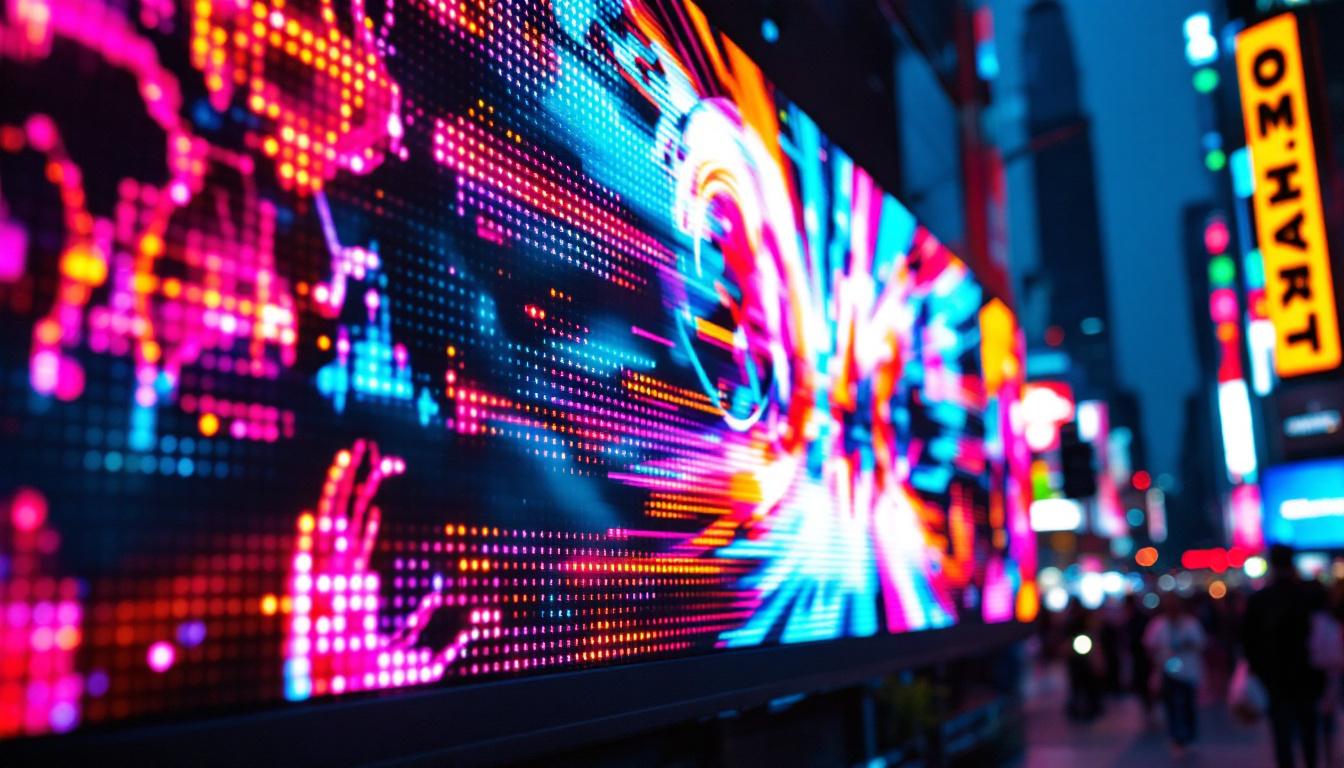
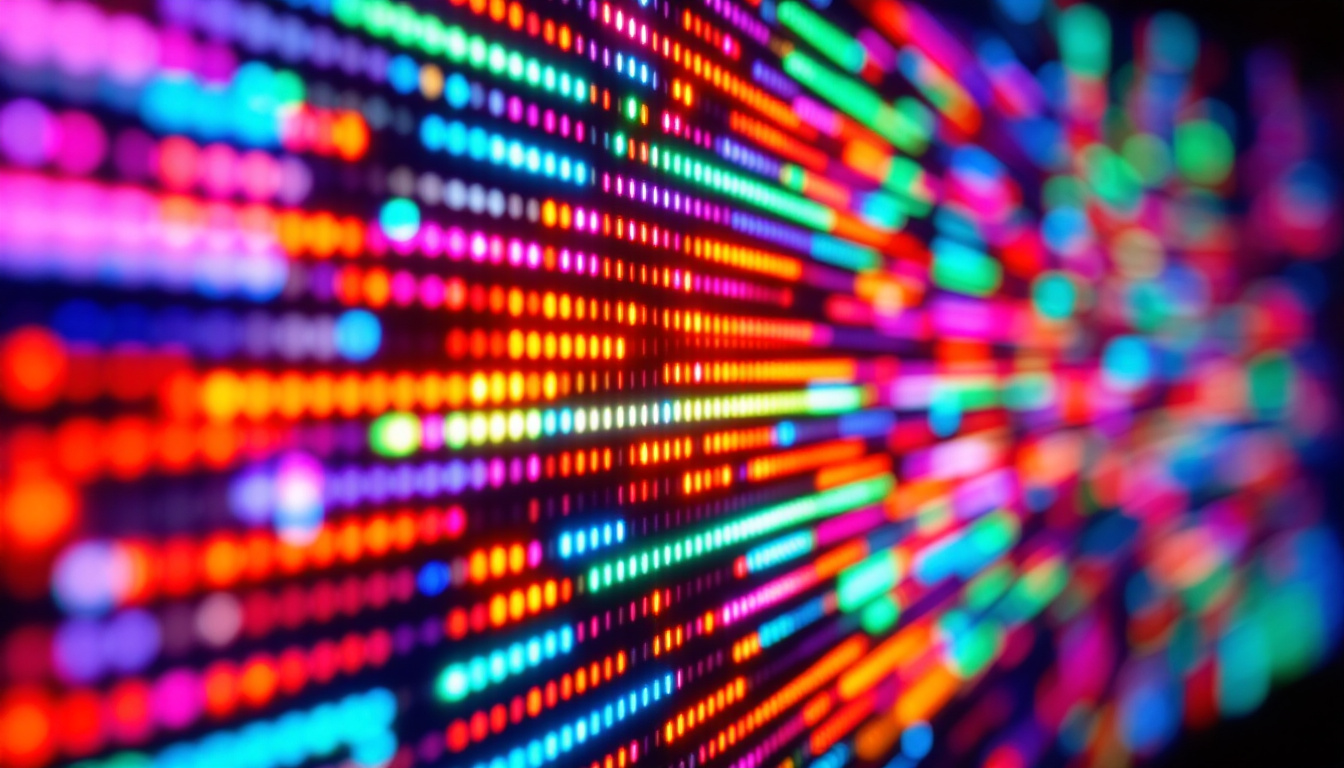
Each pixel in an LED display consists of one or more diodes that emit red, green, and blue light. By adjusting the intensity of these diodes, the display can produce a full spectrum of colors. The pixels are arranged in a grid, and the display controller manages the illumination of each pixel to render images, videos, or text. This precise control over color and brightness allows for stunning visuals that can captivate audiences, especially in high-traffic areas such as shopping malls and stadiums. Additionally, advancements in technology have led to the development of high-resolution displays, which can show intricate details and vibrant colors, further enhancing the viewer’s experience.
LED displays are typically categorized into two types: direct view LED and LED-backlit LCD. Direct view LED displays use LEDs themselves as the light source and image pixels, creating bright and vivid images without the need for a backlight. In contrast, LED-backlit LCDs use LEDs to illuminate an LCD panel, which modulates light to form images. For digital signage, direct view LED displays are generally preferred due to their superior brightness and viewing angles. This makes them particularly effective in outdoor environments where sunlight can wash out other display types, ensuring that content remains visible and engaging at all times.
Key Components of an LED Display
A typical LED display comprises several integral components:
- LED Modules: These are the building blocks containing the LED pixels arranged in a matrix.
- Cabinet: The structural frame that houses the modules, providing protection and ease of installation.
- Power Supply: Converts electrical power to the appropriate voltage and current for the LEDs.
- Control System: The hardware and software that process input signals and manage pixel illumination.
- Cooling System: Ensures optimal operating temperature to maintain performance and longevity.
Each of these components plays a vital role in the overall functionality and performance of the LED display. For instance, the power supply must be robust enough to handle the demands of high-brightness applications, while the control system needs to be sophisticated enough to support real-time content updates and remote management capabilities. Furthermore, the cooling system is essential in preventing overheating, which can lead to reduced lifespan and performance degradation. As technology continues to evolve, innovations in these components are paving the way for even more advanced LED display solutions that offer enhanced durability, energy efficiency, and versatility across various applications.
Advantages of LED Displays in Digital Signage
LED displays have become the go-to choice for digital signage due to their unique combination of features. Understanding these advantages helps businesses make informed decisions when investing in display technology.
Exceptional Brightness and Visibility
One of the most significant benefits of LED displays is their high brightness levels. Outdoor LED billboards can reach brightness levels exceeding 5,000 nits, ensuring visibility even under direct sunlight. This is crucial for signage in outdoor environments where ambient light conditions can be challenging.
Indoor LED displays also benefit from high brightness, allowing content to stand out in well-lit retail spaces, airports, and corporate lobbies. The ability to adjust brightness dynamically based on ambient light conditions further enhances viewer comfort and energy efficiency.
Wide Viewing Angles
LED displays offer wide viewing angles, often exceeding 160 degrees horizontally and vertically. This means that content remains clear and vibrant even when viewed from sharp angles, making them ideal for public spaces where audiences are dispersed.
Durability and Longevity
LED technology is known for its robustness and long operational life. High-quality LED displays can operate continuously for over 100,000 hours, translating to more than a decade of use under typical conditions. They are also resistant to shock, vibration, and environmental factors such as moisture and dust, especially when designed with appropriate IP ratings for outdoor use.
Energy Efficiency
Compared to other display technologies like plasma or projection, LED displays consume less power for the same brightness output. Advances in LED chip manufacturing and power management have further improved energy efficiency, reducing operational costs and environmental impact.
Flexibility in Size and Shape
LED displays can be manufactured in virtually any size or shape, from small digital menu boards to massive stadium screens. The modular nature of LED panels allows for seamless scaling and creative configurations, enabling brands to design unique and eye-catching signage solutions.
Types of LED Displays for Digital Signage
Choosing the right type of LED display depends on the specific application, environment, and budget. Below are the primary categories of LED displays used in digital signage.
Indoor LED Displays
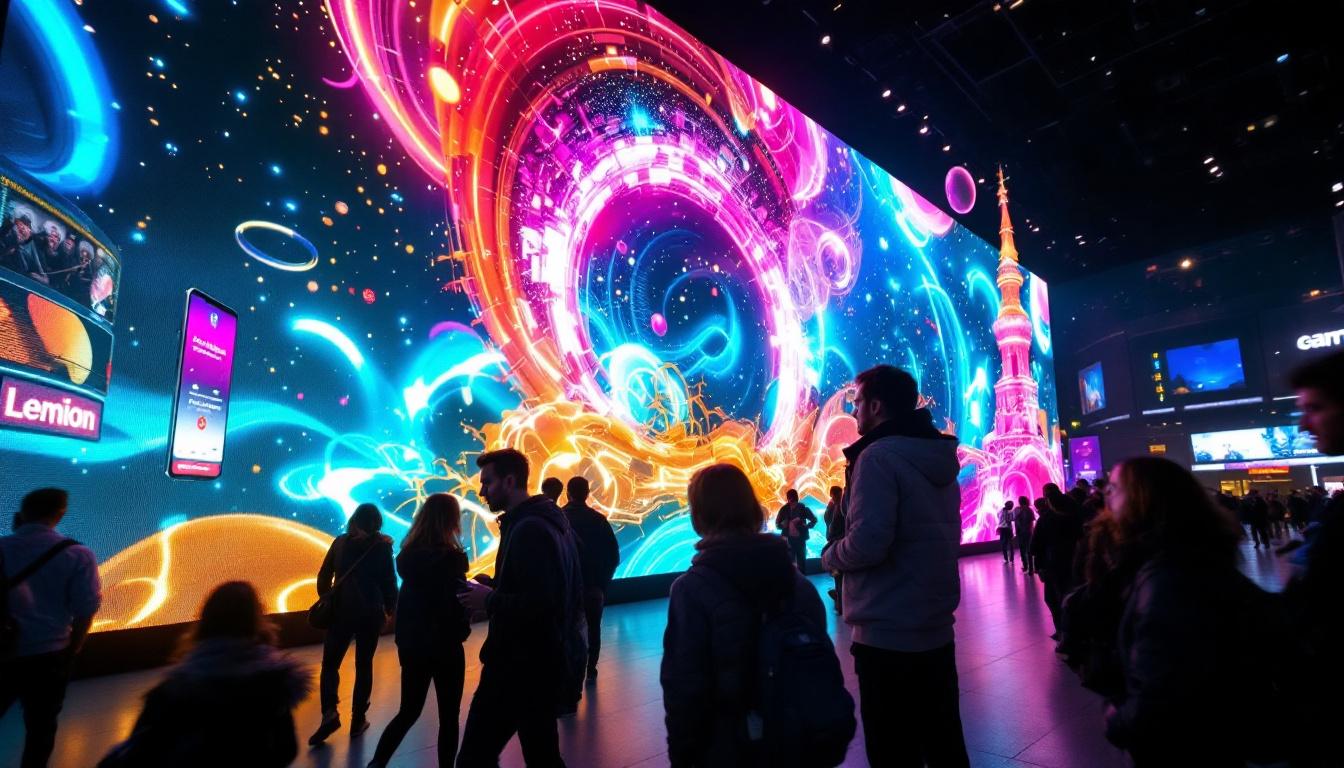
Indoor LED displays are designed with a higher pixel density and smaller pixel pitch, typically ranging from 0.9 mm to 4 mm. This ensures crisp, high-resolution images suitable for close viewing distances in retail stores, conference rooms, and museums. Indoor displays often feature lightweight and slim cabinets for easy installation and integration with interior design.
Outdoor LED Displays
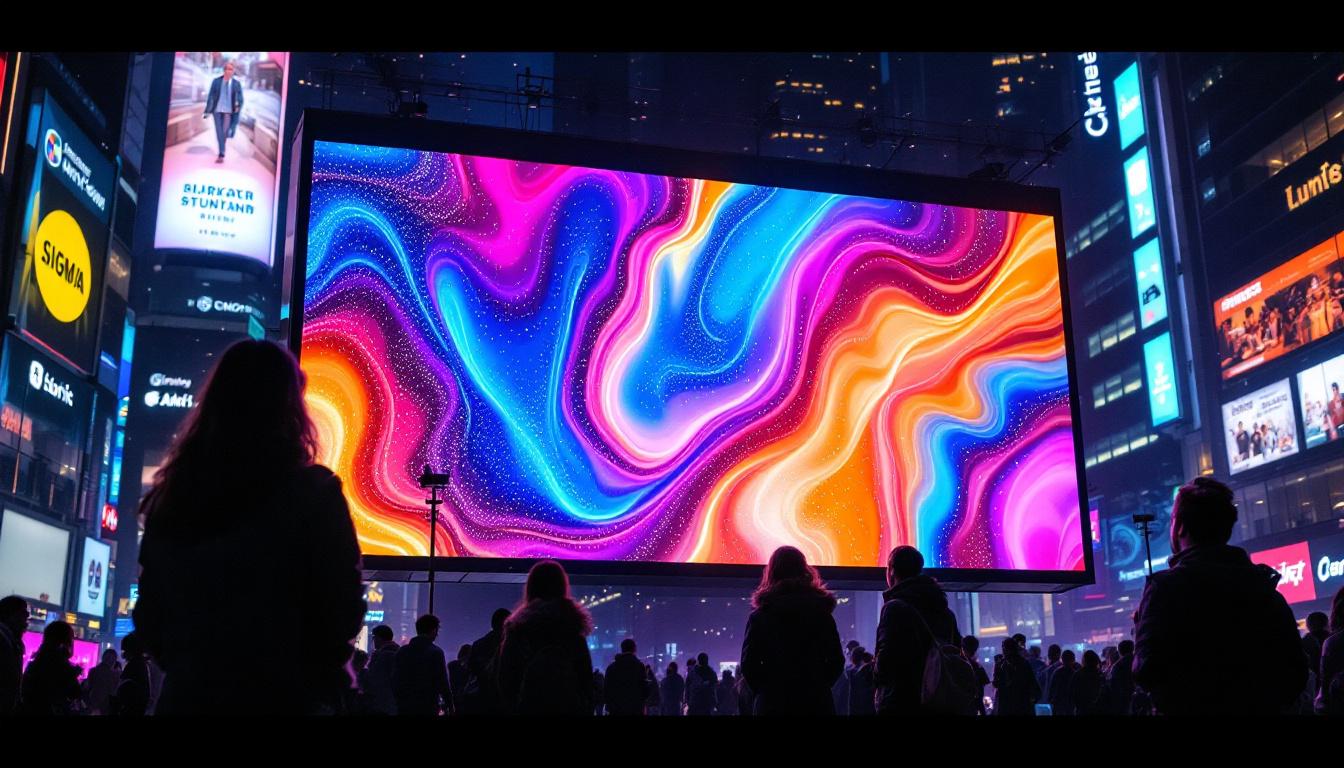
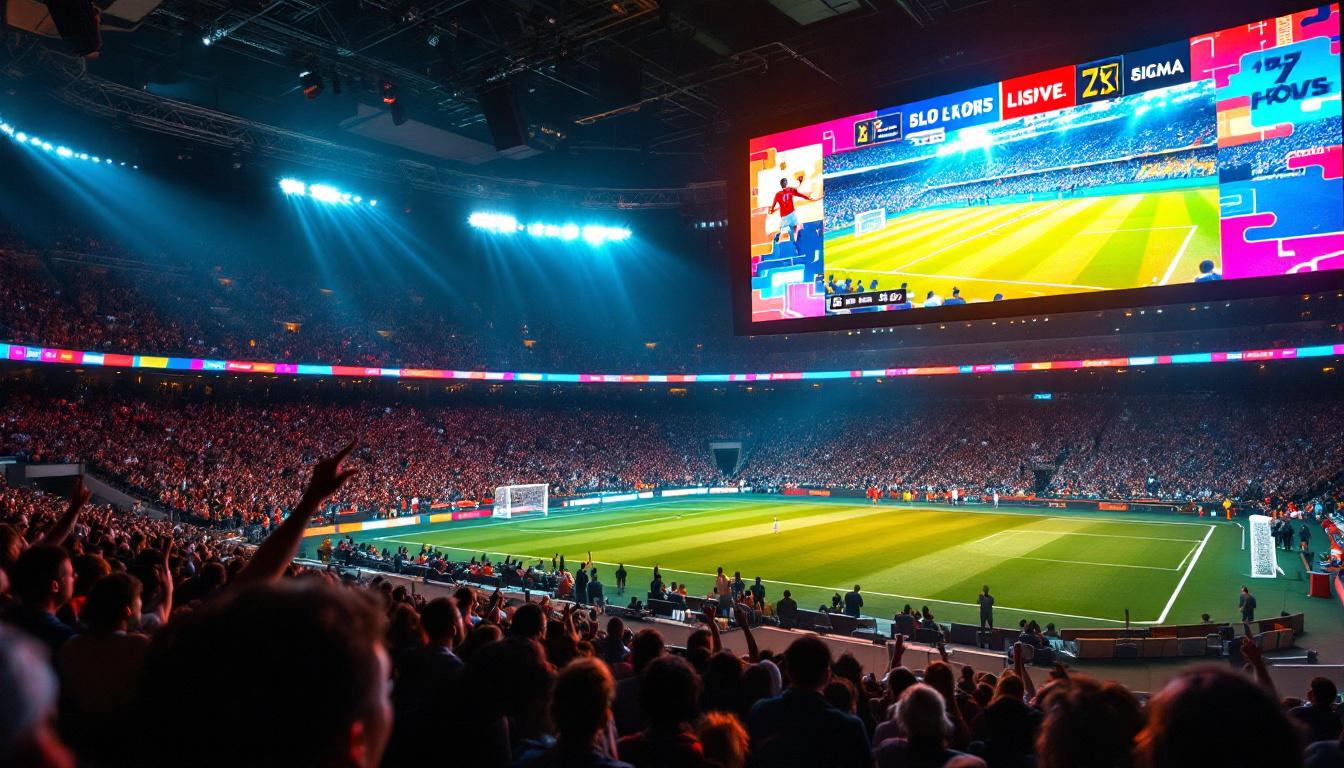
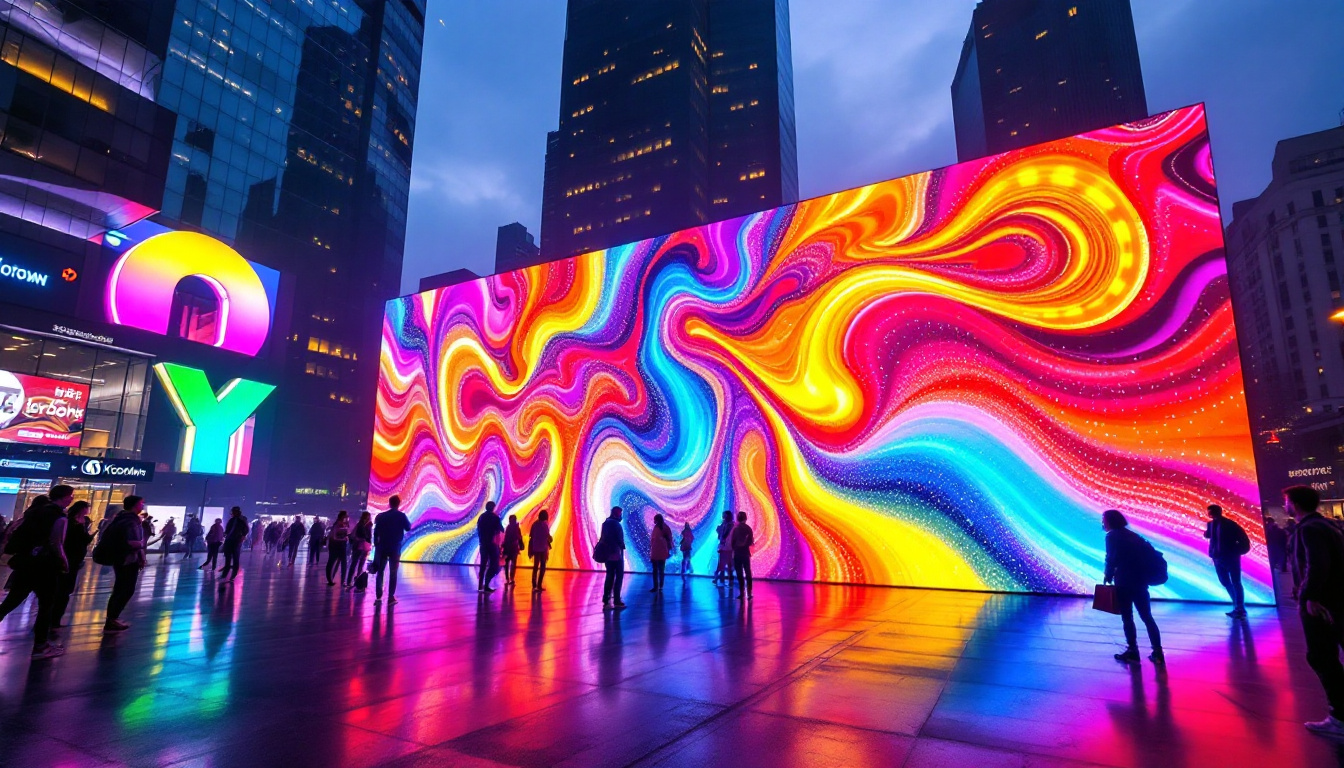
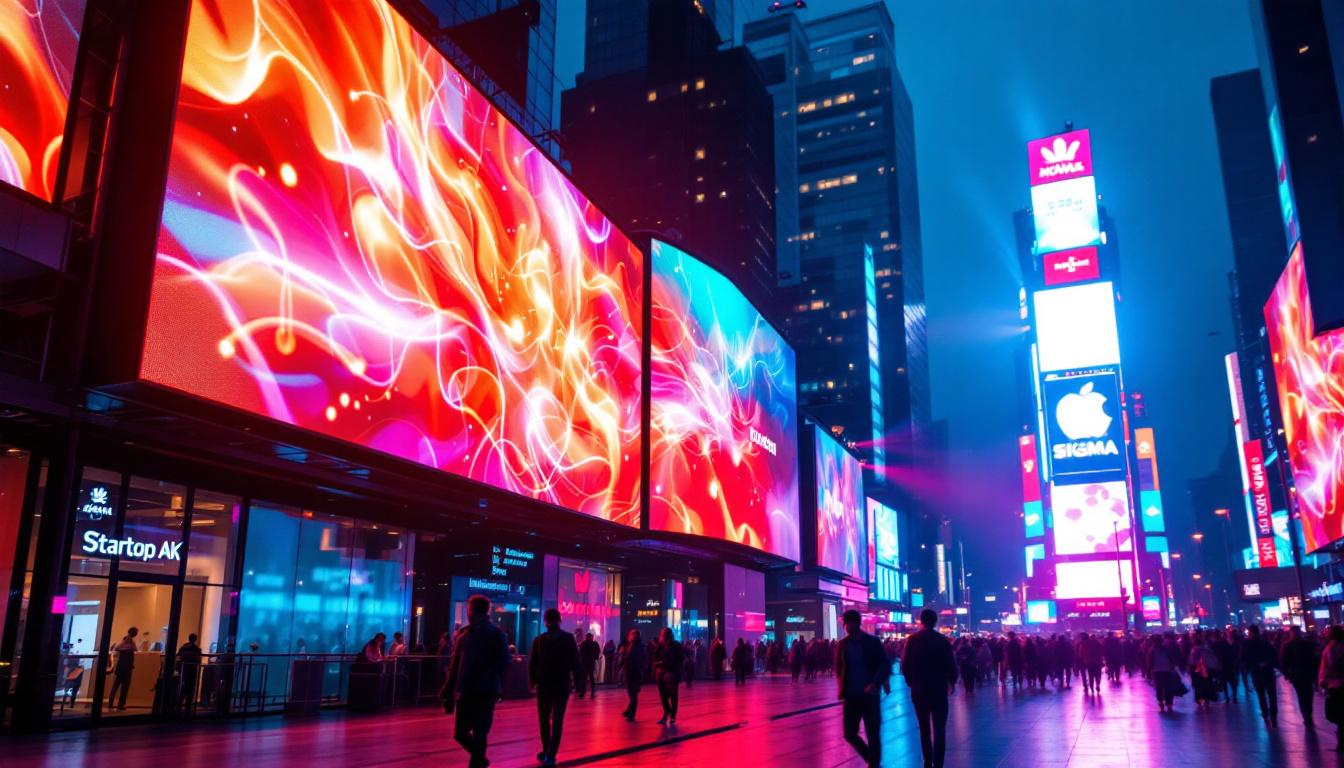
Outdoor LED displays are built to withstand harsh environmental conditions. They feature rugged cabinets with IP65 or higher ratings for protection against rain, dust, and temperature extremes. Pixel pitches for outdoor displays are generally larger, ranging from 4 mm to 20 mm, as viewing distances tend to be greater. These displays are commonly used for billboards, sports arenas, transportation hubs, and public squares.
Transparent LED Displays
Transparent LED displays are an innovative solution that allows light to pass through the screen, making them ideal for storefront windows and glass facades. They combine advertising with architectural aesthetics, enabling businesses to maintain natural light and visibility while displaying dynamic content.
Flexible and Curved LED Displays
Flexible LED panels can be bent or curved to fit unique architectural features or create immersive visual experiences. These displays open new creative possibilities for digital signage, including cylindrical columns, curved walls, and artistic installations.
Key Considerations When Selecting an LED Display
Investing in an LED display requires careful evaluation of several factors to ensure the solution meets business goals and operational demands.
Pixel Pitch and Resolution
Pixel pitch, the distance between the centers of adjacent pixels, directly affects image clarity and resolution. Smaller pixel pitches yield higher resolution and are suited for close viewing distances, while larger pitches are acceptable for distant viewing. For example, a 1.5 mm pixel pitch is ideal for indoor retail signage viewed from a few feet away, whereas a 10 mm pitch may suffice for a highway billboard viewed from hundreds of feet.
Brightness and Contrast Ratio
Brightness requirements depend on ambient lighting conditions. Outdoor displays need higher brightness levels to combat sunlight, while indoor displays can operate at lower brightness for eye comfort. Contrast ratio, the difference between the darkest black and brightest white, also influences image quality and viewer engagement.
Durability and Environmental Rating
For outdoor installations, selecting displays with appropriate IP ratings ensures protection against weather elements. Additionally, UV resistance and temperature tolerance are critical to maintaining performance over time.
Installation and Maintenance
Modular LED panels simplify installation and allow for easier maintenance and repairs. Consideration should be given to access for servicing, especially for large or high-mounted displays. Some LED displays offer front-service capabilities, enabling maintenance without dismantling the entire structure.
Content Management and Connectivity
Modern LED displays integrate with content management systems (CMS) that facilitate scheduling, remote updates, and real-time content changes. Connectivity options such as HDMI, DVI, and network interfaces ensure compatibility with various media sources and control platforms.
Emerging Trends in LED Digital Signage
The LED display market continues to innovate, driven by advancements in technology and evolving consumer expectations.
Mini-LED and Micro-LED Technologies
Mini-LED and Micro-LED represent the next generation of LED displays, featuring significantly smaller diodes that enable even higher pixel densities and improved color accuracy. These technologies promise enhanced image quality for both indoor and outdoor applications, with better energy efficiency and longer lifespans.
Integration with Interactive Technologies
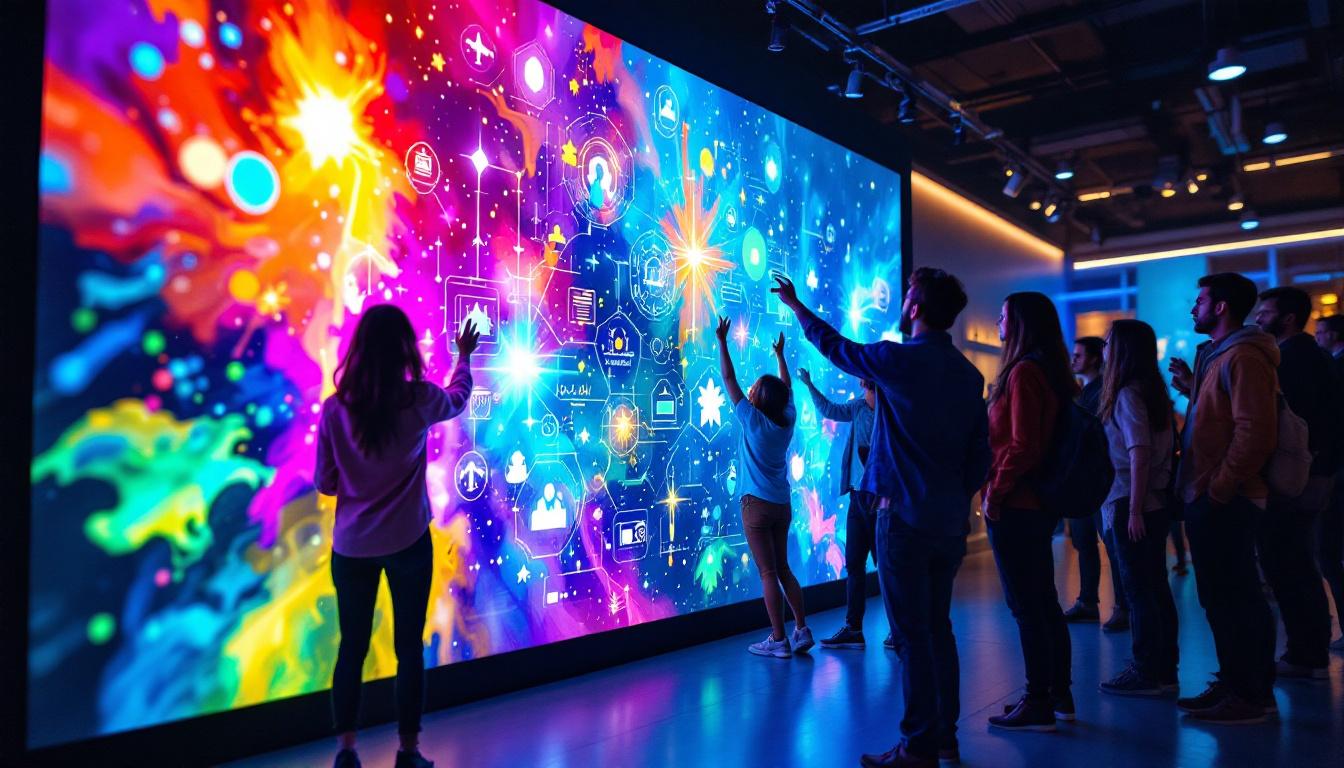
Combining LED displays with touch sensors, cameras, and artificial intelligence enables interactive digital signage experiences. Retailers and advertisers can engage audiences with personalized content, gesture controls, and real-time analytics, increasing the effectiveness of their campaigns.
Sustainability and Energy Management
With growing emphasis on sustainability, manufacturers are developing LED displays with eco-friendly materials and smarter power management systems. Features such as ambient light sensors and adaptive brightness controls help reduce energy consumption without compromising visual impact.
Conclusion
LED displays have revolutionized digital signage by offering unmatched brightness, flexibility, and durability. Their ability to deliver vibrant, high-resolution content in diverse environments makes them indispensable for modern communication strategies. By understanding the technology, benefits, and selection criteria, businesses can harness the full potential of LED displays to captivate audiences and elevate brand presence.
As LED technology continues to advance, embracing innovations like Mini-LED, interactive capabilities, and sustainable design will be key to staying ahead in the competitive digital signage landscape. Whether deploying a single indoor screen or a vast outdoor video wall, LED displays remain a powerful tool for impactful storytelling and customer engagement.
Explore Cutting-Edge LED Display Solutions with LumenMatrix
Ready to elevate your brand’s visual impact? Discover LumenMatrix’s innovative LED display technology, crafted to bring your message to life with unparalleled clarity and vibrancy. From Indoor and Outdoor LED Wall Displays to specialized solutions like Vehicle, Sports, and Floor LED Displays, LumenMatrix offers a comprehensive range of products designed to captivate your audience. Embrace the future of visual communication with our Custom, All-in-One, and Transparent LED Displays. Check out LumenMatrix LED Display Solutions today and transform your digital signage into a powerful storytelling platform.