In today’s fast-evolving digital landscape, the way businesses communicate with their audiences has transformed dramatically. Digital signage has become a cornerstone of modern marketing, information dissemination, and customer engagement strategies. Among the various technologies powering digital signage solutions, LED displays stand out for their vibrancy, scalability, and versatility. This article delves into the digital signage market with a focused explanation on LED displays—exploring their technology, applications, market trends, and future outlook.
Understanding the Digital Signage Market
The digital signage market has experienced remarkable growth over the past decade. Valued at approximately $21 billion in 2023, it is projected to reach nearly $35 billion by 2028, growing at a compound annual growth rate (CAGR) of around 10%. This surge is driven by increasing demand for dynamic content delivery, advancements in display technologies, and the growing adoption of digital signage across various sectors including retail, transportation, healthcare, and hospitality.
Digital signage refers to electronic displays that show multimedia content such as images, videos, and real-time information. These systems replace traditional static signs, offering businesses the ability to update content instantly and tailor messaging to specific audiences or times of day. The technology behind digital signage includes LCD, LED, projection, and OLED displays, but LED displays are increasingly preferred for their superior brightness, energy efficiency, and scalability.
Key Drivers of Market Growth
Several factors contribute to the expanding digital signage market:
- Consumer Engagement: Interactive and visually appealing signage captures attention more effectively than static signs, improving customer experience and brand recall.
- Technological Advancements: Innovations such as 4K resolution, smart connectivity, and AI-driven content management enhance the functionality of digital signage.
- Cost Efficiency: Over time, digital signage reduces printing and labor costs associated with traditional signage.
- Versatility: Digital signage can be deployed indoors and outdoors, in small retail stores or large stadiums, adapting to diverse environments.
What is an LED Display?
LED, or Light Emitting Diode, displays are a type of digital screen that uses tiny light-emitting diodes as pixels to produce images. Unlike LCDs, which rely on backlighting, LEDs emit their own light, resulting in brighter and more vibrant visuals. LED displays are composed of thousands to millions of these tiny diodes arranged in a matrix, capable of producing a full spectrum of colors by combining red, green, and blue LEDs.
Types of LED Displays
LED displays come in various forms, each suited to different applications:
- Direct View LED (DVLED): This is the most common type used in large-format digital signage. The diodes are directly visible to the viewer, creating bright and high-contrast images ideal for outdoor billboards and stadium screens.
- LED-Backlit LCD: In this hybrid technology, LEDs serve as the backlight for an LCD panel. This is common in smaller digital signage like indoor displays and kiosks.
- MicroLED: An emerging technology featuring microscopic LEDs that promise even higher resolution, better energy efficiency, and longer lifespan.
Advantages of LED Displays in Digital Signage
LED displays offer several benefits that make them the preferred choice for many digital signage applications:
- Brightness and Visibility: LEDs can achieve brightness levels exceeding 5,000 nits, making them highly visible even in direct sunlight—critical for outdoor signage.
- Energy Efficiency: LEDs consume less power compared to traditional lighting and LCD backlights, which reduces operational costs.
- Durability and Longevity: LED displays are robust and have a longer lifespan, often exceeding 100,000 hours of operation.
- Flexibility and Scalability: Modular LED panels can be combined to create displays of virtually any size and shape, from small menu boards to massive video walls.
- Color Accuracy and Contrast: The ability to produce deep blacks and vibrant colors enhances image quality and viewer engagement.
Applications of LED Displays in Digital Signage
The versatility of LED displays has led to their adoption across a wide range of industries and use cases. Each application leverages the unique strengths of LED technology to meet specific communication goals.
Retail and Advertising
Retailers use LED displays to attract customers, promote products, and create immersive shopping experiences. Bright, dynamic signage can showcase promotions, new arrivals, or interactive content that encourages customer interaction. For example, large LED video walls in flagship stores create engaging brand environments that drive foot traffic and sales.
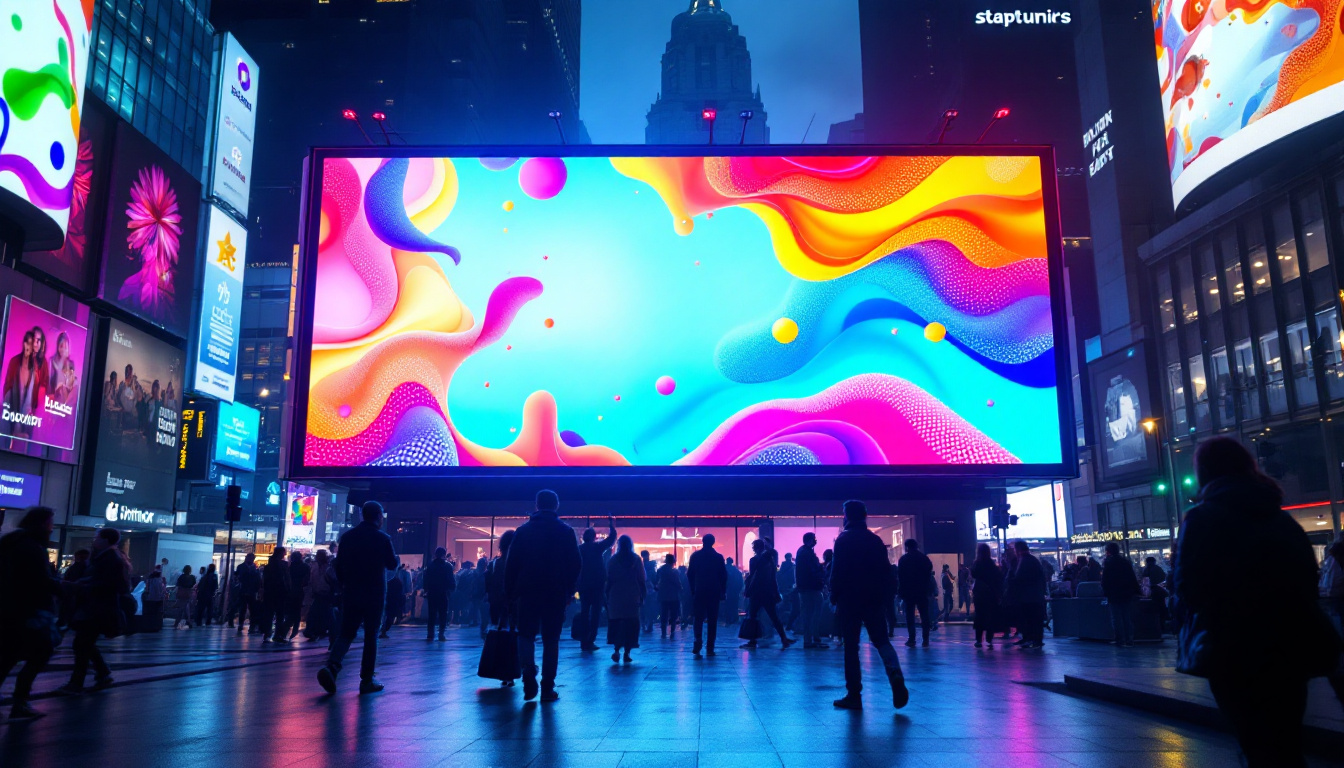
Outdoor LED billboards are a staple in advertising, offering high-impact visuals that are visible from great distances. The ability to change content remotely and instantly allows advertisers to tailor messages based on time of day, weather, or local events, maximizing relevance and effectiveness.
Transportation and Public Spaces
Airports, train stations, and bus terminals utilize LED displays to provide real-time information such as arrival and departure times, gate changes, and emergency alerts. The high visibility and reliability of LED signage ensure travelers receive timely updates even in challenging lighting conditions.
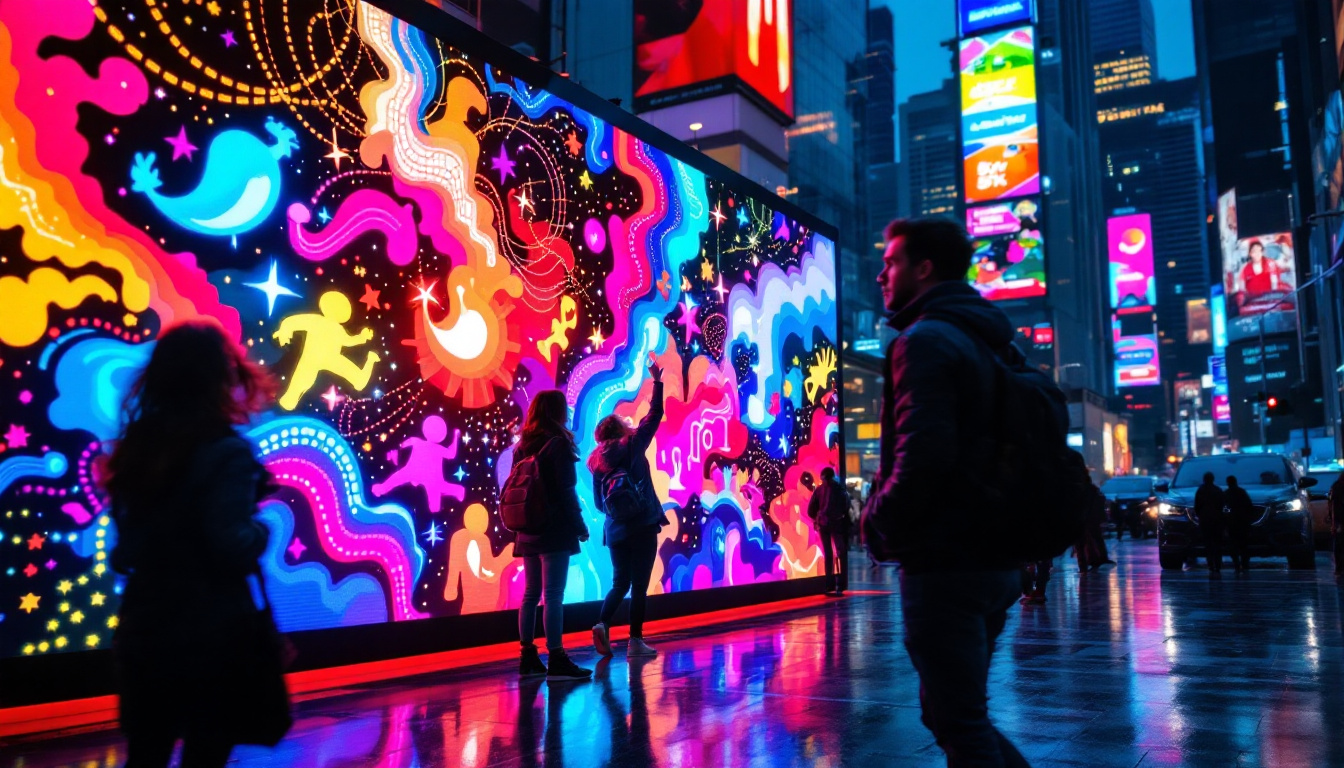
In urban environments, LED displays are used for public announcements, wayfinding, and event promotion. Smart city initiatives often integrate LED signage with IoT sensors to deliver context-aware content that enhances public safety and convenience.
Entertainment and Sports Venues
Stadiums and arenas rely on massive LED screens to deliver live video feeds, replays, and interactive content to thousands of spectators. These displays must be extremely bright and durable to withstand outdoor conditions and maintain visibility under various lighting scenarios.
Concerts and festivals also employ LED walls and panels as dynamic backdrops that enhance the visual experience, synchronize with performances, and engage audiences.
Corporate and Educational Environments
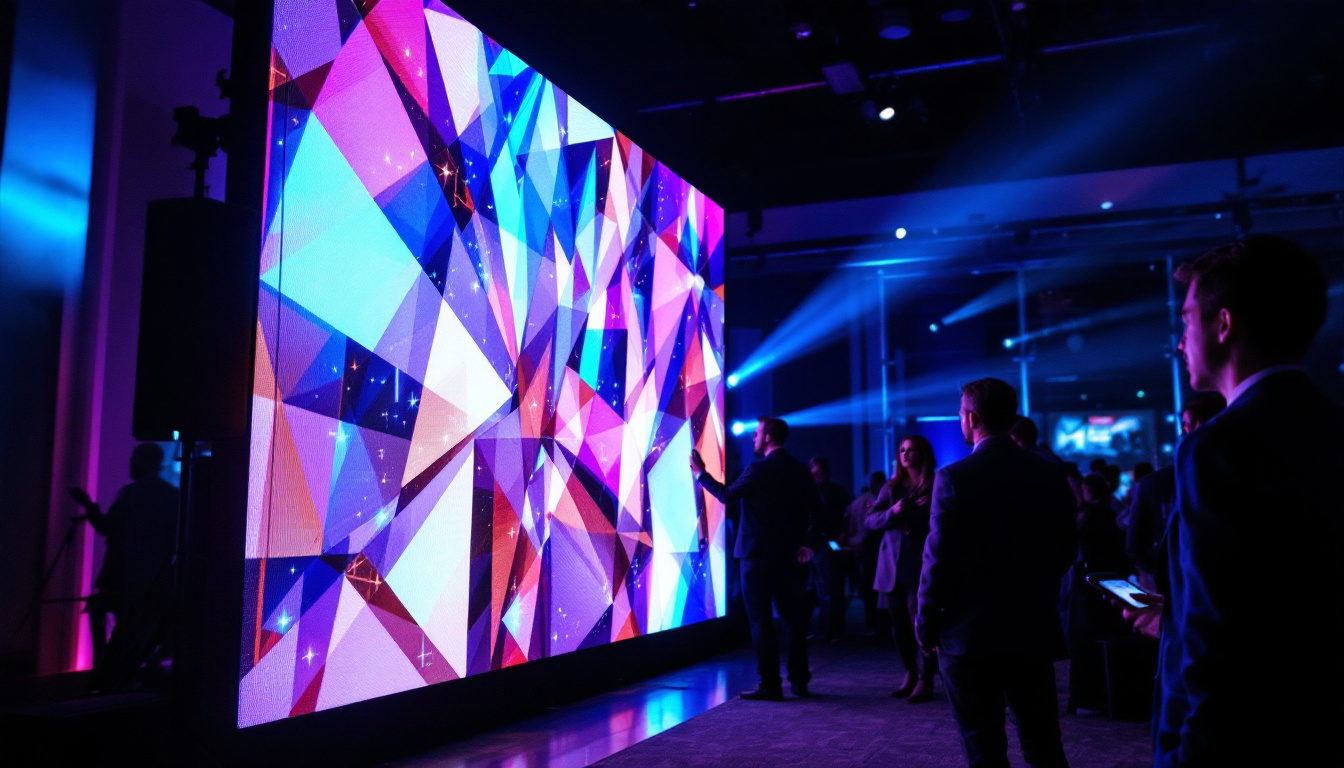
LED displays are increasingly used in corporate lobbies, meeting rooms, and conference centers to share announcements, display branding, and facilitate presentations. Their ability to integrate with digital content management systems allows organizations to maintain consistent messaging across multiple locations.
Educational institutions leverage LED signage for campus navigation, event promotion, and emergency communication, improving the overall campus experience for students and staff.
Market Trends and Innovations in LED Digital Signage
The LED digital signage market continues to evolve rapidly, driven by technological advancements and shifting consumer expectations. Staying abreast of these trends is crucial for businesses looking to invest in or expand their digital signage capabilities.
Higher Resolution and Pixel Density
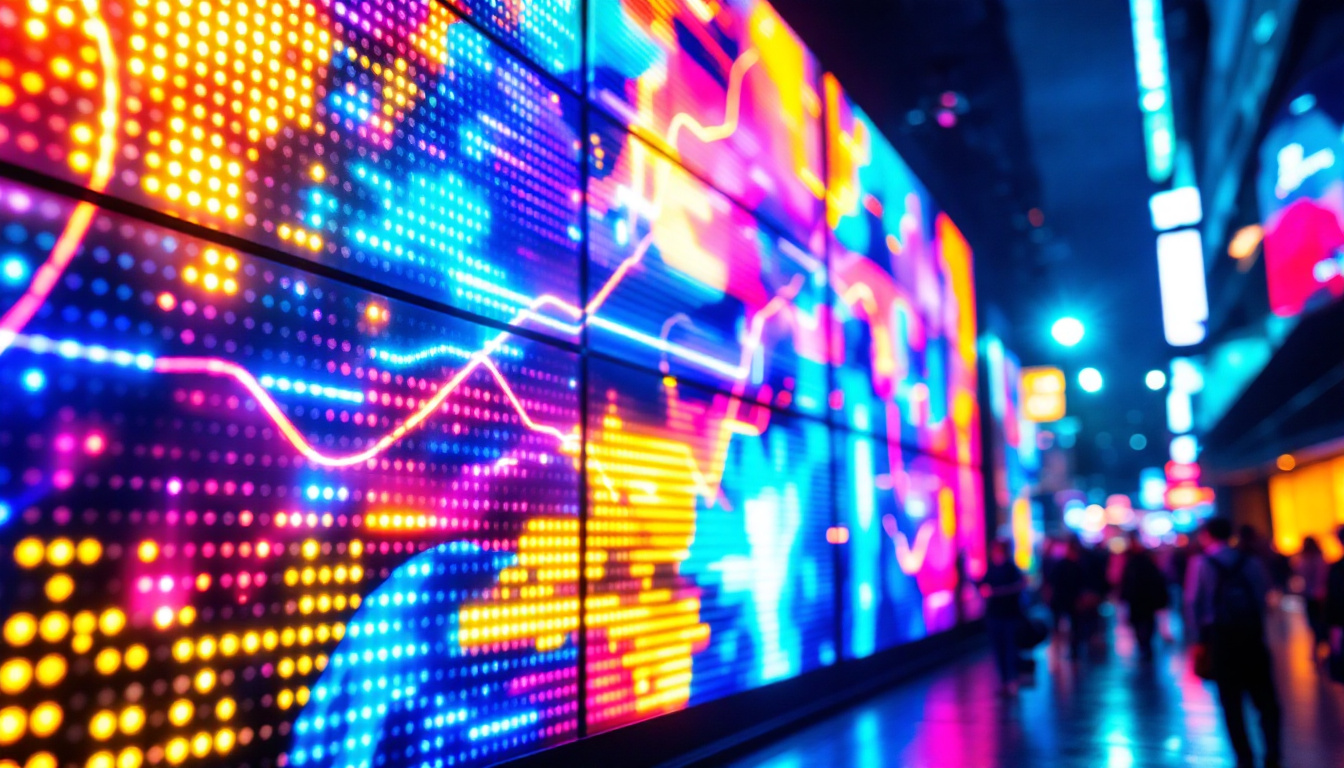
As LED technology advances, pixel pitch—the distance between individual LEDs—has decreased significantly. Modern LED displays can achieve pixel pitches as low as 0.9 mm, enabling ultra-high-definition visuals suitable for close viewing distances. This development opens new opportunities for indoor applications such as retail displays and control rooms where clarity and detail are paramount.
Integration with AI and Data Analytics
Artificial intelligence is transforming digital signage by enabling dynamic, data-driven content delivery. AI-powered systems can analyze audience demographics, weather conditions, and social media trends to tailor content in real time. For instance, a retail store might display different promotions based on the age group or gender of passersby detected by cameras.
Interactive and Touch-Enabled LED Displays
Interactivity is becoming a key feature in digital signage. Touch-enabled LED screens and gesture recognition technologies allow users to engage directly with content, enhancing customer experience and gathering valuable behavioral data. Interactive kiosks and wayfinding systems are prime examples where this technology adds significant value.
Sustainability and Energy Efficiency
With growing environmental awareness, manufacturers are focusing on reducing the ecological footprint of LED displays. Innovations include using recyclable materials, improving energy efficiency, and developing smarter power management systems. These efforts not only benefit the planet but also reduce operating costs for businesses.
Choosing the Right LED Display for Your Digital Signage Needs
Selecting the appropriate LED display involves considering several factors to ensure optimal performance and return on investment.
Viewing Environment
Understanding whether the display will be used indoors or outdoors is critical. Outdoor LED displays require higher brightness levels and weatherproof enclosures, while indoor displays can prioritize resolution and pixel density for close viewing.
Content Type and Viewing Distance
The nature of the content—whether it is text-heavy, video-based, or interactive—affects the choice of display resolution and size. Additionally, the typical viewing distance influences pixel pitch selection; smaller pixel pitches are better for close-up viewing, while larger pitches suffice for distant audiences.
Budget and Total Cost of Ownership
While LED displays may involve higher upfront costs compared to other technologies, their longevity and energy efficiency often translate into lower total cost of ownership. It is important to consider installation, maintenance, and operational expenses alongside initial purchase price.
Content Management and Connectivity
Modern LED signage solutions should support seamless integration with content management systems (CMS) and offer flexible connectivity options such as Wi-Fi, Ethernet, or cellular networks. This ensures easy content updates and remote management capabilities.
Future Outlook for LED Displays in Digital Signage
The future of LED displays in digital signage looks promising, with continuous innovation driving new possibilities. Emerging technologies like MicroLED and flexible LED panels are set to revolutionize display form factors, enabling curved, transparent, and even wearable digital signage.
Moreover, the convergence of LED displays with augmented reality (AR) and virtual reality (VR) technologies could create immersive advertising and informational experiences that blur the lines between physical and digital worlds.
As businesses increasingly prioritize personalized and engaging customer interactions, LED digital signage will remain a vital tool in delivering impactful visual communication across industries worldwide.
Conclusion
LED displays have firmly established themselves as a fundamental component of the digital signage market, offering unmatched brightness, flexibility, and durability. Their ability to deliver vibrant, dynamic content makes them invaluable across retail, transportation, entertainment, corporate, and public sectors.
With the digital signage market projected to grow robustly in the coming years, understanding the capabilities and applications of LED display technology is essential for businesses aiming to enhance their communication strategies. By carefully selecting the right LED solutions and leveraging emerging trends like AI integration and interactivity, organizations can create compelling digital experiences that resonate with their audiences and drive measurable results.
Explore Cutting-Edge LED Display Solutions with LumenMatrix
As you consider enhancing your communication strategy with vibrant, dynamic LED displays, LumenMatrix stands ready to illuminate your path. Our comprehensive range of LED display modules—from Indoor and Outdoor LED Walls to specialized solutions like Vehicle Displays, LED Posters, and Custom LED Displays—is designed to captivate and engage your audience. Embrace the future of visual communication with our revolutionary All-in-One and Transparent LED Displays. Check out LumenMatrix LED Display Solutions today and transform your brand’s visibility with clarity and impact.