In recent years, the healthcare industry has witnessed a significant transformation in how information is communicated within medical facilities. Digital signage, particularly LED display technology, has emerged as a powerful tool to enhance patient experience, streamline operations, and improve overall communication. This article explores the role of LED displays in healthcare settings, detailing their benefits, applications, and considerations for implementation.
Understanding LED Displays in Healthcare
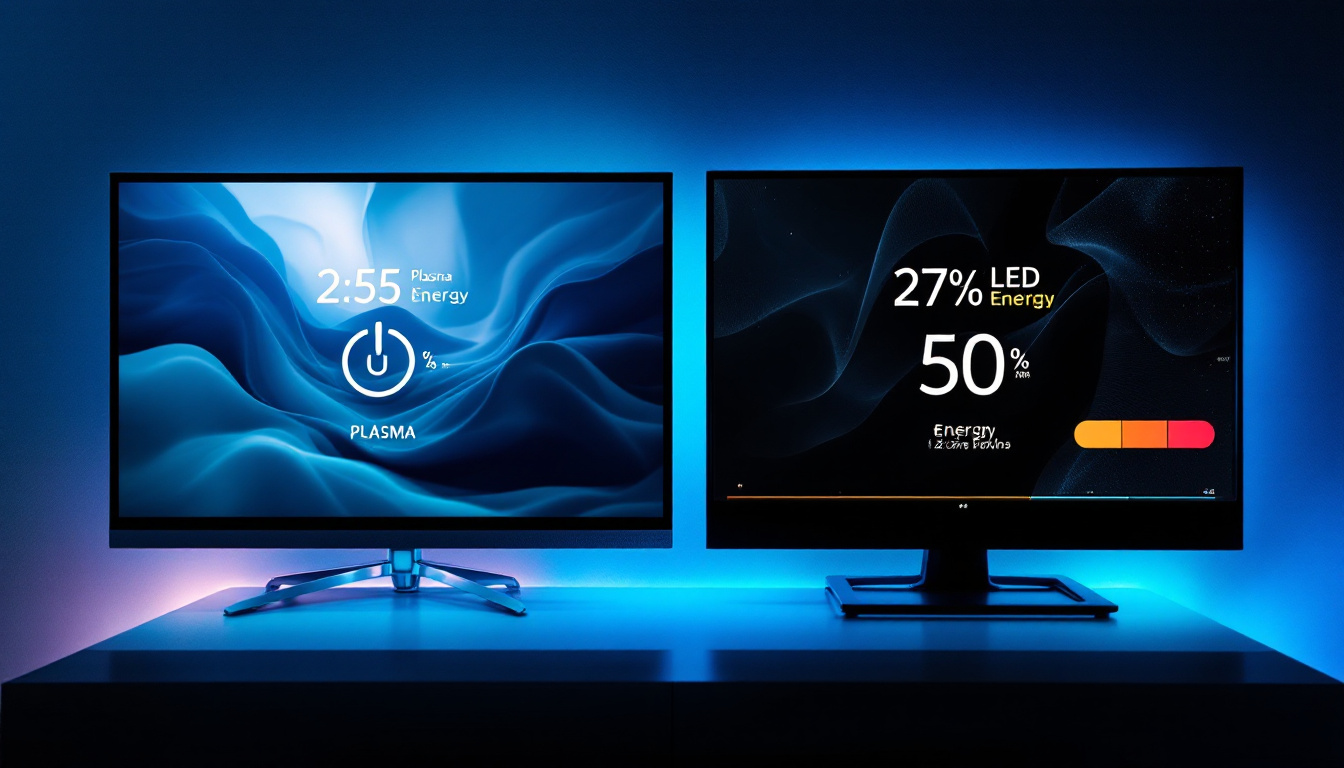
LED (Light Emitting Diode) displays are digital screens that use tiny light-emitting diodes to produce bright, vibrant images. Unlike traditional LCD or plasma screens, LED displays offer superior brightness, energy efficiency, and durability, making them ideal for demanding environments such as hospitals and clinics.
In healthcare, clear and timely communication is critical. Patients, visitors, and staff rely on accurate information to navigate complex facilities, understand medical procedures, and stay informed about health-related updates. LED displays serve as dynamic communication hubs that can adapt content in real time to meet these needs.
Why LED Technology is Suited for Healthcare Environments
Healthcare facilities require displays that can operate continuously with minimal maintenance. LED screens are known for their long lifespan, often exceeding 100,000 hours of use, which translates to years of reliable service. Their high brightness levels ensure visibility even in brightly lit hospital corridors or waiting rooms, where glare can be an issue for other display types.
Moreover, LED displays are highly customizable in size and shape, allowing for seamless integration into various spaces—from large lobby walls to compact nurse stations. Their energy efficiency also aligns with the growing emphasis on sustainability in healthcare operations.
In addition to their practical benefits, LED displays can enhance the overall patient experience. For instance, they can be used to showcase calming visuals or informative health tips in waiting areas, helping to reduce anxiety and promote a sense of well-being among patients and their families. Furthermore, these displays can facilitate real-time updates about wait times, appointment schedules, and even emergency alerts, ensuring that everyone within the facility stays informed and engaged.
Another significant advantage of LED displays in healthcare is their ability to support interactive features. Touchscreen capabilities can transform a standard display into an interactive information kiosk, allowing patients and visitors to access directories, find departments, or learn more about specific medical services. This interactivity not only empowers users but also alleviates the burden on staff, enabling them to focus on more critical tasks while ensuring that visitors have the information they need at their fingertips.
Key Applications of LED Digital Signage in Healthcare
LED digital signage is versatile and can be tailored to address multiple communication challenges within healthcare settings. Below are some of the most impactful applications:
Patient and Visitor Information
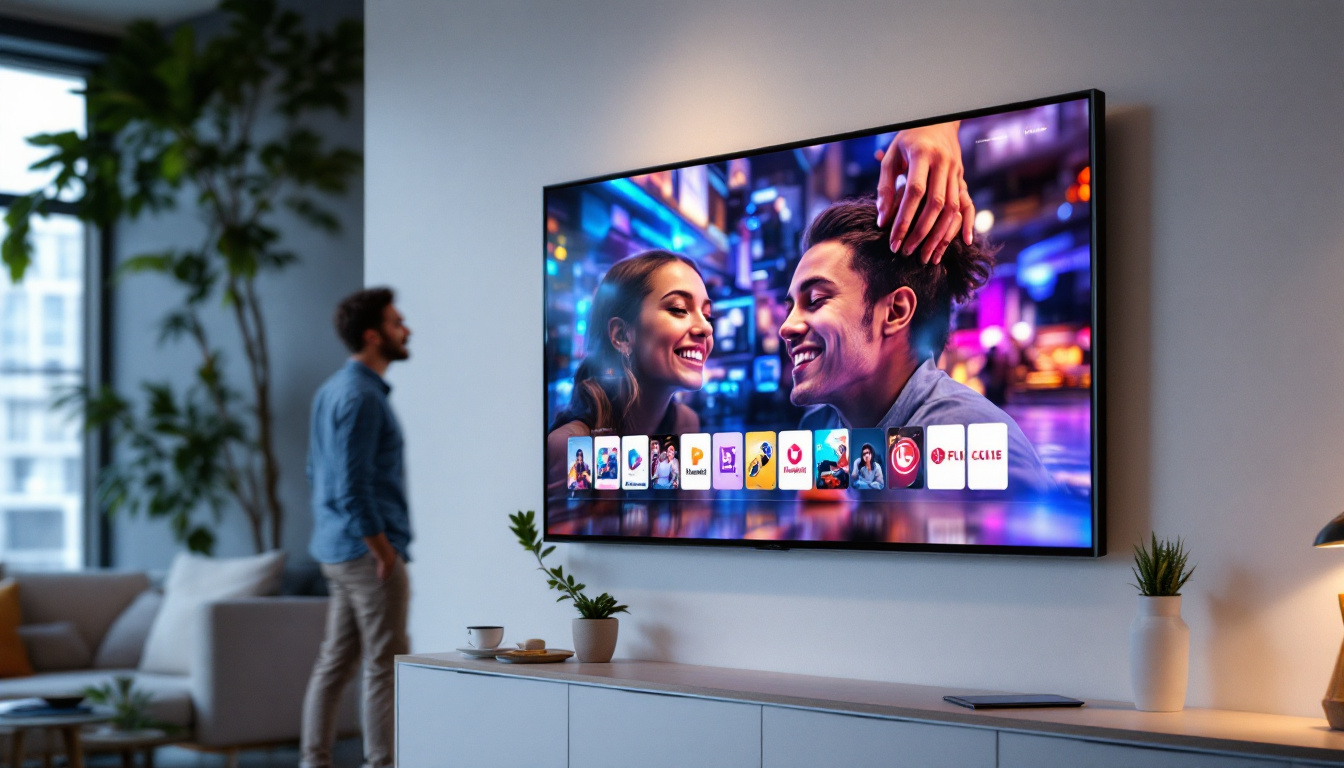
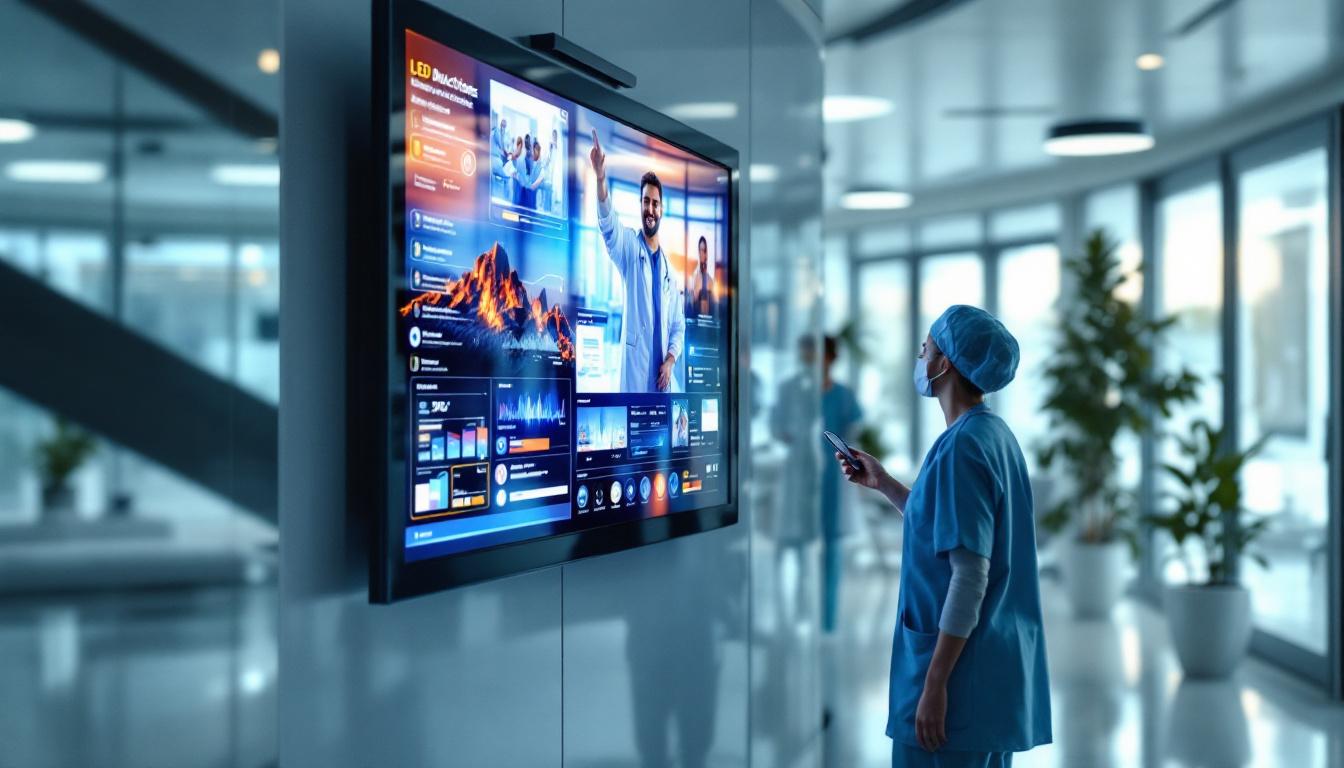
One of the primary uses of LED displays is to provide real-time information to patients and visitors. This includes wayfinding assistance, appointment schedules, wait times, and safety protocols. For example, a hospital lobby equipped with a large LED screen can display interactive maps that help visitors navigate to departments such as radiology or pediatrics without confusion.
Additionally, during public health emergencies like the COVID-19 pandemic, LED signage has been instrumental in disseminating up-to-date guidelines on hygiene practices, mask mandates, and vaccination information. The ability to update content instantly ensures that healthcare providers can respond swiftly to changing circumstances. Furthermore, these displays can also feature multilingual content, catering to diverse patient populations and ensuring that language barriers do not hinder access to critical information. This inclusivity fosters a more welcoming environment, enhancing the overall patient experience.
Staff Communication and Coordination
Effective communication among healthcare staff is essential for patient safety and operational efficiency. LED displays placed in staff lounges, nurse stations, or break rooms can broadcast shift schedules, emergency alerts, and internal announcements. This reduces reliance on paper memos and emails, which may be overlooked during busy shifts.
Some hospitals have integrated LED signage with their internal communication systems to display critical patient data or emergency codes, enabling rapid response and coordination. This real-time visibility can improve outcomes in high-pressure situations like trauma care or code blue alerts. Additionally, these displays can be programmed to showcase staff achievements or highlight ongoing training opportunities, fostering a culture of recognition and continuous professional development among healthcare workers.
Health Education and Awareness
LED displays also serve as platforms for health education, promoting wellness programs, preventive care tips, and chronic disease management. By presenting visually engaging content, hospitals can encourage patients to adopt healthier lifestyles and adhere to treatment plans.
For instance, digital signage in waiting areas can feature videos on nutrition, exercise, or mental health resources, making productive use of patient downtime. This approach enhances patient engagement and supports broader public health goals. Moreover, interactive elements such as QR codes can be incorporated, allowing patients to access additional resources or sign up for health workshops directly from their mobile devices, thus bridging the gap between information dissemination and actionable health behaviors.
Advertising and Revenue Generation
Some healthcare organizations use LED digital signage to generate additional revenue by displaying advertisements for pharmaceutical products, medical devices, or wellness services. Carefully curated content ensures that advertising is relevant and ethical, maintaining trust with patients and staff.
Moreover, LED displays can highlight hospital-sponsored events, fundraising campaigns, and community outreach initiatives, strengthening the institution’s connection with its local population. By promoting local health fairs or free screening events, hospitals can not only drive attendance but also reinforce their commitment to community health. This dual role of advertising and community engagement helps to create a positive image of the healthcare facility while simultaneously supporting its financial sustainability.
Benefits of Implementing LED Digital Signage in Healthcare
The adoption of LED digital signage brings numerous advantages that extend beyond basic communication:
Enhanced Patient Experience
Hospitals can be intimidating environments, especially for first-time visitors or those under stress. Clear, accessible information displayed on LED screens helps reduce anxiety by providing guidance and reassurance. Interactive features, such as touchscreens, further empower patients to find answers independently.
Improved Operational Efficiency
By automating information dissemination, healthcare facilities can reduce the workload on administrative staff. Real-time updates minimize errors related to scheduling or patient flow, which can otherwise lead to delays or overcrowding. This efficiency ultimately contributes to better care delivery.
Cost-Effectiveness Over Time
Although the initial investment in LED digital signage can be substantial, the long-term savings are significant. Traditional printed materials require frequent replacement and generate waste, whereas digital content can be updated remotely and instantly. Energy-efficient LED technology also reduces utility expenses compared to older display types.
Scalability and Flexibility
LED displays can be scaled to fit the size and needs of any healthcare facility, from small clinics to large hospital networks. Content management systems allow administrators to tailor messages for different locations or audiences, ensuring relevance and engagement.
Considerations for Successful LED Display Integration
While LED digital signage offers many benefits, careful planning is essential to maximize its effectiveness in healthcare settings.
Content Strategy and Management
Developing a clear content strategy is crucial. Messages should be concise, culturally sensitive, and accessible to diverse patient populations, including those with visual or hearing impairments. Utilizing multiple languages and incorporating symbols or icons can enhance comprehension.
Healthcare providers should invest in robust content management systems that allow for easy updates and scheduling. This ensures that information remains current and aligned with organizational goals.
Compliance and Privacy
Healthcare environments are governed by strict regulations such as HIPAA in the United States, which protect patient privacy. Digital signage must be designed to avoid displaying sensitive personal information publicly. Content should focus on general information and educational material rather than individual patient data.
Technical Infrastructure and Maintenance
Reliable network connectivity and power supply are prerequisites for continuous operation. Facilities should plan for routine maintenance to prevent downtime, including cleaning, software updates, and hardware inspections. Partnering with experienced vendors can facilitate smooth installation and ongoing support.
Accessibility and User Experience
Placement of LED displays should consider visibility, lighting conditions, and user interaction. For example, screens in waiting rooms should be positioned at eye level and avoid glare from windows or overhead lights. Interactive displays need to be intuitive and responsive to accommodate users of varying ages and abilities.
Future Trends in Healthcare Digital Signage
The evolution of LED digital signage continues to accelerate, driven by technological advancements and changing healthcare demands.
Integration with IoT and AI
Emerging Internet of Things (IoT) technologies enable LED displays to interact with other medical devices and systems. For example, real-time patient monitoring data can trigger alerts or tailored messages on nearby screens, enhancing situational awareness.
Artificial intelligence (AI) can further personalize content based on audience demographics or behavior patterns, improving engagement and information retention.
Augmented Reality and Interactive Experiences
Augmented reality (AR) overlays combined with LED signage could provide immersive wayfinding or educational experiences. Patients might use their smartphones to interact with digital maps or access detailed explanations of medical procedures displayed on LED screens.
Eco-Friendly Innovations
As sustainability becomes a priority, manufacturers are developing LED displays with reduced environmental impact, such as lower power consumption and recyclable materials. Healthcare facilities adopting these technologies can contribute to greener operations while maintaining high-quality communication.
Conclusion
LED digital signage represents a transformative solution for healthcare communication, offering clarity, flexibility, and efficiency. By carefully selecting, implementing, and managing LED displays, healthcare organizations can enhance patient experience, improve staff coordination, and support public health initiatives.
As technology advances, the integration of LED signage with smart systems and interactive features will further elevate its role in modern healthcare environments. Investing in these solutions today prepares facilities to meet the evolving needs of patients and providers alike.
Explore LumenMatrix’s Innovative LED Display Solutions
Ready to transform your healthcare facility’s communication and patient experience with the latest in LED display technology? LumenMatrix is at the forefront of creating immersive visual experiences that captivate and inform. From Indoor and Outdoor LED Wall Displays to specialized solutions like Vehicle LED Displays and LED Sports Displays, our range caters to every need. Discover the power of our Custom LED Displays, All-in-One LED Displays, and LED Transparent Displays, designed to revolutionize visual communication in healthcare settings. Check out LumenMatrix LED Display Solutions today and start sharing your message with unparalleled impact and clarity.