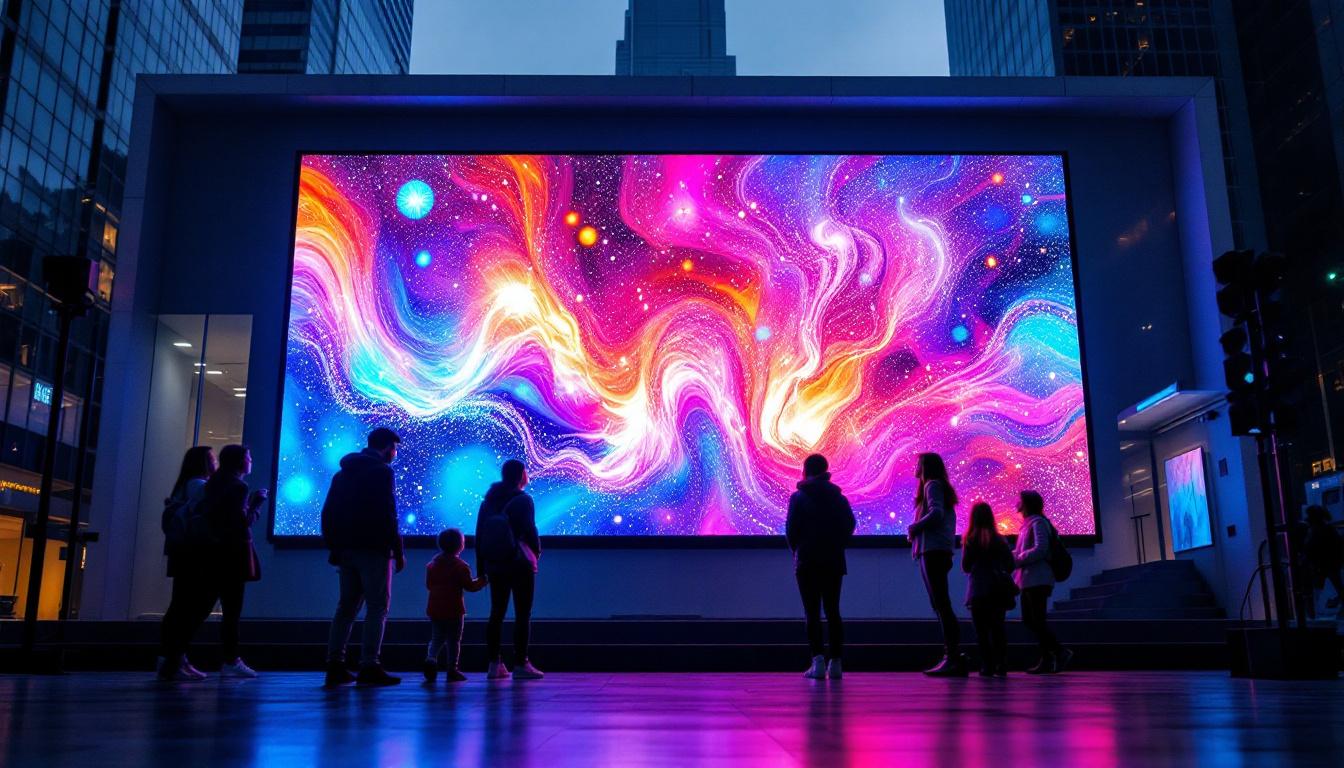
In the rapidly evolving world of display technology, LED displays have emerged as a dominant force, revolutionizing how information and visuals are presented across industries. From massive outdoor billboards to sleek indoor screens, LED displays combine cutting-edge technology with versatile applications. This comprehensive guide delves into the fundamentals of LED displays, their technology, types, advantages, and future trends shaping the visual communication landscape.
Understanding LED Display Technology
At its core, an LED (Light Emitting Diode) display is a flat panel display that uses an array of light-emitting diodes as pixels to create images and videos. Unlike traditional LCD or plasma screens, LED displays generate their own light, enabling brighter visuals and higher contrast ratios. This self-illuminating characteristic not only enhances the viewing experience but also allows for thinner and lighter designs, making LED technology a popular choice for a variety of applications, from televisions to large-scale outdoor billboards.
How LEDs Work
LEDs are semiconductor devices that emit light when an electric current passes through them. This process, known as electroluminescence, produces light in a highly efficient and durable manner. Each LED acts as a tiny light source, and when combined in large numbers, they form the pixels that make up the display. The efficiency of LEDs is one of their standout features; they consume significantly less power compared to traditional lighting technologies, contributing to lower energy costs and a reduced carbon footprint.
The color of the light emitted depends on the semiconductor material used. In most LED displays, red, green, and blue LEDs are combined to produce a full spectrum of colors through additive color mixing. This tri-color system allows for precise color reproduction and vibrant imagery. Additionally, advancements in technology have led to the development of RGBW (Red, Green, Blue, White) LEDs, which include a white LED to enhance brightness and improve color accuracy, particularly in bright environments.
Key Components of an LED Display
Beyond the LEDs themselves, several components are critical to the function of an LED display:
- Driver ICs: Integrated circuits that control the brightness and color of each LED pixel.
- Control System: The hardware and software that process input signals and manage the display output.
- Power Supply: Provides the necessary voltage and current to the LEDs and control electronics.
- Cabinet and Modules: Physical structures housing the LEDs and electronics, designed for durability and ease of maintenance.
In addition to these components, cooling systems are often integrated into LED displays to manage heat generated by the LEDs during operation. Effective thermal management is crucial for maintaining the longevity and performance of the display, especially in high-brightness applications. Furthermore, many modern LED displays incorporate smart technology, allowing for features such as remote monitoring, automatic brightness adjustment based on ambient light, and even integration with content management systems for dynamic and engaging presentations.
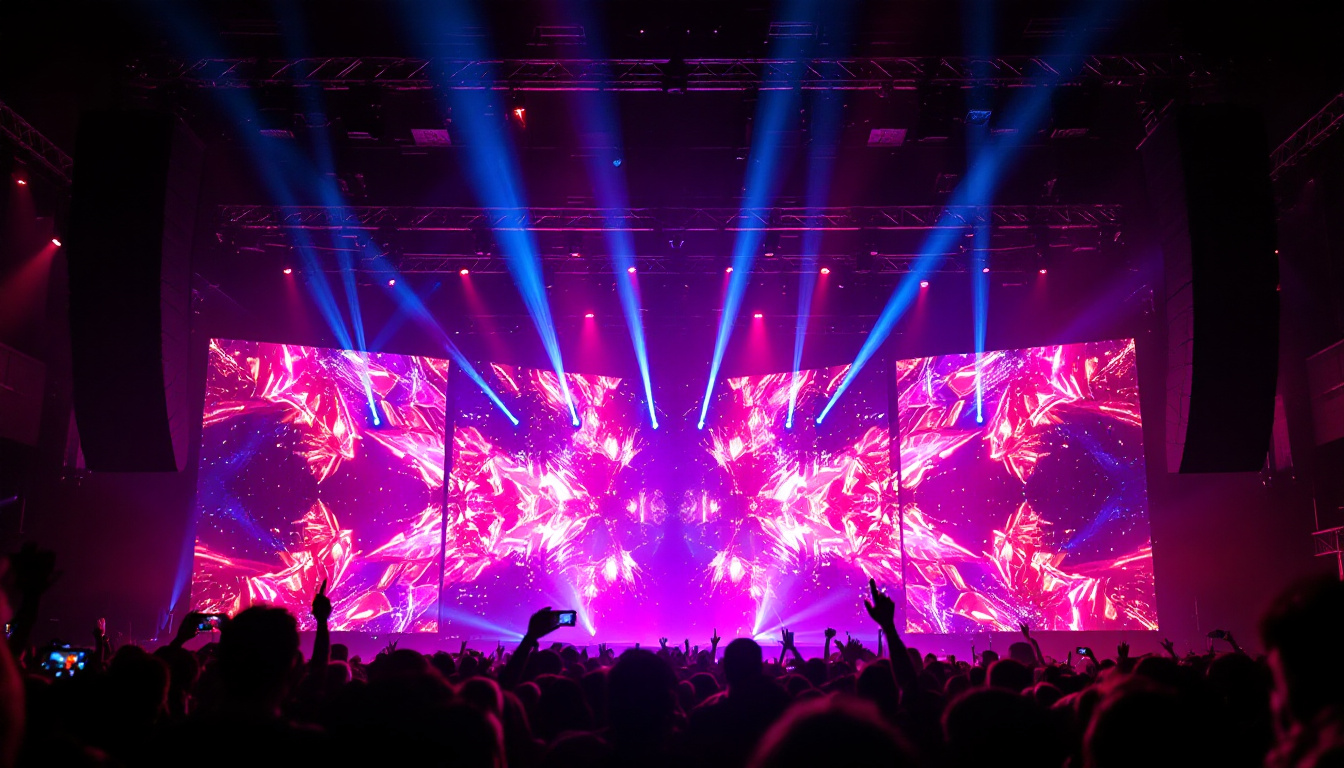
The versatility of LED displays has also led to their widespread use in various sectors, including advertising, entertainment, and even transportation. From massive stadium screens that enhance live events to digital signage in retail environments, the adaptability of LED technology continues to shape how information is conveyed visually. As innovations in LED technology progress, we can expect even more exciting developments that will push the boundaries of display capabilities and applications.
Types of LED Displays and Their Applications
LED displays come in various forms tailored to different environments and purposes. Understanding the types helps businesses and consumers select the right technology for their needs.
Indoor LED Displays
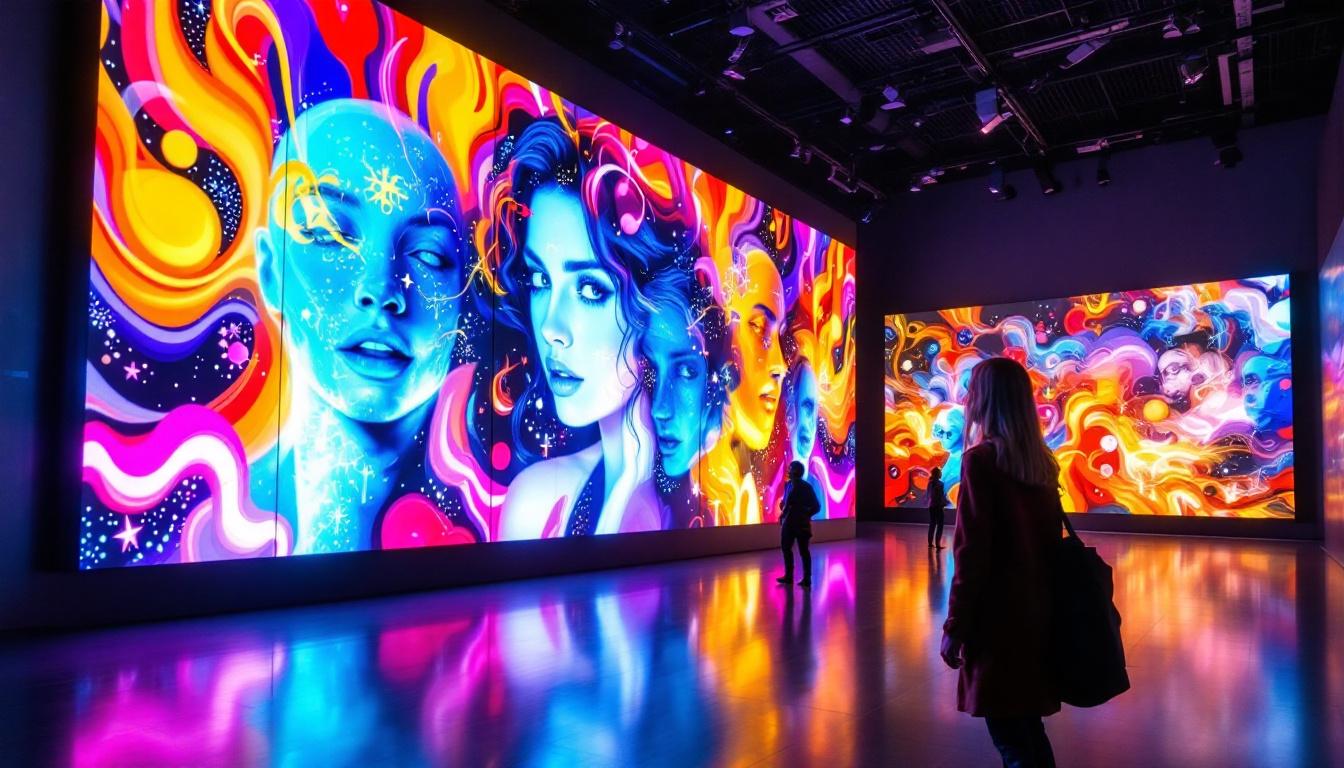
Indoor LED displays are designed for close viewing distances and controlled lighting conditions. They typically feature smaller pixel pitches—ranging from 0.9mm to 4mm—allowing for high-resolution images suitable for conference rooms, retail stores, and event venues.
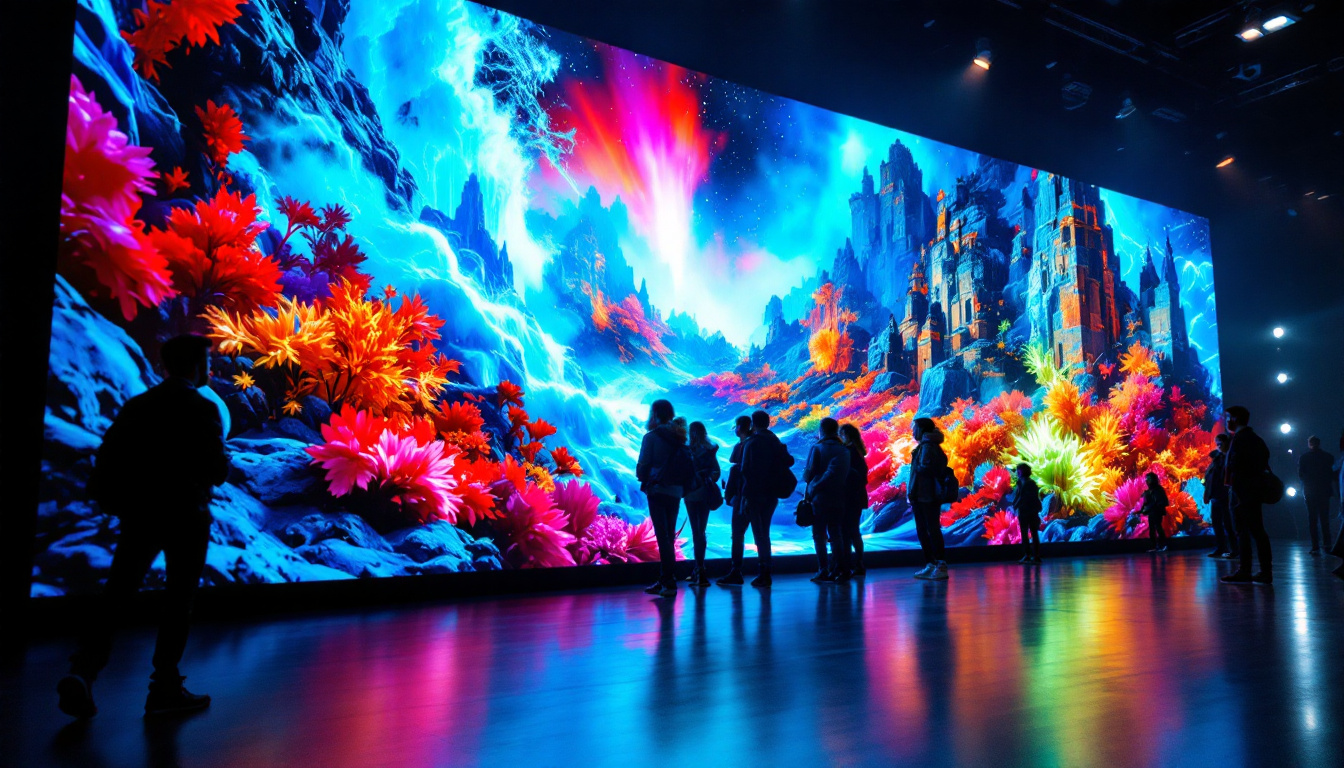
These displays are prized for their brightness, color accuracy, and flexibility. For example, in corporate settings, indoor LED walls can serve as dynamic presentation backdrops, enhancing engagement during meetings and product launches. Additionally, they can be integrated with interactive technologies, allowing audiences to participate in real-time polls or Q&A sessions, further enriching the experience.
Outdoor LED Displays
Outdoor LED displays are built to withstand harsh environmental conditions, including rain, dust, and extreme temperatures. They have larger pixel pitches—often between 4mm and 20mm—to accommodate longer viewing distances such as on highways or stadiums.
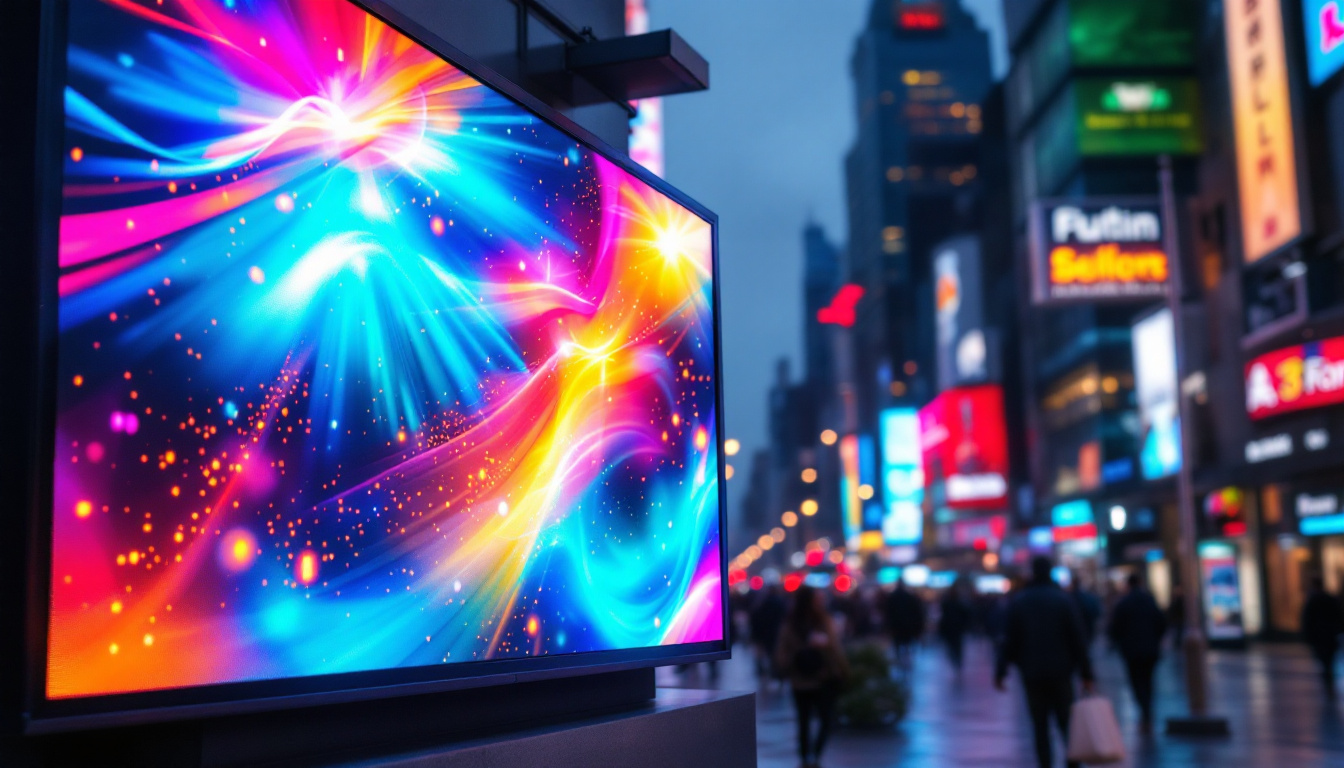
Brightness is a critical factor for outdoor screens, with typical luminance levels exceeding 5,000 nits to ensure visibility even in direct sunlight. These displays are commonly used for advertising billboards, public information boards, and sports scoreboards. Furthermore, advancements in technology have enabled outdoor LED displays to incorporate features like high dynamic range (HDR) imaging, which enhances color depth and contrast, making advertisements more eye-catching and effective in grabbing the attention of passersby.
Transparent LED Displays
Innovations in LED technology have led to the development of transparent LED displays, which allow light to pass through the screen. These are ideal for retail windows, museums, and architectural installations where maintaining visibility through the glass is important.
Transparent LED displays combine aesthetic appeal with functionality, enabling businesses to showcase dynamic content without obstructing natural light or views. They can be used to create stunning visual effects, such as overlaying digital content on physical objects, which enhances storytelling in museums or creates an engaging shopping experience in retail environments. This technology not only captivates audiences but also invites them to interact with the displayed content, blurring the lines between the digital and physical worlds.
Flexible and Curved LED Displays
Flexibility in LED panels has opened new creative possibilities. Flexible LED displays can be bent or curved to fit unconventional surfaces, such as cylindrical columns or curved walls. This adaptability is popular in experiential marketing, art installations, and immersive environments.
Moreover, these displays can be utilized to create stunning visual narratives that wrap around spaces, providing a 360-degree viewing experience. This capability is particularly beneficial in venues such as theaters, museums, and concert halls, where the immersive quality of the visuals can significantly enhance the audience’s experience. The seamless integration of flexible LED displays into architectural designs also allows for innovative branding opportunities, where companies can transform entire building facades into dynamic canvases that tell their story or promote their products in a captivating manner.
Advantages of LED Displays Over Other Technologies
LED technology offers several benefits that make it a preferred choice for many applications, surpassing traditional display types like LCD and projection systems.
Superior Brightness and Contrast
LED displays provide exceptional brightness levels, often reaching up to 10,000 nits for outdoor models. This capability ensures clear visibility in any lighting condition, including direct sunlight.
The self-emissive nature of LEDs also enables true blacks and high contrast ratios, enhancing image depth and realism. This is particularly important for advertising and entertainment where visual impact drives engagement.
Energy Efficiency and Longevity
Compared to older technologies, LEDs consume significantly less power, making them more environmentally friendly and cost-effective over time. Modern LED displays can operate continuously for tens of thousands of hours with minimal degradation, reducing maintenance and replacement costs.
Scalability and Customization
LED displays are modular, allowing for easy scaling from small indoor screens to massive outdoor walls spanning thousands of square feet. This modularity also facilitates creative configurations, including irregular shapes and multi-screen setups.
Durability and Weather Resistance
Outdoor LED displays are engineered with rugged materials and protective coatings to resist moisture, dust, and impact. Their robust construction ensures reliable performance in diverse climates and conditions, making them ideal for public and commercial use.
Key Considerations When Choosing an LED Display
Selecting the right LED display requires careful evaluation of multiple factors to ensure optimal performance and return on investment.
Pixel Pitch and Resolution
Pixel pitch—the distance between the centers of two adjacent LEDs—directly influences image clarity and viewing distance. Smaller pixel pitches yield higher resolution and finer detail, suitable for close-up viewing environments.
For example, a pixel pitch of 1.5mm is ideal for indoor corporate settings, whereas a 10mm pitch may be sufficient for a roadside billboard viewed from hundreds of feet away.
Brightness and Viewing Environment
The ambient lighting conditions dictate the required brightness level. Indoor displays typically need 800 to 1,500 nits, while outdoor displays require much higher brightness to combat sunlight glare.
Installation and Maintenance
Consider the physical location, mounting options, and ease of access for maintenance. Front-service LED displays allow maintenance from the front side, which is advantageous in tight spaces where rear access is limited.
Color Accuracy and Refresh Rate
High color fidelity is essential for applications like retail and broadcasting. Additionally, a high refresh rate (above 3,000 Hz) prevents flickering, ensuring smooth video playback and comfortable viewing, especially for camera recording scenarios.
Emerging Trends and the Future of LED Displays
As LED technology continues to advance, several trends are shaping the future of display solutions.
MicroLED and MiniLED Technologies
MicroLED and MiniLED represent the next generation of LED displays, featuring significantly smaller LEDs that enable even higher resolution and improved contrast ratios. MicroLED, in particular, promises OLED-like performance with greater brightness and longevity.
These technologies are expected to disrupt markets such as smartphones, televisions, and wearable devices by offering superior image quality and energy efficiency.
Integration with IoT and Smart Systems
LED displays are increasingly integrated with Internet of Things (IoT) platforms, allowing real-time content updates, remote diagnostics, and interactive capabilities. Smart LED walls can adapt content based on audience demographics, weather conditions, or other contextual data, enhancing engagement and effectiveness.
Environmental Sustainability
Manufacturers are focusing on eco-friendly materials and energy-saving designs to reduce the environmental footprint of LED displays. Advances in recycling and responsible disposal practices are also gaining importance as LED installations become more widespread.
Conclusion
LED displays have transformed the way visual content is delivered, offering unmatched brightness, versatility, and durability. Whether used indoors or outdoors, in advertising or entertainment, their modular design and technological sophistication provide countless possibilities for creative expression and effective communication.
As innovations like MicroLED and smart integration continue to evolve, LED displays will remain at the forefront of display technology, driving new standards for image quality and interactive experiences. For businesses and organizations aiming to captivate audiences, understanding the intricacies of LED displays is essential to making informed decisions and maximizing impact.
Discover LumenMatrix’s Innovative LED Solutions
Ready to elevate your visual communication with unparalleled brightness, precision, and interactivity? Explore LumenMatrix’s comprehensive range of LED display solutions, where innovation meets creativity. From vibrant Indoor and Outdoor LED Wall Displays to dynamic Vehicle and Sports LED Displays, our offerings are designed to capture attention and engage audiences like never before. Whether you’re looking to create immersive environments with Floor and Custom LED Displays or streamline your message with All-in-One and Transparent LED options, LumenMatrix has the technology to bring your vision to life. Check out LumenMatrix LED Display Solutions today and experience the future of digital storytelling.