In an era where digital displays are becoming ubiquitous in outdoor environments, the demand for weatherproof televisions and LED displays has surged dramatically. Whether it’s for advertising, public information, entertainment, or security monitoring, the ability to deliver clear, vibrant images regardless of weather conditions is crucial. This article delves into the technology behind weatherproof TVs, focusing on LED displays, and explains how they are engineered to withstand the elements while providing exceptional visual performance.
Understanding Weatherproof TVs and Their Importance
Weatherproof TVs are specially designed television sets or display units that can operate reliably in outdoor or harsh environments. Unlike standard indoor TVs, these devices are built to resist water, dust, extreme temperatures, and UV radiation. The rise of outdoor digital signage, sports arenas, transportation hubs, and even residential outdoor entertainment spaces has driven innovation in this field.
According to a recent market analysis by Grand View Research, the global outdoor digital signage market size was valued at over $21 billion in 2023 and is expected to grow at a compound annual growth rate (CAGR) of 9.5% through 2030. This growth underscores the increasing reliance on weatherproof display technologies, particularly LED displays, which dominate the segment due to their durability and brightness.
Why Outdoor Displays Need to Be Weatherproof
Outdoor environments present a unique set of challenges for electronic displays. Exposure to rain, snow, humidity, dust, and fluctuating temperatures can damage sensitive components, degrade image quality, and shorten the lifespan of a device. Additionally, direct sunlight can cause glare and wash out images on conventional screens, making them difficult to view.
Weatherproof TVs and LED displays are engineered to overcome these obstacles. They incorporate protective enclosures, specialized materials, and advanced technologies to ensure consistent performance. This reliability is essential for businesses and organizations that depend on uninterrupted communication with their audience, whether it’s displaying real-time transit updates or broadcasting live sports events.
LED Display Technology: The Backbone of Weatherproof TVs
LED (Light Emitting Diode) technology has revolutionized the display industry, particularly for outdoor applications. Unlike LCD or plasma screens, LED displays use an array of tiny light-emitting diodes to create images. This fundamental difference offers several advantages that make LEDs ideal for weatherproof TVs.
How LED Displays Work
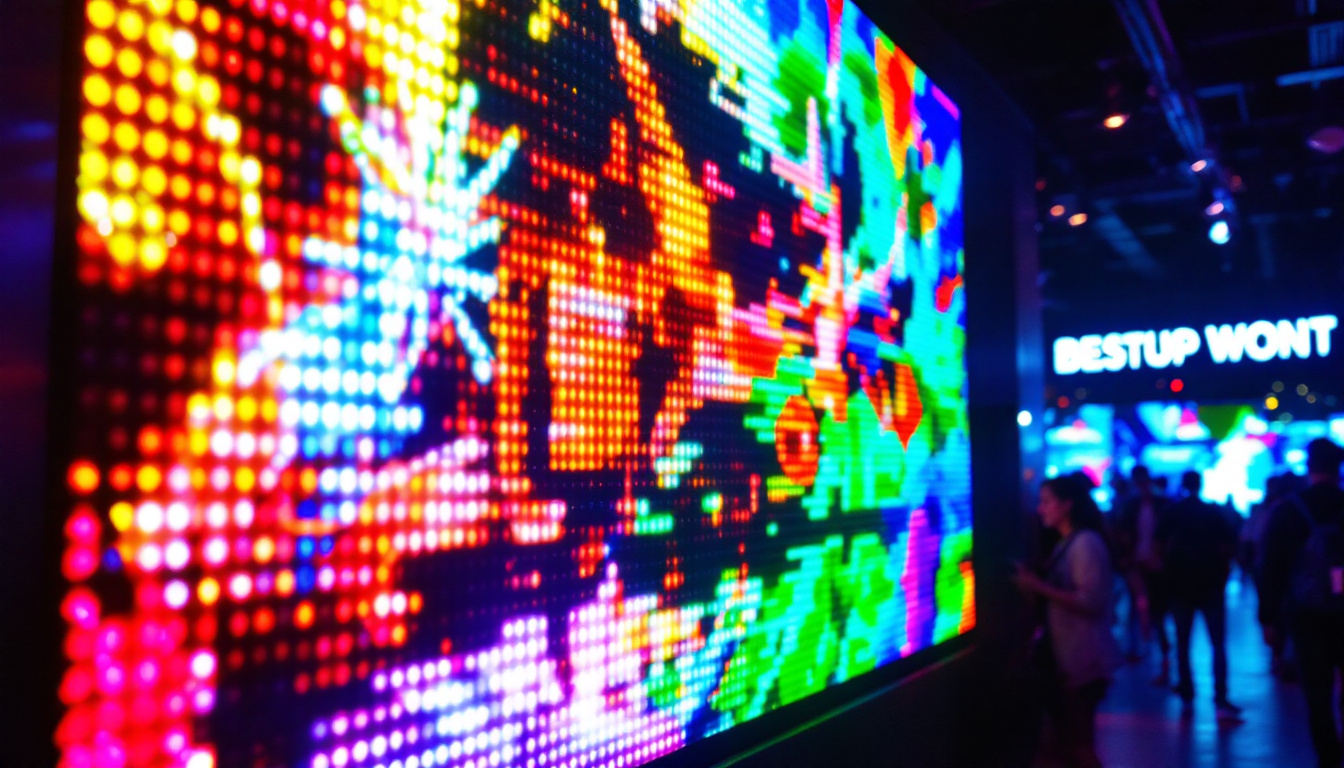
Each pixel in an LED display consists of one or more diodes that emit light when an electric current passes through them. These diodes can be red, green, or blue, and by varying their intensity, the display can produce a full spectrum of colors. This direct light emission means LED displays do not require a backlight, unlike LCDs, resulting in higher brightness and better contrast.
In outdoor settings, brightness is a critical factor. LED displays can achieve brightness levels exceeding 5,000 nits, compared to typical indoor TVs that max out around 300 to 500 nits. This intense brightness ensures visibility even under direct sunlight, making LED displays the preferred choice for weatherproof TVs.
Types of LED Displays Used in Weatherproof TVs
There are primarily two types of LED displays used in outdoor weatherproof TVs: direct view LED (DVLED) and LED-backlit LCDs.
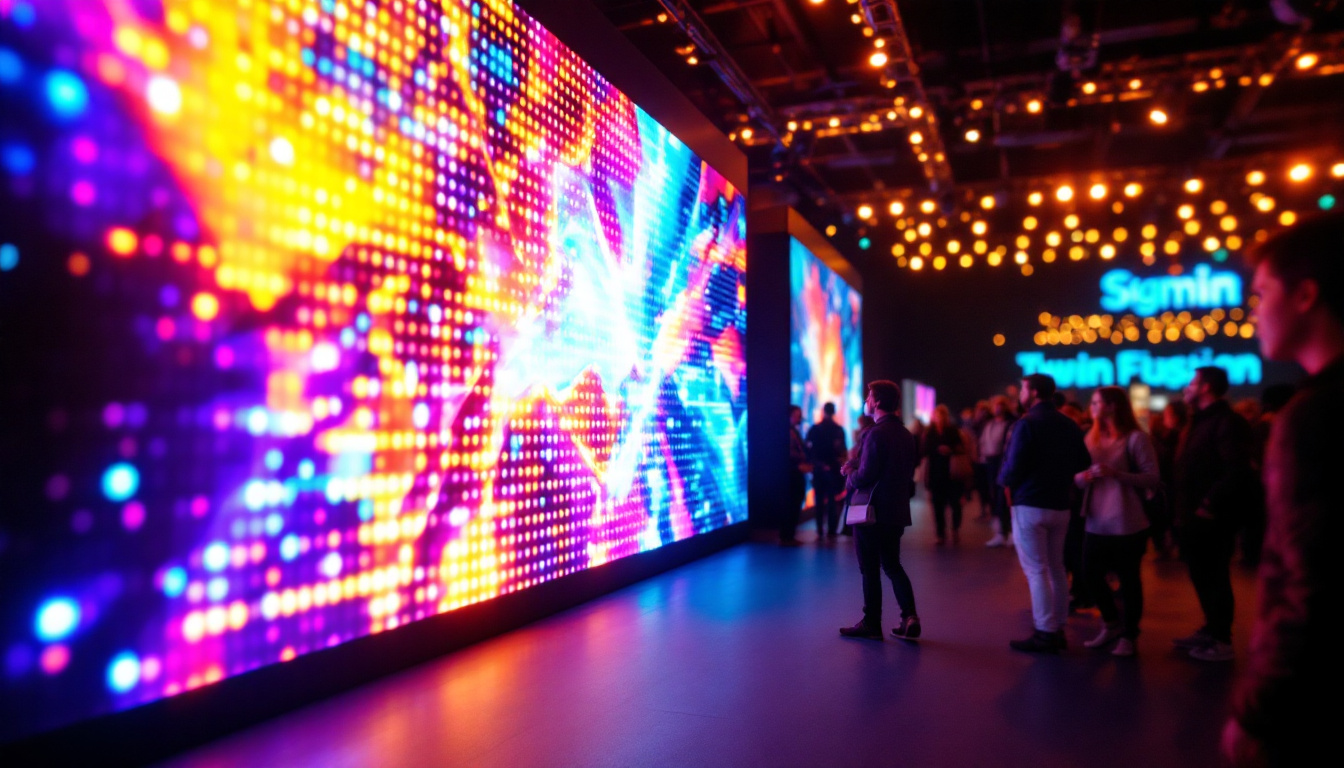
- Direct View LED (DVLED): In DVLED displays, the LEDs themselves form the pixels that create the image. These displays offer superior brightness, contrast, and viewing angles. They are modular, allowing for large-scale installations such as stadium screens or building facades. Their robust design makes them highly resistant to weather conditions.
- LED-backlit LCD: These are traditional LCD panels illuminated by LEDs placed behind or around the screen. While they offer better brightness and energy efficiency than older CCFL-backlit LCDs, their outdoor performance is generally inferior to DVLEDs due to limited brightness and potential issues with reflections and viewing angles.
For true weatherproof TVs intended for outdoor use, DVLED technology is often the superior choice, especially for large-format displays.
Engineering Weatherproof LED Displays
Creating a weatherproof LED TV involves more than just using LED technology. It requires a comprehensive approach to design and materials to ensure the device can endure environmental stressors without compromising performance.
Enclosures and IP Ratings
The first line of defense against weather is the enclosure that houses the LED display. These enclosures are built to meet stringent Ingress Protection (IP) ratings, which classify the degree of protection against solids and liquids.
For outdoor weatherproof TVs, an IP rating of at least IP65 is common. This rating means the enclosure is dust-tight and protected against water jets from any direction. Higher ratings, such as IP66 or IP67, offer even greater protection, including resistance to powerful water jets and temporary immersion.
Manufacturers use materials like powder-coated aluminum or stainless steel for enclosures to resist corrosion. Additionally, tempered glass or polycarbonate covers protect the LED modules while maintaining optical clarity and impact resistance.
Thermal Management
LED displays generate heat during operation, and this can be exacerbated by high ambient temperatures in outdoor environments. Effective thermal management is critical to prevent overheating, which can degrade performance and shorten lifespan.
Weatherproof LED TVs employ passive cooling methods such as heat sinks and ventilation designs that prevent water ingress. Some advanced models incorporate active cooling systems with sealed fans or liquid cooling, carefully engineered to maintain the IP rating.
UV Protection and Anti-Glare Coatings
Prolonged exposure to sunlight can damage display components and cause image degradation. Weatherproof LED TVs are equipped with UV-resistant coatings on their enclosures and screen covers to mitigate this effect.
Anti-glare and anti-reflective coatings are also applied to improve visibility in bright conditions. These coatings reduce reflections and enhance contrast, ensuring the content remains clear and legible even under direct sunlight.
Applications of Weatherproof LED TVs
The versatility and durability of weatherproof LED displays have made them indispensable across various industries and use cases.
Outdoor Advertising and Digital Signage
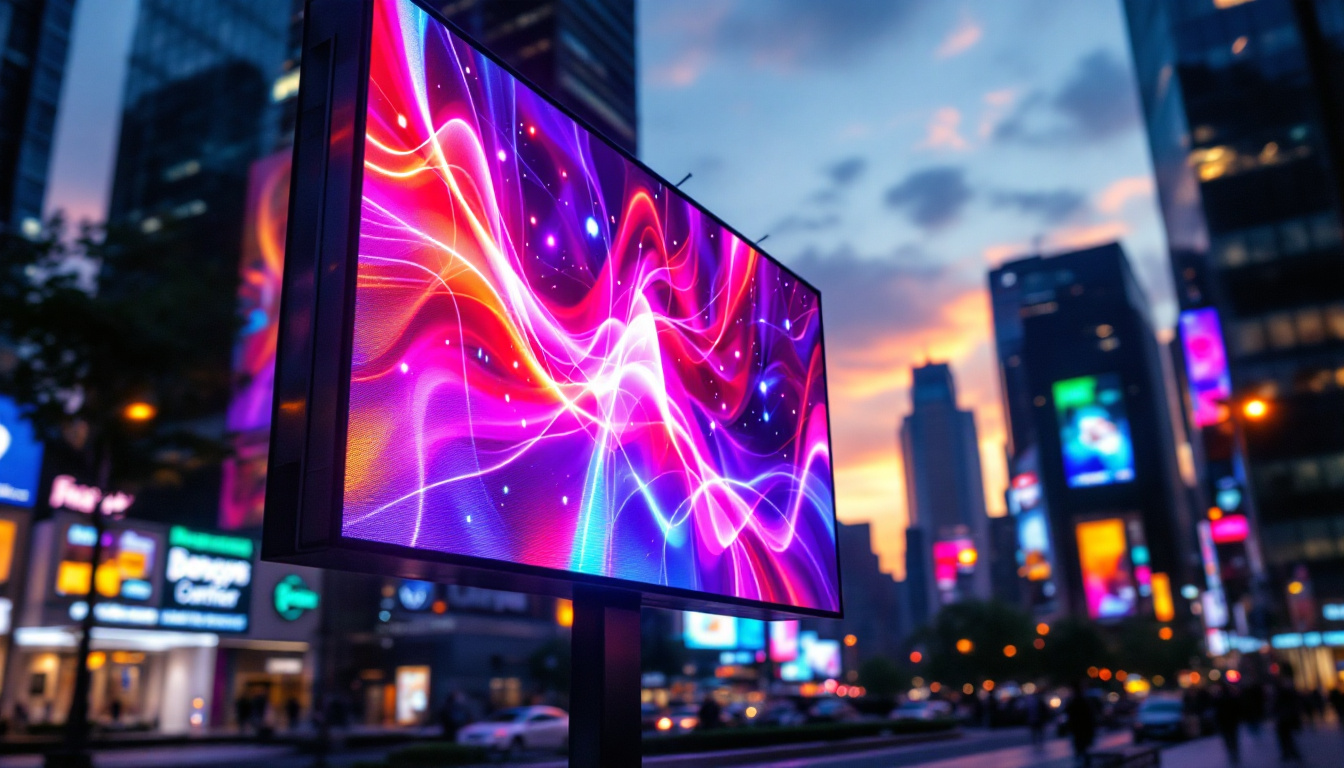
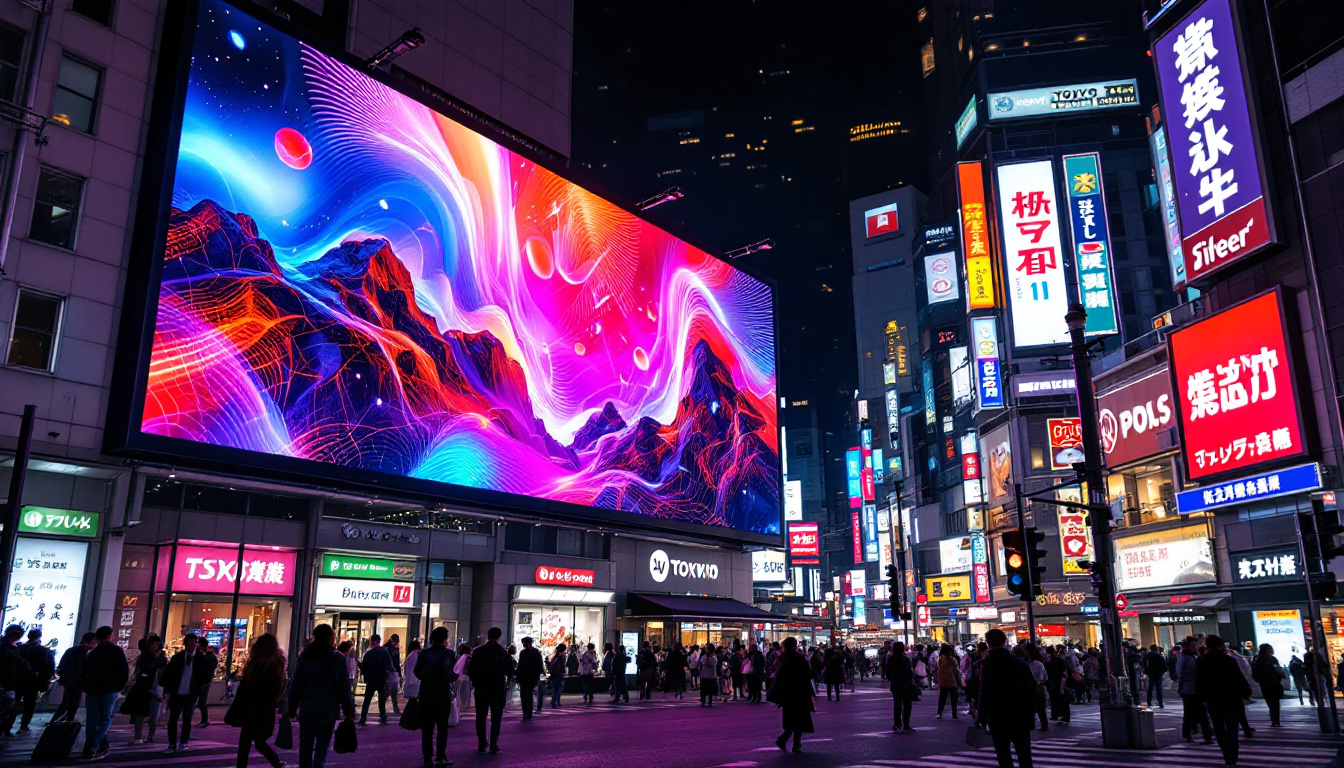
One of the most prominent applications is outdoor advertising. Digital billboards and signage leverage weatherproof LED displays to deliver dynamic content that can be updated in real-time. This flexibility allows advertisers to tailor messages based on time of day, weather conditions, or audience demographics.
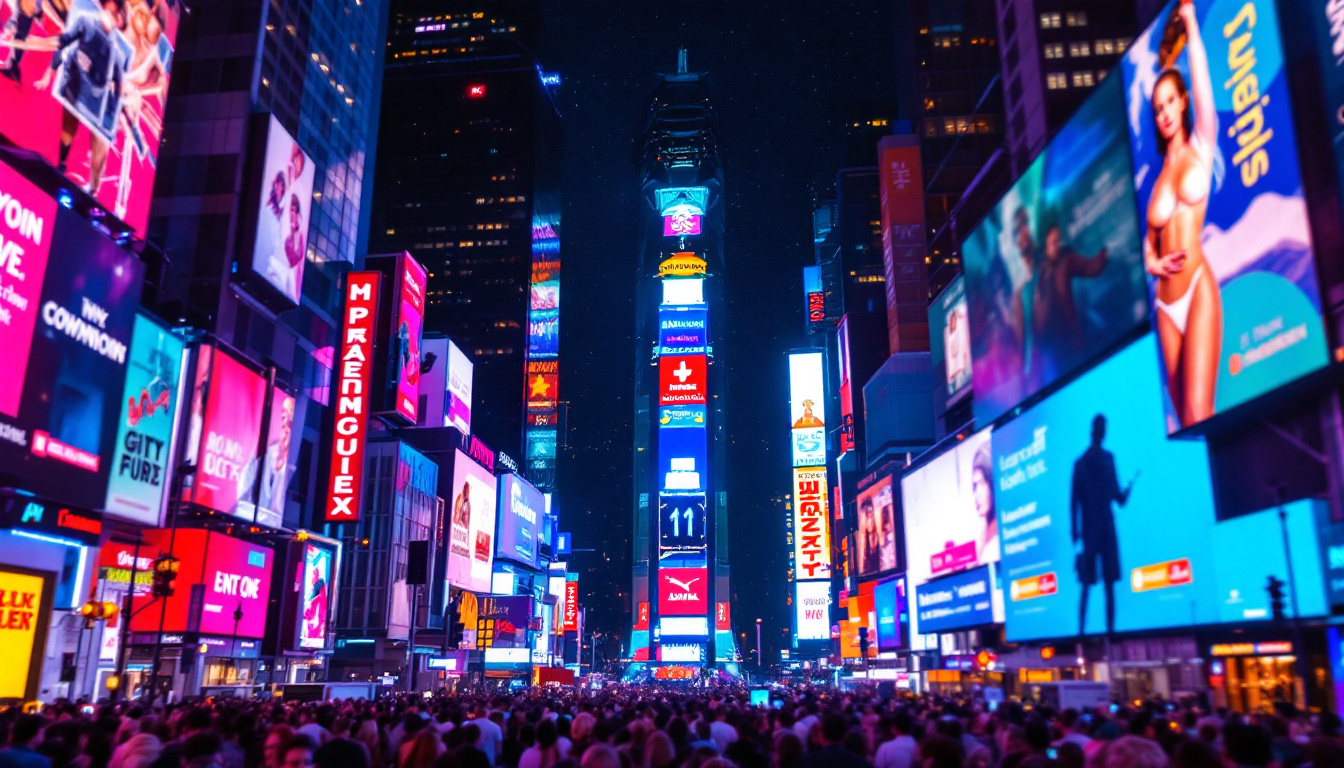
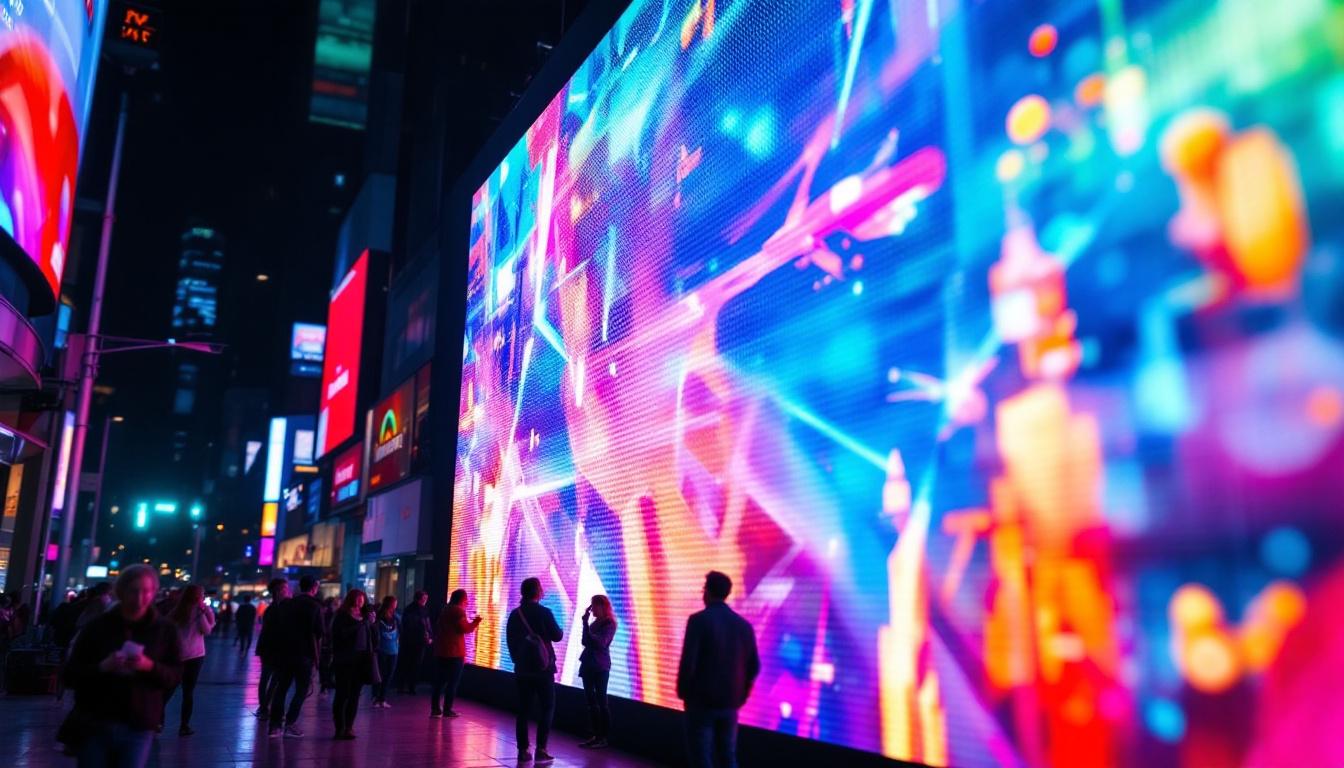
For example, Times Square in New York City features numerous weatherproof LED displays that operate 24/7, showcasing vibrant advertisements visible even in harsh weather. The ability to withstand rain, snow, and extreme temperatures is essential for maintaining continuous operation in such high-traffic areas.
Sports and Entertainment Venues
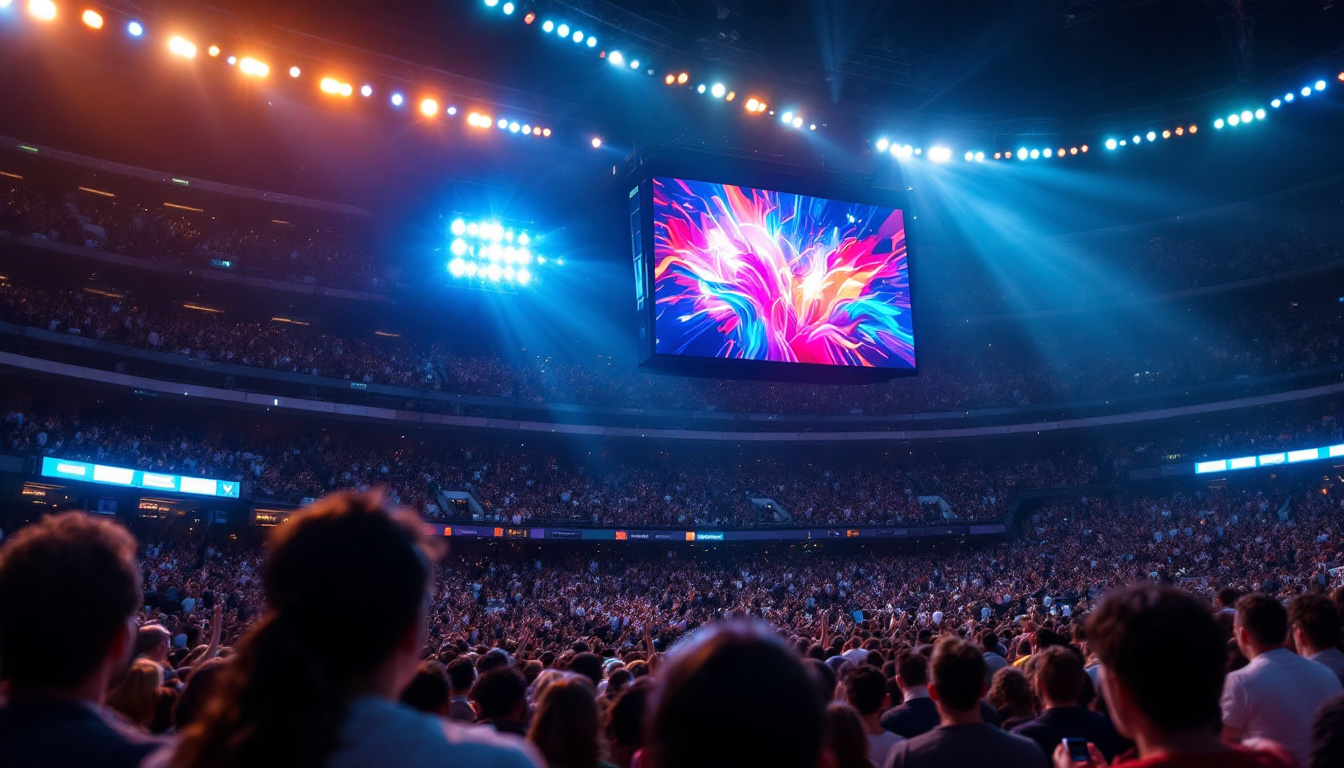
Stadiums and arenas utilize large-scale weatherproof LED screens to enhance the spectator experience. These displays provide live game footage, replays, and interactive content, all visible in bright daylight or nighttime conditions.
Many modern sports venues incorporate LED ribbon boards and jumbotrons that must endure outdoor elements. The reliability and brightness of weatherproof LED TVs ensure fans never miss a moment, regardless of the weather.
Transportation and Public Information Systems
Weatherproof LED displays are vital in transportation hubs such as airports, train stations, and bus terminals. They provide real-time updates on schedules, delays, and safety information. The durability of these displays ensures they remain operational in all weather conditions, which is critical for passenger communication.
Residential and Hospitality Outdoor Entertainment
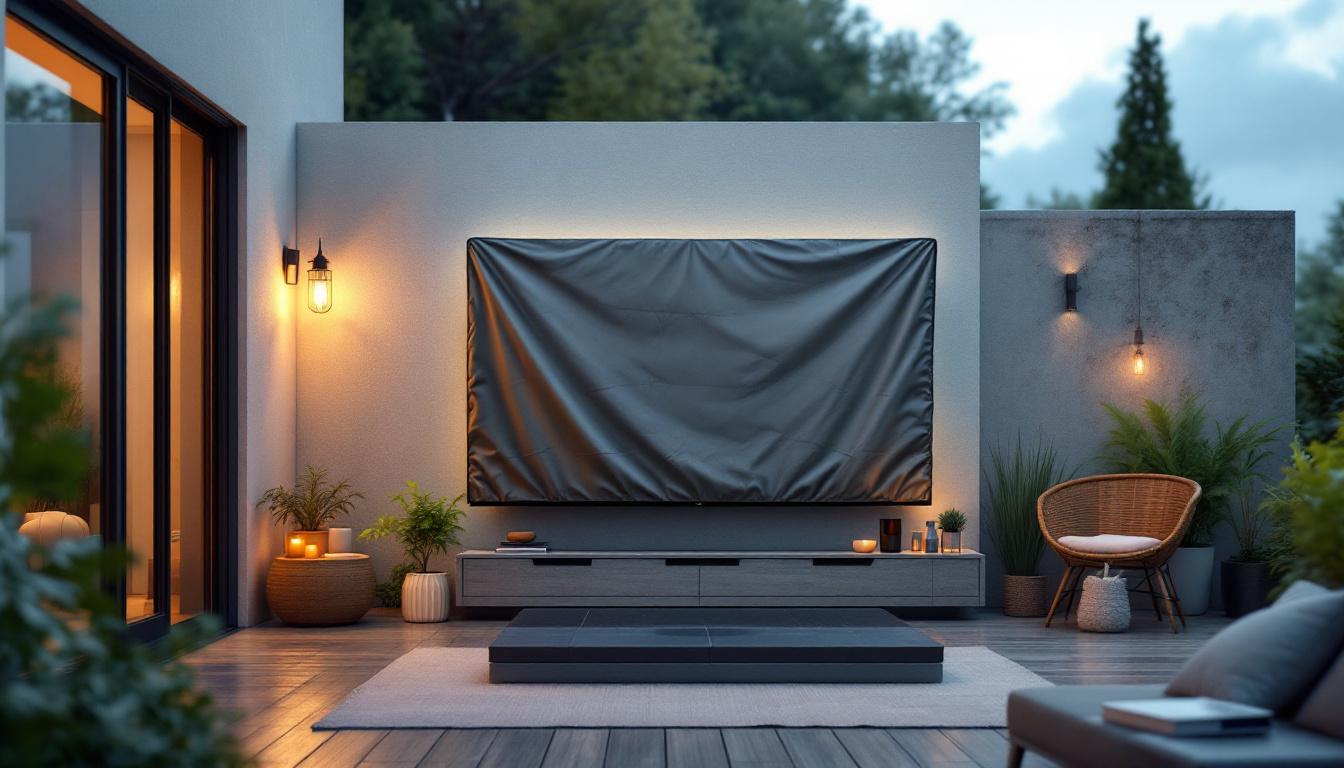
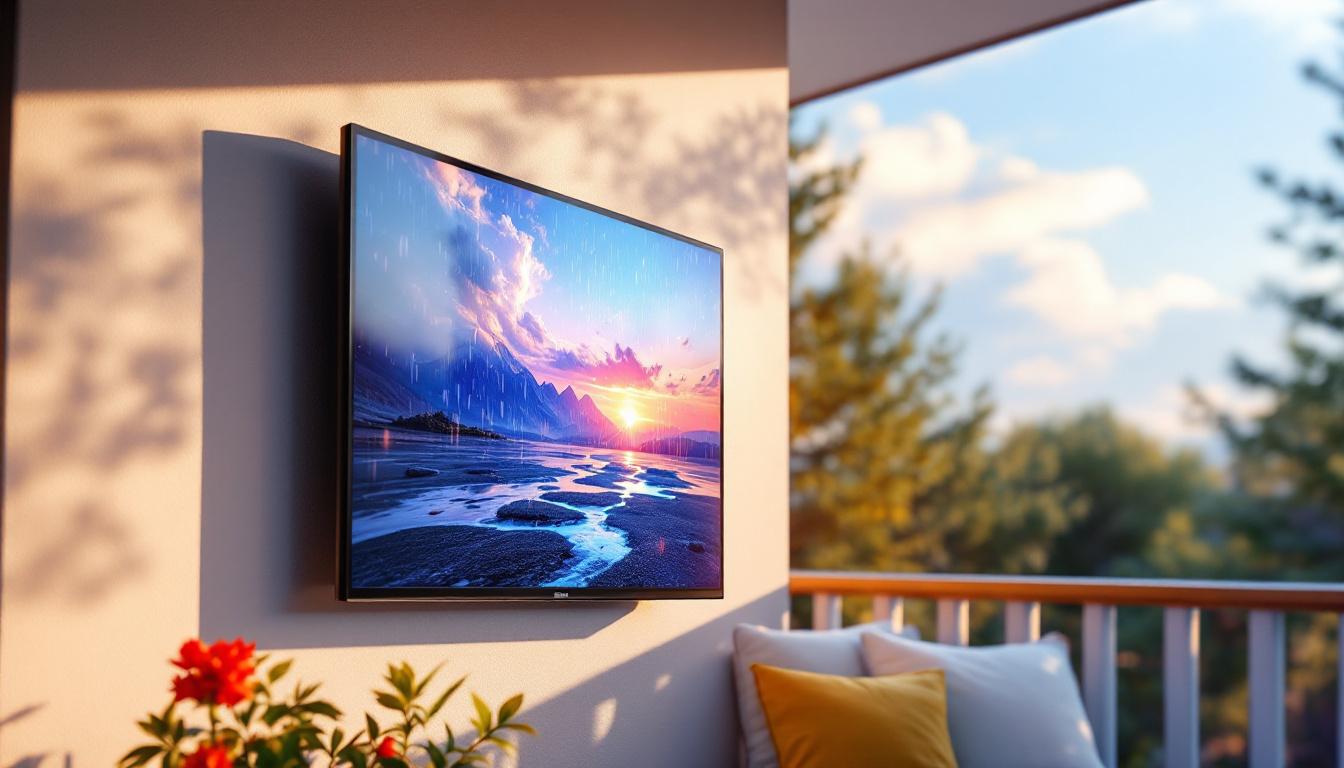
Increasingly, homeowners and hospitality businesses are installing weatherproof LED TVs in outdoor living spaces, pool areas, and patios. These displays offer high-quality entertainment options without the worry of damage from rain or sun exposure.
Advancements in LED technology have made these units more affordable and easier to install, contributing to their growing popularity in residential settings.
Choosing the Right Weatherproof LED TV
Selecting the appropriate weatherproof LED display depends on several factors, including the intended application, environmental conditions, size requirements, and budget.
Key Considerations
- Brightness: For outdoor use, a minimum brightness of 2,500 to 5,000 nits is recommended to ensure visibility in sunlight.
- Resolution and Pixel Pitch: Higher resolution and smaller pixel pitch provide sharper images, especially for close viewing distances. However, larger pixel pitches are acceptable for displays viewed from afar, such as billboards.
- IP Rating: Choose an IP rating that matches the environmental exposure. Coastal areas with salt spray may require higher corrosion resistance.
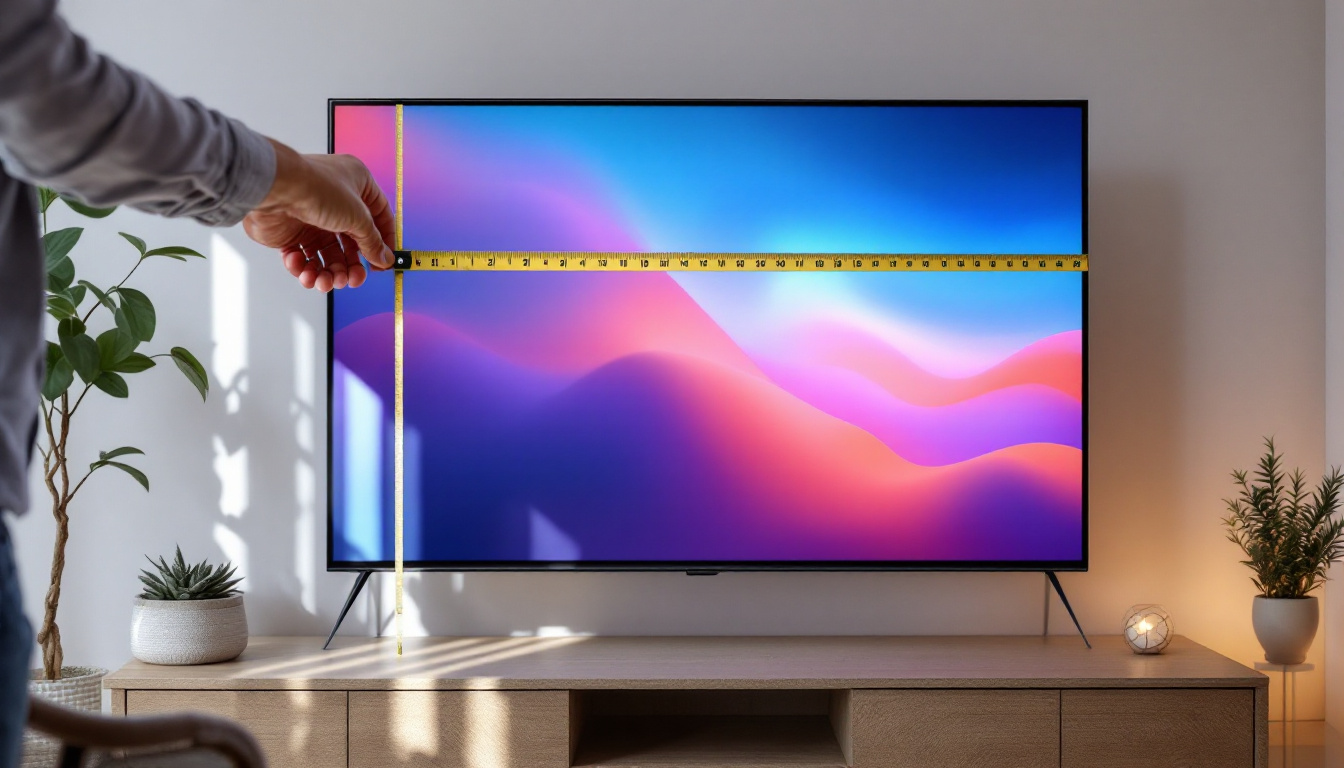
- Size and Modularity: Consider the physical size and whether the display needs to be scalable or integrated into a larger video wall.
- Warranty and Support: Weatherproof LED TVs are an investment; selecting a product with strong manufacturer support and warranty coverage is essential.
Installation and Maintenance
Proper installation is critical to maximize the lifespan and performance of weatherproof LED TVs. This includes ensuring secure mounting, adequate ventilation, and correct electrical connections. Routine maintenance, such as cleaning the screen surface and inspecting seals, helps prevent damage and maintain image quality.
The Future of Weatherproof LED Displays
Technological advancements continue to push the boundaries of what weatherproof LED TVs can achieve. Innovations in micro-LED technology promise even higher brightness, better energy efficiency, and improved color accuracy. Additionally, integration with IoT (Internet of Things) systems enables smarter displays that can adjust brightness and content dynamically based on environmental sensors.
As sustainability becomes a priority, manufacturers are also focusing on eco-friendly materials and energy-saving designs. The combination of durability, performance, and environmental responsibility will shape the next generation of weatherproof LED displays.
Conclusion
Weatherproof TVs utilizing LED display technology have transformed outdoor digital communication by offering unmatched brightness, durability, and versatility. From advertising and entertainment to public information and residential use, these displays provide reliable performance in the face of challenging environmental conditions.
Understanding the technology behind weatherproof LED TVs, including their design features and application considerations, is essential for making informed decisions in selecting and deploying these displays. As the market continues to evolve, LED technology will remain at the forefront, enabling vibrant, weather-resistant visual experiences that captivate audiences around the world.
Discover LumenMatrix’s Advanced LED Display Solutions
Ready to elevate your outdoor digital experience with robust, weatherproof LED displays? Look no further than LumenMatrix, a pioneer in the field of LED technology. Our extensive range of products, from vibrant Indoor and Outdoor LED Wall Displays to dynamic Vehicle and Sports LED Displays, is designed to meet your unique needs. Whether you’re looking to captivate passersby with a dazzling LED Poster Display, engage fans with a high-impact Floor LED Display, or customize your message with our All-in-One and Transparent LED solutions, LumenMatrix has you covered. Embrace the future of visual communication and Check out LumenMatrix LED Display Solutions today to create unforgettable visual narratives that resonate with your audience.