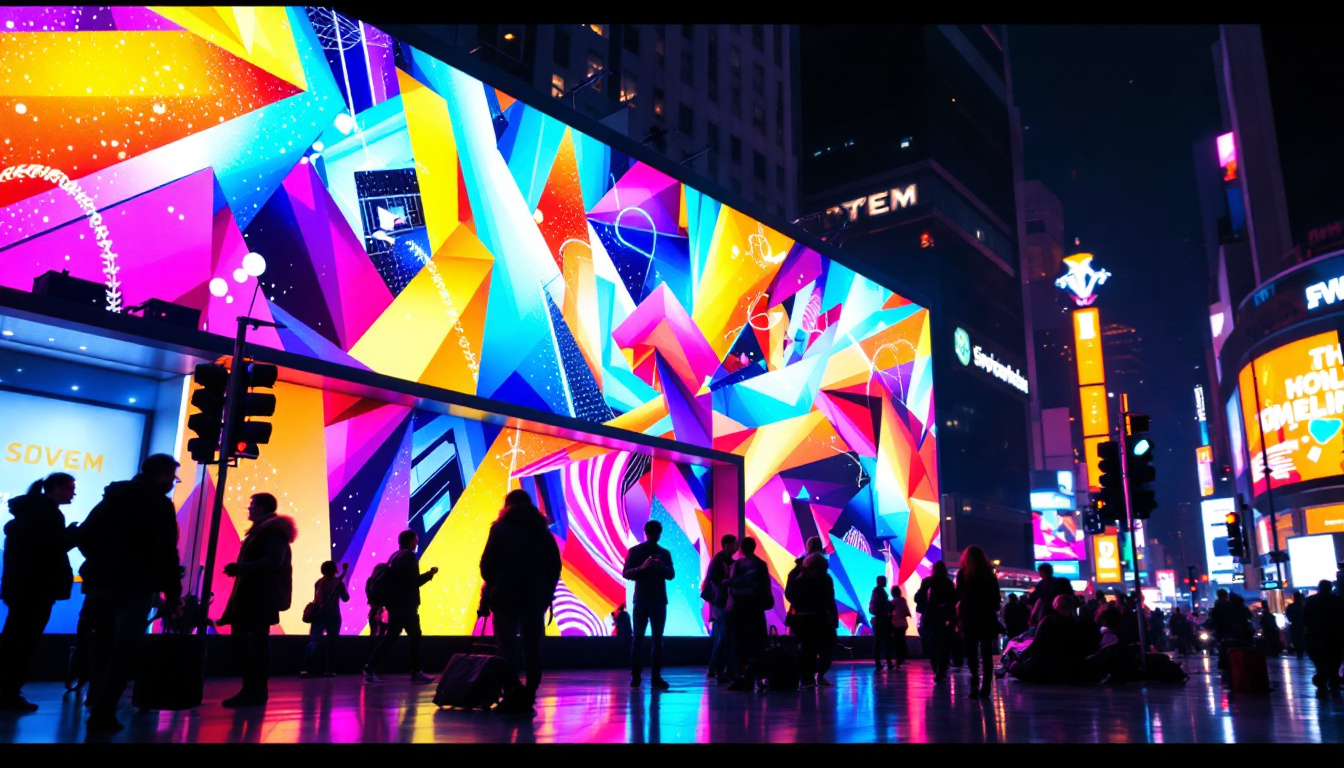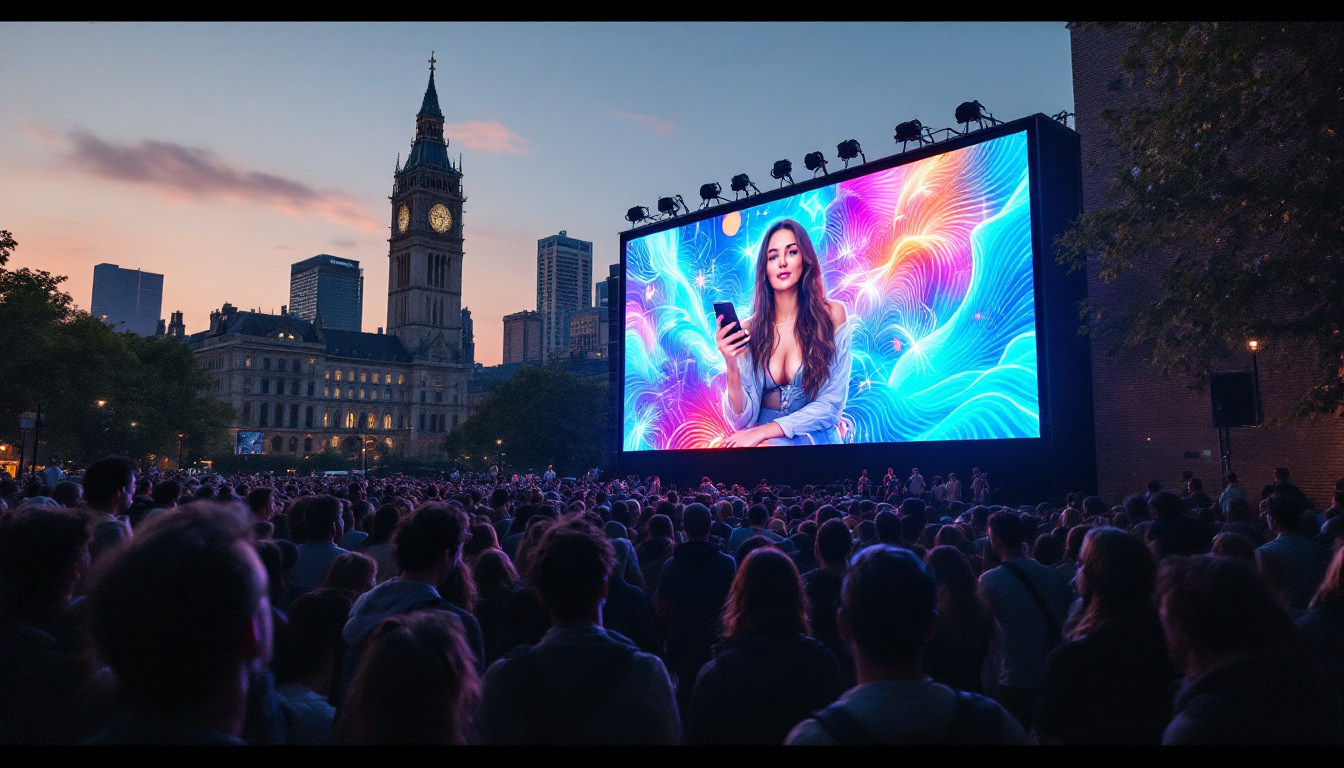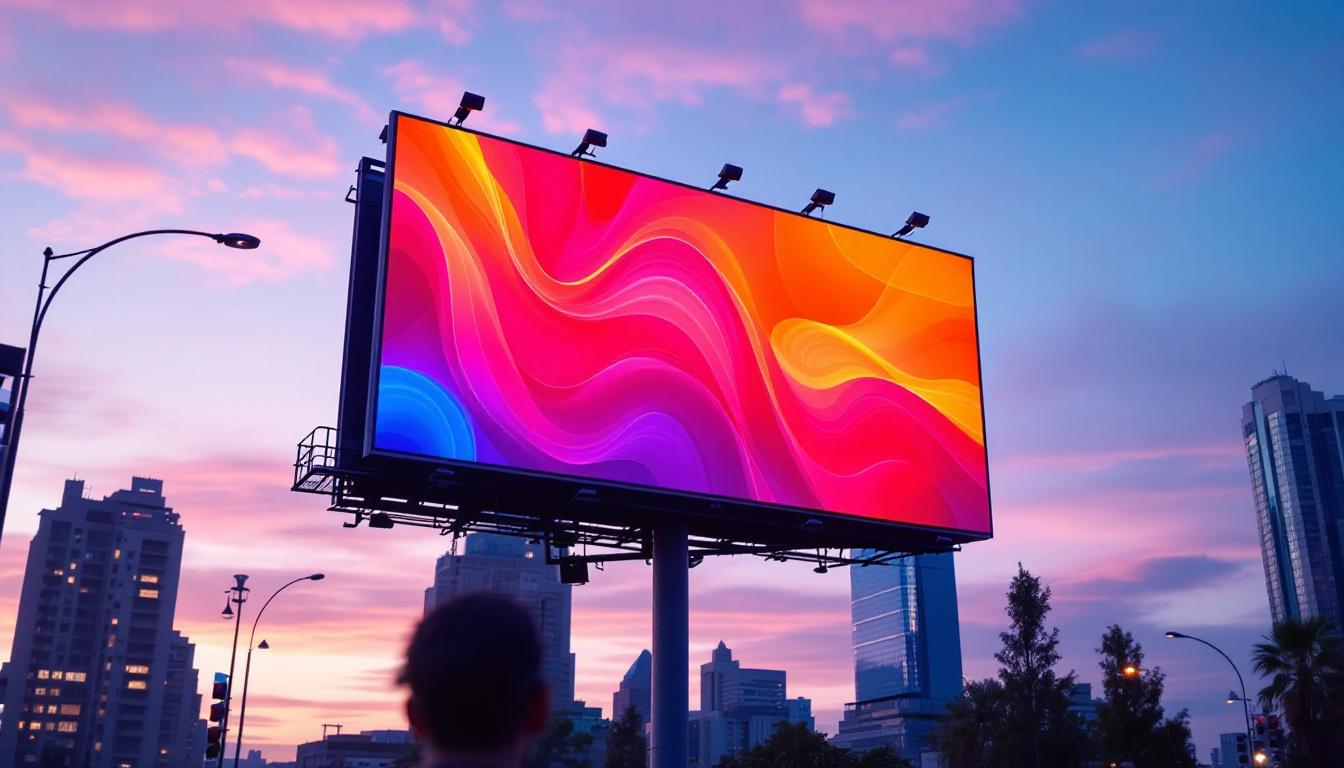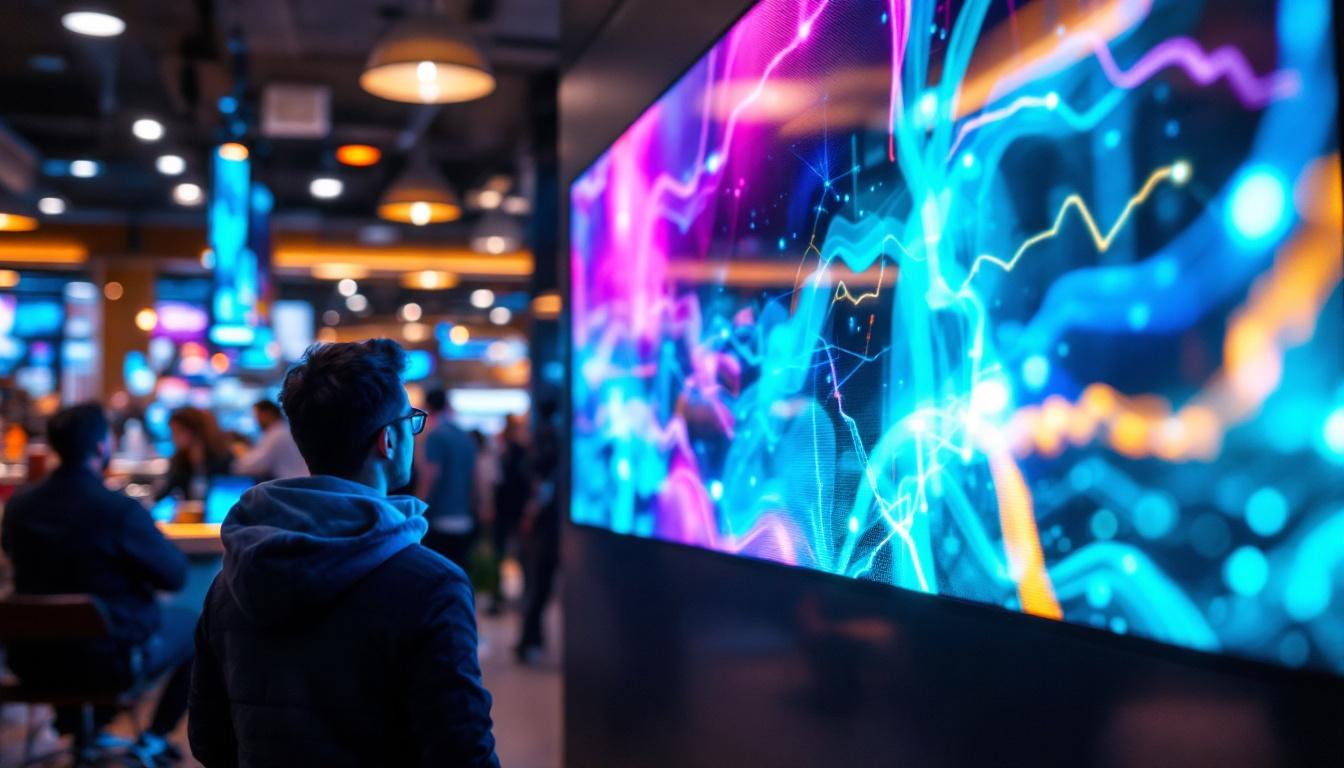
In today’s fast-paced digital world, businesses and public spaces increasingly rely on digital signage to capture attention, convey information, and enhance customer experience. Among various digital signage technologies, LED displays stand out due to their brightness, durability, and versatility. This article explores the fundamentals of LED display technology within digital signage system design, providing a comprehensive understanding of how these systems work, their components, advantages, and practical applications.
Understanding LED Displays in Digital Signage
LED, or Light Emitting Diode, technology has revolutionized the way visual content is presented in both indoor and outdoor environments. Unlike traditional LCD or projection-based displays, LED displays use an array of tiny light-emitting diodes to create images and videos. This technology offers superior brightness, energy efficiency, and longevity, making it ideal for digital signage applications.
LED displays come in various forms, including direct-view LED panels and LED-backlit LCD screens. However, in the context of large-scale digital signage, direct-view LED panels are most commonly used due to their scalability and high visibility under diverse lighting conditions.
How LED Displays Work
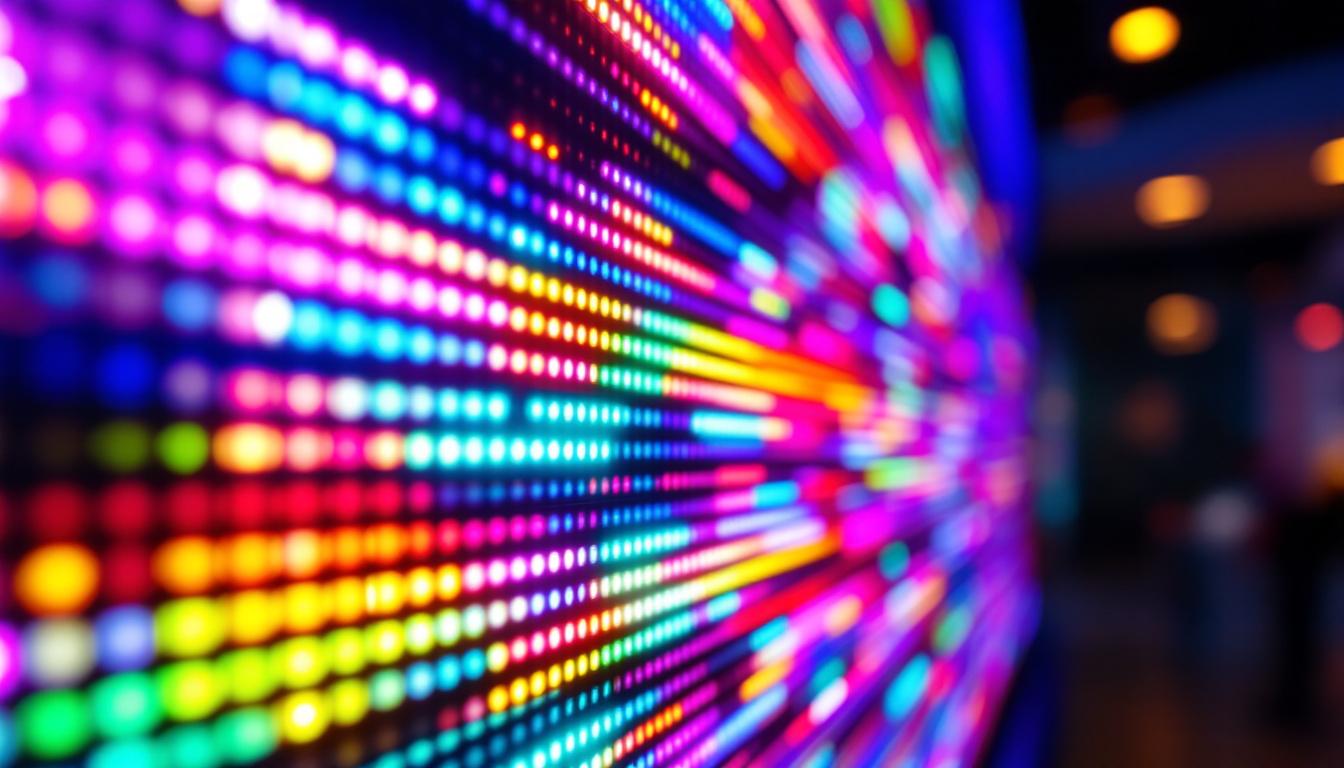
Each LED display consists of thousands to millions of individual LEDs arranged in a matrix. These LEDs emit light in red, green, and blue (RGB) colors, which combine to produce a full spectrum of colors. By adjusting the intensity of each LED, the display can render detailed images and videos with vibrant colors and high contrast.
The resolution of an LED display is determined by its pixel pitch—the distance between the centers of two adjacent LEDs. A smaller pixel pitch means higher resolution and sharper images, which is especially important for close viewing distances.
Types of LED Displays
LED displays can be broadly categorized based on their intended environment and technical specifications:
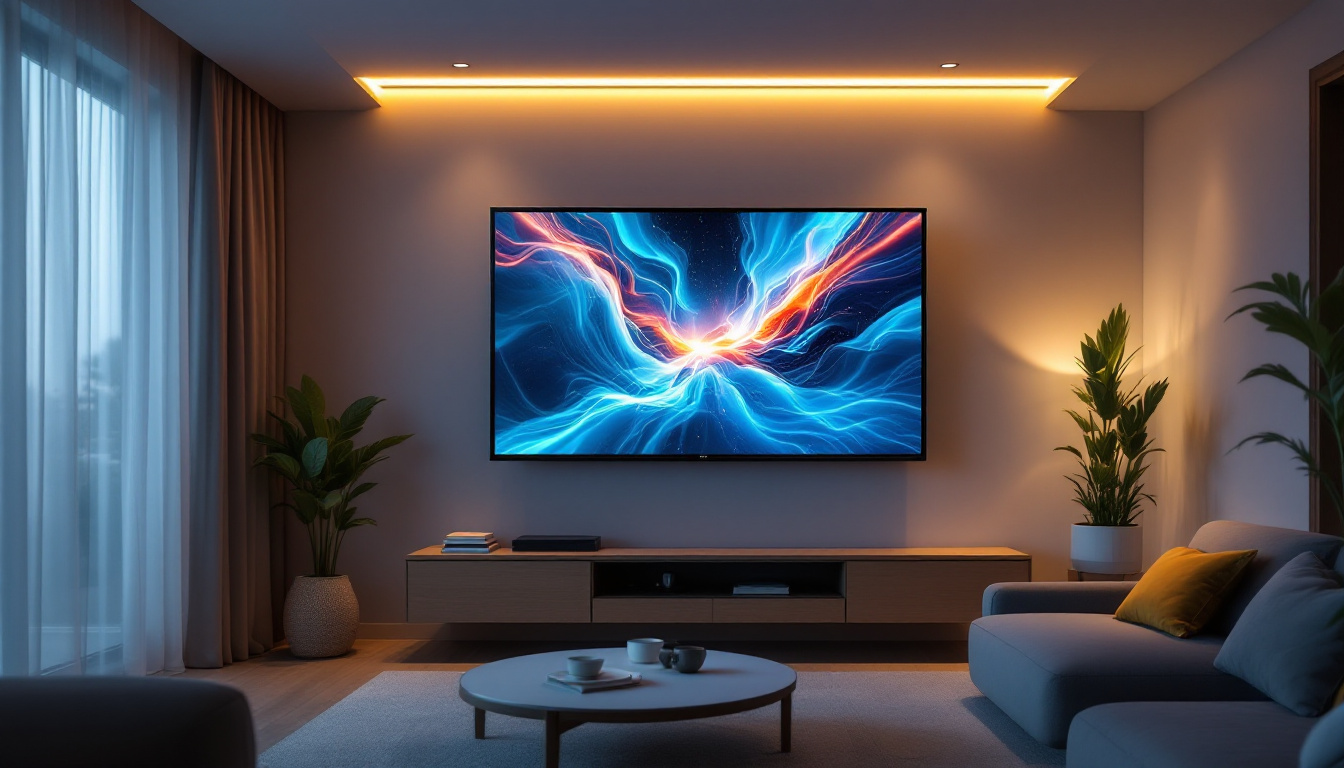
- Indoor LED Displays: Designed for controlled lighting environments, these displays have a smaller pixel pitch (often less than 2 mm) to deliver high-resolution content suitable for close viewing.
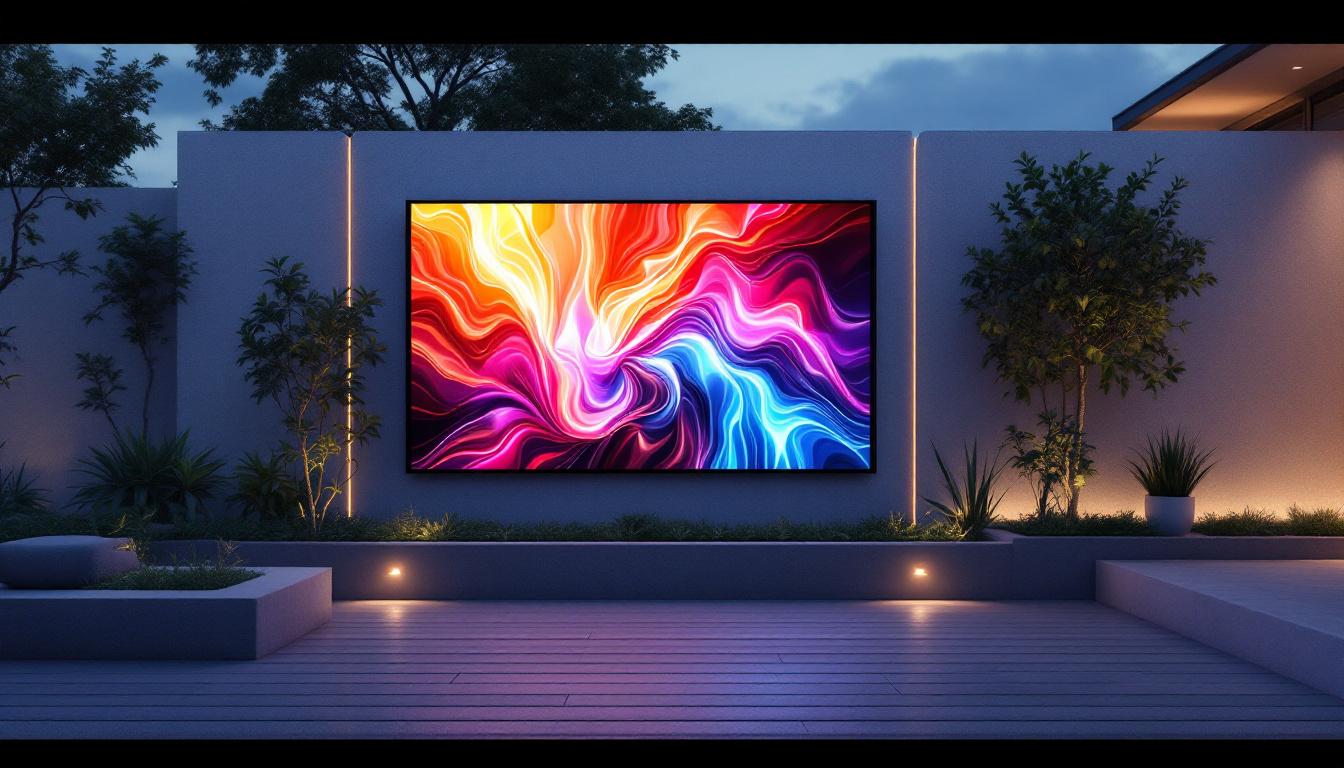
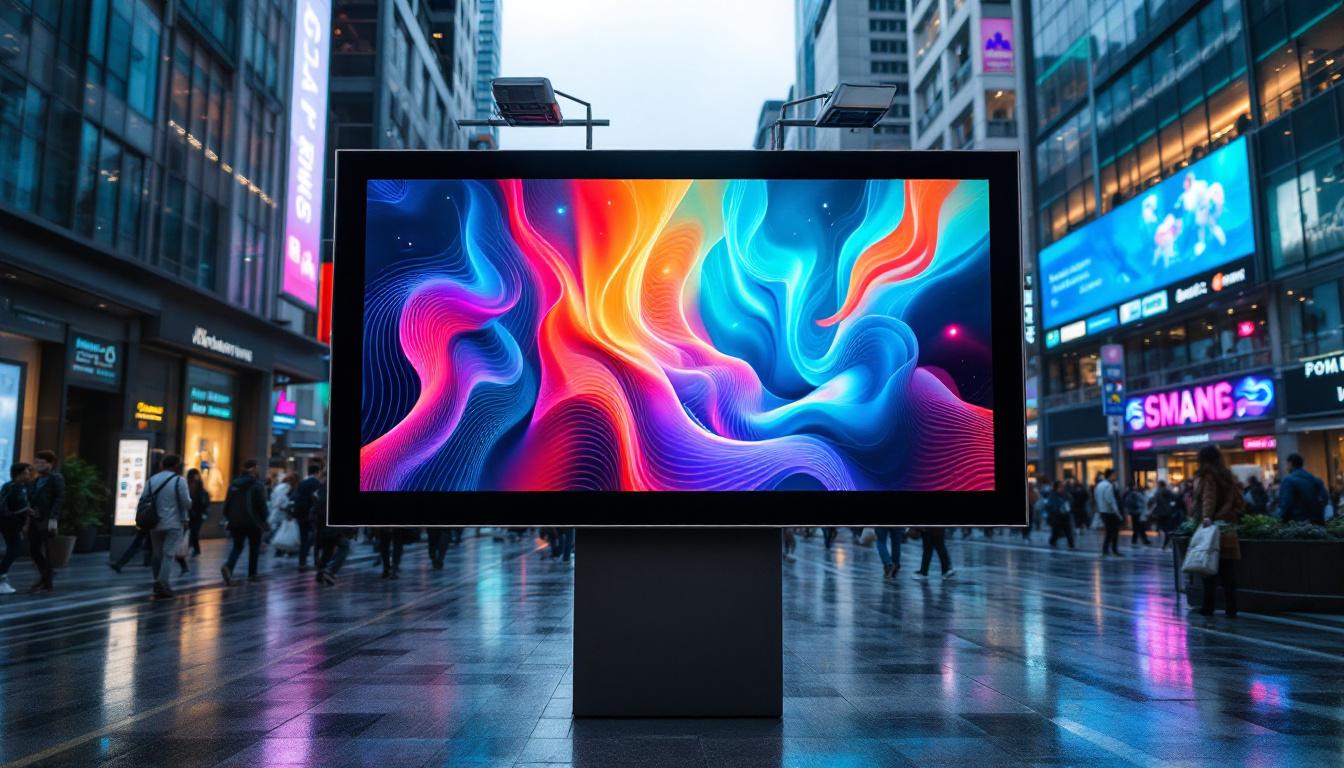
- Outdoor LED Displays: Built to withstand harsh weather conditions, these displays feature higher brightness levels (typically above 5,000 nits) and a larger pixel pitch (often 4 mm or more) to ensure visibility from a distance.
- Transparent LED Displays: These innovative panels allow light to pass through, making them ideal for storefront windows and architectural integration without obstructing the view.
- Flexible and Curved LED Displays: Using bendable substrates, these displays can conform to unique shapes, enhancing creative signage designs.
Key Components of an LED Digital Signage System
Designing an effective LED digital signage system involves integrating several critical components that work harmoniously to deliver seamless content. Understanding these components helps in selecting the right system tailored to specific needs.
LED Modules and Panels
The fundamental building blocks of an LED display are the LED modules, which contain an array of LEDs mounted on a circuit board. Multiple modules are assembled to form panels, which in turn combine to create the full display screen. The quality of LEDs, module design, and panel assembly directly impact the display’s brightness, color accuracy, and durability.
Control System
The control system manages the content displayed on the LED screen. It includes:
- Media Player: A device that stores and plays digital content such as images, videos, and animations.
- Video Processor: Converts input signals into formats compatible with the LED display and manages image scaling and color calibration.
- Control Software: Enables scheduling, content management, and remote monitoring of the display.
Advanced control systems support real-time content updates and integration with external data sources, such as social media feeds or live event information.
Power Supply and Cabling
LED displays require stable and efficient power supplies to maintain consistent brightness and performance. Power distribution units and redundant power supplies are often incorporated to ensure reliability, especially in mission-critical applications.
Cabling infrastructure includes data cables (often Ethernet or fiber optic) for signal transmission and power cables. Proper cable management is essential to reduce signal interference and facilitate maintenance.
Mounting and Enclosure
Mounting solutions vary depending on the installation environment—wall mounts, hanging rigs, or freestanding structures. Outdoor LED displays require weatherproof enclosures with appropriate IP ratings to protect against dust, moisture, and temperature extremes.
Advantages of LED Displays in Digital Signage
LED displays offer several distinct benefits that make them the preferred choice for many digital signage applications. These advantages contribute to better engagement, operational efficiency, and long-term cost savings.
Exceptional Brightness and Visibility
One of the most significant advantages of LED displays is their high brightness levels, often exceeding 5,000 nits for outdoor models. This brightness ensures that content remains visible even under direct sunlight, a critical factor for outdoor advertising and public information systems.
Additionally, LED displays provide wide viewing angles, allowing audiences to see clear images from various positions without color distortion or brightness loss.
Energy Efficiency and Longevity
LED technology is inherently energy-efficient compared to other display types such as LCD or projection. LEDs consume less power per unit of brightness, which reduces operational costs, especially for large or continuously running displays.
Moreover, LED displays have a long lifespan, often rated between 50,000 to 100,000 hours of operation. This durability minimizes maintenance and replacement costs over time.
Flexibility and Scalability
LED displays can be customized in size and shape, from small indoor screens to massive outdoor billboards spanning hundreds of square meters. This scalability allows businesses to design signage solutions that perfectly fit their spatial and branding requirements.
Modular LED panels enable easy expansion or reconfiguration, supporting evolving marketing strategies without the need for complete system replacement.
Vibrant Color and High Contrast
Thanks to precise control over individual LEDs, these displays deliver rich, vibrant colors and deep blacks, resulting in high contrast ratios. This visual quality enhances the impact of advertising and informational content, making it more engaging and easier to read.
Design Considerations for LED Digital Signage Systems
Effective digital signage design goes beyond selecting an LED display. It requires careful planning to ensure the system meets operational goals, environmental challenges, and user expectations.
Assessing Viewing Distance and Pixel Pitch
The pixel pitch must align with the typical viewing distance to ensure image clarity. For example, a pixel pitch of 1.5 mm is suitable for indoor displays viewed from 1 to 3 meters, while outdoor displays with a pixel pitch of 10 mm or more are designed for viewing distances exceeding 20 meters.
Choosing the wrong pixel pitch can result in pixelated images or unnecessarily high costs without visible benefits.
Environmental and Location Factors
Outdoor installations require displays with high IP ratings (e.g., IP65 or higher) to protect against rain, dust, and temperature fluctuations. Additionally, anti-glare coatings and high brightness are essential for readability under sunlight.
Indoor environments may demand thinner, lighter panels and quieter cooling systems to blend seamlessly with interior design and avoid disturbing occupants.
Content Strategy and Software Integration
The effectiveness of digital signage depends heavily on the content displayed. Dynamic, context-aware content that updates in real-time can significantly boost audience engagement.
Integrating content management systems (CMS) that support scheduling, remote updates, and data-driven content allows operators to maximize the utility of their LED signage.
Power and Network Infrastructure
Reliable power supply and network connectivity are critical for uninterrupted operation. Backup power solutions such as uninterruptible power supplies (UPS) can prevent downtime during outages.
Network security should also be considered, especially for displays connected to the internet or corporate networks, to prevent unauthorized access or content tampering.
Applications of LED Digital Signage
LED digital signage finds applications across a wide range of industries and environments, each leveraging the technology’s unique strengths.
Retail and Advertising
Retailers use LED displays to showcase promotions, new products, and brand messages. The high brightness and color fidelity attract shoppers’ attention, enhancing in-store experiences and driving sales.
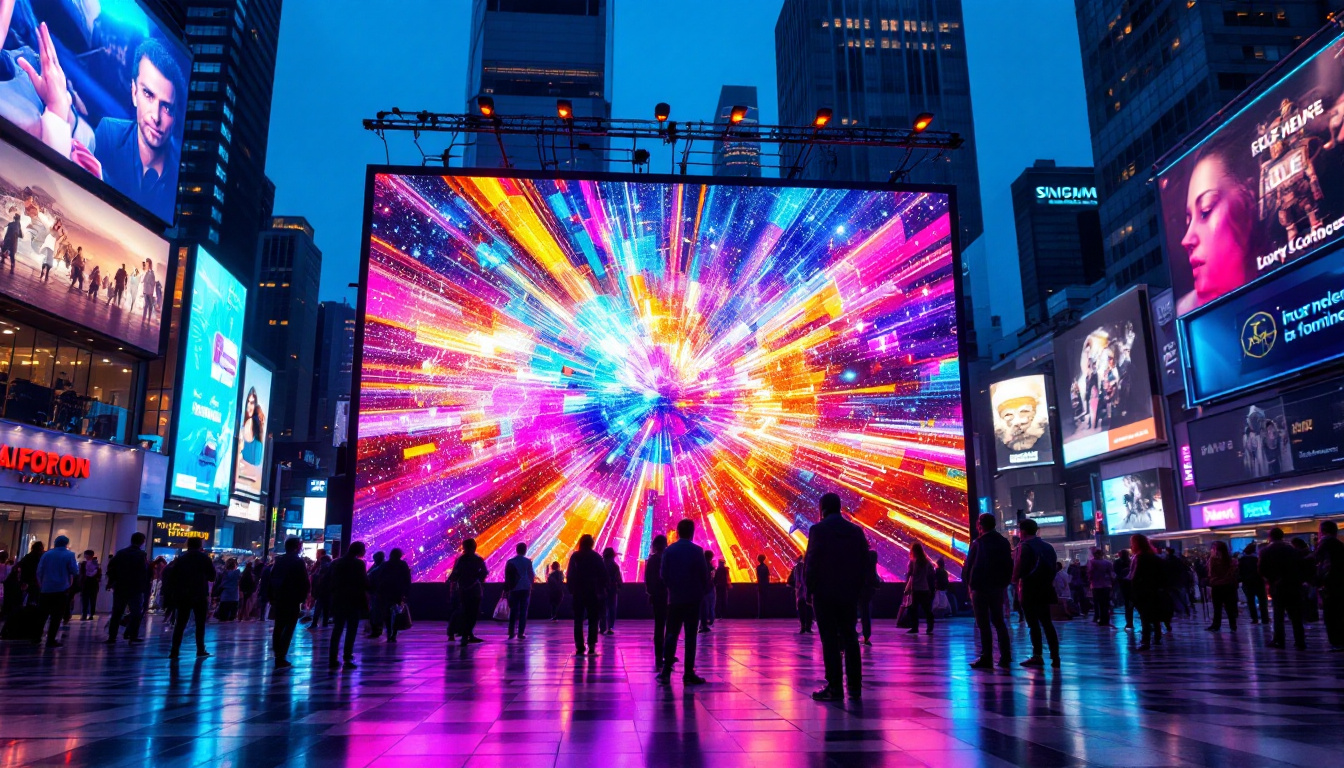
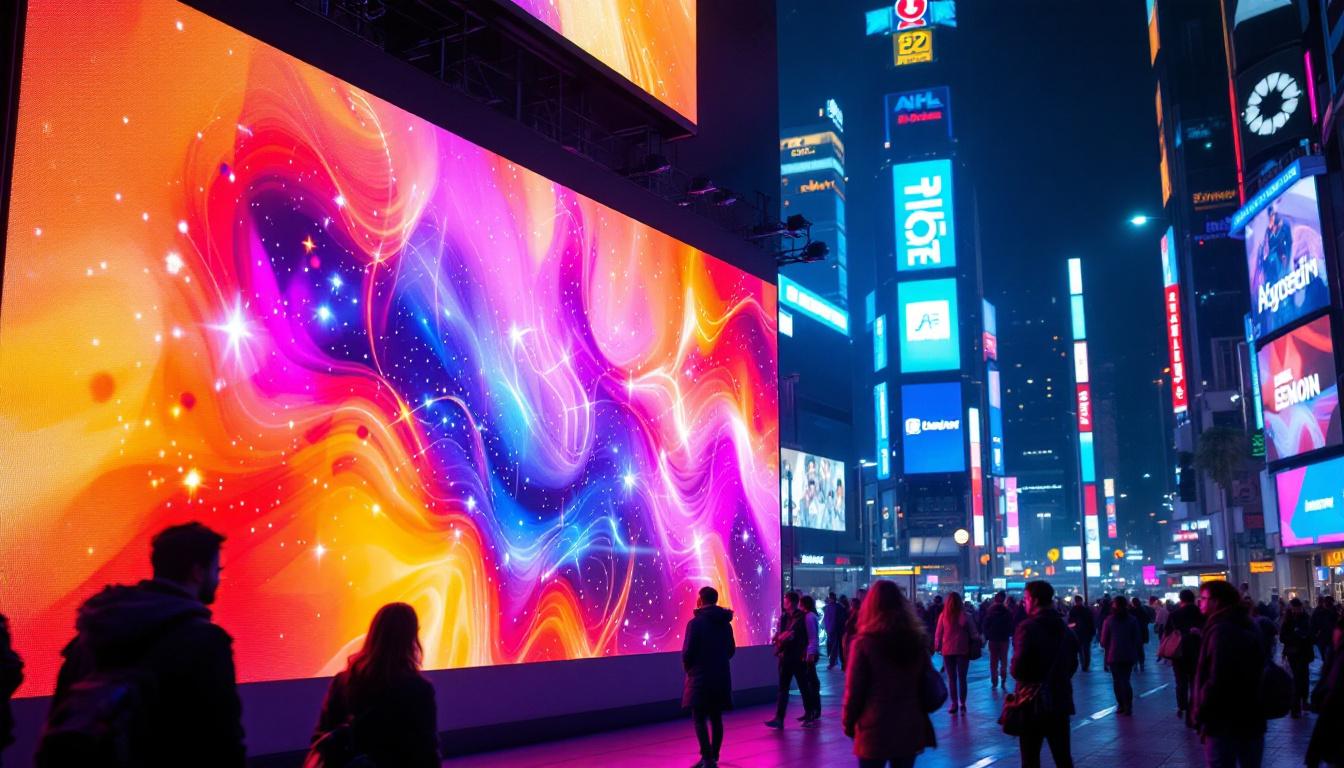
Outdoor LED billboards are among the most effective advertising mediums, with studies showing that digital billboards can increase brand recall by up to 47% compared to static signs.
Transportation and Public Spaces
Airports, train stations, and bus terminals utilize LED signage for real-time schedules, wayfinding, and emergency alerts. The ability to update content instantly ensures passengers receive accurate information, improving overall service quality.
Sports and Entertainment Venues
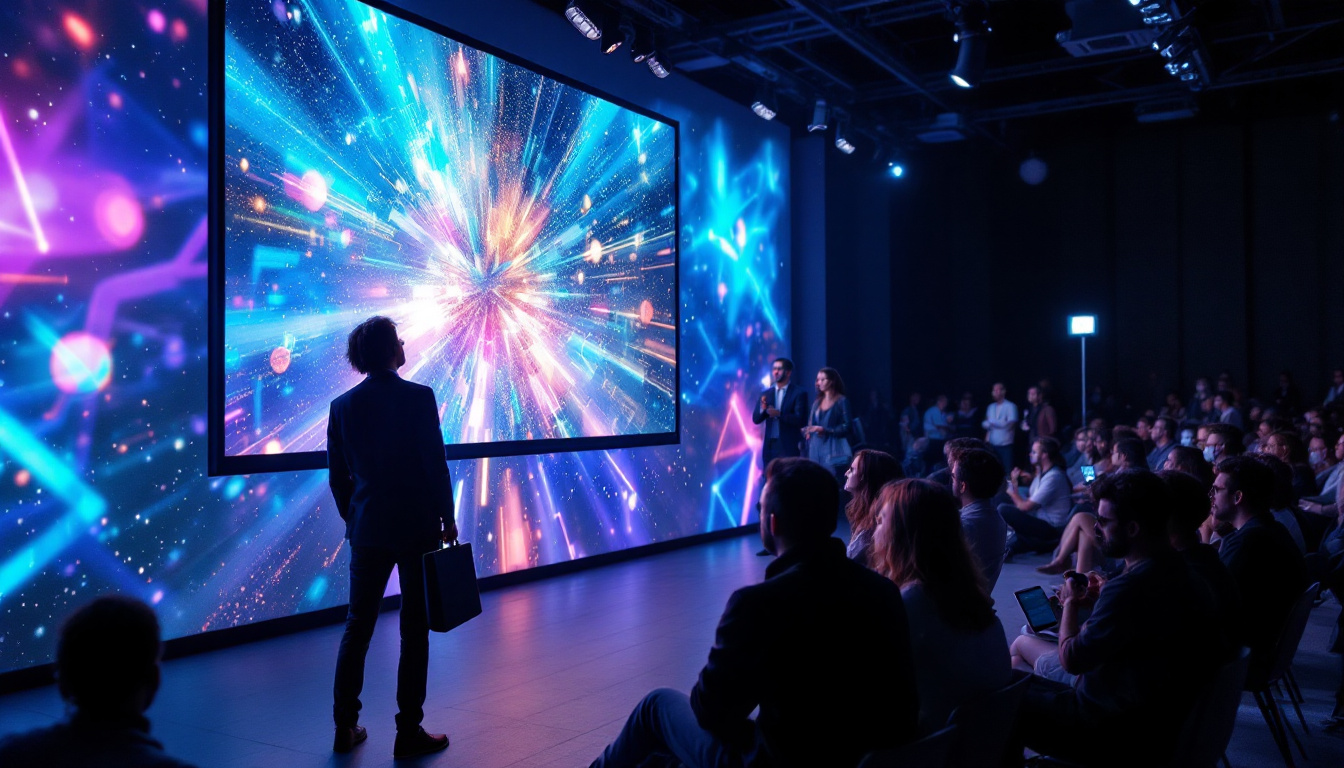
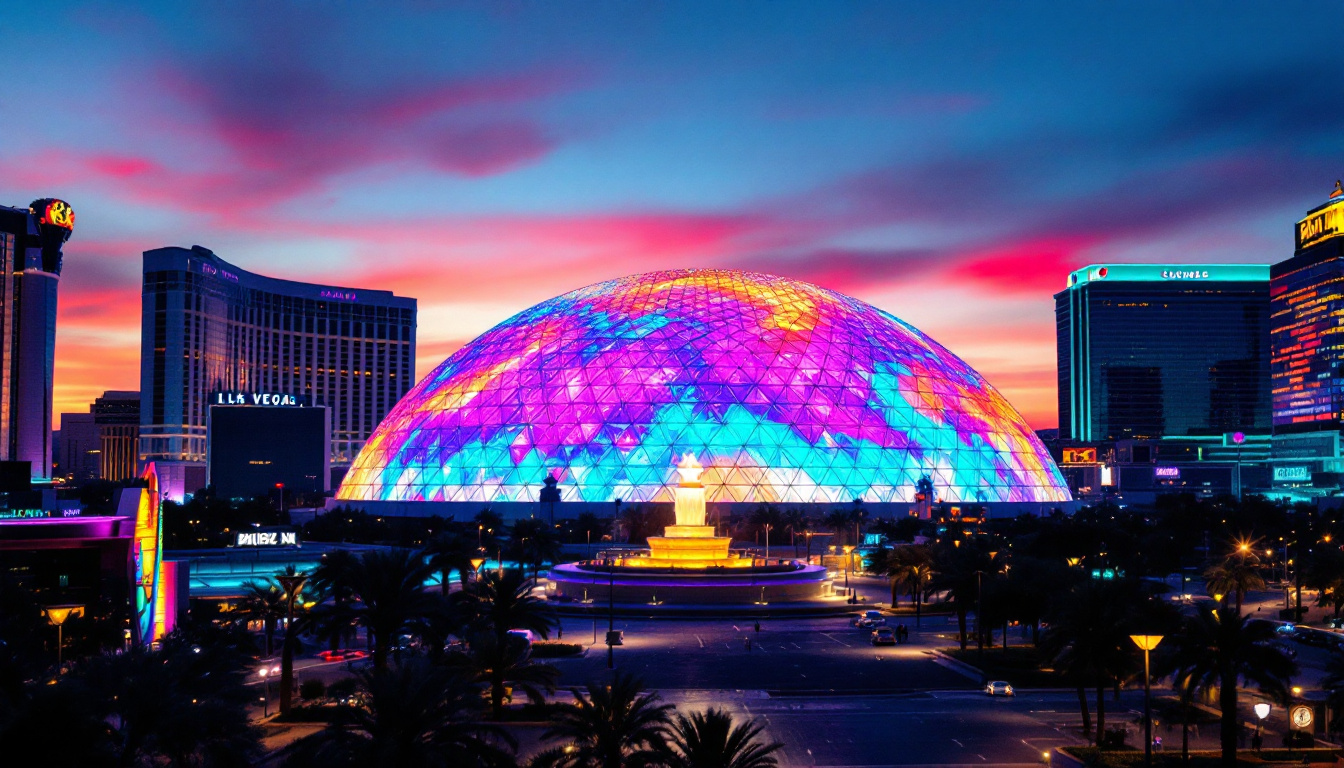
LED displays are integral to stadiums and arenas, providing scoreboards, live video feeds, and interactive fan experiences. Their scalability allows for massive screens that enhance spectator engagement.
Corporate and Educational Environments
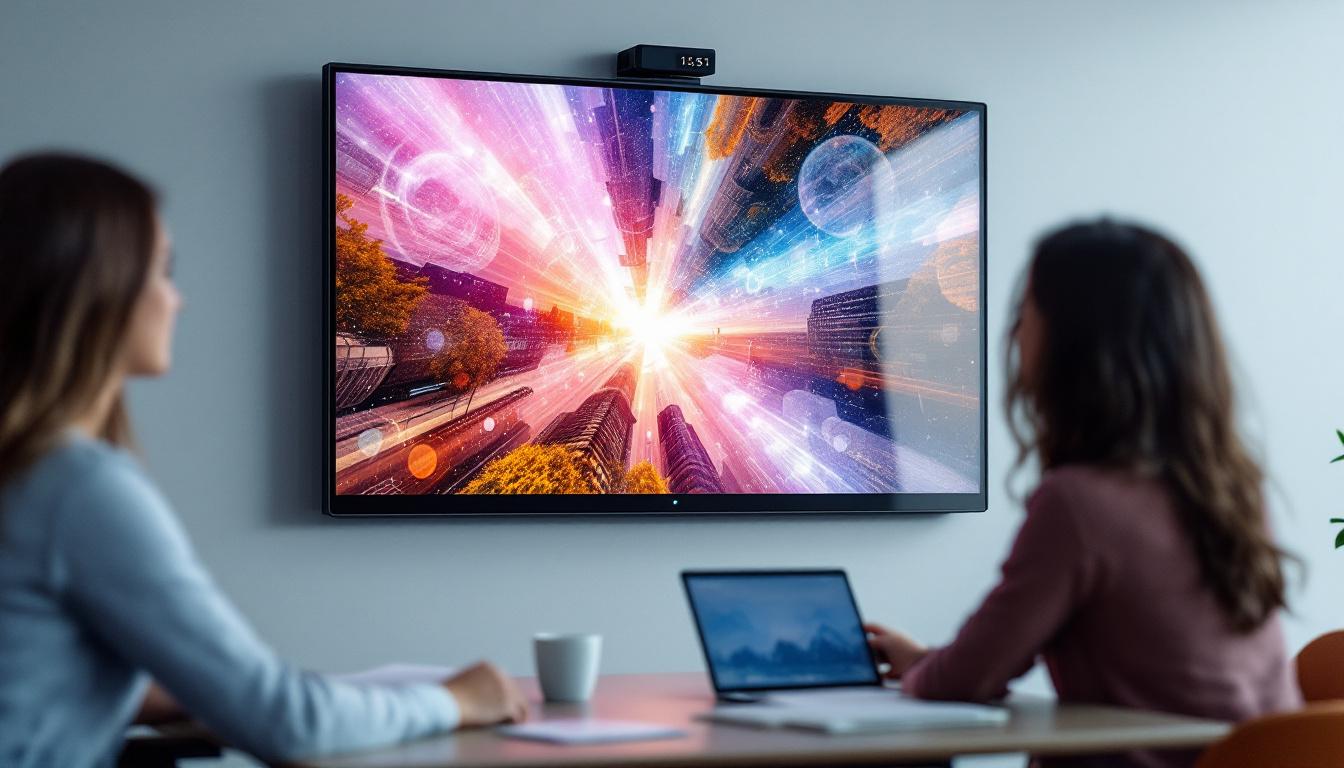
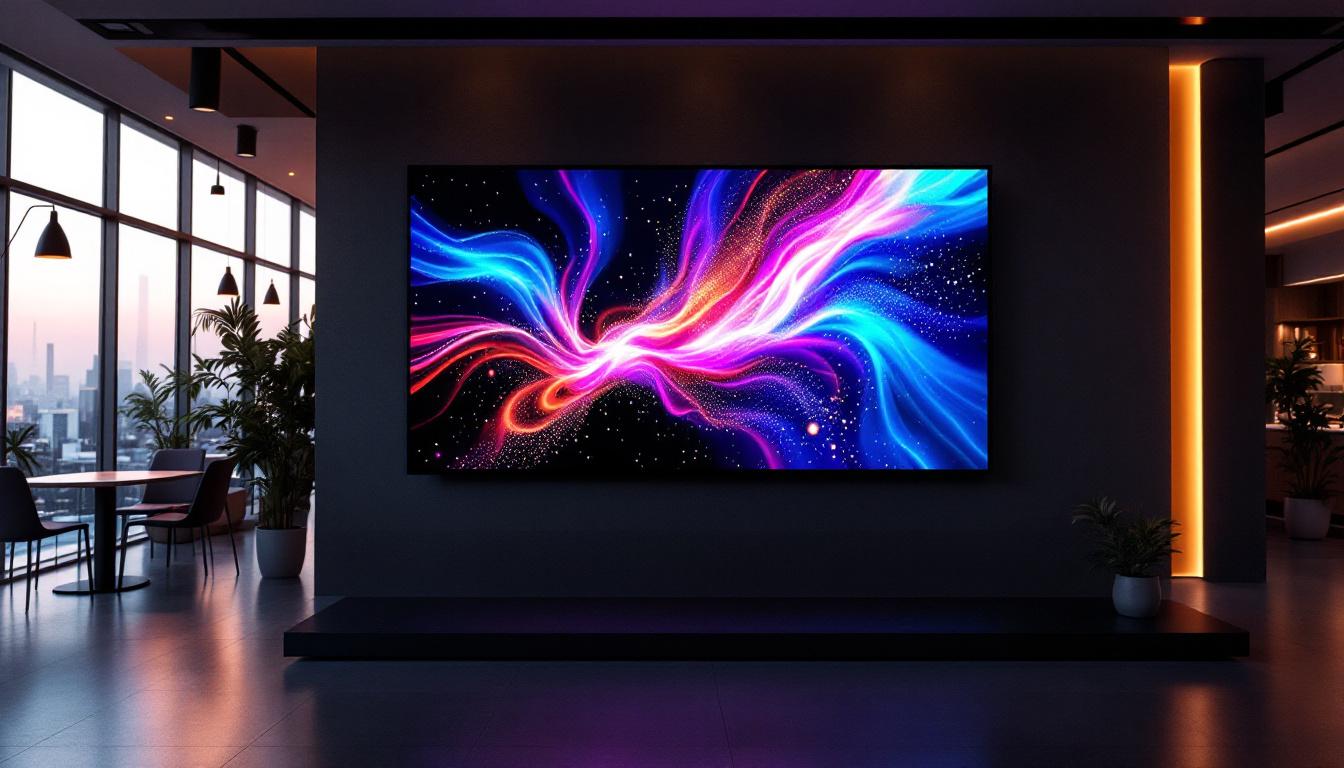
Businesses and universities deploy LED digital signage for internal communications, event announcements, and branding. The technology supports dynamic messaging that can be tailored to different audiences throughout the day.
Future Trends in LED Digital Signage
The digital signage industry continues to evolve rapidly, with LED technology at the forefront of innovation. Emerging trends are shaping the future landscape of LED displays.
MicroLED and MiniLED Technologies
MicroLED and MiniLED represent the next generation of LED displays, offering even higher resolution, improved color accuracy, and better energy efficiency. MicroLEDs, in particular, enable ultra-thin, flexible displays with superior brightness and contrast, opening new possibilities for signage design.
Integration with Artificial Intelligence
AI-powered digital signage can analyze audience demographics and behavior to deliver personalized content in real-time. This capability enhances marketing effectiveness and customer engagement.
Interactive and Immersive Experiences
Combining LED displays with sensors, augmented reality (AR), and touch technologies is creating interactive signage that responds to user input and environmental cues. These immersive experiences are transforming how audiences interact with digital content.
Conclusion
LED displays are a cornerstone of modern digital signage system design, offering unparalleled brightness, flexibility, and visual impact. Understanding the technology, components, and design considerations is essential for deploying effective signage solutions that meet business goals and captivate audiences.
As LED technology advances and integrates with emerging digital trends, the potential for innovative, engaging, and efficient digital signage continues to grow, making it an indispensable tool for communication in diverse environments.
Explore Cutting-Edge LED Display Solutions with LumenMatrix
Ready to elevate your digital signage with the latest in LED technology? Discover LumenMatrix’s innovative range of LED display modules, designed to bring your brand to life and captivate your audience. From vibrant Indoor and Outdoor LED Wall Displays to dynamic Vehicle and Sports LED Displays, and even customizable solutions like Floor and Transparent LED Displays, LumenMatrix has the tools to revolutionize your visual communication. Experience the future of digital signage and create unforgettable visual experiences. Check out LumenMatrix LED Display Solutions today and transform the way you connect with your audience.