In the rapidly evolving world of digital communication and advertising, digital signage has emerged as a powerful tool for businesses, public spaces, and entertainment venues. Among the various display technologies available, LED displays stand out for their brightness, durability, and versatility. This article delves into the fundamentals of LED displays used in digital signage TVs, exploring how they work, their advantages, and why they have become the preferred choice for many applications.
Understanding Digital Signage and LED Displays
What is Digital Signage?
Digital signage refers to the use of digital displays, such as LCD, LED, or projection screens, to present multimedia content for informational or advertising purposes. Unlike traditional static signs, digital signage allows for dynamic content that can be updated in real-time, making it highly engaging and adaptable to different audiences and contexts.
From retail stores showcasing promotions to airports displaying flight information, digital signage is everywhere. According to a 2023 report by Grand View Research, the global digital signage market size was valued at over $21 billion in 2022 and is expected to grow at a compound annual growth rate (CAGR) of 7.5% through 2030. This growth is largely driven by advancements in display technologies, with LED displays playing a pivotal role.
Moreover, digital signage is not just limited to advertising; it has found applications in various sectors including education, healthcare, and transportation. For instance, schools and universities utilize digital signage to communicate important announcements, event schedules, and emergency alerts to students and staff. In healthcare settings, digital displays can provide patients with vital information about wait times, services, and health tips, enhancing the overall experience and streamlining communication. This versatility is a key factor behind the increasing adoption of digital signage solutions across diverse industries.
What is an LED Display?
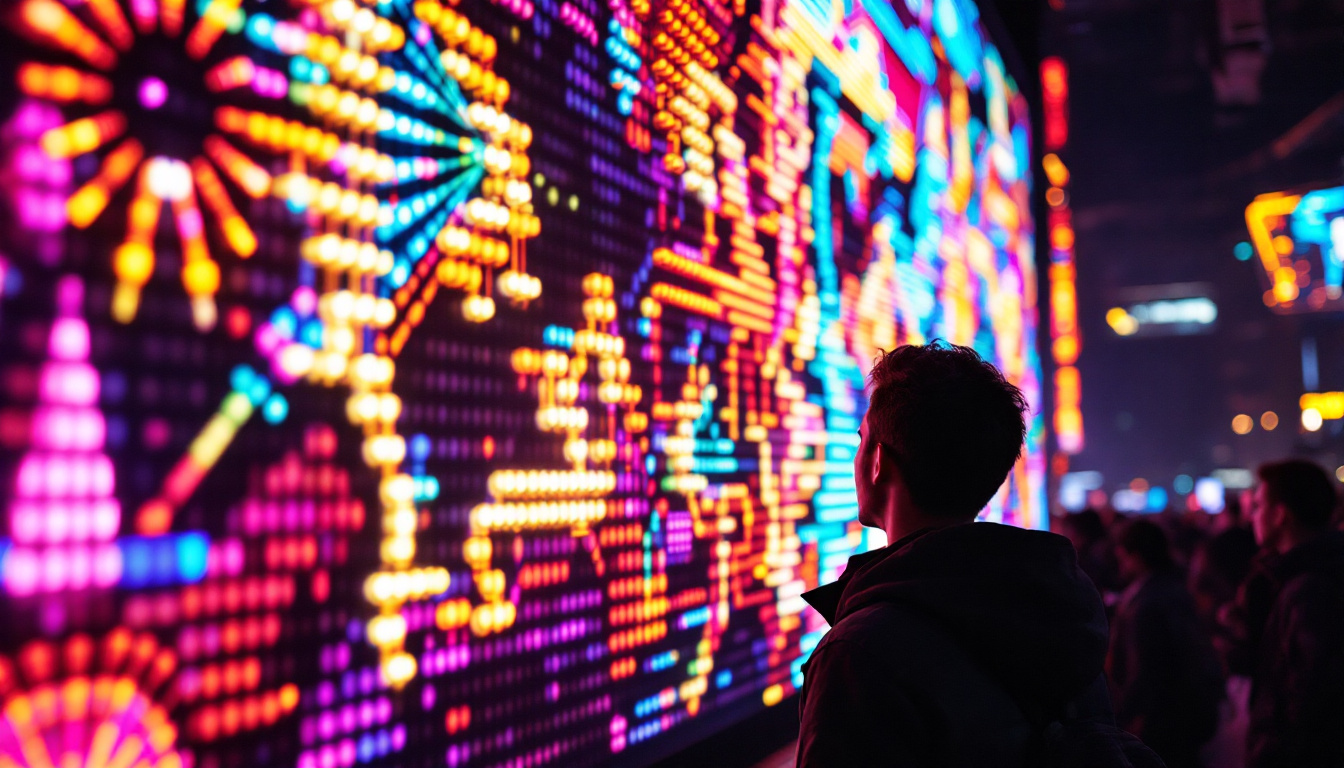
LED stands for Light Emitting Diode, a semiconductor device that emits light when an electric current passes through it. An LED display is composed of numerous tiny LEDs arranged in a matrix to form images, videos, or text. These displays can be configured in various sizes and resolutions, from small screens used in retail kiosks to massive outdoor billboards.
LED displays are distinct from LCD (Liquid Crystal Display) screens, which rely on backlighting and liquid crystals to produce images. Instead, LED displays are self-emissive, meaning each pixel generates its own light. This fundamental difference offers several advantages in brightness, contrast, and viewing angles, which are critical for digital signage applications.
Furthermore, the energy efficiency of LED technology contributes to its growing popularity. LED displays consume significantly less power compared to traditional display technologies, making them not only cost-effective but also environmentally friendly. This energy efficiency is particularly beneficial for large-scale installations, such as stadiums or shopping malls, where displays operate for extended periods. Additionally, advancements in LED technology have led to the development of flexible and transparent displays, opening up new possibilities for creative advertising and innovative architectural designs that blend seamlessly into their surroundings.
How LED Displays Work in Digital Signage TVs
Basic Structure and Components
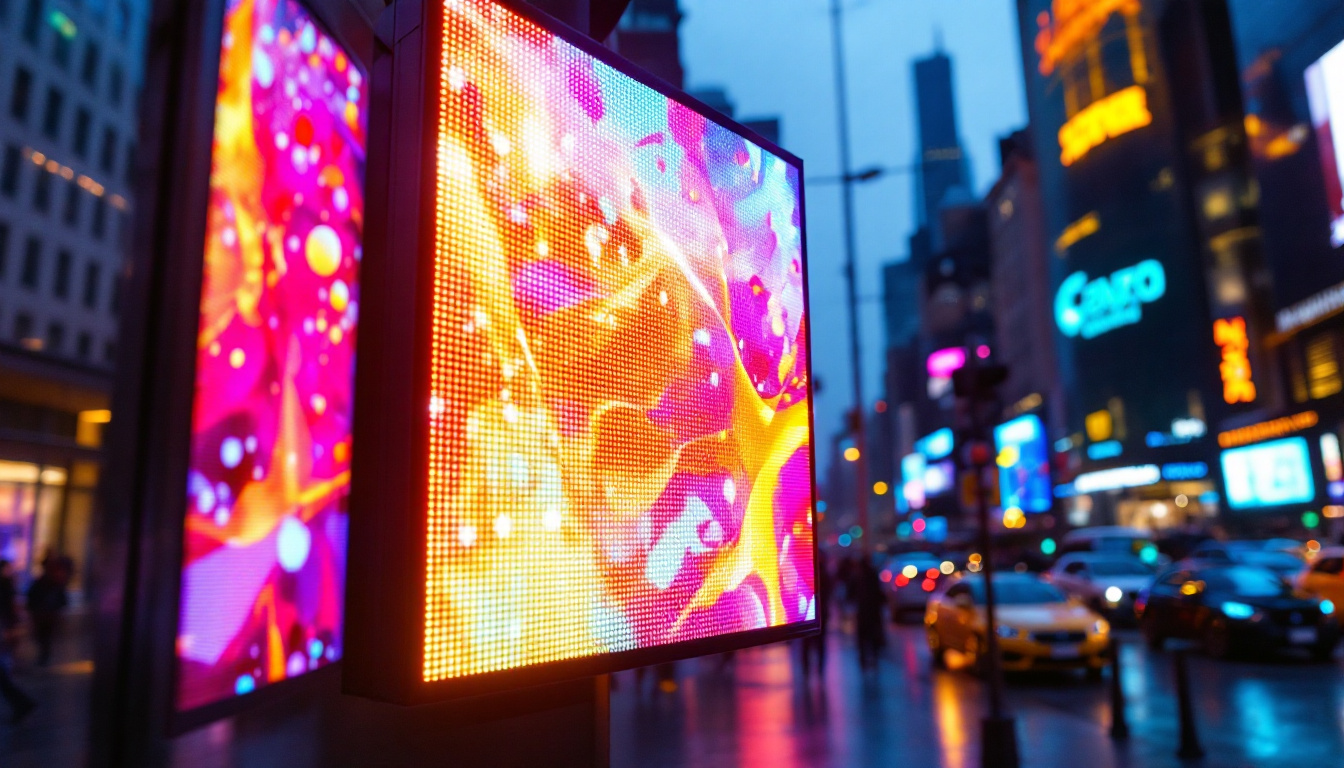
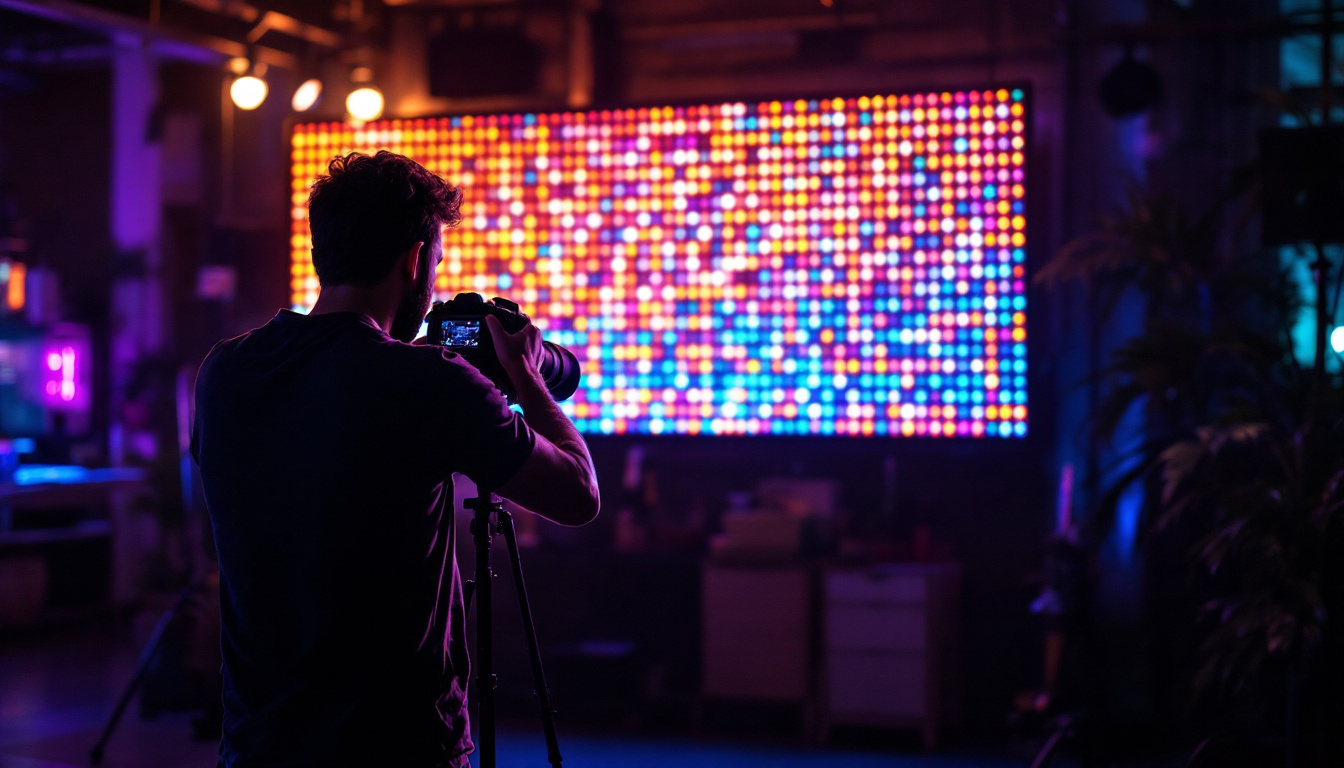
At the core of an LED display are thousands to millions of individual LEDs arranged in a grid. Each LED acts as a pixel or part of a pixel, depending on the display’s resolution. The LEDs are typically grouped into clusters of red, green, and blue diodes, which combine to produce a full spectrum of colors through a process called additive color mixing.
These clusters, known as pixels, are controlled by a driver circuit that regulates the intensity of each LED. By varying the brightness of the red, green, and blue components, the display can render millions of colors, enabling vibrant and detailed images.
Types of LED Displays Used in Digital Signage
There are two primary categories of LED displays used in digital signage TVs: direct-view LED and LED-backlit LCD.
- Direct-View LED Displays: These displays use LEDs as the actual pixels that emit light directly to the viewer. They are known for their high brightness, excellent contrast ratios, and wide viewing angles. Direct-view LED displays are common in large-format digital signage, such as stadium screens and outdoor billboards.
- LED-Backlit LCD Displays: These are traditional LCD screens that use LEDs as the backlight source instead of fluorescent lamps. While the image is created by liquid crystals blocking or allowing light to pass through, the LED backlight improves energy efficiency, brightness, and color accuracy. This type is often used in indoor digital signage TVs and smaller displays.
Pixel Pitch and Resolution
One of the key technical terms associated with LED displays is pixel pitch, which refers to the distance between the centers of two adjacent pixels, measured in millimeters. A smaller pixel pitch means higher pixel density and thus higher resolution, resulting in sharper images and finer detail.
For example, an LED display with a pixel pitch of 1.5 mm will have much higher resolution and image clarity than one with a 10 mm pitch. However, smaller pixel pitches are typically more expensive and are best suited for close viewing distances, such as indoor retail displays or corporate lobbies. Larger pixel pitches are ideal for outdoor signage where viewers are farther away.
Advantages of LED Displays in Digital Signage TVs
Brightness and Visibility
One of the most significant advantages of LED displays is their exceptional brightness. Direct-view LED screens can achieve brightness levels exceeding 5,000 nits, which is far superior to typical LCD screens that range between 200 and 1,000 nits. This high brightness ensures that content remains visible even in direct sunlight, making LED displays ideal for outdoor digital signage.
Moreover, LED displays maintain consistent visibility across wide viewing angles, allowing audiences to see clear and vibrant images from various positions without color distortion or loss of contrast.
Energy Efficiency and Longevity
LED technology is inherently energy-efficient compared to older display technologies. LEDs consume less power while delivering higher brightness, which translates to lower operating costs for businesses. This efficiency is particularly important for digital signage installations that operate 24/7.
In terms of lifespan, LED displays typically last between 50,000 to 100,000 hours, depending on usage and maintenance. This longevity reduces the need for frequent replacements, providing a better return on investment over time.
Durability and Weather Resistance
LED displays are designed to withstand harsh environmental conditions, including rain, dust, and extreme temperatures. Many outdoor LED signage solutions come with IP (Ingress Protection) ratings that certify their resistance to water and dust ingress, ensuring reliable operation in all weather conditions.
This durability makes LED displays a preferred choice for outdoor advertising, transportation hubs, and stadiums, where exposure to the elements is unavoidable.
Applications of LED Digital Signage TVs
Retail and Advertising
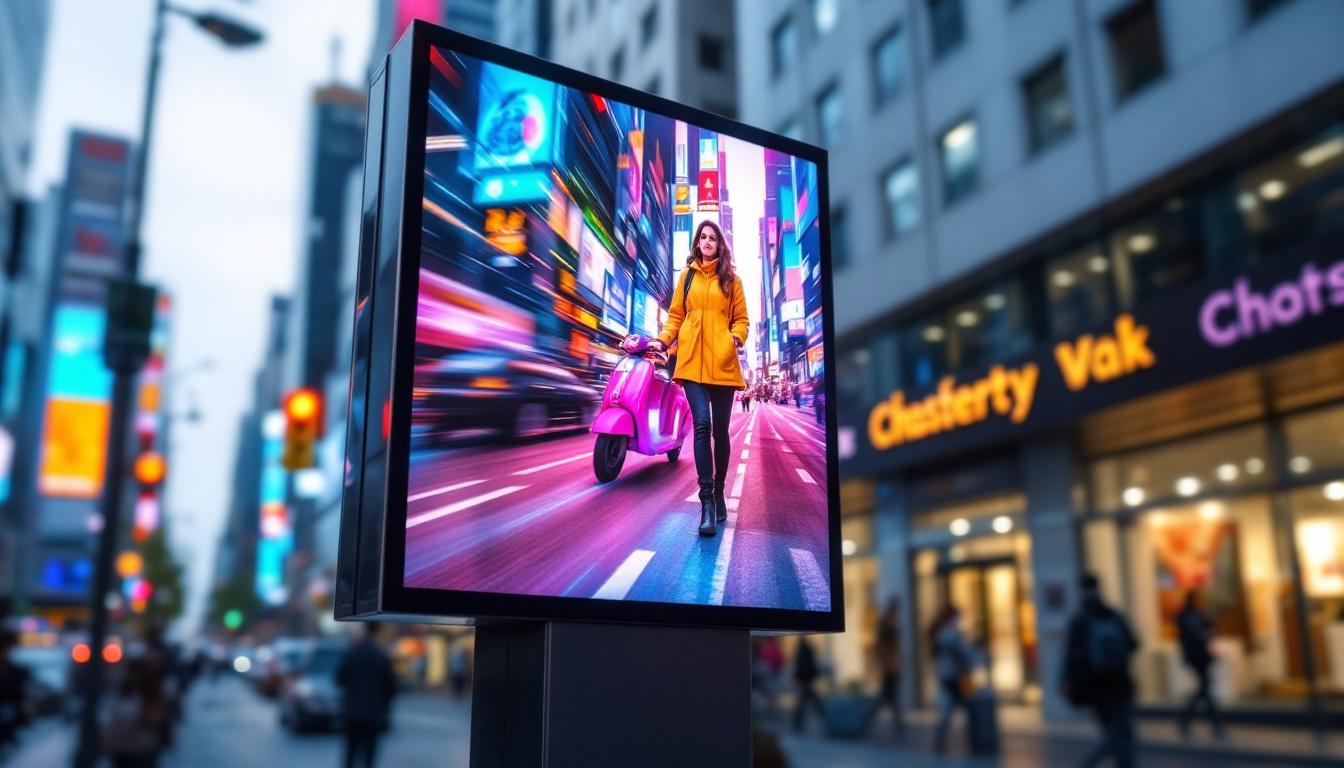
Retailers leverage LED digital signage TVs to create eye-catching in-store displays that attract customers and promote products. The ability to display dynamic content, such as videos, animations, and real-time promotions, enhances the shopping experience and drives sales.
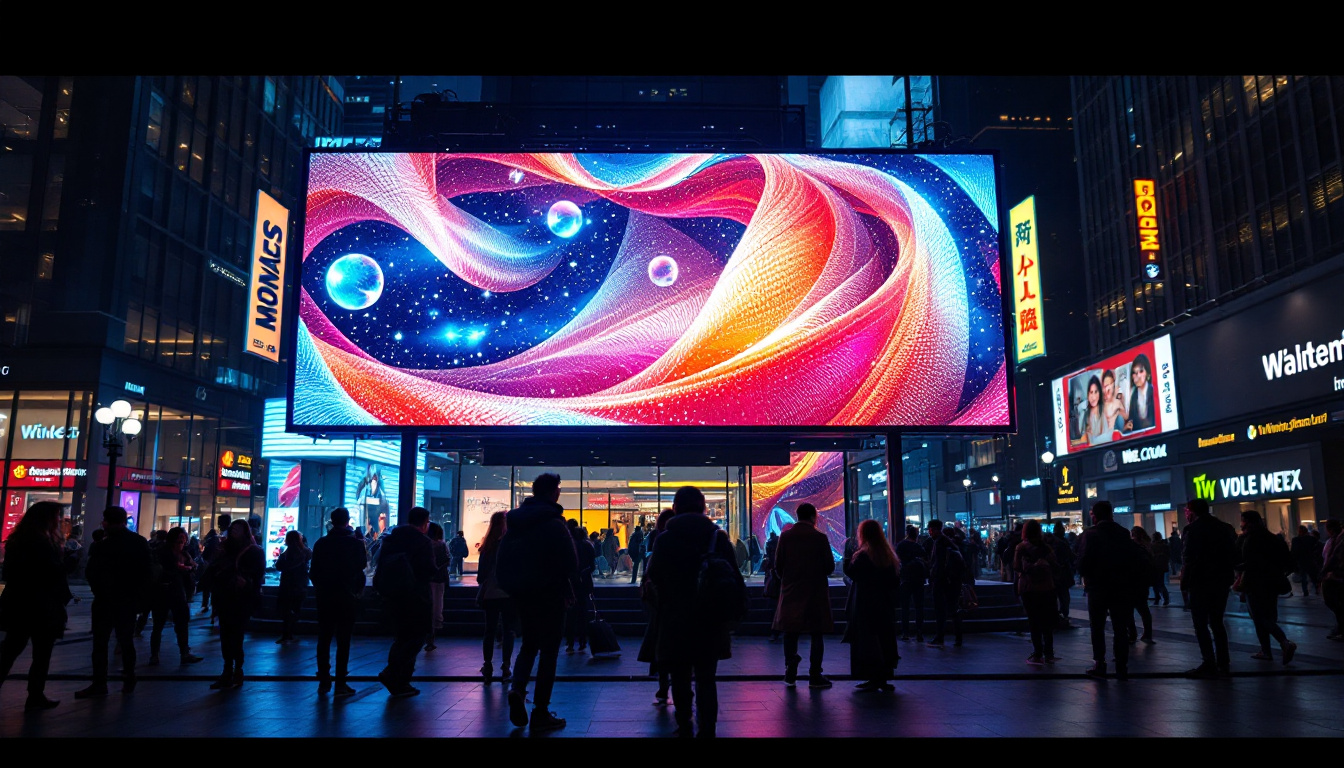
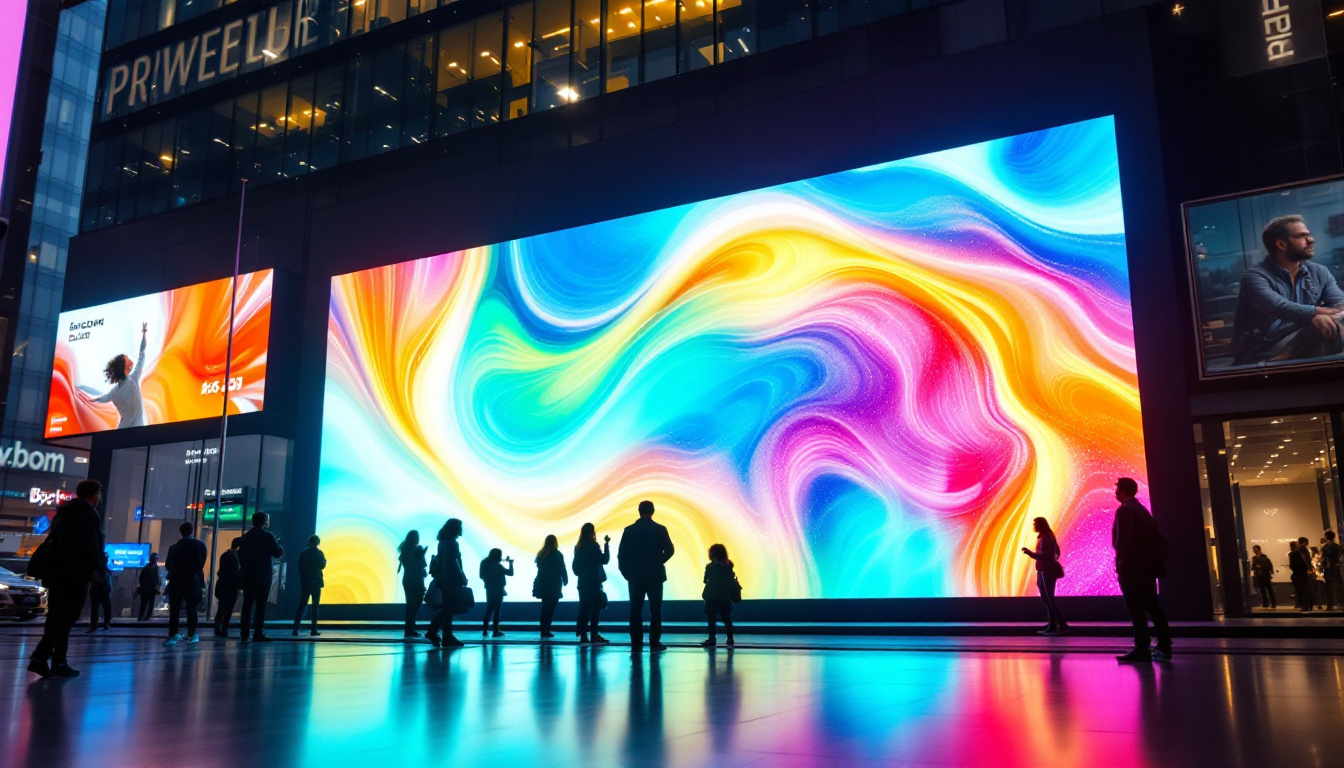
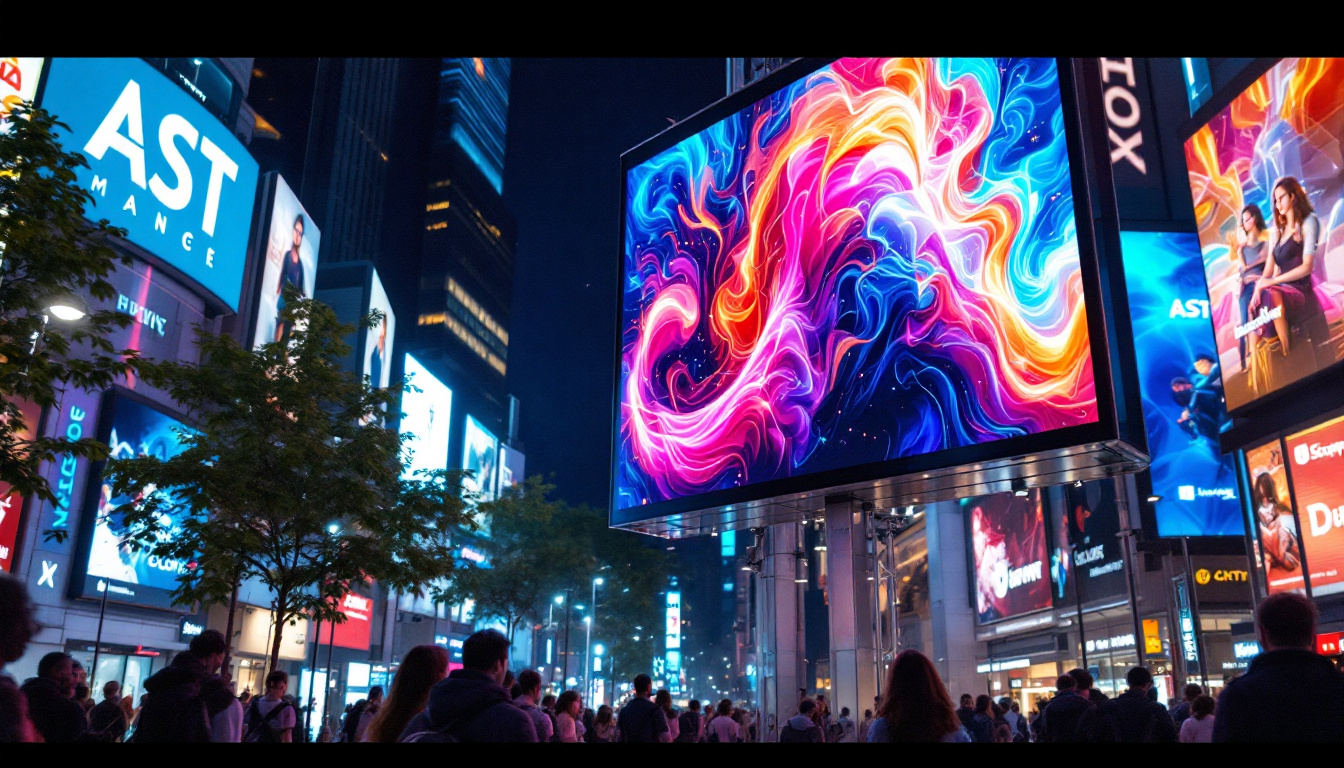
Outdoor LED billboards are also a staple in advertising, offering high-impact visuals that grab the attention of passersby. For instance, Times Square in New York City features some of the world’s most iconic LED digital signage, showcasing advertisements from global brands with stunning clarity and brightness.
Transportation and Public Information
Airports, train stations, and bus terminals use LED digital signage TVs to provide real-time information on schedules, delays, and safety announcements. The high visibility and reliability of LED displays ensure that travelers receive critical information promptly, even in crowded or brightly lit environments.
Corporate and Educational Environments
In corporate settings, LED digital signage TVs are used for internal communications, event displays, and visitor information. Educational institutions utilize LED displays for campus announcements, wayfinding, and interactive learning experiences.
Entertainment and Sports Venues
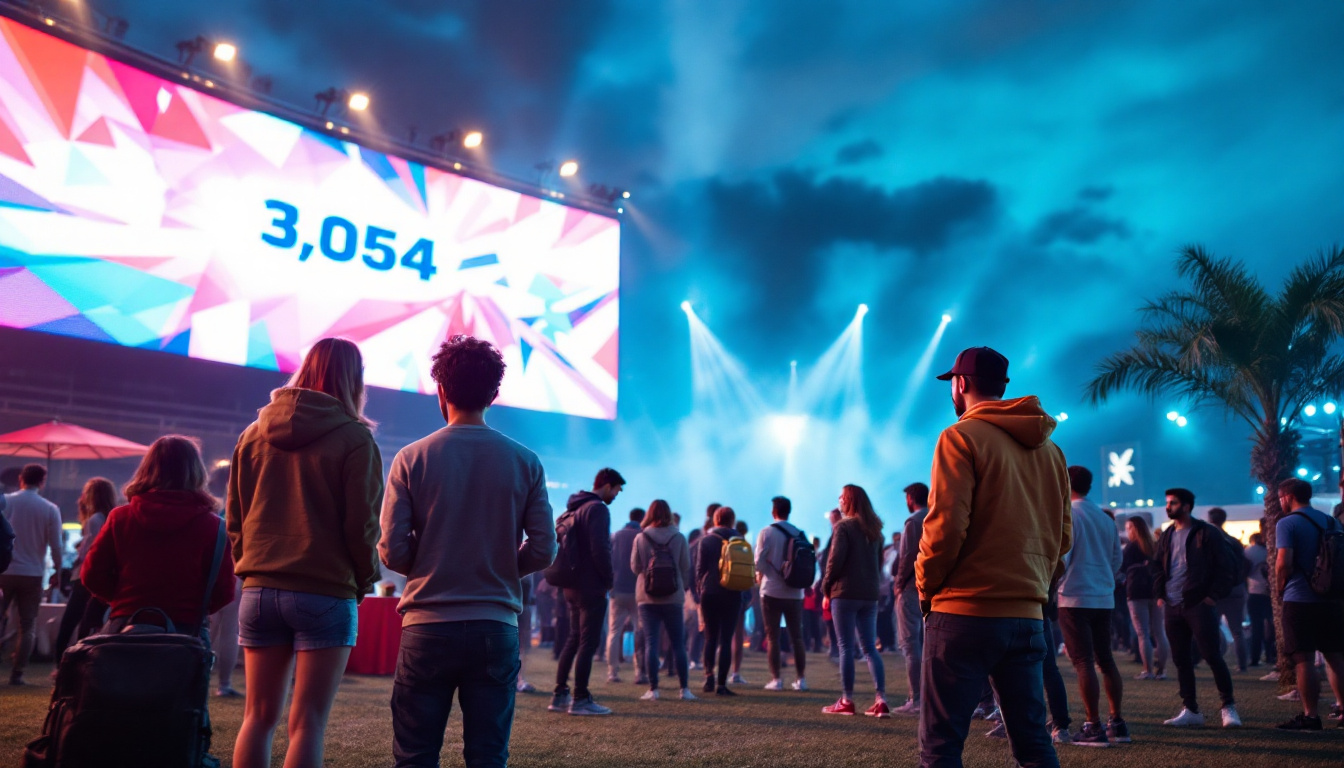
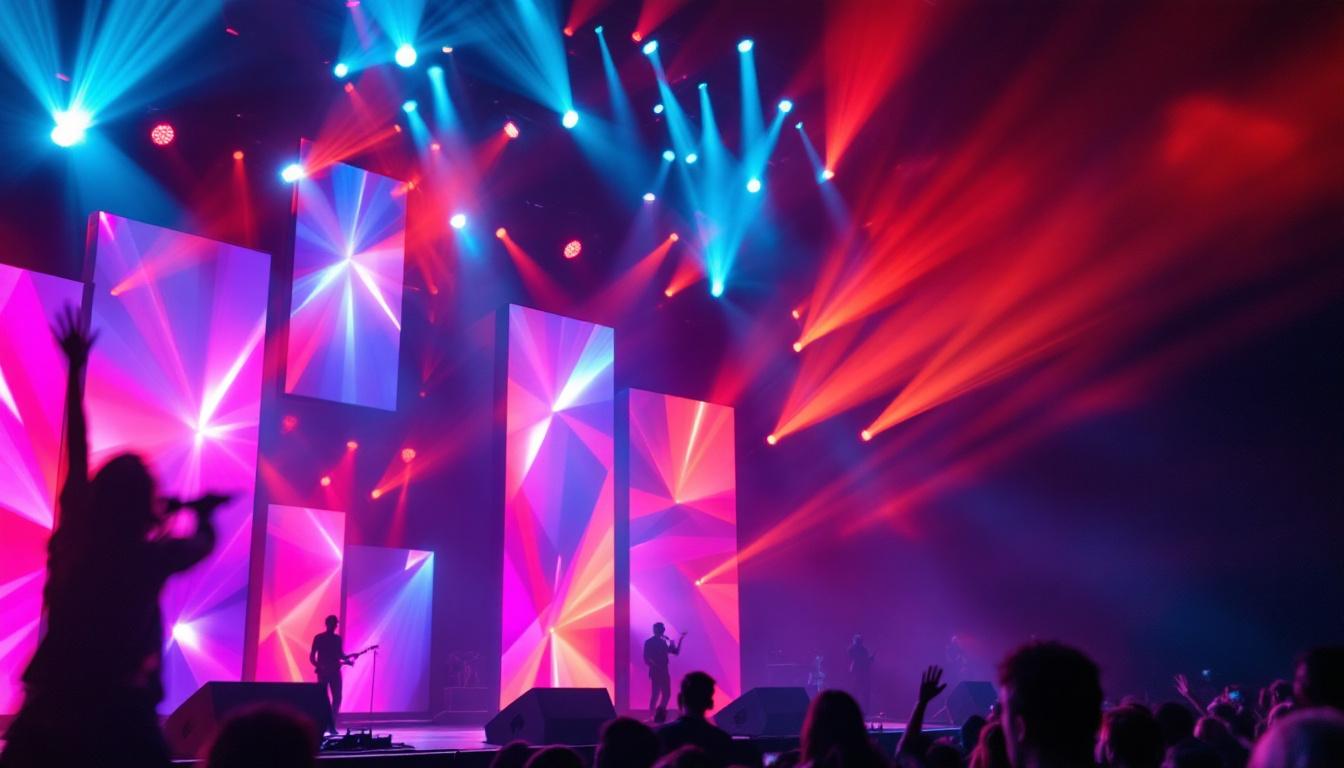
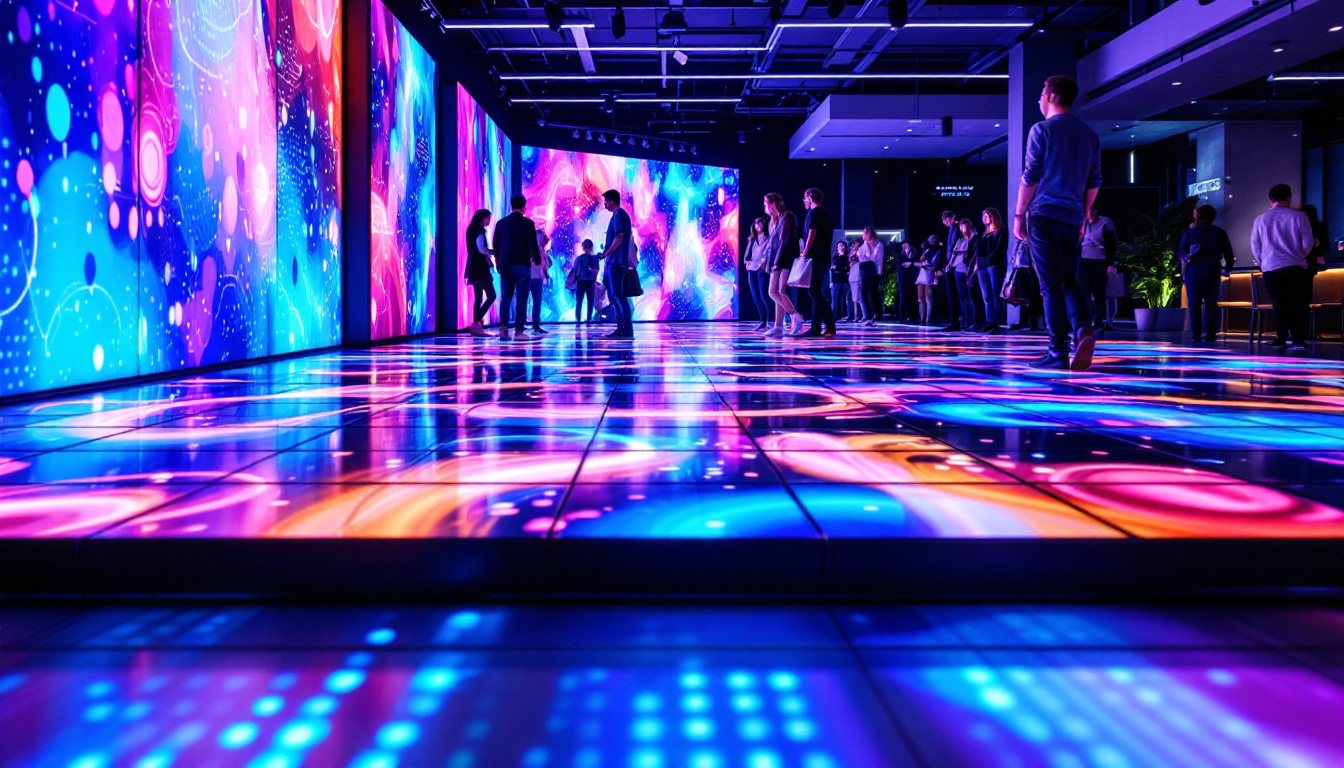
Stadiums and concert halls rely on large-scale direct-view LED displays to deliver live video feeds, scores, and advertisements to large audiences. The scalability and brightness of LED technology make it ideal for these high-impact environments.
Future Trends in LED Digital Signage
MicroLED and MiniLED Technologies
Emerging technologies like MicroLED and MiniLED promise to revolutionize digital signage further. MicroLED displays feature even smaller LEDs, enabling ultra-high resolutions and improved color accuracy while maintaining the benefits of traditional LED technology.
MiniLED, on the other hand, enhances LCD displays by using thousands of tiny LEDs for backlighting, improving contrast ratios and brightness. These advancements will likely lead to thinner, more energy-efficient displays with superior image quality.
Integration with AI and IoT
Artificial intelligence (AI) and the Internet of Things (IoT) are increasingly integrated into digital signage systems. AI can analyze audience demographics and behavior to deliver personalized content, while IoT connectivity enables remote management and real-time data updates.
This smart integration enhances the effectiveness of digital signage campaigns and optimizes operational efficiency.
Sustainability and Eco-Friendly Designs
As environmental concerns grow, manufacturers are focusing on sustainable materials and energy-saving designs for LED displays. Innovations include recyclable components, reduced power consumption, and longer-lasting products that minimize electronic waste.
Conclusion
LED displays have transformed the landscape of digital signage TVs by offering unparalleled brightness, durability, and versatility. Their ability to deliver vibrant, dynamic content in a wide range of environments—from retail stores to outdoor billboards—makes them an indispensable tool for modern communication and advertising.
With ongoing advancements in LED technology and integration with smart systems, digital signage is poised to become even more engaging and efficient in the years to come. For businesses and organizations looking to capture attention and communicate effectively, investing in LED digital signage TVs is a forward-thinking choice that delivers both impact and value.
Explore Cutting-Edge LED Display Solutions with LumenMatrix
Ready to elevate your digital signage strategy with the latest in LED technology? LumenMatrix is at the forefront of innovation, offering a diverse range of LED display modules designed to make your brand stand out. From Indoor and Outdoor LED Wall Displays to specialized solutions like Vehicle LED Displays, LED Sports Displays, and even Custom LED Displays, we have the tools to create immersive visual experiences that captivate and engage. Discover how our mission to revolutionize visual communication can transform the way you connect with your audience. Check out LumenMatrix LED Display Solutions today and step into the future of dynamic advertising.