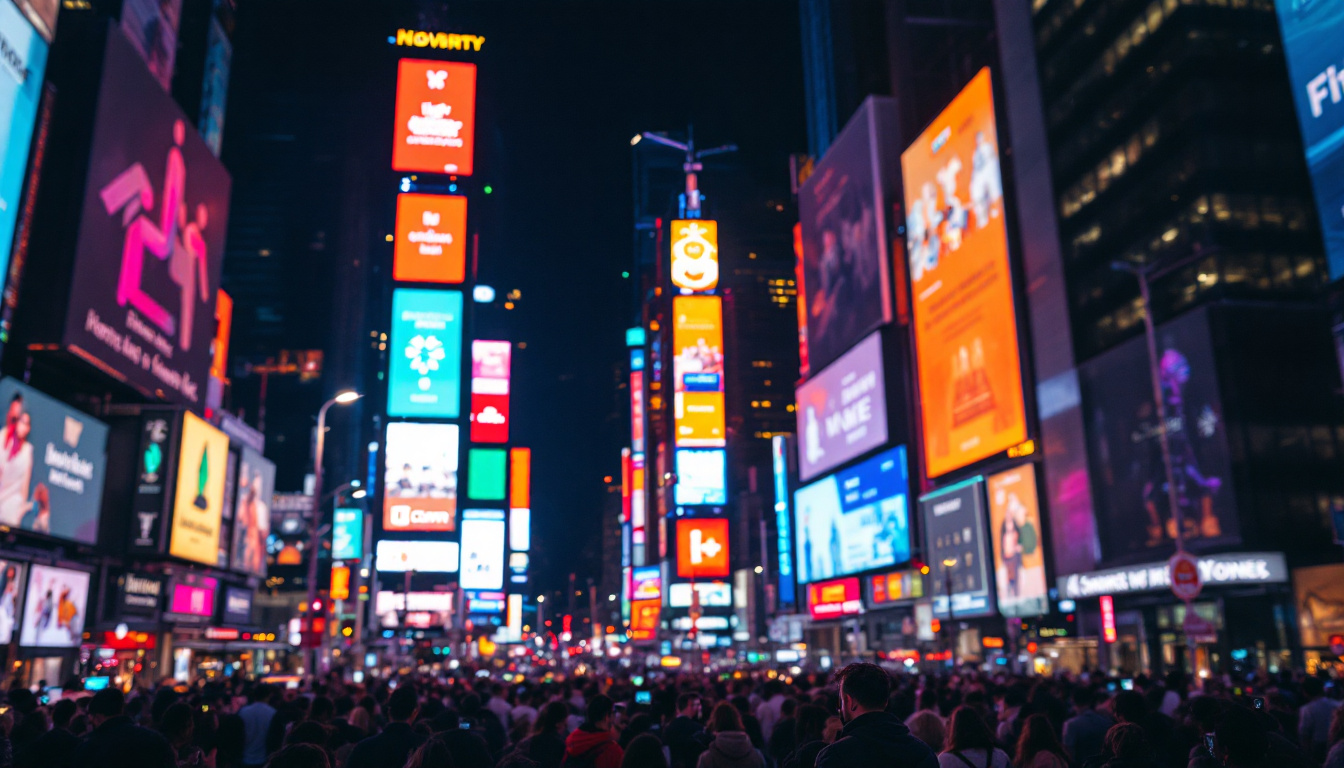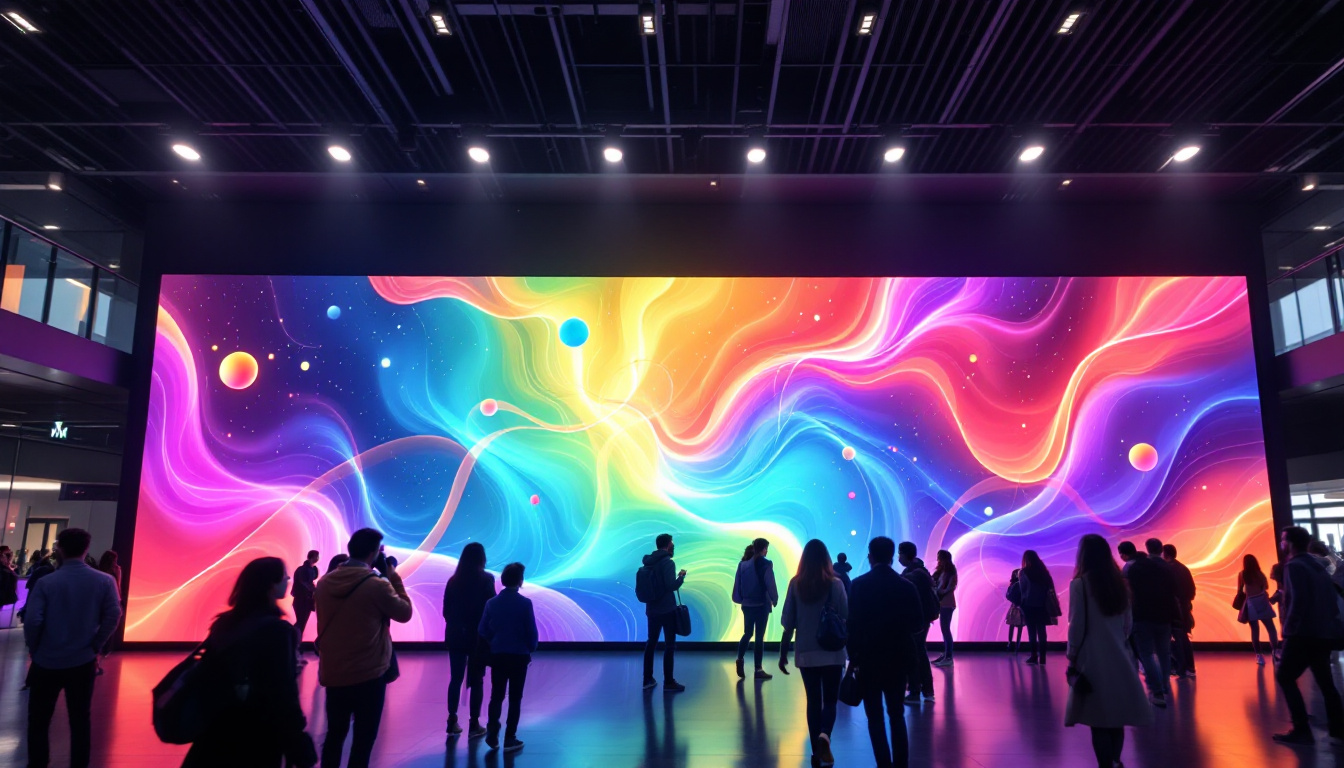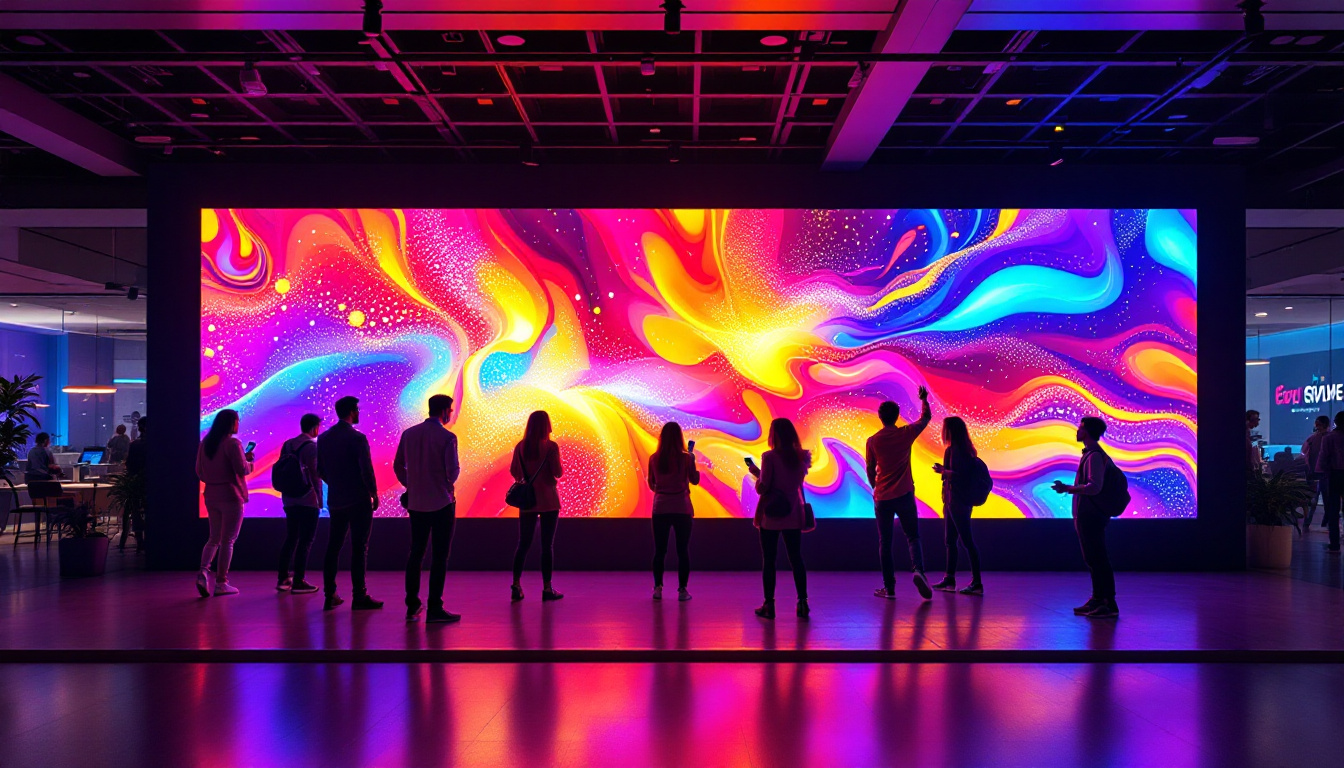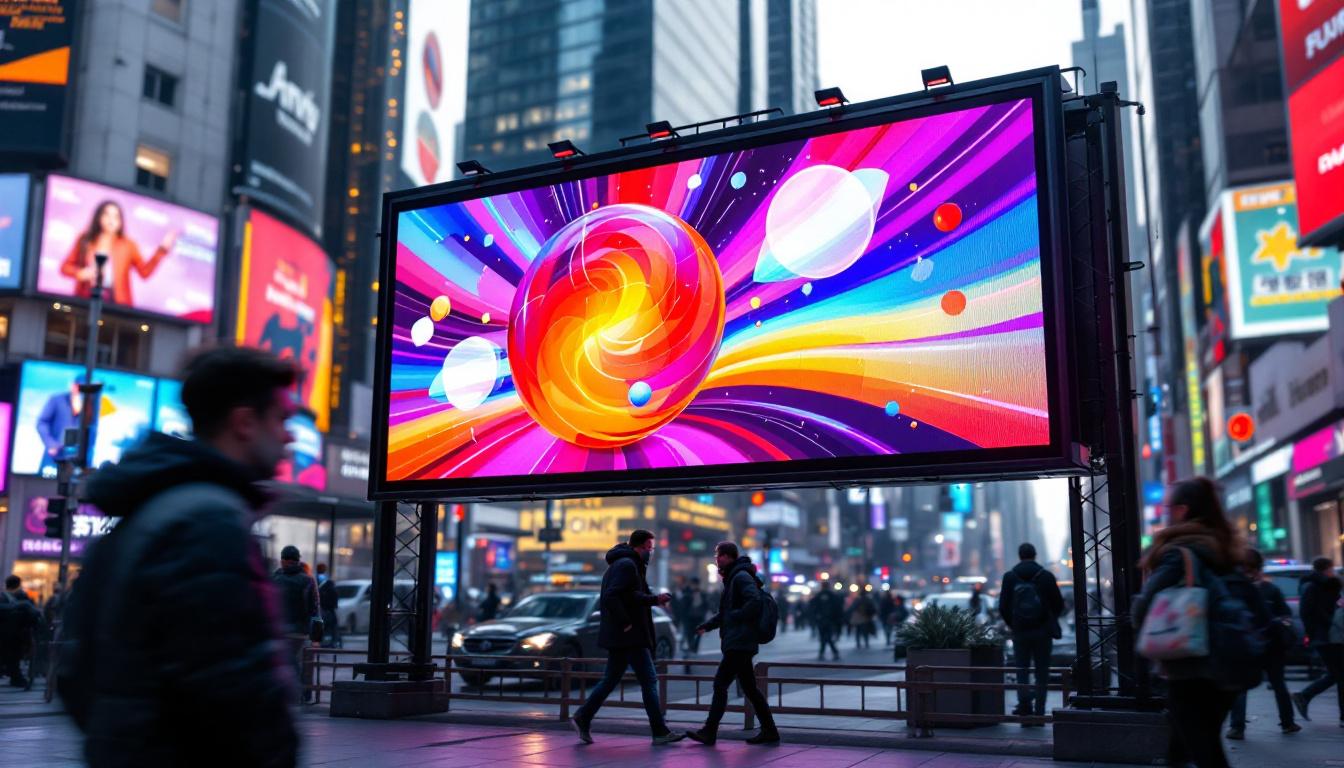
In today’s fast-paced world, attracting attention quickly and effectively is crucial for businesses, public services, and advertisers alike. Digital signboards, particularly those utilizing LED technology, have revolutionized the way information is displayed in public spaces. From vibrant advertisements to real-time updates, LED displays offer unparalleled versatility and visibility. This article explores the technology behind LED digital signboards, their applications, benefits, and considerations for choosing the right display solution.
Understanding LED Technology in Digital Signboards
What is an LED Display?
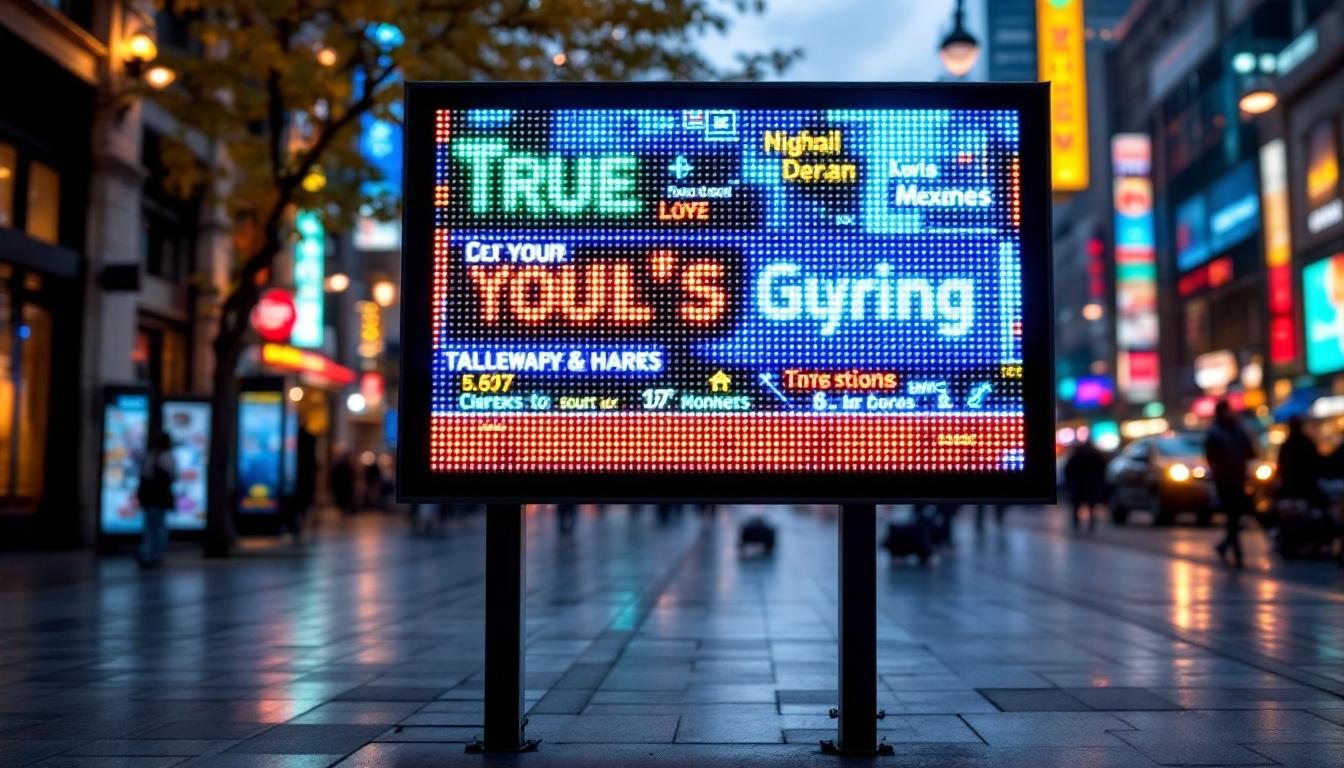
LED stands for Light Emitting Diode, a semiconductor device that emits light when an electric current passes through it. An LED display is composed of thousands of these tiny diodes arranged in a matrix to create images, text, and video content. Unlike traditional signage that relies on static prints or incandescent bulbs, LED displays are dynamic and can change content instantly.
The core advantage of LED technology lies in its brightness and energy efficiency. LEDs produce bright, vivid colors that remain visible even under direct sunlight, making them ideal for outdoor advertising and public information boards. Additionally, LEDs consume significantly less power compared to older lighting technologies, which translates to lower operating costs and a smaller environmental footprint. This energy efficiency not only benefits businesses financially but also contributes to a more sustainable future as cities and organizations strive to reduce their carbon emissions.
Moreover, the longevity of LED displays is noteworthy. With a lifespan that can exceed 100,000 hours, these displays require less frequent replacements, further reducing waste and maintenance costs. This durability is especially beneficial in high-traffic areas where signage is subject to wear and tear. The combination of longevity and energy efficiency makes LED displays a smart investment for businesses looking to enhance their visibility while minimizing operational challenges.
Types of LED Displays Used in Digital Signboards
LED displays come in various configurations, each suited to different applications:
- Surface-Mounted Device (SMD) LEDs: These are compact LEDs mounted directly on the surface of a circuit board. SMD displays offer high resolution and are commonly used for indoor digital signboards where close viewing distances demand detailed images.
- Through-Hole LEDs: These LEDs are mounted by inserting their leads through holes in the circuit board. They are larger and typically used in outdoor displays where durability and brightness are prioritized over pixel density.
- Flexible LED Displays: Utilizing bendable substrates, these displays can curve around surfaces, opening creative possibilities for signage design.
Each type has its own pixel pitch—the distance between individual LEDs—which affects image clarity and viewing distance. For example, a smaller pixel pitch (1-3 mm) is ideal for indoor environments, while larger pitches (10-20 mm) suit outdoor billboards viewed from afar. The choice of pixel pitch can significantly impact the viewer’s experience, as it determines how sharp and detailed the displayed content appears. Additionally, advancements in technology have led to the development of ultra-high-definition (UHD) displays, which offer even finer pixel pitches and enhanced color accuracy, making them increasingly popular in venues such as shopping malls, airports, and sports arenas.
Furthermore, the integration of smart technology with LED displays has revolutionized their functionality. Many modern LED signboards are equipped with sensors and software that allow for real-time content updates based on audience engagement, weather conditions, or even time of day. This capability not only enhances the relevance of the displayed information but also allows businesses to tailor their messaging to specific demographics, maximizing the impact of their advertising efforts. As the demand for interactive and responsive signage grows, the versatility of LED technology continues to expand, paving the way for innovative applications in various industries.
Applications of LED Digital Signboards
Advertising and Marketing
Digital signboards have become a cornerstone of modern advertising. According to a 2023 report by the Digital Signage Federation, over 70% of advertisers have increased their use of LED digital signage due to its proven effectiveness in capturing consumer attention. LED signboards allow brands to display dynamic content that can be updated in real time, enabling targeted messaging based on time of day, audience demographics, or special events.
For instance, retail stores use LED displays to highlight flash sales or new product launches, while restaurants showcase menus and promotions that change throughout the day. The ability to integrate video and animations also enhances engagement, making advertisements more memorable compared to static signs.
Transportation and Public Information
LED digital signboards play a vital role in transportation hubs such as airports, train stations, and bus terminals. These displays provide real-time updates on schedules, delays, and safety information, improving passenger experience and operational efficiency. Their high visibility ensures that critical information is accessible even in crowded or poorly lit environments.
Moreover, municipalities use LED signboards for public announcements, emergency alerts, and traffic management. For example, variable message signs (VMS) on highways use LED technology to warn drivers of accidents, road closures, or weather conditions, enhancing safety and traffic flow.
Entertainment and Events
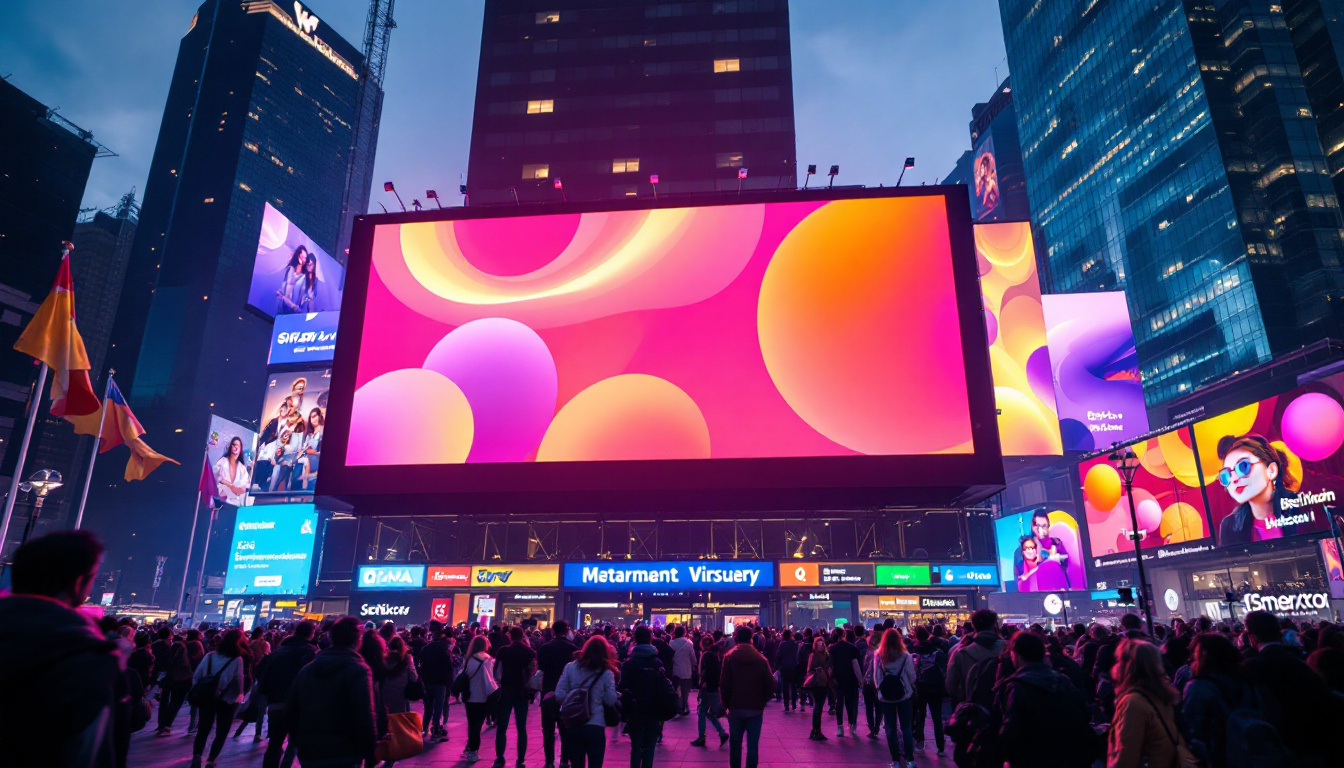
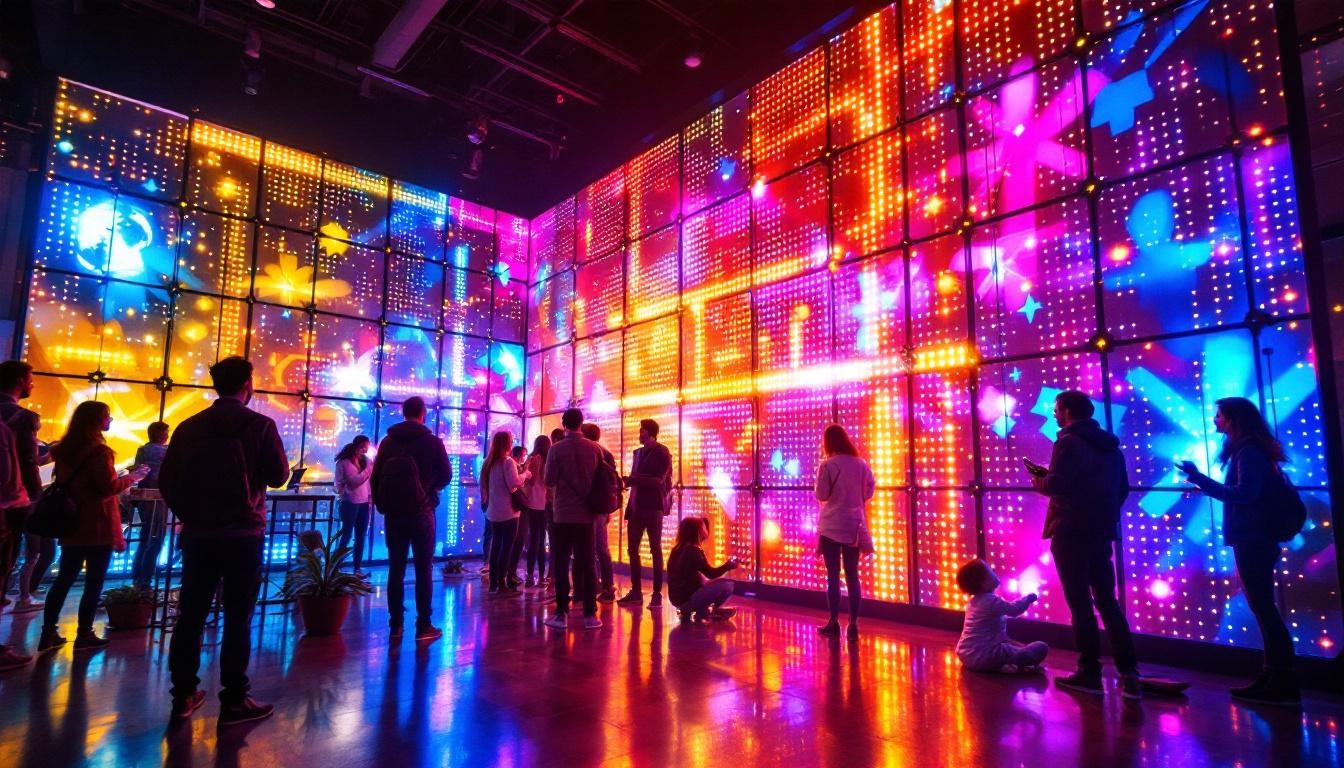
Concerts, sports arenas, and festivals increasingly rely on large-scale LED displays to engage audiences. These signboards can display live video feeds, scoreboards, and interactive content, creating immersive experiences. The flexibility of LED technology allows for creative installations, such as curved screens and 3D effects, which elevate event production value.
Benefits of LED Digital Signboards
High Visibility and Brightness
One of the most significant benefits of LED displays is their exceptional brightness. LEDs can achieve luminance levels exceeding 5,000 nits, which means they remain clear and vibrant even under direct sunlight. This characteristic is essential for outdoor signage where ambient light conditions vary throughout the day.
Energy Efficiency and Longevity
Compared to traditional lighting technologies like neon or fluorescent bulbs, LEDs consume up to 75% less energy. This efficiency reduces operational costs and supports sustainability goals. Additionally, LED signboards have a longer lifespan, often rated for 50,000 to 100,000 hours of operation, minimizing maintenance and replacement expenses.
Flexibility and Customization
LED digital signboards offer unmatched flexibility in content delivery. Operators can schedule content changes remotely, tailor messages for specific audiences, and incorporate interactive elements such as QR codes or touchscreens. This adaptability makes LED signage suitable for diverse industries and marketing strategies.
Durability and Weather Resistance
Modern LED displays are designed to withstand harsh environmental conditions, including rain, wind, dust, and temperature extremes. IP-rated enclosures protect the electronic components, ensuring reliable performance outdoors. This durability is critical for signboards exposed to the elements year-round.
Key Considerations When Choosing an LED Digital Signboard
Resolution and Pixel Pitch
Choosing the right resolution is essential to ensure the display meets its intended purpose. A smaller pixel pitch provides higher resolution, which is necessary for close-up viewing environments such as retail stores or indoor venues. Conversely, larger pixel pitches are suitable for billboards and roadside signs where viewers are farther away.
Understanding the typical viewing distance helps determine the optimal pixel pitch. For example, a pixel pitch of 10 mm is generally recommended for displays viewed from 30 feet or more, while 2-3 mm pixel pitch suits distances under 10 feet.
Brightness and Contrast Ratio
Brightness levels should align with the installation environment. Outdoor displays require higher brightness to remain visible in daylight, while indoor signs can operate at lower luminance to avoid glare. Contrast ratio, the difference between the brightest and darkest parts of the image, also affects readability and image quality.
Installation and Maintenance
Considerations around installation include the physical size and weight of the signboard, mounting options, and access for servicing. Modular LED panels simplify repairs by allowing individual sections to be replaced without dismantling the entire display. Additionally, remote monitoring systems can alert operators to performance issues, reducing downtime.
Content Management Systems (CMS)
The software used to control digital signboards is a critical component. A robust CMS enables easy content scheduling, real-time updates, and integration with external data sources such as weather feeds or social media. User-friendly interfaces and compatibility with various media formats enhance operational efficiency.
Future Trends in LED Digital Signage
Integration with Artificial Intelligence
AI-powered digital signboards are emerging as a game-changer in personalized advertising. By analyzing demographic data and audience behavior, AI can dynamically adjust content to maximize engagement. For example, an LED signboard in a shopping mall might display different promotions based on the age or gender of passersby detected by cameras.
Advancements in MicroLED Technology
MicroLED displays represent the next frontier in LED technology, offering even higher resolution, improved color accuracy, and greater energy efficiency. These displays use microscopic LEDs that can be individually controlled, enabling ultra-thin, flexible, and transparent screens. While still emerging, MicroLEDs have the potential to redefine digital signage applications.
Enhanced Interactivity and Connectivity
Future digital signboards are expected to incorporate more interactive features such as touch sensitivity, gesture recognition, and integration with mobile devices. Enhanced connectivity through 5G networks will facilitate real-time data streaming and cloud-based content management, enabling more dynamic and responsive signage.
Conclusion
LED digital signboards have transformed the landscape of public communication and advertising by offering vibrant, flexible, and energy-efficient solutions. Their ability to deliver dynamic content in various environments—from bustling city streets to indoor retail spaces—makes them indispensable tools for businesses and public entities. By understanding the technology, applications, and key considerations involved, organizations can make informed decisions to harness the full potential of LED displays.
As LED technology continues to evolve with innovations like AI integration and MicroLED advancements, the future of digital signage promises even greater opportunities for engagement and creativity. Investing in the right LED digital signboard today not only enhances visibility and communication but also positions organizations at the forefront of a rapidly advancing digital era.
Discover LumenMatrix LED Display Solutions
Ready to elevate your visual communication strategy with the latest in LED technology? LumenMatrix is at the forefront of creating immersive and dynamic visual experiences. Whether you’re looking for an Indoor LED Wall Display, a vibrant Outdoor LED Wall Display, or specialized solutions like Vehicle LED Displays, LED Sports Displays, or even Custom LED Displays, we have the technology to bring your vision to life. Embrace the future of digital signage with LumenMatrix and make a lasting impression. Check out LumenMatrix LED Display Solutions today and see how we can transform your message into a captivating visual experience.