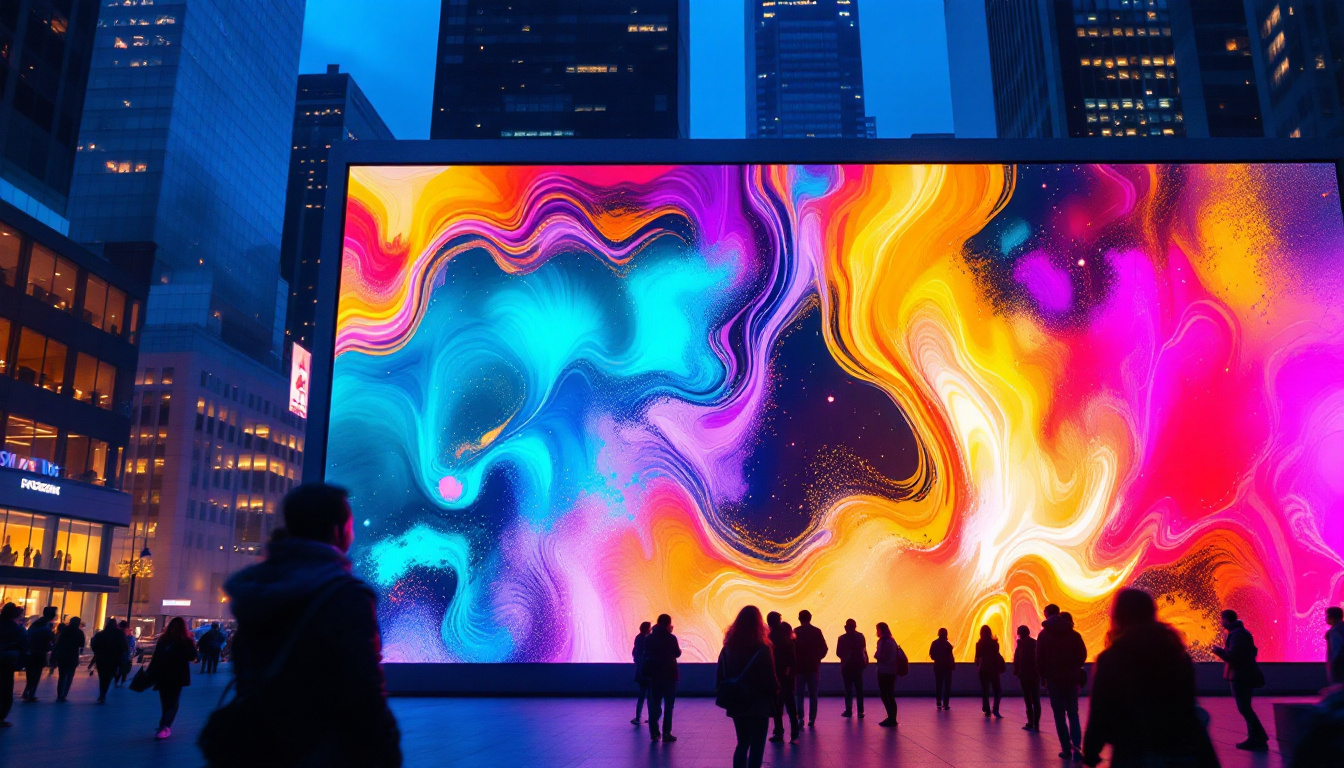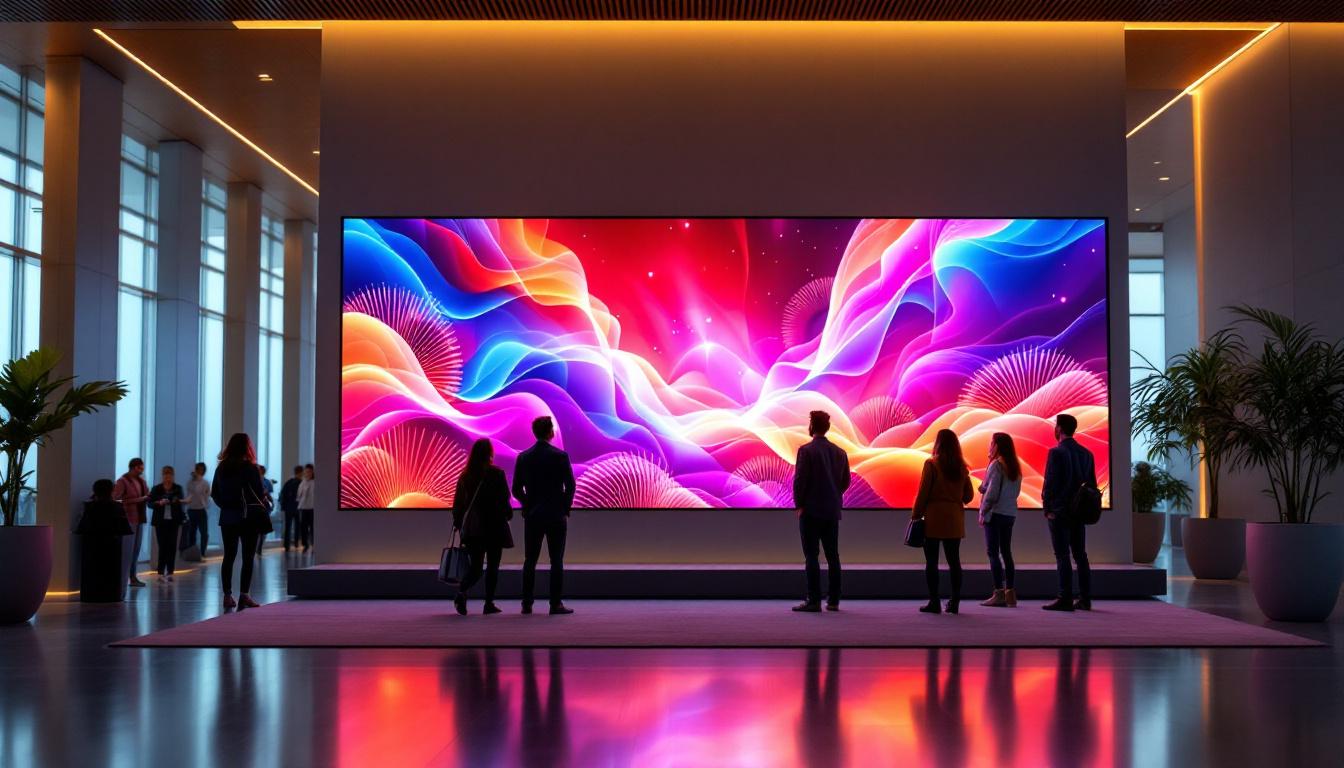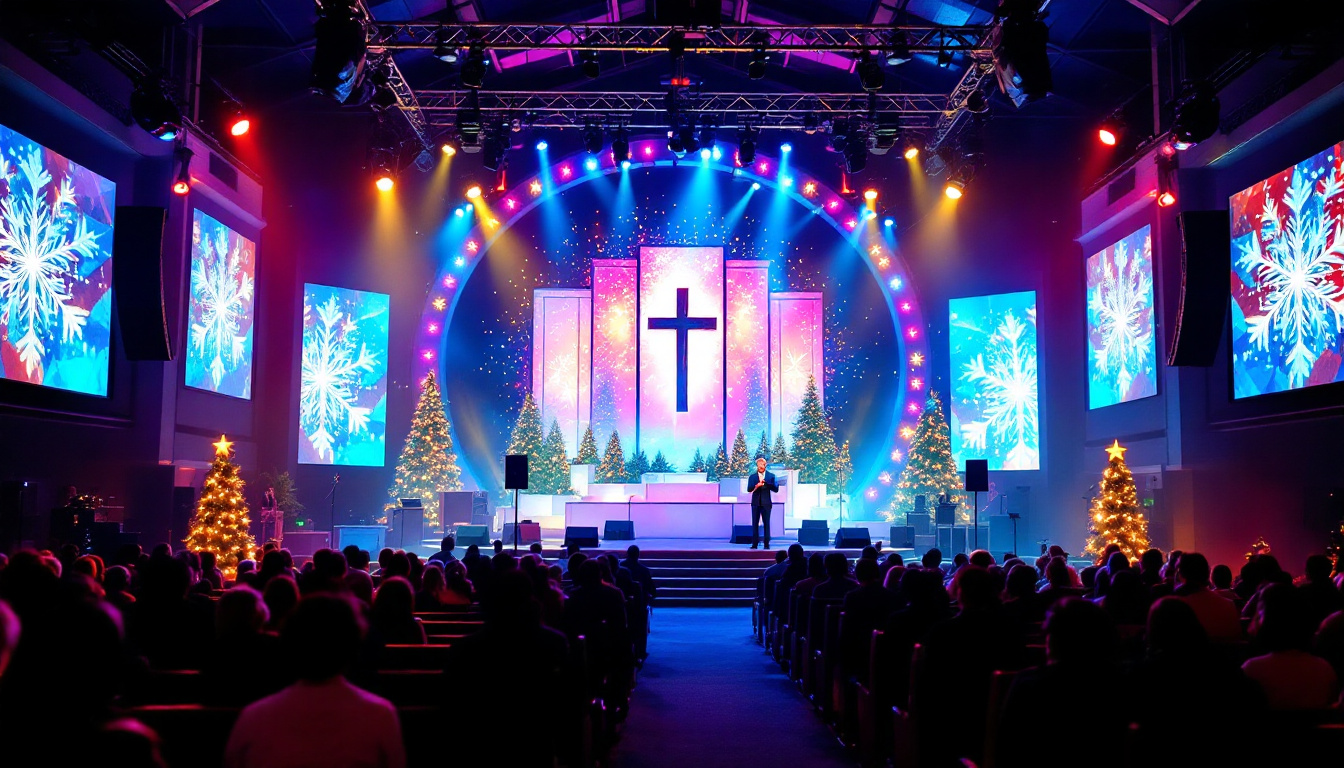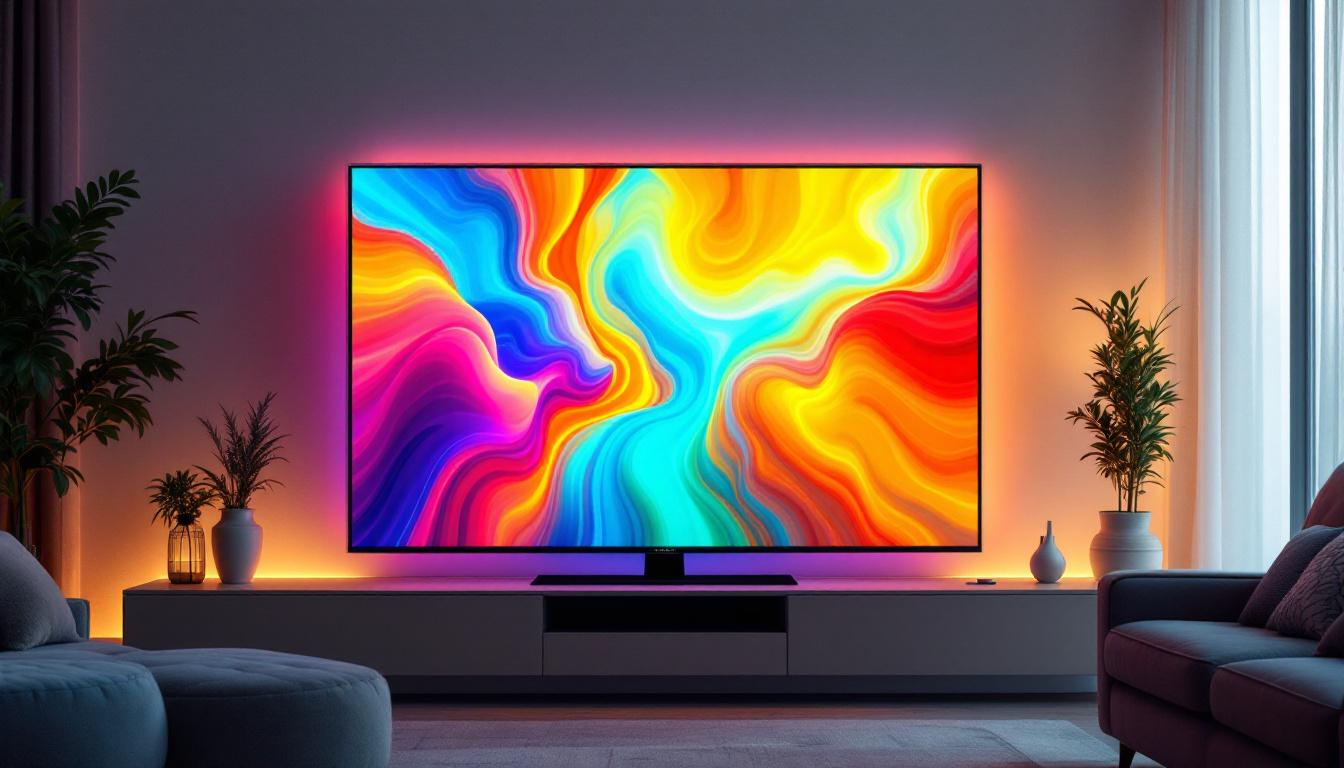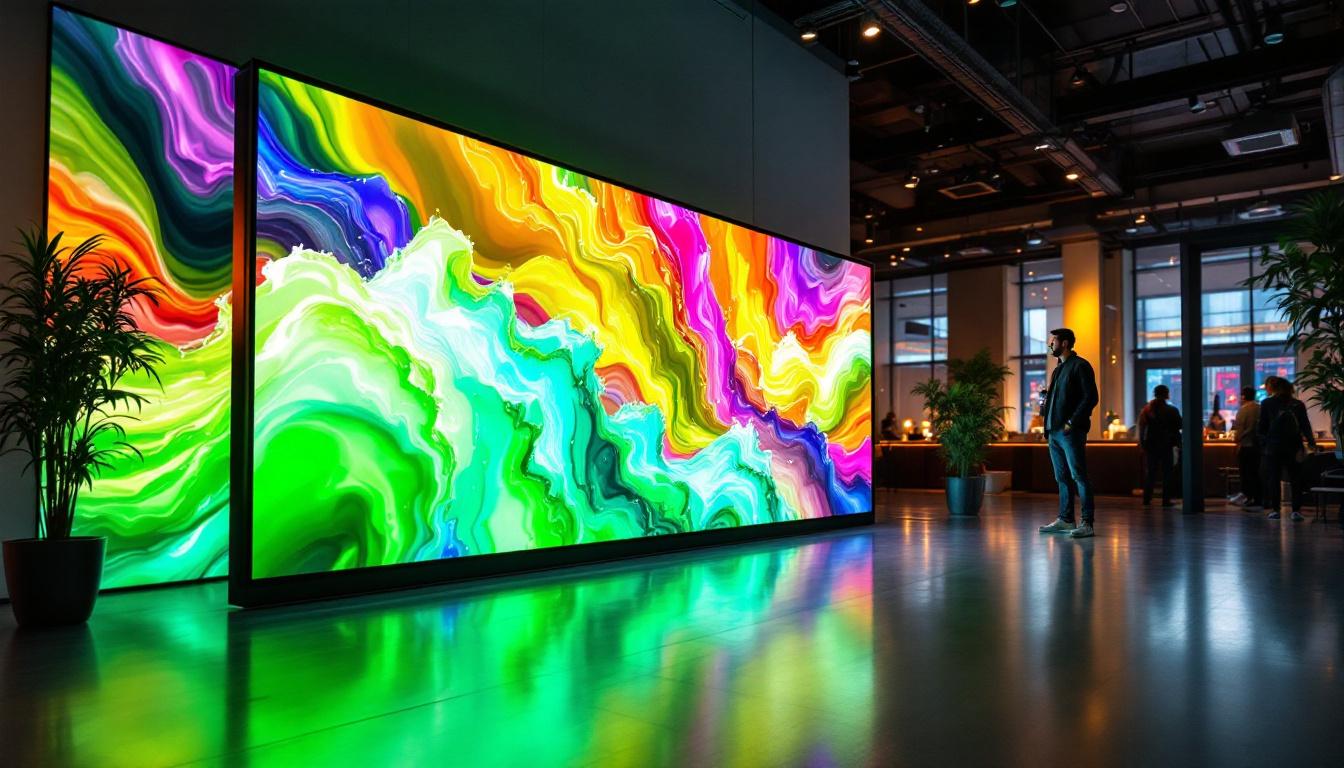
In today’s fast-paced digital world, LED technology has revolutionized the way information and visuals are displayed indoors. From corporate offices and retail stores to conference halls and entertainment venues, LED panels have become an essential tool for communication and engagement. This article delves into the fundamentals of indoor LED panels, explaining their technology, benefits, applications, and what to consider when choosing the right LED display for your needs.
Understanding LED Panel Technology
LED panels are composed of numerous tiny light-emitting diodes (LEDs) arranged in a matrix to form a screen. These panels are designed to emit bright, vibrant light that can display images, videos, or text with exceptional clarity. Unlike traditional LCD or projection displays, LED panels produce their own light, which results in superior contrast and color accuracy. This self-illuminating property not only enhances the visual experience but also contributes to energy efficiency, making LED panels a sustainable choice for modern display needs.
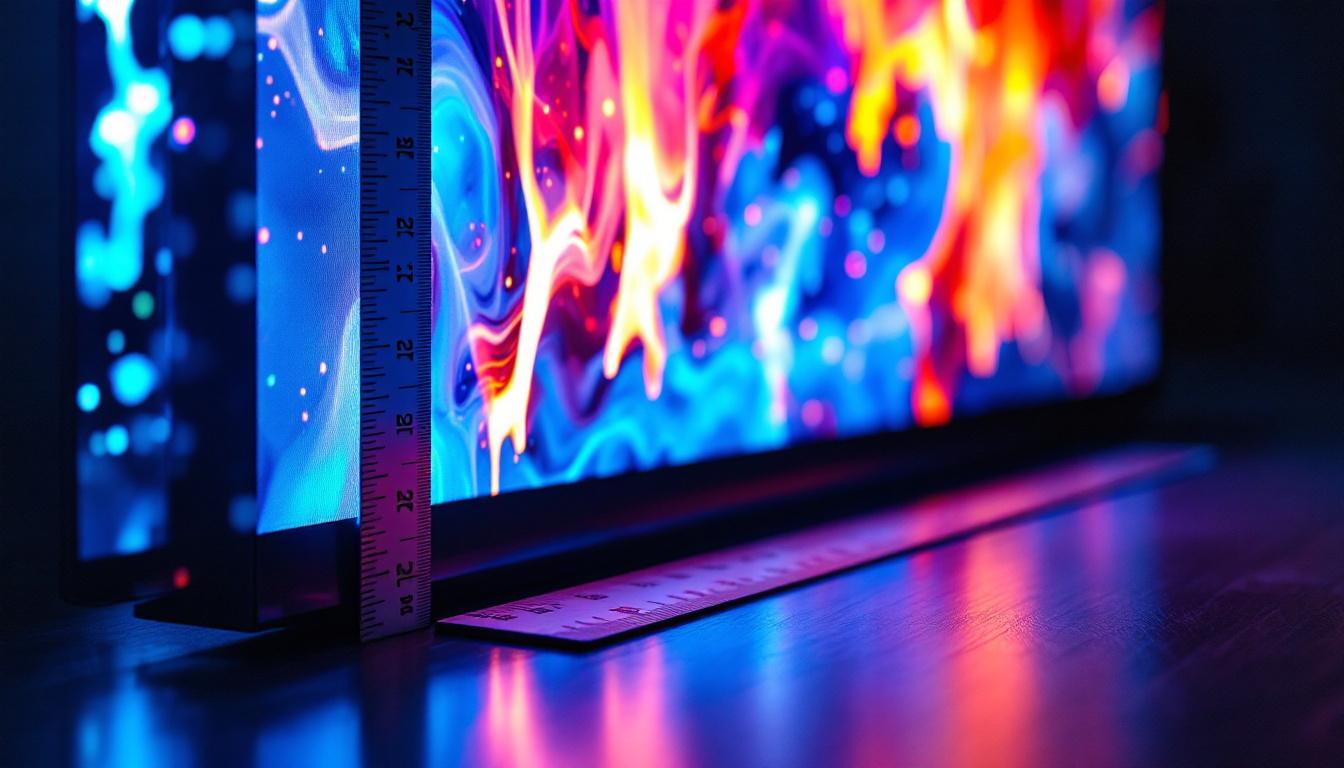
Indoor LED panels specifically cater to environments where ambient lighting conditions vary but are generally controlled, such as offices, shopping centers, and auditoriums. Their pixel pitch—the distance between the centers of two adjacent LEDs—is smaller than outdoor panels, often ranging from 0.9mm to 3mm. This finer pixel pitch allows for higher resolution and sharper images at closer viewing distances. Furthermore, the ability to adjust brightness levels ensures that the content remains visible and engaging, regardless of the surrounding light conditions, making them ideal for presentations and advertising in bustling environments.
How LED Panels Work
Each LED in the panel acts as a tiny pixel that can emit red, green, and blue light. By adjusting the intensity of these three colors, the panel can produce a full spectrum of colors. The LEDs are controlled by a driver circuit that receives digital signals from a video processor or media player, translating the data into visual content. This process is facilitated by advanced algorithms that enhance color reproduction and image quality, ensuring that the display remains true to the original content.
The modular design of LED panels enables them to be assembled in various sizes and shapes. This flexibility is a key advantage, allowing for customized displays that fit specific spaces and design requirements. For instance, businesses can create large video walls for events or exhibitions, while smaller installations can serve as interactive kiosks or signage. Additionally, the lightweight nature of LED panels simplifies installation and maintenance, further enhancing their appeal for both temporary and permanent setups. As technology continues to advance, innovations such as transparent and flexible LED panels are emerging, pushing the boundaries of what is possible in display technology.
Advantages of Indoor LED Panels
Indoor LED panels offer numerous benefits over other display technologies, making them a preferred choice across industries. Understanding these advantages can help businesses and organizations make informed decisions when investing in display solutions.
Superior Image Quality and Brightness
One of the most significant advantages of LED panels is their exceptional image quality. Thanks to the high pixel density and advanced LED technology, these panels deliver vivid colors, deep blacks, and high contrast ratios. The brightness levels of indoor LED panels typically range from 800 to 1500 nits, which is sufficient to overcome indoor lighting without causing glare or eye strain.
This brightness capability ensures that content remains clear and legible even in well-lit environments, which is crucial for retail displays, digital signage, and corporate presentations. Additionally, the color accuracy of LED panels is remarkable, allowing for true-to-life representations that can enhance branding and marketing efforts. The ability to display a wide color gamut means that businesses can showcase their products in the best possible light, capturing the attention of potential customers and creating a more immersive experience.
Energy Efficiency and Longevity
LED technology is inherently energy-efficient compared to traditional lighting and display methods. Indoor LED panels consume less power, which translates to lower operational costs over time. Additionally, LEDs have a longer lifespan, often rated between 50,000 to 100,000 hours of use. This durability reduces maintenance expenses and minimizes downtime.
Moreover, the energy efficiency of LED panels contributes to a smaller carbon footprint, making them an environmentally friendly choice for businesses looking to adopt sustainable practices. With the increasing focus on corporate social responsibility, investing in energy-efficient display solutions not only saves money but also enhances a company’s reputation as a responsible entity committed to reducing its environmental impact.
Flexible and Scalable Design
The modular nature of LED panels allows for easy scalability. Whether a business needs a small information board or a massive video wall, LED panels can be combined seamlessly to fit the required dimensions. This flexibility extends to shape and configuration, enabling creative installations that enhance the aesthetic appeal of any space.
Furthermore, the lightweight design of LED panels simplifies installation and repositioning, allowing businesses to adapt their displays to changing needs or layouts. This adaptability is particularly beneficial in dynamic environments such as trade shows, where the ability to quickly reconfigure displays can significantly impact engagement and interaction with attendees.
Wide Viewing Angles and Fast Response Times
Indoor LED panels typically offer wide viewing angles, often exceeding 160 degrees horizontally and vertically. This means that content remains visible and vibrant from various positions within a room, which is essential for audience engagement in public spaces.
Moreover, LED panels have fast response times, reducing motion blur and providing smooth video playback. This feature is particularly important for dynamic content such as live broadcasts, sports events, or interactive presentations. The quick refresh rates not only enhance the viewing experience but also ensure that fast-moving visuals are displayed without distortion, making them ideal for environments where high-quality video content is a priority. This capability allows businesses to present their messages more effectively, capturing the attention of viewers and keeping them engaged longer.
Common Applications of Indoor LED Panels
Indoor LED panels have transformed how businesses and organizations communicate visually. Their versatility makes them suitable for a broad range of applications, each benefiting from the technology’s unique strengths.
Corporate and Conference Environments
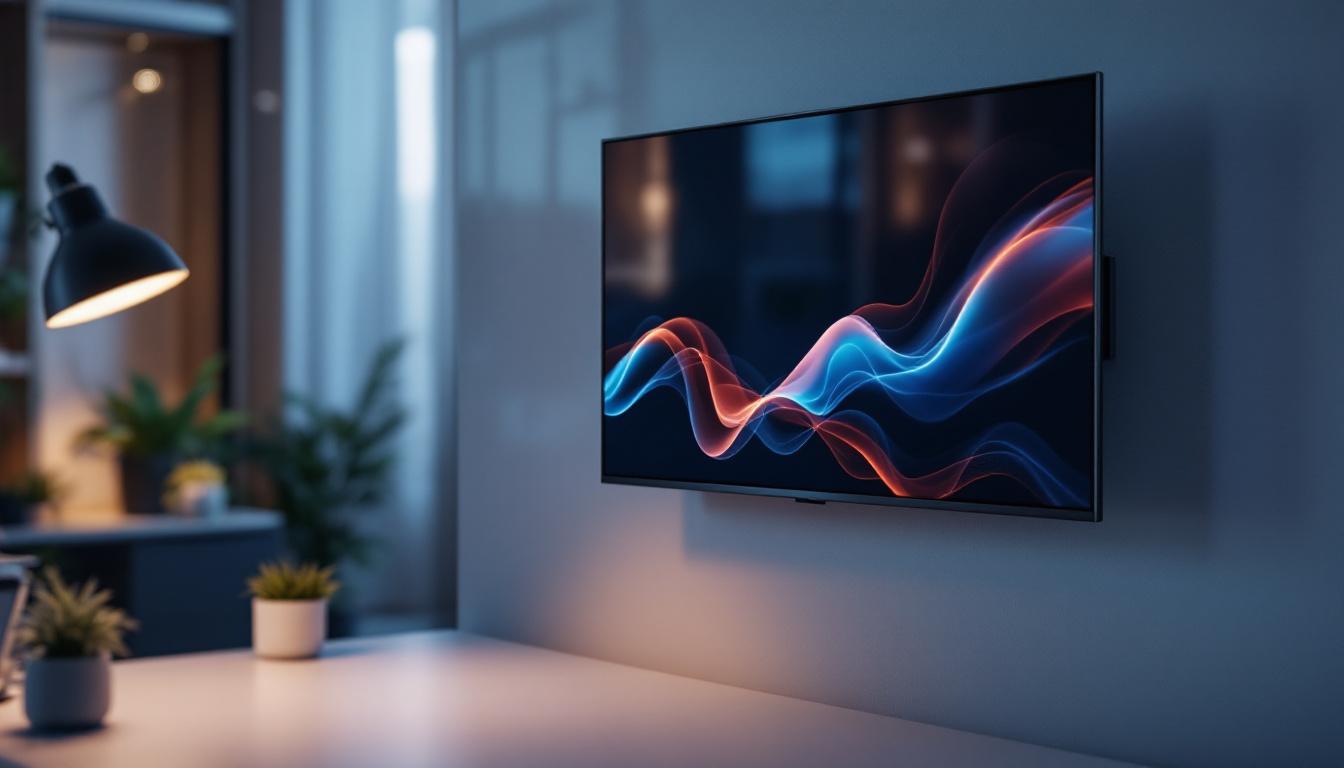
In corporate settings, LED panels are widely used for presentations, video conferencing, and digital signage. Their high resolution and brightness make them ideal for displaying detailed charts, videos, and real-time data. LED video walls in conference rooms facilitate immersive meetings and enhance collaboration among participants.
Retail and Advertising
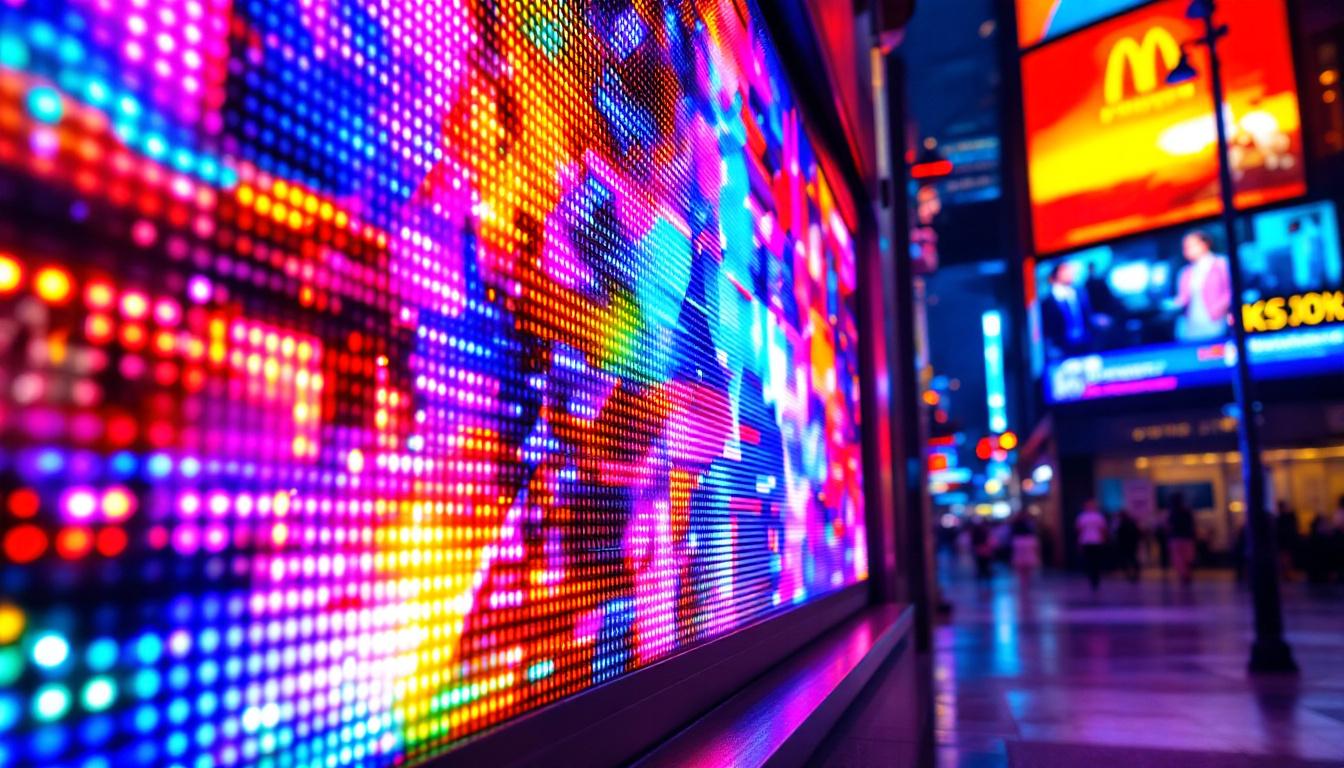
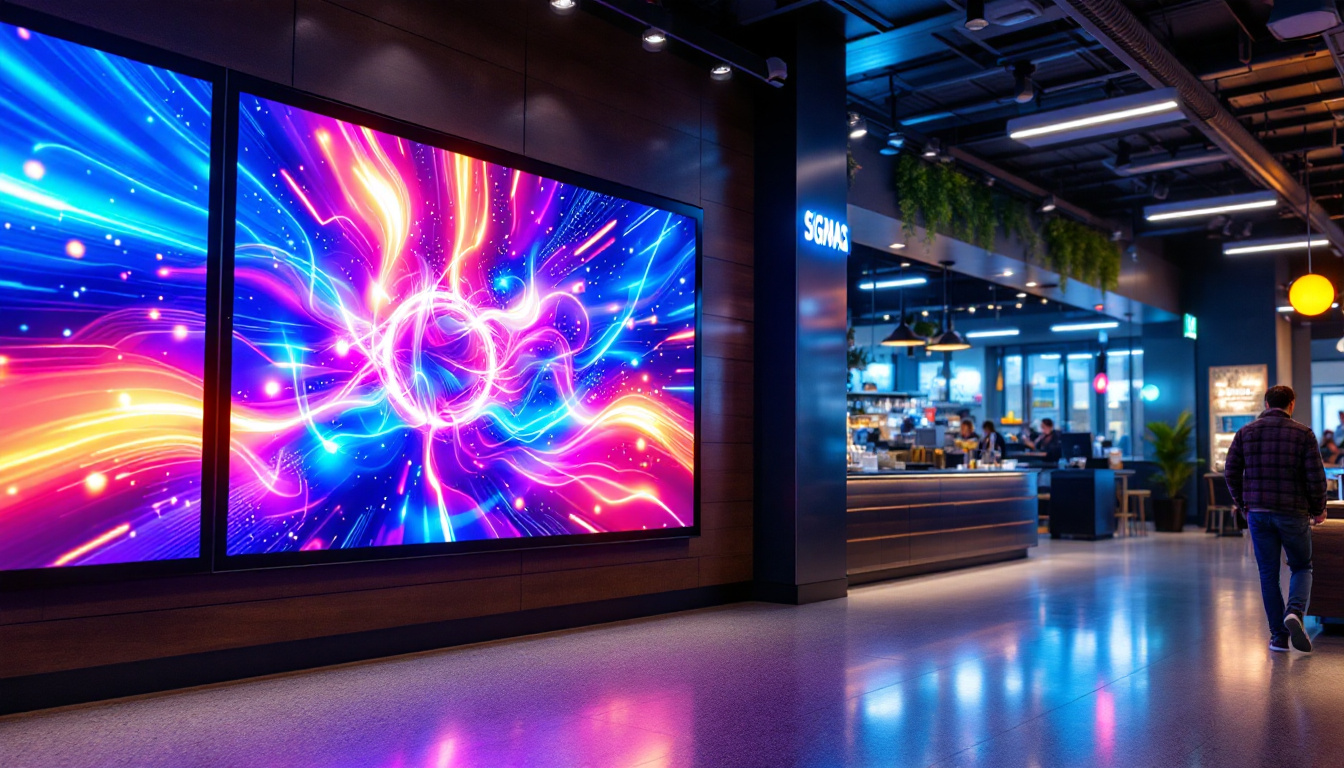
Retailers leverage indoor LED displays to attract customers and promote products. Dynamic content such as promotional videos, digital catalogs, and interactive advertisements can be showcased with striking clarity. Studies have shown that digital signage can increase customer engagement by up to 30%, making LED panels a valuable marketing tool.
Entertainment and Events
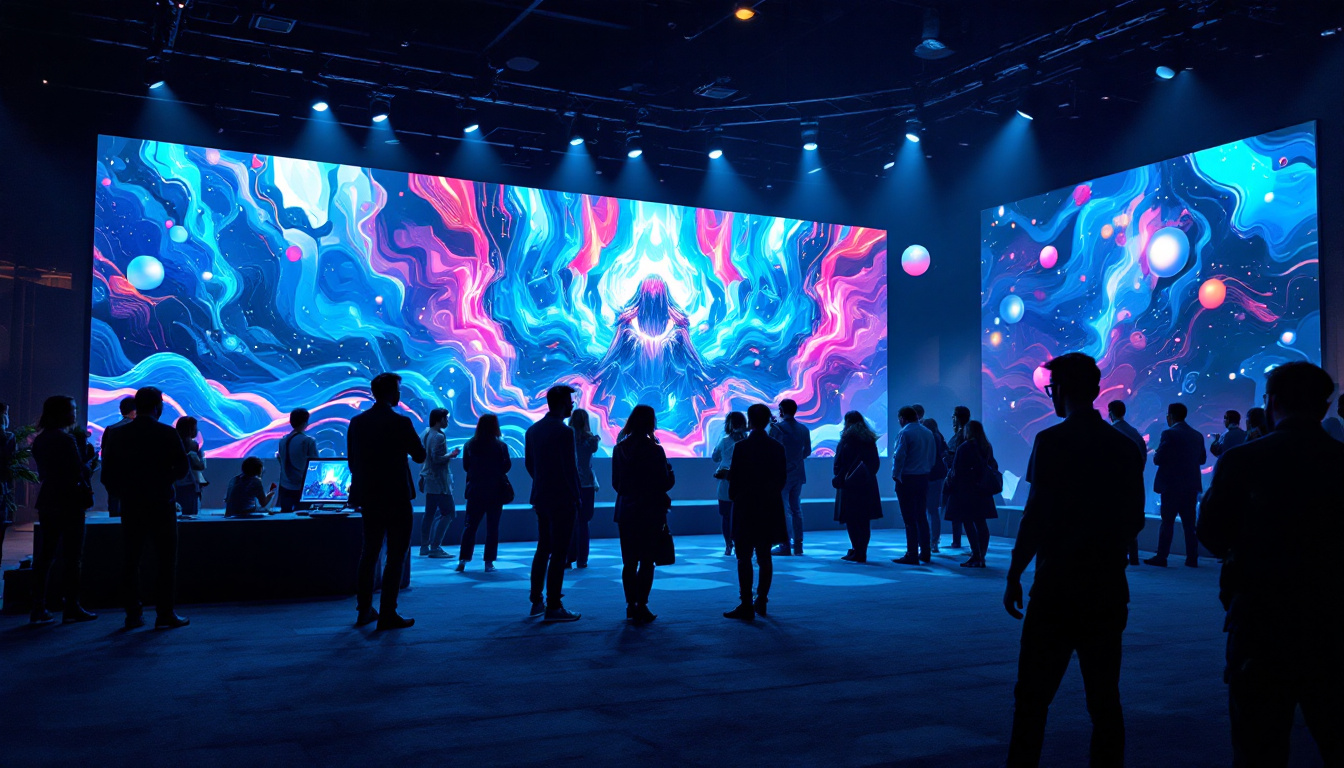
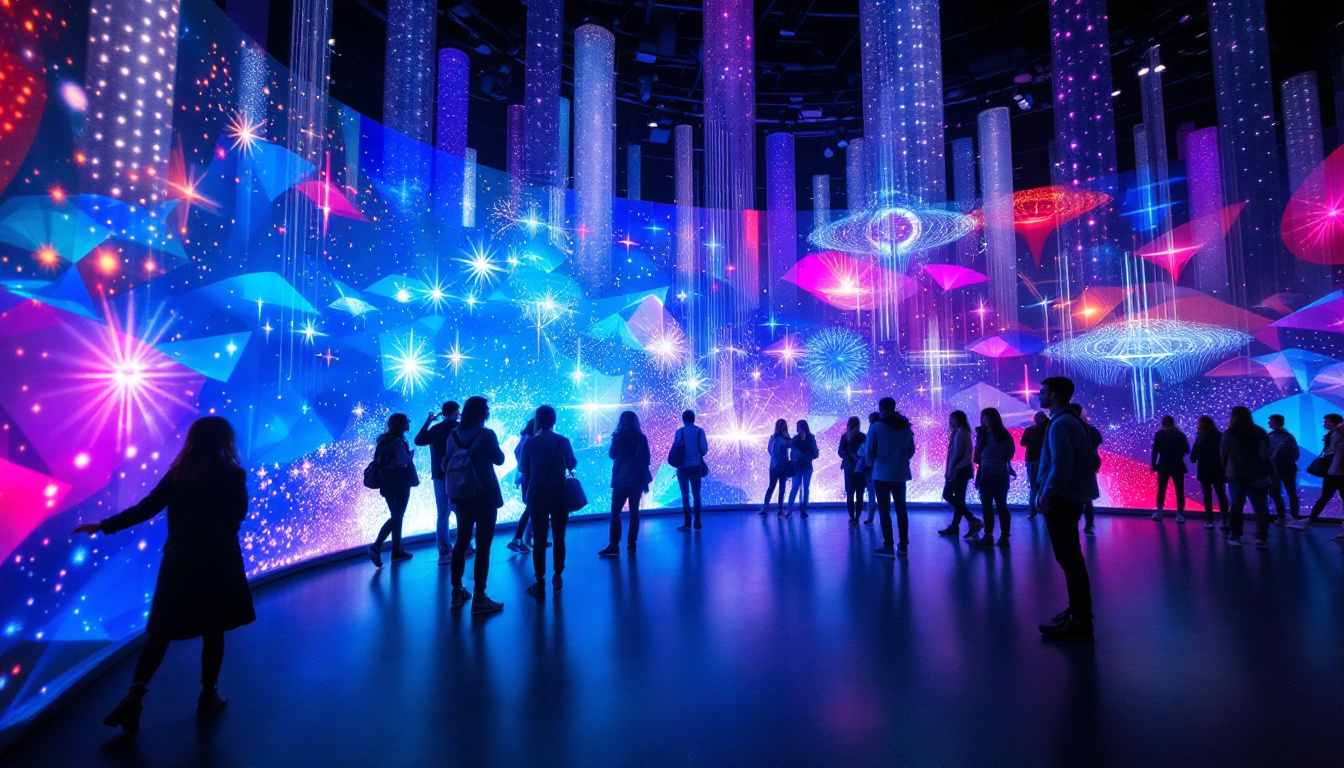
The entertainment industry benefits greatly from indoor LED panels. Concerts, theaters, and event venues use large LED walls to create immersive visual experiences. The ability to display high-definition content with vibrant colors enhances the overall atmosphere and audience enjoyment.
Education and Public Spaces
Educational institutions use indoor LED panels for digital notice boards, interactive learning displays, and auditorium screens. Public spaces such as airports, museums, and transportation hubs utilize LED panels for wayfinding, announcements, and advertisements, ensuring information is accessible and engaging.
Key Considerations When Choosing an Indoor LED Panel
Selecting the right indoor LED panel requires careful evaluation of several factors to ensure the display meets specific needs and delivers optimal performance.
Pixel Pitch and Resolution
Pixel pitch directly impacts image clarity and viewing distance. For indoor environments where viewers are close to the screen, a smaller pixel pitch (e.g., 1.2mm or less) is recommended to avoid visible pixelation. Higher resolution panels provide sharper images but may come at a higher cost.
Brightness and Contrast Ratio
Assess the ambient lighting conditions of the installation site to determine the required brightness level. While indoor LED panels generally have sufficient brightness, spaces with large windows or strong artificial lighting may require higher nit ratings to maintain visibility. Contrast ratio is also important for displaying content with depth and detail.
Size and Aspect Ratio
The physical size of the LED panel should align with the viewing distance and space constraints. Aspect ratio considerations ensure that content is displayed without distortion. Modular panels allow for custom sizes, but planning is essential to achieve the desired visual impact.
Installation and Maintenance
Consider the installation environment, including wall mounting, ceiling suspension, or freestanding configurations. Accessibility for maintenance is crucial, as LED panels require periodic cleaning and occasional repairs. Front-service LED panels, which allow maintenance from the front, can be advantageous in tight spaces.
Connectivity and Control Systems
Modern LED panels support various input sources such as HDMI, DVI, and network connections. Compatibility with control systems and software platforms enables easy content management and scheduling. Some panels also offer interactive capabilities, integrating touch sensors or sensors for audience engagement.
Future Trends in Indoor LED Display Technology
The LED display industry continues to evolve rapidly, driven by advancements in materials, manufacturing, and digital technology. Staying informed about emerging trends can help businesses future-proof their investments.
MicroLED and MiniLED Innovations
MicroLED and MiniLED technologies are pushing the boundaries of display performance. MicroLEDs are even smaller than traditional LEDs, allowing for ultra-high resolution and improved color accuracy. These innovations promise thinner, lighter panels with enhanced energy efficiency.
Integration with Smart Building Systems
Indoor LED panels are increasingly integrated with smart building technologies, enabling automated brightness adjustment based on ambient light, energy-saving modes, and synchronized content delivery across multiple screens. This integration enhances user experience and operational efficiency.
Interactive and Immersive Displays
Advancements in touch technology, augmented reality (AR), and artificial intelligence (AI) are transforming LED panels into interactive platforms. These displays can respond to user input, provide personalized content, and create immersive environments for retail, education, and entertainment.
Conclusion
Indoor LED panels represent a powerful and versatile display technology that offers superior image quality, energy efficiency, and design flexibility. Their wide range of applications—from corporate communications to retail marketing and entertainment—demonstrates their value in modern visual communication strategies.
When selecting an indoor LED panel, understanding the technical specifications and environmental requirements is essential to maximize the benefits. As technology advances, LED displays will continue to evolve, offering even more innovative and engaging ways to connect with audiences indoors.
Discover LumenMatrix’s Innovative LED Solutions
Ready to elevate your indoor space with cutting-edge LED technology? LumenMatrix is at the forefront of LED display innovation, offering a diverse range of solutions tailored to your unique needs. From mesmerizing Indoor LED Wall Displays to dynamic Outdoor LED Wall Displays and beyond, our mission is to transform your visual communication with unparalleled clarity and impact. Experience the difference with LumenMatrix and let us help you captivate your audience like never before. Check out LumenMatrix LED Display Solutions today and start your journey towards a brighter, more engaging visual future.