In recent years, LED technology has revolutionized the way information is displayed across various industries. One of the most dynamic applications of this technology is in automotive LED screens, commonly referred to as car LED screens. These displays are transforming vehicle communication, advertising, and entertainment, offering vibrant visuals and enhanced visibility. This article explores the technology behind car LED screens, their applications, benefits, and considerations for users and manufacturers alike.
Understanding Car LED Screens: The Technology Behind the Glow
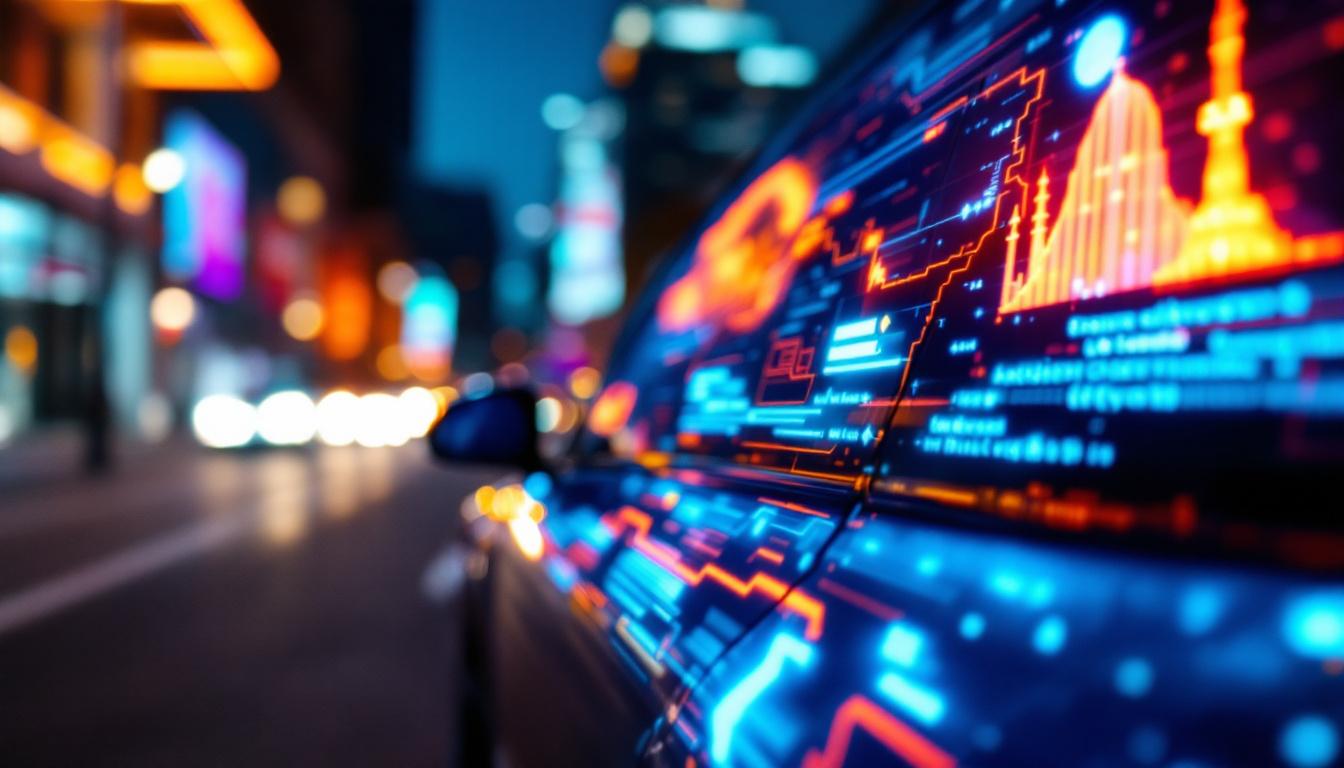
At its core, a car LED screen is a specialized display panel integrated into or mounted on vehicles, utilizing light-emitting diodes (LEDs) to present images, videos, or text. Unlike traditional LCD or plasma displays, LED screens offer superior brightness, contrast, and energy efficiency, making them ideal for outdoor and mobile use where lighting conditions can vary dramatically. These screens are not just functional; they also enhance the aesthetic appeal of vehicles, providing a modern touch that aligns with the technological advancements of today’s automotive industry.
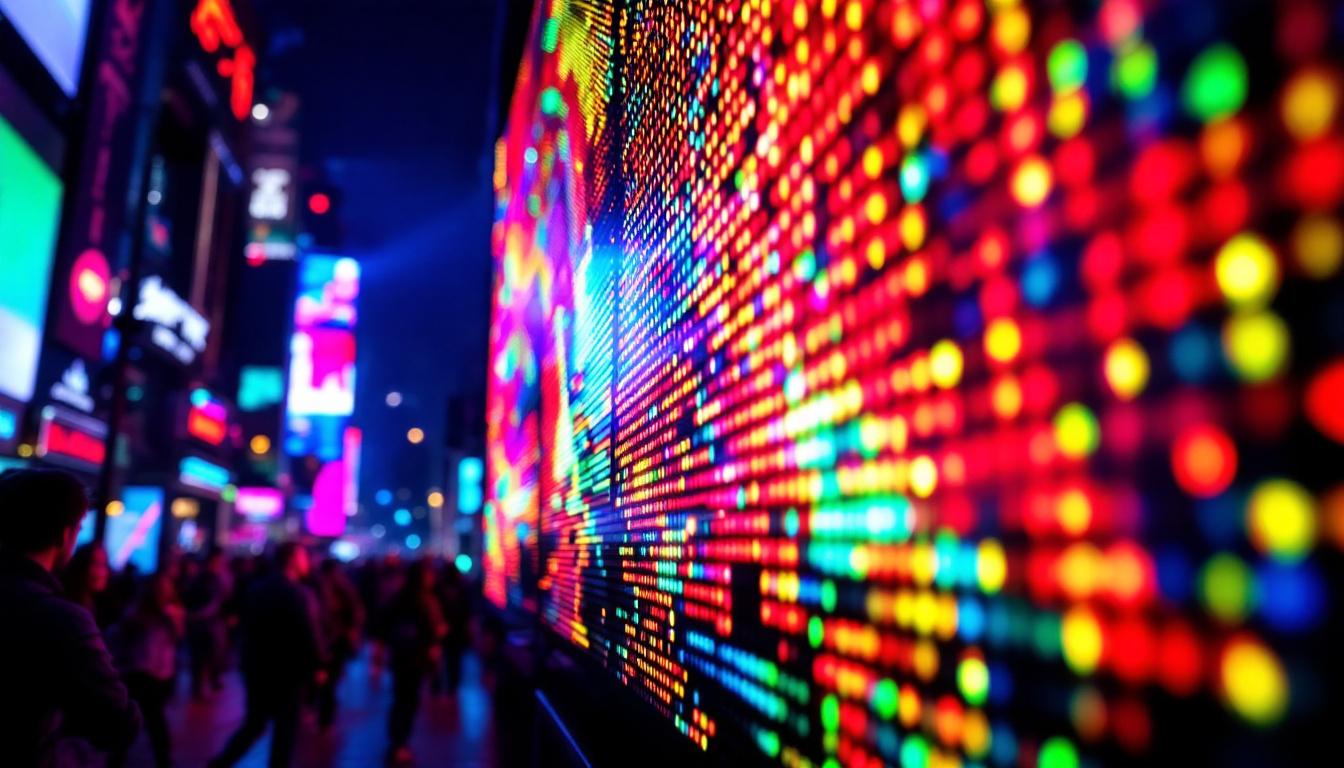
The fundamental building blocks of these screens are tiny LEDs arranged in a grid, each acting as a pixel. These LEDs emit light when an electrical current passes through them, allowing for vivid colors and sharp images. The resolution and pixel pitch—the distance between individual LEDs—determine the clarity and detail of the display. For car LED screens, manufacturers often balance pixel pitch and screen size to optimize visibility from various distances while maintaining a compact form factor suitable for vehicle integration. This careful design ensures that information is easily readable by drivers and passengers alike, contributing to a safer driving experience.
Types of LEDs Used in Car Displays
Car LED screens typically use either surface-mounted device (SMD) LEDs or discrete LEDs. SMD LEDs are compact, combining red, green, and blue diodes into a single package, enabling high-resolution displays with rich color depth. Discrete LEDs, on the other hand, use separate diodes for each color and are often found in larger, lower-resolution displays such as billboard-style car screens. The choice between these types largely depends on the intended application, with SMD LEDs favored for their versatility and compactness in modern vehicle designs.
Recent advancements have introduced mini-LED and micro-LED technologies, which offer even greater brightness and energy efficiency. While these are more common in consumer electronics, their adoption in automotive displays is growing, promising enhanced performance in future car LED screens. Mini-LEDs provide improved contrast ratios and deeper blacks, while micro-LEDs can achieve exceptional brightness levels and color accuracy, making them ideal for high-end vehicle models. As automotive manufacturers continue to innovate, we can expect to see these technologies not only improve the visual experience but also integrate seamlessly with advanced driver-assistance systems (ADAS), providing real-time data and alerts directly on the display.
Applications of Car LED Screens: Beyond Traditional Displays
Car LED screens have expanded far beyond simple dashboard indicators or rear brake lights. Their versatility and visibility have opened doors to a wide range of applications, from advertising to safety enhancements and entertainment.
Advertising and Promotion
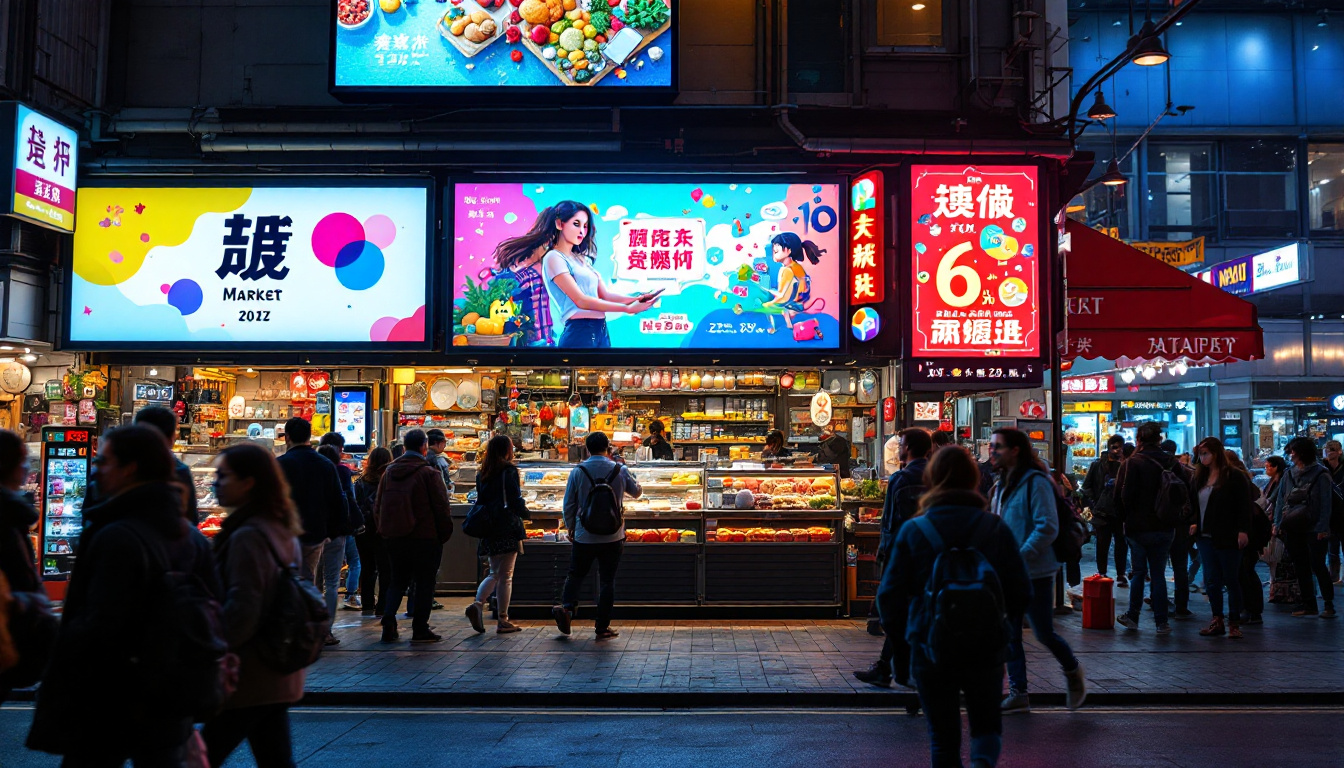
One of the most visible uses of car LED screens is in mobile advertising. Companies are outfitting taxis, buses, and delivery vehicles with LED panels that display dynamic advertisements. Unlike static billboards, these screens can change content in real-time, allowing for targeted marketing based on location, time of day, or audience demographics.
For example, a food delivery vehicle might display promotions for nearby restaurants during lunchtime, switching to entertainment or retail ads in the evening. This flexibility increases advertising effectiveness and engagement, with studies showing mobile LED ads can boost brand recall by up to 30% compared to traditional static signs.
Additionally, the integration of GPS technology allows these LED screens to display hyper-localized content, making ads even more relevant to passersby. As vehicles move through different neighborhoods or districts, the advertisements can adapt to reflect local events, promotions, or community news. This level of customization not only enhances the viewer’s experience but also fosters a connection between brands and local communities, making advertising more impactful and relatable.
Safety and Communication
LED screens on vehicles also serve critical safety functions. Emergency vehicles, such as ambulances and fire trucks, use LED displays to communicate warnings or instructions to surrounding drivers. Similarly, public transportation buses use LED panels to display route information, stops, and alerts, improving passenger experience and operational efficiency.
Some innovative applications include LED screens that display real-time messages to pedestrians and other drivers, such as “Yield,” “Stop,” or “Slippery Road Ahead.” These dynamic messages enhance road safety by providing clear, immediate communication, especially in adverse weather or low-visibility conditions.
Furthermore, the potential for integration with vehicle-to-vehicle (V2V) communication systems could revolutionize road safety. Imagine a scenario where vehicles equipped with LED screens can share information about road conditions, accidents, or traffic alerts with one another in real-time. This could lead to a more informed driving experience, allowing drivers to make better decisions and potentially reducing the number of accidents on the road.
Entertainment and Personalization
Car enthusiasts and event organizers are increasingly adopting LED screens for entertainment purposes. Customizable LED panels allow drivers to personalize their vehicles with animated graphics, messages, or themed visuals during car shows, parades, or promotional events. This trend reflects a broader cultural shift toward vehicle customization and digital expression.
Moreover, some luxury vehicles integrate LED displays into interior panels, providing ambient lighting and interactive interfaces that enhance the driving experience. These applications demonstrate the versatility of LED technology in both exterior and interior automotive environments.
In addition to personalization, LED screens can also serve as entertainment hubs during long journeys. Passengers can enjoy movies, games, or even interactive educational content displayed on screens embedded in the back of front seats. This not only keeps passengers engaged but also transforms the vehicle into a mobile entertainment center, making road trips more enjoyable for families and groups. As technology continues to advance, we may see even more innovative uses for LED screens in cars, further blurring the lines between transportation and entertainment.
Benefits of Car LED Screens: Why They Stand Out
Car LED screens offer several advantages over traditional display technologies, making them increasingly popular in automotive applications.
High Visibility and Brightness
One of the most significant benefits of LED displays is their exceptional brightness, which can reach up to 5,000 nits or more. This level of luminance ensures that messages and images remain visible even in direct sunlight, a critical factor for outdoor and mobile applications. The high contrast ratio of LEDs also enhances readability, reducing glare and improving safety.
Energy Efficiency and Durability
LEDs consume significantly less power compared to incandescent or fluorescent lighting, which is essential for vehicles where energy conservation impacts overall performance. Additionally, LEDs have a longer lifespan, often exceeding 50,000 hours of operation, reducing maintenance costs and downtime.
Durability is another key advantage. Car LED screens are designed to withstand harsh environmental conditions, including vibration, temperature fluctuations, moisture, and dust. Many are rated with IP65 or higher, indicating strong resistance to water and dust ingress, ensuring reliable operation in diverse climates.
Customization and Flexibility
LED technology allows for highly customizable displays in terms of size, shape, and content. This flexibility enables manufacturers and users to tailor screens to specific vehicle designs and functional requirements. Content can be updated remotely and instantaneously, facilitating dynamic messaging and interactive features.
Considerations When Choosing Car LED Screens
Despite their advantages, selecting and implementing car LED screens requires careful consideration of several factors to ensure optimal performance and compliance with regulations.
Resolution and Pixel Pitch
The resolution of a car LED screen affects the clarity and detail of displayed content. A smaller pixel pitch means higher resolution but typically comes at a higher cost. For applications like advertising where detailed images and text are necessary, higher resolution screens are preferable. Conversely, for simple messages or safety alerts, lower resolution may suffice.
Power Consumption and Integration
While LEDs are energy-efficient, the overall power consumption depends on screen size, brightness settings, and usage patterns. It is essential to consider the vehicle’s electrical system capacity and ensure proper integration to avoid battery drain or electrical faults.
Legal and Safety Regulations
Regulations governing the use of LED screens on vehicles vary by country and region. Many jurisdictions impose restrictions on brightness levels, flashing patterns, and content to prevent driver distraction and ensure road safety. For instance, some areas prohibit animated or flashing advertisements on moving vehicles.
Manufacturers and operators must stay informed about local laws and standards, such as those from the National Highway Traffic Safety Administration (NHTSA) in the United States or the European Union’s vehicle lighting regulations, to ensure compliance and avoid penalties.
Installation and Maintenance
Proper installation is critical to the durability and effectiveness of car LED screens. This includes secure mounting, weatherproof sealing, and integration with vehicle control systems. Regular maintenance, such as cleaning and software updates, helps maintain display quality and extends lifespan.
The Future of Car LED Screens: Trends and Innovations
The automotive LED display market is poised for continued growth and innovation, driven by advances in technology and evolving consumer and industry needs.
Integration with Smart Vehicle Systems
Future car LED screens are expected to integrate more deeply with vehicle sensors and communication systems. This will enable real-time adaptive displays that respond to traffic conditions, navigation data, and driver behavior. For example, an LED screen might display hazard warnings based on sensor input or change advertising content based on location analytics.
Enhanced Interactivity and Connectivity
As vehicles become more connected, LED screens will offer interactive features, allowing drivers or fleet operators to control content remotely via smartphones or centralized management platforms. This connectivity also supports data collection and analytics to optimize advertising strategies and safety messaging.
Advancements in Display Technology
Emerging technologies such as flexible OLEDs and transparent LED displays may soon find applications in automotive design, enabling screens that conform to curved surfaces or integrate seamlessly into windows and windshields. These innovations promise to enhance aesthetics and functionality while maintaining safety standards.
Conclusion
Car LED screens represent a significant advancement in automotive display technology, offering unparalleled brightness, flexibility, and energy efficiency. Their applications span advertising, safety, and entertainment, providing value to businesses, drivers, and passengers alike. However, successful implementation requires careful consideration of technical specifications, power requirements, and regulatory compliance.
As technology progresses, car LED screens will become even more integrated, intelligent, and interactive, shaping the future of vehicle communication and digital expression. For manufacturers, fleet operators, and advertisers, staying informed about these developments is essential to leverage the full potential of this vibrant and evolving technology.
Discover LumenMatrix’s Advanced LED Display Solutions
Ready to elevate your vehicle communication and advertising strategy with the latest in LED display technology? LumenMatrix is at the forefront of innovation, offering a wide range of LED display solutions tailored to your needs. From captivating Indoor and Outdoor LED Wall Displays to dynamic Vehicle LED Displays and beyond, our products are designed to make your brand stand out. Experience the future of visual engagement with our LED Sports Displays, Floor LED Displays, Custom LED Displays, All-in-One LED Displays, and LED Transparent Displays. Embrace the power of cutting-edge technology with LumenMatrix and transform how you connect with your audience. Check out LumenMatrix LED Display Solutions today and start your journey towards unparalleled visual communication.